
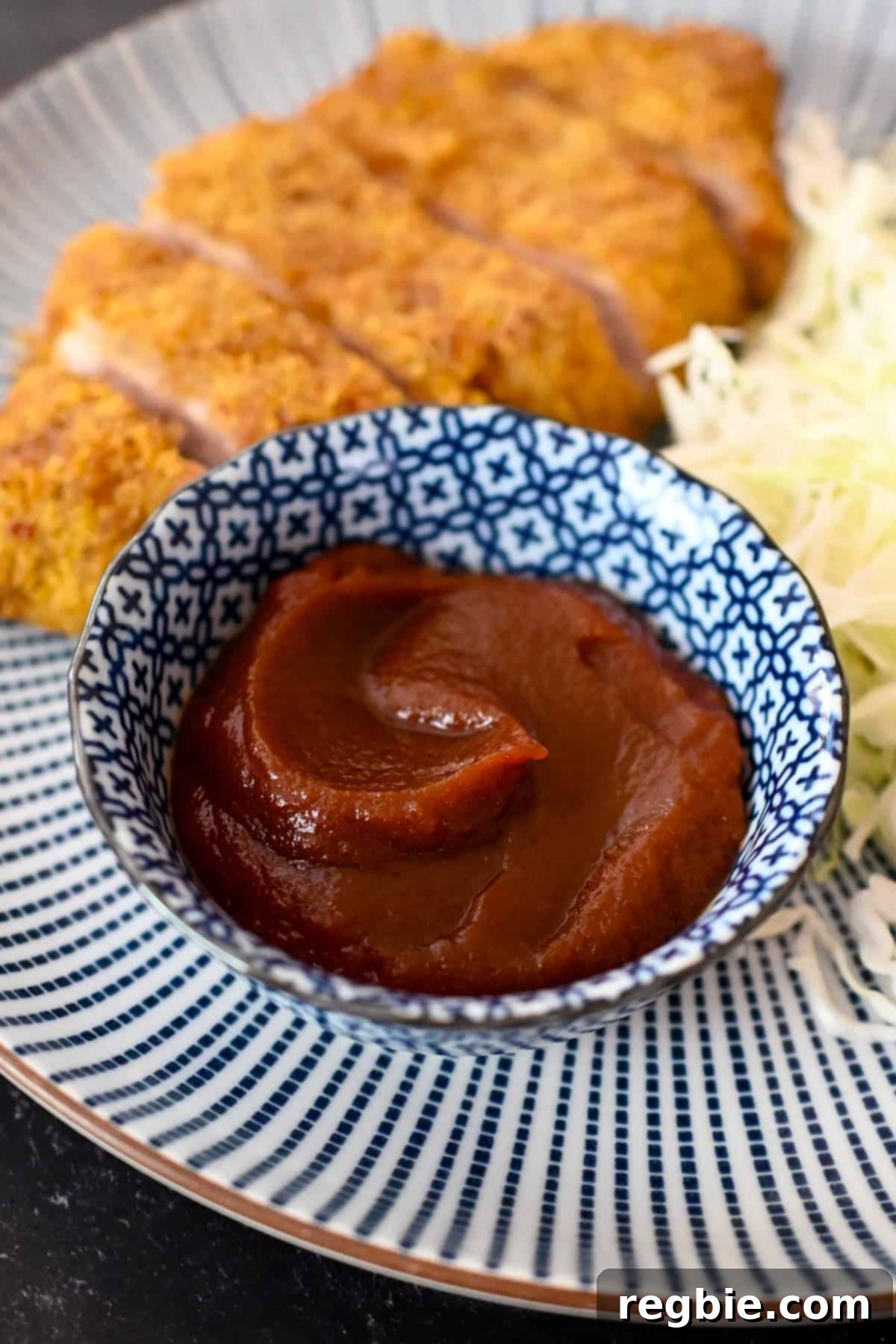
Craving that unmistakable sweet, tangy, and savory flavor of classic Japanese Tonkatsu Sauce, but committed to a healthy lifestyle? Look no further! This incredible homemade Tonkatsu Sauce recipe is your answer. Crafted with wholesome, real food ingredients, it delivers an authentic taste that rivals the most popular store-bought versions – specifically, the iconic Bulldog sauce. What’s even better? It’s completely Whole30, Paleo, and naturally gluten-free, making it suitable for a wide range of dietary needs without compromising on flavor. Prepare to impress your taste buds and everyone at your table; they’ll never guess this delicious condiment is also incredibly healthy!
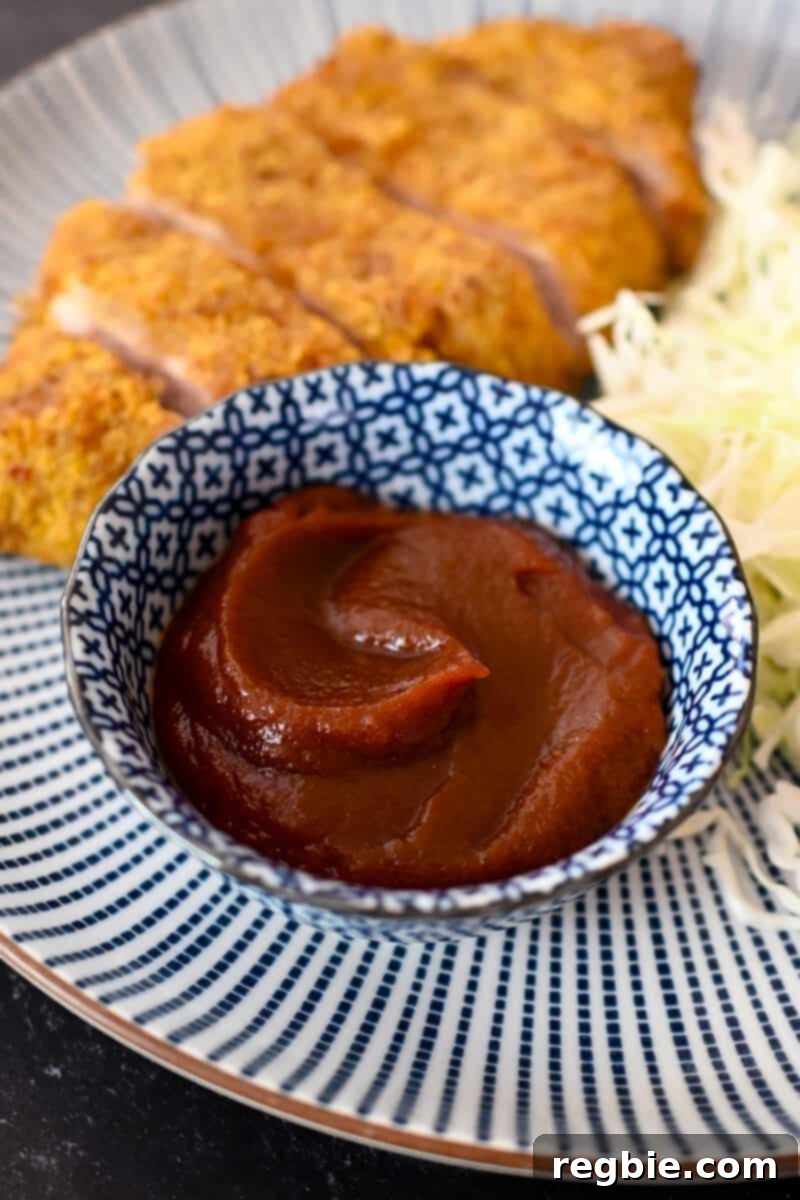
Table of Contents
- What is Tonkatsu Sauce?
- The Challenge with Bulldog Tonkatsu Sauce
- Why This Homemade Tonkatsu Sauce is Your New Favorite
- Key Ingredients for the Perfect Tonkatsu Sauce
- Step-by-Step: How to Make Tonkatsu Sauce
- Storing Your Homemade Tonkatsu Sauce
- More Whole30 & Paleo Sauce Recipes to Try
- Tonkatsu Sauce (Paleo, Whole30, Vegan) Recipe
What is Tonkatsu Sauce?
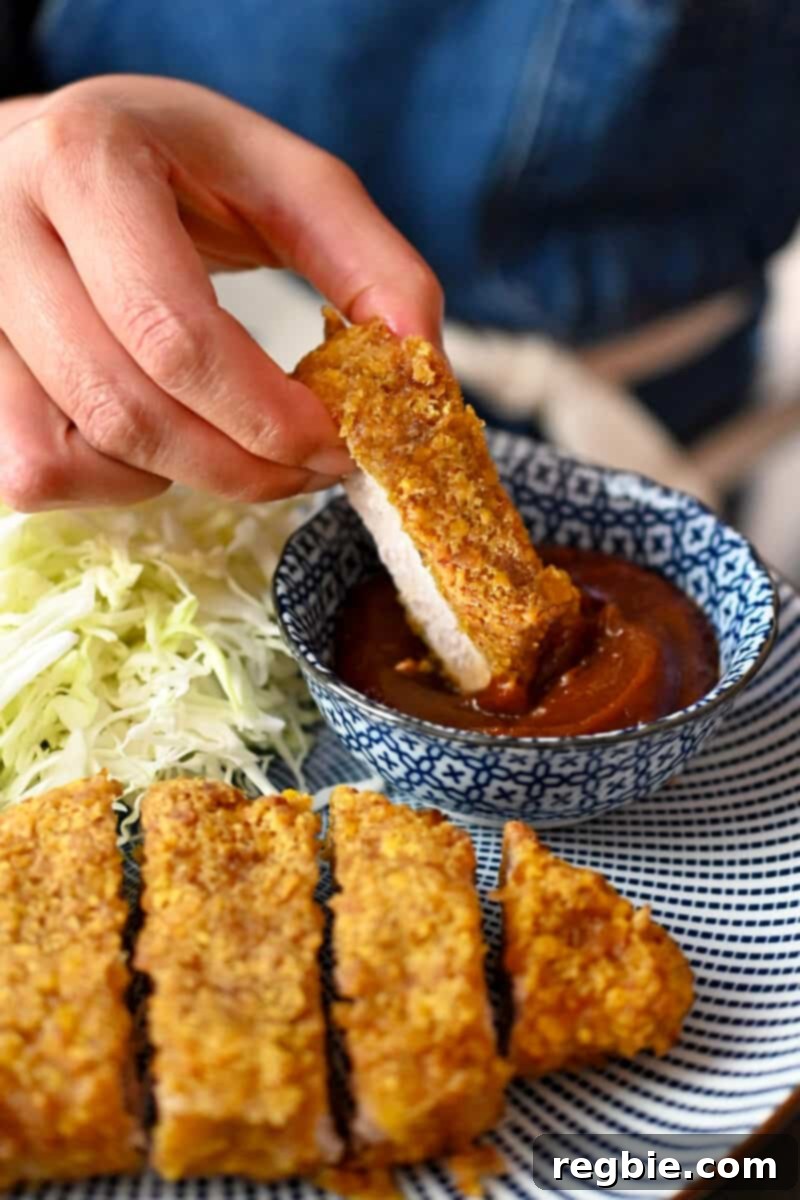
Tonkatsu Sauce is an essential Japanese condiment, deeply rooted in the country’s culinary traditions. Most famously, it’s the perfect accompaniment to tonkatsu, a crispy, deep-fried pork cutlet (also known as pork katsu). However, its versatility extends far beyond this classic dish, making it a beloved staple in many Japanese homes and restaurants. Imagine a richer, thicker, and distinctly sweeter version of Worcestershire sauce, or a tangy and robust barbecue sauce with an exotic twist. That’s Tonkatsu Sauce in a nutshell – a complex symphony of flavors boasting bright acidity, profound umami, and delicate fruit notes.
The flavor profile of Tonkatsu Sauce is truly unique. It delivers a delightful balance of sweet from fruits like apples and prunes, tanginess from vinegar and tomatoes, and a deep savory umami from a blend of vegetables and spices. If you’ve ever enjoyed other Japanese comfort foods like okonomiyaki (savory pancakes) or takoyaki (octopus balls), you’ll recognize the familiar, comforting taste as it shares many similarities with okonomiyaki sauce.
Traditionally, this iconic sauce is meticulously crafted by simmering a medley of vegetables and fruits, such as tomatoes, onions, carrots, apples, prunes, and lemons. These natural ingredients are then blended with vinegar, a touch of sweetness, salt, and a proprietary mix of spices to create a harmonious flavor. The resulting sauce boasts a thick, luscious texture that coats fried foods beautifully without making them soggy, ensuring every bite is a perfect blend of crispy and saucy. Beyond my renowned air fryer or oven-bakedtonkatsu, this versatile katsu sauce also elevates simple dishes like chicken nuggets, Cracklin’ Chicken, shrimp katsu, or even regular french fries and grilled vegetables. It’s truly a secret weapon for adding a burst of flavor to almost any meal.
The Challenge with Bulldog Tonkatsu Sauce
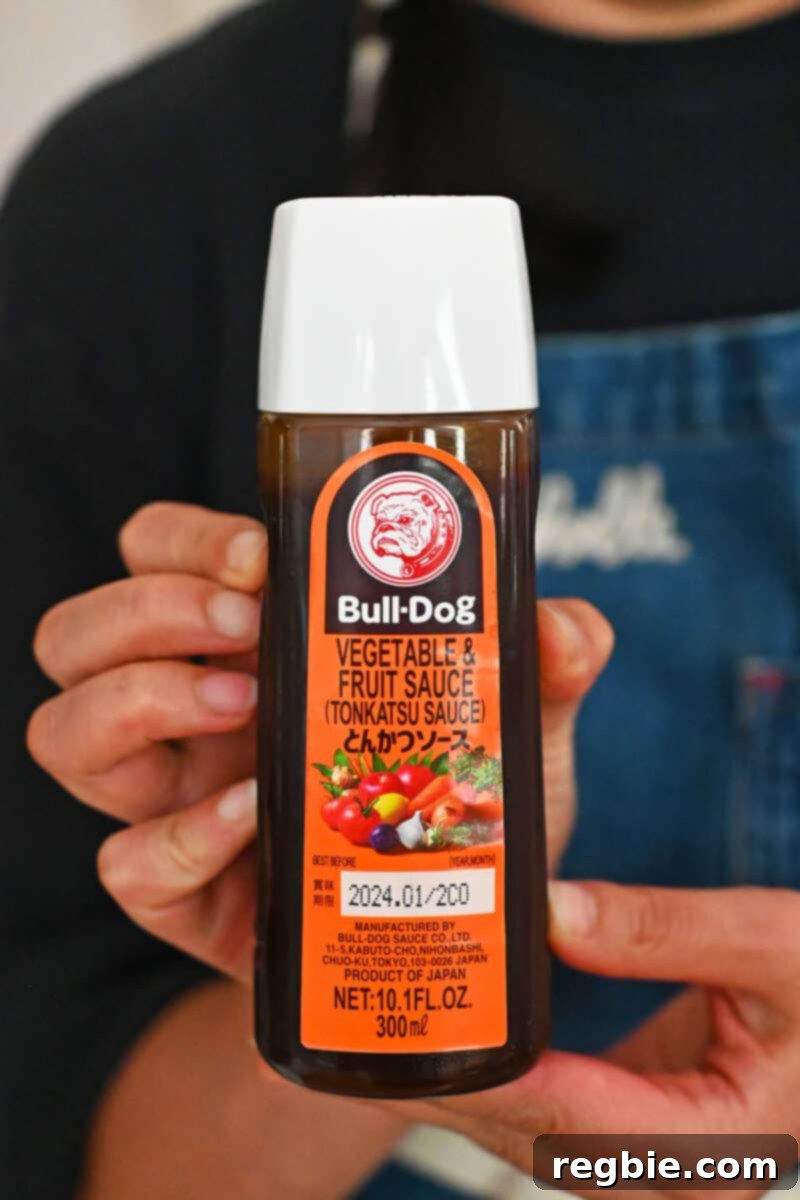
For decades, the undisputed king of commercially available Tonkatsu Sauce has been the Japanese brand Bull-Dog. Since its inception in 1902, Bull-Dog has become synonymous with quality condiments, and their orange-labeled Vegetable & Fruit Sauce is widely considered the gold standard for Tonkatsu Sauce by enthusiasts around the globe. Its consistent flavor and convenient availability have made it a go-to for countless households.
However, for those adhering to specific dietary protocols like Whole30 or Paleo, or simply seeking to avoid certain ingredients, the popular Bull-Dog sauce presents a challenge. While the precise, proprietary recipe remains a closely guarded secret, a quick review of the ingredient label reveals why it’s not compatible with these eating plans. Key culprits include high fructose corn syrup, which acts as a primary sweetener, modified rice starch used as a thickener, and yeast extract derived from soy, which adds umami but makes it unsuitable for soy-free diets.
My family, like many others, absolutely adores Bull-Dog sauces and couldn’t imagine enjoying their favorite crispy fried dishes without that quintessential tangy-sweet accompaniment. Faced with this dilemma, and unwilling to compromise on flavor or health, I was motivated to develop a copycat Tonkatsu Sauce recipe. The goal was simple: create a healthy homemade version that captured the essence of the classic Bull-Dog taste, but without any of the incompatible ingredients. This recipe is the culmination of that effort, allowing everyone to enjoy authentic Tonkatsu Sauce, guilt-free.
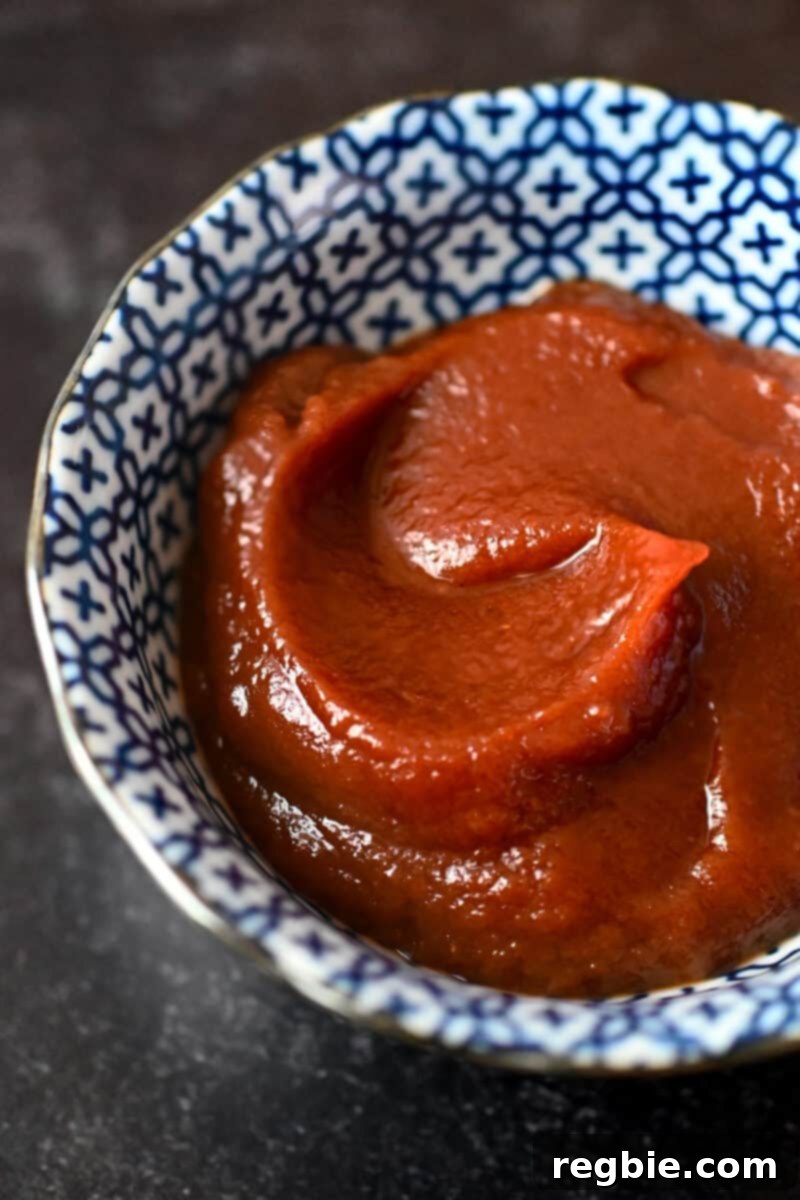
Why This Homemade Tonkatsu Sauce is Your New Favorite
This isn’t just another Tonkatsu Sauce recipe; it’s a game-changer for anyone seeking a healthier, more compliant, yet equally delicious alternative to store-bought varieties. Here’s why this homemade version will quickly become a staple in your kitchen:
- Made with Easy-to-Find, Whole Food Ingredients: Forget specialty stores or obscure items. Every ingredient in this recipe is readily available at most grocery stores, making it incredibly convenient to whip up anytime. You won’t need Worcestershire sauce, which often contains problematic ingredients like sugar or gluten, simplifying the process and keeping it clean. This emphasis on whole foods ensures you’re fueling your body with the best.
- Diet-Friendly and Inclusive: This recipe is a true champion for restrictive diets. It is meticulously crafted to be soy-free, avoiding common allergens and inflammatory ingredients found in many Asian sauces. It’s completely refined sugar-free, relying on natural sweetness from fruits. Furthermore, it’s grain-free and alcohol-free (no mirin needed), making it perfectly compliant with Paleo and Whole30 guidelines. And for our plant-based friends, it’s easily adaptable to be vegan-friendly by simply omitting the optional fish sauce. Everyone can enjoy this sauce!
- Lightning Fast – Ready in Under 10 Minutes! Who says healthy eating has to be time-consuming? This Tonkatsu Sauce is incredibly quick to prepare, taking less than 10 minutes from start to finish. It’s perfect for busy weeknights when you need a flavorful condiment without spending hours in the kitchen. The minimal prep and cook time make it an ideal choice for last-minute meal enhancements.
- Unbelievably Authentic Taste – Just Like Bulldog Tonkatsu Sauce! This is the ultimate testament to the recipe’s success. My primary goal was to create a sauce that genuinely tasted like the commercial Bulldog sauce, and it truly does. In fact, during blind taste tests with my family, they consistently chose my homemade version over the store-bought Bulldog sauce! While I admit they might be a tad biased, they are also famously picky eaters and never shy away from providing brutally honest feedback. Their preference is definitive proof that this healthy Tonkatsu Sauce perfectly captures the beloved flavor profile.
Key Ingredients for the Perfect Tonkatsu Sauce
Crafting this healthy, homemade Tonkatsu Sauce involves a thoughtful selection of ingredients, each playing a crucial role in replicating the complex flavor and thick consistency of its traditional counterpart. Here’s a detailed look at what you’ll need and why:
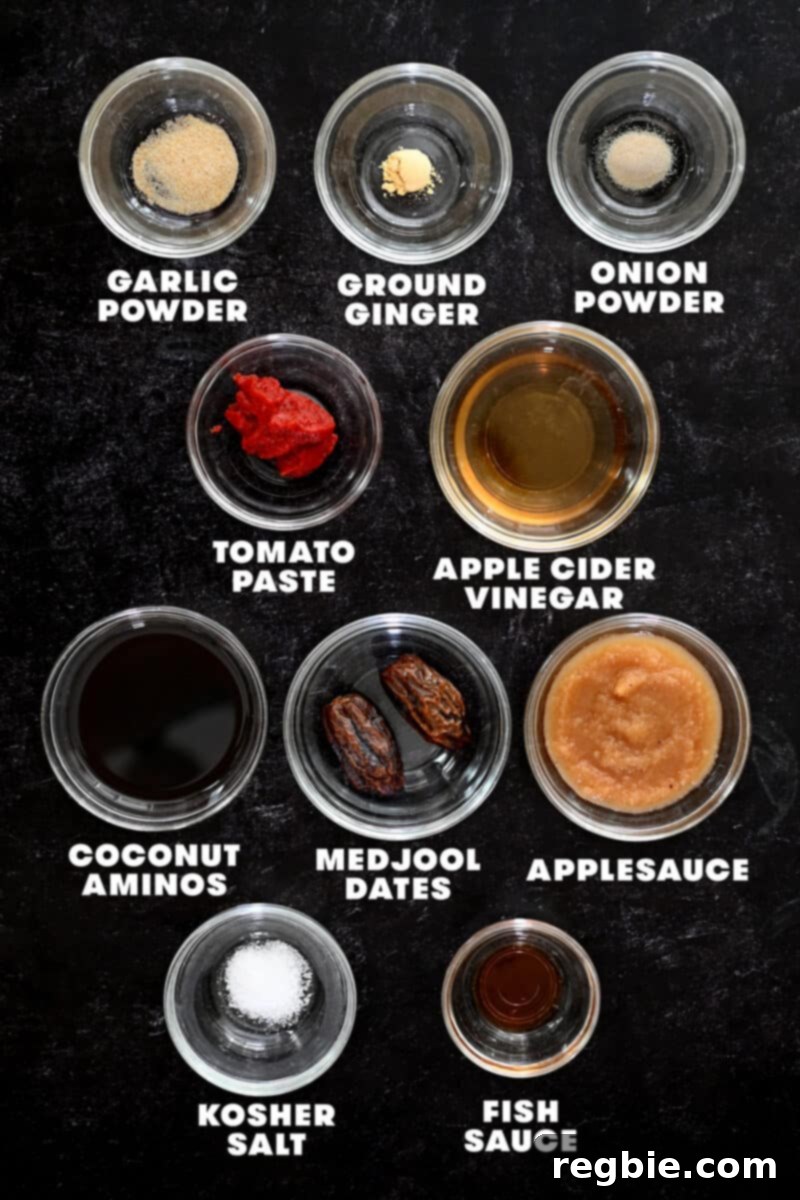
- Coconut Aminos: This fantastic soy sauce alternative is indispensable for adding a rich umami depth and a subtle, natural sweetness to the sauce. It acts as the savory backbone, mimicking the fermented notes often found in traditional Asian condiments, all while remaining soy-free and gluten-free.
- Unsweetened Applesauce: Instead of relying on refined sugars or hard-to-find fruit purees, unsweetened applesauce provides a natural sweetness and fruity tang, crucial for that classic Tonkatsu flavor. For ultimate convenience, I often grab applesauce pouches from the kids’ snack section – my go-to brand is Go Go SqueeZ for its consistent quality and smooth texture.
- Apple Cider Vinegar: Essential for balancing the sweetness and adding the signature bright acidity that cuts through richness, much like Worcestershire sauce. Apple cider vinegar contributes a clean, crisp tang. If you don’t have apple cider vinegar, rice vinegar makes an excellent substitute, offering a milder acidity. Lemon juice can also work in a pinch, though it’s generally less acidic than vinegar and may alter the flavor profile slightly.
- Dried Medjool Dates: These natural sweeteners are key to achieving the sauce’s characteristic sweetness without any added brown sugar or prune paste. Medjool dates impart a nuanced, caramel-like sweetness and contribute to the sauce’s thick body. If you happen to have date paste on hand, two tablespoons can be used as an easy equivalent.
- Tomato Paste: A concentrated burst of tomato flavor, tomato paste adds depth, body, and a lovely reddish-brown color to the sauce. I always keep a tube in my fridge for instant access, and I highly recommend you do the same for its versatility. If you don’t have tomato paste, a high-quality paleo-friendly ketchup (check for no added sugars or inappropriate ingredients) can be substituted in a pinch, though it might make the sauce a bit thinner.
- Diamond Crystal Kosher Salt: A fundamental seasoning to enhance all the flavors. Diamond Crystal is preferred by many chefs for its flakier texture and consistent salinity, allowing for more precise seasoning control.
- Garlic Powder: Provides a foundational aromatic depth and savory note, complementing the other ingredients without the sharpness of fresh garlic.
- Onion Powder: Similar to garlic powder, onion powder adds a mellow, sweet onion flavor that is essential for the complexity of Tonkatsu Sauce.
- Ground Ginger: A touch of ground ginger adds a warm, slightly peppery spice that elevates the overall flavor profile and adds an authentic Asian nuance.
- Fish Sauce: (Optional, but highly recommended for non-vegans) While optional for those making a vegan Tonkatsu Sauce, a small amount of high-quality fish sauce, such as Red Boat fish sauce, adds an indescribable depth of umami and savoriness. It’s that secret ingredient that makes the sauce truly sing, bringing a rich, fermented complexity that ties all the flavors together beautifully.
By combining these carefully selected ingredients, you’ll create a homemade Tonkatsu Sauce that is not only healthier but also bursting with authentic, delicious flavor.
Step-by-Step: How to Make Tonkatsu Sauce
Making your own healthy Tonkatsu Sauce is surprisingly simple and quick, requiring minimal effort for maximum flavor. Follow these straightforward steps to create a delicious homemade condiment that’s perfect for all your favorite dishes:
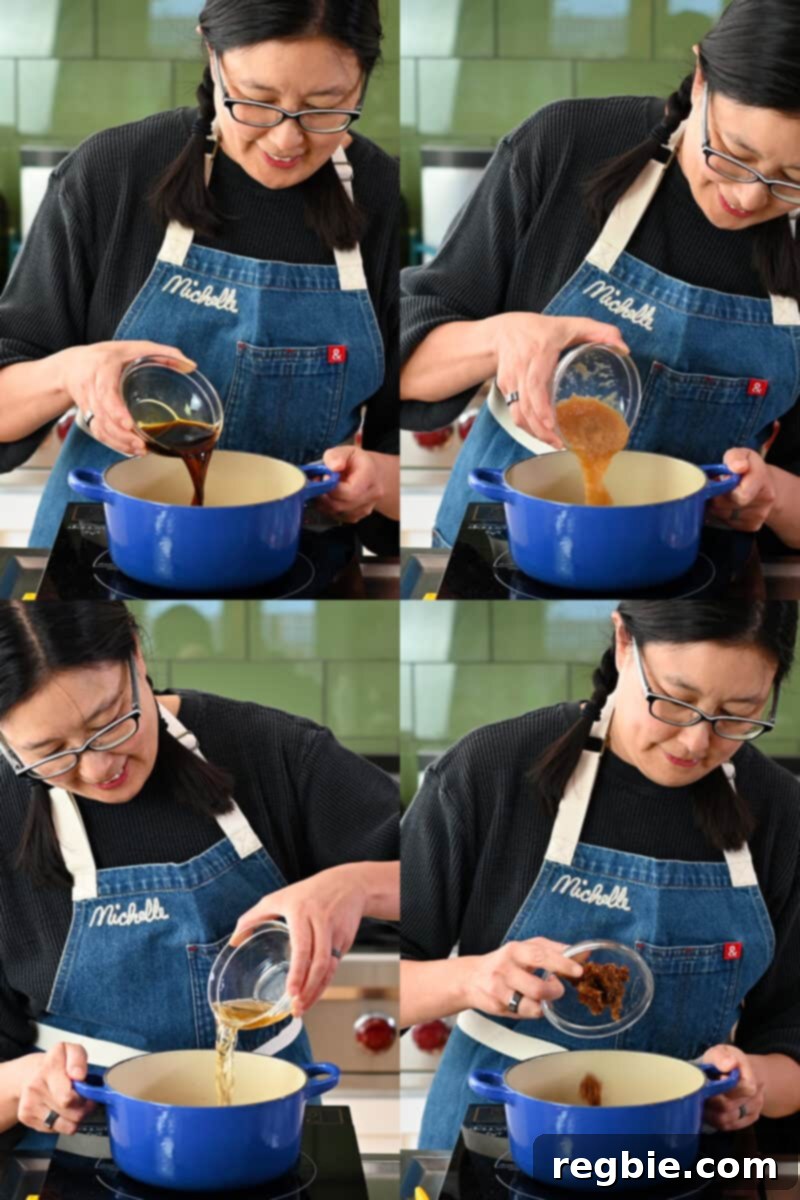
Step 1: Combine Wet and Sweet Ingredients in a Saucepan
Begin by gathering all your ingredients. In a small saucepan, combine the coconut aminos, unsweetened applesauce, apple cider vinegar, and the chopped Medjool dates. These ingredients form the sweet and tangy base of our sauce, laying the foundation for its rich flavor profile.
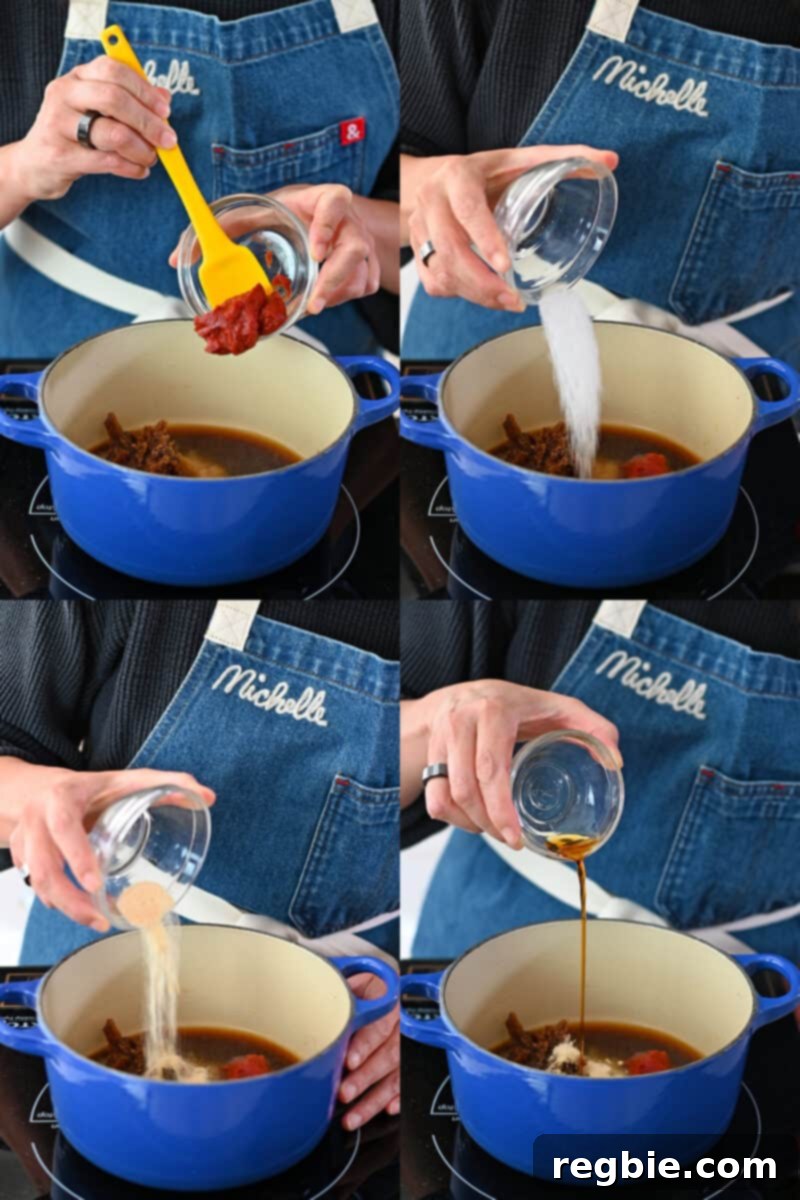
Step 2: Add Remaining Savory and Spice Elements
Next, add the tomato paste, Diamond Crystal kosher salt, garlic powder, onion powder, ground ginger, and the optional (but highly recommended) fish sauce to the saucepan. Stir everything together well to ensure all components are thoroughly mixed before heating. This ensures an even distribution of flavor throughout the sauce.
Step 3: Simmer to Develop Flavors and Thicken
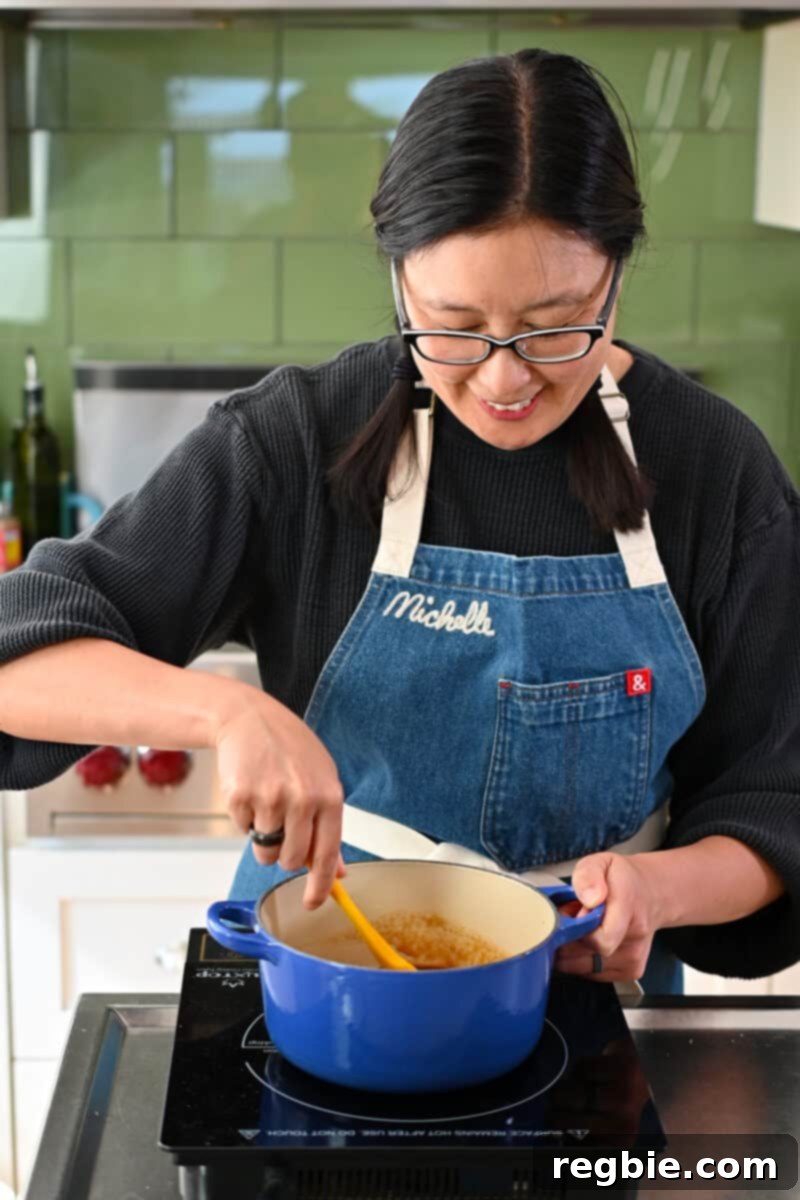
Place the saucepan over medium heat and bring the mixture to a gentle boil. Once boiling, reduce the heat to maintain a steady simmer. Continue to simmer for about 5 minutes, stirring frequently. This simmering process allows the flavors to meld beautifully and the sauce to thicken slightly to the desired consistency. Keep an eye on it to prevent scorching.
Step 4: Check Consistency and Adjust Seasoning
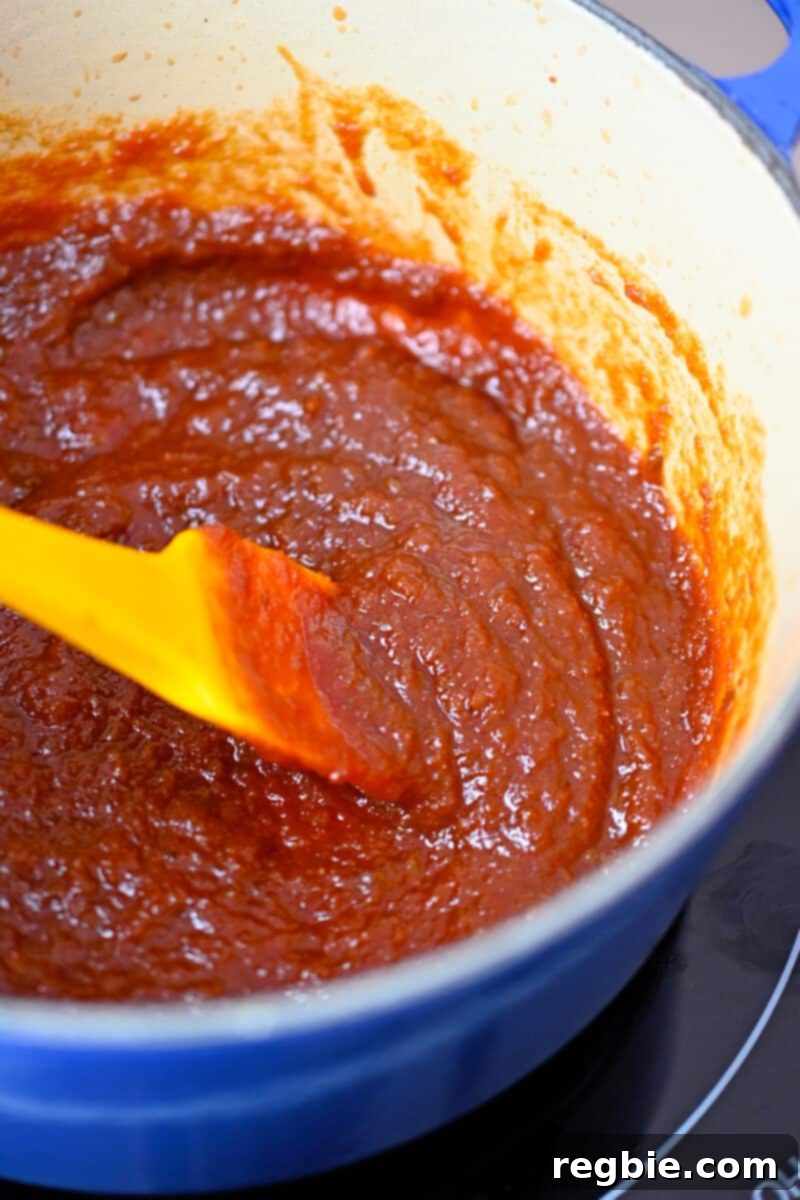
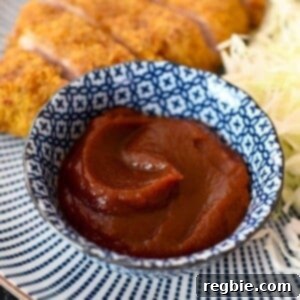
After simmering, the sauce should have developed a rich reddish-brown color and a consistency similar to that of thick ketchup. Remove it from the heat and taste for seasoning. This is your chance to personalize the sauce – if you prefer it tangier, add a touch more apple cider vinegar. If it needs more savory depth, a pinch more salt might be in order. Adjust according to your preference until it’s perfectly balanced.
Step 5: Blend for a Silky Smooth Finish (Optional)
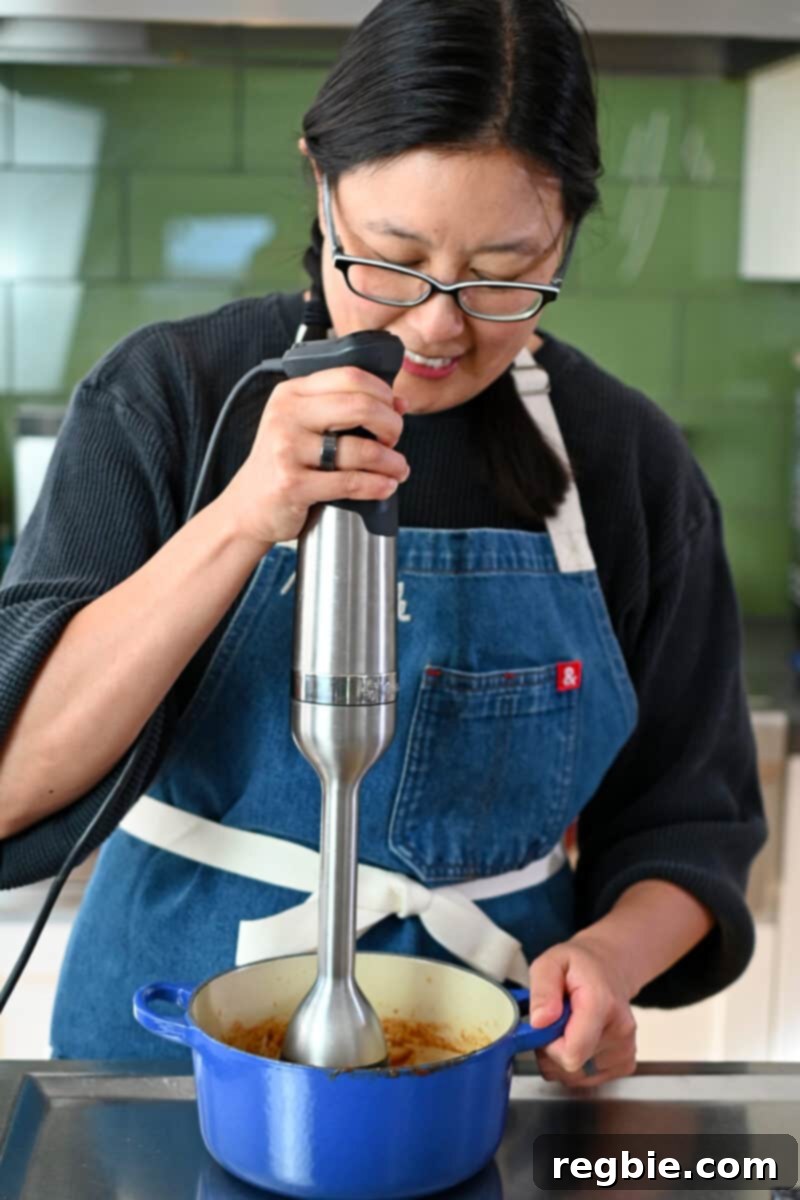
For an exceptionally smooth, restaurant-quality texture, you can blitz the sauce using an immersion blender directly in the saucepan. Alternatively, carefully transfer the sauce to a regular blender and process until velvety smooth. This step ensures that any small pieces of dates are fully incorporated, creating a truly luxurious sauce. If you prefer a slightly chunkier, more rustic texture, you can skip this step.
Step 6: Serve and Enjoy!
Once blended (or left as is), transfer your freshly made Tonkatsu Sauce to a small serving bowl. It’s now ready to be enjoyed with your favorite dishes! It pairs spectacularly with my air fryer (or oven-baked) paleotonkatsu, transforming a simple meal into an unforgettable culinary experience. You can also drizzle it over chicken katsu, serve it alongside your favorite fried veggies, or use it as a dipping sauce for homemade fries.
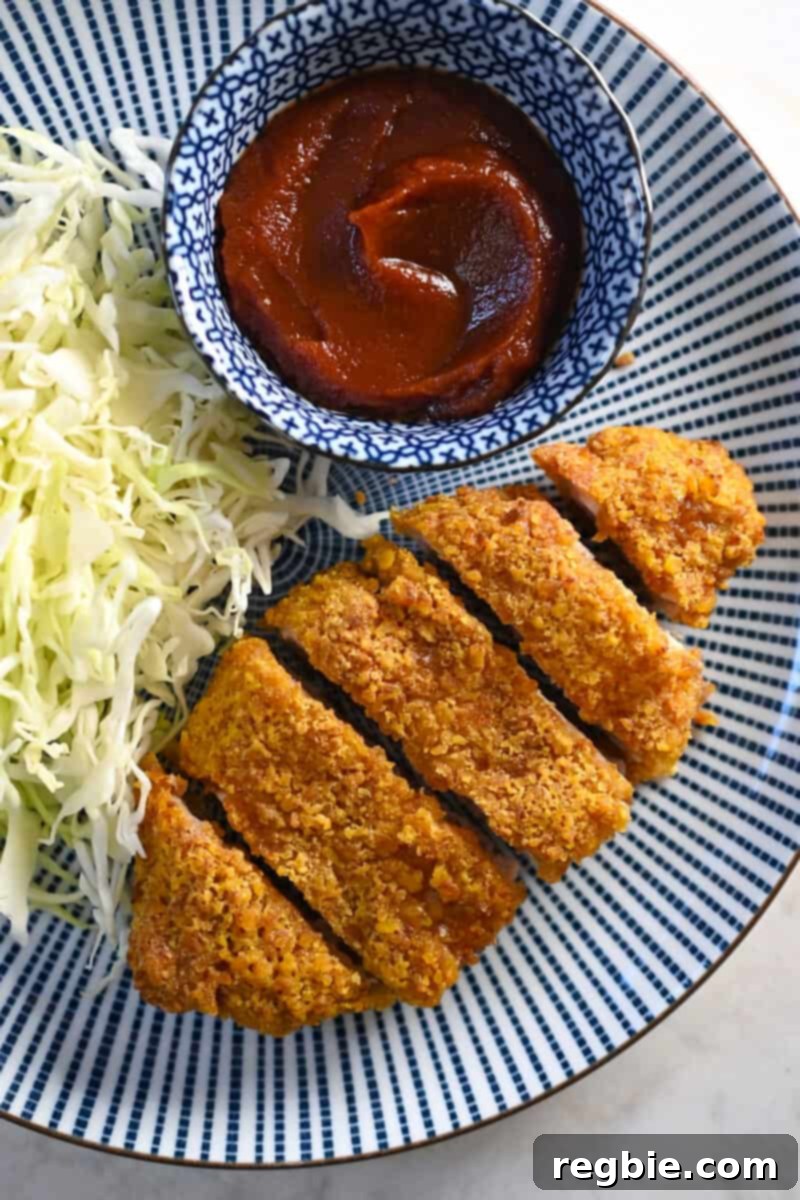
With these simple steps, you’ll have a delectable, healthy Tonkatsu Sauce that truly tastes authentic and enhances any meal!
Storing Your Homemade Tonkatsu Sauce
One of the many advantages of making this easy Tonkatsu Sauce from scratch is its excellent shelf life, allowing you to prepare it ahead of time and have a flavorful condiment readily available whenever a craving strikes. Proper storage ensures its freshness and delicious taste for days or even months.
For immediate use, transfer any leftover sauce into a clean, airtight container. It will keep beautifully in the refrigerator for up to 4 days. This makes it a perfect component for meal prep, as you can whip up a batch on the weekend and enjoy it with various meals throughout the week without worrying about it spoiling.
If you’re looking to extend its life even further, this homemade Tonkatsu Sauce freezes remarkably well. Pour the cooled sauce into an airtight freezer-safe container, or for convenient single-serving portions, freeze it in an ice cube tray. Once frozen solid in the ice cube tray, you can transfer the cubes to a freezer bag for long-term storage. The sauce can be frozen for up to 4 months. When you’re ready to use it, simply thaw your desired amount in the refrigerator overnight or gently warm it on the stovetop. It’s completely normal for the sauce to separate slightly upon thawing; a quick whisk will bring it right back together to its original smooth consistency. This makes it incredibly convenient to always have a healthy, flavorful dipping sauce on hand!
More Whole30 & Paleo Sauce Recipes to Try
If you love the idea of creating healthy, compliant versions of your favorite condiments, you’re in luck! Exploring the world of homemade sauces opens up a universe of flavor possibilities while keeping your dietary goals on track. Here are some other fantastic Whole30 and Paleo sauce recipes that are sure to become new staples in your kitchen, just like this Tonkatsu Sauce:
- Hoisin Sauce: A sweet and savory Chinese BBQ sauce that’s perfect for stir-fries, marinades, and dipping.
- Sriracha Sauce: Recreate the fiery kick of your favorite hot sauce without any added sugars or preservatives.
- All Purpose Stir-Fry Sauce: The ultimate versatile sauce to transform any stir-fry into a flavorful masterpiece.
- Tartar Sauce: A creamy, tangy classic that pairs perfectly with seafood.
- Tzatziki Sauce: A refreshing and herbaceous Greek yogurt-based sauce, made Whole30 and Keto friendly.
- Tonnato Sauce: A rich and savory Italian tuna-based sauce that’s surprisingly versatile.
Each of these recipes allows you to control the quality of ingredients, ensuring your meals are not only delicious but also align with your health and dietary preferences. Enjoy the journey of making your own clean, flavorful condiments!
Looking for more recipe ideas? Head on over to my Recipe Index, where you’ll find a vast collection of delicious and healthy meals. You’ll also discover exclusive recipes and culinary inspiration in my critically acclaimed cookbooks: Nom Nom Paleo: Food for Humans (Andrews McMeel Publishing 2013), Ready or Not! (Andrews McMeel Publishing 2017), and Nom Nom Paleo: Let’s Go! (Andrews McMeel Publishing 2022). Each book is packed with vibrant photography, easy-to-follow instructions, and delicious, healthy recipes for every occasion.
Tonkatsu Sauce (Paleo, Whole30, Vegan)
Ingredients
- ¼ cup coconut aminos
- ¼ cup unsweetened applesauce
- 3 tablespoons apple cider vinegar
- 2 large Medjool dates pitted and chopped into a paste (about 2 tablespoons date paste)
- 1½ tablespoons tomato paste
- ½ teaspoon Diamond Crystal kosher salt
- ¼ teaspoon garlic powder
- ¼ teaspoon onion powder
- ¼ teaspoon ground ginger
- ¼ teaspoon Red Boat fish sauce (optional)
Instructions
- Combine all the ingredients (coconut aminos, applesauce, apple cider vinegar, chopped dates, tomato paste, salt, spices, and fish sauce if using) in a small saucepan. Bring to a boil over medium heat.
- Then, decrease the heat to maintain a simmer for about 5 minutes, stirring frequently. The resulting sauce should be reddish brown and the flavors should meld and thicken.
- Taste for seasoning and adjust as needed with extra vinegar or salt to achieve your preferred balance of flavors.
- For a smooth consistency, blend the sauce until smooth with an immersion blender (directly in the saucepan) or in a regular blender.
- Serve with tonkatsu, chicken nuggets, Cracklin’ Chicken, or any other dish that benefits from a delicious dipping sauce.
Video
Notes
- Serving size is approximately one tablespoon.
- To make this sauce completely vegan, ensure you leave out the fish sauce. The umami will still be present from the other ingredients, though subtly different.
- This easy tonkatsu sauce can be stored in a sealed container in the refrigerator for up to 4 days.
- For longer storage, you can freeze it in an airtight container or an ice cube mold for up to 4 months. If the sauce separates when thawed, simply whisk it back together to restore its smooth consistency.
Nutrition
Nutrition information is automatically calculated and should only be used as an approximation. Actual values may vary based on specific ingredients and preparation methods.
Like this recipe? We’d love to hear your thoughts! Leave a comment below and share your experience. Your feedback helps us create more delicious recipes!