
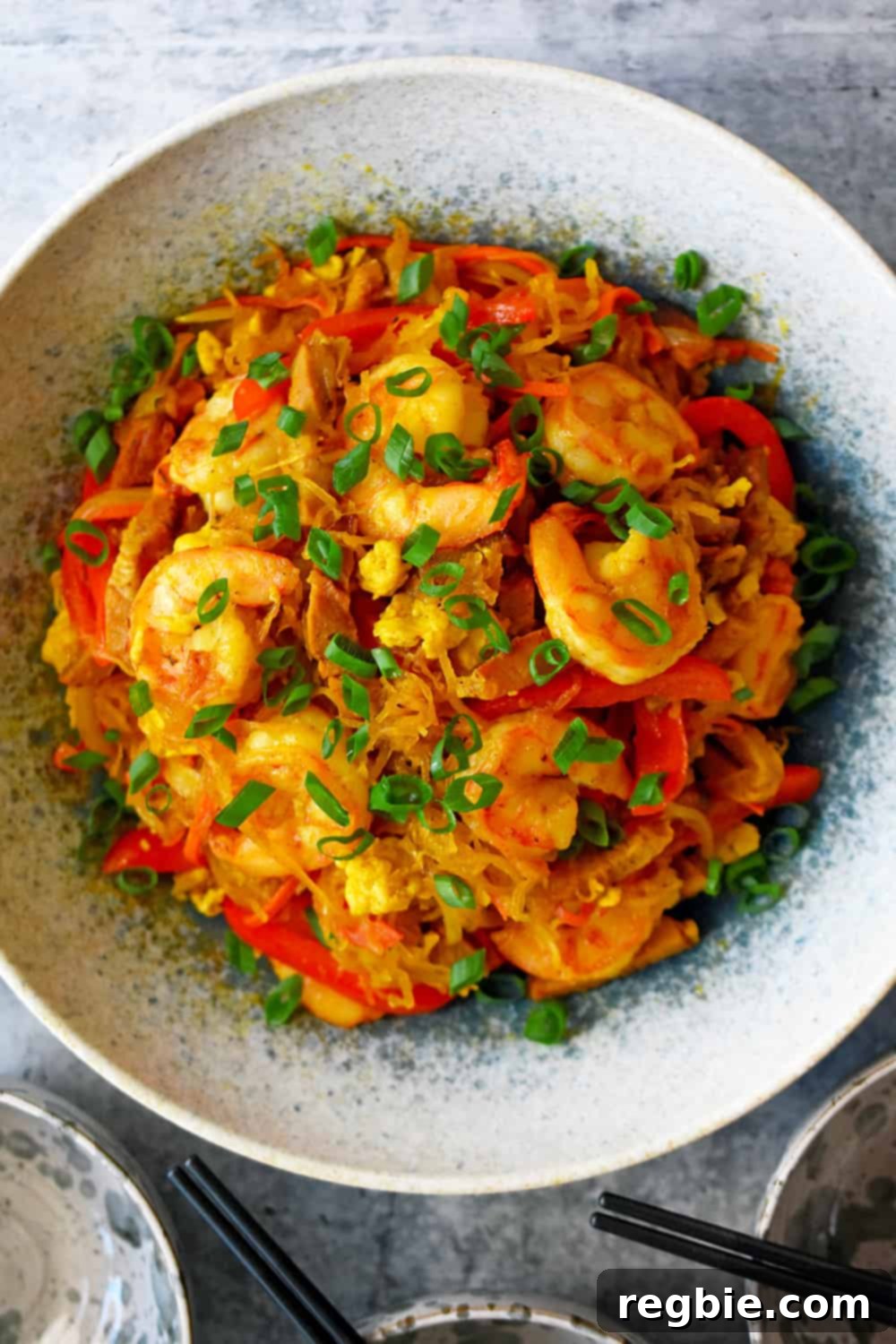
Embark on a culinary journey with our exquisite Paleo, Whole30, and Gluten-Free Singapore Noodles! This recipe is not just a dish; it’s a vibrant, healthier reimagining of the beloved Hong Kong classic, meticulously crafted to align with your dietary goals without compromising on taste. Our unique approach makes smart substitutions that drastically reduce carbohydrates, while significantly boosting protein, fresh vegetables, and an explosion of authentic flavors. Prepare to be amazed by this guilt-free, delicious stir-fry that brings the essence of Asian cuisine right to your kitchen.
Table of Contents
- Unveiling Our Latest Cookbook Delight: Nom Nom Paleo: Let’s Go!
- The Intriguing Story Behind Singapore Noodles
- Mastering Efficiency: Get This Dish on Your Table Faster
- Essential Ingredients for Paleo Singapore Noodles
- Spaghetti Squash: The Clever Noodle Swap
- Paleo Char Siu or Your Preferred Protein
- Succulent Shrimp: A Stir-Fry Staple
- Arrowroot Powder for Perfect Texture
- Protein-Packed Eggs
- Fresh, Vibrant Vegetables
- Avocado Oil: Your Healthy Cooking Fat
- Umami-Rich Sauce Components
- Aromatic Madras Curry Powder
- Kosher Salt for Perfect Seasoning
- Toasted Sesame Oil: A Finishing Touch
- Fresh Scallions for Garnish
- Step-by-Step Guide to Crafting Paleo Singapore Noodles
- Prepare Your Foundational Ingredients
- Season the Shrimp to Perfection
- Concocting the Flavorful Sauce
- Scramble Your Eggs
- Stir-Fry the Proteins and Vegetables
- Sautéing the Spaghetti Squash “Noodles”
- Combining All the Elements
- Explore More Paleo Noodle Creations
- Singapore Noodles (Paleo, Whole30) Recipe Card
Unveiling Our Latest Cookbook Delight: Nom Nom Paleo: Let’s Go!
We are beyond thrilled to present this phenomenal “noodle” recipe, a true highlight from our newest cookbook, Nom Nom Paleo: Let’s Go! This latest addition to our culinary collection, much like its predecessors, is a heartfelt labor of love. Every recipe within its pages was conceived, rigorously tested, beautifully photographed, and meticulously designed right here in our home by my husband Henry and me. What sets this book apart, however, is its unique genesis during an unprecedented global pandemic. The recipes within Nom Nom Paleo: Let’s Go! deeply resonate with the dishes that brought us comfort, joy, and a sense of normalcy during challenging times. For me, this meant embarking on a mission to transform beloved childhood favorites into paleo-friendly versions. These delightful Singapore Noodles are a perfect embodiment of that journey, offering a taste of nostalgia with a wholesome, modern twist.
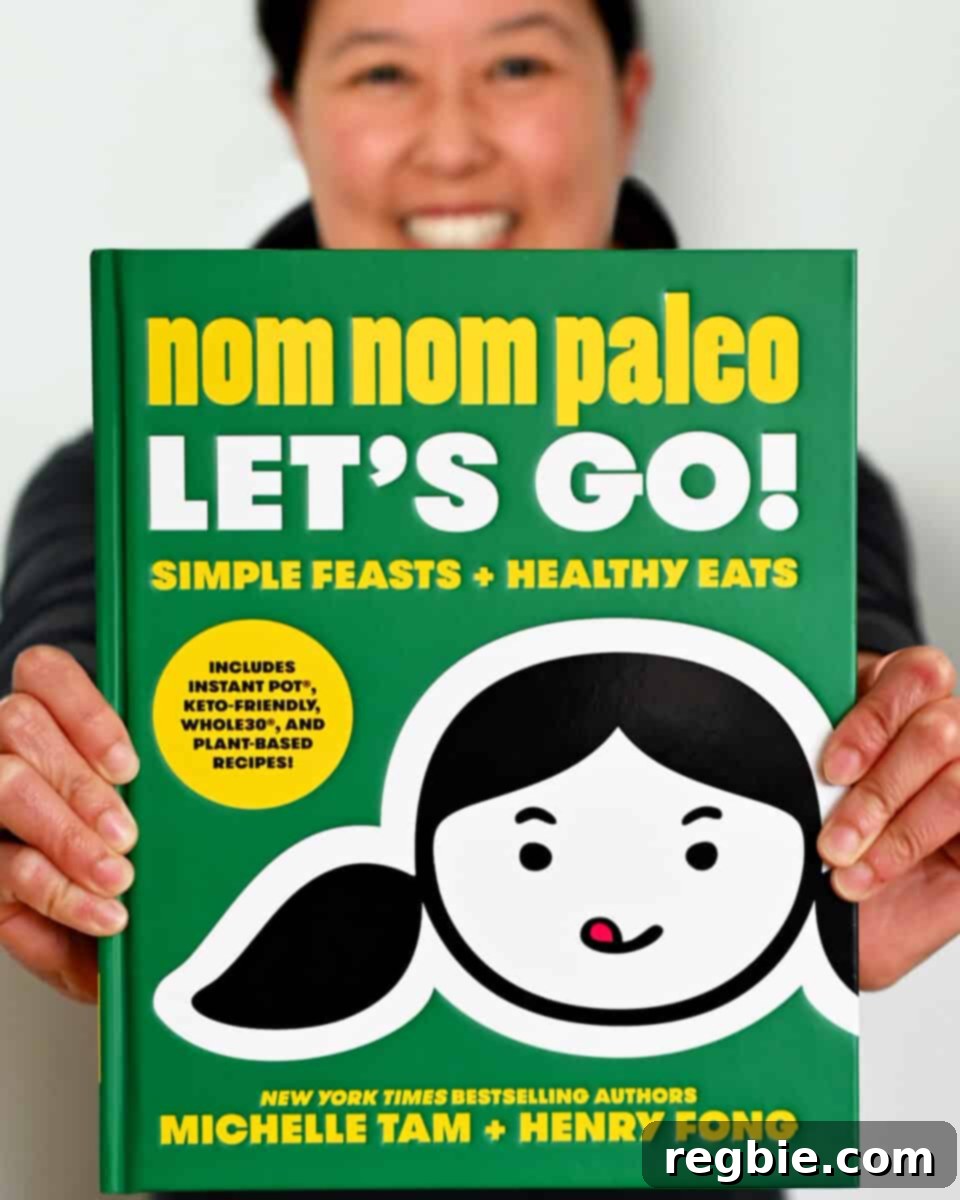
Our commitment to creating accessible and delicious paleo meals shines through in every page of Nom Nom Paleo: Let’s Go! We believe that healthy eating should never be a sacrifice of flavor, and this cookbook is packed with inventive dishes that prove it. From vibrant stir-fries like these Singapore Noodles to hearty comfort foods, each recipe is designed to inspire confidence in the kitchen and bring wholesome joy to your table. We pour our hearts into developing recipes that are not only compliant with paleo and Whole30 guidelines but also incredibly satisfying for the whole family, making healthy eating an exciting adventure.
The Intriguing Story Behind Singapore Noodles
Despite its widely recognized name, “Singapore Noodles” surprisingly does not originate from the city-state of Singapore itself. This popular and flavorful stir-fried noodle dish actually boasts its roots in the bustling culinary landscape of Hong Kong. It was in Hong Kong’s vibrant restaurants that chefs, inspired by the rich and diverse Indian-Chinese fusion cuisine prevalent in Singapore, crafted this now-iconic dish. This cross-cultural inspiration led to the creation of a stir-fry that captures exotic aromas and tastes, enchanting diners worldwide.
Traditionally, Singapore Noodles are prepared by swiftly stir-frying thin rice vermicelli noodles alongside an array of julienned vegetables, tender slices of pork (often Char Siu, or Chinese BBQ pork), succulent shrimp, and fluffy scrambled eggs. The defining characteristic of the dish is its aromatic seasoning, primarily featuring curry powder, which imparts a distinctive yellow hue and a delightful punch of warmth and spice. Our paleo-friendly rendition stays remarkably true to the essence of this global hit. While we make a few ingenious substitutions to align with paleo and Whole30 principles – most notably swapping traditional rice noodles for nutrient-dense spaghetti squash – the spirit of the original dish, with its harmonious blend of flavors and textures, remains perfectly intact. We’ve meticulously balanced the spices and ingredients to ensure you experience all the deliciousness of classic Singapore Noodles in a healthier, low-carb, and gluten-free format.
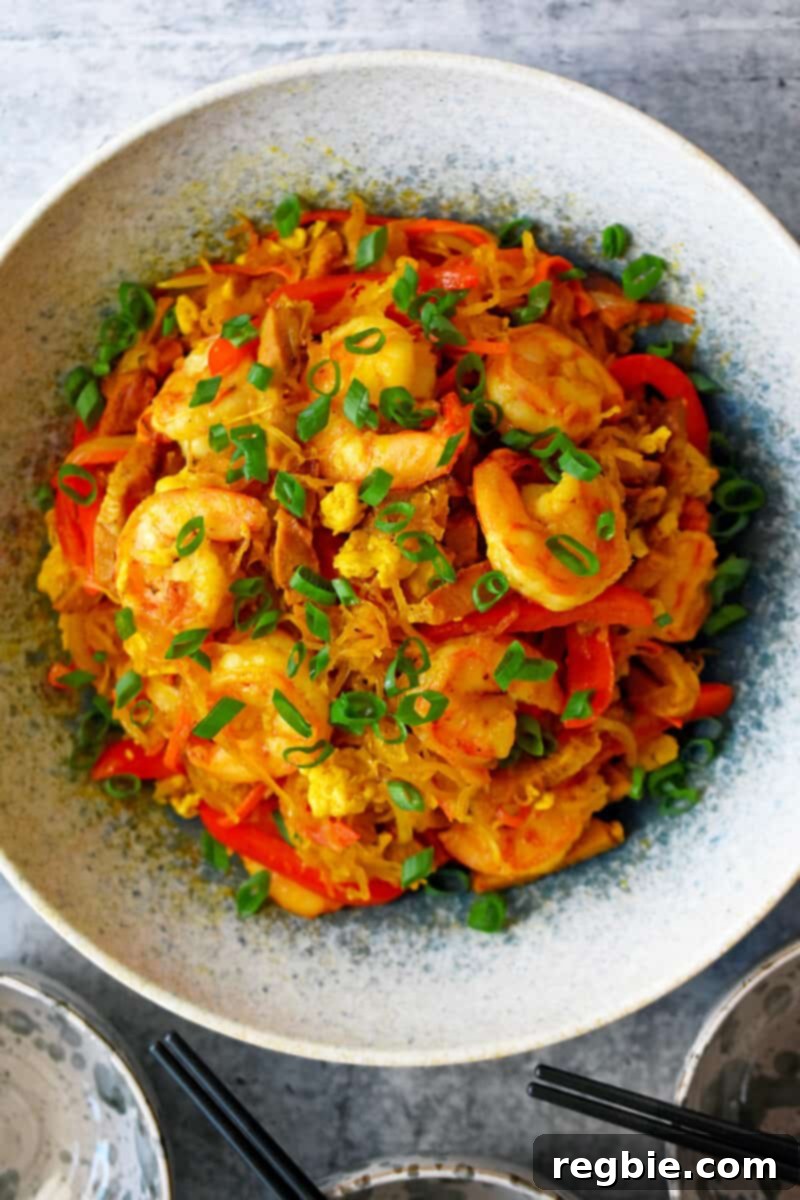
Understanding the origins of dishes like Singapore Noodles adds another layer of appreciation to their complexity and global appeal. Our paleo version pays homage to this rich history by preserving the vibrant flavors and swift cooking method that made the original so famous, while adapting it for modern dietary needs. This commitment allows you to enjoy a dish that is both authentic in spirit and innovative in its healthy approach.
Mastering Efficiency: Get This Dish on Your Table Faster
In today’s fast-paced world, finding time for wholesome, home-cooked meals can be a challenge. That’s why we’ve designed this Paleo Singapore Noodles recipe to be incredibly efficient, allowing you to have a delicious, nutritious dinner on the table in approximately 30 minutes – provided you engage in a little strategic meal preparation. The secret to its speed lies in “mise en place,” a culinary term meaning “everything in its place.” By preparing and organizing all your ingredients before you even turn on the stove, you transform cooking into a smooth, stress-free experience.
To truly fast-track this dish, we highly recommend utilizing pre-cooked spaghetti squash and having leftover Paleo Char Siu ready in your refrigerator. Spaghetti squash can be cooked days in advance using various methods like the Instant Pot, microwave, or even roasted in the oven, then shredded and stored. Similarly, cooking a batch of Paleo Char Siu on a weekend allows for quick incorporation into weeknight meals. The benefits of this approach are twofold: it saves precious time during busy evenings and prevents the frantic rush that can lead to overcooking or accidentally burning ingredients while you’re still chopping. Simply measure out all your sauces, chop all your vegetables into their designated matchsticks or thin strips, and have your proteins seasoned and ready. With everything lined up, you’ll be able to swiftly toss all the components into a hot skillet or wok, transforming what could be a lengthy process into a rapid culinary success. This method ensures maximum flavor with minimum fuss, making healthy eating a breeze, even on your busiest days.
Essential Ingredients for Paleo Singapore Noodles
Crafting the perfect Paleo Singapore Noodles relies on selecting high-quality, compliant ingredients that deliver on flavor, texture, and nutritional value. Here’s a detailed look at what you’ll need and why each component is crucial:
- Cooked Spaghetti Squash: This is the star of our low-carb, gluten-free noodle replacement. When cooked and shredded, spaghetti squash mimics the long, thin strands of rice vermicelli, providing a satisfying texture without the excess carbohydrates. Its mild flavor acts as a fantastic canvas, readily absorbing the rich curry seasoning and savory sauces. For convenience, spaghetti squash can be easily cooked in an Instant Pot for speed, or a microwave for a quick solution, making it an ideal choice for meal prepping.
- Paleo Char Siu: Our Paleo Char Siu adds an authentic, savory depth that is traditional to Singapore Noodles. It’s perfect for using up leftovers, adding a delightful sweet and salty element. If Char Siu isn’t available, don’t fret! Excellent substitutes include thinly sliced compliant ham, pre-cooked pork tenderloin, or shredded cooked chicken. The key is to have a flavorful, pre-cooked pork or poultry option ready.
- Large Prawns: Plump, large prawns are a classic and highly recommended protein in traditional Singapore Noodles, offering a delightful bite and a hint of oceanic sweetness. If you have a shellfish allergy or simply prefer not to use shrimp, feel free to omit them or substitute with more Char Siu or chicken.
- Arrowroot Powder: Used to lightly coat the shrimp, arrowroot powder serves a dual purpose. It creates a subtle crispness on the exterior of the shrimp when fried, enhancing texture, and it also acts as a natural thickener, helping the sauce adhere beautifully to all the ingredients. It’s a fantastic grain-free alternative to cornstarch.
- Eggs: Essential for a protein-packed dish, scrambled eggs are a foundational element in Singapore Noodles. They add richness and a satisfying texture, contributing significantly to the dish’s overall heartiness.
- Vegetables (Red Bell Pepper, Carrot, and Onion): These vegetables not only provide vibrant color but also essential nutrients and a tender-crisp texture. Cutting them into thin matchsticks or strips ensures they cook quickly and evenly in the stir-fry. Don’t hesitate to customize your vegetable medley; snow peas, julienned celery, thinly sliced cabbage, or even broccoli florets make excellent additions, allowing you to use what you have on hand.
- Avocado Oil: Our preferred cooking oil for its high smoke point and neutral flavor, avocado oil is an excellent paleo-friendly choice. It stands up well to high-heat stir-frying, unlike many conventional vegetable oils, ensuring a clean and healthy base for your dish.
- Coconut Aminos: This soy-free alternative to soy sauce is crucial for our paleo and Whole30 compliance. It provides a savory, slightly sweet, and umami-rich base for the sauce. When combined with fish sauce, it expertly replicates the complex flavor profile typically found in traditional Asian stir-fries.
- Red Boat Fish Sauce: A high-quality fish sauce is indispensable for adding a deep, savory umami flavor and essential salinity to the dish. Red Boat is renowned for its pure ingredients and robust flavor, making it a cornerstone of our sauce.
- Madras Curry Powder: This spice blend is what gives Singapore Noodles their signature golden hue and aromatic warmth. We highly recommend Madras curry powder from Oaktown Spice Co for its balanced and fragrant profile. Remember that some brands may include salt, so always taste and adjust your seasoning accordingly.
- Diamond Crystal Kosher Salt: A staple in our kitchen, this salt is ideal for seasoning due to its flaky texture and consistent salinity, allowing for precise flavor adjustments.
- Toasted Sesame Oil: A drizzle of toasted sesame oil at the end adds a subtle, nutty aroma and depth of flavor that elevates the entire dish. While highly recommended for its unique character, don’t worry if you don’t have it on hand; the dish will still be delicious without it.
- Scallions or Green Onions: Thinly sliced scallions serve as a beautiful, fresh, and aromatic garnish, adding a final burst of color and a mild oniony bite that complements the rich flavors of the stir-fry.
By gathering these ingredients and understanding their roles, you’re well on your way to creating a truly spectacular and healthy rendition of Singapore Noodles.
Step-by-Step Guide to Crafting Paleo Singapore Noodles
Creating this delicious Paleo Singapore Noodles recipe is a straightforward process, especially when you follow our detailed instructions. We’ve broken down each step to ensure a smooth and enjoyable cooking experience, culminating in a dish that’s rich in flavor and perfectly aligned with your healthy lifestyle.
1. Prepare Your Foundational Ingredients
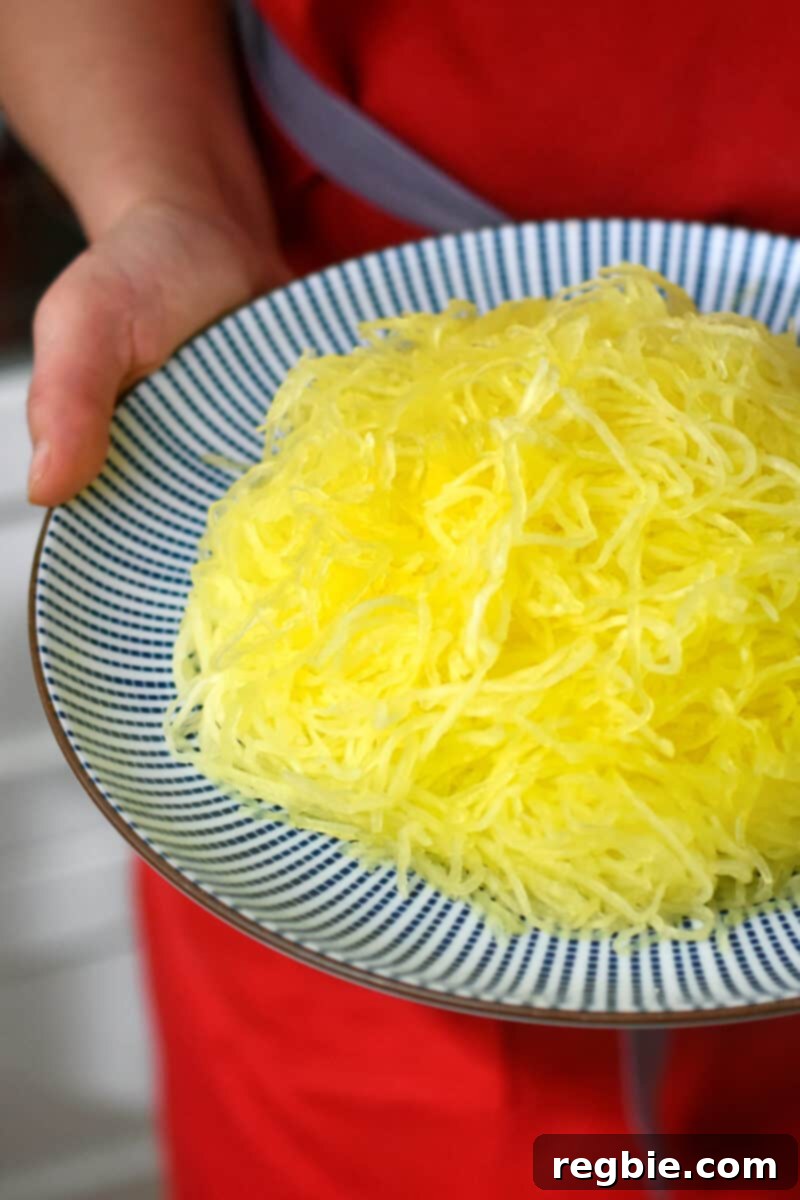
Begin by ensuring your spaghetti squash is cooked and shredded into “noodle” strands. You can achieve this quickly using your Instant Pot, a microwave, or by roasting it in the oven. The goal is tender, spaghetti-like strands that will absorb our flavorful sauce beautifully. Next, take your Paleo Char Siu (or your chosen pork/ham substitute) and slice it into thin matchsticks. This uniform cut ensures even cooking and integrates well with the spaghetti squash noodles. Having these two components prepped and ready is key to the rapid execution of this stir-fry.
2. Season the Shrimp to Perfection
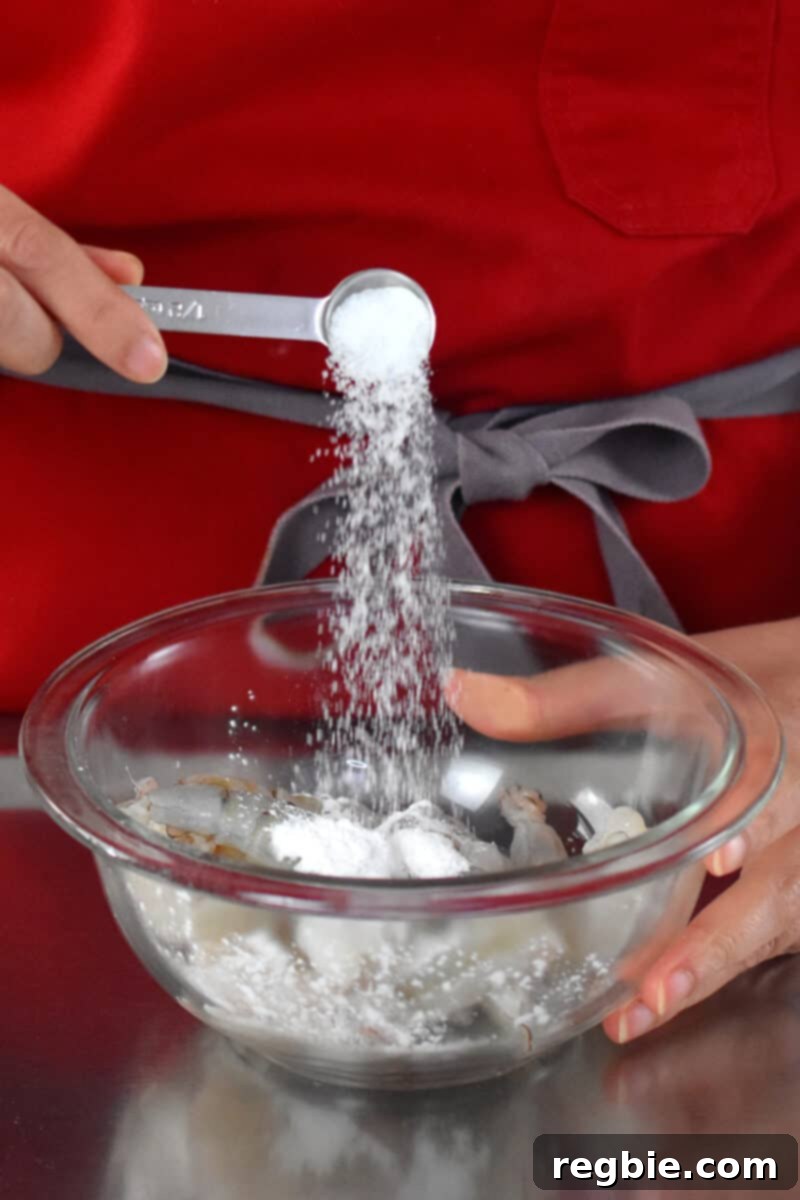
In a medium-sized mixing bowl, combine your shelled and deveined shrimp with the arrowroot powder and a pinch of salt. Gently toss until the shrimp are evenly coated. The arrowroot powder will give the shrimp a lovely crispness when cooked and help the flavors adhere. Set the seasoned shrimp aside while you prepare the other elements. This step ensures that each bite of shrimp is perfectly flavored and textured.
3. Concocting the Flavorful Sauce
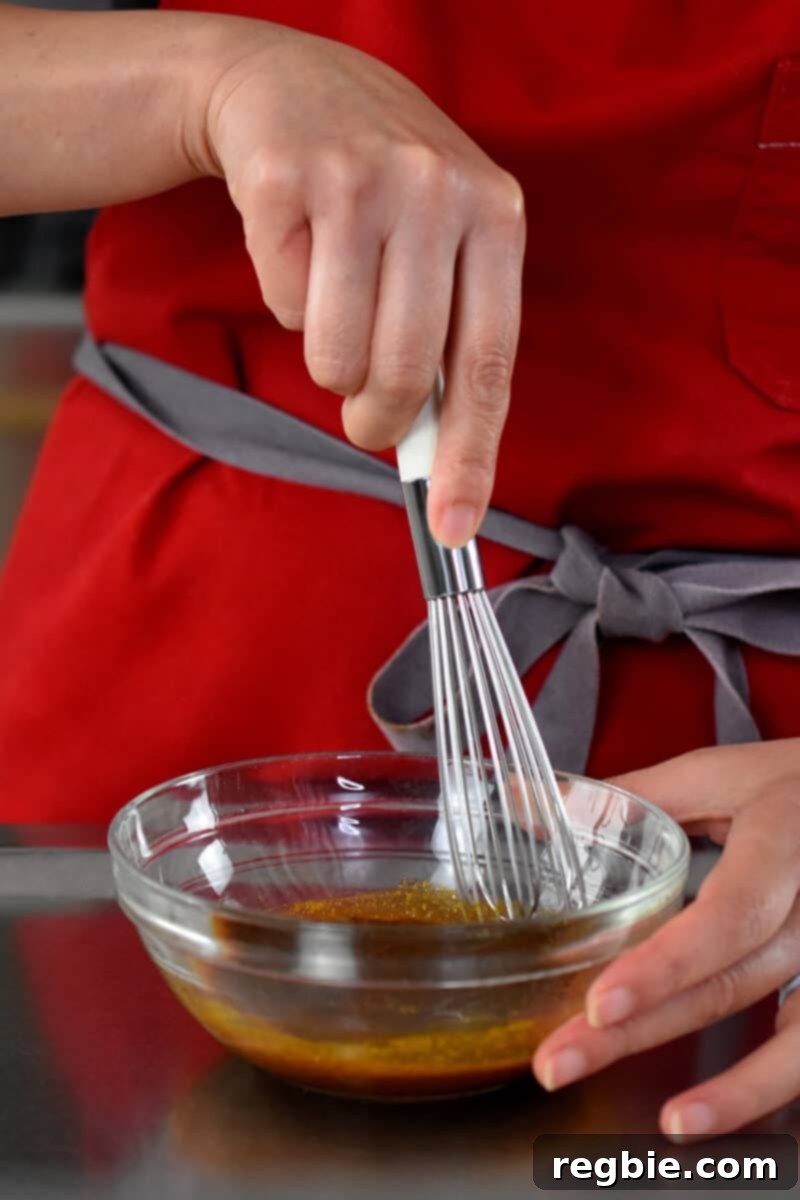
In a small bowl, whisk together the coconut aminos, two teaspoons of fish sauce, and two teaspoons of Madras curry powder. This blend forms the heart of our Singapore Noodles’ distinctive flavor profile – savory, umami-rich, and with a delightful hint of spice. Whisk thoroughly until all ingredients are well combined and the curry powder is fully incorporated, ensuring a smooth and consistent sauce. Set this vibrant mixture aside, ready to be introduced to the stir-fry at the perfect moment.
4. Scramble Your Eggs
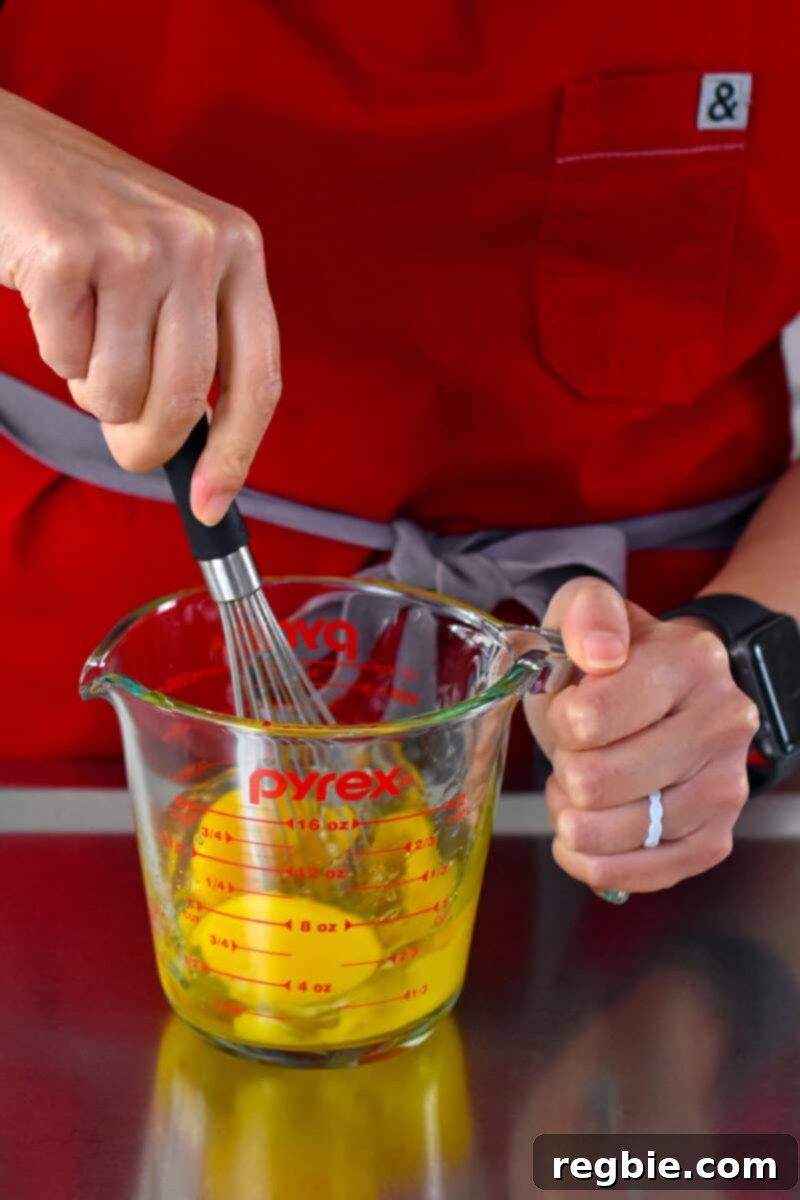
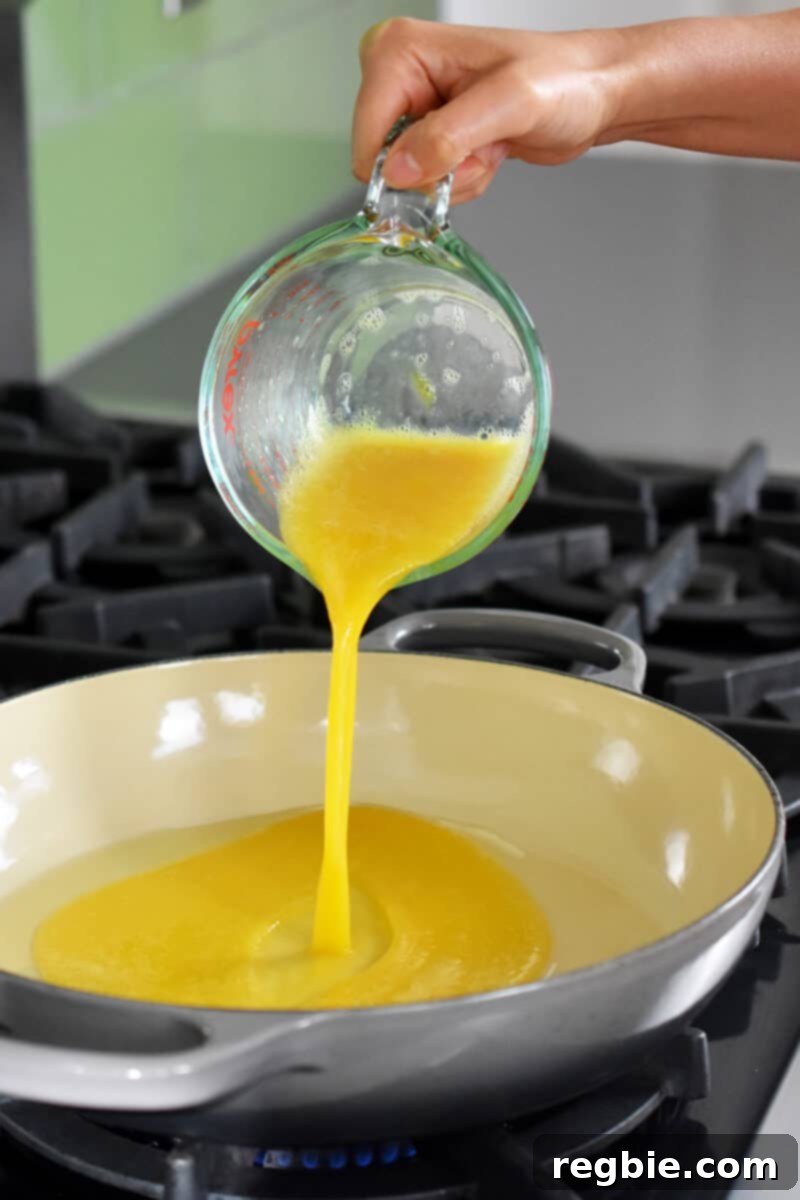
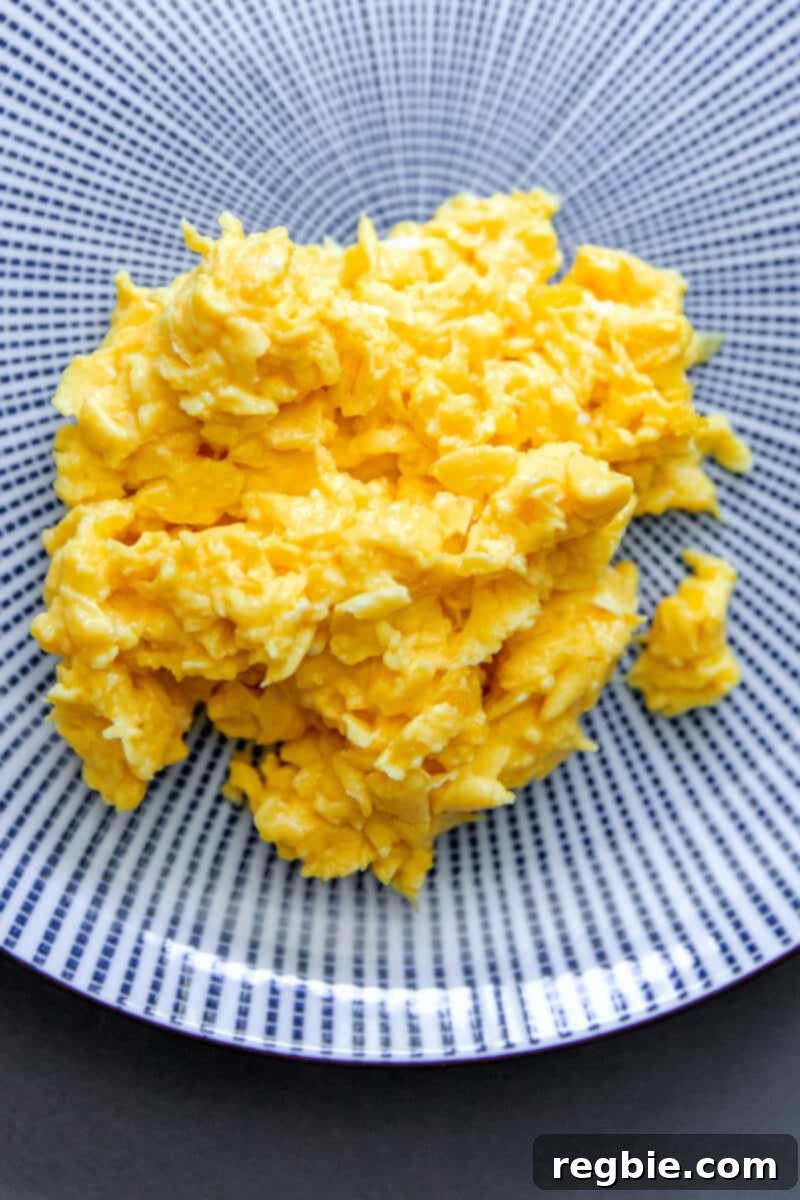
In a measuring cup or a small bowl, crack your eggs and whisk them vigorously with the remaining teaspoon of fish sauce. The fish sauce adds an extra layer of savory depth to the eggs. Heat a large cast-iron or non-stick skillet over medium heat. Once the pan is hot, swirl in one tablespoon of avocado oil to coat the surface. Pour the whisked eggs into the pan and cook, stirring gently, until they are just set and still slightly soft. Break the scrambled eggs into small, bite-sized pieces using your spatula. Transfer the cooked eggs to a plate and set aside, then carefully wipe the skillet clean with a paper towel, preparing it for the next step.
5. Stir-Fry the Proteins and Vegetables
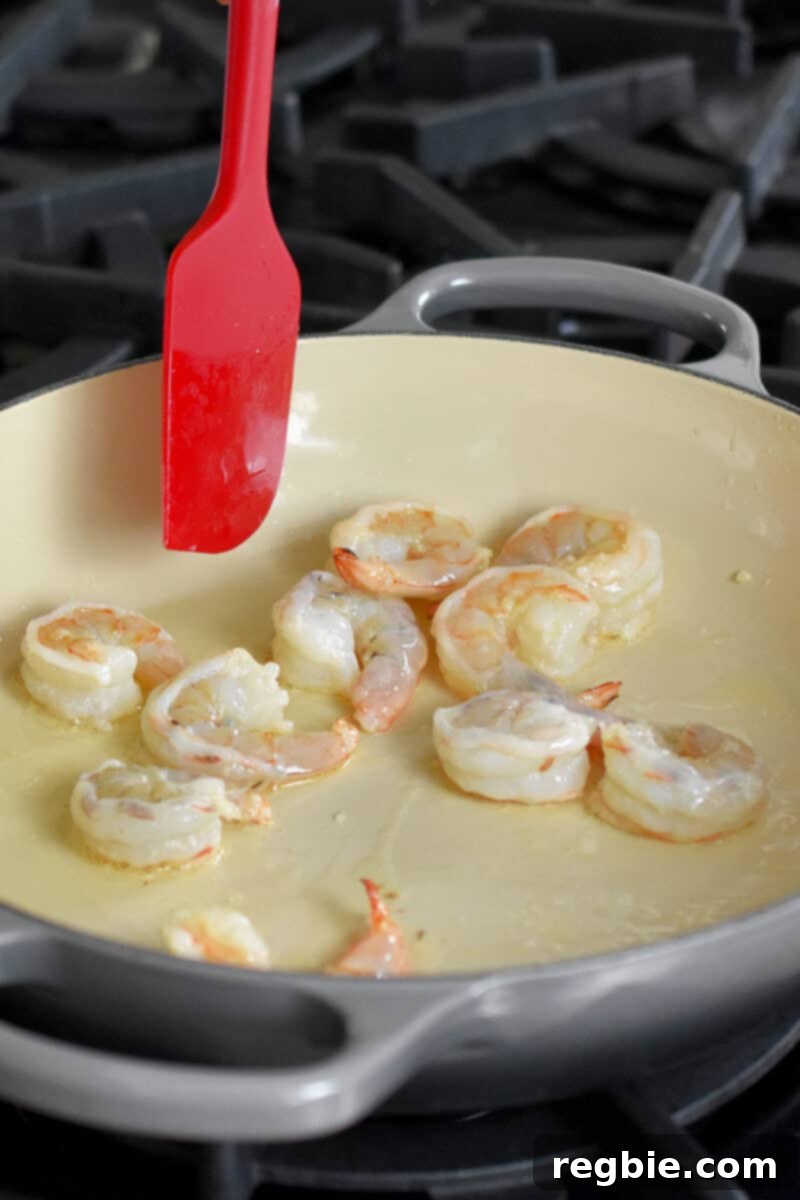
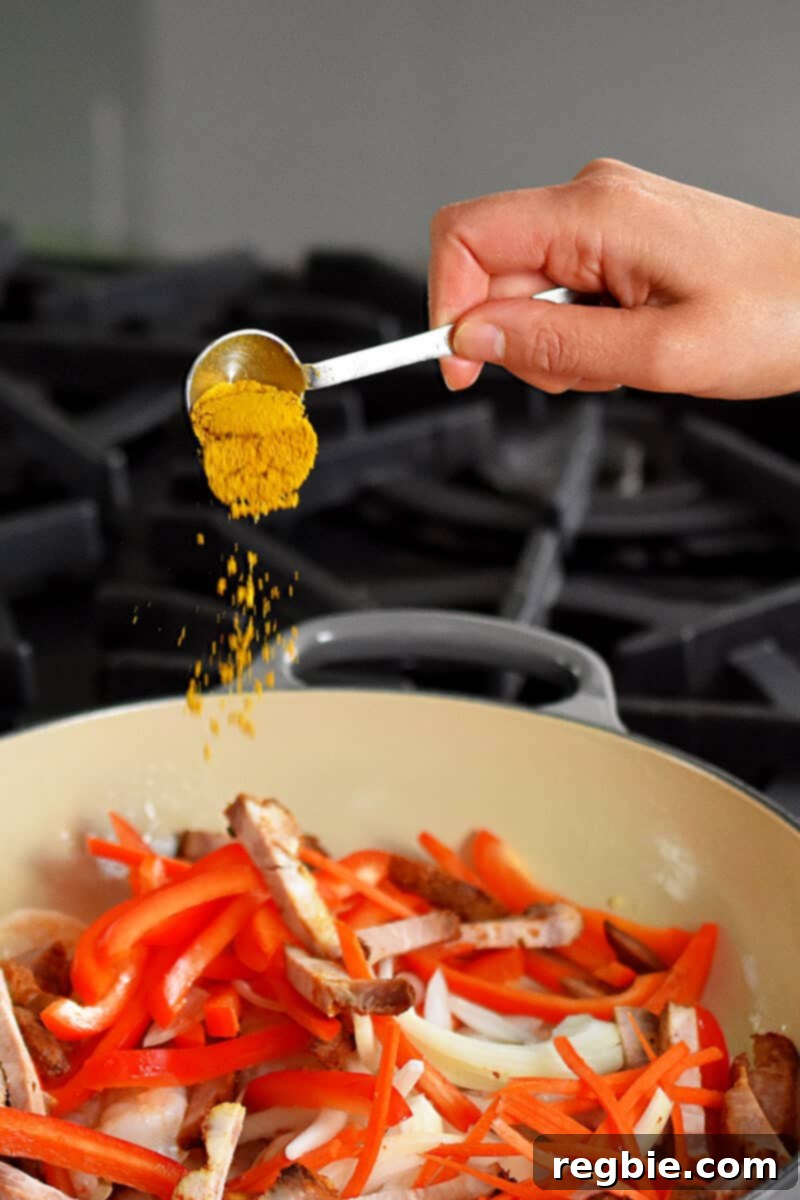
Return the clean skillet to the stovetop and increase the heat to medium-high. Once the pan is thoroughly hot, add another tablespoon of avocado oil. Toss in the seasoned shrimp and stir frequently for about 30 seconds. The goal is to lightly cook them until they just begin to turn pink, ensuring they remain tender and juicy. Next, add the julienned bell pepper, carrot, and thinly sliced onion, along with the remaining two teaspoons of Madras curry powder. Continue to stir-fry frequently for approximately 2 to 3 minutes, or until the shrimp are fully cooked, the Char Siu is heated through, and the vegetables are tender-crisp, retaining a pleasant bite. This rapid cooking ensures vibrant colors and textures. Transfer the cooked mixture of shrimp, Char Siu, and vegetables to a large plate, keeping them warm and ready for the final assembly.
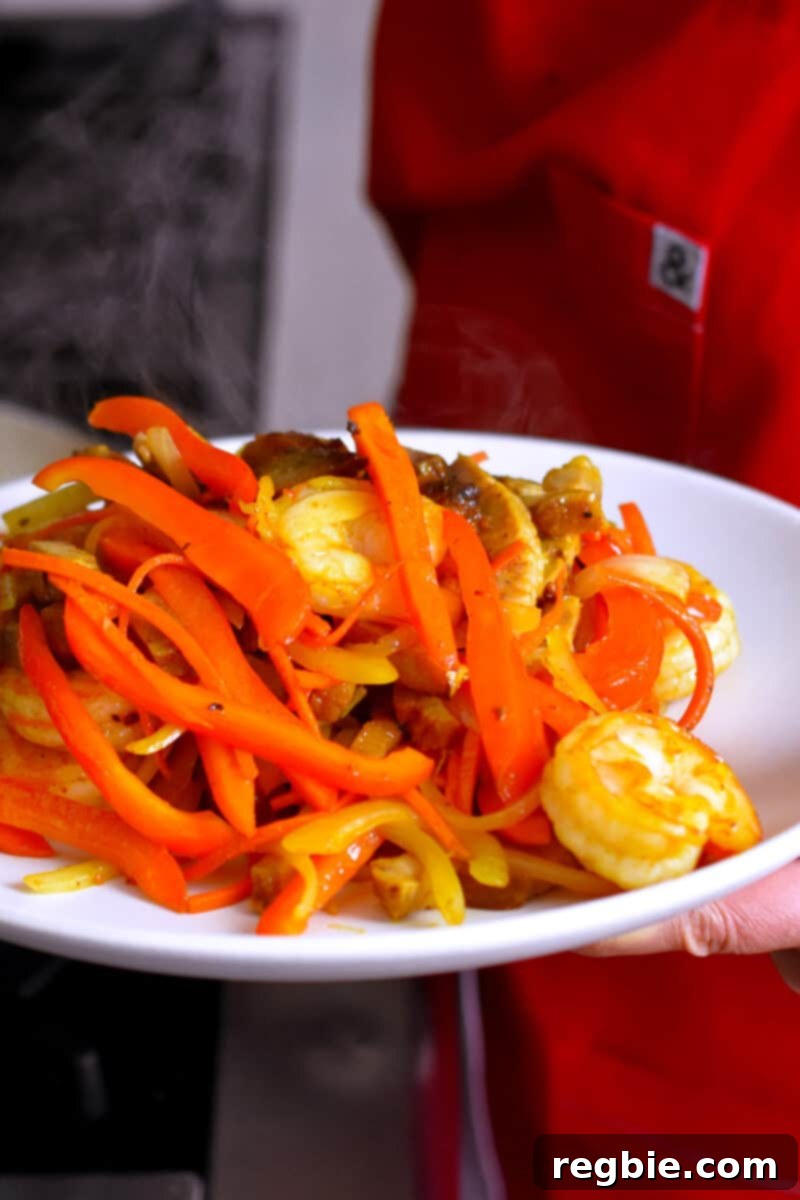
6. Sautéing the Spaghetti Squash “Noodles”
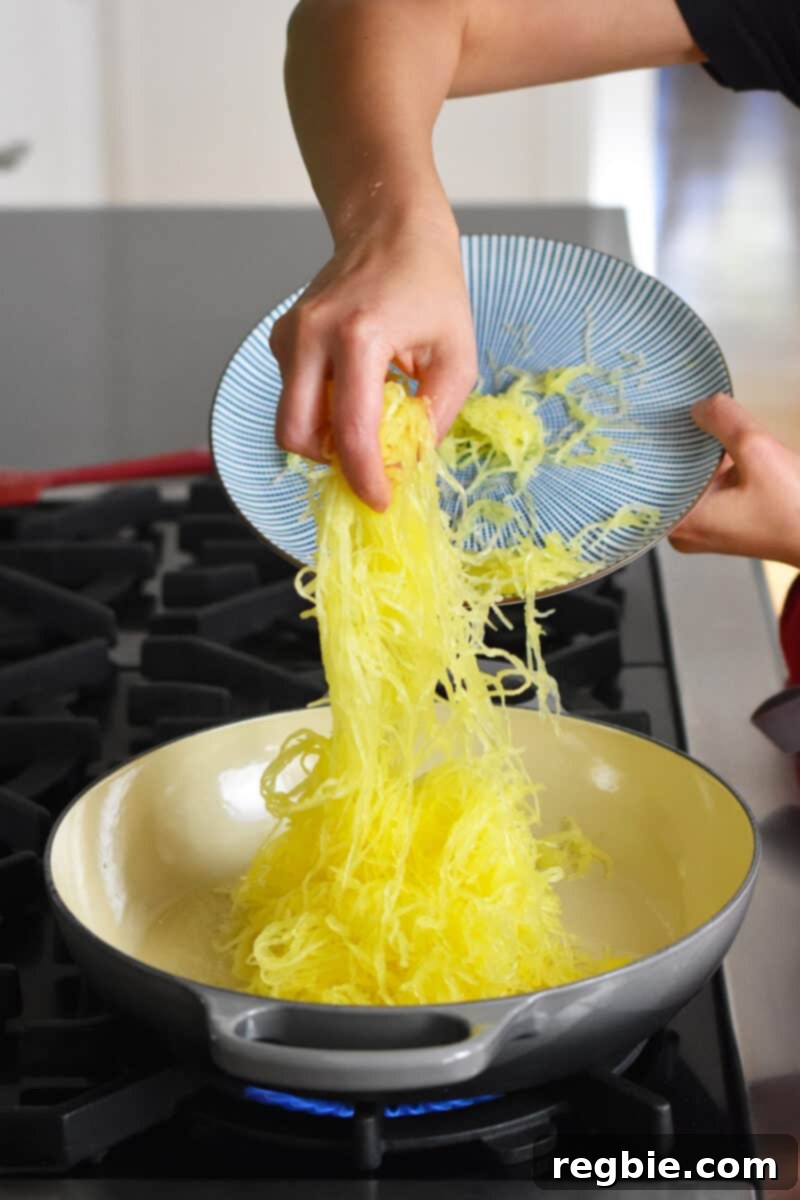
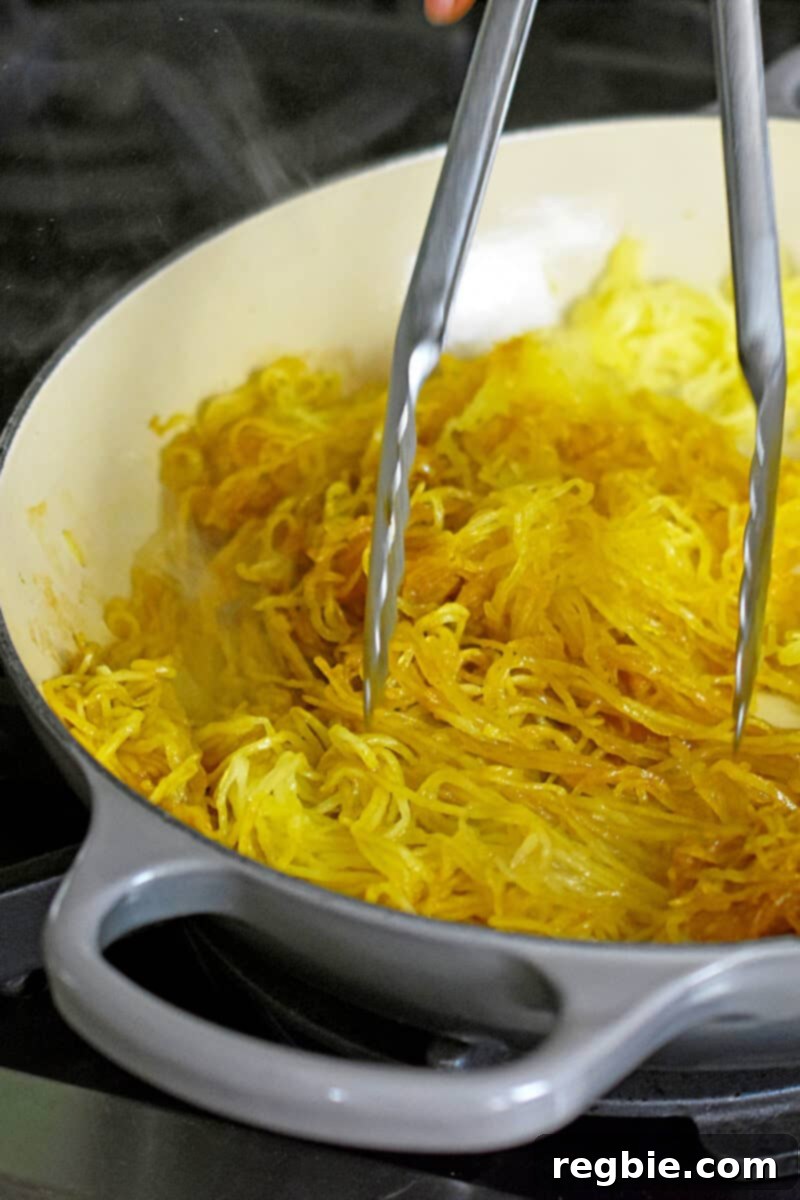
Wipe the skillet clean one last time and add the remaining two tablespoons of avocado oil. Add the cooked spaghetti squash strands to the pan. Sauté for 1 to 2 minutes, stirring gently. This crucial step helps to cook off any residual moisture from the spaghetti squash “noodles,” preventing the final dish from becoming watery and allowing the sauce to coat them more effectively. Give your prepared sauce (coconut aminos, fish sauce, curry powder) one final stir, then pour it over the spaghetti squash in the pan. Stir thoroughly, ensuring the “noodles” are evenly coated with the rich, aromatic sauce. This is where the magic happens, as the squash transforms into flavorful, curry-infused strands.
7. Combining All the Elements
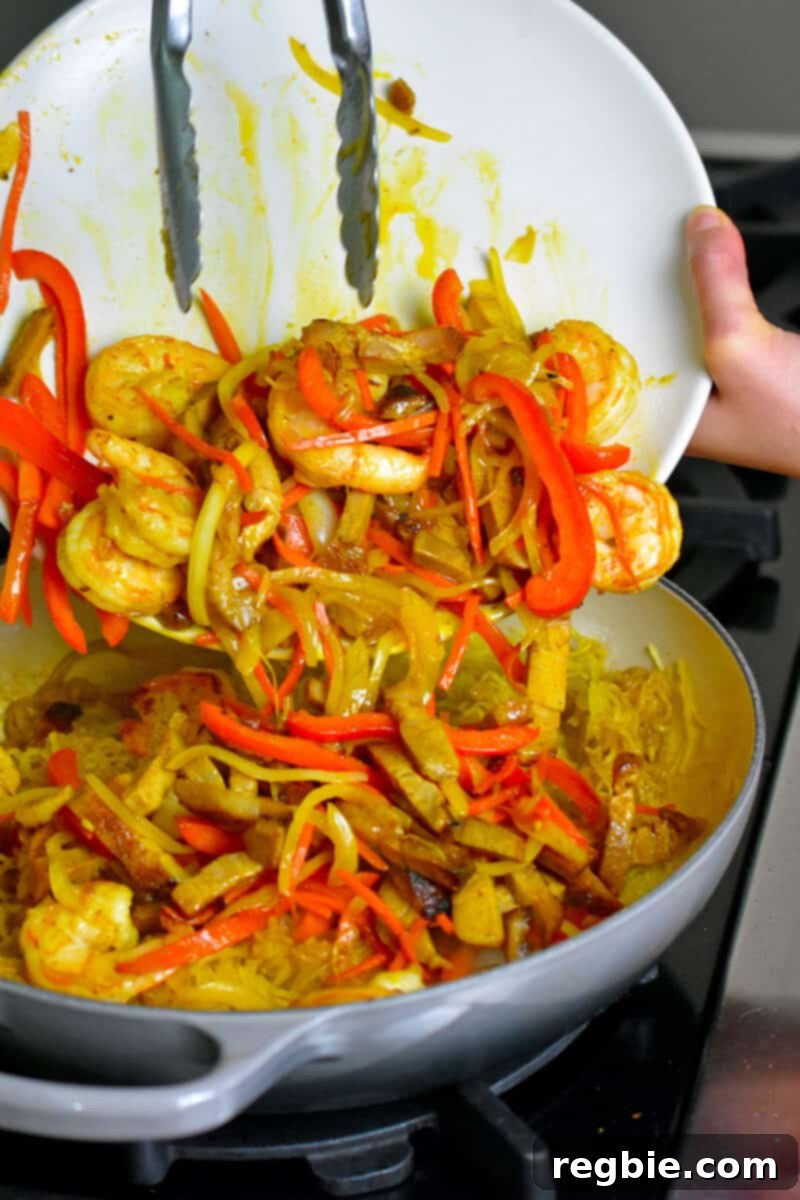
Now, it’s time to bring everything together. Add the cooked vegetables, Char Siu, and the reserved scrambled eggs back into the skillet with the seasoned spaghetti squash. Stir diligently to combine all the ingredients thoroughly, ensuring an even distribution of protein, vegetables, and those delicious “noodles.” Take a moment to taste the dish for seasoning. Adjust with a little more salt, fish sauce, or curry powder if needed, aiming for that perfect balance of savory and spicy. Finally, stir in half a teaspoon of toasted sesame oil, which adds a wonderful nutty aroma and deepens the overall flavor profile. Plate the Singapore Noodles using a pair of tongs, ensuring each serving gets a generous mix of all the components.
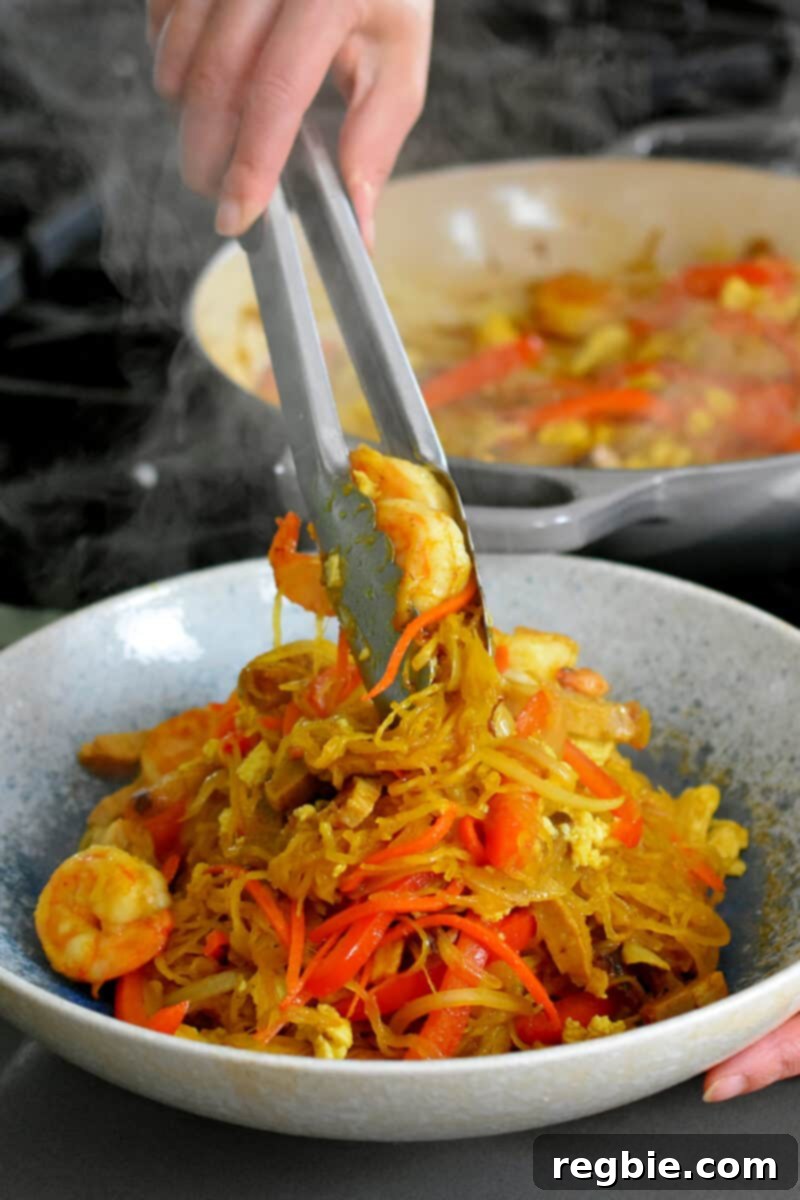
Before serving, garnish each bowl generously with thinly sliced scallions. The fresh green onions add a final burst of color, a refreshing crunch, and a subtle oniony zest that brightens the entire dish. Serve immediately and enjoy the incredible flavors of your homemade Paleo, Whole30, and Gluten-Free Singapore Noodles!
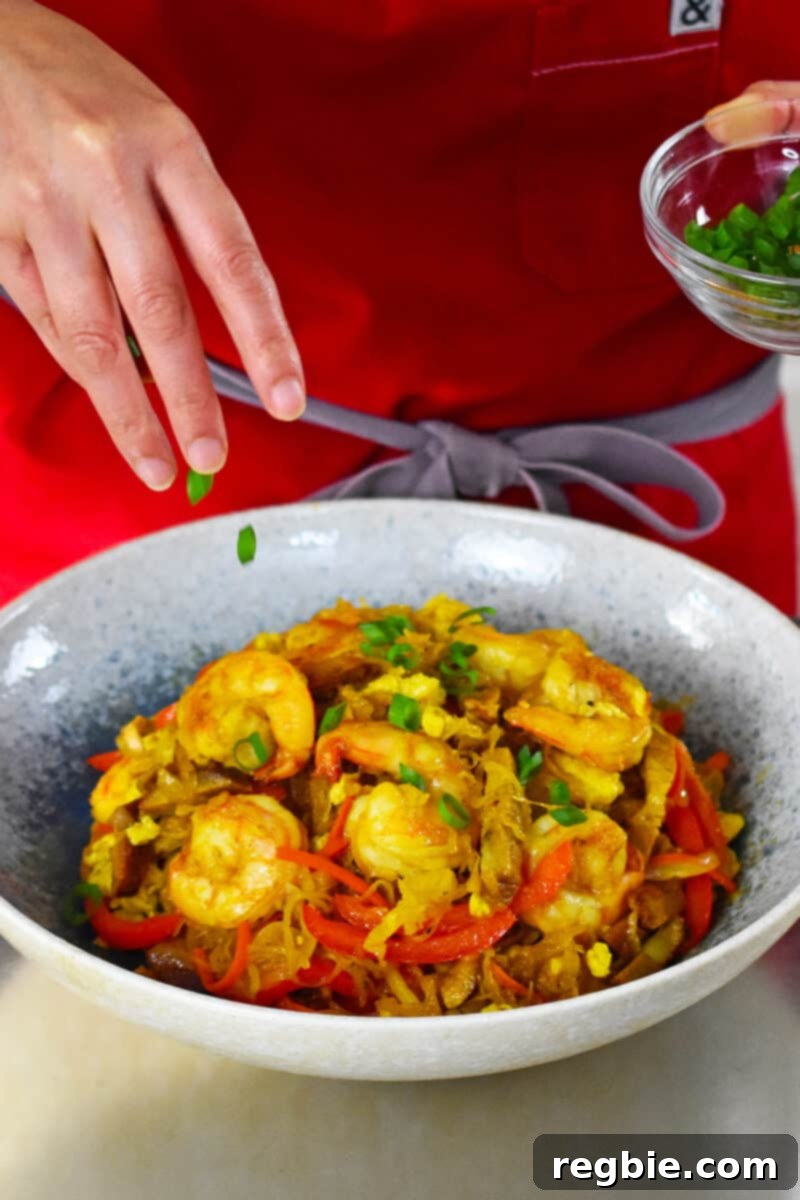
Enjoy every delightful bite of this healthy, flavorful masterpiece!
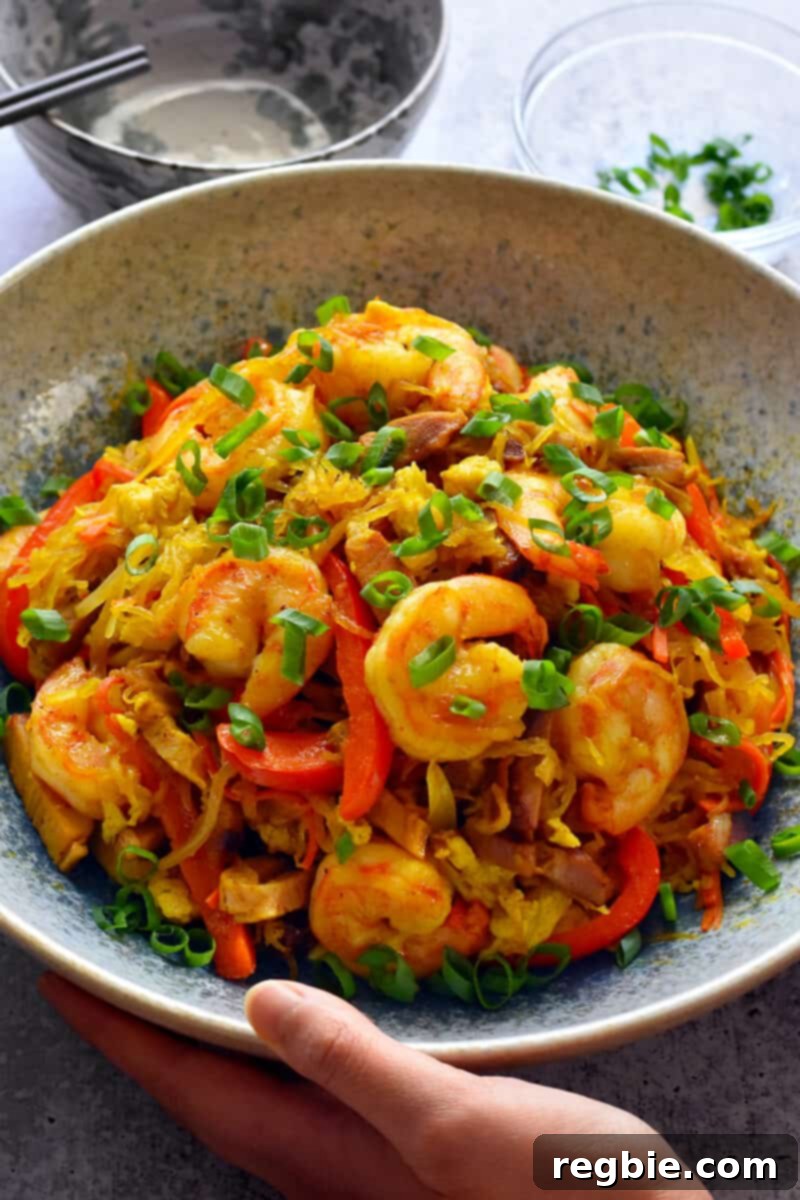
Loving this recipe and eager for more wholesome, delicious meals? Make sure to grab your copy of our latest cookbook, Nom Nom Paleo: Let’s Go!, available wherever books are sold!
Explore More Paleo Noodle Creations
If you’ve fallen in love with the versatility and deliciousness of paleo-friendly noodle dishes, you’re in for a treat! We have a treasure trove of recipes that transform classic noodle favorites into wholesome, gluten-free, and often Whole30-compliant meals. Dive into our collection and discover new ways to enjoy the comforting experience of noodles, reimagined for a healthier lifestyle. Here are some of our top picks:
- Paleo Hiyashi Chuka (Cold Ramen Salad): A refreshing and vibrant cold ramen salad, perfect for warm days, featuring crisp vegetables and a savory dressing.
- Chicken Chow Mein: Recreate this takeout classic with a paleo twist, boasting tender chicken and perfectly cooked “noodles” in a savory sauce.
- Instant Pot Chicken Pho: Experience the fragrant, comforting broth and tender chicken of traditional Pho, made easier and healthier in your Instant Pot.
- Spicy Thai Chicken Zoodle Salad: A light yet satisfying salad featuring spiralized zucchini noodles (“zoodles”) tossed with spicy Thai-inspired chicken and fresh herbs.
Each of these recipes offers a unique flavor profile and innovative ingredient swaps, proving that eating paleo can be incredibly diverse and exciting.
Searching for even more culinary inspiration? Journey over to my comprehensive Recipe Index, where you’ll find a vast collection of wholesome and delicious meals. For exclusive recipes and in-depth cooking guides, be sure to explore my critically acclaimed cookbooks: Nom Nom Paleo: Food for Humans (Andrews McMeel Publishing 2013), Ready or Not! (Andrews McMeel Publishing 2017), and our newest addition, Nom Nom Paleo: Let’s Go! (Andrews McMeel Publishing 2022). Happy cooking!
Singapore Noodles (Paleo, Whole30) Recipe Card
Singapore Noodles (Paleo, Whole30)
Rated 4.89 out of 5 stars from 26 votes
Printable recipe available via external link.
Print Recipe
This paleo, Whole30, and gluten-free Singapore Noodles recipe is a healthier twist on a popular Hong Kong rice noodle dish! Our version makes a few key substitutions that cuts out lots of carbs while packing on the protein, veggies, and flavor!
Ingredients
- 1 (2-pound) cooked spaghetti squash, shredded
- ½ pound leftover Paleo Char Siu or ham, cut into matchsticks
- ½ pound shrimp (16-20 count per pound), shelled and deveined
- 1 teaspoon arrowroot powder
- ½ teaspoon Diamond Crystal kosher salt
- 2 tablespoons coconut aminos
- 3 teaspoons Red Boat fish sauce, divided
- 4 teaspoons Madras curry powder, divided
- 4 large eggs
- 4 tablespoons avocado oil, divided
- 1 small red bell pepper, cored and thinly sliced
- 1 medium carrot, cut into matchsticks
- ½ small onion, peeled and thinly sliced lengthwise
- ½ teaspoon toasted sesame oil
- 2 scallions, thinly sliced
Instructions
- Cook up some spaghetti squash in the Instant Pot or microwave and slice up some Paleo Char Siu into matchsticks.
- In a medium bowl, combine the shrimp, arrowroot powder, and salt. Mix well and set aside.
- Now, we’re going to make the sauce! In a small bowl, combine the coconut aminos, 2 teaspoons of fish sauce, and 2 teaspoons of curry powder. Whisk it all together and set the sauce aside.
- In a measuring cup or bowl, whisk the eggs together with the remaining teaspoon of fish sauce.
- Heat a large cast-iron or non-stick skillet over medium heat. Once it’s hot, swirl in 1 tablespoon of oil.
- Pour the eggs into the pan and cook, stirring, until set. Break the eggs into small pieces and transfer them to a plate. Wipe the skillet clean.
- Increase the heat to medium-high. Once it’s hot, add 1 tablespoon of oil to the now-empty pan. Toss in the shrimp. Cook, stirring frequently, for about 30 seconds.
- Next, toss in the bell pepper, carrot, onion, Paleo Char Siu and the remaining 2 teaspoons of curry powder.
- Cook, stirring frequently, for about 2 to 3 minutes or until the meat is heated through and the vegetables are tender-crisp. Transfer the contents of the pan to a large plate.
- Wipe the skillet clean, and add the remaining 2 tablespoons of oil. Toss in the spaghetti squash. Saute for 1 to 2 minutes to cook off some of the moisture from the “noodles.”
- Give the sauce one more stir and pour it in the pan. Stir to distribute the sauce evenly.
- Add the vegetables, Char Siu, and reserved eggs. Stir well to combine. Taste for seasoning and adjust if needed.
- Stir in ½ teaspoon of toasted sesame oil. Plate the noodles and garnish with 2 thinly sliced scallions before serving.
Video
A video demonstration of this recipe is available on the original blog post, titled “Singapore Noodles (Paleo, Whole30, Gluten free, Low Carb).”
(Original video meta: Upload Date: 2022-01-22T19:14:34.000Z, Name: Singapore Noodles (Paleo, Whole30, Gluten free, Low Carb), Description: My paleo, Whole30, and gluten-free Singapore Noodles recipe is a healthier twist on the popular Hong Kong rice noodle dish. My nomtastic version makes a few key substitutions that cuts out lots of carbs while packing on the protein, veggies, and flavor!, Thumbnail: https://content.jwplatform.com/thumbs/4nROyODF-720.jpg)
Notes
Love this recipe? It’s from our new cookbook, Nom Nom Paleo: Let’s Go! and you can buy it wherever books are sold!
This dish can be on the table in about 30 minutes if you prep all your ingredients ahead of time. I normally use precooked spaghetti squash and leftover Paleo Char Siu that I have stored in my refrigerator. If everything is measured out and ready to throw in the skillet or wok, the actual cooking time is short and you won’t accidentally burn anything because you’re busy chopping an ingredient!
Nutrition
Nutrition information is automatically calculated, so should only be used as an approximation.