
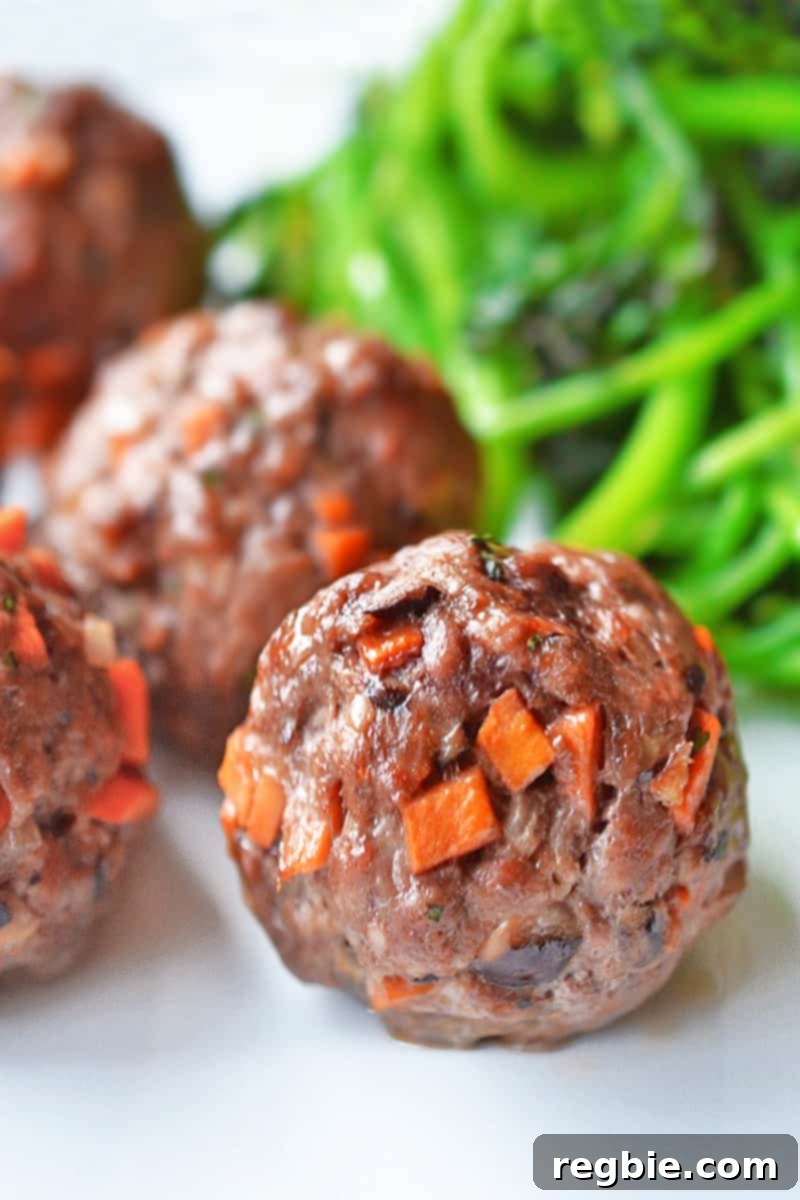
Welcome to a culinary journey where convenience meets extraordinary flavor! These Paleo and Whole30 compatible Asian Meatballs are a testament to how simple, wholesome ingredients can create a truly unforgettable dish. Bursting with savory goodness and a unique umami depth, they are not only incredibly easy to prepare but also exceptionally versatile. Whether you’re planning your weekly meal prep, seeking a quick and healthy weeknight dinner, or need a crowd-pleasing appetizer for your next gathering, these meatballs are your answer. Get ready to elevate your cooking with a recipe that is both satisfying and compliant with your clean eating goals.
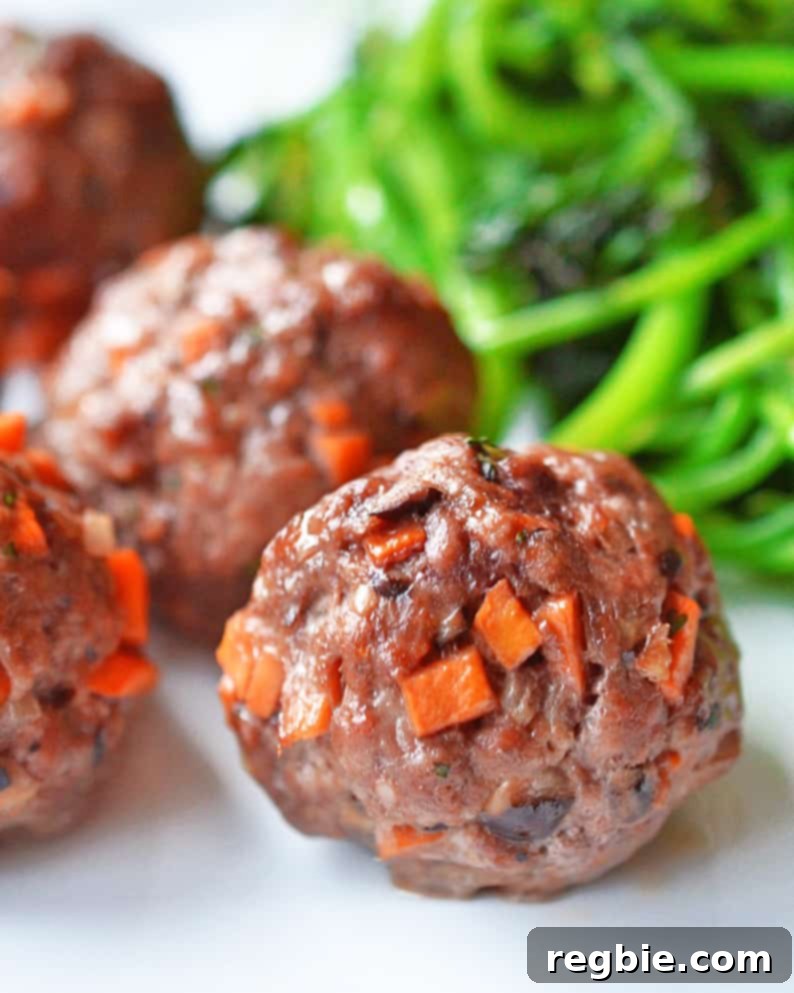
Table of Contents
- The Ultimate Asian Meatballs Recipe: Flavor, Simplicity, and Health
- Understanding Umami: Unlocking the Fifth Taste Sensation
- The Culinary Revelation: Auguste Escoffier and the Fifth Taste
- Japan Names the Taste of Deliciousness: Kikunae Ikeda and Glutamate
- Umami-Rich Ingredients: What Foods Naturally Have It?
- Fish Sauce: Your Secret Weapon for Bottled Umami
- Why Red Boat is the Best Whole30-Approved Fish Sauce for Your Pantry
- Essential Ingredients for These Savory Asian Meatballs
- Step-by-Step: How to Make These Delicious Asian Meatballs
- Meal Prep and Storage Tips for Leftovers
- Creative Serving Suggestions for Your Asian Meatballs
- More Paleo and Whole30 Meatball Recipes to Explore
- Printer-Friendly Recipe Card: Asian Meatballs
The Ultimate Asian Meatballs Recipe: Flavor, Simplicity, and Health
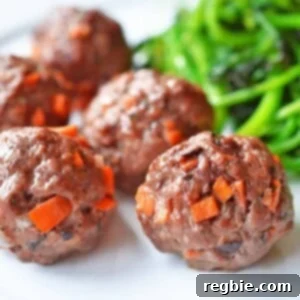
Forget everything you thought you knew about classic Sunday meatballs and prepare for an exciting East-West fusion twist! This recipe for Asian Meatballs is more than just a dish; it’s a revelation that has captivated our entire family and is quickly becoming a staple in many kitchens. These tender, savory balls of meat and finely minced vegetables are incredibly straightforward to prepare, making them perfect for even the busiest schedules. Each bite is a symphony of flavors, bursting with profound umami derived from natural sources like earthy shiitake mushrooms, robust fish sauce, and a touch of sweet tomato paste. This harmonious blend creates a depth of flavor that satisfies the palate in a way few other dishes can.
Beyond their irresistible taste, these Asian Meatballs are a dream come true for anyone prioritizing healthy eating, especially those following Paleo or Whole30 guidelines. They are naturally gluten-free, dairy-free, and packed with nutrient-dense ingredients. One of their most appealing attributes is their phenomenal suitability for meal preparation. Consider making a double batch, and you’ll secure a wonderfully versatile emergency protein source that will see you through the entire week. Imagine effortlessly elevating your lunches by pairing them with crisp, vibrant salads, or transforming your dinners with spiralized zucchini noodles (zoodles), or a light and fluffy bed of simple cauliflower “rice.” For those hectic workdays, simply pop a few pre-cooked meatballs into a container, and you have an incredibly convenient, satisfying, and wholesome snack or lunch ready to enjoy. Their exceptional flavor holds up beautifully, whether served warm or at room temperature, making them a truly indispensable addition to your healthy recipe rotation.
Understanding Umami: Unlocking the Fifth Taste Sensation
Before we delve into the intricate details of crafting these delectable meatballs, it’s essential to understand the cornerstone of their extraordinary flavor: “umami.” This fascinating taste, often referred to as the fifth basic taste, plays a profound role in making food truly satisfying and delicious. While perhaps less universally recognized than sweet, salty, sour, and bitter, umami is a vital component of depth and richness in countless global cuisines. By grasping what umami is and how it functions, you’ll not only appreciate this recipe more but also gain a valuable tool for enhancing the flavors in all your cooking.
The Culinary Revelation: Auguste Escoffier and the Fifth Taste
For centuries, the culinary world operated under the assumption that only four fundamental tastes existed: sweet, salty, sour, and bitter. This long-standing belief began to be challenged in the late 1800s by the legendary French chef Auguste Escoffier. Revered as one of the greatest culinary innovators of his time and the author of the foundational Le Guide Culinaire, Escoffier began to serve dishes that boasted an unprecedented robustness, complexity, and sheer deliciousness. His secret weapon was a revolutionary veal stock he developed, which infused his creations with a depth that transcended the familiar four tastes. The veal stock itself wasn’t sweet, salty, sour, or bitter, yet it made everything taste profoundly better. Escoffier had, quite inadvertently, stumbled upon the elusive fifth taste – a mouth-filling savoriness that would later be scientifically identified as umami.
Japan Names the Taste of Deliciousness: Kikunae Ikeda and Glutamate
While Escoffier’s patrons savored his umami-rich dishes, the taste remained unnamed and unexplained until a breakthrough occurred in Japan. In Japanese, “umami” literally translates to “deliciousness,” a fitting term for the robust, savory, and lingering quality it imparts to food. The scientific discovery is attributed to Kikunae Ikeda, a brilliant chemist at the University of Tokyo. Ikeda was intrigued by the unique richness that Japanese cooks traditionally achieved using dashi, a seaweed-based stock. His meticulous research led him to isolate the specific chemical compound responsible for this wonderful flavor: glutamate, particularly in its L-glutamate form, often working in synergy with ribonucleotides like inosinate and guanylate. Ikeda’s groundbreaking work gave a name and a scientific basis to the fifth taste, forever expanding our understanding of flavor and paving the way for chefs and home cooks alike to intentionally harness its power.
Umami-Rich Ingredients: What Foods Naturally Have It?
The good news is that glutamate, the key compound for umami, occurs naturally in a vast array of savory foods, found in both animal and plant sources. However, we typically don’t perceive the wonderfully mouth-filling umami sensation until the organic matter begins to break down. This transformation happens through various processes such as ripening (as in tomatoes), cooking (like searing meat), aging (as in cheese or cured meats), or fermentation (as in soy sauce or fish sauce). During these processes, glutamic acid is converted into its salt form, L-glutamate, which our taste receptors are specifically designed to detect, triggering that irresistible umami kick.
This explains why certain ingredients are celebrated globally for their incredible flavor-enhancing abilities. Think about the profound savory depth of ripe tomatoes, the earthy, meaty essence of mushrooms, the intense savoriness of aged cheeses, the briny punch of anchovies, or the irresistible smoky richness of bacon. All these foods are exceptionally rich in L-glutamate, making them powerful tools for elevating your cooking. When you taste something that is incredibly awesome in a way that isn’t primarily sweet, salty, sour, or bitter – that deep, satisfying, lingering sensation – you are undoubtedly experiencing the magic of umami. Incorporating these naturally umami-rich ingredients, as we do in our Asian Meatballs, is a fantastic way to build complex, layered flavors without relying on artificial additives or excessive seasoning.
Fish Sauce: Your Secret Weapon for Bottled Umami
Among the pantheon of ingredients revered for their umami-boosting capabilities, fish sauce holds a particularly prominent and powerful position. Known as nước mắm in Vietnamese cuisine, this intensely savory liquid is an indispensable staple in many Southeast Asian cultures, and for excellent reasons. Its very creation is a testament to the transformative power of traditional food preparation: anchovies and sea salt are meticulously layered in large wooden barrels and allowed to ferment over several months. This slow, natural fermentation process breaks down the fish proteins, yielding an incredibly concentrated, deeply savory liquid that is, quite literally, bottled umami.
For those unfamiliar, the idea of fermented anchovy sauce might initially sound a little off-putting, but please don’t let that deter you from experiencing its culinary brilliance! A mere splash of high-quality fish sauce has the remarkable ability to lend a deep, complex umami quality to virtually any dish. Its impact extends far beyond traditional Asian recipes; a dash can significantly enhance the flavor profile of salad dressings, marinades, hearty stews, roasted vegetables, and even scrambled eggs, adding a subtle yet profound savory dimension that is often simply perceived as “more delicious” rather than distinctly “fishy.” It is truly a secret ingredient that chefs often employ to elevate flavors to an entirely new level of satisfaction and depth.
Why Red Boat is the Best Whole30-Approved Fish Sauce for Your Pantry
When selecting fish sauce, it’s crucial to be discerning. Many commercial brands found in mainstream supermarkets and even some Asian grocery stores unfortunately contain a myriad of undesirable additives. These can include hydrolyzed wheat protein, added sugars, MSG, and various chemical preservatives, all of which can compromise the purity of flavor and, more importantly, conflict with a clean eating lifestyle such as Paleo or Whole30.
This is precisely why Red Boat Fish Sauce stands head and shoulders above the rest. Years ago, my incredibly knowledgeable and super-chef sister introduced me to this exceptional brand, and I was immediately captivated. What distinguishes Red Boat is its unwavering commitment to purity and traditional methods: it is made exclusively with just two, simple ingredients – wild-caught black anchovies and sea salt. This minimalist, artisanal approach ensures an intensely flavorful fish sauce that is unparalleled in its clean taste, rich complexity, and potent savory notes. Since that first taste, I have become a passionate advocate for Red Boat Fish Sauce, spreading the word about its superior quality. It has rightfully earned its reputation as one of the most powerful and popular flavor weapons in the arsenals of Paleo and Whole30 kitchens everywhere. Its strict adherence to natural, additive-free production makes it completely compliant with Whole30 guidelines, cementing its status as a trusted and indispensable ingredient for those committed to healthy and delicious cooking.
The inclusion of Red Boat Fish Sauce in our Asian Meatballs recipe is a prime illustration of its transformative power. It’s not just an ingredient; it’s a foundation of flavor that ensures every meatball is deeply satisfying and bursting with authentic, unadulterated umami.
Essential Ingredients for These Savory Asian Meatballs
Crafting these irresistibly delicious Paleo and Whole30 Asian Meatballs hinges on a thoughtful selection of fresh, high-quality ingredients. Each component is carefully chosen to contribute to the rich layers of umami, savory depth, and delightful texture that make this recipe a true standout. Here’s a detailed look at what you’ll need, along with useful notes on potential substitutions:
- Fresh Shiitake Mushrooms or Dried Shiitake Mushrooms (rehydrated): Shiitake mushrooms are a star ingredient for their exceptional umami content and earthy, meaty texture. They seamlessly integrate into the meatballs, adding significant depth of flavor. If using dried shiitakes, ensure they are fully rehydrated in hot water and then finely minced.
- Shallot: Shallots offer a delicate, sweet, and aromatic flavor that is milder than a traditional onion, providing a nuanced complexity. As a substitute, you can use finely minced green onions (scallions) for a fresher, slightly sharper note, or finely diced white onions if shallots are unavailable.
- Sweet Potato: I consistently use orange-fleshed sweet potatoes, and they yield fantastic results. They contribute a subtle natural sweetness, essential moisture, and a healthy dose of nutrients, beautifully balancing the savory elements of the meatballs.
- Cilantro: Fresh cilantro adds a vibrant, herbaceous freshness and a distinct Asian-inspired aroma that brightens the entire dish. If you have an aversion to cilantro, it can be omitted entirely or replaced with additional finely chopped green onions for a similar fresh element.
- Ground Beef: The recipe is built around flavorful ground beef, which provides a rich, hearty base. However, this recipe is remarkably adaptable! Feel empowered to use ground turkey, ground chicken, or ground pork as alternatives, each offering a slightly different flavor profile to suit your preference or dietary needs.
- Paleo-Friendly Fish Sauce: As previously highlighted, Red Boat Fish Sauce is my top recommendation due to its purity and intense umami kick. If fish sauce is not an option for you, coconut aminos make an excellent Paleo and soy-free alternative, providing a comparable savory depth with a touch of natural sweetness.
- Tomato Paste: This concentrated ingredient is a powerful umami booster, adding a robust richness and a subtle, pleasant tang that rounds out the overall flavor profile of the meatballs, creating a more cohesive taste experience.
- Magic Mushroom Powder or Diamond Crystal Brand Kosher Salt: Magic Mushroom Powder is my homemade blend for an extra layer of savory umami. Alternatively, high-quality kosher salt is essential for seasoning, bringing out and enhancing all the natural flavors of the ingredients. Adjust to your taste preferences.
- Freshly-Ground Black Pepper: A fundamental seasoning that provides a subtle warmth and aromatic spiciness, complementing the other flavors without overpowering them. Adjust the amount according to your preference.
- Melted Fat of Choice (Optional, if not using parchment paper): Such as avocado oil, ghee, or coconut oil. This is used to lightly grease your baking sheets, ensuring the meatballs don’t stick. This step is unnecessary if you are lining your baking sheets with parchment paper, which is highly recommended for easy cleanup.
By gathering these carefully selected ingredients, you are well on your way to creating a batch of Asian Meatballs that are not only wholesome and health-compliant but also incredibly satisfying and bursting with flavor.
Step-by-Step: How to Make These Delicious Asian Meatballs
Crafting these irresistible Asian Meatballs is a remarkably simple process that yields consistently delicious results. Even if you’re new to cooking, these step-by-step instructions will guide you to perfect, tender, and intensely savory meatballs every time. Remember, a little preparation goes a long way, so ensure all your ingredients are ready before you begin mixing!
Step 1: Prepare Your Baking Sheets and Preheat Oven
Start by lining two large, rimmed baking sheets with either parchment paper or aluminum foil. This crucial step prevents the meatballs from sticking and significantly simplifies cleanup. Then, preheat your oven to a steady 375°F (190°C). While the oven comes to temperature, you’ll proceed with preparing your ingredients.
Step 2: Finely Mince Vegetables and Herbs
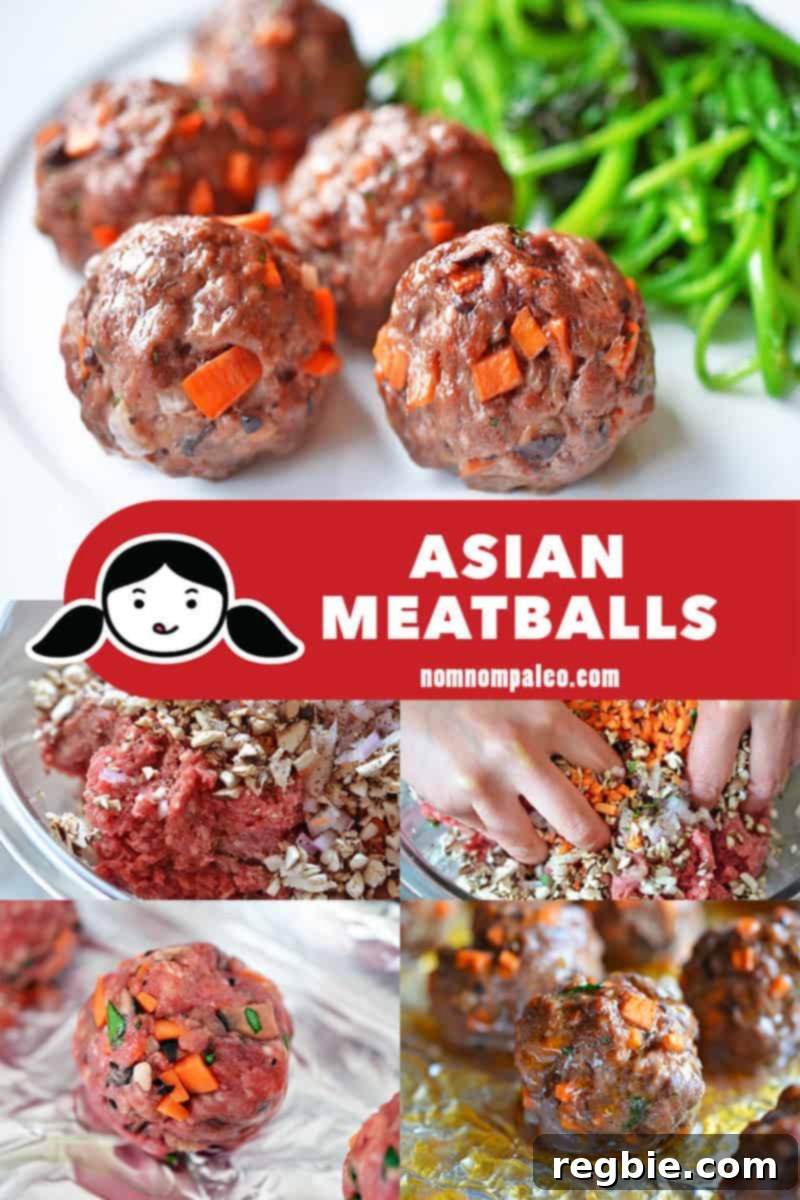
The key to evenly flavored and perfectly textured meatballs lies in finely mincing your aromatics and vegetables. Carefully mince the shiitake mushrooms, shallot, sweet potato, and cilantro until they are in very small, uniform pieces. This ensures that the vegetables blend seamlessly into the meat mixture, distributing flavor throughout and contributing moisture without creating large, noticeable chunks. Precision here makes a big difference in the final product’s consistency and taste.
Step 3: Combine All Ingredients for the Meatball Mixture
In a spacious mixing bowl, gently combine the ground beef, the umami-rich fish sauce, and the concentrated tomato paste. Add all your meticulously minced vegetables and herbs to the bowl. Next, sprinkle in your Magic Mushroom Powder (or a good quality kosher salt) and freshly-ground black pepper. If you’re cautious about seasoning, it’s always wise to start with a moderate amount – perhaps ½ teaspoon of Magic Mushroom Powder (or kosher salt) and a few generous grinds of pepper – as you can always adjust it later after a taste test. Ensure all ingredients are present before moving to the next step.
Step 4: Mix Thoroughly, But Gently
Now comes the tactile part! Using your clean hands, gently but thoroughly combine all the meatball ingredients. The goal is to ensure that the flavors and components are evenly distributed throughout the ground meat. However, it’s critically important not to overwork the meat. Overmixing can lead to a dense, tough, and less palatable meatball. Mix just until everything is well combined and the mixture feels cohesive and ready for shaping. The texture should be uniform, and no single ingredient should stand out.
Step 5: Taste Test and Adjust Seasoning (The Chef’s Essential Secret!)
This is arguably the most important step for achieving perfectly seasoned meatballs, a technique used by professional chefs worldwide. Before shaping all your meatballs, form a small, mini patty (roughly the size of a quarter) from the mixture. Cook this mini patty in a hot skillet until it’s fully cooked through. Taste it carefully. Does it need a little more salt to brighten the flavors? Perhaps a bit more pepper for a gentle kick? This quick taste test allows you to adjust the seasoning of the entire batch of meatball mixture before committing to cooking all of them, guaranteeing a delicious and perfectly balanced outcome. Do not skip this essential step!
Step 6: Shape the Meatballs Uniformly
For consistent cooking and a professional appearance, aim for uniform meatballs. A medium disher (which typically scoops about 1½ tablespoons) is an excellent tool for this purpose. Scoop out equal portions of the mixture and gently roll them between your palms into smooth, round balls, each approximately 1½ inches in diameter. This recipe should yield about three dozen meatballs. If you opted not to use parchment paper, ensure you lightly brush your foil or baking sheet with a melted fat of your choice (like avocado oil or ghee) before placing the meatballs to prevent any sticking.
Step 7: Bake to Golden Perfection
Carefully divide the shaped meatballs evenly onto your two prepared baking sheets, ensuring they have enough space between them for even cooking and browning. Bake each tray of meatballs for approximately 15 to 20 minutes. To ensure consistent browning and thorough cooking, it’s a good practice to rotate the baking trays halfway through the baking time. The meatballs should emerge beautifully cooked through, with a slightly browned and appealing exterior.
Step 8: Serve and Savor!
Once baked, promptly remove the meatballs from the oven. They are absolutely delicious served immediately, hot and fresh from the oven, as a main course or a flavorful appetizer. Prepare to savor the incredible flavor! For meal prep and storage, refer to the next section for tips on how to enjoy these meatballs throughout the week.
Meal Prep and Storage Tips for Leftovers
These Paleo and Whole30 Asian Meatballs aren’t just a treat for your taste buds; they are also a meal prepper’s best friend! Their robust flavor and convenient size make them an ideal component for healthy meals throughout your busy week. Making a larger batch ensures you have delicious, wholesome protein ready to go, simplifying your daily routine and keeping you on track with your dietary goals.
Refrigeration: Once completely cooled, store your cooked Asian Meatballs in an airtight container in the refrigerator. They will remain fresh and delicious for up to four days. This makes them perfect for packing into lunchboxes, tossing into quick salads for added protein, or reheating for a speedy and satisfying dinner after a long day.
Freezing: For longer-term storage, these meatballs freeze exceptionally well for up to six months. To ensure they freeze properly and don’t clump together, follow these steps: first, allow the cooked meatballs to cool completely to room temperature. Then, arrange them in a single layer on a baking sheet and place the sheet in the freezer until the meatballs are completely solid (this usually takes 1-2 hours). Once frozen, transfer these solid “orbs” to a freezer-safe bag or an airtight container. This method allows you to easily grab just the amount you need for future meals without having to thaw the entire batch.
Reheating: To reheat frozen or refrigerated meatballs, you have several options. You can gently warm them in a skillet over medium heat until heated through, use a microwave for a quicker option, or bake them in a preheated oven at 350°F (175°C) until they are thoroughly warm. They retain their delicious flavor and tender texture beautifully after reheating, making them a consistent win for meal planning.
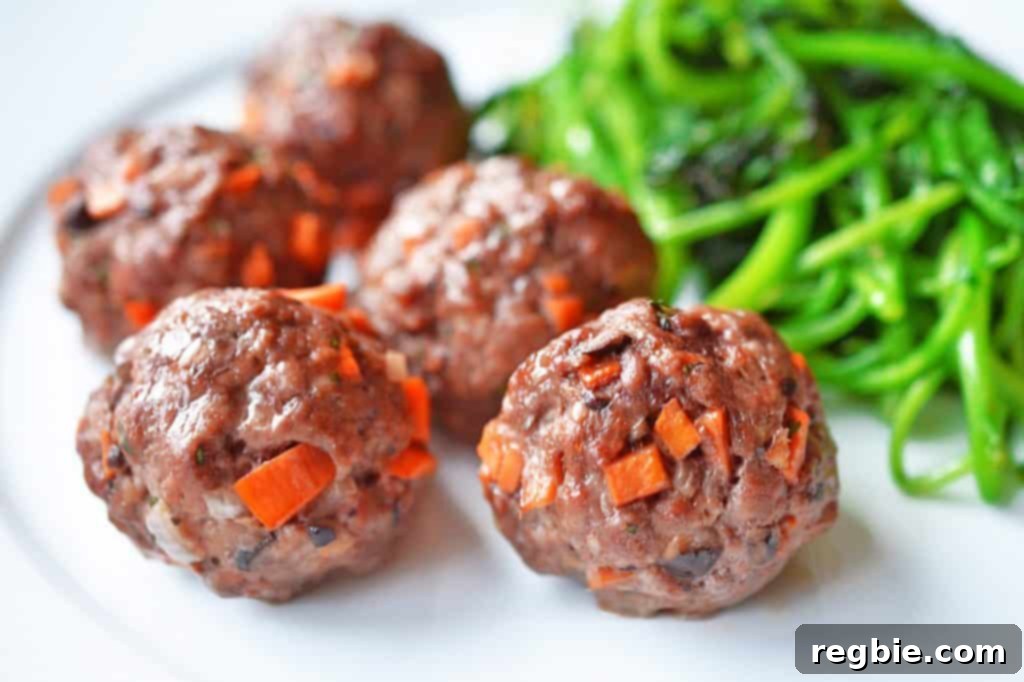
Embrace the unparalleled convenience and mouth-watering flavor of these Asian Meatballs as a cornerstone of your meal prep routine – they are truly a game-changer for healthy, stress-free eating!
Creative Serving Suggestions for Your Asian Meatballs
These versatile Asian Meatballs are a true culinary chameleon, adaptable to a wide range of meals and occasions. While delicious on their own, here are some creative serving suggestions to help you make the most of your flavorful batch:
- Classic Asian Bowl: Serve them over a bed of fluffy cauliflower rice, sautéed greens like bok choy or spinach, and a sprinkle of sesame seeds or fresh cilantro for a complete and wholesome meal.
- Lettuce Wraps: Create a light and refreshing meal by tucking warm meatballs into crisp lettuce cups (such as butter lettuce or romaine), topped with shredded carrots, cucumber, and a drizzle of Whole30-compliant almond butter sauce or a light vinaigrette.
- “Noodle” Dishes: Pair them with zucchini noodles (zoodles), sweet potato noodles, or even spiralized cucumber ribbons for a refreshing and low-carb “noodle” dish.
- Appetizer Platter: Serve them hot with toothpicks as a delightful appetizer for parties. A small bowl of Whole30-approved dipping sauce (like a spicy almond butter sauce or a simple blend of coconut aminos and ginger) would be a perfect complement.
- Stir-Fry Boost: Add chopped meatballs to your favorite vegetable stir-fry for an extra protein punch and a burst of savory flavor.
- Salad Topper: Slice them and add them cold or warm to any large, vibrant salad for a filling and flavorful lunch.
- Quick & Easy Skewers: Thread meatballs onto skewers with colorful bell peppers and red onion, then grill or broil for a fun and healthy meal.
With these suggestions, your Asian Meatballs are sure to be a versatile and exciting addition to your weekly menu!
More Paleo and Whole30 Meatball Recipes to Explore
If you’ve discovered the immense satisfaction and convenience of these Asian Meatballs, you’ll be thrilled to know that the world of Paleo and Whole30 compliant meatballs is vast and incredibly diverse! Meatballs are a fantastic vehicle for healthy, flavorful protein, offering endless possibilities for different cuisines and taste preferences. They are perfect for meal prepping, quick dinners, or impressing guests with minimal effort. Whether you’re craving a taste of Italy, Japan, or something entirely new, here are some other fantastic and delicious meatball recipes to add to your culinary repertoire:
- Irresistible Italian Meatballs (Paleo & Whole30 Compliant)
- Deconstructed Wonton Meatballs: All the Flavor, None of the Wrapper
- Tsukune (Authentic Japanese Chicken Meatballs with a Savory Glaze)
- Light & Flavorful Chicken Meatballs for Any Meal
- Sweet & Tangy Teriyaki Pineapple Meatballs (A Tropical Twist!)
Each of these recipes offers a unique and delicious twist on the humble meatball, proving that healthy eating can be both exciting, satisfying, and far from boring!
Looking for even more incredible recipe ideas to support your Paleo or Whole30 journey? Be sure to head over to my comprehensive Recipe Index, where you’ll find a treasure trove of delicious and compliant dishes. For exclusive content, in-depth cooking insights, and further culinary inspiration, don’t miss my acclaimed cookbooks: Nom Nom Paleo: Food for Humans (Andrews McMeel Publishing 2013), Ready or Not! (Andrews McMeel Publishing 2017), and the latest, Nom Nom Paleo: Let’s Go! (Andrews McMeel Publishing 2022). Happy cooking and healthy eating!
Printer-Friendly Recipe Card: Asian Meatballs
Asian Meatballs
Print Recipe
Ingredients
- 8 medium fresh shiitake mushrooms, minced (or 8 dried shiitake mushrooms, rehydrated and minced)
- 1 medium shallot, minced
- ¾ cup minced sweet potato
- 2 tablespoons minced cilantro
- 2 pounds ground beef (or ground turkey, chicken, or pork)
- 1½ tablespoons Red Boat fish sauce (or coconut aminos)
- 2 tablespoons tomato paste
- Magic Mushroom Powder or Diamond Crystal kosher salt, to taste
- Freshly-ground black pepper, to taste
- 2 tablespoons melted fat of choice (e.g., avocado oil, ghee, coconut oil; unnecessary if using parchment paper)
Instructions
- Line two rimmed baking sheets with parchment paper or foil, and preheat the oven to 375°F (190°C).
- Finely mince the mushrooms, shallot, sweet potato, and cilantro.
- In a large bowl, combine the ground beef, fish sauce, tomato paste, and the minced veggies and herbs. Sprinkle on Magic Mushroom Powder (or kosher salt) and pepper. Start with ½ teaspoon Magic Mushroom Powder (or kosher salt) and a few grinds of black pepper, adjusting as needed. Thoroughly combine the ingredients but avoid overworking the meat.
- To check seasoning, form and fry a mini patty. Taste and adjust the meatball mixture for additional salt and pepper if needed.
- Scoop out uniform balls (about 1½ tablespoons each) with a medium disher, rolling to make about three dozen meatballs, each roughly 1½ inches in diameter. If not using parchment paper, brush the foil or baking sheet with melted fat before placing meatballs.
- Divide meatballs onto the two lined baking sheets. Bake each tray for 15 to 20 minutes, rotating the tray at the midpoint for even cooking.
- Serve immediately, or store leftovers in an airtight container in the fridge for up to four days. Cooked meatballs can also be frozen for up to 6 months; freeze in a single layer, then transfer to a freezer bag or sealed container.
Nutrition
Calories: 69 kcal | Carbohydrates: 1g | Protein: 5g | Fat: 5g | Fiber: 1g
Nutrition information is automatically calculated and should only be used as an approximation.