
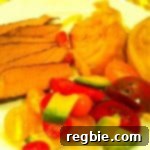
Mastering Sous Vide Grass-Fed Sirloin: The Ultimate Night Shift Fuel
For individuals working night shifts, maintaining consistent energy levels and optimal health is a unique challenge. Crafting a meal that is both profoundly nutritious and incredibly satisfying becomes a cornerstone of well-being. This comprehensive guide delves into creating an exceptional “dinner/breakfast” – a perfectly balanced plate featuring a succulent sous vide grass-fed top sirloin, complemented by a refreshing tomato and avocado salad, and hearty braised cabbage. We’ll explore the precision of sous vide cooking, the distinct benefits of grass-fed beef, and strategic meal preparation tips tailored specifically for the night shift warrior seeking sustained vitality.
The Precision Art of Sous Vide: A Game Changer for Steak Lovers
Sous vide, a French term meaning “under vacuum,” is a cooking technique that involves sealing food in a vacuum-sealed bag and immersing it in a water bath maintained at a precise, consistent temperature. This method ensures that food cooks evenly from edge to edge, achieving a level of doneness that is simply unparalleled by traditional cooking methods. For discerning palates and health-conscious eaters alike, sous vide offers a pathway to culinary perfection, especially when it comes to lean cuts of beef like sirloin.
Unlocking the Benefits of Sous Vide for Beef
- Unwavering Tenderness: The gentle, extended cooking time in a sous vide bath meticulously breaks down tough connective tissues in meat, resulting in incredibly tender and succulent beef every time.
- Consistent Doneness: Say goodbye to overcooked edges and undercooked centers. Sous vide guarantees your desired level of doneness throughout the entire cut, from rare to well-done.
- Maximized Flavor: By cooking in a sealed bag, all the natural juices, herbs, and marinades are locked in, intensifying the beef’s inherent flavor and moisture.
- Effortless Preparation: Once set, a sous vide bath requires minimal supervision. This hands-off approach makes it an ideal method for busy schedules, allowing you to focus on other tasks or enjoy some much-needed relaxation.
- Batch Cooking Friendly: Sous vide is excellent for meal prepping. You can cook multiple portions of sirloin simultaneously, chill them, and quickly sear them when ready to eat.
Grass-Fed Beef: A Nutrient-Dense Choice with Specific Cooking Considerations
Grass-fed beef stands apart from conventional grain-fed beef due to its superior nutritional profile and distinct characteristics. Cattle raised on a diet of natural grasses produce leaner meat with a different fat composition. This difference isn’t just about health; it also significantly impacts how the meat should be cooked, especially when aiming for optimal texture and taste.
The Health Advantages of Choosing Grass-Fed Beef
- Higher Omega-3 Fatty Acids: Grass-fed beef boasts a more favorable ratio of omega-3 to omega-6 fatty acids, beneficial for heart health and reducing inflammation.
- Rich in Conjugated Linoleic Acid (CLA): This beneficial fatty acid is found in higher concentrations in grass-fed beef and has been linked to potential anti-cancer properties and reduced body fat.
- Increased Vitamins and Antioxidants: It contains higher levels of vitamins A and E, along with powerful antioxidants, contributing to overall health and well-being.
- Leaner Protein Source: Generally lower in total fat and calories, making it an excellent choice for those managing weight or seeking a leaner protein source.
The Critical Temperature Lesson: My Sous Vide Sirloin Experience
My own journey with sous vide grass-fed top sirloin provided an invaluable lesson: setting the temperature to 140°F for grass-fed beef can result in an overcooked outcome, especially if you’re aiming for a medium-rare finish. This experience underscored a crucial point: grass-fed beef, being leaner, cooks more quickly and retains less moisture at higher temperatures compared to its grain-fed counterparts. Achieving that perfect, tender, and juicy medium-rare requires a meticulous approach to temperature control.
Precision Temperature Guide for Sous Vide Grass-Fed Sirloin
Understanding and applying the correct temperature is the cornerstone of sous vide excellence. Here’s a refined guide to help you achieve your desired doneness for leaner cuts like grass-fed sirloin:
- Rare: 125°F (51.5°C) for 1-3 hours. Ideal for those who enjoy a very red, cool center.
- Medium-Rare: 129-130°F (54-54.5°C) for 1-3 hours. This range is often considered the sweet spot for tenderness, juiciness, and flavor in grass-fed sirloin.
- Medium: 135°F (57°C) for 1-3 hours. For a firmer texture with a warm, pink center.
- Medium-Well: 140°F (60°C) for 1-3 hours. As my experience showed, this temperature can lead to a firmer, less pink result for grass-fed beef, often leaning towards well-done for many preferences.
- Well-Done: 145°F (63°C) for 1-3 hours. For a very firm steak with minimal pinkness.
Given that top sirloin is inherently a relatively tender cut, cooking it for 1 to 3 hours within these temperature ranges is typically sufficient. Longer durations within the range are generally reserved for achieving increased tenderness in tougher cuts, without altering the doneness.
The Essential Finish: Searing Your Sous Vide Sirloin
While sous vide masters the interior, the exterior still needs attention. After its precise water bath, remove the sirloin from the bag, pat it thoroughly dry with paper towels (moisture prevents a good sear), and immediately sear it. Use a screaming hot cast iron pan with a high smoke point oil like avocado oil for 60-90 seconds per side. This rapid, high-heat sear creates an irresistible, caramelized crust, adding crucial texture and deep savory flavors that complete the culinary experience.
Conquering Your Sous Vide Supreme: Tips for Mastery
The journey to mastering any new cooking technique, including sous vide, is often filled with learning opportunities. My initial resolve to “conquer my Sous Vide Supreme yet!” is a testament to this process. For those looking to excel with their immersion circulator or water oven, here are some actionable tips:
- Verify Temperature Accuracy: Periodically check your sous vide device’s temperature against a known accurate thermometer to ensure precision.
- Pre-Heat Efficiently: Start with hot tap water in your bath to reduce the time your device needs to reach the target temperature, saving energy and time.
- Ensure Full Immersion: Make certain that your food is entirely submerged in the water bath for even cooking. Use heavy objects like ceramic plates or clips to prevent bags from floating.
- Achieve a Perfect Seal: A proper vacuum seal is paramount. It prevents water ingress and ensures maximum heat transfer to your food.
- Post-Bath Chill (Optional): For cuts you plan to chill and reheat, an ice bath immediately after sous vide stops the cooking process and preserves texture.
- Embrace Experimentation: The beauty of sous vide lies in its consistency, allowing you to fine-tune temperatures and times to discover your personal preferences without fear of ruining a meal.
Harmonious Sides: The Tomato & Avocado Salad and Braised Cabbage
A truly nourishing meal is a symphony of diverse flavors and textures, providing a complete spectrum of essential nutrients. For our energy-boosting night shift “dinner/breakfast,” the vibrant tomato and avocado salad and the comforting braised cabbage perfectly complement the richness and savory depth of the sirloin, creating a meal that is both delicious and incredibly wholesome.
The Refreshing Duo: Tomato and Avocado Salad
This simple yet profoundly nutritious salad delivers a burst of freshness and healthy fats. Tomatoes are a powerhouse of lycopene, a potent antioxidant known for its health benefits. Avocados, on the other hand, are rich in heart-healthy monounsaturated fats, potassium, and a wide array of vitamins including K, C, B6, and E. A squeeze of fresh lime or lemon juice, a drizzle of high-quality extra virgin olive oil, and a sprinkle of sea salt and freshly ground black pepper are all that’s needed to elevate their natural flavors. For an aromatic flourish, consider adding a handful of chopped fresh cilantro or basil.
The Comforting Essential: Braised Cabbage
Often overlooked, braised cabbage is an unsung hero in healthy meal planning. It’s incredibly versatile, budget-friendly, and packed with dietary fiber, vitamins K and C, and various beneficial antioxidants. Slow cooking cabbage in a flavorful broth – be it chicken, vegetable, or even beef broth – along with a touch of apple cider vinegar, sautéed onions, and perhaps a pinch of caraway seeds, transforms this humble vegetable into a tender, savory side dish. It provides a grounding, warm, and satisfying element that makes it an ideal component for fueling up before a demanding night shift.
Strategic Meal Preparation for the Night Shift Worker
Preparing meals for a night shift requires a strategic approach. The primary goal is to maximize nutritional intake while minimizing the time and effort spent during your non-traditional awake hours. The components of this sous vide meal are exceptionally well-suited for efficient and effective meal preparation.
Why This Meal Excels for Shift Workers
- Sustained Energy from Quality Protein: The grass-fed sirloin offers a high-quality protein source, crucial for prolonged satiety and maintaining mental alertness and focus throughout your shift.
- Essential Healthy Fats: Avocados and the natural fats in grass-fed beef provide vital fatty acids that support brain health, hormone balance, and overall cellular function.
- Abundant Fiber and Micronutrients: The cabbage and fresh salad deliver a wealth of essential vitamins, minerals, and dietary fiber, supporting healthy digestion and overall well-being.
- Excellent Prep-Ahead Potential: The braised cabbage can be cooked in a larger batch and portioned for several days. The sous vide sirloin can be cooked, chilled, and then quickly seared just before serving, making meal assembly a breeze. Salad components can be prepped (washed, chopped) and assembled at the last minute to ensure maximum freshness.
Key Tips for Efficient Night Shift Meal Prep
- Batch Cook Strategically: Dedicate a block of time to prepare larger quantities of items like braised cabbage or multiple sous vide sirloin steaks to cover several meals.
- Utilize Individual Portions: Divide your cooked components into individual, ready-to-grab containers for easy access and portion control during your shift.
- Pre-Chop and Store: Wash and chop vegetables for your salad and other sides in advance, storing them in airtight containers to reduce daily preparation time.
- Vary Your Flavors: While the core meal is robust, consider using different herb blends for your sirloin or rotating salad dressings to maintain interest and prevent meal fatigue throughout the week.
Conclusion: Fueling Success, Mastering Your Kitchen
Crafting deeply nourishing and satisfying meals for a night shift doesn’t have to be a source of stress or compromise. By thoughtfully adopting precision cooking methods like sous vide, understanding the unique qualities of premium ingredients such as grass-fed beef, and strategically planning your meal preparations, you empower your body with the optimal fuel it needs. My personal journey with the Sous Vide Supreme, complete with valuable lessons learned from an overcooked sirloin, has only deepened my appreciation for the delicate balance of art and science in cooking. With a perfectly cooked sous vide grass-fed top sirloin, a vibrant and healthy tomato and avocado salad, and comforting braised cabbage, you are not merely preparing a meal; you are laying a robust foundation for sustained energy, enhanced mental clarity, and comprehensive well-being, shift after shift. Embrace the continuous learning process, savor every culinary triumph, and confidently conquer your kitchen with knowledge and skill.