
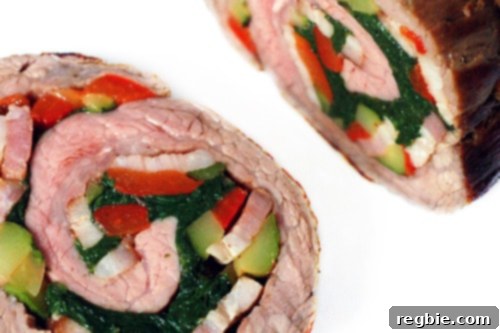
Savor the Flavor: Chef Dave Wendel’s Irresistible Flank Steak Roulade (Paleo-Friendly!)
Today, we are absolutely thrilled to host a truly special guest blogger here at Nom Nom Paleo: the incredibly talented Chef Dave Wendel. Unlike my own self-taught culinary journey, Dave is a classically trained chef with an impressive pedigree. He honed his skills and earned his stripes at what the legendary Paul Bocuse himself acclaimed as “the best culinary school in the world,” the Culinary Institute of America. This background guarantees that when Chef Dave steps into the kitchen, he brings a level of expertise and precision that truly elevates every dish.
Chef Dave has generously agreed to share with us his phenomenal flank steak roulade recipe, complete with meticulous, step-by-step guidance. And believe me when I say this: this isn’t just a recipe; it’s a guaranteed showstopper. Whether you’re hosting a dinner party or simply seeking to impress your family with a delicious and wholesome meal, this roulade is a definite home run. Prepare to be amazed!
A Chef’s Introduction: Crafting Culinary Excellence for the Paleo Lifestyle
Hello everyone! I’m Dave Wendel, and I was incredibly fortunate to cross paths with Michelle and Henry at AHS12, a pivotal event where like-minded individuals gathered. We quickly discovered a shared passion for creating and enjoying truly delicious, nourishing food that aligns with a healthy lifestyle. When Michelle extended the invitation to contribute a guest post to her renowned blog, I was immediately excited by the opportunity to develop a main course that embodies both elegance and practicality – a dish that looks incredibly impressive on the plate but doesn’t demand hours of grueling labor in the kitchen. My culinary inspiration led me to the concept of a roulade, a classic technique perfectly adapted for the modern Paleo enthusiast.
The beauty of a roulade, and particularly this flank steak variation, lies in its remarkable versatility and convenience. One of its most appealing features is its make-ahead potential: you can prepare the entire dish several days prior to your event, allowing the flavors to meld beautifully, and then simply cook it just before serving. This flexibility is a game-changer for busy individuals and those who love to entertain without stress. Furthermore, the stuffing offers endless possibilities for customization. Feel free to experiment, adding or subtracting ingredients based on your preferences or what’s in season. Beyond its practical benefits, this roulade is a feast for the senses. It boasts a rich, savory flavor profile, and the visual appeal of the beautifully spiraled pinwheel slices on your guests’ plates is sure to garner admiring glances and compliments. It’s a dish that truly delivers on all fronts: taste, presentation, and ease of preparation.
Enjoy crafting and savoring this delightful creation!
-Dave
Flank Steak Roulade: A Paleo Masterpiece – Ingredients You’ll Need
This recipe is designed to generously feed 4 to 6 people. Gather these fresh, high-quality ingredients to embark on your culinary adventure:
- ½ pound fresh baby spinach: Opt for organic if possible. Spinach provides a vibrant color, essential nutrients, and helps bind the filling.
- ¼ cup water: For steaming the spinach.
- 1½ pounds flank steak: Choose a good quality, well-marbled flank steak. This cut is perfect for roulades due to its broad, flat shape and rich beefy flavor.
- 1 teaspoon kosher salt, divided: Kosher salt provides a clean, pure salty taste that enhances the meat and vegetables.
- 1 teaspoon black pepper, divided: Freshly ground black pepper offers a pungent kick and aromatic depth.
- 4 thick slices of bacon, diced: Bacon adds incredible smoky flavor and a delightful textural contrast to the filling. Choose uncured, sugar-free bacon for strict Paleo adherence.
- 1 medium red bell pepper, diced: Red peppers bring a sweet, vibrant crunch and a burst of color to the stuffing.
- 1 small green zucchini, diced: Zucchini offers a delicate, slightly sweet flavor and helps keep the filling moist.
- 1 teaspoon chili powder: This spice blend introduces a warm, earthy, and slightly smoky heat, perfectly complementing the beef and bacon.
- 1 garlic clove, pressed: Fresh garlic is indispensable for its pungent aroma and savory depth, forming the backbone of the filling’s flavor.
- 2 tablespoons ghee or coconut oil: These healthy fats are ideal for searing the roulade, providing a high smoke point and adding a rich flavor.
Step-by-Step Guide: How to Prepare Your Flank Steak Roulade
Follow these detailed instructions to create a flawless and delicious flank steak roulade:
- Preheat Oven: Begin by preheating your oven to 400°F (200°C). This ensures your oven is at the correct temperature for even cooking once the roulade is seared.
- Prepare Spinach: Heat a large sauté pan over high heat until it’s very hot. The high heat helps to quickly wilt the spinach without overcooking it.
- Steam Spinach: Add the baby spinach and ¼ cup of water to the hot pan. Immediately cover the pan with a lid. Allow the spinach to steam undisturbed for approximately 2 minutes, or until it has fully wilted. This method preserves its nutrients and vibrant color.
- Cool and Drain Spinach: Uncover the pan and transfer the wilted spinach to a colander. Allow it to cool slightly, then firmly press out all excess water using your hands or the back of a spoon. This step is crucial to prevent the roulade from becoming soggy.
- Butterfly Flank Steak: Place the flank steak on a cutting board with the grain (fibers) running parallel to your stabilizing hand. Using a sharp knife, carefully slice the steak horizontally through the thickest part, being extremely careful not to cut all the way through. Open it up like a book, creating one large, thin piece of meat. If the steak isn’t uniformly thin, gently pound it between two pieces of parchment paper or plastic wrap until it’s an even ¼ to ½ inch thickness. This ensures even rolling and cooking.
- Season Steak: Season the inside surface of the butterflied flank steak generously with approximately ¼ teaspoon each of kosher salt and black pepper. This internal seasoning is vital for flavoring the entire roulade from the inside out.
- Cook Bacon: In a separate sauté pan, heat over medium heat. Add the diced bacon and cook for 3-4 minutes, stirring occasionally, until it starts to crisp but isn’t fully rendered. You want some fat to remain for sautéing the vegetables.
- Sauté Vegetables: Toss in the diced red bell peppers and zucchini with the bacon. Continue to cook for another 3-4 minutes, stirring, until the vegetables begin to soften but still retain a slight crispness.
- Season Filling: Sprinkle the chili powder, pressed garlic, and the remaining ½ teaspoon each of salt and pepper over the bacon and vegetable mixture. Mix well to combine all the flavors. Continue to cook for another 1-2 minutes until the vegetables are tender-crisp and aromatic. Remove the pan from heat and allow the filling to cool completely. This cooling step is important before assembling the roulade to prevent premature cooking of the steak.
- Spread Filling: Evenly spread the cooled bacon and vegetable mixture over the seasoned flank steak, leaving a small border (about 1 inch) around the edges. This border will help when rolling.
- Layer Spinach: Gently layer the pressed and drained spinach over the vegetable mixture. The spinach acts as a protective layer, helping to keep the vegetables securely in place while rolling and cooking.
- Roll the Roulade: Starting from one of the shorter ends, carefully and tightly roll the flank steak into a compact log. Rolling tightly is key to ensuring the roulade holds its shape and the filling doesn’t fall out during cooking.
- Secure and Season: Secure the rolled roulade with butcher twine at 1-inch intervals to maintain its cylindrical shape during cooking. Once tied, season the entire outside surface of the roulade with the remaining ¼ teaspoon each of kosher salt and black pepper.
- Advance Preparation (Optional): If you plan to serve the roulade later (it can be made up to 3 days in advance), place it in an airtight container or wrap it tightly in plastic wrap and refrigerate at this step. When you are ready to cook, remove it from the fridge about an hour prior to cooking to allow it to come closer to room temperature. Then, proceed with the following steps.
- Sear the Roulade: Heat a large, oven-safe sauté pan or cast-iron skillet over high heat. Add the ghee or coconut oil and let it get very hot until it just begins to smoke. Carefully place the roulade into the hot pan and sear all sides until golden brown and a beautiful crust has formed. This searing step locks in juices and develops incredible flavor through the Maillard reaction.
- Roast to Perfection: Transfer the seared roulade in the oven-safe pan directly to your preheated 400°F (200°C) oven. Cook until the internal temperature reaches 120°F (49°C) for a perfect medium-rare, which typically takes about 18-20 minutes. For medium, aim for 130°F (54°C). Always use a reliable meat thermometer inserted into the thickest part of the roulade to ensure accuracy.
- Rest the Meat: This is a critical step! Remove the roulade from the oven and transfer it to a cutting board. Loosely tent it with foil and let it rest for at least 20 minutes. During this resting period, the residual heat will continue to cook the meat (known as carryover cooking), raising the internal temperature to 125-130°F (52-54°C) for medium-rare, and the juices will redistribute, resulting in a more tender and flavorful finished product.
- Slice and Serve: Before serving, carefully remove the butcher twine. Slice the roulade into ½ to ¾ inch thick rounds, cutting against the grain of the meat. This ensures maximum tenderness. Arrange the beautiful pinwheel slices on a platter and serve immediately.
Chef’s Notes & Tips for Success: Elevating Your Roulade
Perfecting Your Technique
- Knife Skills: A sharp knife is essential for butterflying the flank steak safely and evenly. Take your time with this step to ensure uniform thickness for even cooking.
- Don’t Rush Cooling: Allowing the spinach and the bacon-vegetable mixture to cool completely before assembly prevents the steak from starting to cook prematurely and helps maintain the roulade’s structure.
- Tight Roll, Firm Tie: A tightly rolled roulade secured with well-placed butcher twine ensures the filling stays put and the meat cooks uniformly. Don’t be shy with the twine!
- High Heat Searing: Achieve a beautiful, flavorful crust by making sure your pan is very hot before adding the roulade. This rapid searing locks in juices and contributes significantly to the final taste.
- The Importance of Resting: Never skip the resting phase! It’s crucial for succulent, juicy meat. Without it, the juices will escape when you slice, leaving your roulade dry.
Serving Suggestions & Pairings
- This Flank Steak Roulade pairs wonderfully with a simple green salad dressed with a light vinaigrette.
- For a complete Paleo meal, consider serving it alongside roasted root vegetables like sweet potatoes or parsnips, or a side of creamy mashed cauliflower.
- A rich, savory mushroom sauce or a fresh chimichurri could also complement the flavors beautifully, though the roulade is fantastic on its own.
Storage & Reheating
- Leftover roulade can be stored in an airtight container in the refrigerator for up to 3 days.
- To reheat, gently warm slices in a pan on the stovetop over medium-low heat, or in a preheated oven at 300°F (150°C) until warmed through, being careful not to overcook and dry out the meat.
Meet the Chef: Dave Wendel – A Journey Through Food and Wellness
Dave Wendel is a distinguished culinary professional, having graduated in 1999 from the prestigious Culinary Institute of America in Hyde Park, NY. With over two decades of experience in the dynamic food service industry, Dave has honed his skills and expertise across various culinary domains. Currently, he applies his discerning palate and extensive knowledge as a buyer for a renowned gourmet foods company, constantly seeking out the finest ingredients and culinary innovations.
Dave’s personal health journey significantly shaped his approach to food. He became deeply interested in the Paleo lifestyle as an integral component of a comprehensive plan to effectively manage his Type 1 Diabetes, a journey he has openly shared, including insights featured on Robb Wolf’s influential blog. This personal connection to health and nutrition fuels his passion for creating delicious, wholesome, and compliant dishes that don’t compromise on flavor or satisfaction.
When he’s not immersed in the world of gourmet food or perfecting a new recipe, Dave enjoys unwinding with his wife, Ann Wendel, the accomplished owner of Prana Physical Therapy. You can connect with Dave and follow his culinary insights and wellness journey here.