
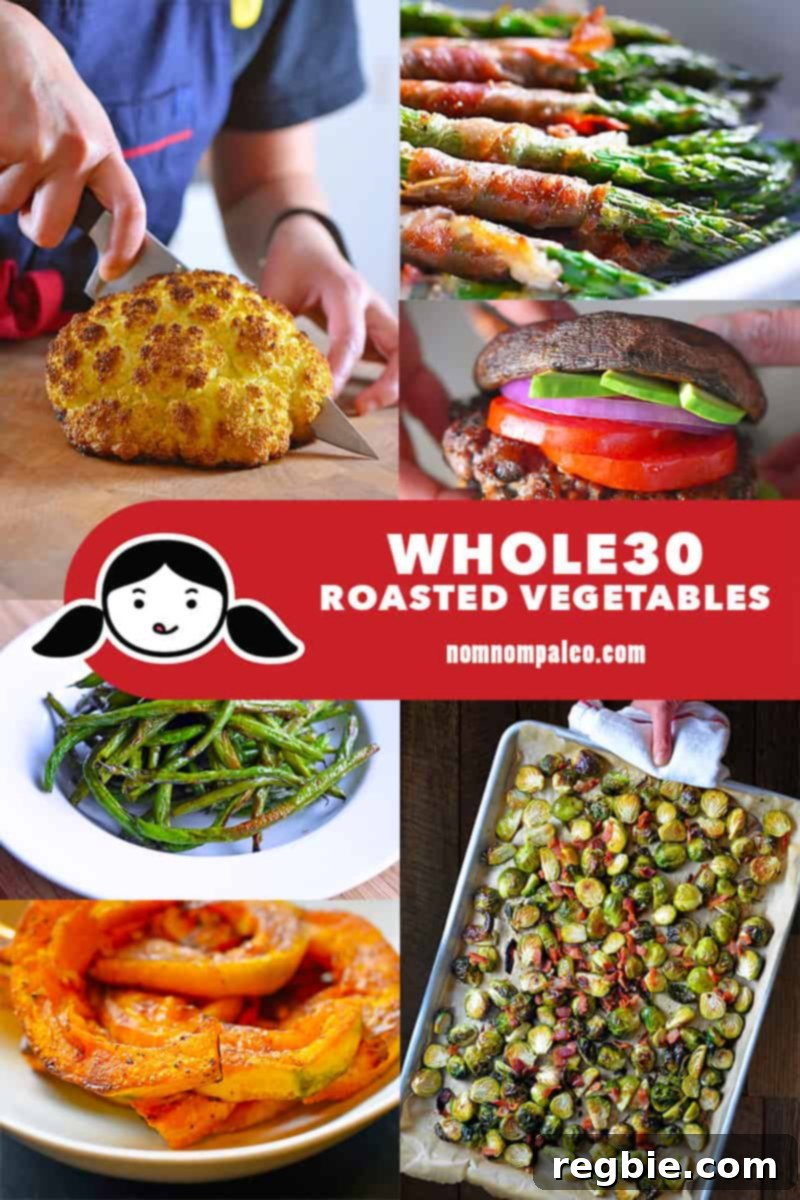

Are you looking to boost your daily vegetable intake with minimal effort and maximum flavor? Dive into the world of Whole30 roasted vegetables! This cooking method is a game-changer, transforming humble produce into tender, caramelized, and utterly delicious side dishes that fit perfectly into any healthy eating plan, especially Whole30, Paleo, and low-carb lifestyles. Forget boring steamed greens; a tray of perfectly roasted veggies is an effortless way to make eating healthy both enjoyable and incredibly satisfying.
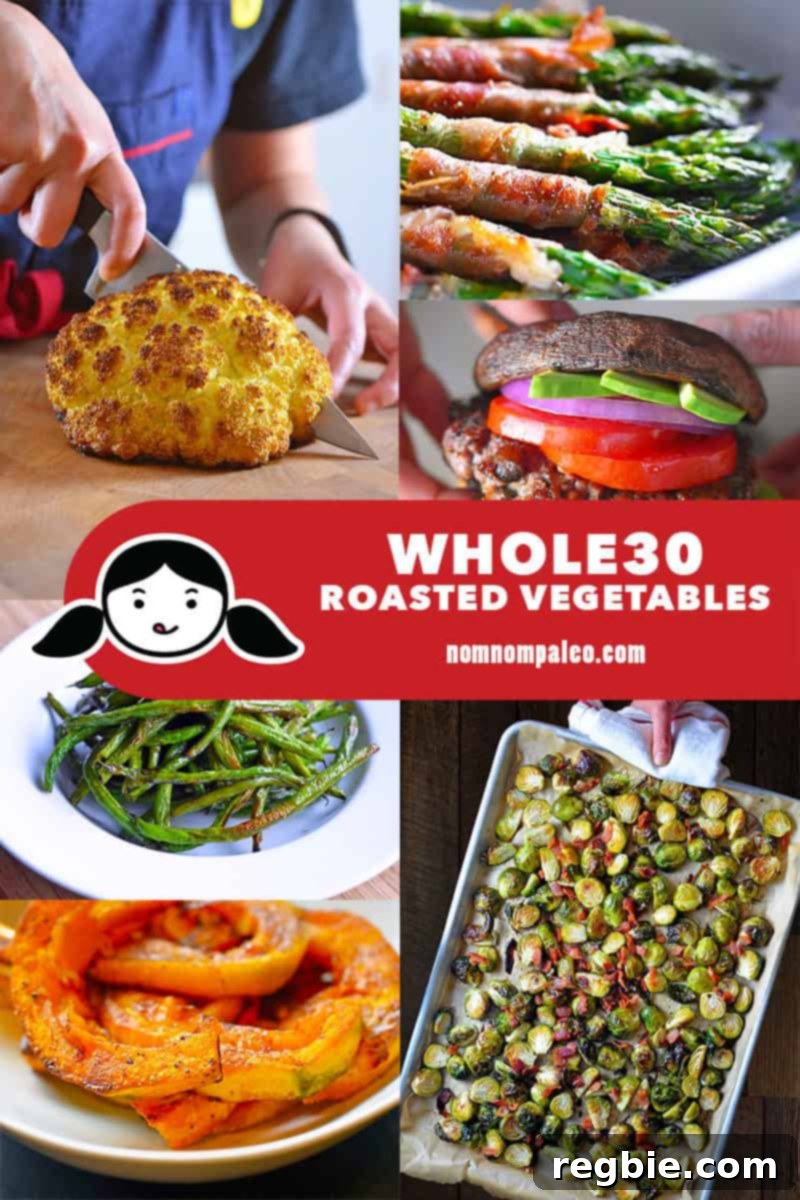
Mastering the Art of Perfect Roasted Vegetables
Roasting vegetables isn’t just a cooking method; it’s an art form that yields incredibly flavorful and nutritious results. It’s the simplest way to get more plant-based goodness into your diet, whether you’re following a strict Whole30 protocol or simply aiming for healthier meals. The secret lies in a few straightforward techniques that guarantee tender interiors and beautifully crisp, charred exteriors every time. Let’s unlock the full potential of your favorite vegetables and turn them into culinary stars.
The Foundational Formula for Flawless Roasting
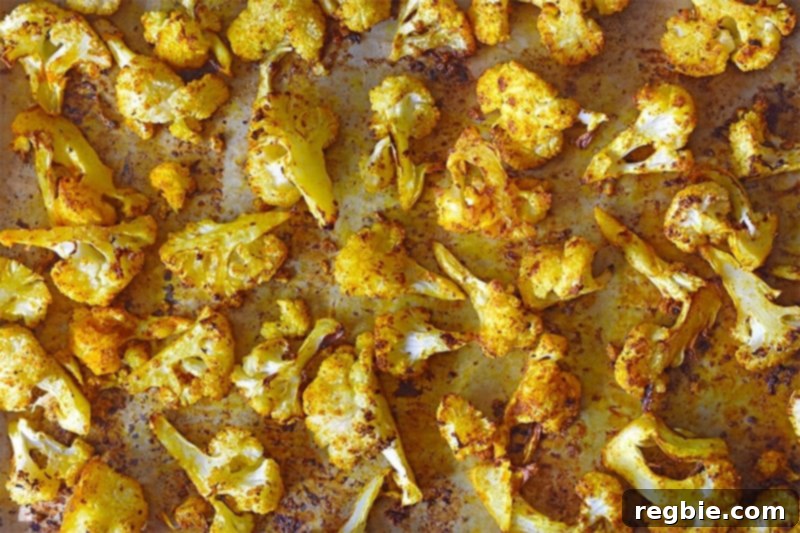
Achieving perfectly roasted vegetables is surprisingly simple once you understand the basic principles. The formula is universal: select similarly sized vegetables (or cut them uniformly), toss them generously with healthy fats and seasonings, arrange them in a single layer on a rimmed baking sheet, and roast in a hot oven until they’re tender on the inside with an appealing char on the outside. This method caramelizes the natural sugars in the vegetables, intensifying their flavor and creating an irresistible texture. It’s a fundamental technique that every home cook should master for delicious, healthy meals.
Ready to go beyond the basics and refine your roasting skills? Keep reading for detailed tips that will elevate your roasted vegetable game!
Optimal Oven Temperature for Roasting Success
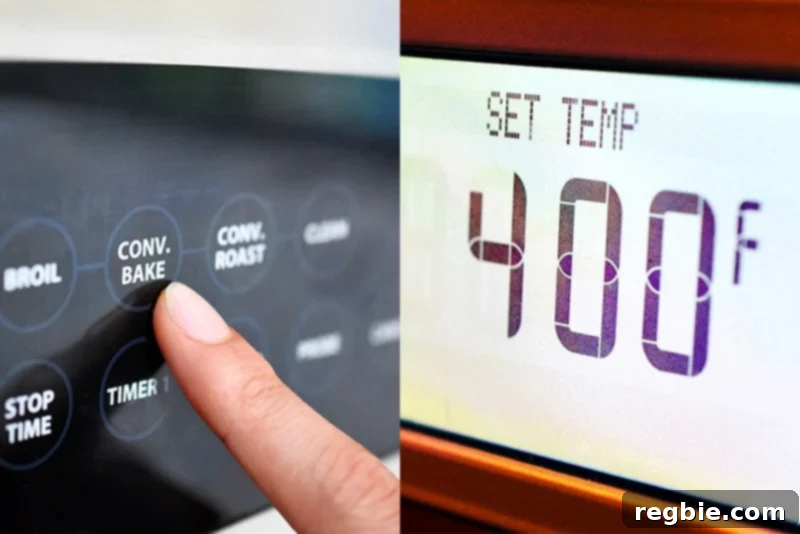
The key to crispy, flavorful roasted vegetables lies in a high oven temperature. I consistently recommend a hot oven, typically between 400°F and 450°F (200°C to 230°C). This intense heat ensures that your vegetables caramelize quickly, developing that desirable browning and sweetness without becoming soggy. If you’re working with delicate, fast-cooking vegetables like asparagus and have the time to supervise closely, a quick stint under the broiler can deliver an incredible char. For those lucky enough to have a convection oven, always engage that function! The internal fan circulates hot air more efficiently and evenly, resulting in faster cooking times and superior crispiness across the entire tray.
Understanding Roasting Times for Various Vegetables
While a hot oven is crucial, knowing how long to roast different types of vegetables is equally important for achieving perfect results. Roasting times can vary based on the vegetable’s density, size, and your desired level of tenderness and char. Here’s a general guide to help you plan your perfect Whole30 roasted vegetable medley:
- Cruciferous vegetables, cut in florets (e.g., broccoli, cauliflower, romanesco, Brussels sprouts): 20-30 minutes. These benefit from higher heat to get a nice char.
- Thin, delicate vegetables (e.g., asparagus spears, green beans, sliced bell peppers, zucchini rounds): 10-20 minutes. Keep a close eye on these as they can quickly go from tender-crisp to limp.
- Hardy root vegetables, cubed (e.g., sweet potatoes, beets, carrots, parsnips): 35-45 minutes. These require more time to become tender throughout due to their density.
- Winter squash, cubed (e.g., kabocha, butternut, delicata, acorn): 25-50 minutes. The variance here depends on the specific type of squash and how small it’s cut.
For even cooking, always rotate your baking sheet at the halfway point. Once you notice a good char developing on the bottom, give the veggies a gentle toss. Remember, your eyes and nose are your best tools: if the vegetables look golden-brown, smell deeply aromatic, and pierce easily with a fork, they are likely ready to be enjoyed!
To Line or Not to Line: Baking Sheet Considerations
The choice of whether to line your baking sheet with parchment paper or foil comes down to a balance between convenience and culinary outcome. Lining your pan undeniably makes for a quicker and easier clean-up, creating a barrier between your delicious roasted vegetables and the baking sheet itself. This is especially useful for sticky glazes or particularly messy vegetables. However, there’s a trade-off: vegetables tend to brown and crisp up more effectively when they are in direct contact with the hot metal surface of the baking sheet. The direct heat transfer creates a superior Maillard reaction, leading to deeper flavor and texture. For optimal browning, skip the liner. For minimal cleanup, parchment paper is your friend. You can also experiment with silicone baking mats, which offer some of the non-stick benefits of parchment while still allowing for decent browning.
Selecting the Best Cooking Oil/Fat for Roasting
The right cooking fat is essential for achieving perfectly roasted vegetables. It aids in browning, conducts heat, and adds subtle flavor. My top choices for Whole30-friendly roasting fats include avocado oil, which has a high smoke point and neutral flavor; extra virgin olive oil, for its delightful Mediterranean notes (though best used at lower roasting temps or added post-roasting for maximum benefit, but works well for 400°F if you don’t mind a slight loss of some delicate flavors); melted coconut oil, which imparts a slight sweetness; or melted ghee, offering a rich, buttery taste without dairy. For an extra layer of savory depth, if you’ve recently baked some bacon, don’t let that precious rendered bacon grease go to waste! It’s fantastic for coating your veggies and infusing them with smoky flavor. The key is to use enough fat to adequately coat every piece of vegetable without creating a pool of oil on the sheet, which can lead to steaming rather than roasting. Be generous, but not excessive!
Essential Seasoning for Flavorful Vegetables
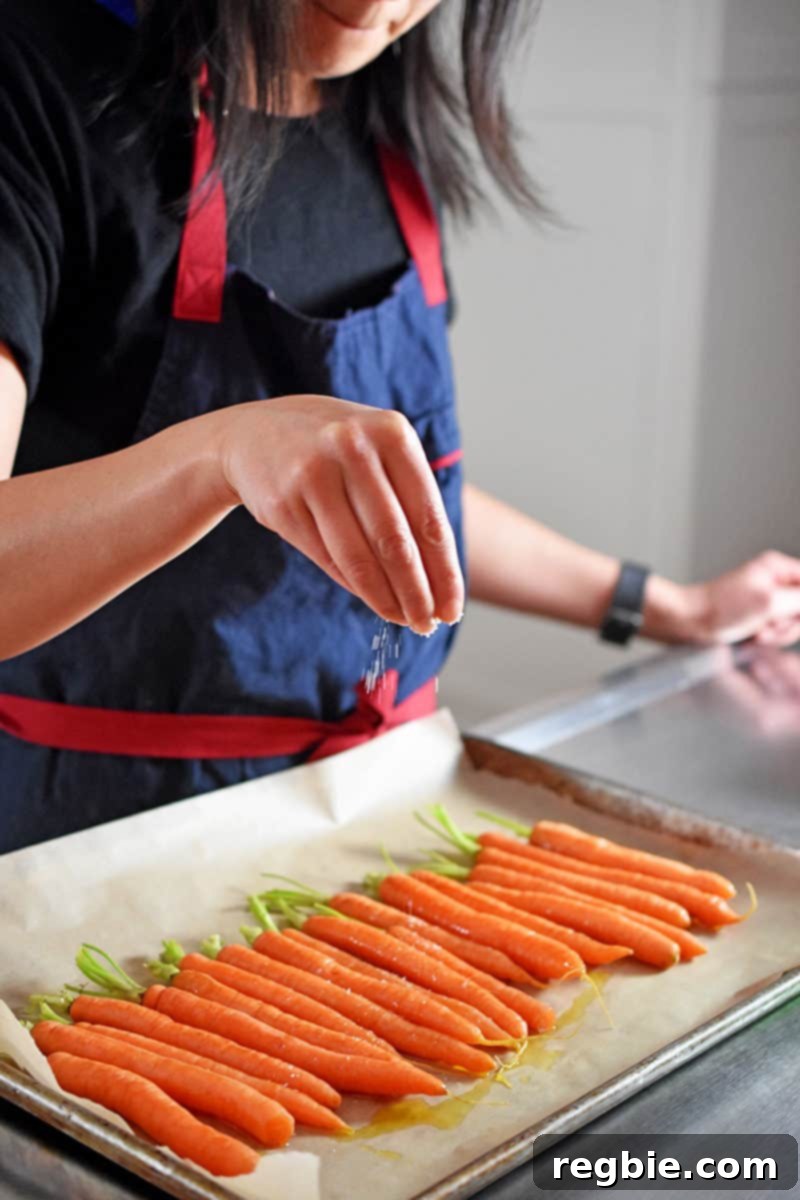
Seasoning is where you transform simple roasted vegetables into a truly memorable dish. At a minimum, a liberal sprinkling of high-quality salt and freshly ground black pepper (if desired) is non-negotiable. These fundamental seasonings enhance the vegetables’ natural flavors and are crucial for bringing them to life. Beyond the basics, feel free to get creative! I frequently use my homemade Magic Mushroom Powder, which acts as a fantastic all-in-one seasoning blend, or a good quality pre-made blend like Primal Palate’s Adobo seasoning for a burst of savory flavor. Don’t be shy; a well-seasoned vegetable is a delicious vegetable. Experiment with different spice blends – Italian herbs, curry powder, smoked paprika, garlic powder, or chili powder – to complement your meal and discover your favorite combinations!
The Golden Rule: Don’t Overcrowd the Pan!
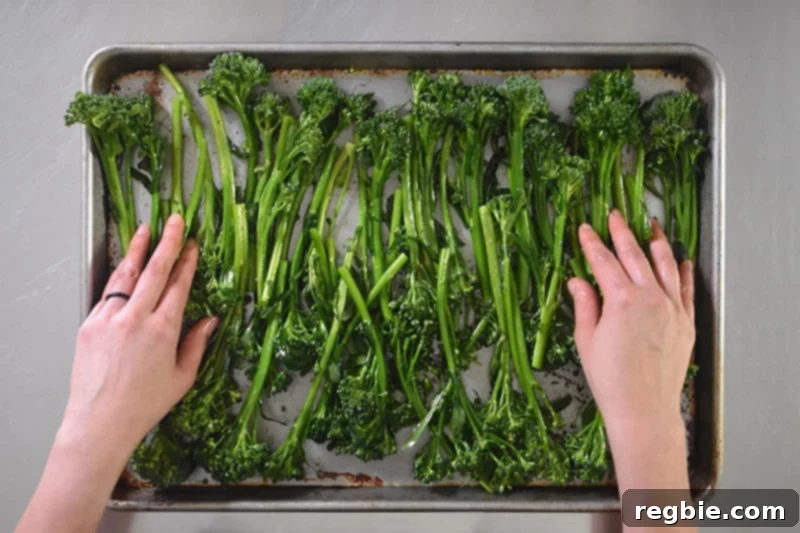
This tip is paramount for achieving perfectly roasted, crispy vegetables. It’s often the most overlooked step, but its importance cannot be overstated. When you overcrowd your baking sheet, the vegetables release moisture, and instead of roasting and caramelizing, they end up steaming in their own juices. This results in soft, watery, and unappetizing vegetables lacking that coveted golden-brown char. Always ensure that your vegetables are spread out in a single layer on the rimmed baking sheets, with ample space between each piece. If you have a large batch of vegetables, it’s always better to use two baking sheets or roast in batches. Patience and proper spacing are key to unlocking the true potential of roasted vegetables.
Strategic Combining of Different Vegetables
While mixing different vegetables on one pan is a convenient way to create a colorful and varied side dish, it requires a bit of strategy. The best approach is to combine vegetables that have similar roasting times or can be cut to achieve similar cooking durations. For instance, root vegetables like carrots and parsnips roast well together, as do cruciferous vegetables like broccoli and cauliflower. If you want to combine vegetables with vastly different cooking times – say, dense sweet potatoes with quick-cooking bell peppers – you’ll need to adjust your preparation. Cut the harder, denser vegetables into smaller pieces to reduce their cooking time, allowing them to finish simultaneously with their softer counterparts. Alternatively, you can add quicker-cooking vegetables to the tray partway through the roasting process of the slower-cooking ones. This thoughtful approach ensures every vegetable reaches its perfect state of tenderness and caramelization.
Elevating Flavor: The Power of Finishing Touches
Once your vegetables are roasted to perfection, don’t stop there! A simple finishing touch can dramatically brighten and intensify their flavors, adding a gourmet flourish to your dish. I almost always finish my roasted vegetables with a splash of acid and a sprinkle of fresh, minced herbs. The acidity from fresh lemon or lime juice, or a high-quality vinegar (such as balsamic, apple cider, sherry, or rice vinegar), cuts through the richness of the roast, adding a vibrant zing that awakens the palate. A shower of fresh herbs—think bright chives, earthy parsley, delicate chervil, aromatic basil, sharp scallions, or zesty cilantro—not only contributes incredible freshness and aroma but also adds a beautiful pop of color. These simple additions transform a humble side dish into a sophisticated and irresistible accompaniment.
My Favorite Whole30 Roasted Vegetable Recipes
Ready to put these roasting tips into practice? Here are some of my go-to Whole30 roasted vegetable recipes that are sure to become staples in your kitchen. Each one is designed for maximum flavor and ease, proving that healthy eating can be incredibly delicious.
Roasted Kabocha: If you haven’t tried kabocha squash, you’re in for a treat! This Japanese pumpkin, when roasted, develops a delightfully sweet, nutty flavor and a creamy texture reminiscent of roasted chestnuts. It’s a comforting and nutrient-dense side that’s surprisingly easy to prepare.
Roasted Brussels Sprouts and Bacon: This dish is a consistent family favorite, even among kids who might typically shy away from vegetables. The magic happens when the Brussels sprouts caramelize and become tender-crisp, perfectly complemented by salty, smoky bacon. It’s a match made in heaven that transforms simple sprouts into an irresistible treat. (Fan of broccoli and bacon? Don’t miss this incredible recipe too!)
Whole Roasted Cauliflower: For a truly impressive yet remarkably simple side or centerpiece, this whole roasted cauliflower is a showstopper. It’s incredibly budget-friendly, requires minimal effort, and is guaranteed to impress your guests, whether served as a main attraction for vegetarian friends or a stunning side dish. The outer layers become beautifully caramelized while the inside remains tender and flavorful.
Roasted Portobello Mushrooms: These meaty portobello mushrooms are insanely easy and incredibly delicious when roasted. Their robust flavor and satisfying texture make them a fantastic stand-alone side, and they even serve as perfect, grain-free “burger buns” for a healthy twist on your favorite burgers!
Broiled Prosciutto-Wrapped Asparagus: For a quick and elegant appetizer or a delightful side dish, these porky spears are a must-try. The savory prosciutto wraps around tender asparagus, creating a delicious contrast that’s ready in minutes under the broiler. They’re an absolute crowd-pleaser and perfectly Whole30 compliant!
Roasted Curried Cauliflower: Take your roasted cauliflower to the next level with a vibrant kick of curry. The spices impart a wonderful smokiness and warmth, while a squeeze of lime juice at the end adds a bright, zesty finish. It’s a flavor explosion that’s both exotic and comforting.
Roasted Green Beans: These umami-packed roasted green beans are anything but ordinary. They emerge from the oven tender yet wonderfully toasty, with a delightful depth of flavor. A final spritz of citrus brings everything together, making them an incredibly addictive and healthy side dish.
For more inspiration from my past January Whole30 journeys, explore these daily posts:
- 2018 Whole30 Day 14: Big-O Bacon Burgers
- 2017 Whole30 Day 14: Prosciutto-Wrapped Mini Frittata Muffins
Incorporating a variety of roasted vegetables into your diet is a simple yet impactful way to boost nutrition, enhance flavor, and make healthy eating an absolute pleasure. Whether you’re committed to a Whole30 reset or simply seeking delicious, wholesome meal solutions, these techniques and recipes will ensure your vegetables are always the star of the plate.
A note to my Nomsters: This is one of a series of daily blog posts I’m writing in the month of January 2019 to help those doing a Whole30 to kick off the New Year. Not sure what the Whole30 is, or want info on how to get started? Read my Whole30 prep post—and then come back to Nom Nom Paleo every single day for recipes to inspire, delight, and sustain you on your Whole30!
Looking for more recipe ideas? Head on over to my Recipe Index. You’ll also find exclusive recipes on my iPhone and iPad app, and in my cookbooks, Nom Nom Paleo: Food for Humans (Andrews McMeel Publishing 2013) and Ready or Not! (Andrews McMeel Publishing 2017)!