
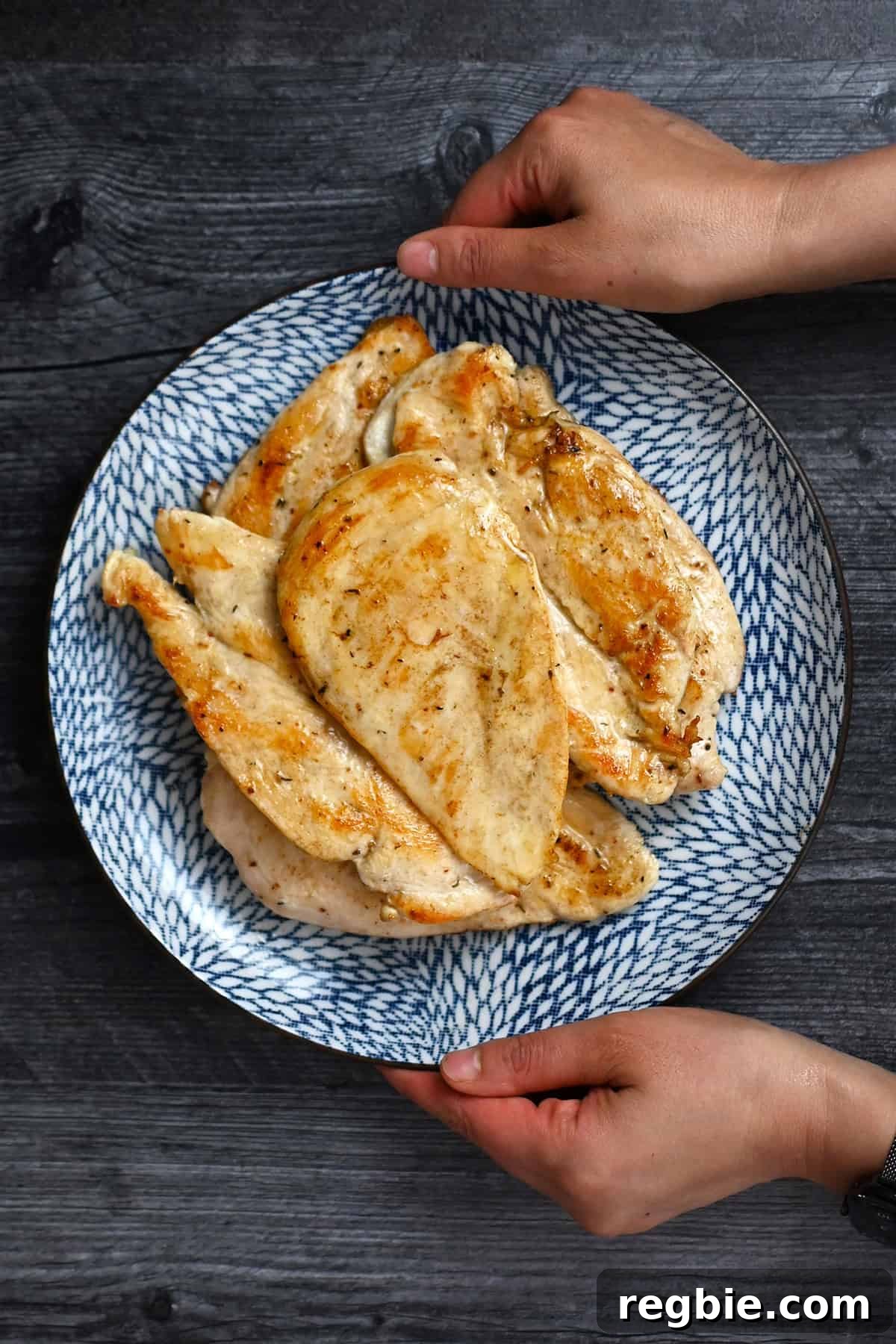
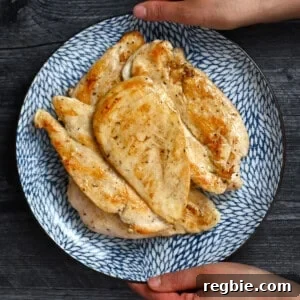
These days this is my go-to way to cook chicken breasts reliably and quickly at home. Thin cutlets, good seasoning, a hot skillet, and a light smear of mayonnaise deliver juicy chicken in minutes.
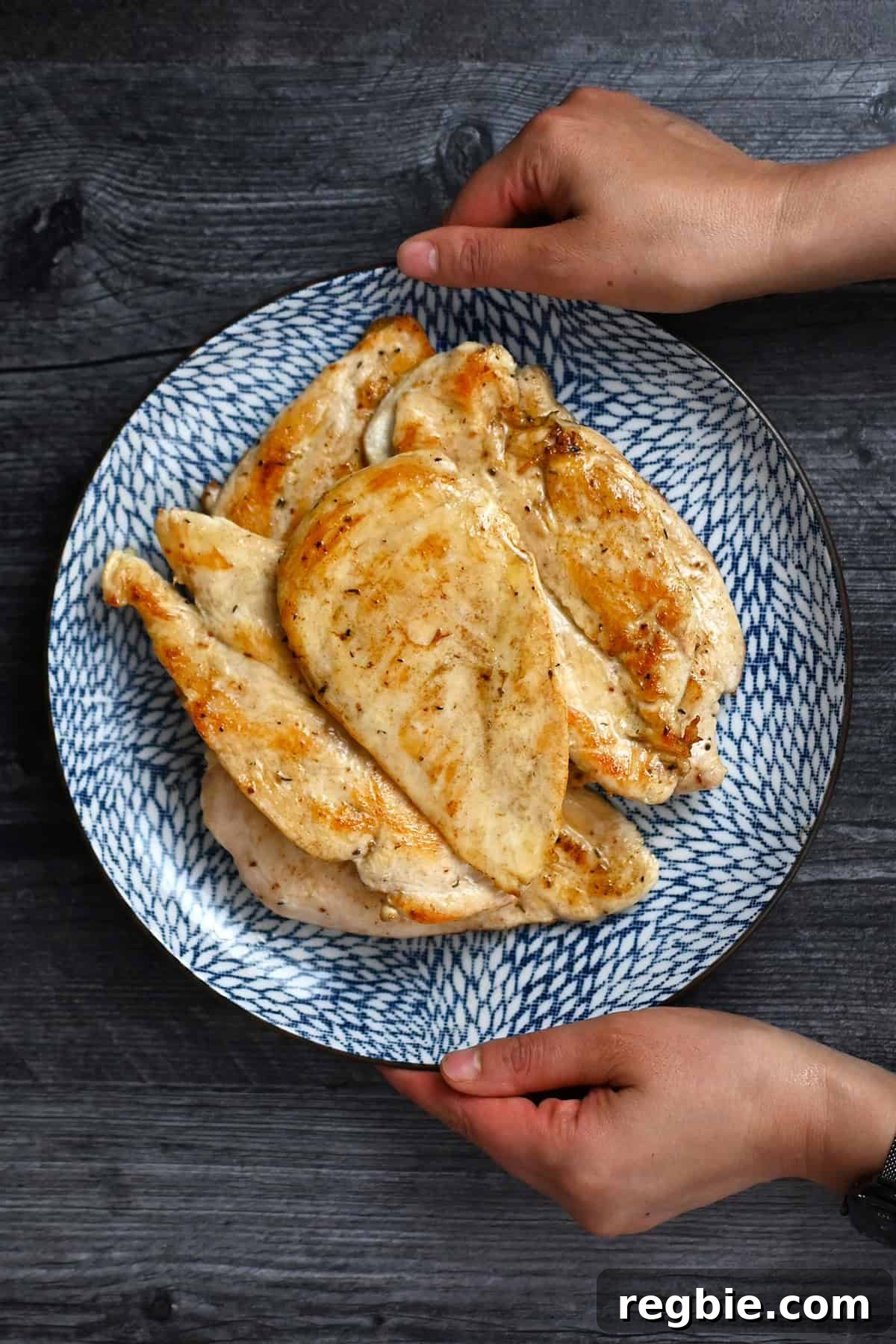
Boneless, skinless chicken breasts often get a bad rap for being dry, bland, and easy to overcook.
I used to avoid them, but now that I prioritize protein, I’ve experimented until I found a fast, foolproof method that produces moist, flavorful results every time.
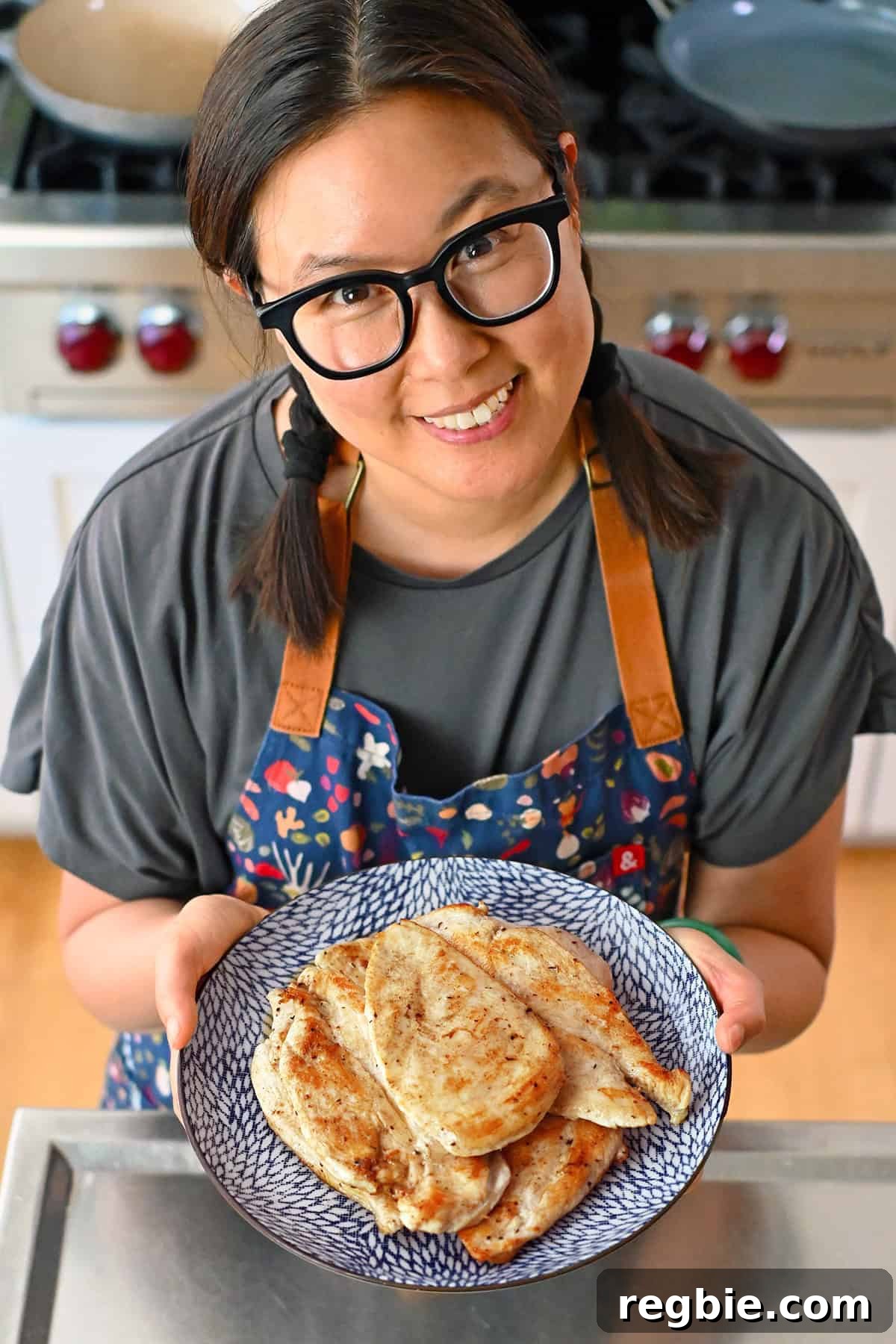
After plenty of trial and error, I stick with thin, evenly cut chicken, a hot skillet, generous seasoning, and a thin coat of mayo. I often meal-prep a few pounds because it’s quick, dependable, and still tasty straight from the fridge. With everyone trying to eat more protein, this keeps well-stocked in my kitchen.
No brining, no oven baking, and no chalky leftovers—just simple, reliable chicken.
Why most chicken breast ends up dry
Most chicken breast mistakes come from a few common issues:
- Uneven pieces that cause thin edges to overcook before the center is done.
- Too-low heat, which leads the meat to steam instead of sear.
- Cooking too long “to be safe,” which dries the meat out.
This method avoids all of those problems by producing thin, evenly cooked cutlets with a quick, hot sear.
Ingredients
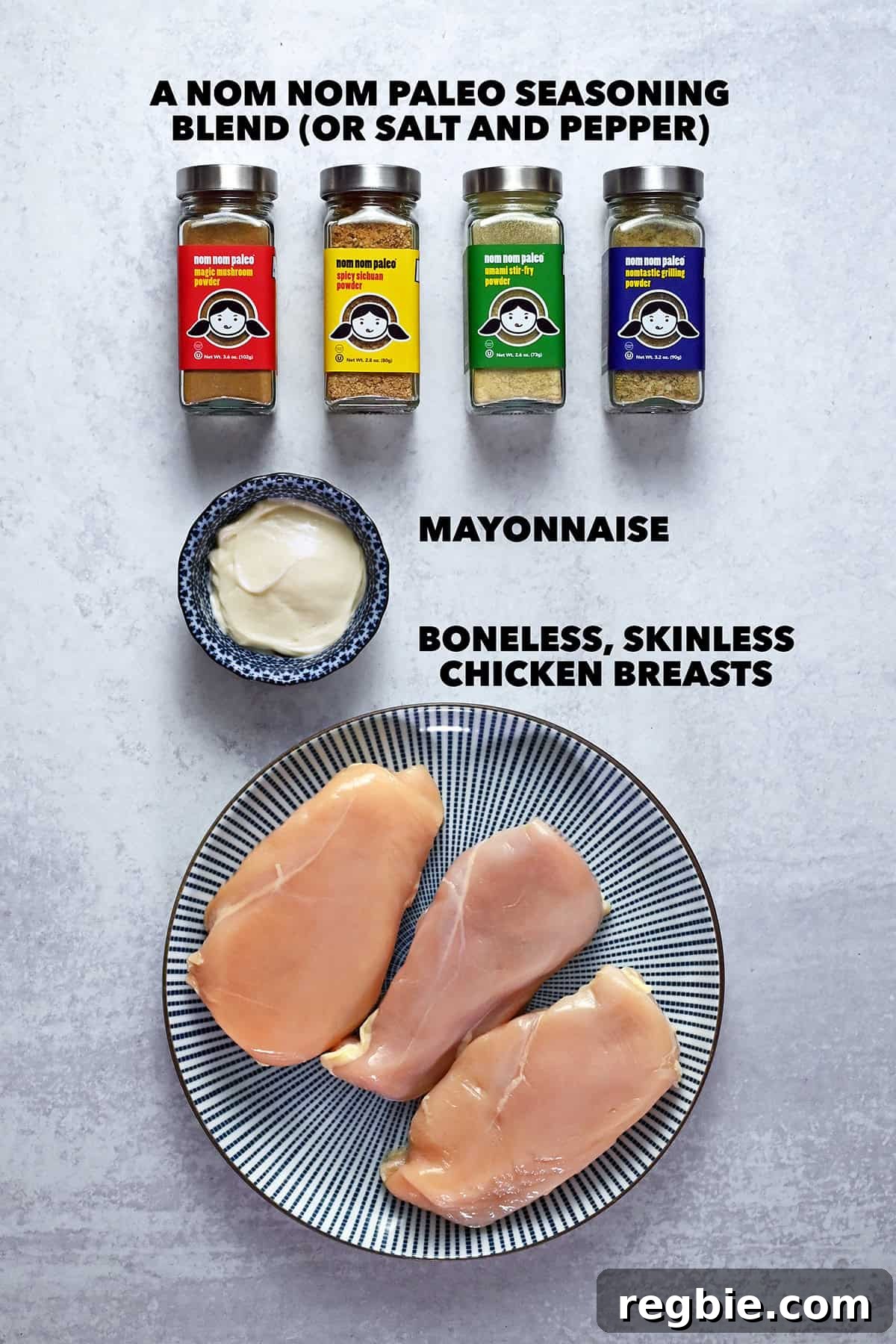
- Boneless, skinless chicken breasts: Smaller breasts (about 6–8 ounces) are ideal because they’re easier to slice into even cutlets. If your knife isn’t sharp, buy supermarket cutlets or have the butcher slice them, then pound them thin so they’re uniform.
- Mayonnaise: A thin layer helps the seasoning stick, promotes browning, and protects the meat from drying while it cooks. It won’t leave a noticeable mayo flavor.
- Seasoning: Salt alone works fine, but use your favorite spice blend if you want more flavor. A simple mix of salt, garlic powder, onion powder, and smoked paprika is also great.
How to make juicy chicken breast
Thin, even cutlets cook better
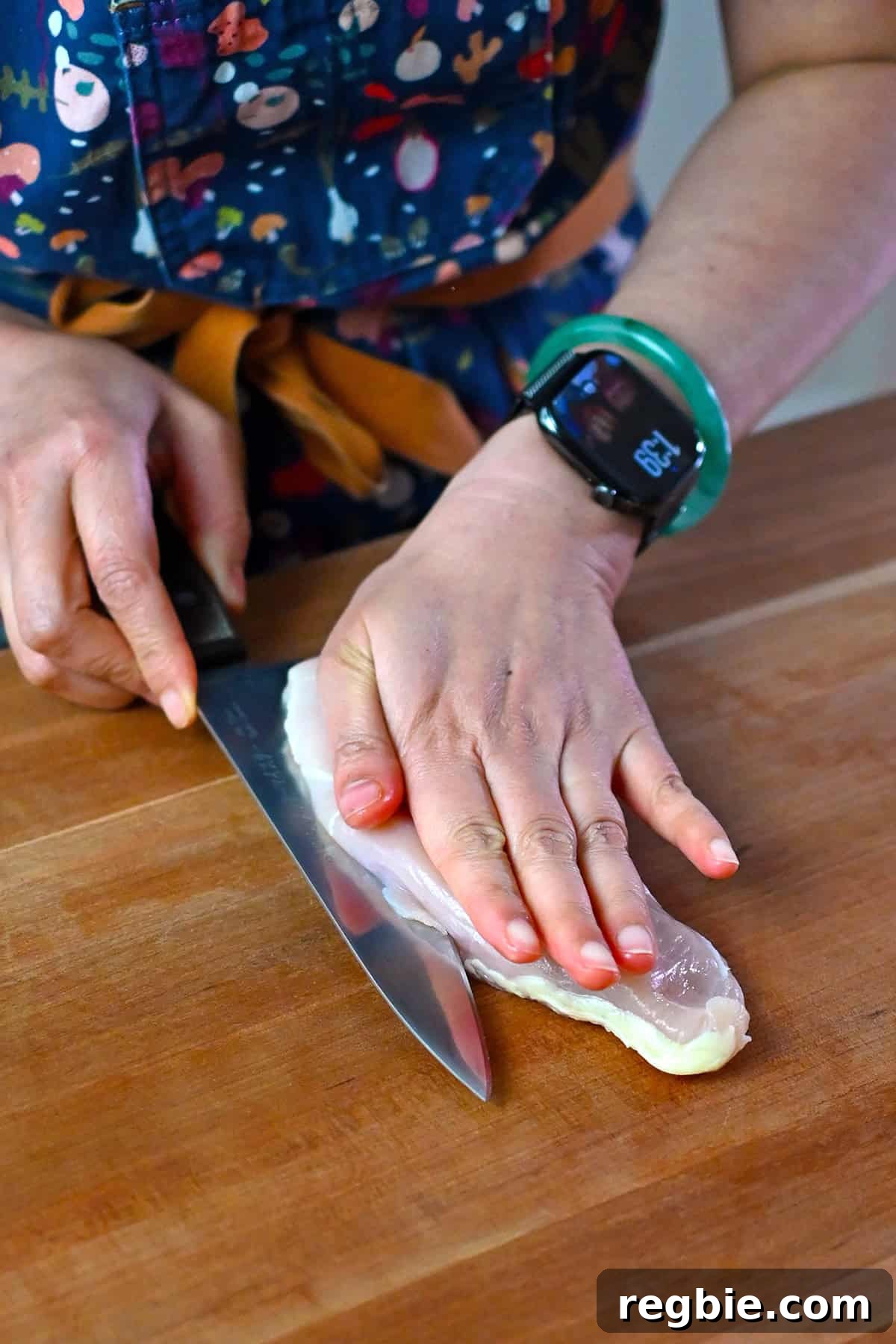
Slice each chicken breast horizontally into thin cutlets using a sharp knife. Press the breast flat with your palm and slice parallel to the cutting board so you create two thinner pieces. If the breast is large or uneven, make additional cuts so all pieces are similar in thickness.
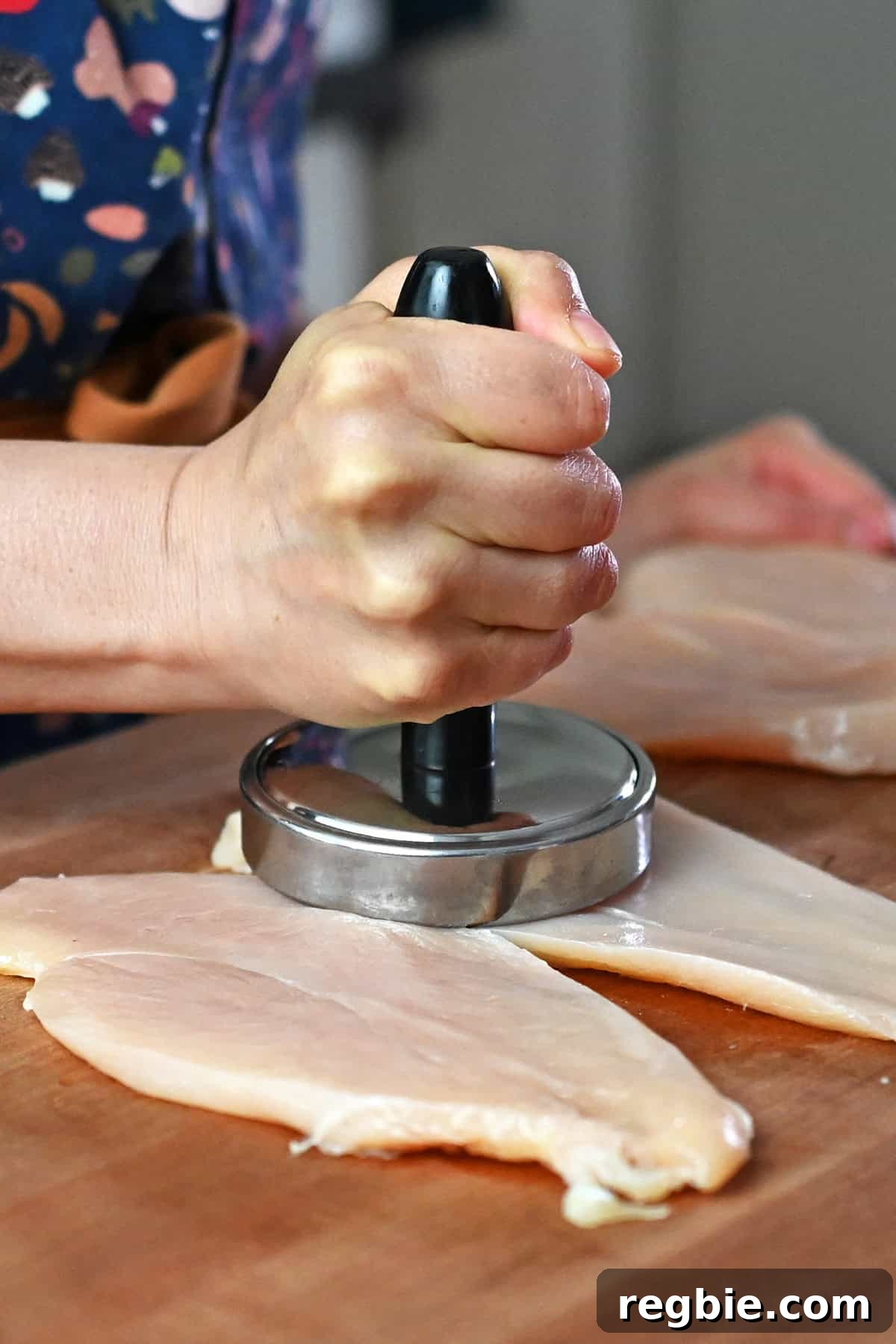
Lightly pound the cutlets with a meat pounder, small cast-iron skillet, or rolling pin until they are an even thickness. Even thickness is the key to juicy, evenly cooked chicken.
Season generously
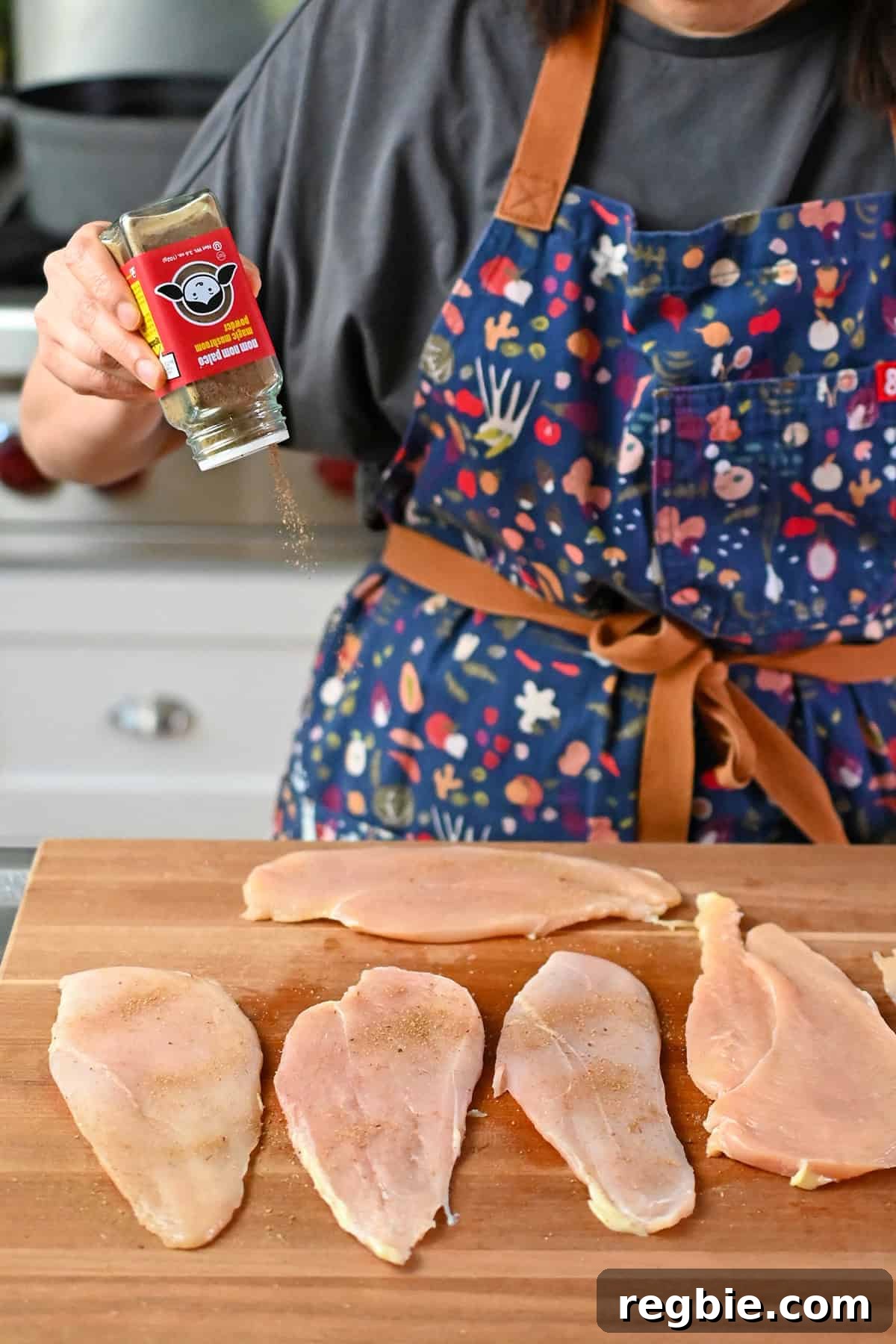
Sprinkle seasoning from several inches above the cutlets for even coverage, then flip and season the other side. Thin cutlets need flavor, so be generous.
The mayo trick (don’t skip!)
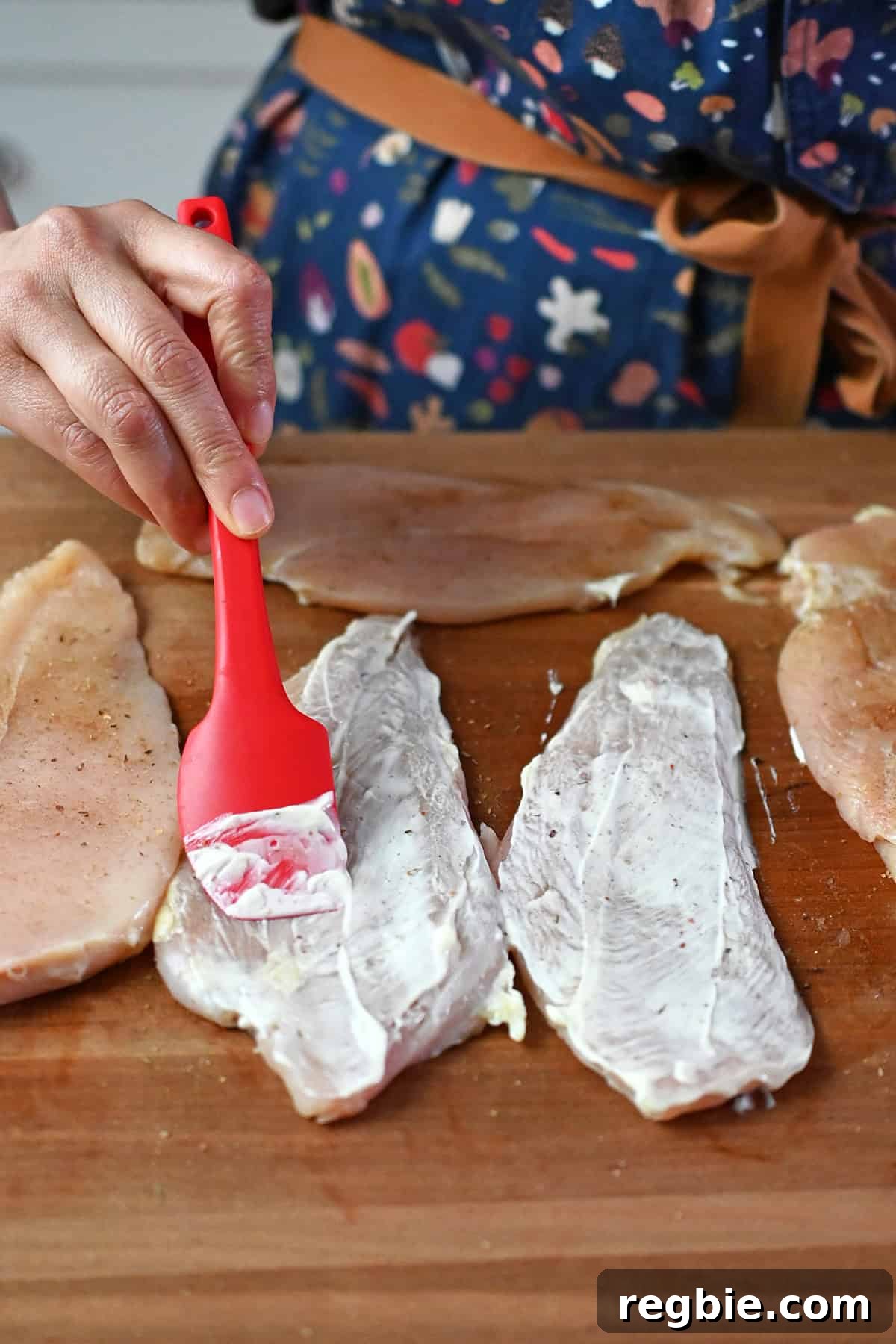
Brush a very thin layer of mayonnaise on both sides of each cutlet. Use a small spatula for a smooth, even coat. The mayo helps the chicken brown, keeps seasoning in place, and shields the meat from drying out. You won’t taste the mayo in the finished dish.
If you prefer not to use mayo you can skip it, but it does make the method more forgiving and consistent.
A hot pan for best results
Heat a heavy-bottomed 12-inch skillet over medium-high heat until hot. Use stainless steel, cast iron, or enameled cast iron for the best browning. A nonstick skillet works but won’t brown as well.
There’s no need to add extra oil—the mayo provides enough fat to prevent sticking. Place the cutlets in a single layer and leave them undisturbed for about 90 seconds so a crust can form and the meat will release from the pan easily.
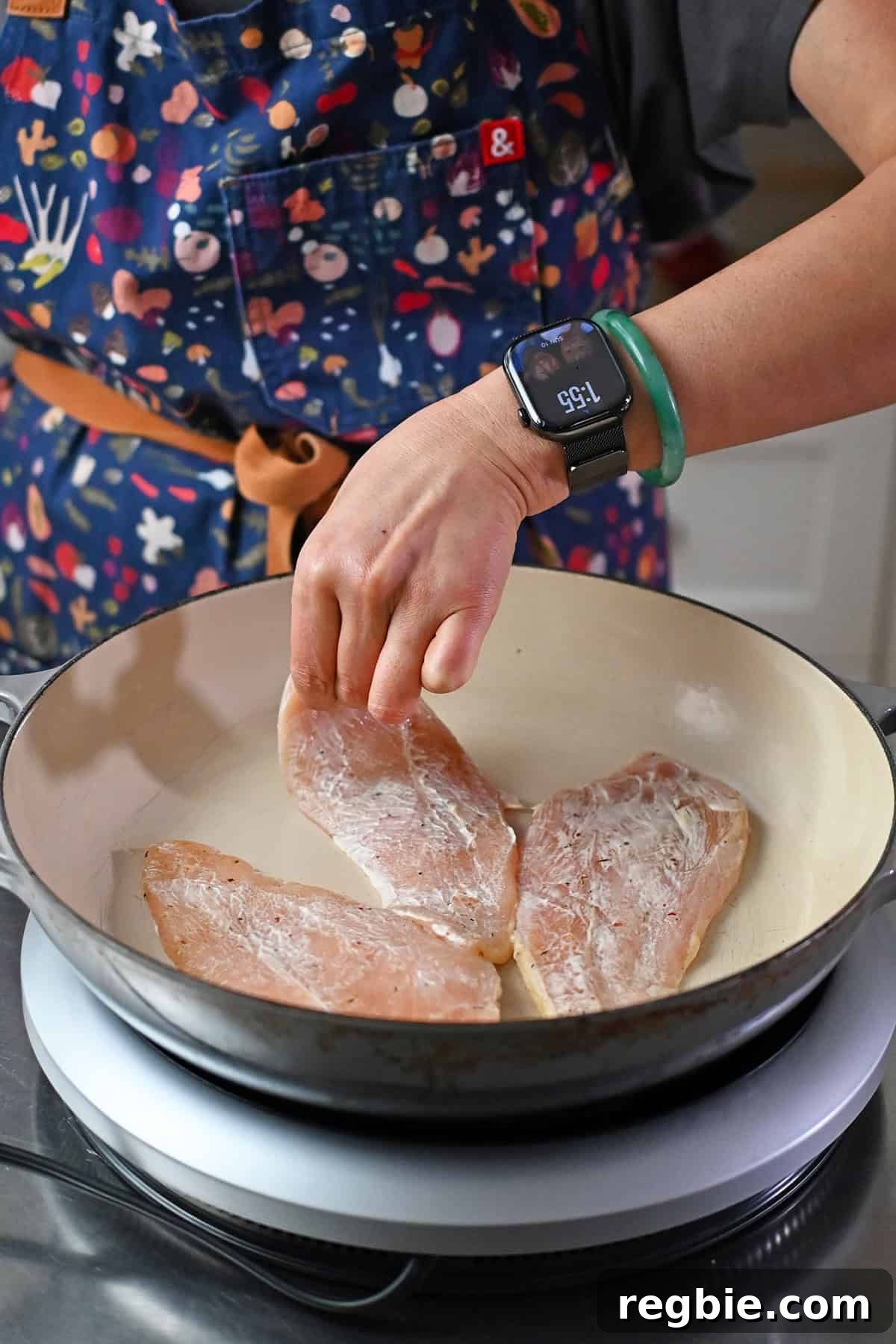
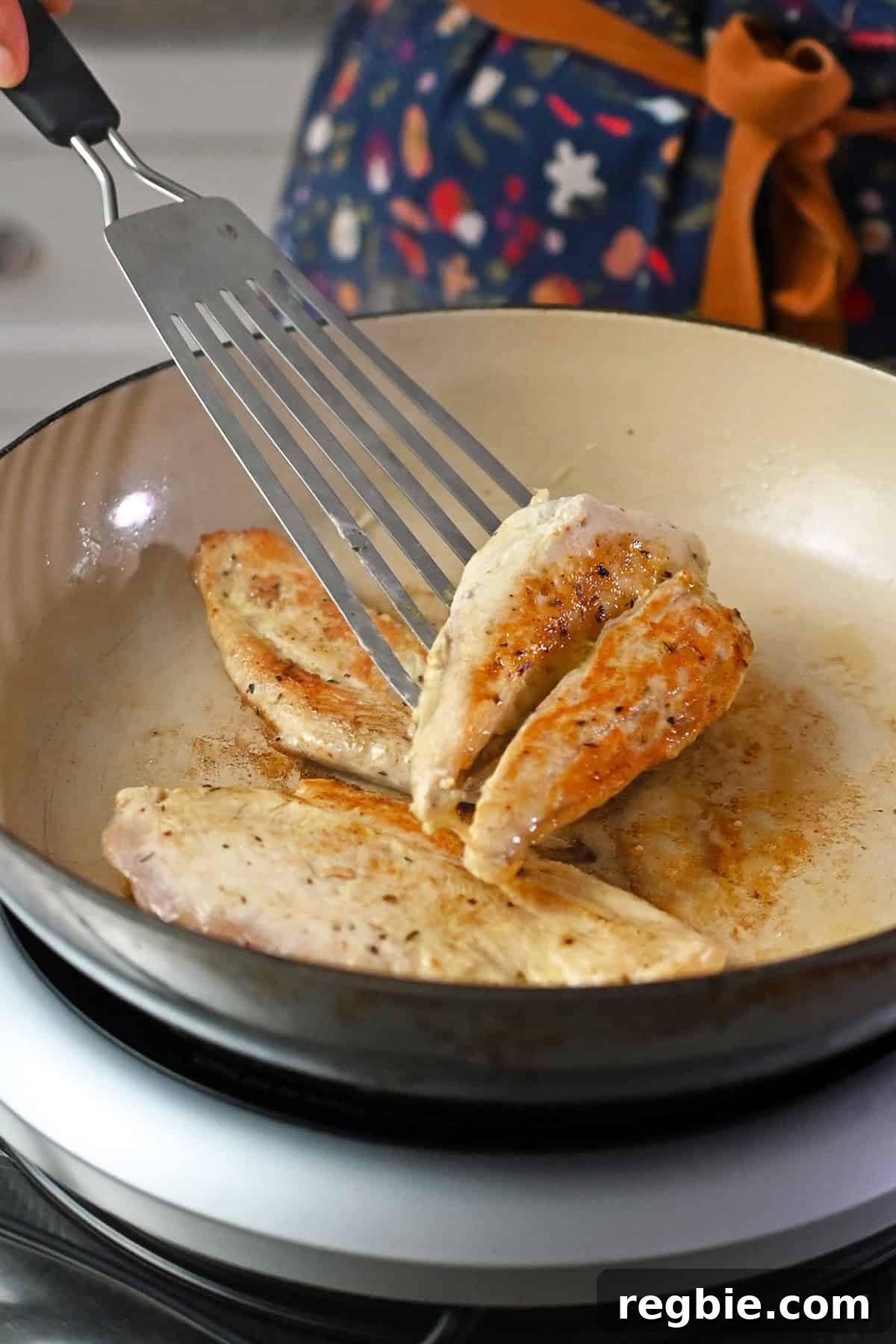
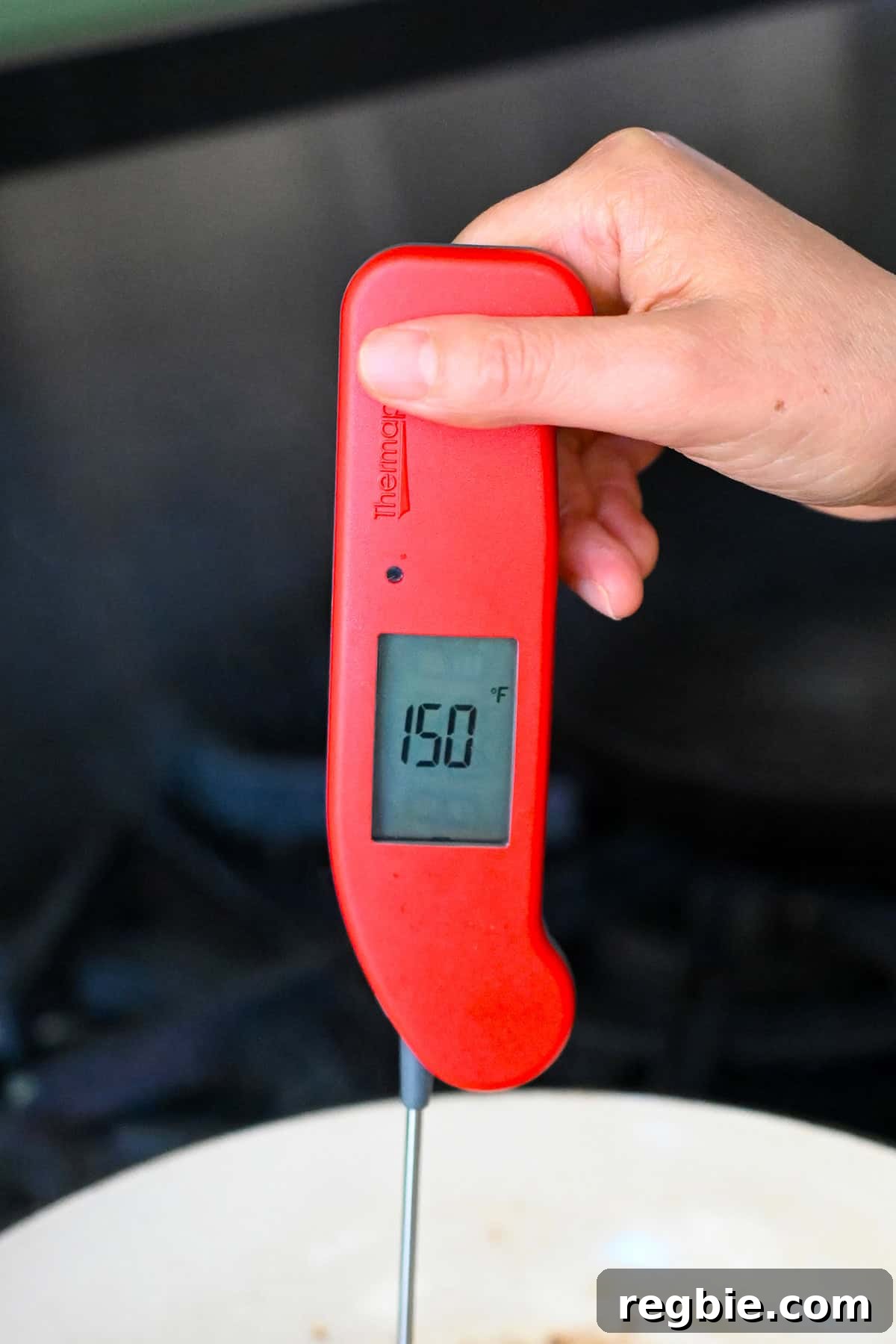
Flip and cook the second side for another 90 seconds. Then continue flipping every 30–60 seconds until the cutlets are nicely browned and the thickest part reaches about 150–155°F.
Take it off early and let it rest
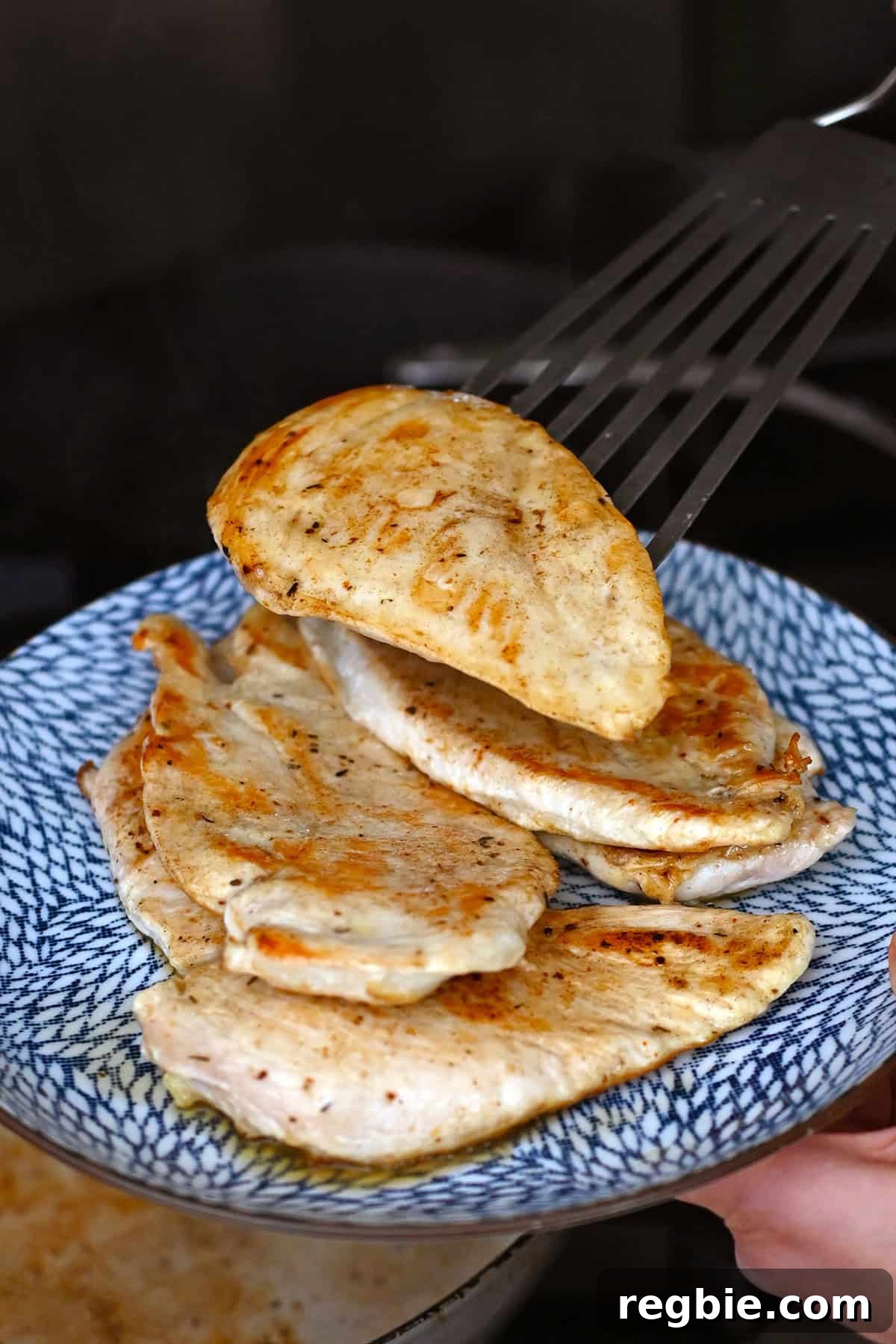
Pull the chicken when the thickest part reads 150–155°F and let it rest for about 5 minutes. Carryover cooking will finish the job while the juices redistribute, keeping the chicken moist. Thin cutlets reach this temperature quickly, so check with a thermometer.
How to store leftover chicken breast
Let the chicken cool completely, then store in an airtight container in the fridge for up to 4 days. You can keep the breasts whole or slice them for easier meal prep. The chicken is versatile for salads, bowls, lettuce wraps, soups, or a quick protein snack straight from the fridge.
For longer storage, freeze cooled chicken in a freezer-safe container or bag for up to 3 months. Thaw overnight in the fridge or pack frozen slices in a lunchbox in the morning; they often thaw by lunchtime. Reheat gently to avoid drying out.
Quick Juicy Chicken Breast (The Mayo Method)
Equipment
- Chef’s knife
- Meat pounder or heavy flat object
- 12-inch skillet
- Small silicone spatula or brush
- Fish spatula
- Instant-read meat thermometer
Ingredients
- 1½ pounds boneless skinless chicken breasts
- Your favorite seasoning blend or kosher salt
- 2 tablespoons mayonnaise
Instructions
-
Slice the chicken breasts horizontally into thin cutlets and pound them to an even thickness.
-
Sprinkle both sides with seasoning or kosher salt, holding the shaker a few inches above the meat for even coverage.
-
Brush a very thin layer of mayonnaise on both sides of each cutlet to help seasoning stick and encourage browning.
-
Heat a heavy-bottomed 12-inch skillet over medium-high until hot.
-
Place cutlets in a single layer and cook undisturbed about 90 seconds per side. Continue flipping every 30–60 seconds until nicely browned and the thickest part reaches 150–155°F.
-
Remove from pan and let rest about 5 minutes before serving or storing.
Notes
- Thin, even cutlets are the key to fast cooking and juicy results.
- You won’t taste the mayonnaise; it simply helps with browning and moisture retention.
- This chicken keeps well in the fridge and is perfect for meal prep, salads, and bowls.
Nutrition
Nutrition information is an approximation.