
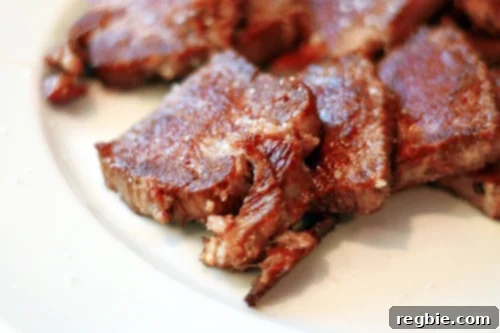
Unlock Unrivaled Tenderness: Mastering Sous Vide Grass-Fed Beef Tongue and Cheek
If you’ve ever shied away from preparing cuts like beef tongue and cheek, get ready to have your culinary world transformed. These often-overlooked parts of the animal, packed with rich flavor and incredible texture when cooked correctly, become extraordinarily tender and succulent with the magic of sous vide. Forget the hours of traditional braising and the guesswork; the precision of a water bath makes these cuts approachable for any home cook, turning them into gourmet delights.
For years, the thought of cooking grass-fed beef tongue or beef cheeks seemed like an insurmountable challenge to many, including myself. These cuts are known for their toughness due to a high content of connective tissue and collagen. Conventional cooking methods often require long, slow braising, careful monitoring, and a bit of luck to achieve that coveted fork-tender result. However, with the advent of sous vide cooking, the game has completely changed.
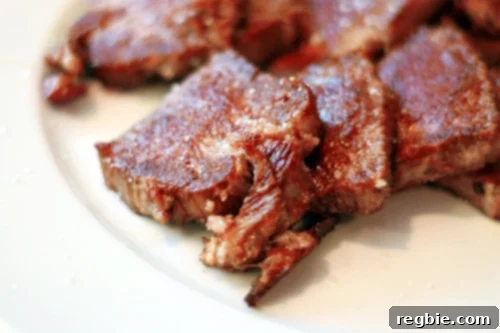
My journey from apprehension to absolute confidence in cooking these “unusual” cuts began with my SousVide Supreme (or any reliable immersion circulator). This ingenious kitchen appliance effortlessly transforms cheap, tough cuts of grass-fed beef into incredibly flavorful, melt-in-your-mouth dishes. The beauty of sous vide lies in its simplicity and precision. Once you’ve seasoned and sealed your meat, you simply immerse it in the temperature-controlled water bath and let time do its work. The result? Consistently perfect, tender meat every single time.
The preparation process is astonishingly straightforward, taking mere minutes: season your meat, vacuum-seal it, and then place the packets into your sous vide water oven. From there, you can virtually forget about them for a couple of days. This hands-off approach frees up your time and eliminates the stress often associated with cooking tougher cuts. Moreover, sous vide allows you to cook ahead of time. Once cooked, you can chill the meat and reheat it whenever you’re ready to eat, making it an incredibly convenient option for meal prepping or entertaining.
The Sous Vide Advantage: Why It’s Perfect for Beef Tongue and Cheek
Beef tongue and cheek are rich in collagen, a protein that breaks down into gelatin when cooked slowly at precise temperatures. This transformation is what gives these cuts their signature tender, luscious texture. Traditional methods often struggle to maintain a consistent internal temperature throughout the cooking process, leading to uneven results – some parts might be tough, while others are overcooked.
Sous vide eliminates this issue by cooking the meat to an exact internal temperature from edge to edge. By setting your water bath to a specific temperature (like 158°F or 70°C for 48 hours, as we’ll use in this recipe), you ensure that the collagen has ample time to slowly break down without overcooking the muscle fibers. This gentle, extended cooking period yields an unparalleled tenderness and moisture retention that’s hard to achieve with any other method. The meat emerges from the bath incredibly succulent, retaining all its natural juices and rich flavor, ready for a quick sear to develop a beautiful crust.
Sourcing Quality Ingredients: The Importance of Grass-Fed Beef
The quality of your ingredients significantly impacts the final taste and nutritional profile of your dish. When cooking beef tongue and cheek, opting for grass-fed beef is highly recommended. Grass-fed cattle typically lead healthier lives, resulting in meat that is often richer in beneficial nutrients like Omega-3 fatty acids, conjugated linoleic acid (CLA), and essential vitamins, compared to grain-fed alternatives.
Beyond the nutritional benefits, grass-fed beef offers a more robust and complex flavor profile. For this recipe, we recommend sourcing from reputable providers like U.S. Wellness Meats, known for their high-quality grass-fed products. However, if U.S. Wellness Meats isn’t accessible, seek out local butchers or specialty grocery stores that emphasize ethical sourcing and transparent farming practices. Don’t hesitate to ask your butcher about the origin of their beef and how the animals are raised. Freshness is key, so ensure the cuts look vibrant and have no off-odors.
Essential Equipment for Sous Vide Success
While the process is simple, having the right tools makes it even easier:
- Sous Vide Immersion Circulator or Water Oven: This is the heart of the operation. Whether you have a dedicated water oven like the SousVide Supreme or a compact immersion circulator that attaches to any pot, its role is to maintain a precise and consistent water temperature.
- Vacuum Sealer and Bags: Essential for sealing your meat and seasonings airtight. This ensures even cooking and prevents water from entering the bag. If you don’t have a vacuum sealer, you can use the water displacement method with high-quality freezer-safe zip-top bags.
- Large Pot or Container: For your immersion circulator, you’ll need a container large enough to fully submerge your meat without overcrowding.
- Cast Iron Skillet: Crucial for the post-sous vide sear, which adds texture and caramelization.
- Tongs: For handling the meat during searing.
- Paper Towels: For thoroughly drying the meat before searing, which is vital for a good crust.
Sous Vide Grass-Fed Beef Tongue and Cheek Recipe
This recipe will guide you through transforming these remarkable cuts into incredibly tender, flavorful dishes perfect for a unique main course or versatile additions to other meals. The long, gentle cooking process ensures every bite is a revelation of texture and taste.
PRINTER-FRIENDLY RECIPE CARD
Sous Vide Grass-Fed Beef Tongue ‘N Cheek
Cook Time: 10 mins
Total Time: 2 days 20 mins
Author: Michelle Tam
Pin Recipe
Print Recipe
Once considered daunting, beef tongue and cheek transform into incredibly tender, flavorful braises with the magic of sous vide. This foolproof method ensures perfectly cooked, succulent meat every time, making these often-overlooked cuts a true culinary triumph.
Ingredients
- 1 whole grass-fed beef tongue (approx. 2-3 lbs)
- 3 pounds grass-fed beef cheeks
- 2-3 tablespoons Chili 9000 seasoning or your favorite dry rub
- Kosher salt (such as Diamond Crystal)
- Freshly ground black pepper
- 4 tablespoons Kerrygold unsalted butter or ghee (for Whole30 compliance)
- 2 tablespoons bacon grease
- Fleur de sel, for finishing
Instructions
- Prepare the Meat: Pat the beef tongue and beef cheeks dry with paper towels. Season both cuts liberally on all sides with your chosen dry rub (like Chili 9000 seasoning), kosher salt, and freshly ground black pepper. Ensure a generous coating to build a deep flavor foundation.
- Vacuum Seal: Place each seasoned cut of meat into a separate vacuum-sealable bag. Add one pat of butter (or ghee if using) to each bag before sealing. The butter will melt into the meat during the long cooking process, adding richness and moisture. Ensure a tight seal to prevent any water from entering the bags.
- Sous Vide Cooking: Fill your water bath with water and preheat your sous vide immersion circulator or water oven to a precise temperature of 158°F (70°C). Once the water reaches the target temperature, carefully submerge the sealed bags of beef tongue and cheeks into the water bath. Ensure they are fully immersed. Allow them to cook for a continuous 48 hours. This extended cooking time is crucial for breaking down the tough connective tissues into gelatin, resulting in incredibly tender meat.
- Remove and Dry: After 48 hours, carefully remove the bags from the water bath. Transfer the cooked meat to a clean surface and pat them thoroughly dry with paper towels. Removing excess moisture is a critical step for achieving a proper sear later.
- Prepare the Tongue: The beef tongue will have an outer membrane or skin that needs to be removed. Starting from the thicker end, gently peel off the tough outer layer of the tongue. This layer will come off quite easily after sous vide cooking. After peeling, inspect the tongue and trim away any remaining sinew, small taste buds, or undesirable fatty bits for a clean finish. Slice the peeled tongue crosswise into ½-inch thick pieces, or to your preferred serving size.
- Sear the Tongue and Cheeks: Heat a cast iron skillet over medium-high heat. Add the bacon grease to the hot pan. Once the grease is shimmering, carefully place the sliced tongue pieces into the skillet. Sear for 2-3 minutes per side, until a beautiful, crispy, golden-brown crust forms. The cheeks require less preparation; simply sear them whole (or in large pieces if preferred) in the same manner, for 2-3 minutes per side until nicely browned.
- Finishing and Serving: Transfer the seared tongue slices to a serving plate and sprinkle generously with fleur de sel. For the beef cheeks, transfer them to a plate, season lightly with additional salt and pepper if desired, and then use a fork to shred the meat. The cheeks should be incredibly tender and shred effortlessly.
Notes
Both the sous vide cooked tongue and cheeks will be exceptionally tender and bursting with savory flavor. They are perfect for constructing gourmet lettuce-wrapped tacos, creating rich sandwiches, or simply serving as a high-protein, satisfying meal on their own.
Nutrition
Carbohydrates: 8 g |
Protein: 60 g |
Fat: 36 g |
Fiber: 2 g |
Sugar: 1 g
Nutrition information is automatically calculated and should be used as an approximation.
Creative Serving Suggestions for Your Sous Vide Delights
Once you’ve experienced the incredible tenderness of sous vide beef tongue and cheek, you’ll find endless ways to enjoy them. While traditional lettuce-wrapped tacos are a fantastic option, here are some other ideas to inspire your culinary creativity:
- Gourmet Tacos or Burritos: Beyond lettuce wraps, serve the shredded cheeks or sliced tongue in warm corn or flour tortillas with fresh salsa, pickled onions, cilantro, and a squeeze of lime for an elevated taco night.
- Hearty Sandwiches: Pile the tender sliced tongue onto crusty bread with caramelized onions, Swiss cheese, and a dollop of horseradish sauce for an unforgettable sandwich. The shredded cheeks make an excellent filling for sliders or a rich French dip-style sandwich.
- Rich Stews or Chilis: Incorporate the shredded cheeks into a hearty chili or a warming stew. Their rich flavor and tender texture will deepen the complexity of the dish without needing hours of additional cooking.
- Salad Topping: Cool the sliced tongue or shredded cheek and add it to a vibrant green salad with a vinaigrette for a protein-packed and flavorful meal.
- Breakfast Hash: Dice the cooked tongue or cheek and sauté with potatoes, onions, and bell peppers, then top with a fried egg for a unique and satisfying breakfast or brunch.
- Main Course with Sides: Serve the seared tongue slices or shredded cheeks simply alongside roasted vegetables, creamy polenta, mashed potatoes, or a fresh side salad.
Storage and Make-Ahead Tips
One of the many benefits of sous vide cooking is its suitability for meal prep. After cooking the beef tongue and cheek in the water bath:
- Cooling: If not consuming immediately, plunge the sealed bags into an ice bath to rapidly cool them. This brings the temperature down quickly and safely.
- Refrigeration: Once completely cooled, the sealed bags can be stored in the refrigerator for up to 5-7 days.
- Freezing: For longer storage, freeze the sealed bags for up to several months. Thaw in the refrigerator overnight before reheating.
- Reheating: To reheat, simply place the sealed bags back into a sous vide water bath set to 130-140°F (54-60°C) for 30-60 minutes, or until warmed through. Alternatively, you can remove the meat from the bag and gently warm it in a pan with a splash of broth or water.
Why You Should Embrace These Culinary Gems
Don’t let the “unusual” nature of beef tongue and cheek deter you. These cuts are not only incredibly economical but also offer a rich, complex flavor and a texture that can rival the finest cuts of beef when prepared with care. By utilizing the sous vide method, you’re guaranteed to achieve spectacular results, transforming these humble ingredients into truly impressive and delicious meals. It’s a fantastic way to explore nose-to-tail eating, minimize food waste, and discover new favorite dishes.
So, take the plunge and try this sous vide beef tongue and cheek recipe. You might just find your new favorite way to enjoy these fantastic cuts of meat!
Explore More Culinary Adventures
Looking for more innovative and delicious recipe ideas? Head on over to my Recipe Index for a vast collection of culinary inspiration. You’ll also find exclusive recipes on my iPhone and iPad app, and in my cookbooks, Nom Nom Paleo: Food for Humans (Andrews McMeel Publishing 2013), Ready or Not! (Andrews McMeel Publishing 2017), and Nom Nom Paleo: Let’s Go! (Andrews McMeel Publishing 2021). Happy cooking!
Like this? Leave a comment below!
Your feedback and culinary adventures are always welcome!