
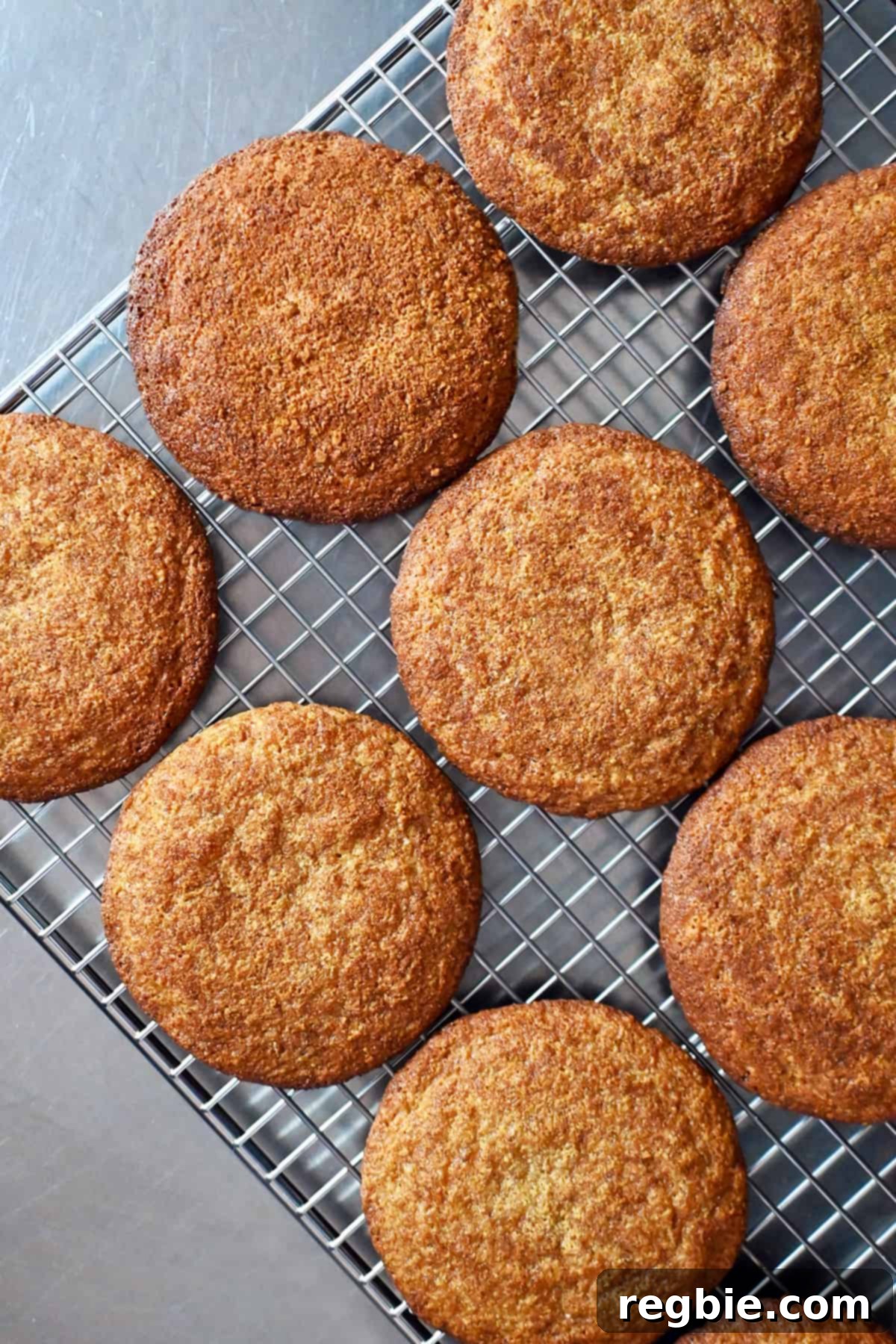
Delicious Paleo & Gluten-Free Snickerdoodles: Crispy, Chewy, and Perfectly Tangy
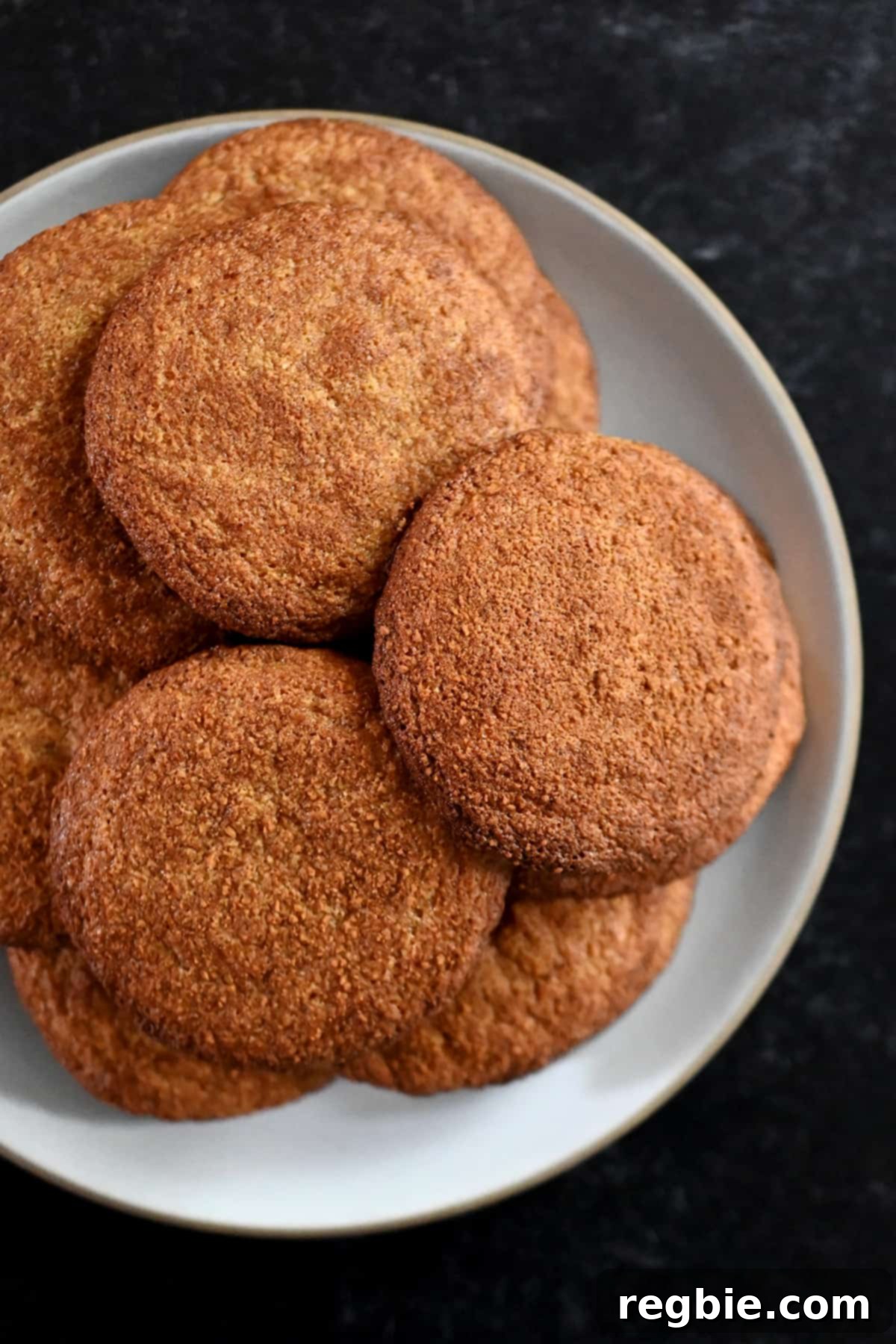
Craving a cookie that’s delightfully crispy on the edges, wonderfully chewy in the center, and boasts that signature tangy-sweet cinnamon flavor? Look no further! These paleo and gluten-free snickerdoodles are crafted with wholesome, natural ingredients like almond flour, coconut sugar, and fragrant cinnamon. They’re not just incredibly delicious; they’re also surprisingly simple to whip up, making them the perfect treat for anyone seeking a healthier indulgence without compromising on taste or texture. Prepare to amaze your taste buds and delight your friends and family with these irresistible grain-free cookies!
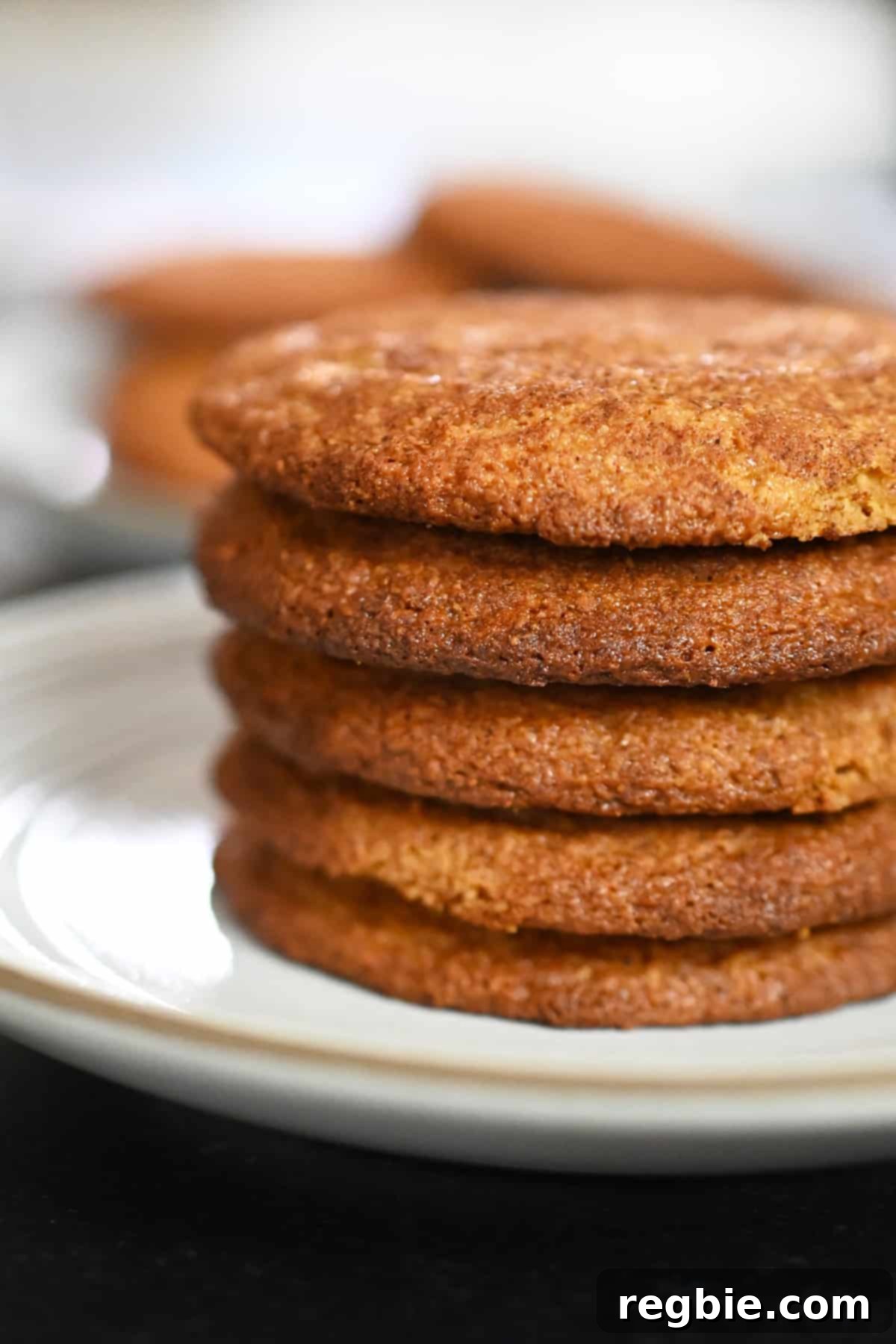
Table of Contents
- The Joy of Healthier Snickerdoodle Cookies
- Mastering the Art of Paleo Snickerdoodle Baking: Essential Tips
- Key Ingredients for Perfect Paleo Snickerdoodles
- Step-by-Step: How to Make Paleo and Gluten-Free Snickerdoodle Cookies
- Storing Your Delicious Snickerdoodles
- Make-Ahead Strategies for Effortless Baking
- More Paleo and Gluten-Free Cookie Recipes to Explore
- Recipe Card: Gluten-Free Snickerdoodles: Crispy, Chewy, and Paleo!
The Joy of Healthier Snickerdoodle Cookies
For those unfamiliar with the pure delight of a snickerdoodle, imagine a classic sugar cookie infused with a vibrant burst of cinnamon and a unique, subtle tanginess. It’s a flavor profile that stands out and truly satisfies a sweet tooth. As a devoted fan, I’ve often found myself wishing for a version that aligns with a healthier lifestyle. Traditional snickerdoodles are typically made with conventional wheat flour and heavily refined sugars – ingredients that, for many, can cause digestive discomfort or contribute to blood sugar spikes. That’s precisely why I embarked on creating this simple, yet utterly craveable, paleo snickerdoodle cookie recipe.
My goal was to replicate the beloved characteristics of a classic snickerdoodle using only whole, unprocessed ingredients. By substituting wheat flour with a blend of almond flour and tapioca starch, and swapping refined sugar for natural coconut sugar, I’ve managed to create a cookie that’s both gluten-free and grain-free. The best part? There’s no need for complicated gluten-free flour blends or artificial binders like xanthan gum. This recipe relies on the inherent qualities of its natural components to deliver a cookie that’s remarkably close to the original, yet far better for you.
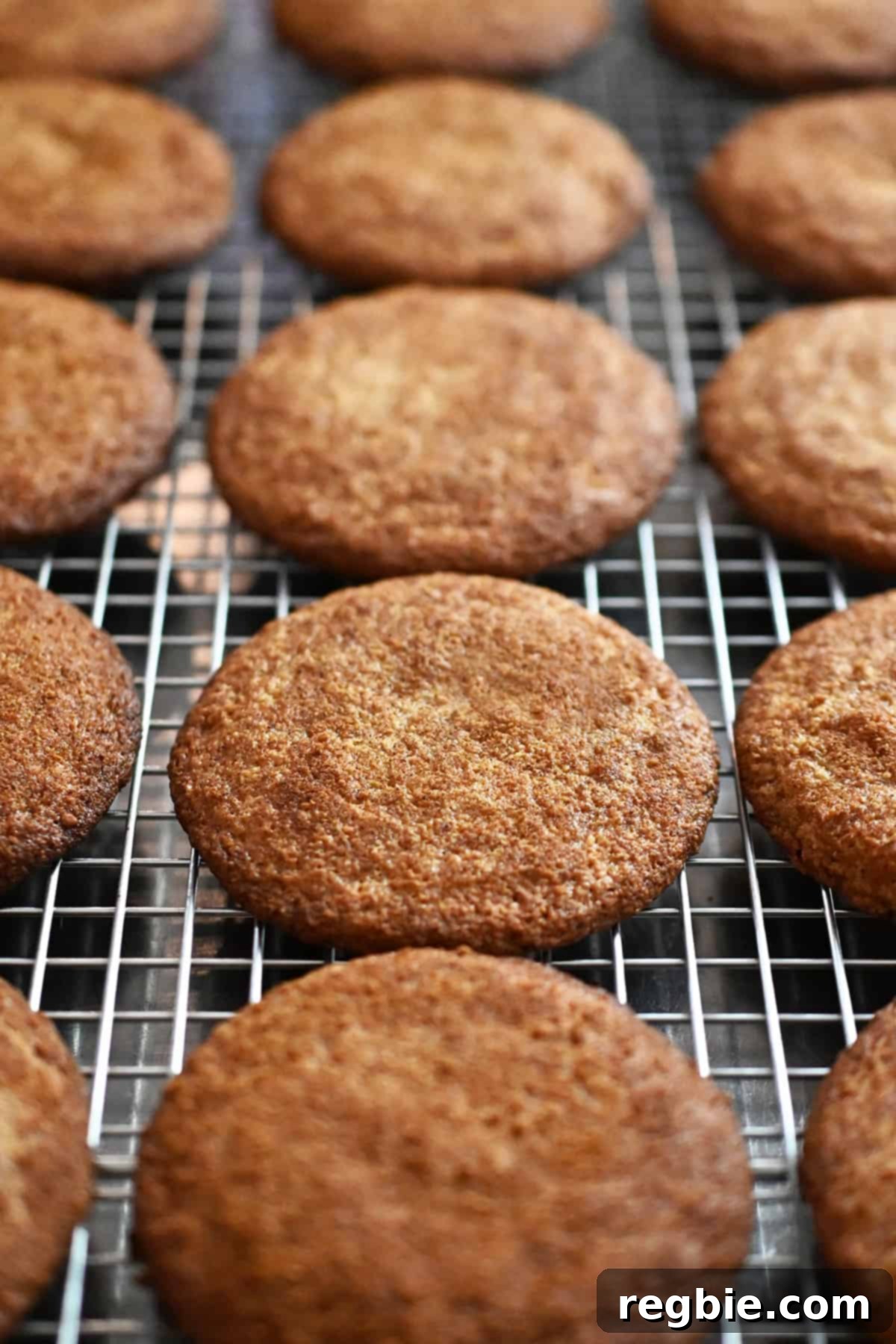
These paleo snickerdoodles achieve an exquisite texture: delightfully crispy around the edges with a wonderfully soft and chewy center. But, as we all know, taste is paramount when it comes to cookies! I’m thrilled to report that this recipe passed every taste test with flying colors. The flavor profile is so authentic that even your most discerning friends, who might typically opt for conventional treats, won’t suspect they’re enjoying gluten-free, grain-free, and dairy-free snickerdoodles. They embody everything you love about the classic, without any of the ingredients you might be trying to avoid. They’re not just a substitute; they’re a revelation in healthy baking.
Mastering the Art of Paleo Snickerdoodle Baking: Essential Tips
Achieving the perfect batch of paleo snickerdoodles is simpler than you might think, but a few key practices can elevate your baking from good to extraordinary. Follow these expert tips to ensure your cookies come out perfectly crispy, chewy, and bursting with flavor every time.
- Ensure Your Ingredients are at Room Temperature! This seemingly small detail makes a significant difference. When fats like coconut oil and eggs are at room temperature, they emulsify more easily with other ingredients, creating a smooth, cohesive dough. A well-emulsified dough leads to a more consistent texture and prevents the cookies from spreading too much during baking. Take your egg and coconut oil out of the fridge about 30-60 minutes before you plan to start mixing.
- Measure Ingredients with Precision! Baking is a science, and accuracy is key, especially when working with alternative flours. I highly recommend weighing your dry ingredients on a kitchen scale. Gram measurements are provided in the full recipe card below; simply click on the metric button for precise conversions. If a scale isn’t available, the next best method for measuring flour is to spoon it lightly into a measuring cup and then level it off with a straight edge of a knife, rather than scooping directly, which can compact the flour and lead to excessive amounts.
- Don’t Skip the Chilling Process! I understand the anticipation of wanting to devour freshly baked cookies, but resisting the urge to bake immediately after mixing the dough is crucial. Chilling the dough for at least an hour serves multiple purposes. Firstly, it firms up the dough, making it much easier to roll into perfect balls, preventing stickiness. Secondly, and perhaps more importantly, chilling allows the flavors to meld and develop, resulting in a richer, more complex taste. It also helps prevent excessive spreading in the oven, ensuring your cookies maintain their ideal thickness and chewiness.
- Properly Space the Dough Balls on Your Baking Sheets! These cookies will spread as they bake, so adequate spacing is vital to prevent them from merging into one giant cookie. Aim to place no more than 8 dough balls on each standard-sized baking pan. Stagger them so they are at least 2 inches apart from each other and from the edges of the pan. This allows for even heat distribution and beautiful, round cookies.
- Avoid Over-Baking These Delicate Cookies! Paleo and gluten-free cookies, especially those made with almond flour, can brown quickly. These snickerdoodles typically finish baking in about 7 to 8 minutes. For smaller cookies, baking time might be as little as 5 minutes. The key is to watch them closely and trust your senses. Look for edges that are lightly golden brown and firm, while the centers still appear slightly puffed and soft. Your nose can also be a reliable guide—a wonderful cinnamon aroma often signals they are nearly done. Over-baking will result in dry, crumbly cookies, so pull them out just when they hit that perfect stage!
Key Ingredients for Perfect Paleo Snickerdoodles
Crafting delicious paleo and gluten-free snickerdoodles starts with a careful selection of high-quality ingredients. Each component plays a crucial role in achieving the desired taste and texture. Here’s a breakdown of what you’ll need and why each ingredient is essential:
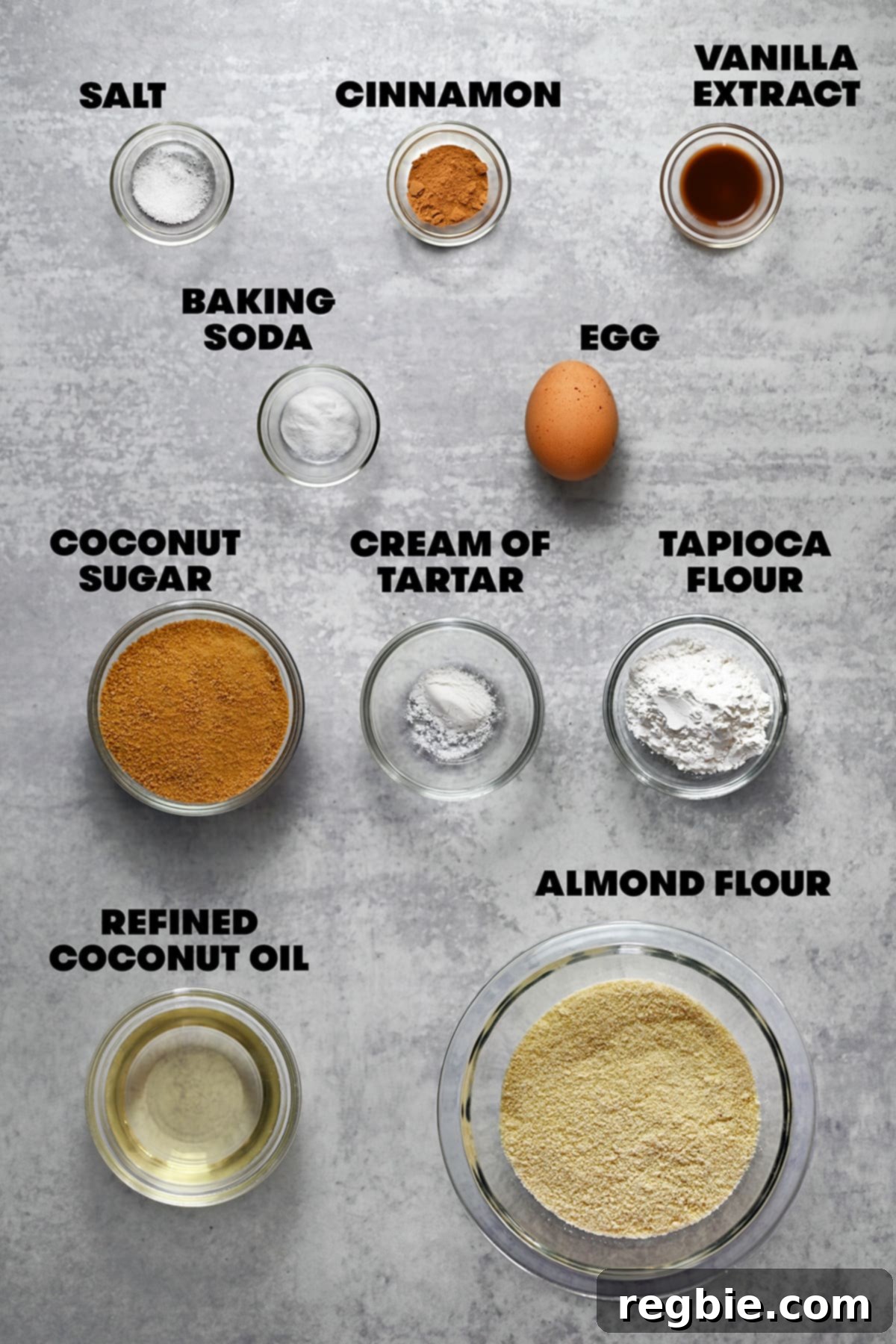
- Blanched Finely Ground Almond Flour: This is the primary flour base for our cookie dough. Blanched almond flour, made from blanched (skinless) almonds, provides a light, tender crumb and a delicate nutty flavor without being too heavy. Its fine grind is crucial for the smooth texture of the cookies. I haven’t tested specific substitutions for almond flour in this recipe due to its unique properties. If you require a nut-free alternative, you might consider trying cassava flour to replace both almond and tapioca flours, though results may vary. Please share your experience if you experiment with this!
- Tapioca Flour (also known as Tapioca Starch): Paired with almond flour, tapioca flour adds a subtle chewiness and helps bind the dough, preventing the cookies from becoming too crumbly. If you don’t have tapioca flour on hand, arrowroot powder makes an excellent 1:1 substitute, offering similar binding and textural qualities.
- Cream of Tartar: This is the signature ingredient that gives snickerdoodles their characteristic tangy flavor. It also plays a vital role in leavening, reacting with baking soda to create air bubbles, which results in a softer, more pillowy cookie. Without cream of tartar, it’s just a cinnamon sugar cookie.
- Baking Soda: This leavening agent works in tandem with the acidic cream of tartar, producing carbon dioxide gas that helps the cookies rise and achieve their airy, chewy texture.
- Diamond Crystal Kosher Salt: A small amount of salt is essential in all desserts to balance the sweetness and enhance the overall flavor profile. I prefer Diamond Crystal kosher salt for its flaky texture and consistent saltiness. If you’re using a finer salt or Morton’s kosher salt, which is denser, remember to decrease the amount by half to avoid over-salting.
- Refined Coconut Oil: Used in place of traditional butter, melted refined coconut oil ensures these cookies are completely dairy-free. Refined coconut oil has a neutral flavor, so it won’t impart a strong coconut taste to your snickerdoodles. Simply melt it in the microwave (about 40 seconds on high power) and allow it to cool to room temperature before incorporating it into the wet ingredients.
- Coconut Sugar: I adore coconut sugar for its rich, caramel-like notes that perfectly complement the cinnamon in these snickerdoodles. It’s a natural, unrefined sweetener with a lower glycemic index than white sugar. If you prefer a lighter-colored cookie, opt for golden or blonde coconut sugar, or even maple sugar, as darker coconut sugars can give the cookies a deeper hue. (Please note: I have not experimented with keto sweeteners for this recipe, so I cannot advise on suitable alternatives.)
- Vanilla Extract: A touch of pure vanilla extract enhances all the other flavors, adding warmth and depth to the cookie dough.
- Large Egg: The egg is crucial for the structure and binding of the cookie dough, contributing to its chewiness and helping it hold its shape. I haven’t tested any egg substitutes for this specific recipe, but if you attempt it, please share your results in the comments!
- Ground Cinnamon: The star spice of snickerdoodles! Fresh, high-quality ground cinnamon is essential for both the dough and the iconic cinnamon sugar topping, providing that warm, aromatic, and slightly spicy kick.
Step-by-Step: How to Make Paleo and Gluten-Free Snickerdoodle Cookies
Follow these detailed steps to create your own batch of irresistible paleo and gluten-free snickerdoodles:
Prepare the Dry Ingredients
In a medium bowl, combine the finely ground almond flour, tapioca starch, cream of tartar, baking soda, and kosher salt.
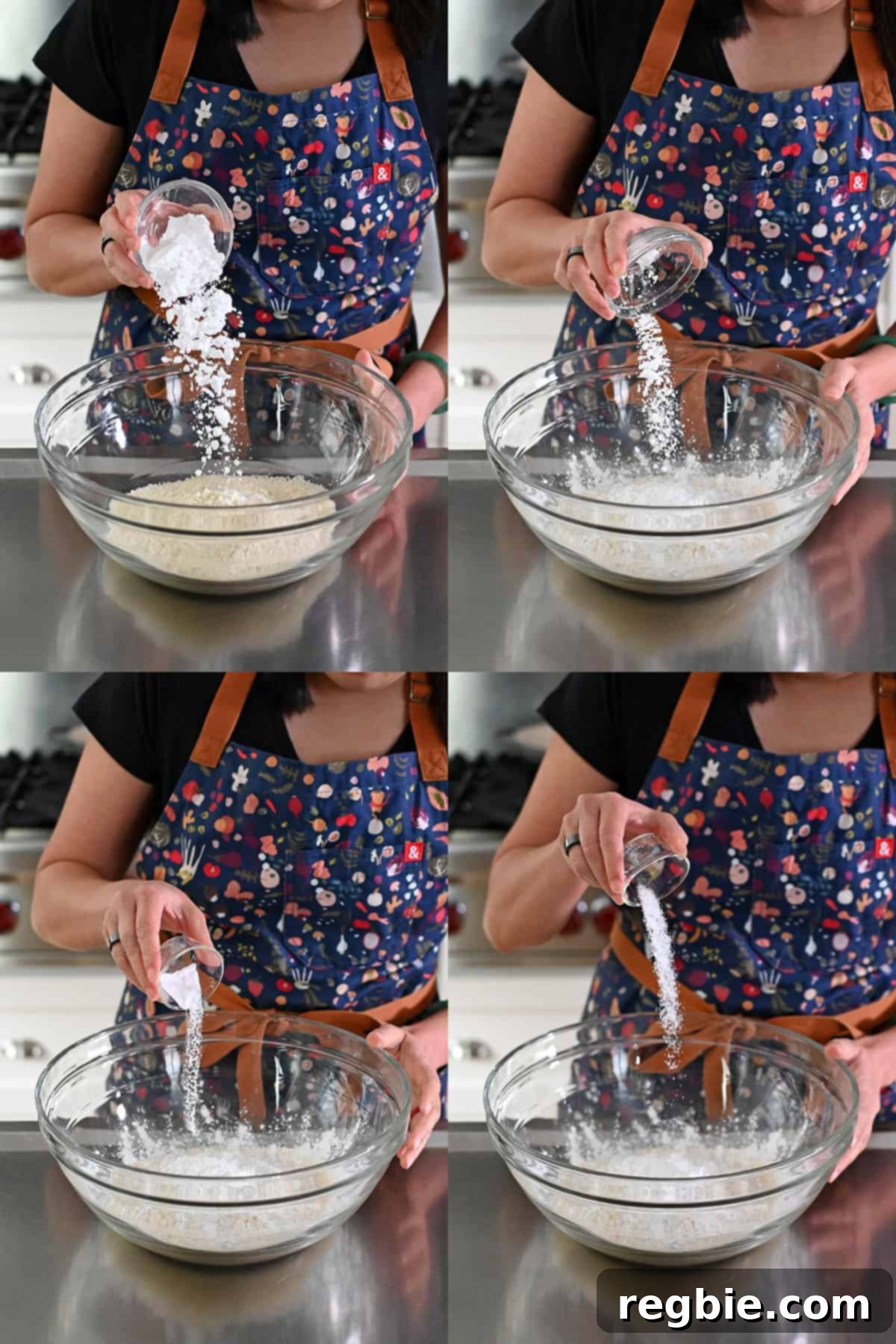
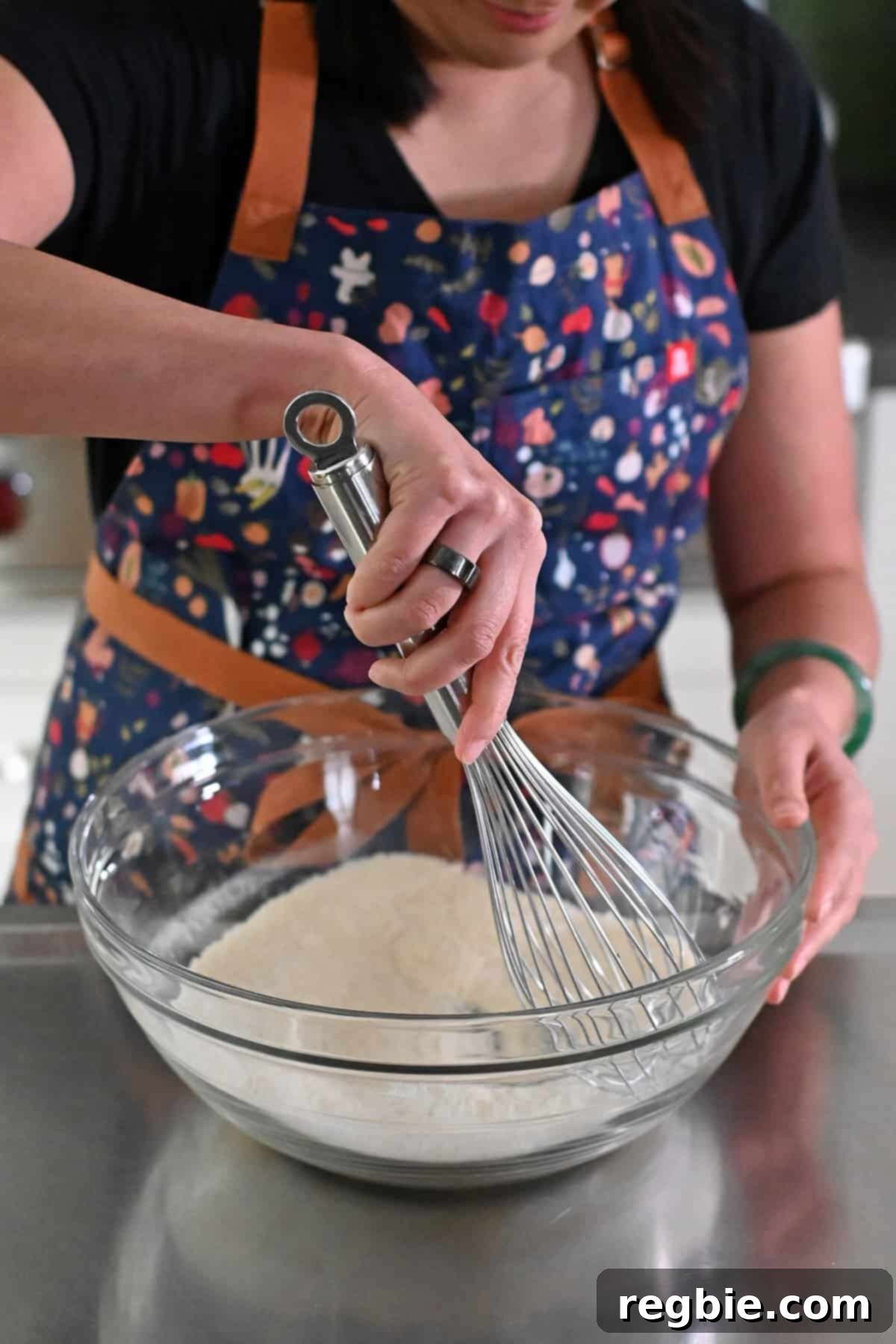
Whisk all the dry ingredients thoroughly until they are perfectly combined and free of lumps. Set this bowl aside for later use.
Combine the Wet Ingredients
In a separate large bowl, add the coconut sugar, melted refined coconut oil (ensuring it’s at room temperature), and vanilla extract.
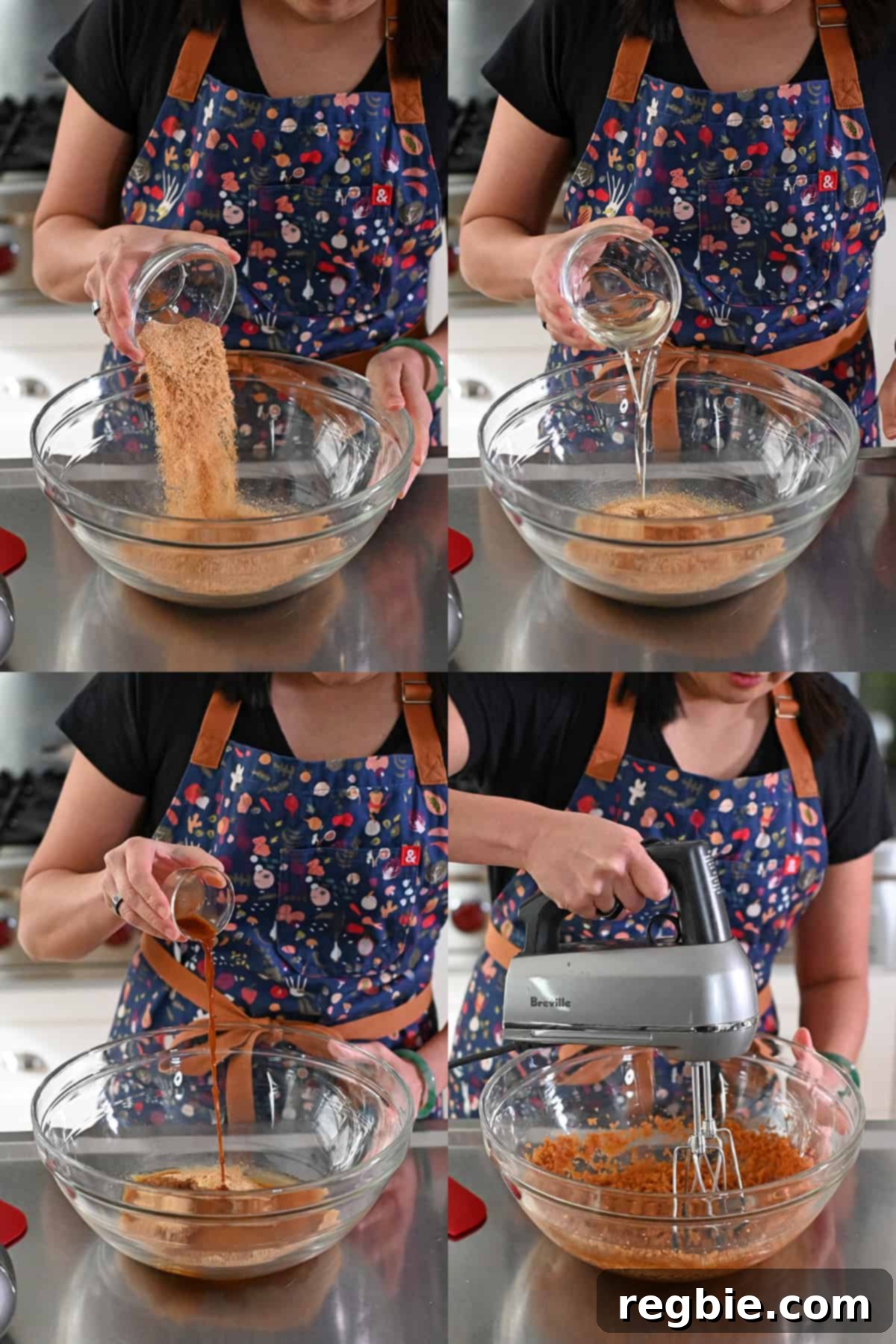
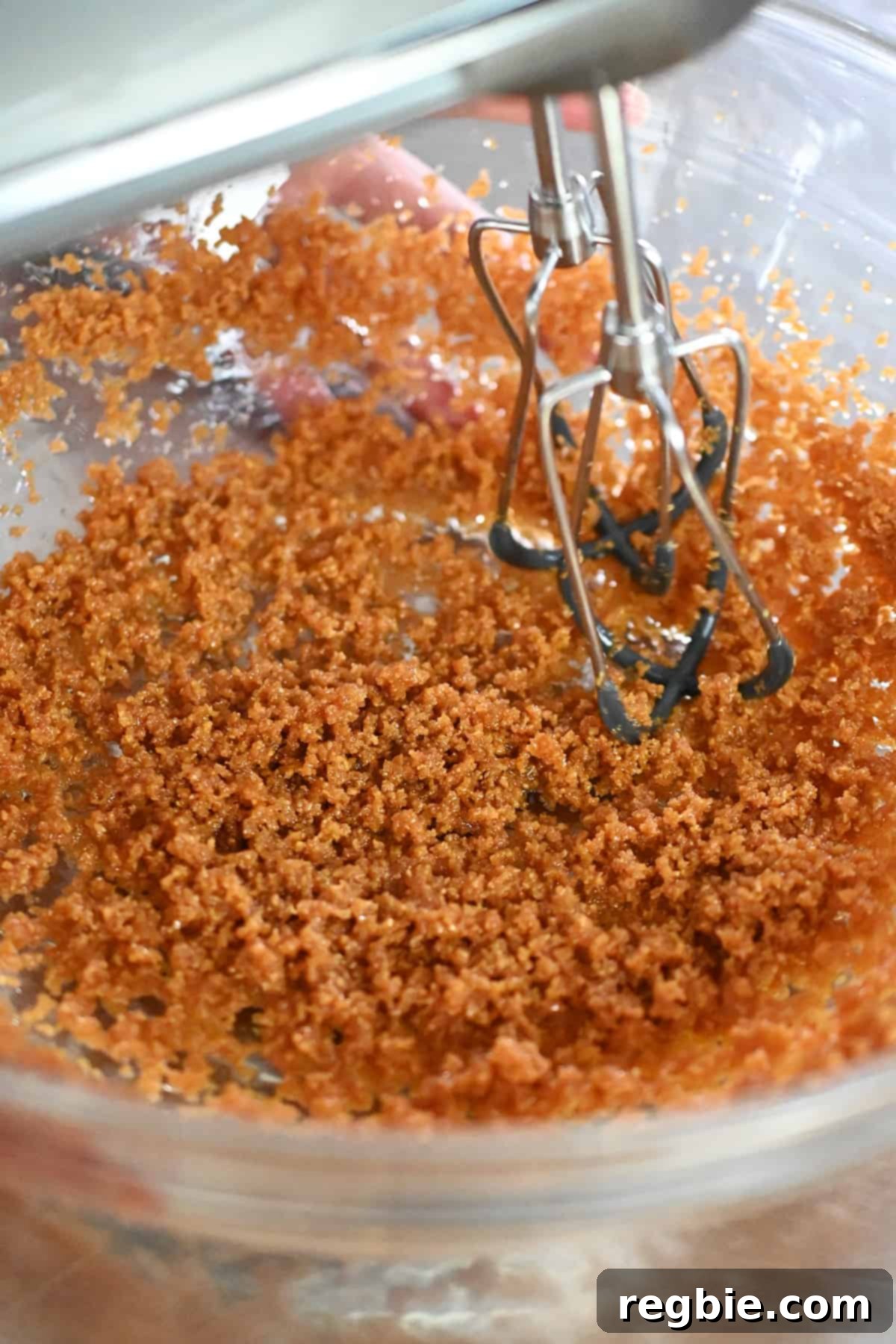
Using an electric hand mixer or a stand mixer fitted with the paddle attachment, beat these ingredients together on medium speed until they are well combined. At this stage, the mixture will resemble wet, light brown sand.
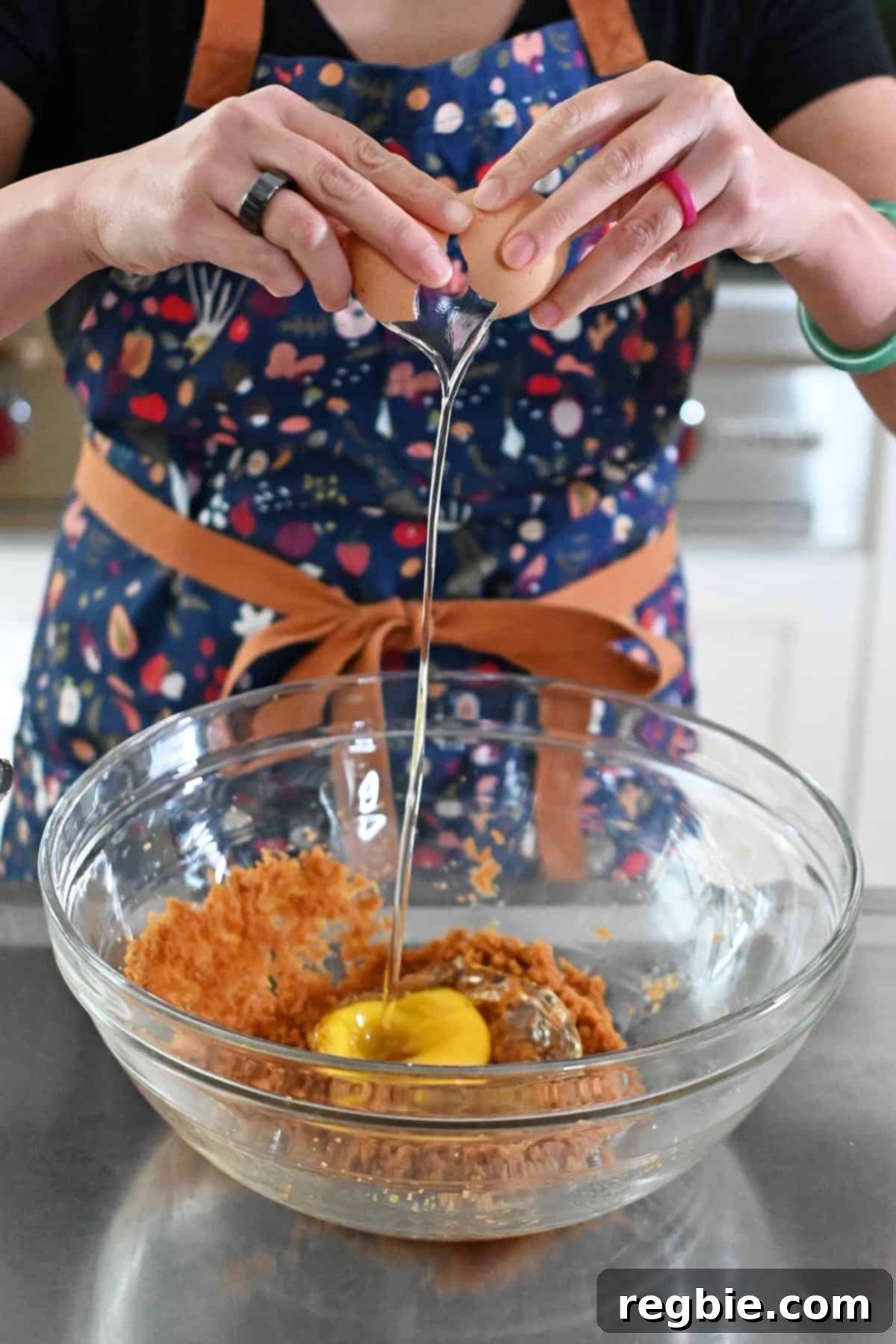
Now, crack in the room temperature large egg into the mixture…
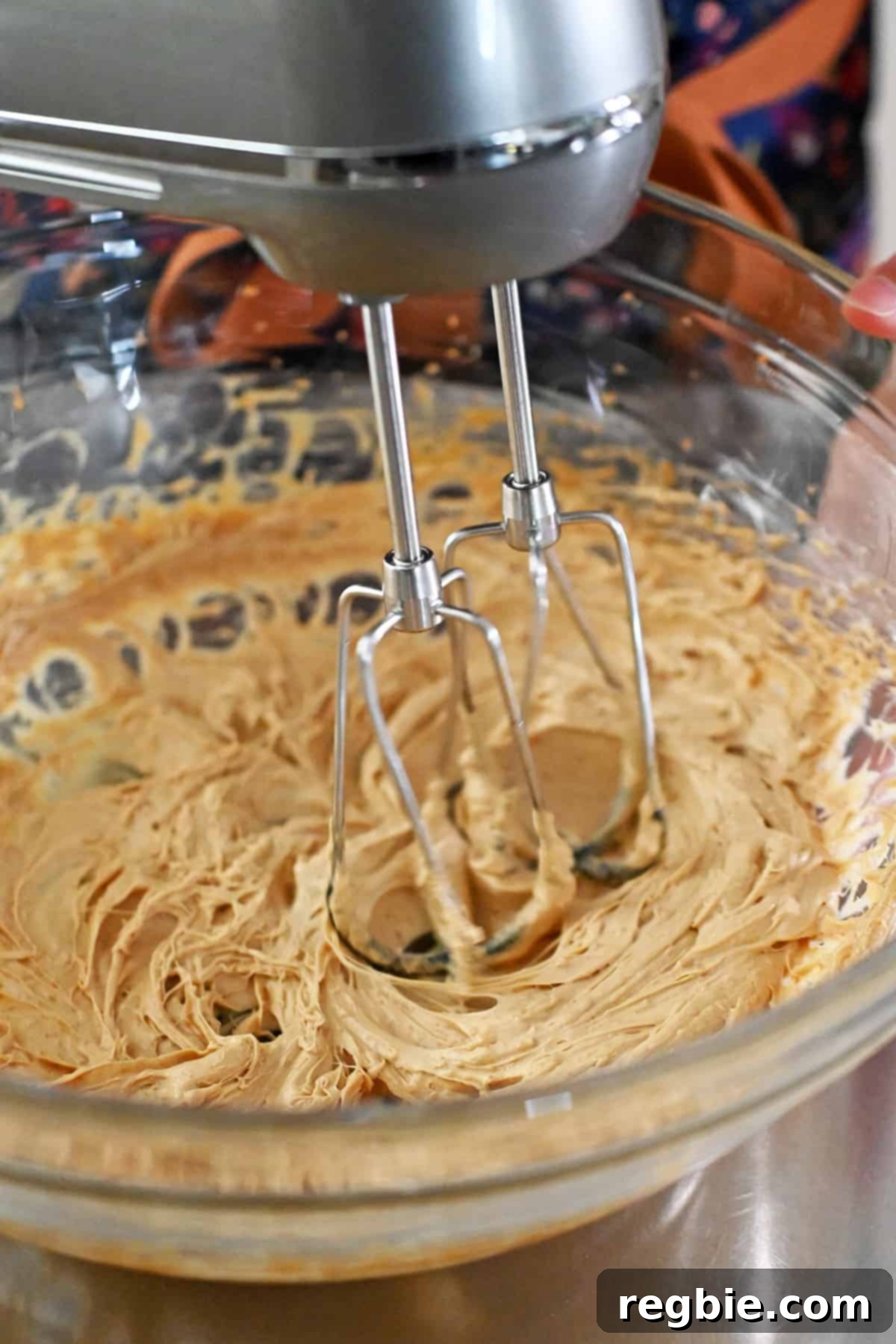
…and continue beating on medium speed for approximately 3 to 4 minutes. The mixture should transform into a lighter golden brown color and become thick and “ribbony” when the mixer is lifted, indicating it’s properly aerated.
Combine Wet and Dry Ingredients
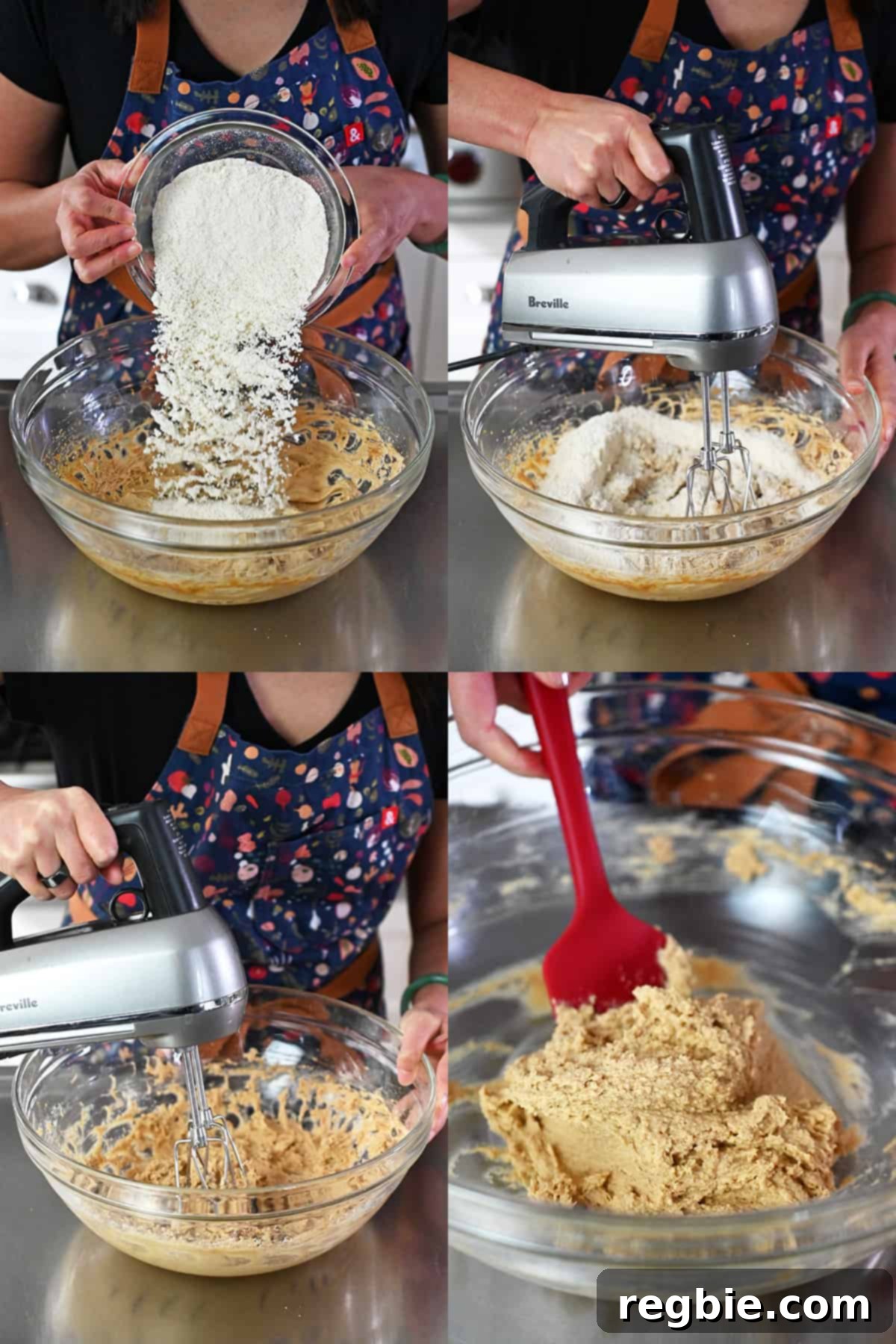
Gently pour the reserved flour mixture into the wet ingredients. Beat on low speed until the dry and wet ingredients are just combined. Be careful not to overmix at this stage.
Chill the Dough
Cover the bowl with the cookie dough and refrigerate it for at least 1 hour. You can chill it for up to 3 days, which is perfect for make-ahead baking. This chilling process is vital for flavor development and easier handling.
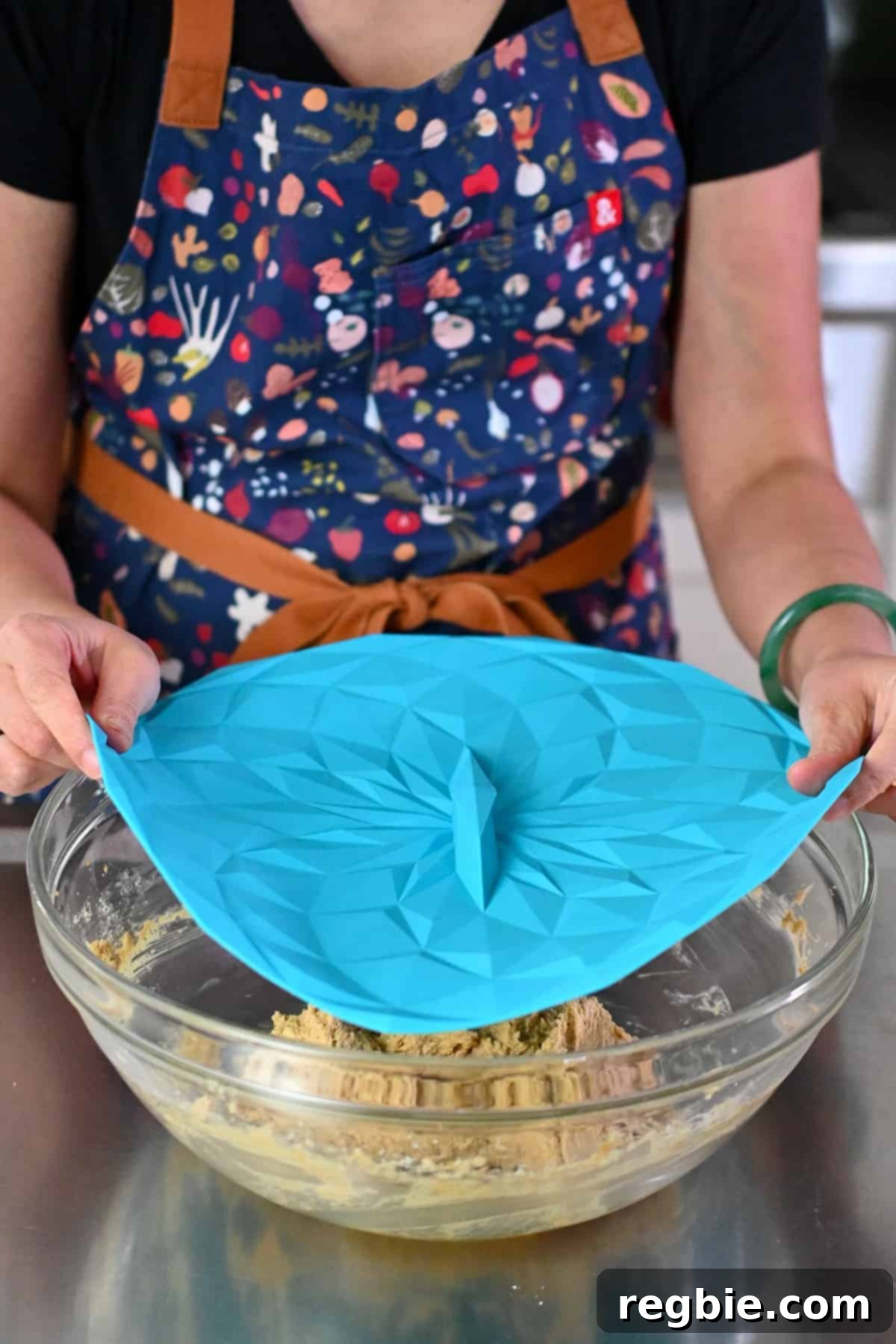
Prepare for Baking
When you’re ready to bake, preheat your oven to 400°F (200°C) with the oven rack positioned in the middle. Line two rimmed baking sheets with parchment paper to prevent sticking and for easy cleanup.
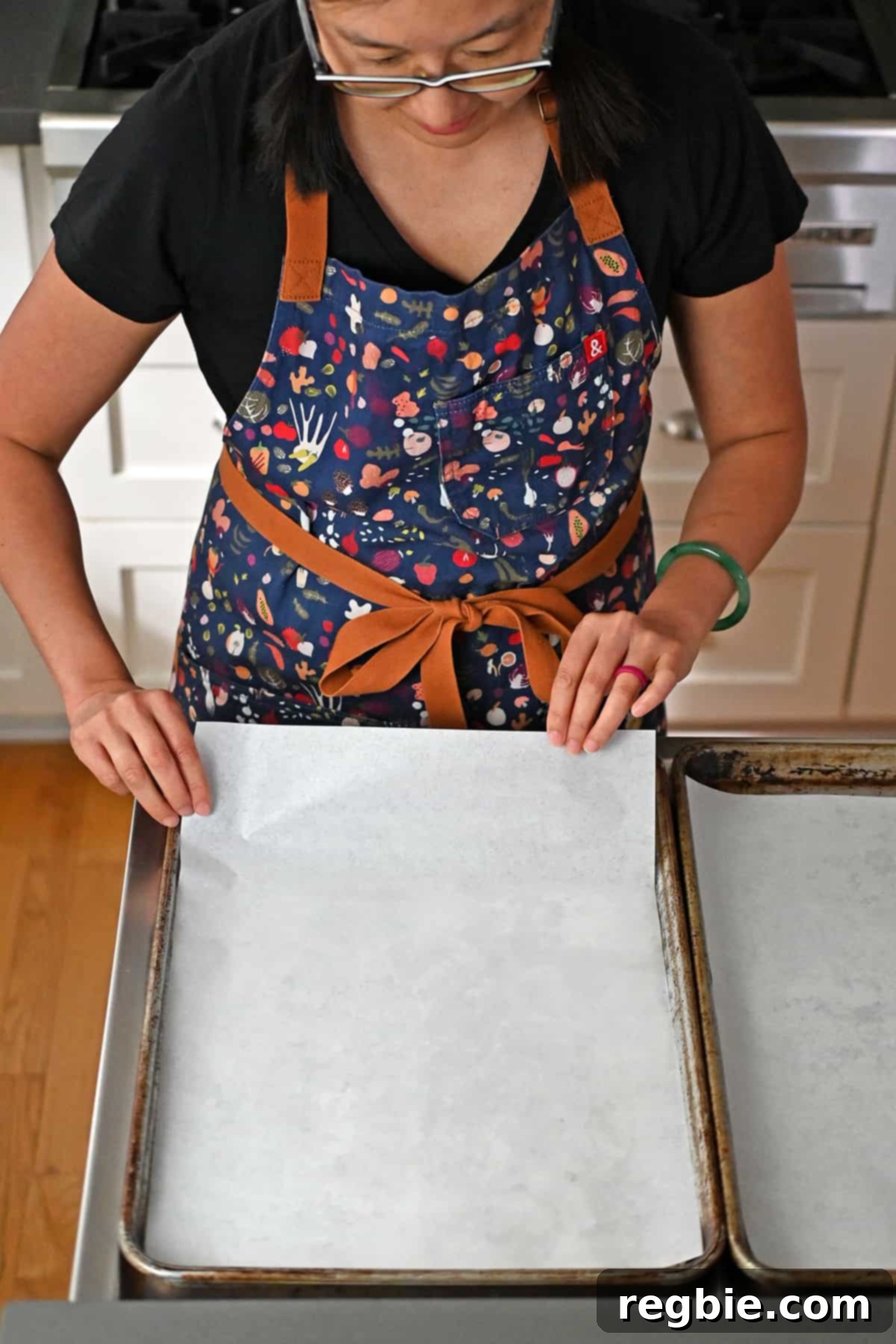
Make the Cinnamon Sugar Topping
In a small bowl, whisk together the remaining 1 tablespoon of blonde coconut sugar and ground cinnamon. This mixture will be used to coat the cookie dough balls, giving them their characteristic snickerdoodle finish.
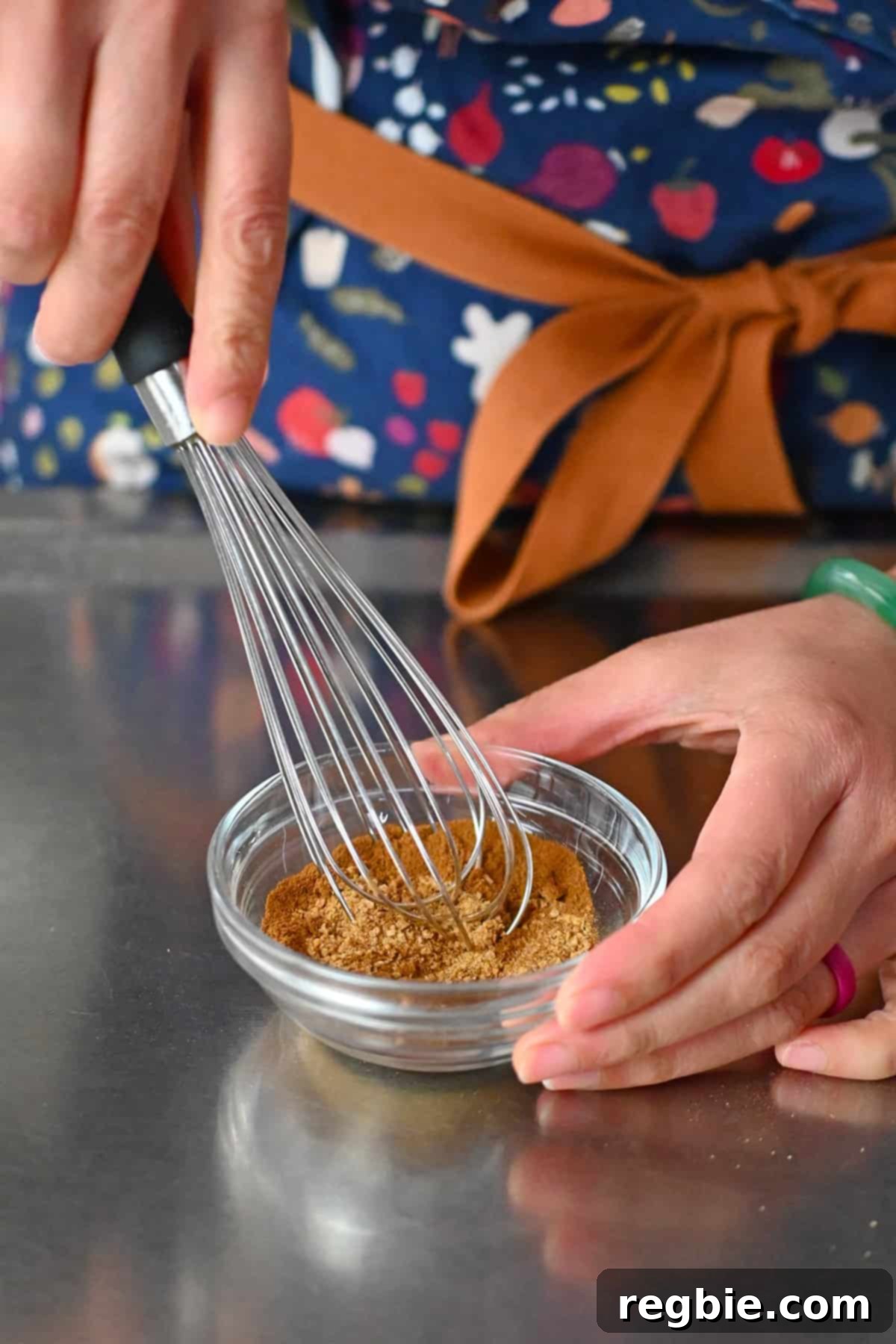
Portion and Coat the Dough
Using a small ice cream or cookie scoop (approximately 1 tablespoon in size), portion out 16 uniform cookie dough balls. This ensures even baking. You can place them on a parchment-lined plate for easy handling.
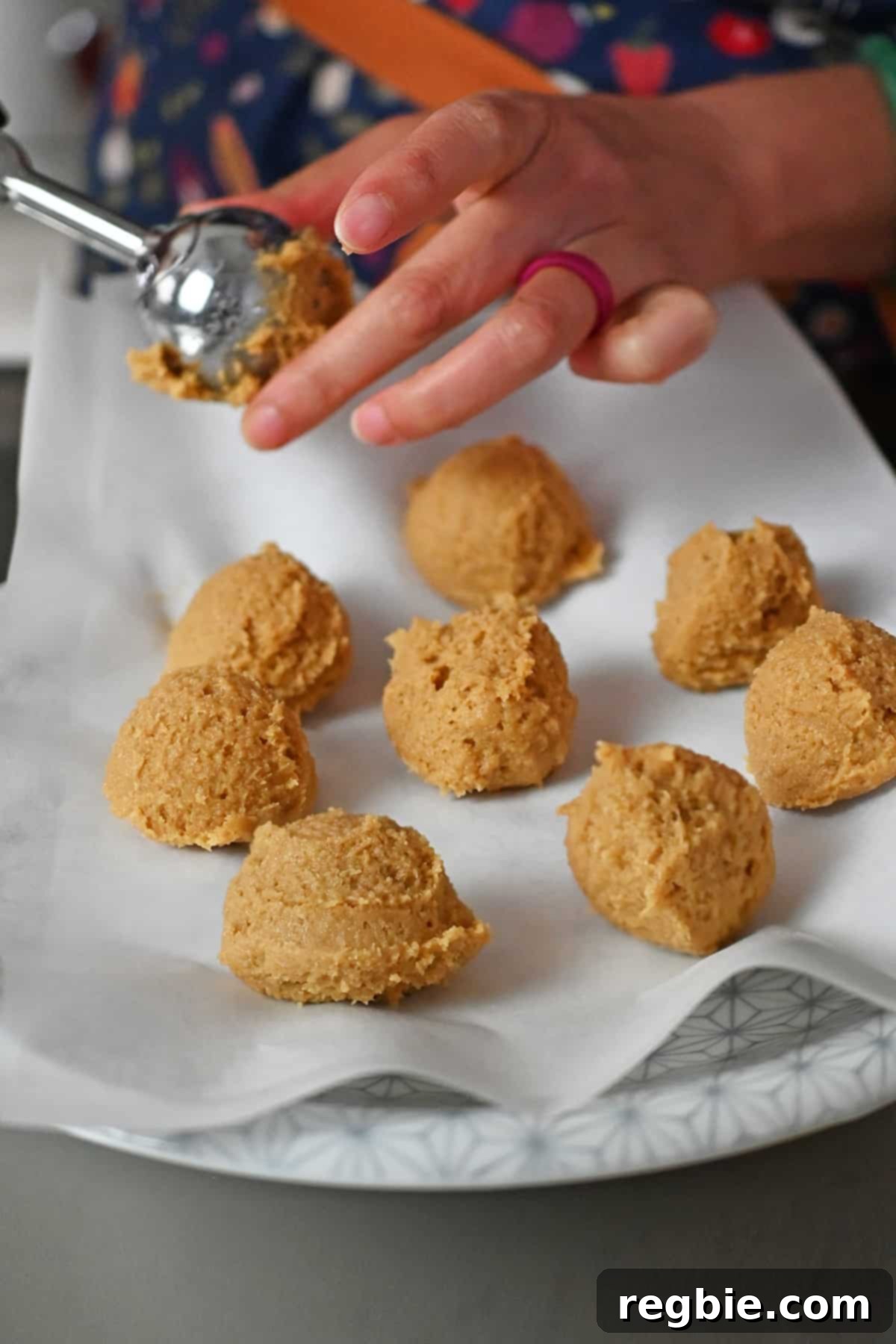
Roll each portion of dough between your palms to form smooth, round balls. Then, toss each ball generously in the cinnamon sugar mixture until it’s completely coated. This coating is what gives snickerdoodles their iconic appearance and flavor.
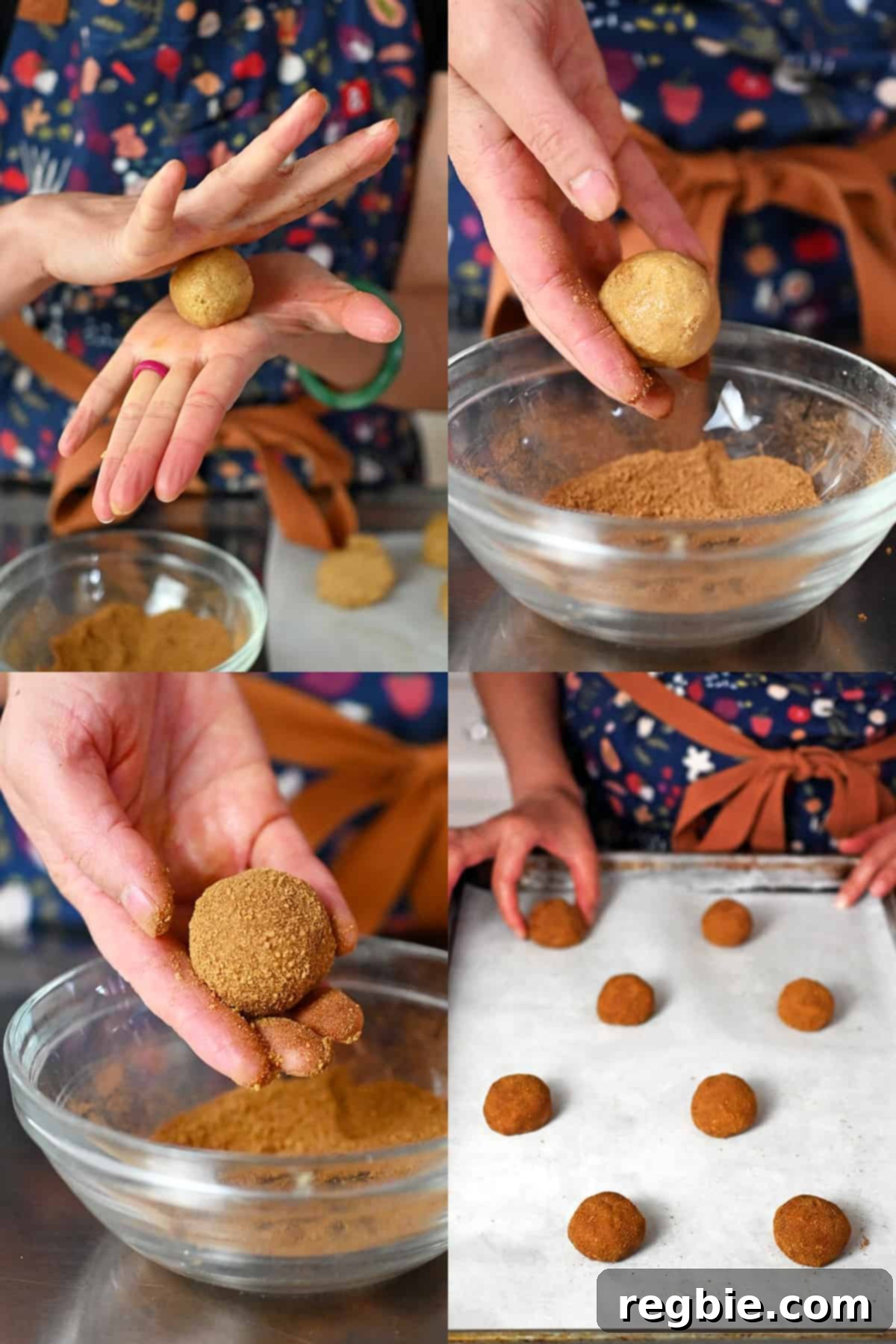
Arrange 8 of the coated dough balls on each of the prepared baking sheets, ensuring they are staggered and spaced about 2 inches apart. Remember, the cookies will flatten and spread as they bake, so ample space is crucial for perfectly shaped cookies.
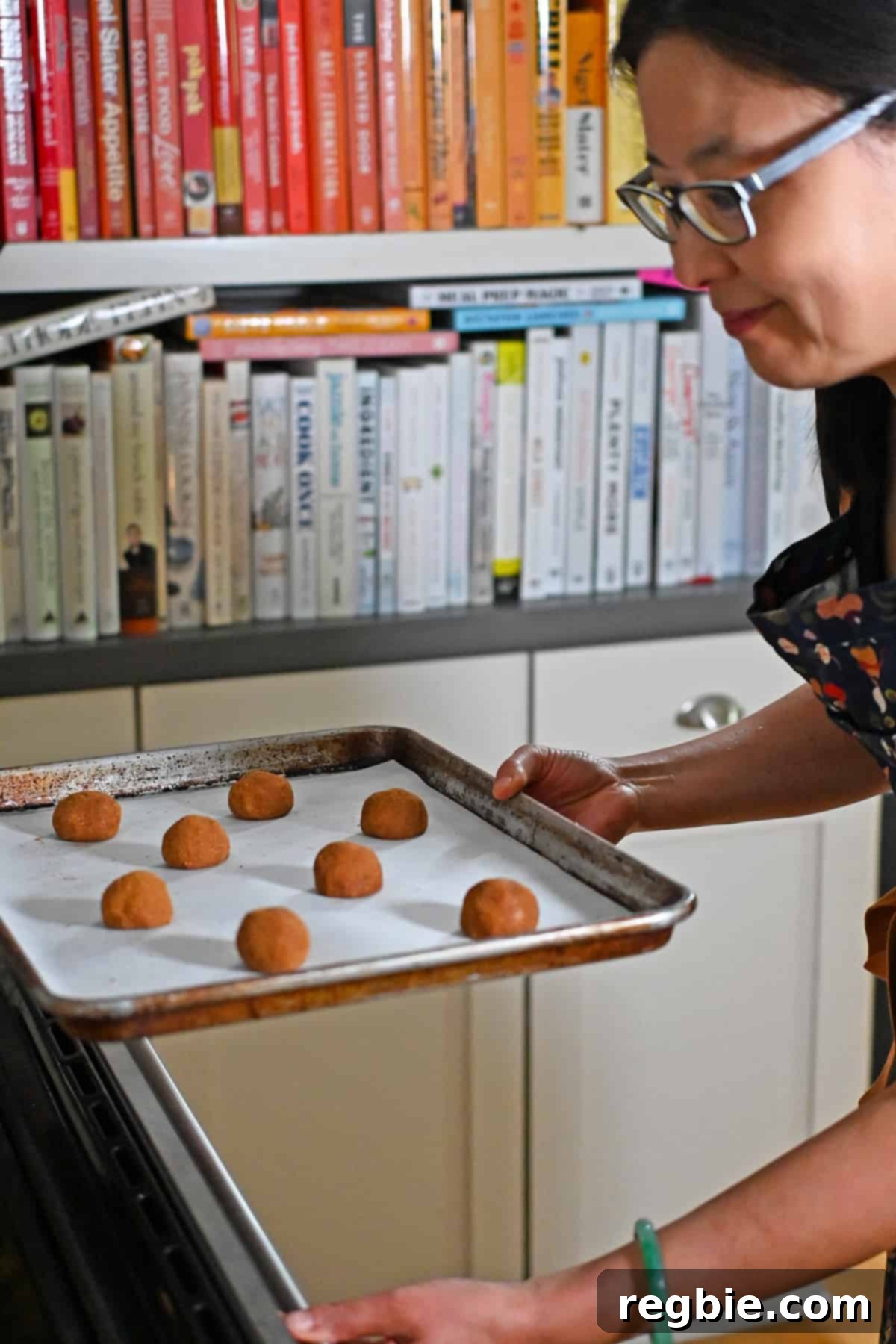
Bake to Perfection
Bake one tray at a time for approximately 7 to 8 minutes. The cookies are done when their edges are lightly browned and firm, but their centers remain slightly puffed and soft. If you made smaller cookies or your oven tends to run hot, start checking at the 5-minute mark to prevent over-baking. A burnt snickerdoodle is a sad snickerdoodle!
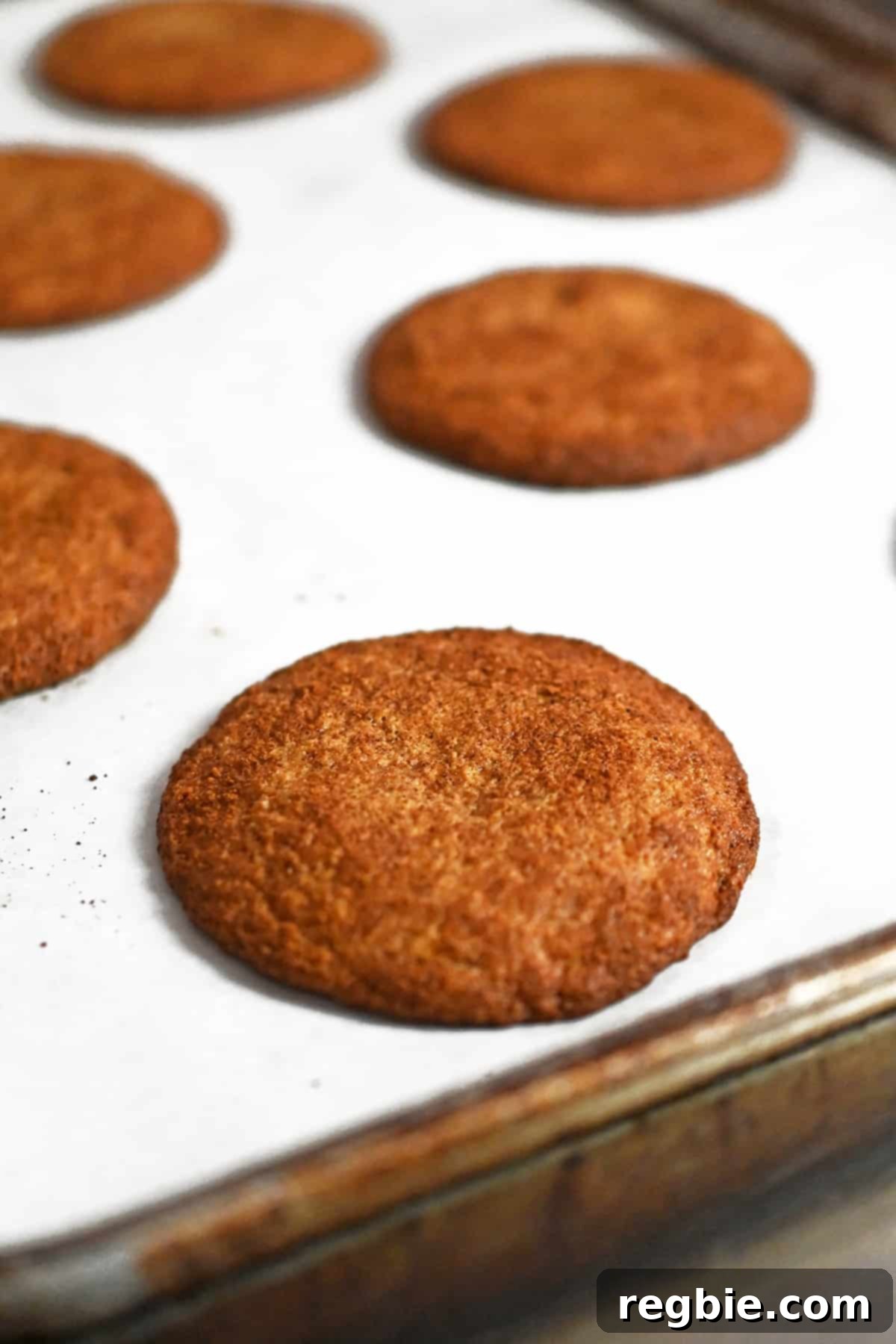
Cool and Enjoy
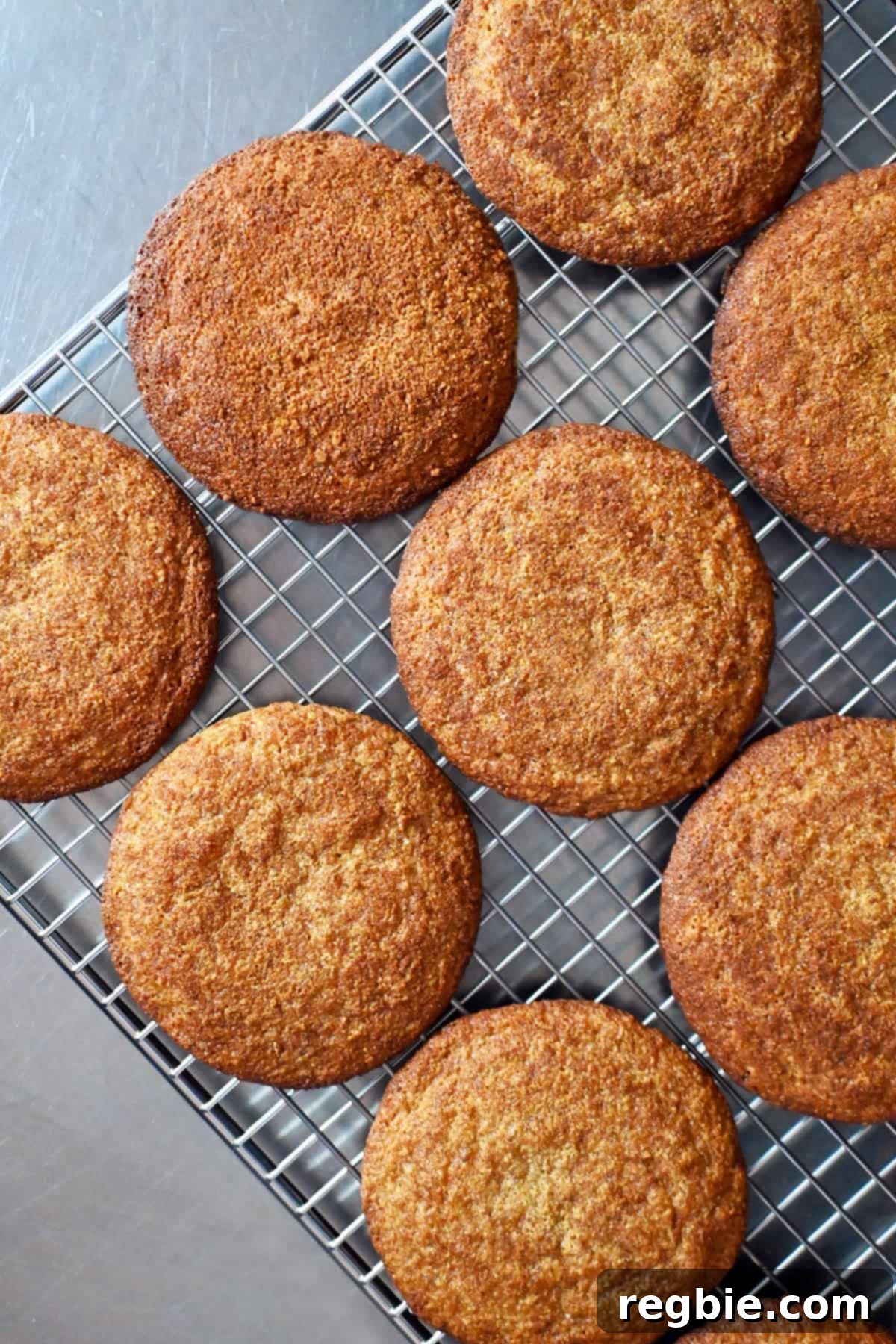
Allow the baked cookies to cool on the baking sheets for 5 minutes. This brief cooling period helps them firm up before transferring. Then, carefully transfer the cookies to a wire rack to cool completely. Cooling completely is essential for achieving the perfect chewy texture.
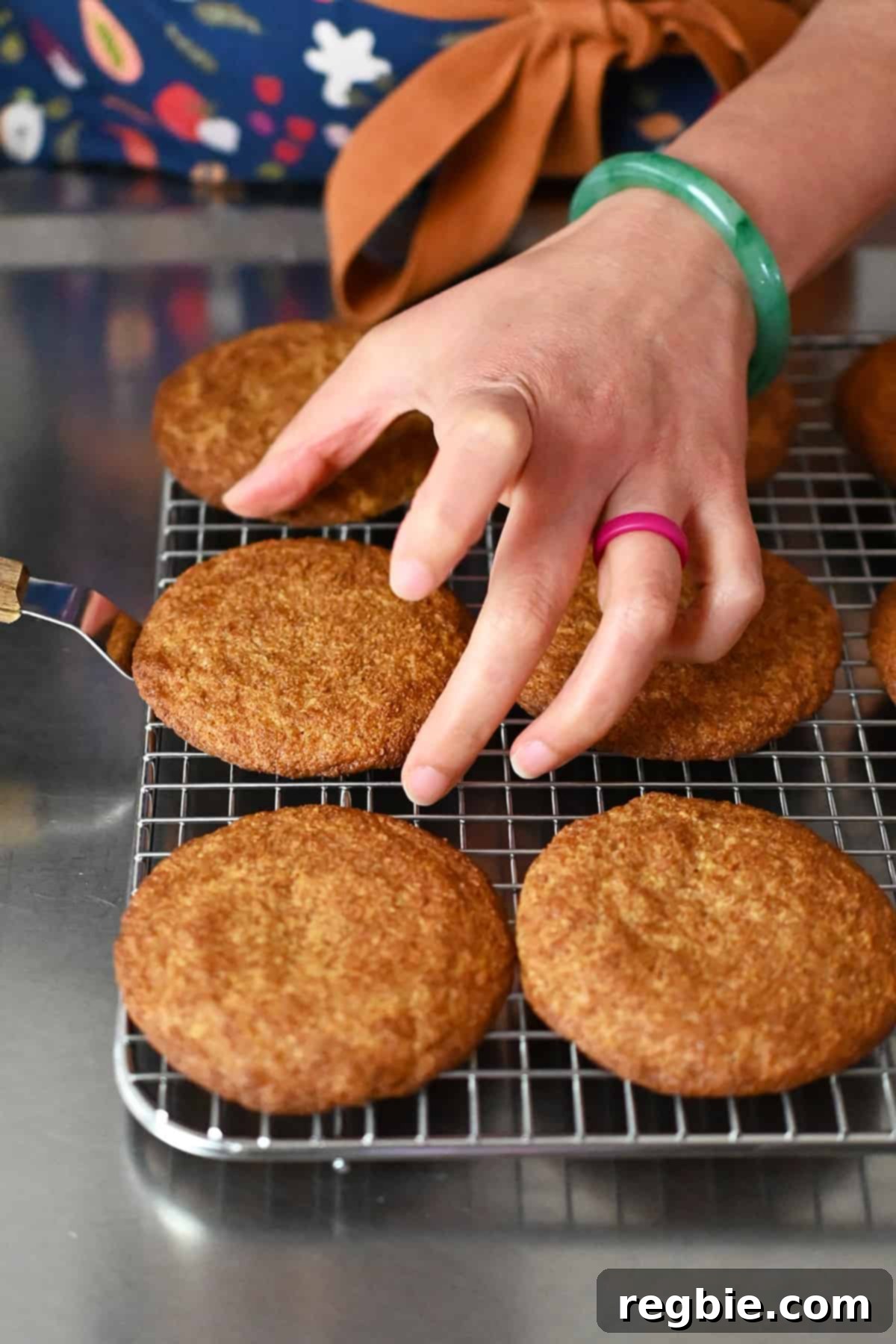
Once cooled, enjoy your homemade paleo and gluten-free snickerdoodles! They are perfect with a cup of tea, coffee, or as a delightful snack any time of day.
Storing Your Delicious Snickerdoodles
To keep your paleo and gluten-free snickerdoodles fresh and delicious for longer, proper storage is key. Once completely cooled, transfer the baked cookies to an airtight container. They will maintain their optimal flavor and texture at room temperature for up to 4 days. For extended freshness, especially in humid climates, you might consider adding a food-safe desiccant packet to the container. This helps absorb any excess moisture and keeps the cookies from becoming soft too quickly. Avoid refrigerating baked cookies, as it can often dry them out and alter their texture.
Make-Ahead Strategies for Effortless Baking
These paleo snickerdoodles are ideal for make-ahead preparation, allowing you to enjoy fresh-baked cookies with minimal effort. The prepared cookie dough can be stored in a sealed container in the refrigerator for up to 3 days. When you’re ready to bake, simply scoop, roll, coat in cinnamon sugar, and bake as directed. You can also take your make-ahead efforts a step further by portioning out the dough balls and freezing them. Roll the dough into balls (do not coat in cinnamon sugar yet), place them on a parchment-lined baking sheet, and freeze until solid. Once firm, transfer the uncoated dough balls to an airtight freezer-safe container or bag, where they will keep for up to 3 months. There’s no need to thaw them before baking; just coat the frozen dough balls in the cinnamon sugar mixture and add an extra minute or two to the baking time.
More Paleo and Gluten-Free Cookie Recipes to Explore
If you’ve fallen in love with these paleo snickerdoodles, you’re in for a treat! Discover more delicious and wholesome cookie recipes that cater to gluten-free and paleo lifestyles:
- Pumpkin Snickerdoodles
- Banana Chocolate Chip Cookies
- Thumbprint Cookies
- Pumpkin Cookies
- The World’s Easiest Cookies
- Chocolate Dipped Pistachio Cookies
- Raspberry Financiers
Looking for even more healthy and delicious recipe ideas? Be sure to head over to my Recipe Index for a comprehensive collection. You’ll also find exclusive recipes and culinary inspiration in my acclaimed cookbooks: Nom Nom Paleo: Food for Humans (Andrews McMeel Publishing 2013), Ready or Not! (Andrews McMeel Publishing 2017), and Nom Nom Paleo: Let’s Go! (Andrews McMeel Publishing 2022).
Recipe Card: Gluten-Free Snickerdoodles: Crispy, Chewy, and Paleo!
Average Rating: 4.66 from 20 votes
Prep Time: 10 mins
Cook Time: 30 mins
Chilling Time: 1 hr
Total Time: 1 hr 40 mins
Servings: 16 cookies
Author: Michelle Tam
Print Recipe
Who’s craving some grain-free and gluten-free snickerdoodles that are crispy, chewy, tangy, and perfectly sweet? These paleo cookies are made with natural ingredients like almond flour, coconut sugar, and cinnamon, and are an absolute cinch to make!
Ingredients
Snickerdoodle Cookie Dough
- 1¼ cup finely ground almond flour
- ¼ cup tapioca starch or arrowroot starch
- 1 teaspoon cream of tartar
- ½ teaspoon baking soda
- ¼ teaspoon Diamond Crystal kosher salt
- ⅓ cup melted refined coconut oil at room temperature
- ⅔ cup coconut sugar use blond or golden coconut sugar for lighter colored cookies
- 1½ teaspoons vanilla extract
- 1 large egg at room temperature
Cinnamon Sugar Topping
- 1 tablespoon coconut sugar use blond or golden coconut sugar or maple sugar for a lighter colored topping
- 1½ teaspoons ground cinnamon
Instructions
-
In a medium bowl, combine the almond flour, tapioca starch, cream of tartar, baking soda, and kosher salt. Whisk well to combine and set aside.
-
In a large bowl, combine the coconut sugar, melted coconut oil, and vanilla extract. Use an electric hand mixer or stand mixer with the paddle attachment on medium speed and beat everything together until combined. The resulting batter will look like wet, brown sand.
-
Add the room temperature egg and continue beating on medium speed for about 3 to 4 minutes or until the mixture is a lighter golden brown color and the batter is thick and ribbony.
-
Pour in the flour mixture and beat on low until just combined.
-
Cover and chill the dough in the fridge for at least 1 hour and up to 3 days.
-
When you’re ready to bake the cookies, heat the oven to 400°F with the rack in the middle. Then, line two rimmed baking sheets with parchment paper.
-
Whisk 1 tablespoon blonde coconut sugar and ground cinnamon in a small bowl to make the cinnamon sugar topping.
-
Using a small ice cream or cookie scoop, portion out 16 cookie dough balls, about 1 tablespoon each.
-
Shape the pieces of dough into balls by rolling them in your palms. Then, toss the balls in the cinnamon and sugar mixture until well coated.
-
Arrange 8 of the coated dough balls on each of the prepared baking sheets, staggering them about 2 inches apart. The cookies will flatten and spread as they bake so make sure there is ample space between the cookies.
-
Bake one tray at a time or until edges are lightly browned and firm but centers are puffed and soft, about 7 to 8 minutes. (Start checking at the 5-minute mark if your cookies are smaller or your oven runs hot!)
-
Let the cookies cool on the baking sheets for 5 minutes. Then, transfer the cookies to a wire rack and let them cool completely.
Video
You can find a step-by-step video demonstration for making these delicious snickerdoodles on our recipe video page.
Notes
- Make sure your ingredients are at room temperature! This way, the dough will blend perfectly and yield a consistent texture.
- Measure the ingredients carefully! For best results, weigh dry ingredients on a kitchen scale. If using measuring cups, spoon flour into the cup and level it with a knife.
- Don’t skip the chilling part! Chilling the dough makes it easier to roll and significantly enhances the flavor and texture of the baked cookies.
- Space the dough balls apart on the two sheet pans! Give them at least 2 inches of space as they will spread during baking.
- Don’t over-bake these cookies! They typically bake in about 7 minutes. Use your nose and visual cues (lightly browned edges, soft centers) to avoid burning.
- Storage tips: Baked snickerdoodles can be stored in an airtight container at room temperature for up to 4 days. A desiccant packet can help maintain freshness longer.
Nutrition
Calories: 124kcal | Carbohydrates: 10g | Protein: 2g | Fat: 9g | Fiber: 1g | Sugar: 5g
Nutrition information is automatically calculated, so should only be used as an approximation.
Like this recipe? We’d love to hear from you! Leave a comment below and share your thoughts and experiences with these delicious paleo snickerdoodles!