
Mastering the Art of Tender Dutch Oven Pastured Pork Leg Roast
For many home cooks, preparing a pork leg roast can often feel like a culinary gamble. The pervasive fear of ending up with dry, tough, or stringy meat is a common one, especially when dealing with lean, high-quality cuts like pastured pork leg roasts. I know this struggle intimately. My freezer used to house a growing collection of these magnificent cuts from my monthly CSA box, remnants of past attempts that, frankly, didn’t live up to their potential. The quest for a truly moist, fork-tender pork roast felt like an elusive culinary dream.
However, the culinary journey is all about discovery and perseverance. With two more beautiful pastured pork leg roasts recently added to my collection, I decided it was time to conquer this challenge once and for all. Serendipity struck when I was flipping through my advance copy of Tammy Credicott’s incredible cookbook, The Healthy Gluten-Free Life. Tucked within its pages was a simple, yet profoundly effective recipe: Dutch Oven Pork Roast. This recipe promised to transform my pork roast woes into culinary triumphs, delivering a succulent result every time.
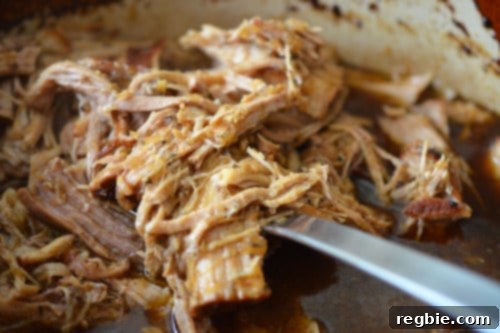
And transform it did! Following Tammy’s recipe to the letter resulted in a pork roast that was nothing short of perfection. The meat was unbelievably moist, exceptionally tender, and bursting with flavor that speaks volumes about the quality of the pastured pork. The accompanying sauce, a delightful blend of tangy, sweet, and savory notes, was the ideal complement, enhancing every bite without overpowering the natural richness of the pork. This method has become my absolute go-to, and I’m genuinely excited to work my way through the rest of the roasts in my freezer, confident that each one will emerge as a delicious, tender masterpiece. A huge thank you to Tammy for sharing such a brilliant and straightforward approach that guarantees a consistently delicious Dutch oven pork roast!
Why the Dutch Oven is Your Secret Weapon for Tender Pork Roasts
The Dutch oven isn’t merely a piece of cookware; it’s a culinary powerhouse, especially when it comes to transforming tougher cuts of meat like pork leg roasts into succulent, fall-apart masterpieces. Its heavy construction and tight-fitting lid create an ideal environment for slow cooking and braising. This method involves cooking meat gently in a small amount of liquid over an extended period, allowing the connective tissues to break down slowly. The benefits are numerous and directly address the common pitfalls of dry, stringy pork:
- Unmatched Moisture Retention: The thick walls of a Dutch oven distribute heat evenly, preventing hot spots that can dry out meat. The tight lid traps steam and moisture within the pot, essentially bathing the pork in its own flavorful juices and added liquid. This self-basting environment ensures the meat remains incredibly moist throughout the long cooking process, resulting in a juicy final product.
- Consistent Temperature for Braising: Once heated, a Dutch oven maintains a very stable temperature, which is crucial for the slow and gentle breakdown of tough muscle fibers and connective tissue. This consistent, low-and-slow heat allows the collagen in the pork to convert into gelatin, which is key to achieving that desirable tender, melt-in-your-mouth texture that defines a perfect braise.
- Enhanced Flavor Development: Braising is a master class in flavor melding. The initial searing step creates a rich, caramelized crust on the exterior of the pork (a process known as the Maillard reaction), locking in juices and adding profound depth. As the pork slow cooks, it absorbs the aromatic notes from the sauce and spices, resulting in a deeply flavorful dish that’s impossible to achieve with faster, higher-heat cooking methods. Every ingredient has time to contribute to a complex taste profile.
- Convenience and Versatility: From stovetop searing to oven braising, a Dutch oven can handle multiple cooking stages in one single vessel. This minimizes cleanup, streamlines the entire cooking process, and makes it a highly efficient choice for hearty family meals.
Selecting and Preparing Your Premium Pastured Pork Leg Roasts
The quality of your primary ingredient undeniably impacts the final dish’s flavor, texture, and overall appeal. When it comes to pork, opting for pastured pork leg roasts makes a significant difference, elevating your meal beyond the ordinary. Pastured pork comes from pigs that have been raised in an environment where they can forage, root, and engage in natural behaviors, leading to healthier animals and, consequently, superior meat.
- Exceptional Flavor Profile: Pastured pork often boasts a richer, more complex, and nuanced flavor than conventionally raised pork. This is directly attributable to their varied diet, which includes natural forage, and their active lifestyle, which develops muscle and marbling differently.
- Superior Texture and Nutrition: While pastured pork can sometimes be leaner due to increased activity, it can also be incredibly tender when cooked correctly, as demonstrated by this Dutch oven method. Furthermore, studies suggest pastured pork may contain a healthier fat profile, including higher levels of beneficial omega-3 fatty acids.
- Ethical and Sustainable Choice: Choosing pastured pork supports ethical farming practices, which prioritize animal welfare and environmental stewardship. It contributes to a more sustainable food system that respects both animals and the land.
Essential Preparation Tips for Optimal Results:
- Complete Thawing is Key: If your pork roasts are frozen, ensure they are fully thawed before you begin the cooking process. This typically requires placing them in the refrigerator for 24-48 hours, depending on their size. Attempting to sear partially frozen meat will result in uneven cooking and a less effective sear.
- Thorough Drying for Searing Success: Patting the roasts thoroughly dry with paper towels is a crucial step that many overlook, yet it dramatically impacts the outcome. Moisture on the surface of the meat inhibits proper searing, preventing that delicious golden-brown, crispy crust from forming. A dry surface allows for better caramelization (the Maillard reaction) and significantly enhances flavor development during the initial browning phase.
- Generous Seasoning is Non-Negotiable: Don’t be shy with your seasoning at this stage! A liberal application of kosher salt and freshly ground black pepper to all sides of the pork roasts is essential. Salt not only dramatically enhances the inherent flavor of the pork but also aids in drawing out a bit of surface moisture and contributing to the formation of a flavorful crust during searing.
The Magic of the Tangy, Sweet, and Savory Sauce
What truly elevates this Dutch Oven Pork Roast recipe from merely good to absolutely extraordinary is the wonderfully balanced sauce. It’s a harmonious blend of flavors that penetrates the meat during the long braising process, infusing every fiber with an irresistible complexity and moisture. Let’s delve into the role of each key ingredient in this simple yet powerful concoction, understanding how they contribute to the sauce’s remarkable depth:
- Aromatics (Organic Yellow Onion & Garlic Cloves): These form the foundational layer of flavor. The roughly chopped organic yellow onion and peeled garlic cloves provide a robust, pungent base that mellows, sweetens, and deepens in flavor during cooking. They add an essential warmth and savory backbone to the sauce.
- Healthy Fats (Extra Virgin Olive Oil): Beyond its own distinct flavor, olive oil plays a crucial role in carrying and distributing the fat-soluble compounds of the spices, ensuring a well-rounded and cohesive taste. It also contributes a luxurious mouthfeel to the finished sauce, adding richness.
- Acidity (Raw Apple Cider Vinegar): Raw apple cider vinegar is a superstar ingredient, particularly effective for tenderizing meat. Its acidity works to gently break down tough muscle fibers and connective tissues, making the pork incredibly tender. Furthermore, it provides a bright, tangy counterpoint to the richness of the pork and the sweetness of the honey, perfectly balancing the overall flavor profile.
- Natural Sweetness (Raw Organic Honey): Honey provides natural sweetness, which not only balances the acidity of the vinegar but also caramelizes slightly during the long cooking process, adding a beautiful depth of flavor. This sweetness creates that perfect sweet-and-savory dynamic that makes the sauce so appealing.
- Earthy & Aromatic Spices: This carefully selected blend of spices contributes multiple layers of aromatic complexity, making the sauce truly special.
- Dried Oregano: Adds a classic Mediterranean, slightly pungent, and earthy note that pairs wonderfully with pork.
- Chili Powder: Offers a subtle warmth and a hint of smoky spice without making the dish overtly hot, adding a comforting depth.
- Dried Rosemary: Provides a distinct, piney, and woody aroma that is famously complementary to pork and other rich meats.
- Granulated Onion (supplementing fresh garlic): Reinforces and deepens the savory onion flavor in a convenient, concentrated form.
- Ground Cumin: Introduces an earthy, warm, and slightly pungent flavor that is characteristic of many robust meat dishes, adding an exotic touch.
- Essential Seasoning (Kosher Salt & Freshly Ground Black Pepper): These fundamental seasonings are absolutely crucial for bringing out and enhancing all the other flavors in the sauce. Salt brightens and integrates everything, while black pepper adds a subtle kick and aromatic warmth.
By blending these ingredients into a smooth, cohesive sauce, you create a potent flavor delivery system that will permeate every fiber of your pork roast, ensuring a delicious and unforgettable outcome that embodies tangy, sweet, and savory perfection.
Ingredients for Your Perfect Dutch Oven Pork Roast (Serves 4-6)
Gathering high-quality ingredients is the first step toward a sensational meal. Here’s what you’ll need for this truly tender and flavorful Dutch Oven Pastured Pork Leg Roast:
- 5 lb of pastured pork leg roasts (For best results and easier handling, I recommend using two 2.5 lb roasts rather than one large one. This allows for better searing and more even cooking.)
- Kosher salt (approximately 1-2 teaspoons for seasoning the roasts, to taste)
- Freshly ground black pepper (approximately 1-2 teaspoons for seasoning the roasts, to taste)
- 2 tablespoons coconut oil (or another high smoke point oil like avocado oil, for searing the pork)
- 1 organic yellow onion, roughly chopped (for the sauce)
- 3 garlic cloves, peeled (for the sauce)
- 3 tablespoons extra virgin olive oil (for the sauce)
- 3 tablespoons raw apple cider vinegar (crucial for tenderness and tang in the sauce)
- 3 tablespoons raw organic honey (for balancing sweetness in the sauce)
- 1 teaspoon dried oregano (for an earthy, aromatic note in the sauce)
- 1 teaspoon chili powder (for warmth and subtle spice in the sauce)
- 1 teaspoon dried rosemary (pairs beautifully with pork in the sauce)
- 2 teaspoons granulated onion (enhances onion flavor in the sauce)
- 1 teaspoon ground cumin (for a deep, warm spice note in the sauce)
- 1 tablespoon Kosher salt (for the sauce, ensures robust flavor)
- Freshly ground black pepper (for the sauce, to taste)
- 3 cups of water (for braising liquid)
Step-by-Step Guide to a Flawlessly Tender Pork Roast
Follow these detailed instructions precisely to achieve a pork roast that will impress even the most discerning palates. Precision, patience, and attention to detail are your allies in this culinary endeavor, promising a tender and flavorful result every time.
- Preheat Your Oven to the Ideal Temperature: Begin by positioning an oven rack in the lower middle position of your oven. This placement ensures even heat distribution around your Dutch oven. Preheat your oven to a steady 325°F (160°C). A consistent, lower temperature is critical for the slow braising process, preventing the meat from drying out and allowing it to become exceptionally tender.
- Prepare the Pork Roasts for Searing:
Thoroughly pat the pork roasts dry with paper towels. This step, while seemingly simple, is absolutely critical for achieving a beautiful, flavorful sear. Any surface moisture will steam the meat instead of browning it. Once dry, liberally season all sides of the roasts with kosher salt and freshly ground black pepper. Don’t underestimate the power of generous seasoning at this stage; it forms the foundational flavor layer for your roast.
- Master the Searing Process for Deep Flavor:
Heat the coconut oil (or your chosen high smoke point oil) in a large, heavy-bottomed Dutch oven over medium-high heat until it shimmers and is visibly hot. Carefully place the seasoned pork roasts into the pot, ensuring not to overcrowd it if you’re using multiple roasts (sear one at a time if necessary). Sear each roast, browning it beautifully and evenly on all sides. This process typically takes about 3-5 minutes per side. The goal here is to develop a rich, golden-brown crust – this is the Maillard reaction at work, creating complex, savory flavors that will deepen and permeate the meat during braising. Take your time with this step; a good sear makes a significant difference to the final taste and appearance of your roast.
- Craft the Aromatic and Flavorful Sauce:
While the pork is browning, gather your sauce ingredients. In a food processor, combine the roughly chopped organic yellow onion, peeled garlic cloves, extra virgin olive oil, raw apple cider vinegar, raw organic honey, dried oregano, chili powder, dried rosemary, granulated onion, ground cumin, the 1 tablespoon of kosher salt, and a generous amount of freshly ground black pepper. Pulse the mixture until it forms a smooth, well-blended sauce. The food processor makes quick work of this, ensuring all the flavors are finely incorporated and evenly distributed.
- Assemble for Braising:
Once the pork roasts are evenly browned on all sides, carefully tuck both of them back into the Dutch oven (if you removed one for searing). Remove the pot from the heat momentarily. Pour the freshly blended, aromatic sauce generously over the pork roasts, ensuring they are well coated. Then, carefully add the 3 cups of water to the pot. This liquid will be crucial for the braising process, creating a moist and steamy environment within the Dutch oven, essential for tenderizing the meat.
- The Low-and-Slow Cook for Ultimate Tenderness:
Securely cover the Dutch oven with its tight-fitting lid. This is absolutely essential for trapping all the steam and heat inside, which is the cornerstone of braising. Carefully transfer the covered pot to your preheated oven. Allow the pork roast to cook undisturbed for 2.5 to 3 hours, or until it is incredibly fork-tender. The exact cooking time can vary based on the size and thickness of your roasts and your specific oven’s calibration, so always check for doneness. When it’s truly ready, a fork should easily shred the meat with minimal effort, indicating that the connective tissues have broken down perfectly.
- Shred and Serve Your Culinary Masterpiece:
Once cooked to perfection and beautifully tender, carefully remove the Dutch oven from the oven. Using two forks, gently shred the tender pork directly in the pot. This allows the shredded meat to soak up all the flavorful juices and rich sauce, ensuring every piece is infused with deliciousness. Taste and adjust seasoning if necessary. Serve immediately, perhaps with your favorite comforting side dishes like mashed potatoes, rice, or roasted vegetables. Enjoy the fruits of your patience!
Expert Tips for a Consistently Perfect Pork Roast
Achieving consistently delicious results with your Dutch oven pork roast is easy when you keep a few key tips in mind. These insights will help you maximize flavor and tenderness, ensuring every meal is a triumph and that dry pork becomes a thing of the past.
- Never Rush the Sear: The browning step isn’t just for aesthetics; it’s fundamental for flavor development. Allow the roasts to develop a deep, rich crust on all sides. If your Dutch oven isn’t large enough to sear both roasts comfortably without overcrowding, sear them one at a time. Overcrowding lowers the pan temperature, which leads to steaming the meat instead of browning it, diminishing the depth of flavor.
- Maintain a Tight Seal on Your Dutch Oven: The integrity of your Dutch oven’s seal is paramount for successful braising. A tight-fitting lid prevents precious moisture and heat from escaping, which is vital for creating the steamy environment needed to keep the pork incredibly moist. Avoid peeking too often during the cooking process, as each time you lift the lid, heat and moisture escape, potentially extending the cooking time and affecting the final texture.
- Trust the “Fork-Tender” Test: While internal temperature can be a helpful guide for other cooking methods, for braised meats, the “fork-tender” test is your most reliable indicator of doneness. The meat should pull apart easily with minimal resistance when pierced with a fork. If it’s not quite there, simply return it to the oven and give it a bit more time; patience will be rewarded.
- Resting the Meat (Optional but Recommended): Although the pork is shredded directly in the sauce in this recipe, if you were to remove it from the pot to carve, allowing it to rest for 10-15 minutes after cooking helps the juices redistribute throughout the meat, resulting in an even moister result. For this shredded recipe, letting it sit in the warm sauce for a few minutes after shredding serves a similar purpose, allowing all those incredible flavors to deepen further before serving.
- Customize Your Spices and Aromatics: While this recipe provides a fantastic and proven flavor profile, feel free to experiment to match your personal preferences. A pinch of smoked paprika could add a lovely smokiness, or a dash of cayenne pepper for extra heat if you enjoy a kick. Dried thyme, bay leaves, or even a splash of Worcestershire sauce are also excellent additions that pair well with pork.
- Transform it into a One-Pot Meal: For a complete and easy meal, consider adding hearty root vegetables like carrots, potatoes, parsnips, or sweet potatoes during the last hour of cooking. Cut them into large chunks so they don’t turn to mush. They will absorb the delicious sauce and cook alongside the pork, creating a truly comforting and convenient one-pot dish.
- Embrace Leftover Brilliance: This Dutch oven pork roast makes absolutely fantastic leftovers! Shredded pork is incredibly versatile and often tastes even better the next day as the flavors continue to meld. Use it in creative ways: for delicious tacos, sliders, quesadillas, loaded baked potatoes, over rice bowls, or even in a comforting soup. It’s a wonderful meal prep option that keeps giving.
Conclusion: Your New Go-To Pork Roast Recipe for Unforgettable Meals
Say goodbye forever to dry, disappointing pork roasts and hello to a culinary revelation. This Dutch Oven Pastured Pork Leg Roast recipe, meticulously inspired by Tammy Credicott, is more than just a meal; it’s a testament to the power of proper technique, patience, and high-quality ingredients. By leveraging the consistent, moist heat retention of a Dutch oven, combined with a perfectly balanced tangy, sweet, and savory sauce, you can confidently transform humble pastured pork leg roasts into an unforgettable dining experience that will earn rave reviews.
Whether you’re a seasoned chef seeking a reliable classic or a home cook looking to expand your repertoire and conquer a challenging cut of meat, this recipe offers a straightforward and highly rewarding path to success. The sheer joy of pulling apart incredibly tender, flavorful pork with just two forks, knowing you’ve created something truly delicious, is immensely satisfying. So, dust off your Dutch oven, grab those beautiful pastured pork leg roasts, and prepare to delight your taste buds and those of your loved ones. We wholeheartedly encourage you to try this recipe and share your experiences – it might just become your family’s new favorite, transforming your approach to cooking pork forever!