
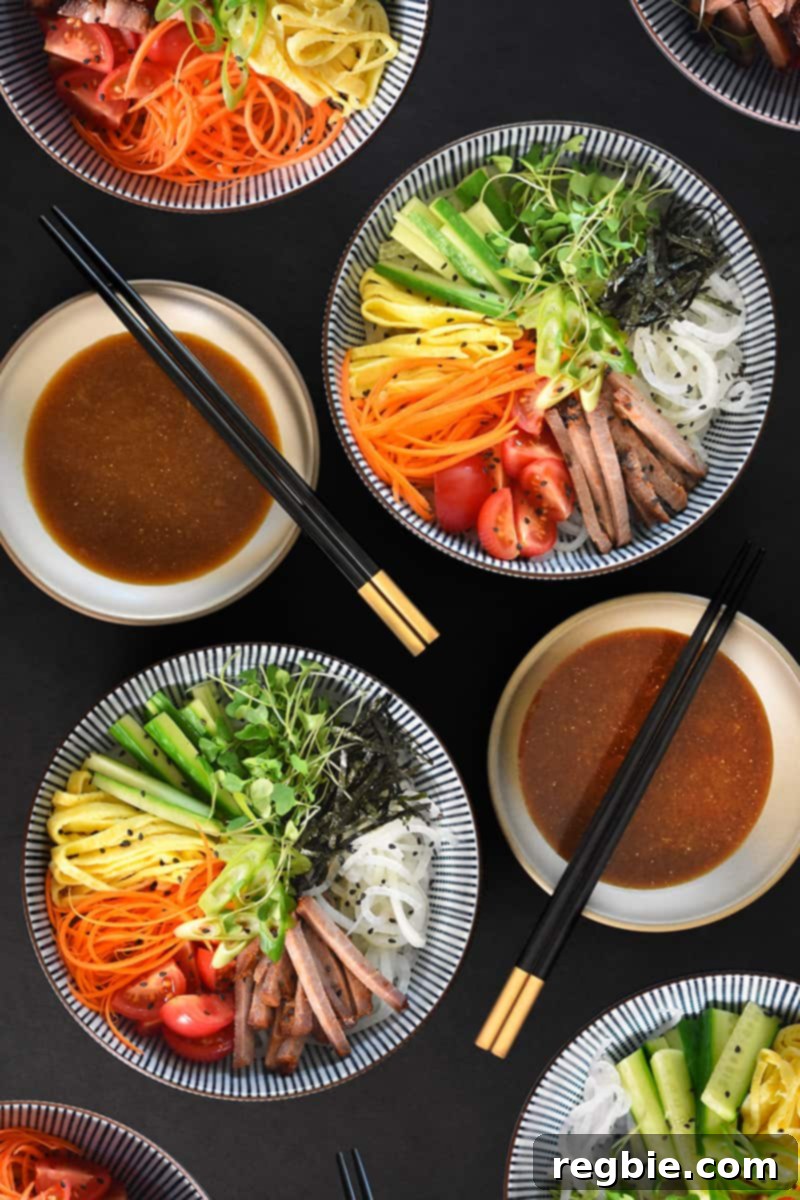
Experience the ultimate summer refreshment with our unique take on Hiyashi Chuka – the beloved Japanese cold ramen salad. This healthy and vibrant recipe offers a delightful twist on the classic, making it entirely Paleo, Gluten-Free, and Whole30-compatible. Prepare to cool down and savor every bite of this guilt-free, delicious dish!
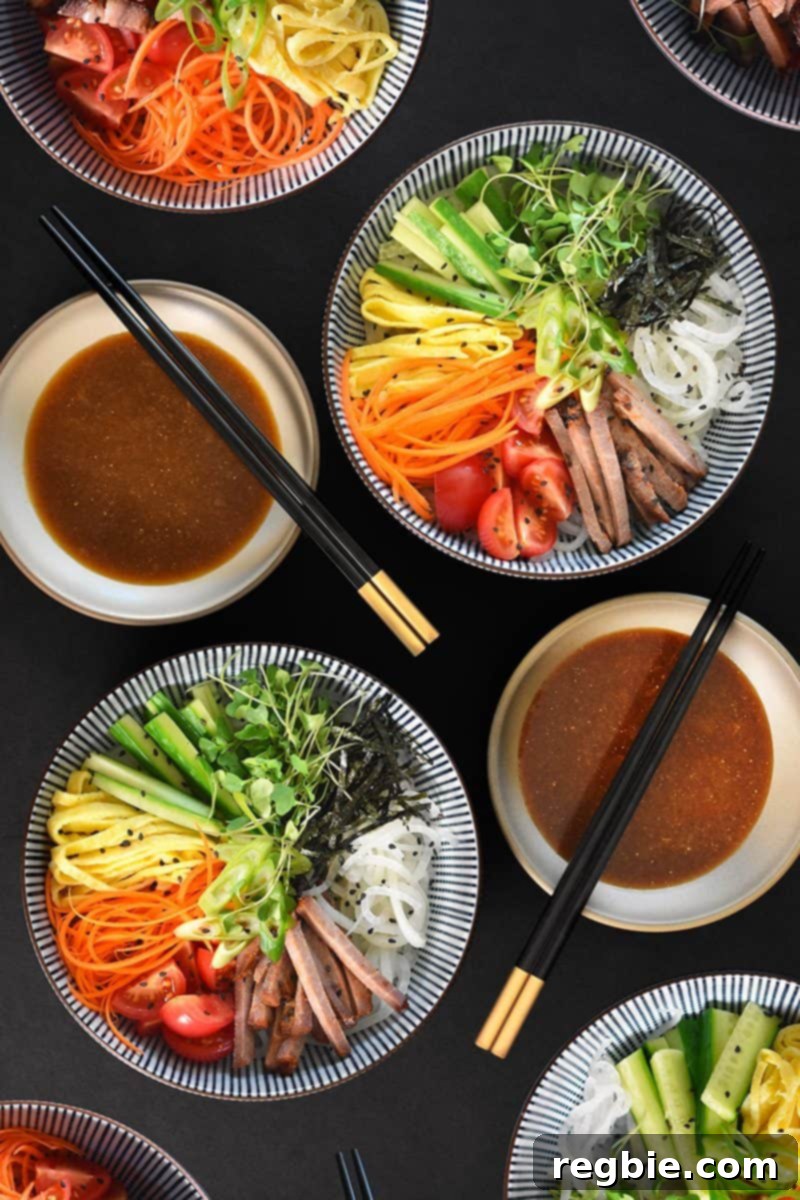
Table of Contents
- What’s Hiyashi Chuka: The Traditional Japanese Delight
- Reimagining Hiyashi Chuka: Our Paleo and Gluten-Free Masterpiece
- Daikon Noodles: Your Low-Carb and Whole30-Friendly Secret Weapon
- The Star Sauce: All-Purpose Stir-Fry Sauce Redefined
- A Colorful Meal in Minutes: Fast, Fresh, and Flavorful
- Expert Tips for Perfect Daikon Noodles
- Ingredients for Your Paleo Hiyashi Chuka
- How to Make Hiyashi Chuka, Cold Ramen Salad! (Step-by-Step)
- Maximizing Freshness: How to Save Leftovers
- Explore More Paleo Japanese Recipes
- Printer-Friendly Recipe Card
- Hiyashi Chuka (Cold Ramen Salad) Recipe
What’s Hiyashi Chuka: The Traditional Japanese Delight
Often translated as “chilled Chinese food,” Hiyashi Chuka is a quintessential Japanese summer dish, known for its incredible refreshing qualities. It typically features cold ramen noodles, meticulously arranged with a vibrant assortment of colorful toppings, and generously dressed with a chilled tare sauce. This traditional sauce is a harmonious blend of sweet and savory, often soy-based, infused with mirin, vinegar, and dashi, offering a complex umami depth.
Inspired by both Chinese and Western culinary traditions, Hiyashi Chuka emerged in 20th-century Japan as a perfect antidote to the country’s notoriously hot and humid summers. Its popularity quickly soared, becoming a beloved seasonal staple. I fondly recall the joy of slurping down countless bowls of this delightful dish during my travels through Kyoto with Henry. The experience was so memorable that upon our return to San Francisco, I was determined to recreate that authentic taste and discover it in our local Japantown.
My quest for the perfect Hiyashi Chuka was an earnest one, though Henry might tell you he mostly tagged along to indulge my culinary whims. Regardless, the vibrant flavors and cooling sensation of this dish left an indelible impression, sparking a desire to bring its essence into our home kitchen, albeit with a healthy, paleo-friendly twist.
Reimagining Hiyashi Chuka: Our Paleo and Gluten-Free Masterpiece
The journey to transform Hiyashi Chuka into a Paleo and gluten-free dish presented a unique set of challenges. Traditional ramen noodles, the heart of the dish, are decidedly not compatible with a grain-free lifestyle, and the conventional soy-based tare sauce requires a creative overhaul. For a time, I resigned myself to a ramen-free existence, believing that the authentic experience was simply beyond reach for a paleo palate.
However, inspiration struck when I stumbled upon an Instagram post by my friend Kyle Hildebrant, showcasing a ramen spot in Portland that served a grain-free version using spiralized vegetables. This revelation was a game-changer! Naturally, I had to investigate this innovative approach myself. Kayo’s Ramen Bar proved that spiralized veggie noodles could be absolutely fantastic, even in a steaming broth.
But with the summer heat intensifying, my craving shifted specifically to cold Hiyashi Chuka. I had a strong intuition that one of the new sauces from our upcoming cookbook, Ready or Not!, could serve as the perfect, flavorful, and soy-free dipping sauce. And, to my delight, my hunch was absolutely correct! This discovery opened up a world of possibilities, allowing me to craft a version of Hiyashi Chuka that not only honors the spirit of the original but also aligns perfectly with Paleo, gluten-free, and Whole30 dietary guidelines.
Daikon Noodles: Your Low-Carb and Whole30-Friendly Secret Weapon
At the core of this innovative Hiyashi Chuka recipe is the brilliant substitution of spiralized and blanched daikon radish for traditional ramen noodles. Daikon, a mild-flavored winter radish popular in Asian cuisine, transforms remarkably when prepared as a noodle. It offers a satisfying, slightly firm texture that perfectly mimics the chewiness of conventional noodles, all while keeping the dish wonderfully low-carb and naturally gluten-free. This simple swap makes our cold ramen salad an ideal choice for those following Whole30 or a ketogenic diet.
Beyond the daikon, the salad truly shines with its customizable array of vibrant, julienned meat and vegetables. Just like the original, this chilled “ramen” salad invites creativity and personal preference. You can mix and match toppings based on what you have on hand or what’s in season, ensuring a fresh and exciting meal every time. From crisp cucumbers and carrots to tender proteins, the possibilities are endless for creating a visually stunning and delicious dish.
The Star Sauce: All-Purpose Stir-Fry Sauce Redefined
No Hiyashi Chuka is complete without its signature dressing, and in our Paleo-friendly version, the All-Purpose Stir-Fry Sauce truly steals the show. This sauce isn’t just a worthy replacement for the traditional soy-based tare; it elevates the entire dish with its rich, umami-packed flavor profile. If the name “All-Purpose Stir-Fry Sauce” doesn’t immediately ring a bell, it soon will, because it’s designed to become an indispensable staple in your kitchen.
This versatile sauce is my personal go-to for an array of culinary applications – from quick stir-fries and flavorful marinades to hearty stews and so much more. The full recipe for this incredible sauce is a highlight in the “Get Set!” section of our new Ready or Not!cookbook, but I’m sharing a scaled-down version here today because its sheer utility means everyone needs it in their cooking arsenal. It perfectly balances savory, tangy, and a hint of sweet without any grains or soy, making it ideal for this Hiyashi Chuka and countless other paleo and Whole30 dishes.
For those eager to fully embrace its potential, the recipe provided here makes a smaller batch perfect for this salad. However, if you plan to harness the full power of this All-Purpose Stir-Fry Sauce for other meals throughout the week, I highly recommend consulting our cookbook for instructions on whipping up a larger pint-sized batch. Trust me, once you try it, you’ll want to keep it on hand for every occasion!
A Colorful Meal in Minutes: Fast, Fresh, and Flavorful
The philosophy behind our Ready or Not! cookbook is all about empowering you with simple, flexible recipes that you can effortlessly create, regardless of your readiness to cook. The All-Purpose Stir-Fry Sauce embodies this principle perfectly, serving as one of those incredibly versatile staples that makes healthy cooking an absolute breeze. Had our cookbook not already gone to print, this very recipe for Hiyashi Chuka would have been prominently featured in the “Kinda Ready!” section. It’s a prime example of how readily available ingredients, especially pre-made ones like our sauce, can quickly transform and elevate your leftovers into a gourmet meal in mere minutes.
Imagine this scenario: you have a bottle of All-Purpose Stir-Fry Sauce already prepared and some leftover Paleo Char Siu in the fridge. This Hiyashi Chuka recipe will come together in virtually no time at all, offering a satisfying and wholesome meal. No char siu on hand? Absolutely no worries! This recipe is incredibly adaptable. Simply top your cold ramen salad with any cooked protein and fresh vegetables you happen to have lying around. I can envision Wonton Meatballs or succulent Cracklin’ Chicken being utterly fantastic additions to your Hiyashi Chuka. Think of this dish as your culinary “choose-your-own-adventure” – a canvas for your creativity and what’s available in your kitchen!
Expert Tips for Perfect Daikon Noodles
While daikon is an excellent noodle substitute, achieving the ideal texture and flavor requires a crucial step: blanching and chilling. Many might be tempted to skip this, but trust me, it’s a non-negotiable part of the process for optimal results. Blanching the spiralized daikon for a brief period in boiling water helps to soften its texture, making it more pliable and noodle-like, while also mellowing out its inherent radish-y flavor. Following this with an immediate ice bath is essential; it halts the cooking process, ensuring the daikon remains crisp-tender and perfectly chilled for your salad. This extra step truly makes all the difference, transforming raw daikon into a surprisingly delicious and authentic-feeling noodle.
However, if time is short, or if you’re having trouble locating daikon at your local grocery store, don’t let that deter you! This recipe is wonderfully forgiving and adaptable. Excellent substitutes for spiralized daikon include raw celery root, parsnip, zucchini, or jicama. Each of these alternatives offers its own unique texture and subtle flavor profile that complements the dish beautifully. So, there are truly no excuses to miss out on this fantastic cold ramen salad. It’s time to dust off your spiralizer – I personally love and recommend the Oxo spiralizer for its ease of use and consistent results – and get ready to create some incredible veggie noodles!
Ingredients for Your Paleo Hiyashi Chuka
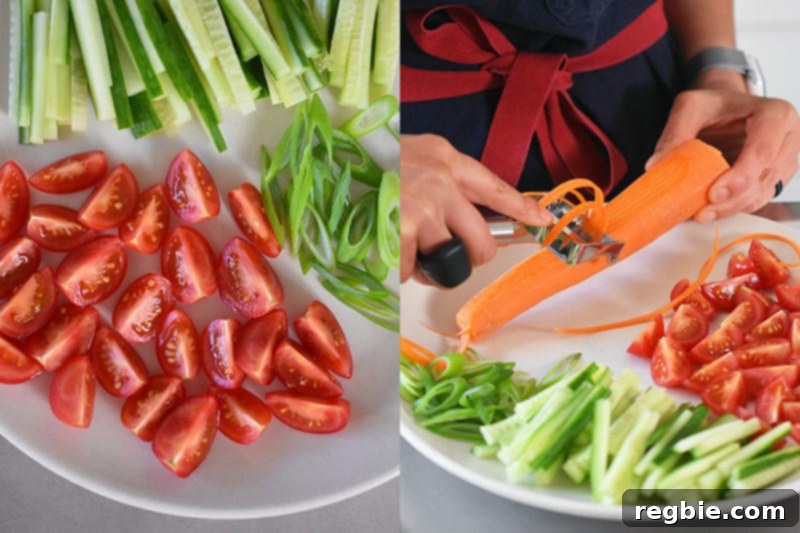
Crafting the perfect Paleo Hiyashi Chuka involves two main components: the flavorful All-Purpose Stir-Fry Sauce and a colorful assortment of fresh salad ingredients. Here’s what you’ll need to create this delightful cold ramen salad:
- Coconut Aminos: Our foundational soy sauce replacement. It delivers a mild, slightly sweet umami without gluten or soy, making it perfect for Paleo and Whole30.
- Fish Sauce: A small but mighty ingredient, fish sauce is essential for balancing the sweetness of coconut aminos. It introduces a crucial layer of savory depth and natural saltiness, crucial for an authentic Asian flavor profile.
- Orange Juice: Fresh orange juice adds a bright, tangy note and a touch of natural sweetness to the sauce, cutting through the richness and adding complexity.
- Unseasoned Rice Vinegar: This provides the necessary acidic zing, lending a sharp, clean finish to the dressing that is characteristic of many Japanese salads.
- Garlic Powder: For a subtle, aromatic garlic flavor that integrates smoothly into the sauce without the bite of raw garlic.
- Ground Ginger : Adds a warm, zesty spice that complements the other Asian-inspired flavors in the dressing.
- Toasted Sesame Oil: A finishing touch that imparts a rich, nutty aroma and flavor, quintessential in Japanese cuisine.
- Eggs: Used to make a thin, delicate omelet, which is then julienned to add both color and a creamy texture to the salad.
- Diamond Crystal Brand Kosher Salt: Our preferred salt for its clean taste and consistent granulation, perfect for seasoning the eggs and daikon.
- Ghee (or fat of choice): For cooking the egg omelet, providing a rich, buttery flavor while remaining Whole30 compliant.
- Daikon: The star of our noodle show! When spiralized and blanched, it offers a remarkably convincing and healthy replacement for traditional ramen noodles.
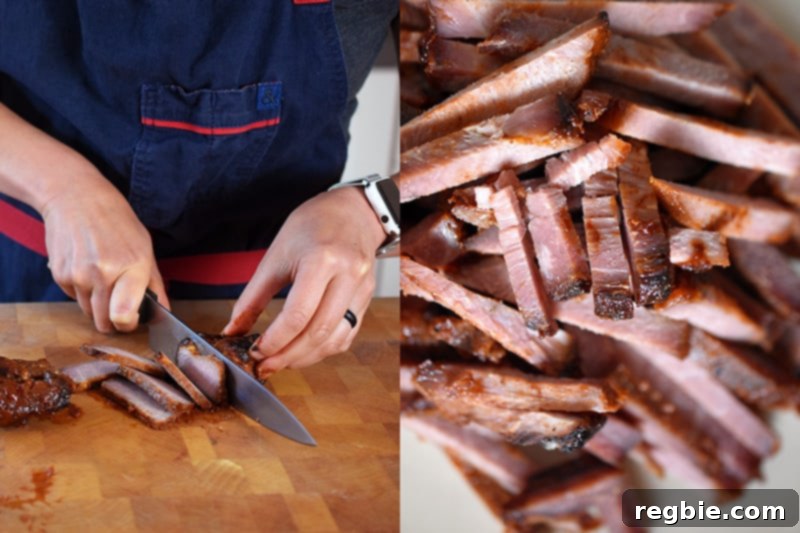
- Paleo Char Siu (or your favorite cooked protein), sliced into matchsticks: Adds a satisfying protein element. Pre-cooked meats make this dish incredibly fast to assemble.
- Cherry Tomatoes : Halved or quartered, they bring bursts of juicy sweetness and a vibrant red color.
- English Cucumber or Persian Cucumbers, cut into matchsticks: Provides a refreshing crunch and cool contrast.
- Carrot: Julienne into thin matchsticks for a sweet, earthy crunch and a pop of bright orange.
- Broccoli Sprouts: Add a peppery, slightly bitter note and a nutritional boost.
- Green Onions: Thinly sliced, they offer a mild oniony flavor and an attractive garnish.
- Toasted Sesame Seeds: For a nutty textural garnish that ties into the Asian flavors.
- Shredded Toasted Seaweed (Nori): Optional, but highly recommended for an authentic oceanic umami flavor and a delicate crunch.
How to Make Hiyashi Chuka, Cold Ramen Salad! (Step-by-Step)
Making this Paleo and Whole30-friendly Hiyashi Chuka is a straightforward process, largely thanks to the versatility of our All-Purpose Stir-Fry Sauce. Follow these steps for a refreshing meal:
Step 1: Prepare the All-Purpose Stir-Fry Sauce
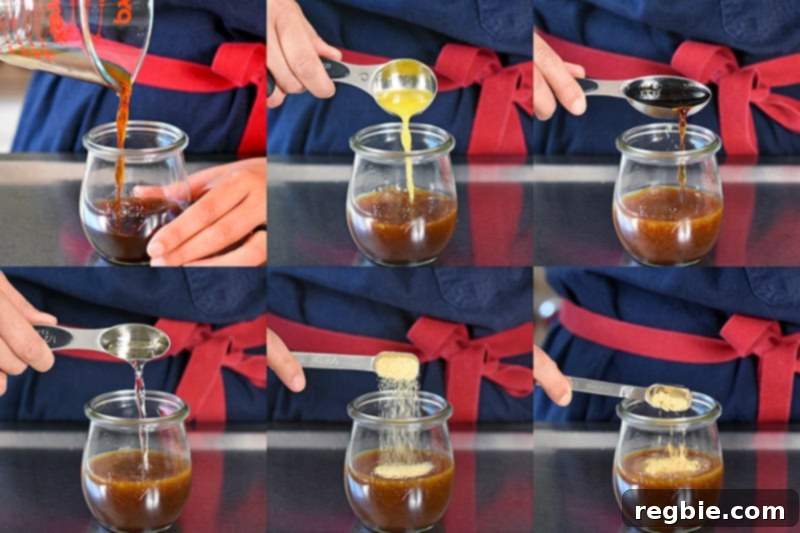
Begin by creating your batch of All-Purpose Stir-Fry Sauce, if you don’t already have some stored in your fridge. In a small, clean jar, combine the coconut aminos, fresh orange juice, fish sauce, unseasoned rice vinegar, garlic powder, ground ginger, and a dash of toasted sesame oil.
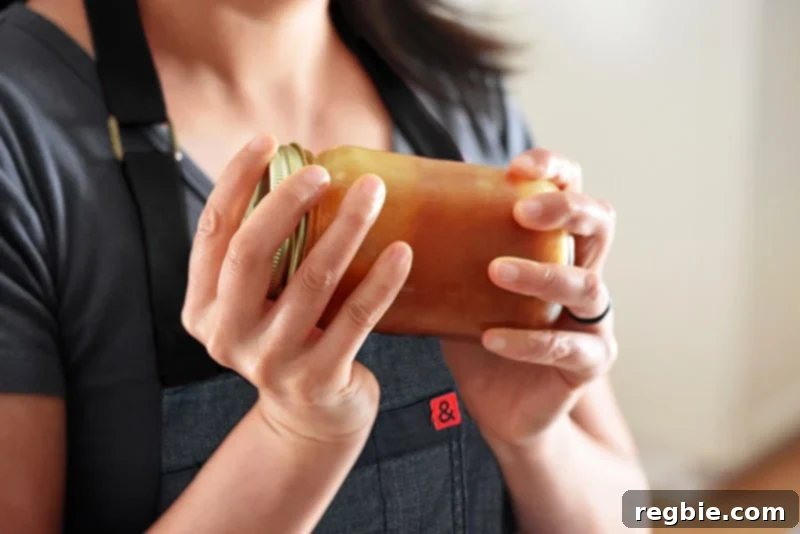
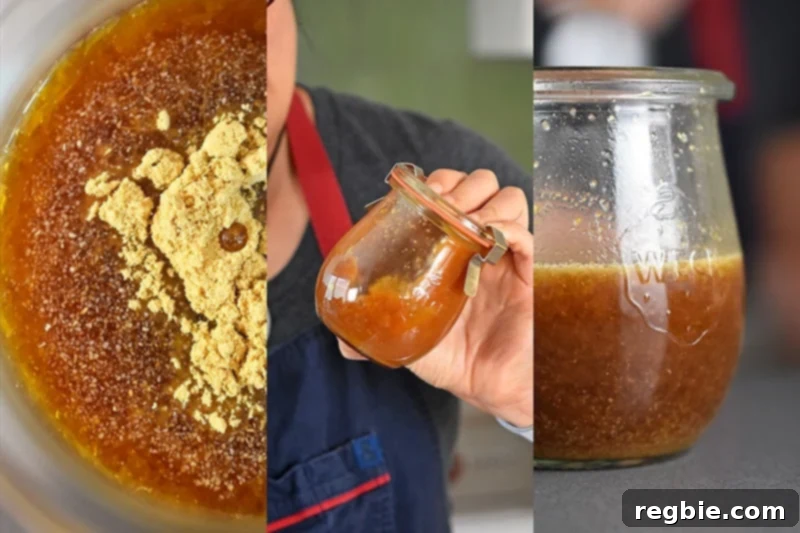
Secure the lid tightly and shake the jar vigorously until all ingredients are thoroughly combined and emulsified. For convenience, label the jar with the date and store it in the refrigerator. This sauce can be prepared up to two weeks in advance, making meal prep a breeze!
Step 2: Cook the Egg Omelet Strips
When you’re ready to assemble your hiyashi chūka, start by preparing the egg. Fill a large pot with water and bring it to a rolling boil over high heat – this is for your daikon noodles later. While the water heats, crack the eggs into a bowl and add about a ¼ teaspoon of Diamond Crystal kosher salt.
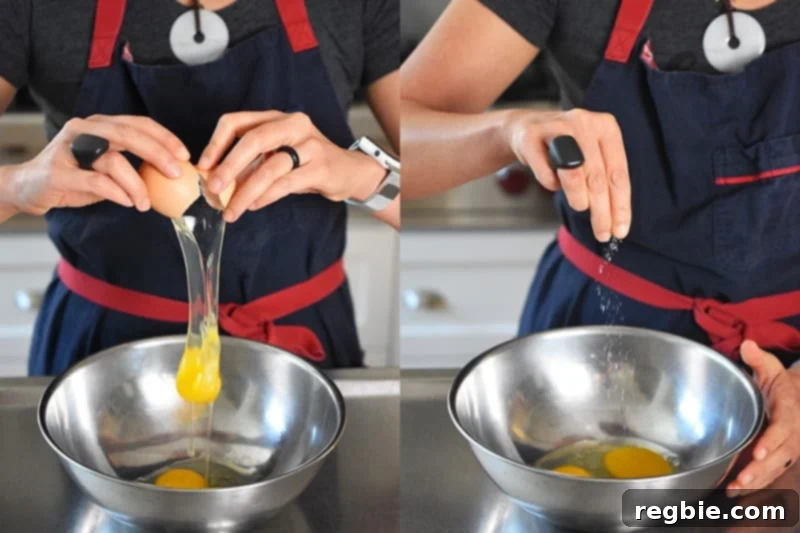
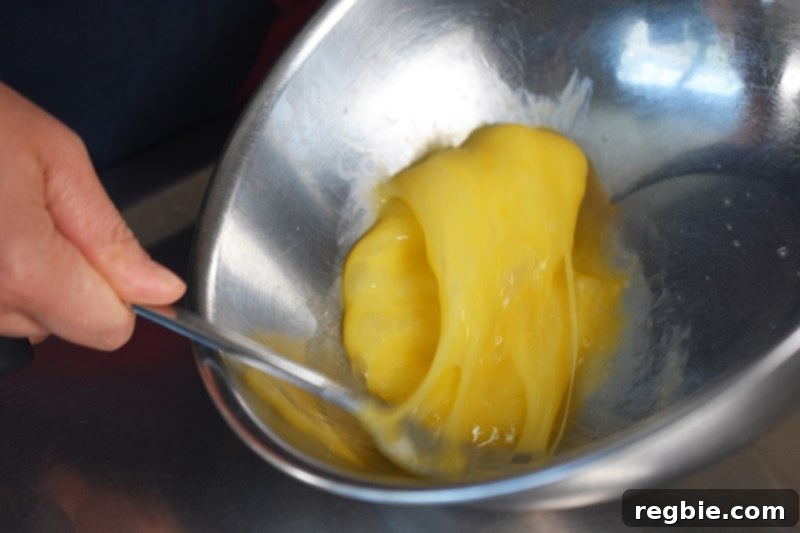
Using a fork or whisk, beat the eggs thoroughly until the yolks and whites are completely combined and slightly frothy. Aim for a consistent, uniform mixture.
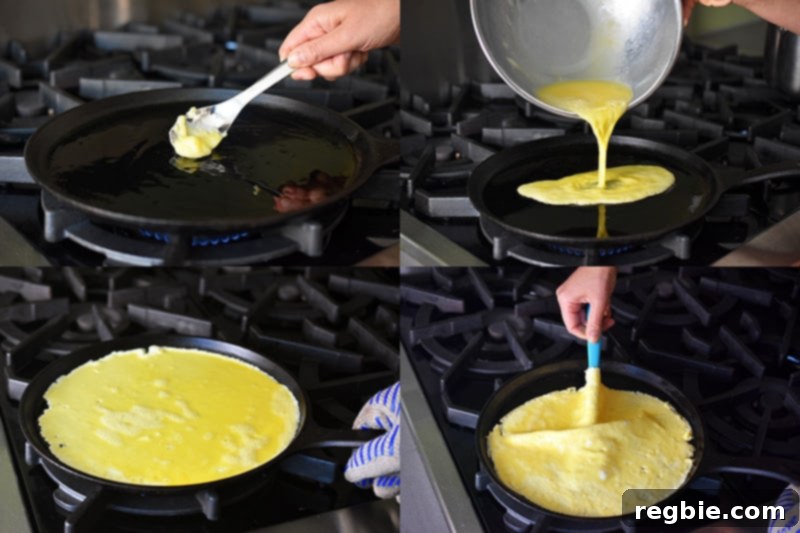
Heat a large cast iron skillet, a flat griddle, or a nonstick pan over medium heat. Once the pan is sufficiently hot, add the ghee (or your fat of choice) and allow it to melt and coat the surface evenly. Pour in the beaten egg mixture, gently tilting the pan to encourage the egg to spread thinly and evenly across the bottom, forming a delicate omelet. As soon as the egg visibly sets and the edges begin to lift, carefully flip it over. Cook the second side for approximately 30 seconds, or until it is fully cooked through with no raw spots.
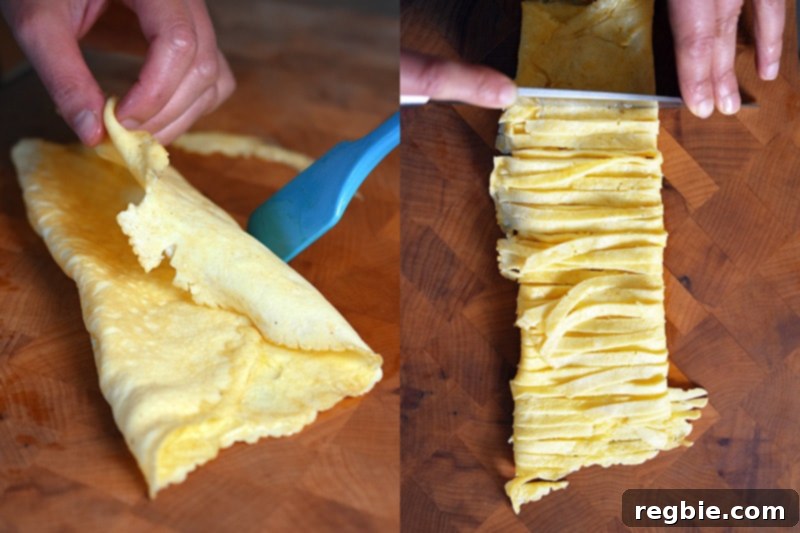
Carefully transfer the cooked egg crepe to a clean cutting board. Fold the omelet into thirds lengthwise, then thinly slice it cross-wise to create delicate, noodle-like strips. Set these beautiful egg strips aside; they will add both flavor and visual appeal to your finished salad.
Step 3: Prepare the Daikon Noodles
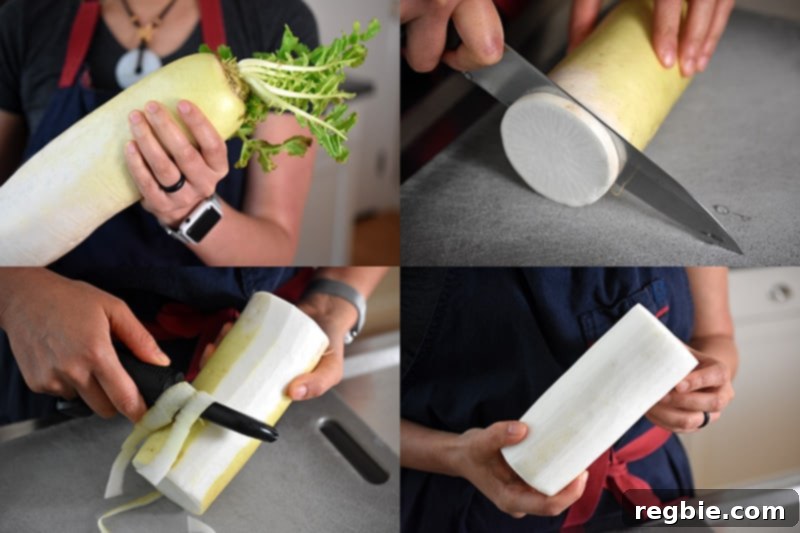
Next, turn your attention to the daikon. Trim off both ends of the daikon radish and peel away its outer skin. For the best spiralizing results, opt for daikon that is relatively fat and straight. Depending on the size of your daikon and the number of servings you intend to make, you might only need half of a large radish.
Use your spiralizer to transform the peeled daikon into long, delicate “ramen” noodles. Once spiralized, set the daikon noodles aside temporarily.
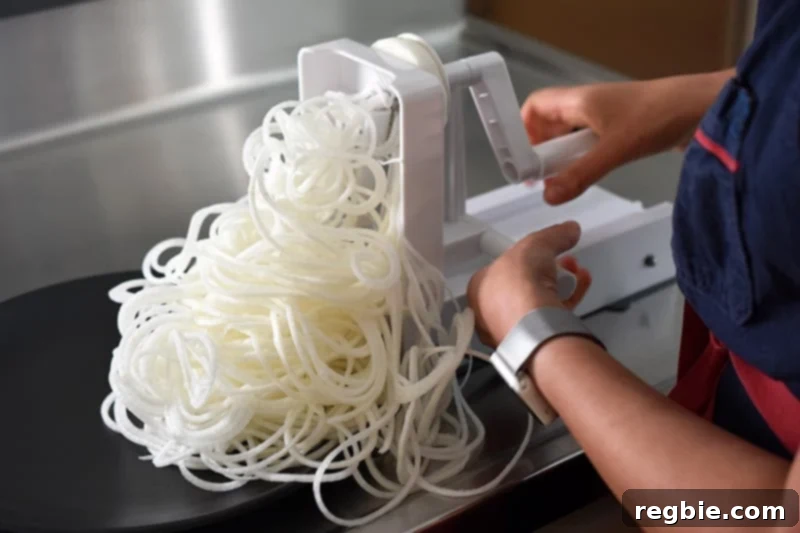
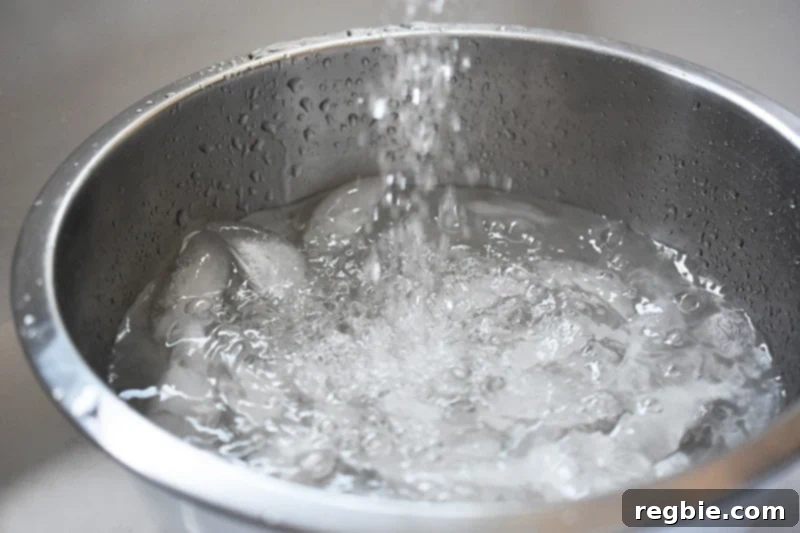
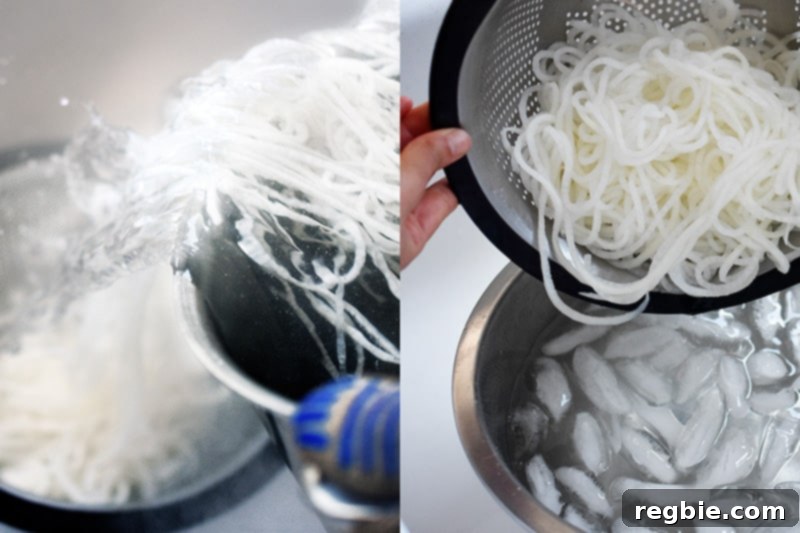
Crucially, prepare a large bowl filled with ice water and place a colander nearby. This setup is vital because the daikon noodles will boil for only a minute or two, so you need to be ready to quickly drain and chill them to preserve their perfect al dente texture.
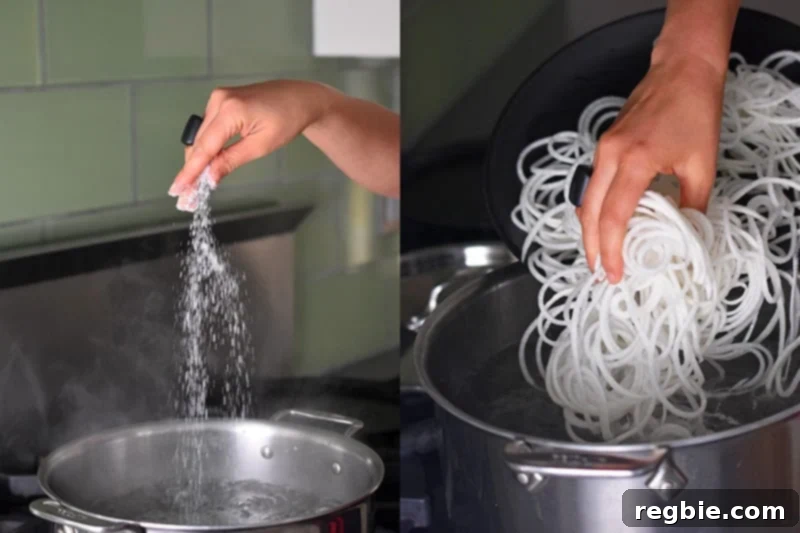
Once the large pot of water is at a vigorous boil, add a generous pinch of salt. Carefully transfer the spiralized daikon noodles into the boiling water and give them a good stir to ensure even cooking.
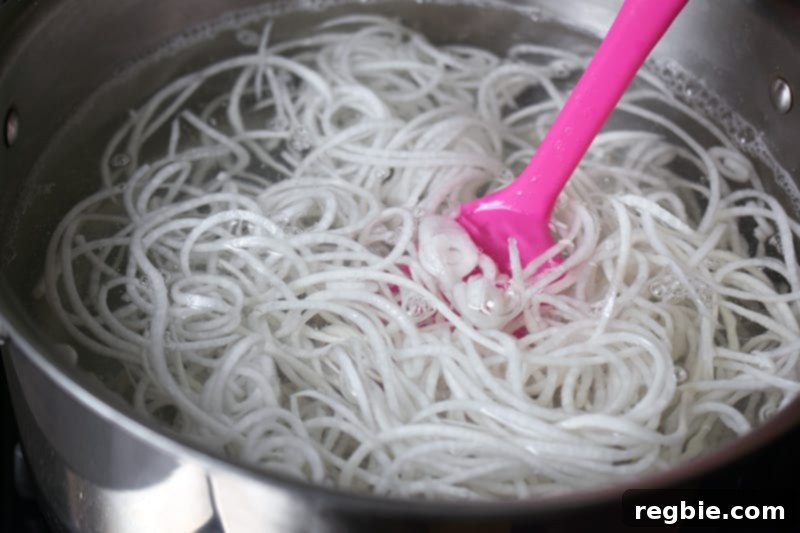
Boil the daikon noodles for just 1 to 2 minutes. The goal is to soften them slightly until they are tender yet still retain a pleasant bite – think al dente. Avoid overcooking, as they can become mushy.
Immediately drain the blanched daikon noodles using your colander. Without delay, transfer them directly into the prepared ice water bath. This rapid chilling stops the cooking process and ensures the noodles remain firm and crisp.
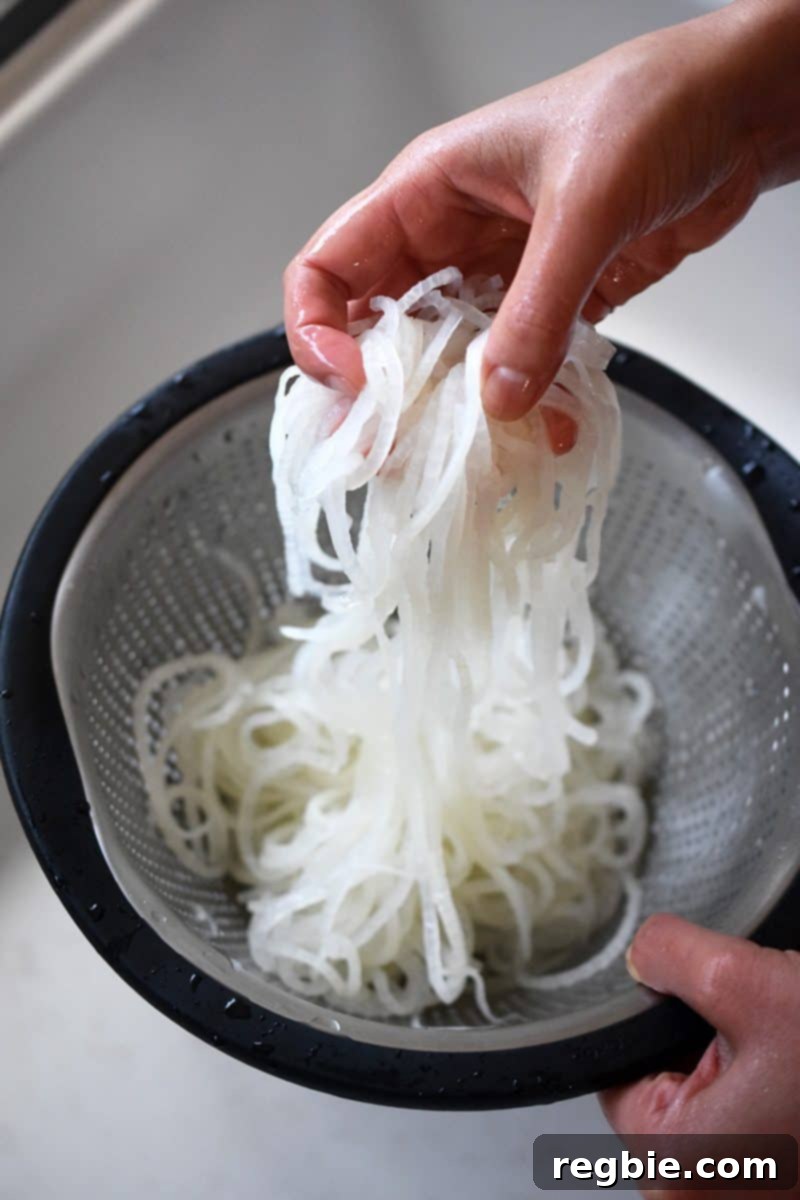
Once the daikon noodles are thoroughly chilled, retrieve them from the ice bath and place them back into the colander to drain any excess water completely. Ensure they are as dry as possible to prevent a watery salad.
Step 4: Assemble and Serve Your Hiyashi Chuka
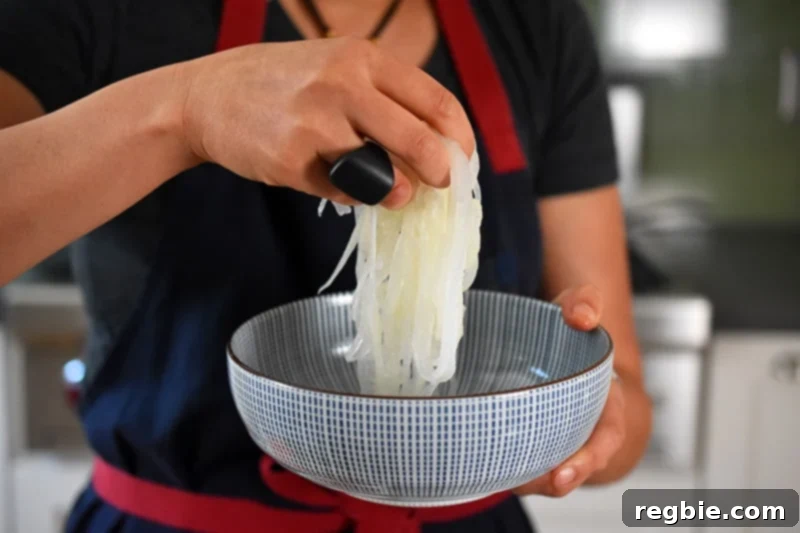
Divide the well-drained, chilled daikon noodles evenly into two large serving bowls, creating a generous base for your salad.
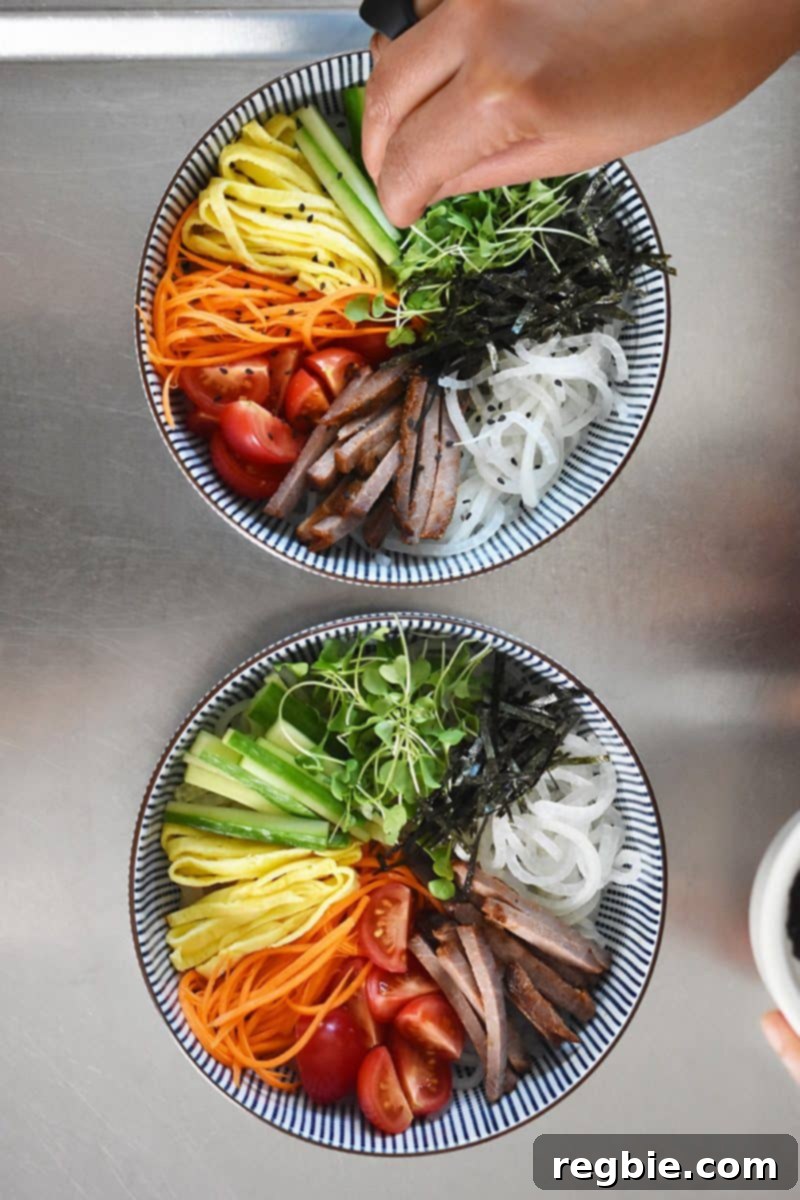
Artfully arrange your prepared toppings over the daikon noodles. This includes the sliced Paleo Char Siu (or your chosen protein), quartered cherry tomatoes, matchstick cucumbers, julienned carrots, a sprinkle of fresh broccoli sprouts, thinly sliced scallions, toasted sesame seeds, and, if desired, shredded toasted nori. Feel free to get creative with your toppings; this is your chance to use whatever fresh, crisp ingredients you have in your fridge!
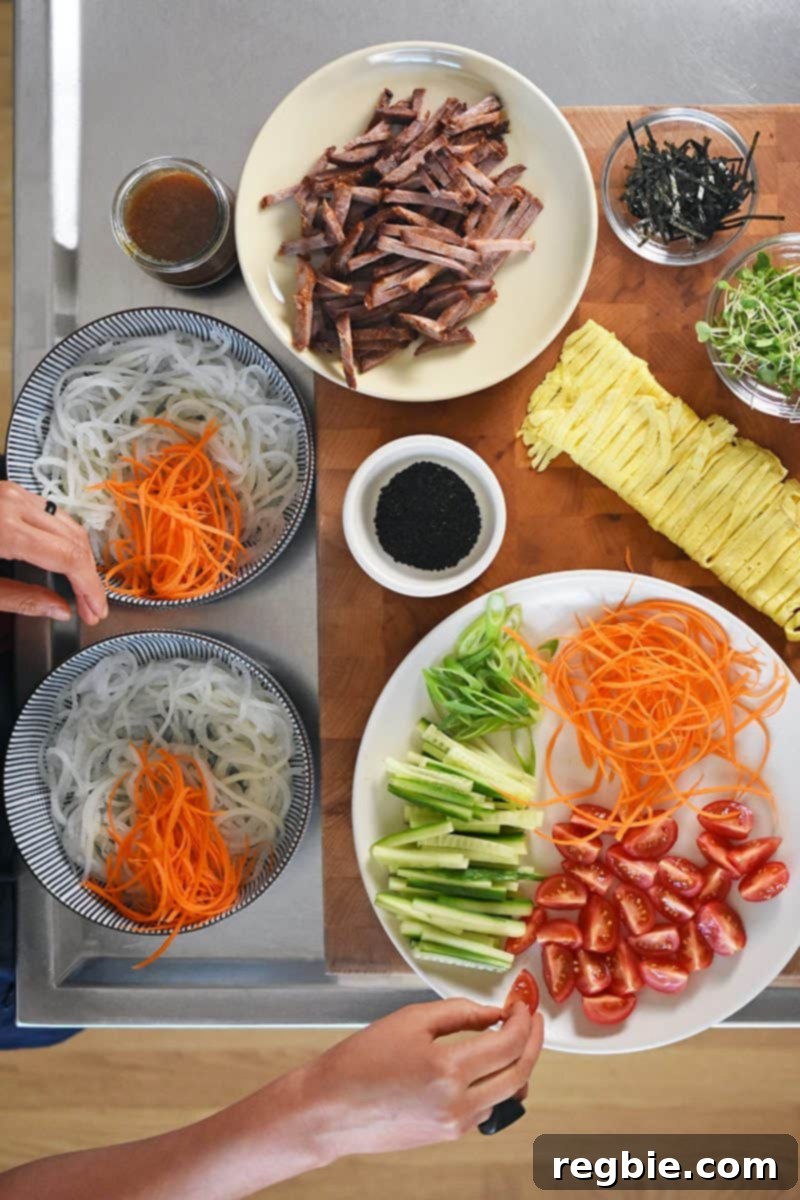
Remember, presentation matters! Take a moment to arrange the ingredients appealingly. We truly do eat with our eyes first, and a beautifully plated dish enhances the entire dining experience.
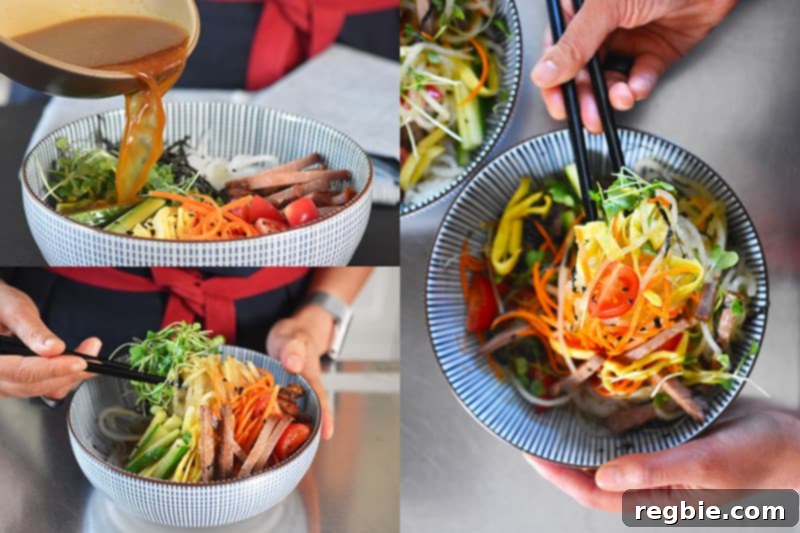
Just before serving, generously pour the prepared All-Purpose Stir-Fry Sauce over each bowl of Hiyashi Chuka. Adjust the amount of sauce to your personal taste preference – some like it saucier, others prefer a lighter dressing. Mix all the components together thoroughly to ensure every noodle and topping is coated with the delicious sauce. Then, get ready to slurp it all down and enjoy this incredibly refreshing and healthy meal!
Maximizing Freshness: How to Save Leftovers
While this Hiyashi Chuka is undeniably best enjoyed fresh, immediately after assembly, we understand that sometimes leftovers are inevitable or meal prep is desired. It’s important to note that the dressed salad doesn’t maintain its prime texture well in the fridge; the delicate vegetables tend to lose their crispness and can become a bit watery once coated in the sauce. The daikon noodles also soften further over time, losing their al dente bite.
However, if you’re keen on making this dish ahead of time for easier future meals, strategic preparation is key. The best approach for preserving freshness is to prep all the individual ingredients up to two days in advance. Store your cooked and sliced protein, julienned vegetables, egg strips, and chilled daikon noodles in separate, airtight containers in the refrigerator. Keep the All-Purpose Stir-Fry Sauce in its own sealed jar. When you’re ready to enjoy your Hiyashi Chuka, simply combine all the prepped components in a bowl, toss them with the sauce, and serve immediately. This method ensures that every element remains fresh, crisp, and bursting with flavor, delivering that delightful cold ramen salad experience whenever you crave it.
Explore More Paleo Japanese Recipes
If you’ve enjoyed the delightful flavors of this Paleo Hiyashi Chuka, you’ll be thrilled to discover more Japanese-inspired dishes that fit perfectly into your healthy lifestyle. These recipes maintain the authentic tastes and textures you love, all while adhering to Paleo and Whole30 guidelines:
- Tsukune (Japanese Chicken Meatballs): Flavorful and juicy meatballs, often grilled and served with a savory-sweet glaze.
- Japanese Potato Salad: A creamy, comforting classic, reimagined without conventional potatoes.
- Gyudon (Japanese Beef Bowl): Tender, thinly sliced beef simmered in a savory sauce, served over a bed of cauliflower rice or other compliant base.
- Oyakodon (Chicken and Egg Bowl): A heartwarming dish featuring tender chicken and soft scrambled eggs, cooked in a savory broth.
- Paleo Tonkatsu (Japanese Pork Cutlet): Crispy, breaded pork cutlets, made with a grain-free coating for a satisfying crunch.
- Beef Wrapped Enoki Mushroom Rolls: Thin slices of beef rolled around delicate enoki mushrooms, then pan-fried to perfection.
Looking for even more innovative and delicious recipe ideas to fuel your healthy journey? Dive into my comprehensive Recipe Index, where a world of flavors awaits! Additionally, you’ll find exclusive, fan-favorite recipes carefully curated in my bestselling cookbooks: Nom Nom Paleo: Food for Humans (Andrews McMeel Publishing 2013), Ready or Not! (Andrews McMeel Publishing 2017), and the latest culinary adventure, Nom Nom Paleo: Let’s Go! (Andrews McMeel Publishing 2022). Each book is packed with practical tips, stunning photography, and mouth-watering dishes designed to make healthy eating both easy and enjoyable.
PRINTER-FRIENDLY RECIPE CARD
Paleo Hiyashi Chuka (Cold Ramen Salad)
Print Recipe
10
10
30
2 servings
Ingredients
- ¼ cup coconut aminos
- 2 tablespoons orange juice
- 1 tablespoon fish sauce
- 1½ teaspoons rice vinegar
- ½ teaspoon garlic powder
- ½ teaspoon ground ginger
- ¼ teaspoon sesame oil
- 2 large eggs
- Diamond Crystal brand kosher salt
- 1 teaspoon ghee or fat of choice
- 1 pound daikon
- ½ pound leftover Paleo Char Siu or your fave cooked protein, sliced into matchsticks
- ½ cup cherry tomatoes cut in quarters
- ½ English cucumber cut into matchsticks
- 1 large carrot cut into thin matchsticks with a knife or julienne peeler
- ¼ cup broccoli sprouts
- 1 scallion thinly sliced on the diagonal
- 1 teaspoon toasted sesame seeds
- 2 tablespoons shredded toasted nori optional
Instructions
-
First, prepare your All-Purpose Stir-Fry Sauce! In a small jar, combine the coconut aminos, orange juice, fish sauce, rice vinegar, garlic powder, ground ginger, and sesame oil. Seal the lid and shake vigorously until well combined. Label the jar and store in the fridge for up to two weeks.
-
When you’re ready to make the hiyashi chūka, fill a large pot with water and bring it to a boil over high heat. While waiting for the water to boil, assemble the remaining ingredients. Crack the eggs into a bowl and add about ¼ teaspoon of kosher salt. Beat the eggs well until fully combined.
-
Heat a large cast iron skillet, griddle, or nonstick pan over medium heat. Add the ghee once hot. Pour in the whisked eggs, gently tilting the pan to form a thin omelet. As soon as it sets, flip and cook the other side for about 30 seconds or until cooked through.
-
Transfer the omelet to a cutting board, fold it into thirds, and thinly slice cross-wise. Set aside.
-
Meanwhile, prepare your daikon. Cut off the ends and peel the skin. Use fat, straight daikon for best spiralizing results; you may only need half of a large one. Spiralize the daikon and set the daikon “ramen” aside.
-
Prepare a large bowl of ice water and a colander. This setup is crucial for quickly draining and chilling the daikon noodles, as they cook very fast.
-
Once the pot of water is boiling, add a large pinch of salt. Transfer the spiralized daikon noodles to the boiling water and stir well. Cook for 1-2 minutes until soft but still al dente.
-
Immediately drain the daikon noodles and transfer them to the ice water bath. Once chilled, remove them and place back in the colander to drain completely.
-
Divide the daikon noodles into two large bowls. Top with Paleo Char Siu, tomatoes, cucumber, carrots, broccoli sprouts, scallions, sesame seeds, and nori. Feel free to use any other desired toppings you have on hand!
-
Pour on the All-Purpose Stir-Fry Sauce just before serving, adjusting the amount to your taste. Mix everything up thoroughly, and enjoy your refreshing cold ramen salad!
Video
For a visual guide on preparing this delicious Paleo Hiyashi Chuka, watch the recipe video below!
Notes
Nutrition
Carbohydrates: 37g |
Protein: 29g |
Fat: 12g |
Fiber: 6g
Nutrition information is automatically calculated and should only be used as an approximation.