
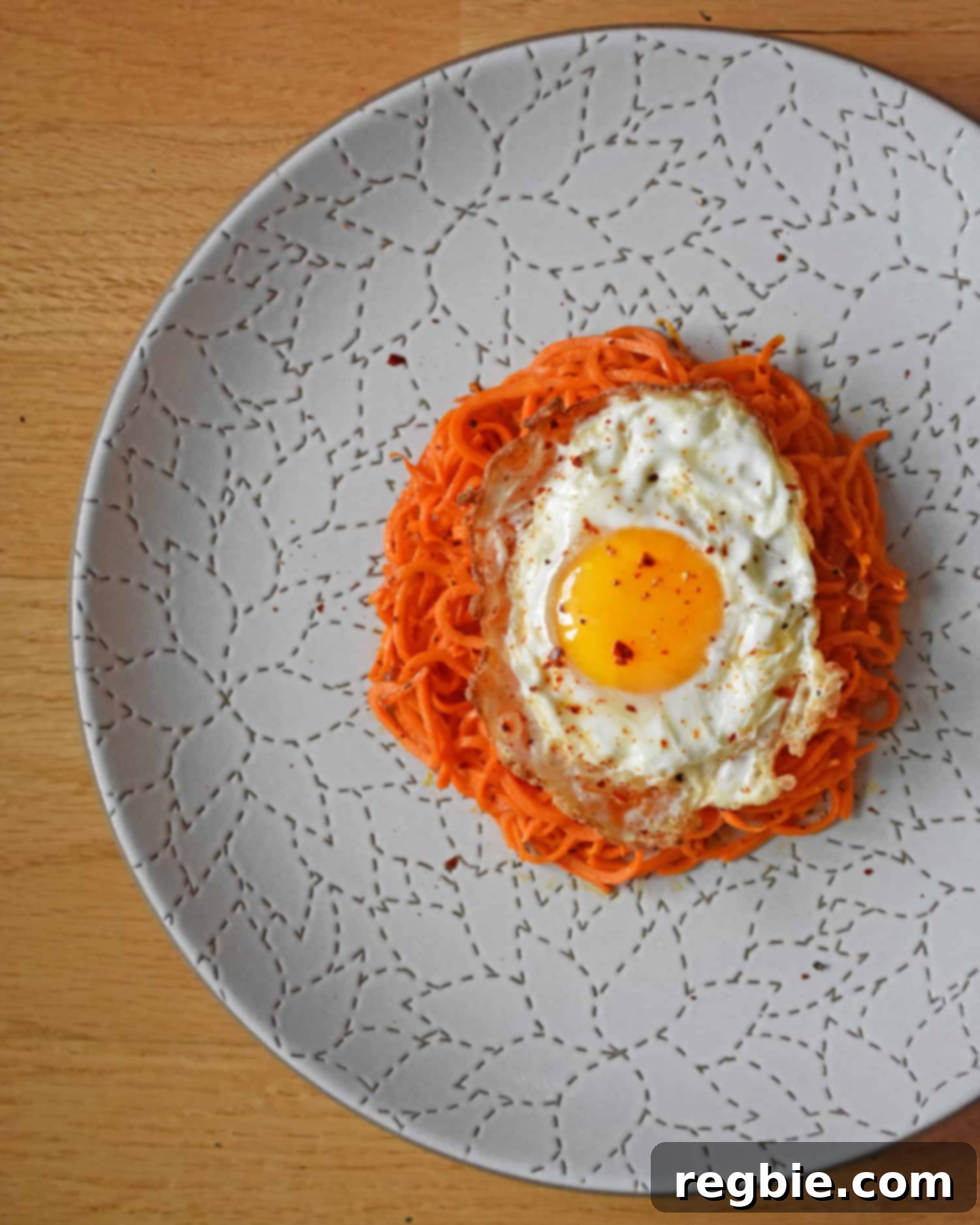
Effortless Sweet Potato Hash with Fried Eggs: Your Ultimate One-Pan Breakfast (or Dinner!)
There’s simply nothing quite as satisfying as a perfectly cooked sweet potato hash. But what truly elevates it from a delightful side dish to a complete, nourishing meal? The golden addition of crispy-edged, runny-yolked fried eggs! This recipe transforms humble ingredients into a vibrant, flavorful experience that’s both incredibly easy to prepare and wonderfully versatile. Whether you’re fueling up for a busy morning or looking for a quick, wholesome dinner, this one-pan wonder is designed for maximum flavor with minimal fuss. And for those following specific dietary paths, rejoice—this dish can be easily adapted to be Whole30 compliant, making it a stellar choice for a healthy lifestyle.
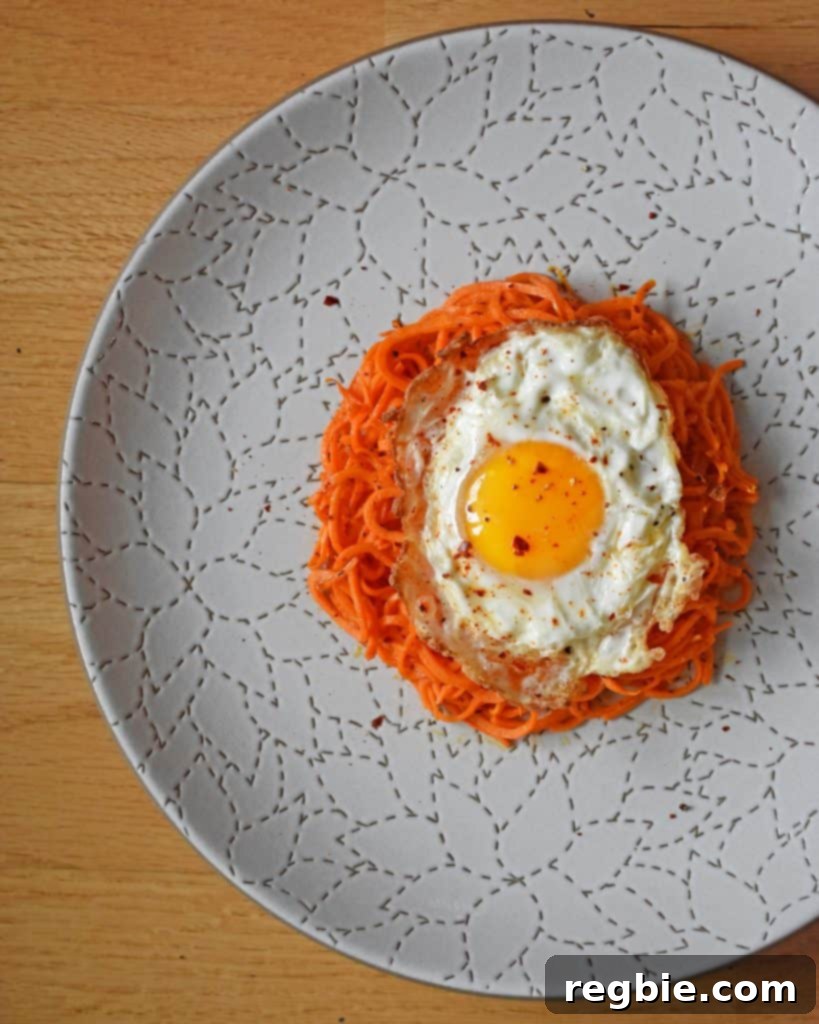
Unlock Flavor and Convenience with This Simple Sweet Potato Hash
Imagine a breakfast (or any meal, really) that’s bursting with natural sweetness, savory spices, and rich protein, all prepared in a single pan. That’s the promise of this sweet potato hash with fried eggs. It’s more than just a meal; it’s a smart choice for anyone seeking a delicious, healthy, and incredibly quick option.
The beauty of this recipe lies in its simplicity and speed. If you have a kitchen gadget like a food processor or a spiralizer, you can have this delightful plate ready in under 15 minutes! These tools significantly cut down on prep time, allowing you to enjoy a gourmet-style meal even on the busiest days. But don’t worry if you don’t have them; a good old-fashioned box grater will work just fine, though it might take a few extra minutes.
Sweet potatoes are nutritional powerhouses, packed with vitamins, fiber, and complex carbohydrates that provide sustained energy. When pan-fried, they develop a delightful caramelization and tender texture, forming the perfect bed for perfectly cooked eggs. This combination creates a balanced dish that satisfies both your taste buds and your body’s needs. For a truly complete meal, you can top it with a couple of sunny-side-up eggs, transforming it into a hearty breakfast or a light yet fulfilling supper. Feeling adventurous? Mix in some crumbled bacon, cooked sausage, or shredded chicken to boost the protein even further and add another layer of flavor. Don’t be shy about adjusting the seasonings to match your palate—this recipe is all about making it your own. Get ready to declare sweet potato hash a winner in your kitchen!
Essential Ingredients for Your Perfect Hash
Crafting a truly exceptional sweet potato hash with fried eggs begins with selecting the right ingredients. Each component plays a vital role in achieving that balance of flavor, texture, and nutrition. Here’s a closer look at what you’ll need and why these choices make a difference.
For the Sweet Potato Hash
- Garnet Sweet Potato: These orange-fleshed sweet potatoes are ideal for hash due to their vibrant color, inherent sweetness, and consistent texture. They cook relatively quickly and become delightfully tender inside while crisping up beautifully on the outside. While garnet varieties are widely available, feel free to experiment with other sweet potato types like Jewel or Hannah, though cooking times and sweetness may vary slightly.
- Garlic Powder: For those mornings when every second counts, garlic powder is a true hero. It provides a foundational aromatic flavor without the need for mincing fresh garlic, saving you precious prep time. If you prefer, one clove of freshly minced garlic can be substituted; just be sure to add it to the pan after the sweet potatoes have cooked for a few minutes to prevent burning.
- Onion Powder: Similar to garlic powder, onion powder offers a quick and easy way to infuse a savory, pungent depth into your hash. It integrates seamlessly into the seasoning mix, ensuring every bite is flavorful. If using fresh onion, mince half a small onion and sauté it in the pan for 2-3 minutes before adding the sweet potatoes.
- Dried Herbs: This is where you can truly personalize your hash. A blend of dried basil, thyme, rosemary, or oregano will add an aromatic complexity. An all-purpose blend like Italian seasoning or Herbs de Provence works wonderfully. Don’t hesitate to use whatever dried herbs you have on hand – a little sprinkle goes a long way in enhancing the overall flavor profile.
- Cooking Fat of Choice: The right fat is crucial for both flavor and achieving that desirable crispy texture.
- Avocado Oil: A neutral-flavored oil with a high smoke point, perfect for pan-frying and ideal for Whole30.
- Ghee: Clarified butter that imparts a rich, nutty flavor and has a higher smoke point than regular butter, making it another excellent Whole30-friendly option.
- Lard: Offers a deeply savory flavor and superior crisping abilities, especially if you’re aiming for a rustic, traditional taste.
- Olive Oil: A classic choice, providing a fruity note. Opt for a regular or light olive oil for cooking, as extra virgin olive oil has a lower smoke point.
- Diamond Crystal Kosher Salt: Essential for seasoning to taste. Kosher salt provides a clean, briny flavor that enhances all the other ingredients. Adjust according to your preference.
- Freshly Ground Black Pepper: Adds a sharp, pungent kick that complements the sweetness of the potatoes and the richness of the eggs. Always use freshly ground for the best aroma and flavor.
- Aleppo Pepper (optional): For a mild, fruity heat that’s less intense than traditional crushed red pepper flakes. Aleppo pepper adds a beautiful color and a subtle warmth without overpowering the dish. Regular crushed red pepper flakes can be used as a direct substitute if you prefer a stronger kick.
For the Eggs
- Large Eggs: Plan for at least 2 large eggs per serving to ensure a satisfying and protein-rich meal. Fresh, high-quality eggs with vibrant yolks will offer the best taste and texture.
- Cooking Fat of Choice: A small amount of cooking fat is necessary for frying the eggs. Ghee is particularly recommended here for its buttery flavor and ability to create beautifully crispy edges. Avocado oil also works wonderfully.
- Kosher Salt: A pinch of salt on your eggs brings out their natural flavor.
- Freshly Ground Black Pepper: A dash of pepper adds a simple yet effective seasoning.
- Aleppo Pepper (optional): A final sprinkle of Aleppo pepper over the finished eggs adds a lovely visual touch and a hint of gentle warmth.
Mastering Sweet Potato Hash and Fried Eggs: A Step-by-Step Guide
Creating this delicious and wholesome meal is surprisingly straightforward. Follow these steps to achieve perfectly tender-crisp sweet potato hash and impeccably fried eggs every time.
1. Prepare Your Sweet Potatoes
Start by gathering your sweet potatoes. The quantity will depend on how many people you’re serving; typically, one large sweet potato is sufficient for two servings of hash. Carefully peel the sweet potatoes, then cut them lengthwise into manageable pieces that will fit into the feeding tube of your food processor. If you’re using a julienne slicer blade, attach it to your machine and process the sweet potatoes into uniform shreds. This method is incredibly fast and yields perfectly sized pieces for the hash.
Alternatively, if you own a spiralizer, you can create long sweet potato “noodles” which cook up wonderfully and offer a slightly different texture. While grating by hand is possible, it can be more time-consuming and carries a higher risk of injury, so proceed with caution. The goal is consistent, thin strands or small pieces that will cook evenly.


2. Season the Sweet Potatoes
Once shredded, transfer the sweet potatoes to a large mixing bowl. Add a generous pinch of kosher salt, several turns of freshly ground black pepper, a few shakes of garlic powder, a couple of dashes of onion powder, and a sprinkle of your chosen dried herbs (such as basil, thyme, or oregano). Toss everything together thoroughly, ensuring the seasonings are evenly distributed throughout the sweet potato strands. This step is crucial for building flavor from the ground up. If you’re opting for fresh aromatics, this is the stage to incorporate them, after having lightly sautéed them if necessary. Taste a small raw piece of the seasoned sweet potato mixture and adjust the seasoning as needed before cooking; this prevents blandness and allows you to customize the flavor profile.

3. Cook the Sweet Potato Hash
Heat your chosen cooking fat (avocado oil, ghee, lard, or olive oil) in a large cast iron skillet over medium heat. Cast iron is excellent for hash because it retains heat well and helps create a beautiful crust. You know the fat is ready when it begins to shimmer. Carefully add the seasoned sweet potatoes to the hot pan.
Initially, toss and stir-fry the sweet potatoes for about a minute to coat them evenly in the hot fat and begin the cooking process. Then, place a lid on the skillet and allow the yams to cook for another 5-7 minutes. This steaming action helps to tenderize the sweet potatoes quickly. After this initial cook, remove the lid and continue to cook, stirring occasionally, for an additional 5-10 minutes until the hash develops some delightful crunchy, browned bits and the sweet potatoes are soft and tender throughout. The varying textures—from crispy edges to creamy interiors—are what make this hash truly irresistible.

4. Prepare the Fried Eggs
While the hash finishes cooking, you can begin preparing your eggs. For perfect sunny-side-up eggs, add a tablespoon of ghee or avocado oil to a separate hot 8-inch cast iron skillet over medium-low heat. The lower heat helps achieve tender whites and a perfectly runny yolk without overcooking. Once the fat shimmers, gently crack two eggs into a small bowl first, then carefully pour them into the hot pan. This helps prevent shell fragments and ensures a gentle entry.
Season the eggs immediately with a pinch of kosher salt and freshly ground black pepper. Cover the skillet with a lid for 2-3 minutes. The lid traps steam, which helps to cook the tops of the eggs gently, setting the whites while leaving the yolks wonderfully runny. Adjust the cooking time based on your preference for yolk doneness—cook for slightly longer if you prefer jammy or firmer yolks.

5. Assemble and Serve
Once both the hash and the eggs are ready, it’s time to assemble your delicious meal. You can enjoy the hash by itself, perhaps with a dash of Aleppo pepper for a simple yet flavorful side. However, to transform it into a complete and well-rounded dish, split the hash into two servings on your plates.
Carefully slide the perfectly fried eggs out of the skillet and onto each mound of hash. The rich, runny yolk will beautifully meld with the savory hash, adding an incredible creaminess and a boost of protein and healthy fats. Repeat this process for any remaining eggs. Finish your masterpiece with another sprinkle of Aleppo pepper for color and a touch of warmth, or add some fresh chopped parsley or chives for brightness.
And just like that, you’re done! A delicious, nutritious, and satisfying meal is ready to be devoured. This sweet potato hash with fried eggs is not only a feast for the eyes but also a comforting, wholesome dish that will quickly become a household favorite.
Looking for more recipe ideas to explore? Head on over to my Recipe Index for a treasure trove of culinary inspiration. You’ll also find exclusive recipes and detailed cooking insights in my acclaimed cookbooks: Nom Nom Paleo: Food for Humans (Andrews McMeel Publishing 2013), Ready or Not! (Andrews McMeel Publishing 2017), and Nom Nom Paleo: Let’s Go! (Andrews McMeel Publishing 2022). Happy cooking!
Sweet Potato Hash and Fried Eggs Recipe
10 mins
15 mins
25 mins
2 servings
Michelle Tam
What’s better than sweet potato hash? Sweet potato hash with fried eggs! If you’ve got a food processor or spiralizer, make this incredibly flavorful and satisfying breakfast pronto!
Ingredients
For the hash:
- 1 large garnet yam (I use the term yam and sweet potato interchangeably)
- 1 big pinch of kosher salt
- Several turns of freshly ground black pepper
- A few shakes of garlic powder
- A couple of dashes of onion powder
- A sprinkle of dried herbs (I used Penzeys Parisien Bonnes Herbes)
- 2 tablespoons fat of choice (I used lard)
- Aleppo pepper (optional)
For the eggs:
- 4 large eggs (2 per serving)
- 1 tablespoon ghee or avocado oil
- Kosher salt
- Freshly ground black pepper
- Aleppo pepper (optional)
Instructions
- Grab a yam or seven, depending on how many folks you’ll be feeding.
- Peel and cut the yam lengthwise so the slices fit in the feeding tube of your food processor. Attach the julienne slicer blade to the machine and shred the yams. (Alternatively, you can use a spiralizer to make sweet potato “noodles.”)
- Transfer the shredded yams to a large bowl and toss with salt, pepper, garlic and onion powders, and dried herbs. You can definitely substitute fresh alliums and herbs if you’ve got them. Taste the mixture and adjust the seasoning.
- Heat the fat in a large cast iron skillet over medium heat. When the oil is shimmering, add the seasoned sweet potatoes/yams.
- Toss everything in the fat and stir-fry for a minute. Then, pop on a lid for a few more minutes while the yams cook. The hash is ready when there’s some crunchy brown bits and texture is soft and tender.
- You can plate it up with a dash of Aleppo pepper and gobble up the hash by itself, or you can split the hash into two servings and top each dish with a couple of sunny-side-up eggs. The addition of the eggs brings a wonderful richness to the hash, making this a full and well-rounded dish with plenty of fat and protein to go with the carbs.
- Add a tablespoon of ghee to a hot 8-inch cast iron skillet over medium-low heat. When the fat shimmers, crack two eggs into a bowl and pour ‘em gently into the hot pan.
- Season the eggs with salt and pepper, and cover with a lid for 2-3 minutes, depending on how runny you like your yolks.
- Once they’re done, carefully slide them out of the skillet and on top of a mound of hash. Repeat with the remaining eggs. Sprinkle some more Aleppo pepper on top.
Notes
Feel free to change up the seasoning with whatever you have on hand!
Nutrition
Calories:
574
kcal
|
Carbohydrates:
60
g
|
Protein:
14
g
|
Fat:
31
g
|
Fiber:
9
g
Nutrition information is automatically calculated, so should only be used as an approximation.
Enjoyed this recipe? Share your thoughts below!
Your feedback helps us create more delicious content.