
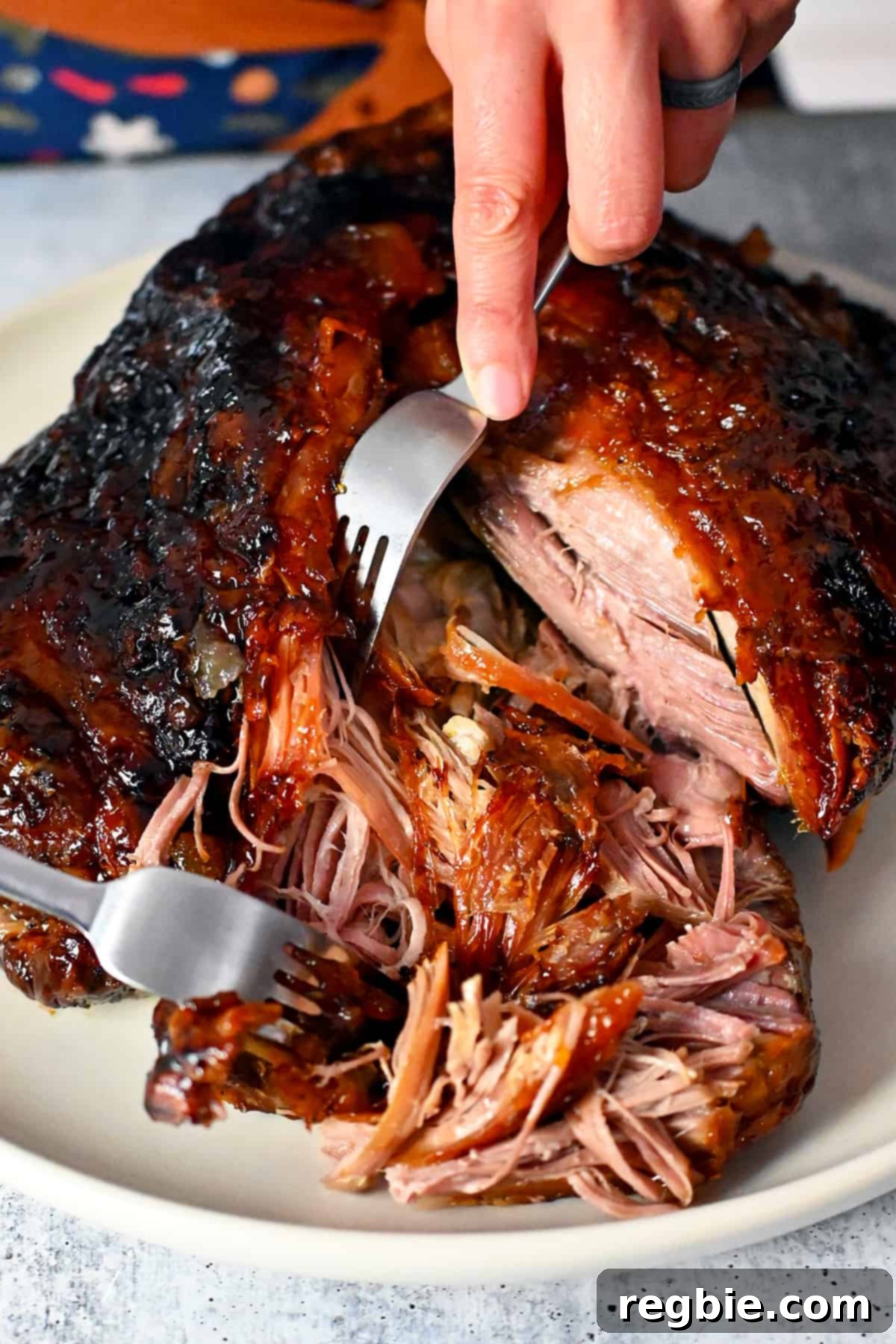
Prepare to tantalize your taste buds with this incredible Slow Roasted Pork Shoulder, generously coated in a sticky and savory Peach Barbecue Glaze. This six-ingredient wonder is designed for maximum flavor with minimal effort, resulting in a perfectly juicy, fork-tender roast that will impress any crowd. Best of all, it aligns with a variety of dietary needs, being completely Paleo, Gluten-Free, and Whole30 compatible. Forget dry, tough pork – this recipe guarantees a succulent, melt-in-your-mouth experience every time.
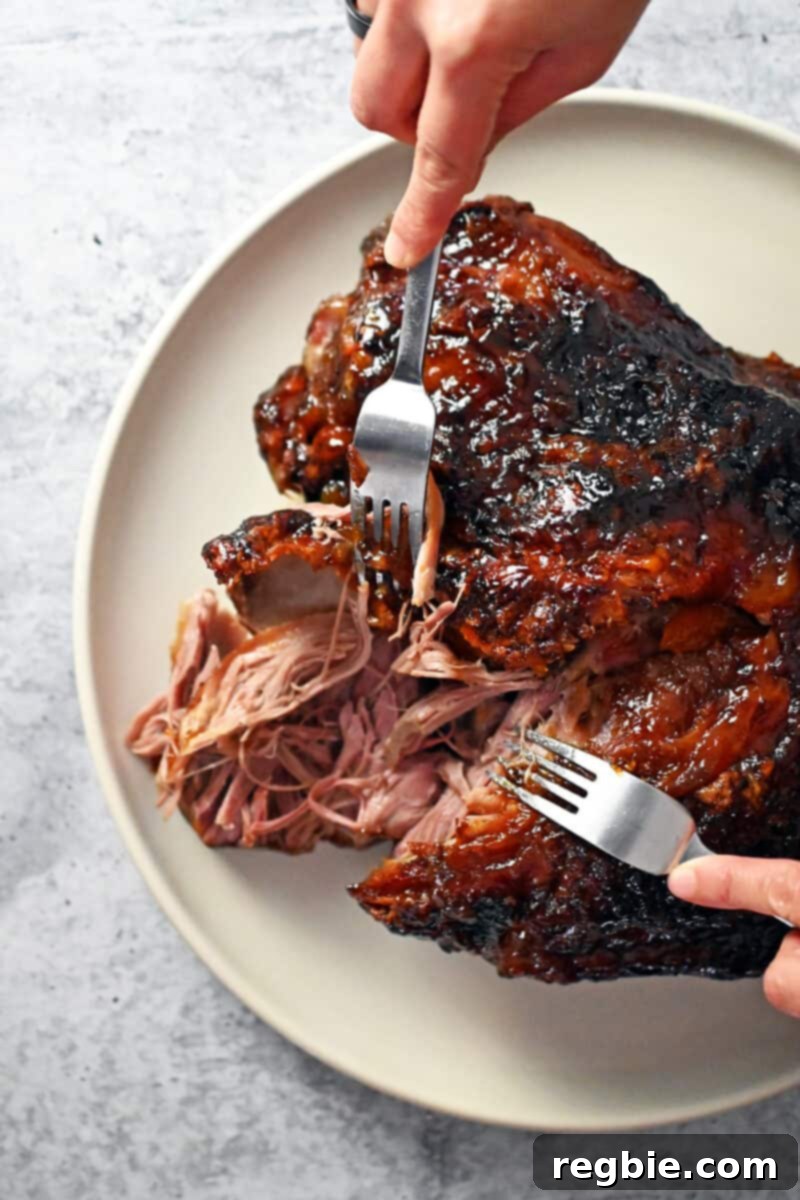
Table of Contents
- Effortless Elegance: A True Crowd Pleaser!
- Mastering the Perfect Pork Shoulder Roast: Expert Tips
- The Six Simple Ingredients for Success
- Step-by-Step Guide to Slow Roasted Pork Shoulder
- Preparing Your Pork Roast for Maximum Flavor
- The Art of Slow Roasting in the Oven
- Crafting the Irresistible Peach Barbecue Sauce
- Glazing for Golden Perfection
- The All-Important Rest
- What to Serve with Your Succulent Pork Shoulder
- Storing and Repurposing Leftovers
- Creative Uses for Leftover Pork Shoulder
- More Fabulous Pork Shoulder Recipes to Explore
- Easy Pork Shoulder Roast with Peach Glaze Recipe Card
Effortless Elegance: A True Crowd Pleaser!
For years, I’ve perfected the art of slow-cooking pork shoulder in the oven, meticulously experimenting with varying times and temperatures to achieve the ultimate result. This particular recipe stands out as the absolute BEST method for a consistently delicious, nomtastic roast pork shoulder. The beauty lies in its simplicity: a generous salting of a robust pork shoulder roast overnight, a crack of fresh black pepper, and then a leisurely slow roast in the oven for approximately 5 to 6 hours. While your pork transforms into tender perfection, you’ll whip up a ridiculously easy peach barbecue sauce using just three core ingredients. This luscious glaze is brushed on during the final 30 minutes of cooking, creating a beautiful, caramelized crust. This process is virtually foolproof, ensuring that everyone at your table will be raving about this incredible dish!
The magic of slow roasting pork shoulder is that it breaks down tough connective tissues, rendering the meat incredibly tender and moist. When combined with our simple yet flavorful peach glaze, it elevates a humble cut of meat into a spectacular centerpiece that looks and tastes like you spent hours slaving away, when in reality, the oven did most of the work for you. It’s the ideal solution for entertaining, holiday meals, or simply feeding a large family without stress.
Mastering the Perfect Pork Shoulder Roast: Expert Tips
Achieving a truly outstanding slow roasted pork shoulder isn’t complicated, but a few key practices can elevate your results from good to absolutely phenomenal. Follow these expert tips for a juicy, tender, and incredibly flavorful roast every time:
- Source High-Quality, Bone-In Pork Shoulder: The foundation of any great roast is quality meat. Seek out a bone-in pork butt roast (also known as Boston butt) from a reputable butcher. This cut is highly marbled with fat and usually comes with a fat cap intact, both of which are crucial for moisture and flavor. A bone-in roast contributes significantly to the succulence and even cooking, ensuring perfectly tender meat. Avoid picnic shoulder if possible, as it tends to be leaner and has a different texture.
- Salt the Pork Ahead of Time (Dry-Brine): This step is non-negotiable for maximum flavor and juiciness. Dry-brining allows the salt to penetrate deep into the meat, tenderizing it and enhancing its natural flavors. The longer you can dry-brine – ideally 12 to 48 hours – the more flavorful and moist your pork will be. Don’t skip this, it’s a game-changer!
- Utilize a Sturdy Roasting Pan with a Rack: A whole pork shoulder is a substantial piece of meat, demanding a robust roasting pan. A flimsy baking sheet simply won’t suffice. A sturdy pan with high sides is essential not only for stability but also because you’ll be adding water to the bottom. The rack ensures even heat circulation around the entire roast and keeps the pork from sitting in its own juices, promoting a better crust. If a dedicated roasting pan isn’t available, a large, heavy-duty, oven-safe skillet can serve as an adequate substitute.
- Embrace the “Low and Slow” Cooking Method: Patience is a virtue when it comes to pork shoulder. This cut is rich in collagen, which requires a long, slow cooking process to break down into gelatin, resulting in that desirable fork-tender texture. Resist the temptation to crank up the heat to speed things along. Through extensive experimentation, I’ve found that 325°F is the optimal maximum temperature to maintain quality without drying out the meat. High initial or final blasts of heat are unnecessary and will only lead to a less tender, drier roast.
- Apply the Barbecue Glaze Towards the End: While it might be tempting to slather on that delicious peach barbecue sauce from the start, don’t! Sugar in the jam will burn if exposed to high heat for too long, leading to a bitter, unappealing crust. The secret is to brush on the glaze only during the final 30 minutes of cooking. This allows the sauce to caramelize beautifully without scorching. Furthermore, remember to reserve a small amount of glaze to brush on the roast immediately after it comes out of the oven, while it’s resting. This adds an extra layer of glossy, fresh flavor.
The Six Simple Ingredients for Success
The beauty of this recipe lies in its minimalist yet impactful ingredient list. Each component plays a crucial role in creating a balanced, flavorful, and incredibly tender pork shoulder. Here’s a closer look at what you’ll need:
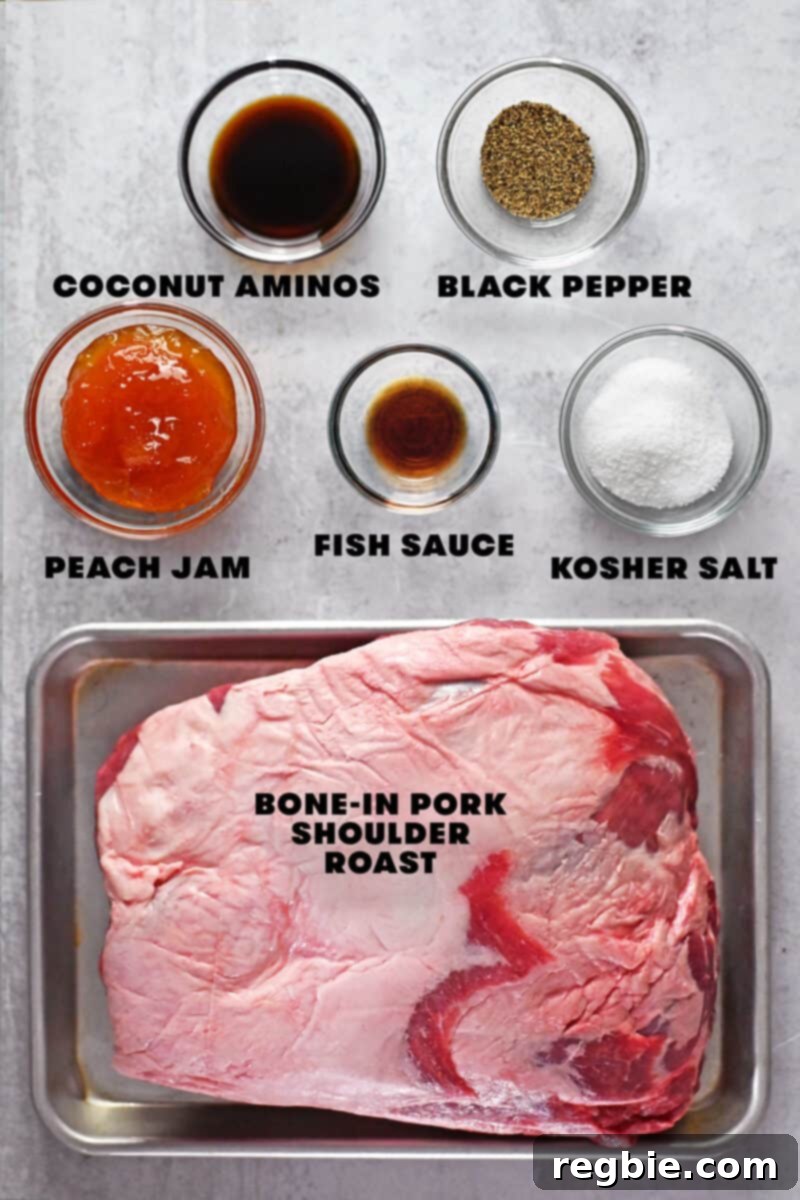
- 8- to 10-pound Bone-In, Whole Pork Shoulder Roast: For the absolute best results, I highly recommend a bone-in pork butt roast, sometimes called Boston butt. This specific cut is incredibly well-marbled with intramuscular fat, which renders during slow cooking, ensuring a moist and super shreddable final product. The fat cap should be intact, but typically this cut doesn’t include the skin. If you opt for a smaller roast or a boneless cut, be sure to adjust your cooking time accordingly and rely on an internal temperature probe for accuracy. Picnic shoulder, while also part of the pork shoulder, is generally leaner and has a different texture, so pork butt is preferred for this recipe.
- Diamond Crystal Kosher Salt: This is more than just a seasoning; it’s a critical component of the dry-brining process. Diamond Crystal kosher salt is favored by many chefs for its flakey texture, which allows for better control during seasoning and dissolves efficiently. You truly only need salt and pepper for the core seasoning of the pork itself. However, for those seeking an extra layer of complexity, feel free to experiment with a high-quality spice blend, such as the Nom Nom Paleo spice blends.
- Freshly Ground Black Pepper: A simple yet essential seasoning that complements the richness of the pork and the sweetness of the glaze. Always opt for freshly ground pepper for the most vibrant flavor.
- Peach or Apricot Jam: This ingredient is the star of our sticky barbecue glaze, providing natural sweetness and a beautiful fruity tang. To ensure this dish remains Whole30-compatible and free from added sugars, I strongly recommend using brands like St. Dalfour, which sweeten their jams exclusively with fruit juice concentrate. This ensures natural sweetness without the need for brown sugar or honey, keeping the recipe clean and compliant.
- Coconut Aminos: A fantastic soy-free alternative that adds a deep umami flavor and savory depth to our easy barbecue glaze. It provides a slightly sweet and salty profile that beautifully balances the fruit jam.
- Red Boat Fish Sauce: Do not skip this ingredient! It might seem unusual for a peach barbecue sauce, but a small amount of high-quality fish sauce like Red Boat is the secret weapon that elevates this simple 3-ingredient sauce. It doesn’t make the sauce taste “fishy”; instead, it provides an incredible depth of umami, rounding out the flavors and adding a complexity that will leave your guests guessing (and craving more!).
Step-by-Step Guide to Slow Roasted Pork Shoulder
Preparing Your Pork Roast for Maximum Flavor
The initial preparation steps are crucial for ensuring a deeply flavorful and tender roast. Taking the time to score the fat and dry-brine the pork will pay dividends in the final taste and texture.
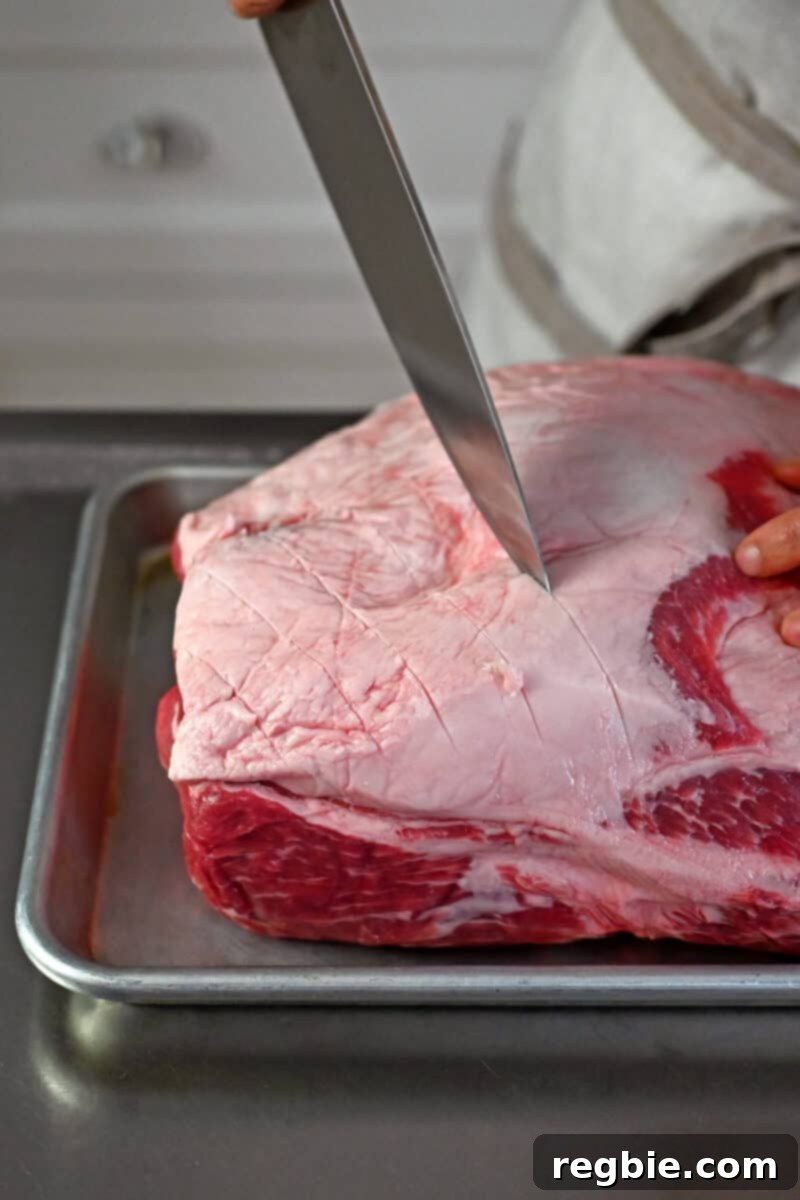
- Score the Fat Cap: Lay your pork shoulder roast fat-side up. Using a sharp knife, carefully score the fat cap in a 1-inch crosshatch pattern. It’s important to cut through the fat but avoid slicing into the meat below. This scoring allows the fat to render more efficiently during cooking, keeping the meat moist and creating a deliciously crispy exterior.
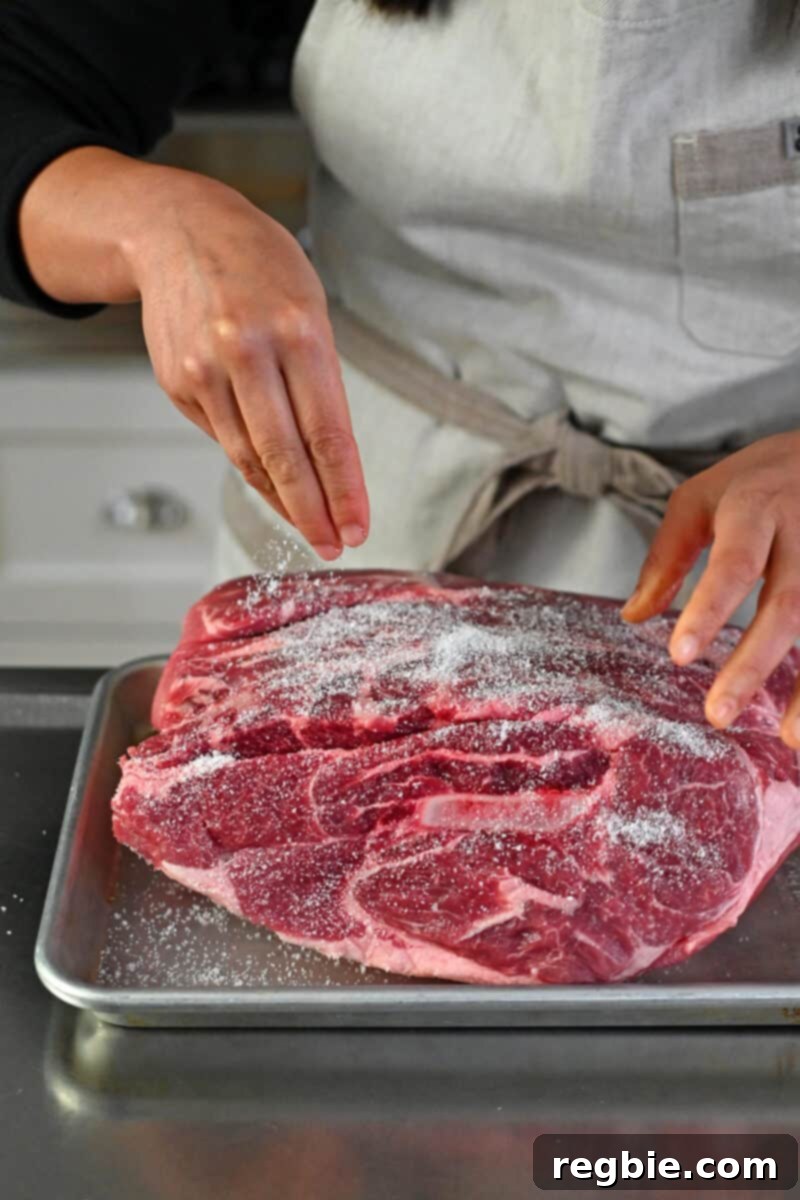
- Dry-Brine the Pork: Generously sprinkle the kosher salt all over the pork roast, ensuring an even coating. Once seasoned, cover the roast tightly with plastic wrap and transfer it to the refrigerator. Allow it to dry-brine for a minimum of 12 hours, and ideally up to 48 hours. This prolonged salting process draws out moisture, then reabsorbs it, seasoning the meat from within and enhancing its tenderness.
The Art of Slow Roasting in the Oven
The “low and slow” method is crucial for transforming a tough cut like pork shoulder into something incredibly tender and moist. Proper setup is key to a successful, hands-off cooking experience.
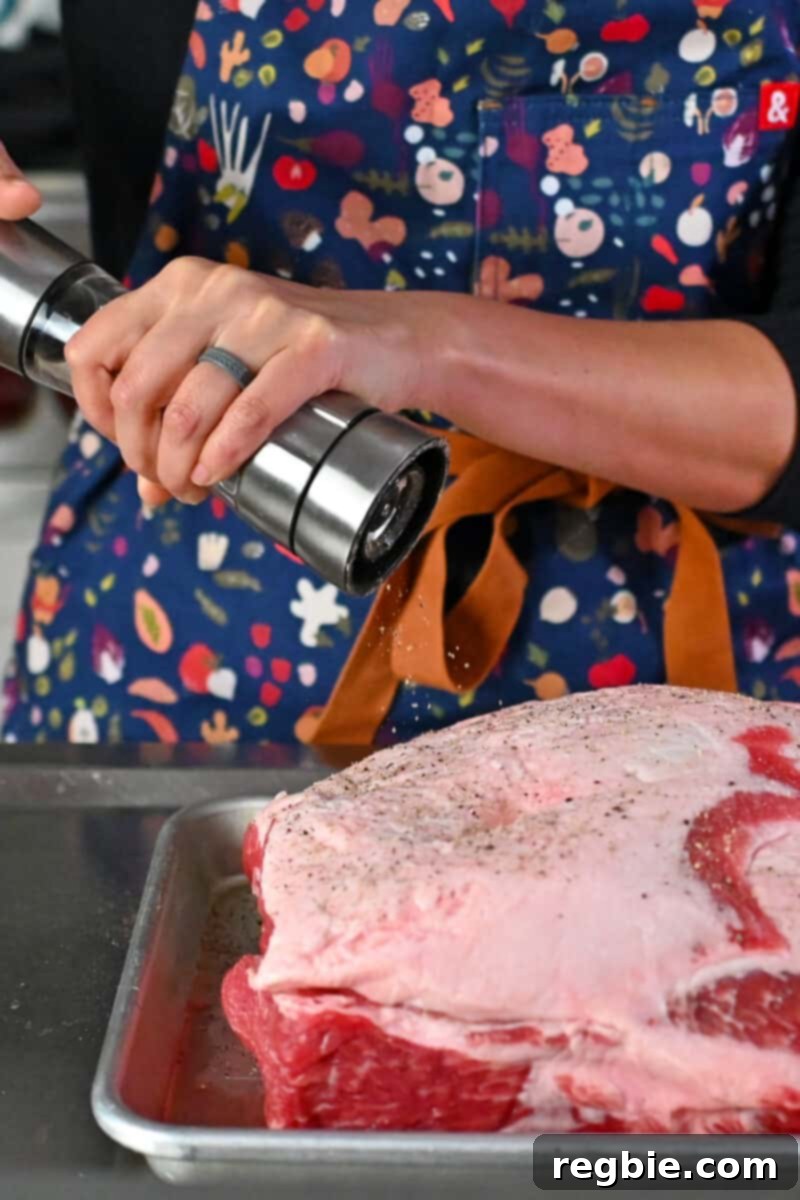
- Preheat and Season: When you’re ready to begin roasting, preheat your oven to 325°F (160°C). Position an oven rack in the lowest possible slot; this ensures even heat distribution for a large roast. While the oven preheats, remove the pork from the refrigerator and pat it dry. Then, generously apply freshly cracked black pepper all over the pork shoulder roast, adding another layer of aromatic flavor.
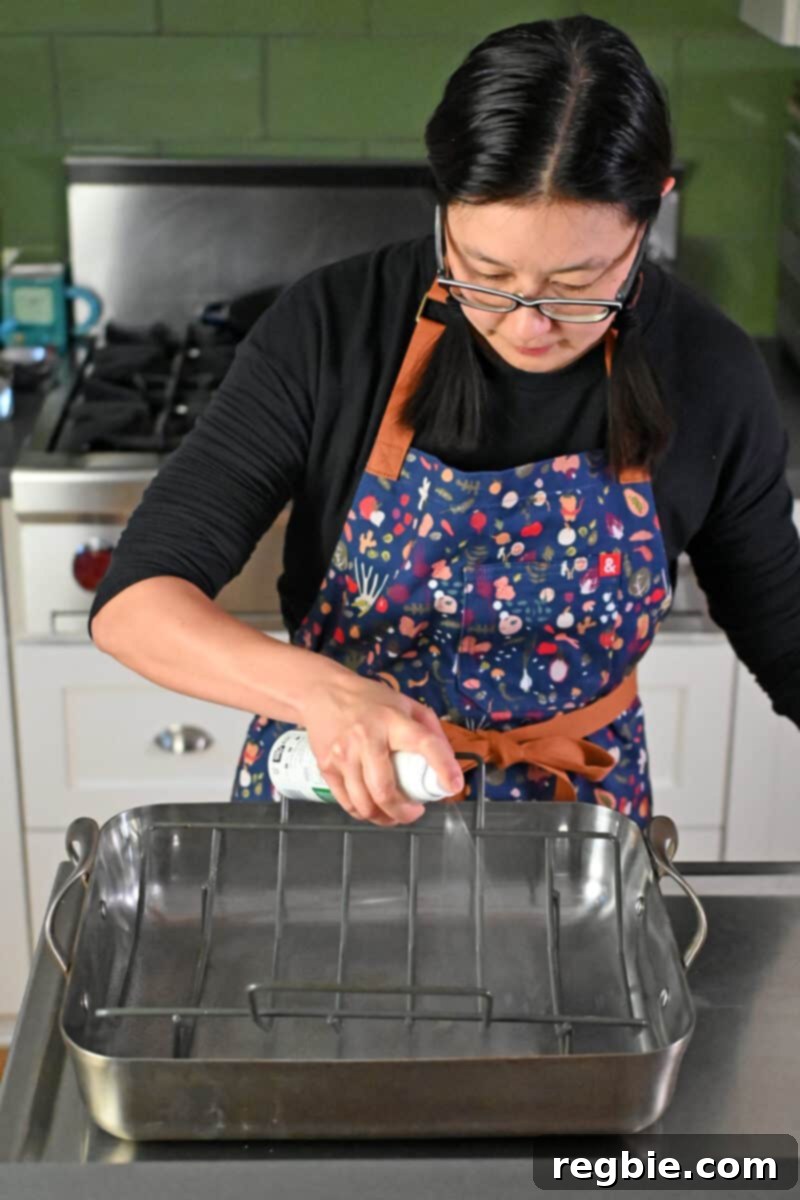
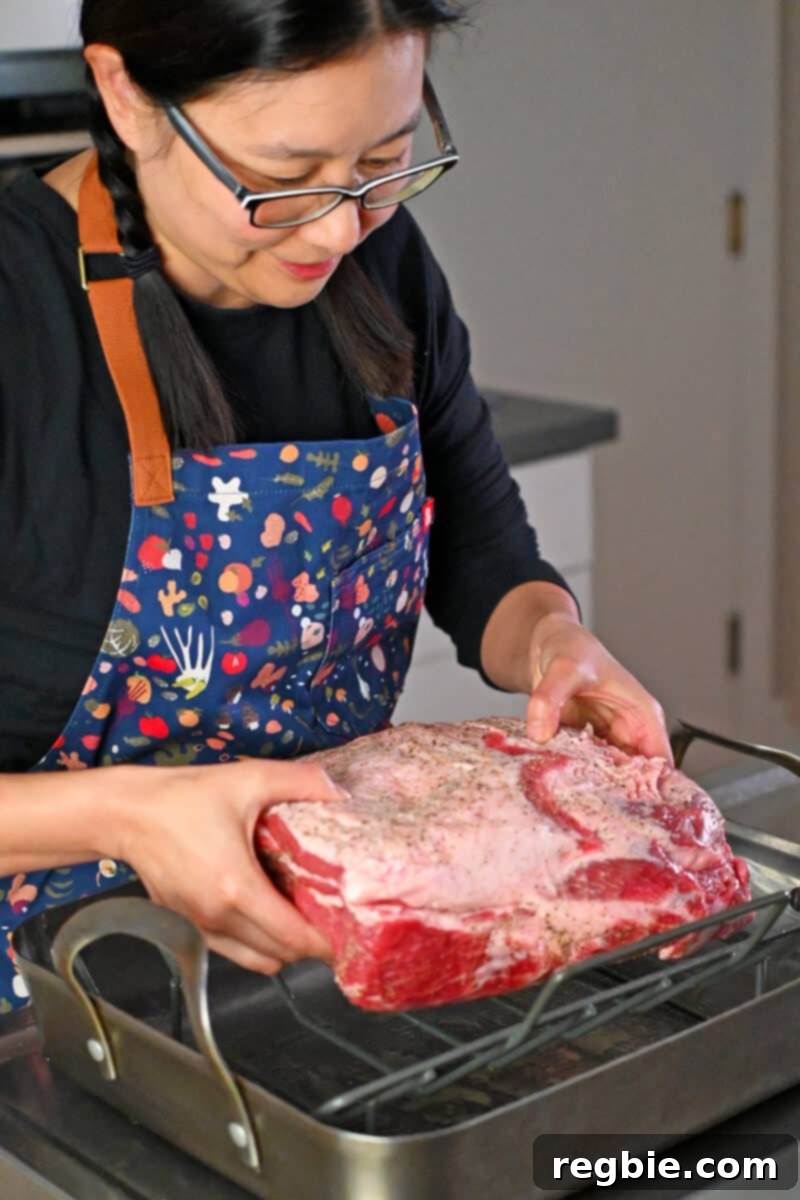
- Prepare the Roasting Pan: Take your sturdy roasting pan and rack. Lightly spray the rack with avocado oil spray or brush it evenly with a thin layer of avocado oil. This prevents the pork from sticking and ensures easy cleanup. Carefully place the seasoned pork shoulder roast, fat-side up, onto the prepared rack in the roasting pan.
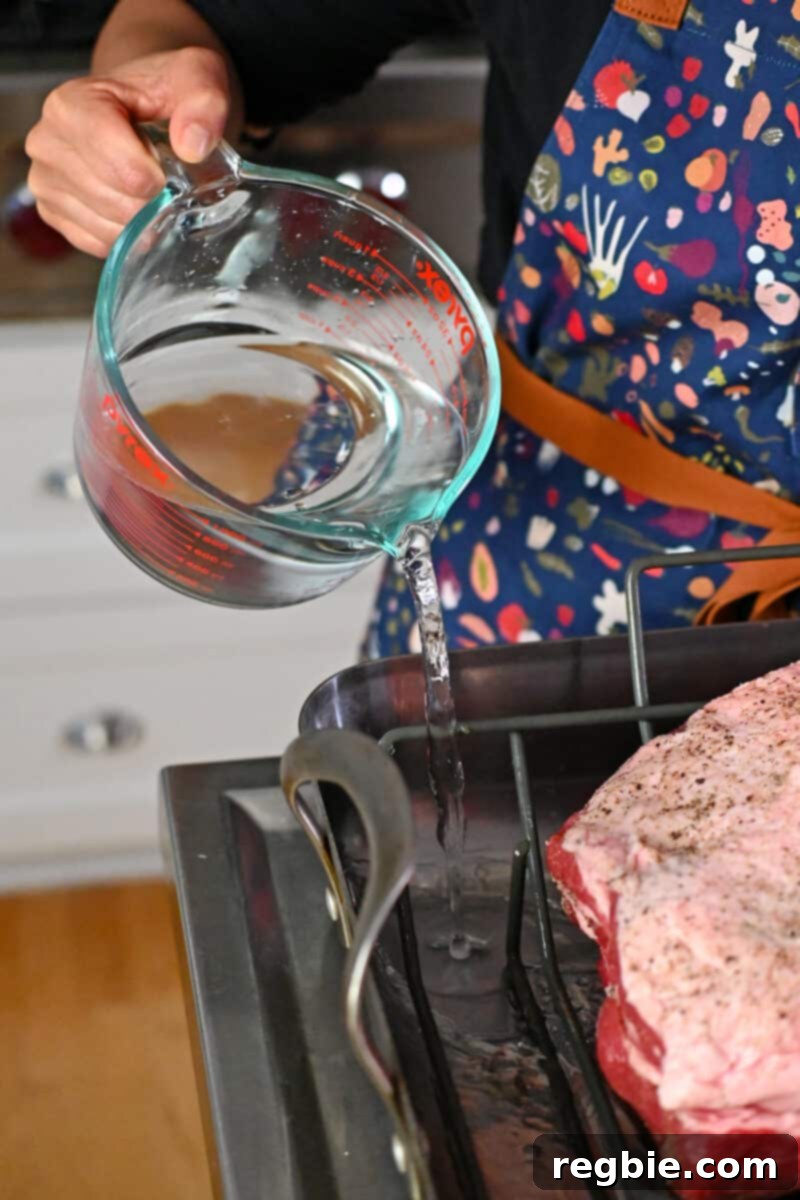
- Add Water to the Pan: Pour approximately 3 cups of water into the bottom of the roasting pan, or just enough to create a thin layer that covers the entire base. This water is vital for several reasons: it prevents the valuable drippings from burning and smoking during the extended roasting time, and it creates a humid environment in the oven, which contributes to a more tender and moist roast.
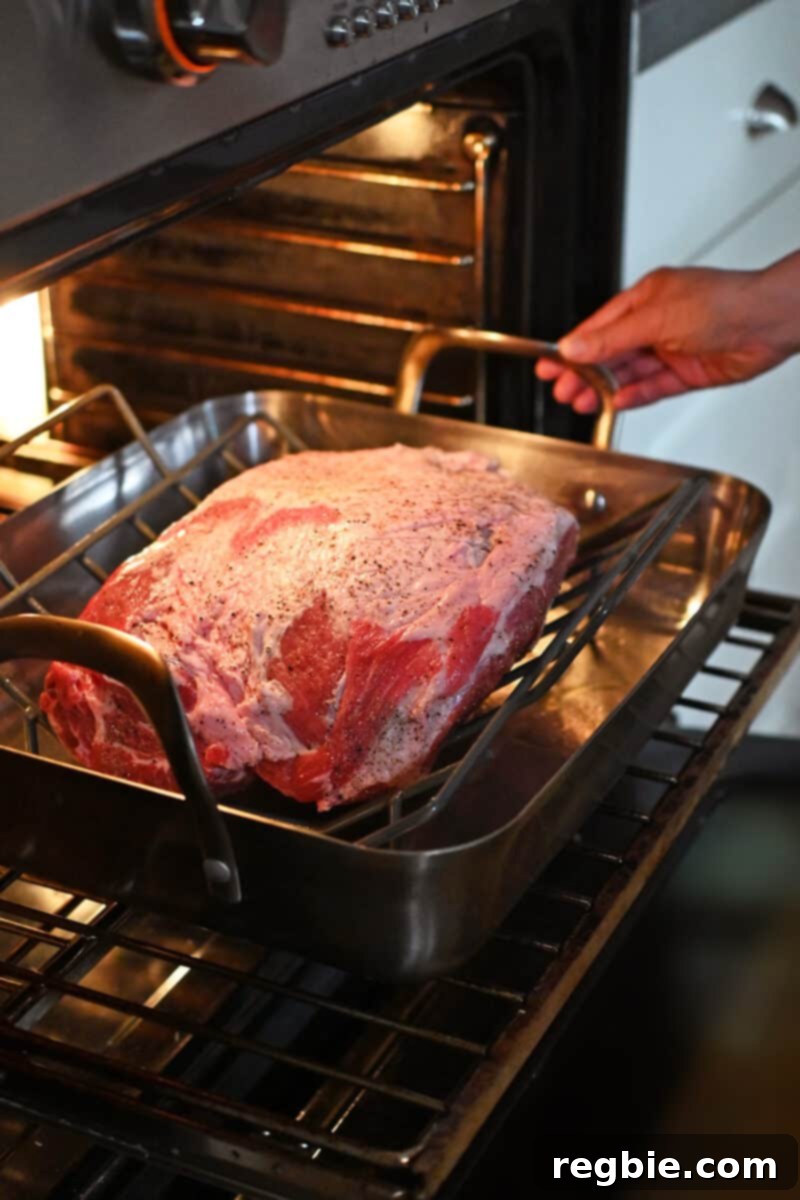
- Begin the Slow Roast: Carefully place the roasting pan with the pork into the preheated oven. Roast for 5 to 6 hours. The pork is ready when a sharp knife can be easily inserted into the thickest part of the meat (avoiding the bone), and an instant-read thermometer registers an internal temperature of 185°F (85°C) near the bone. This temperature indicates that the connective tissues have broken down sufficiently for optimal tenderness.
Crafting the Irresistible Peach Barbecue Sauce
While your pork is slowly roasting to perfection, you’ll have ample time to prepare the simple yet incredibly flavorful peach barbecue glaze. This sauce comes together in minutes and is the secret to the roast’s signature sticky, savory, and sweet finish.
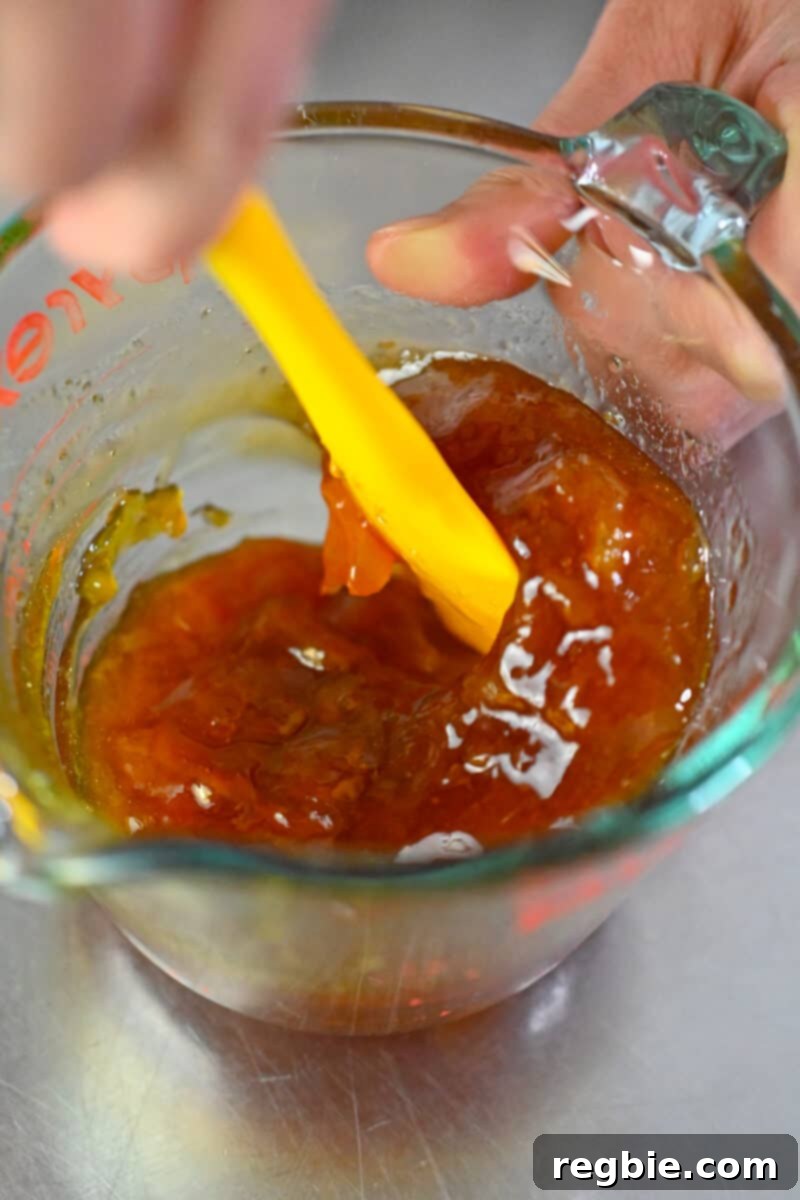
- Mix the Glaze: In a small measuring cup or bowl, combine the peach (or apricot) jam, coconut aminos, and Red Boat fish sauce. Whisk them together until thoroughly blended and smooth. The fish sauce, while a surprising addition, adds a remarkable depth of umami that truly enhances the other flavors without making the sauce taste overtly “fishy.” Once mixed, measure out and set aside 3 tablespoons of this glaze. This reserved portion will be used later for a final fresh coat after roasting.
Glazing for Golden Perfection
The final stage of roasting involves applying the peach glaze, creating a beautifully caramelized, irresistible crust that locks in moisture and adds incredible flavor.
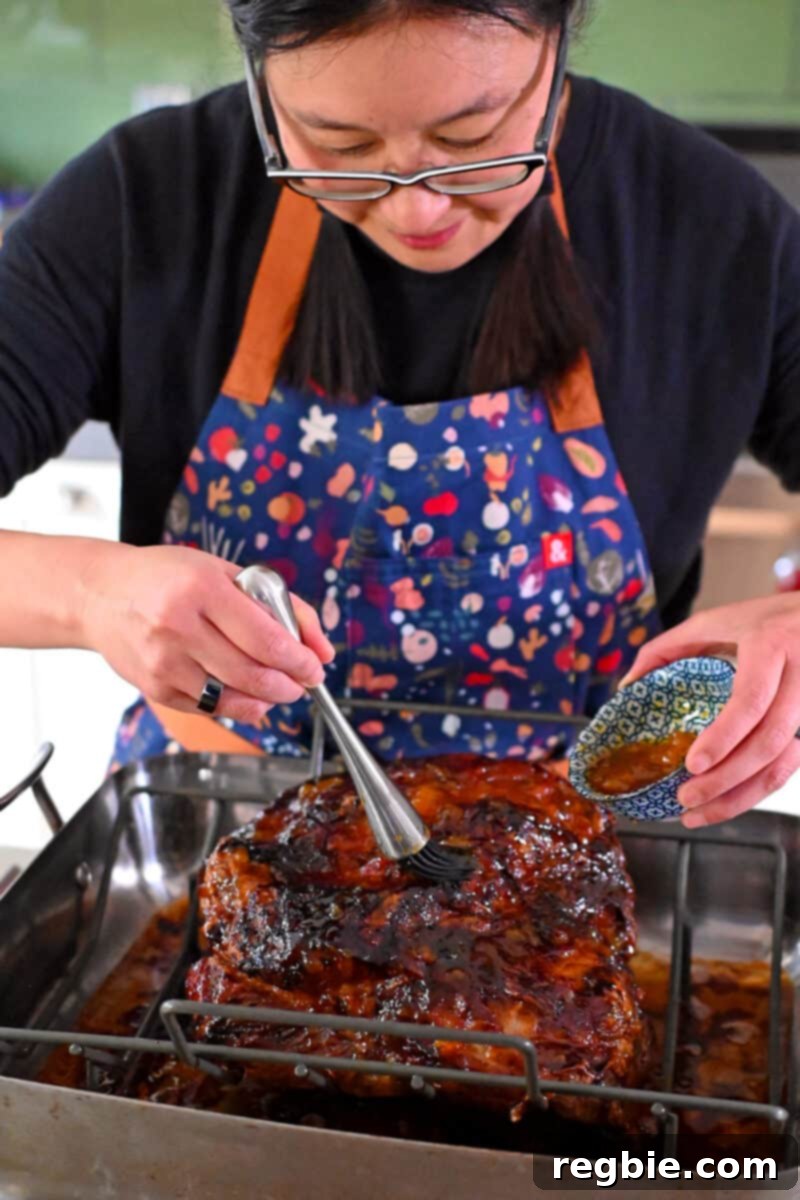
- Apply the First Glaze Layer: Once the pork shoulder reaches an internal temperature of 185°F (85°C), carefully remove the roasting pan from the oven. Using a pastry brush, generously coat the top and sides of the roast with the prepared peach jam sauce (not the reserved portion). Ensure an even layer to create that signature sticky finish.
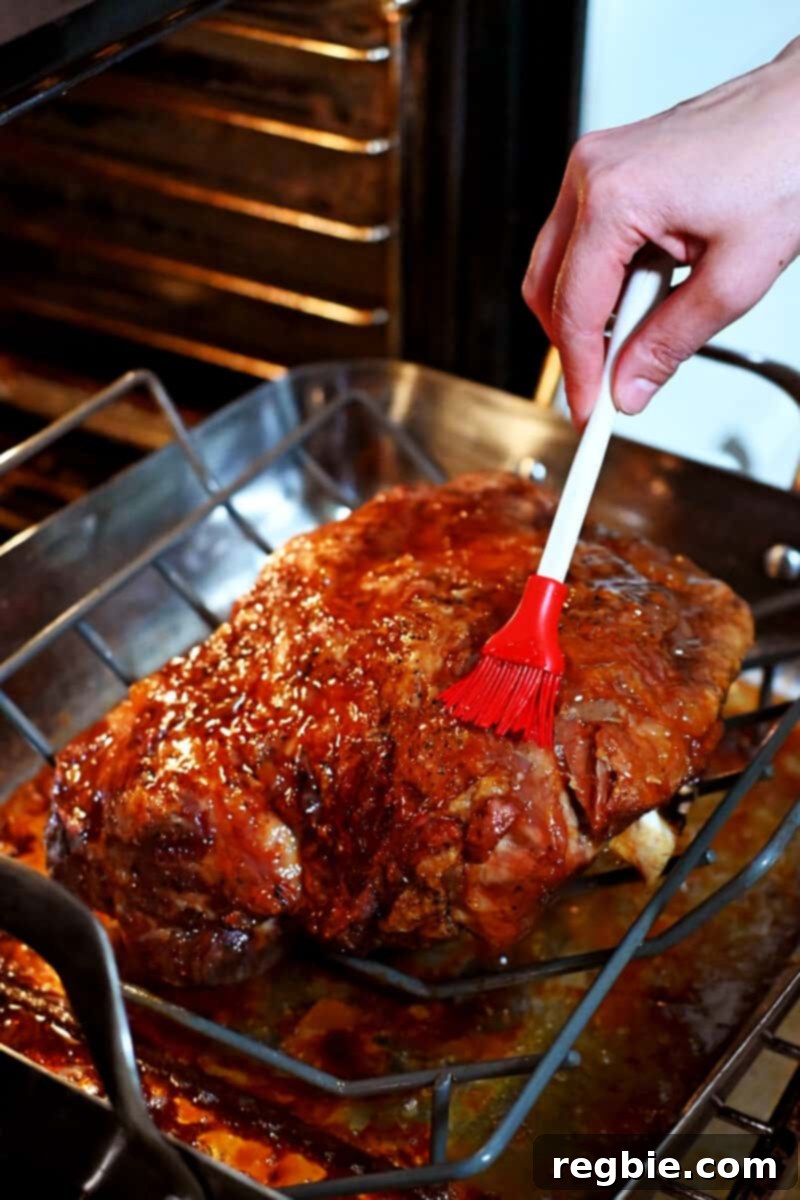
- Final Roast and Temperature Check: Return the glazed pork to the oven and continue roasting for another 30 to 45 minutes. During this time, the glaze will caramelize, and the top of the roast will develop a beautiful golden-brown color. The pork is truly finished when its final internal temperature reaches approximately 195°F (90°C). At this point, a fork or knife inserted into the meat should slide in with absolutely no resistance, indicating ultimate tenderness.
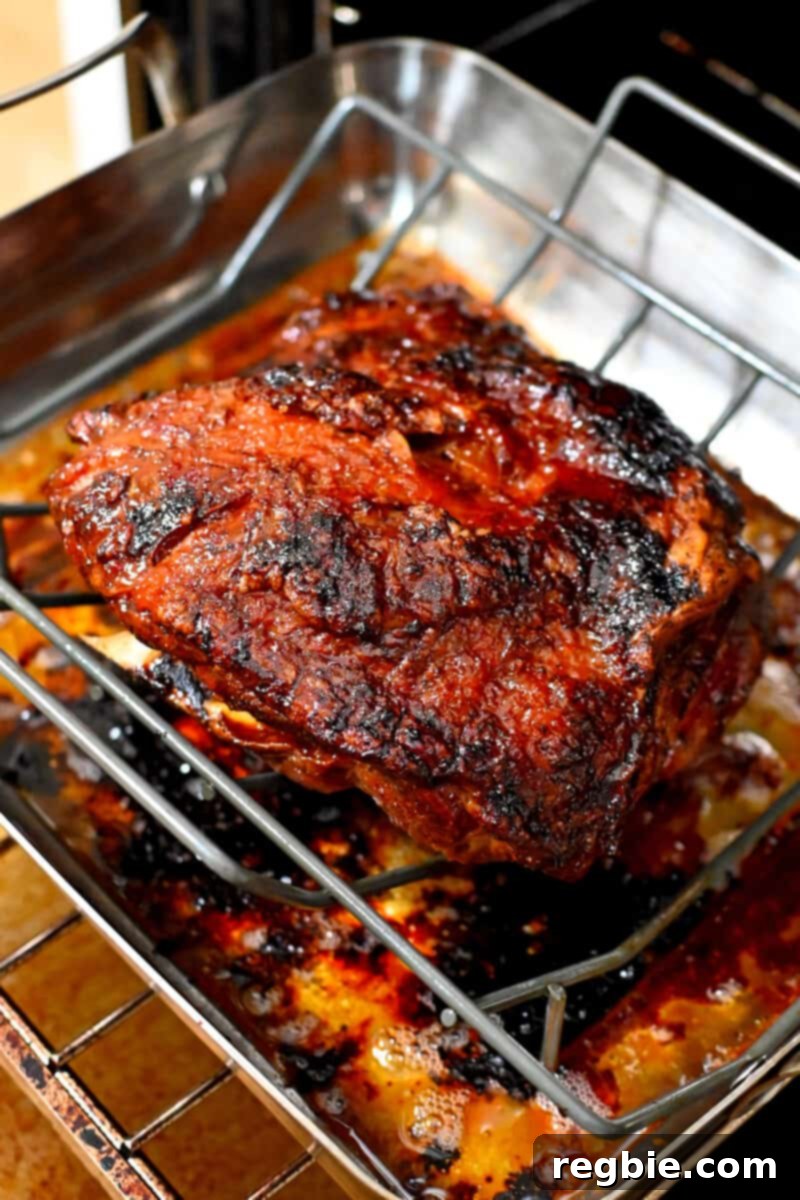
- The Second Glaze Layer: As soon as you remove the pork shoulder roast from the oven, immediately brush it all over with the 3 tablespoons of reserved peach barbecue sauce. This adds a fresh, vibrant burst of flavor and a glossy finish that will make your roast truly shine.
The All-Important Rest
Resting the meat is a critical step that ensures maximum juiciness and tenderness. Don’t rush this process – patience here will be rewarded!
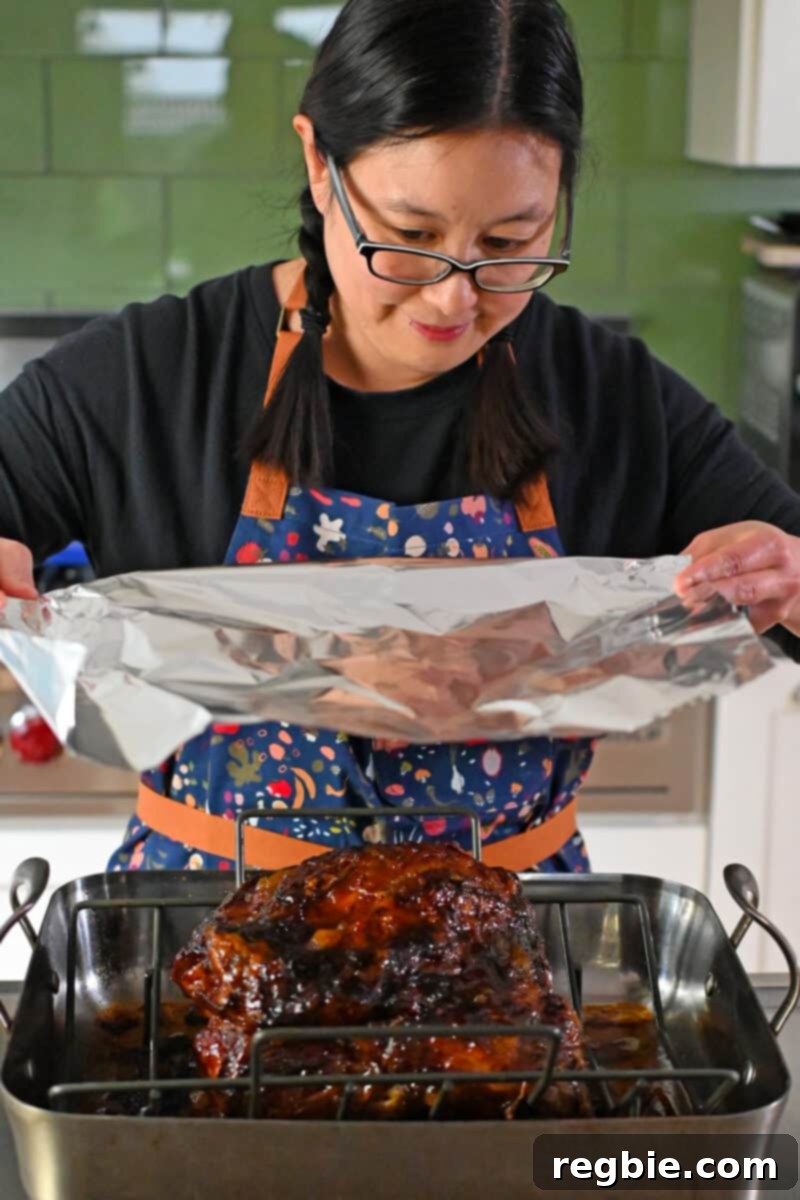
- Rest the Roast: After applying the second layer of glaze, gently tent the entire roast with aluminum foil. Let it rest undisturbed for about 1 hour. This resting period allows the muscle fibers to relax and, critically, for the delicious juices that have migrated to the center of the roast during cooking to redistribute evenly throughout the meat. This guarantees that every bite will be incredibly moist and flavorful. Don’t worry about the roast cooling down too much; it will remain perfectly hot under the foil for serving.
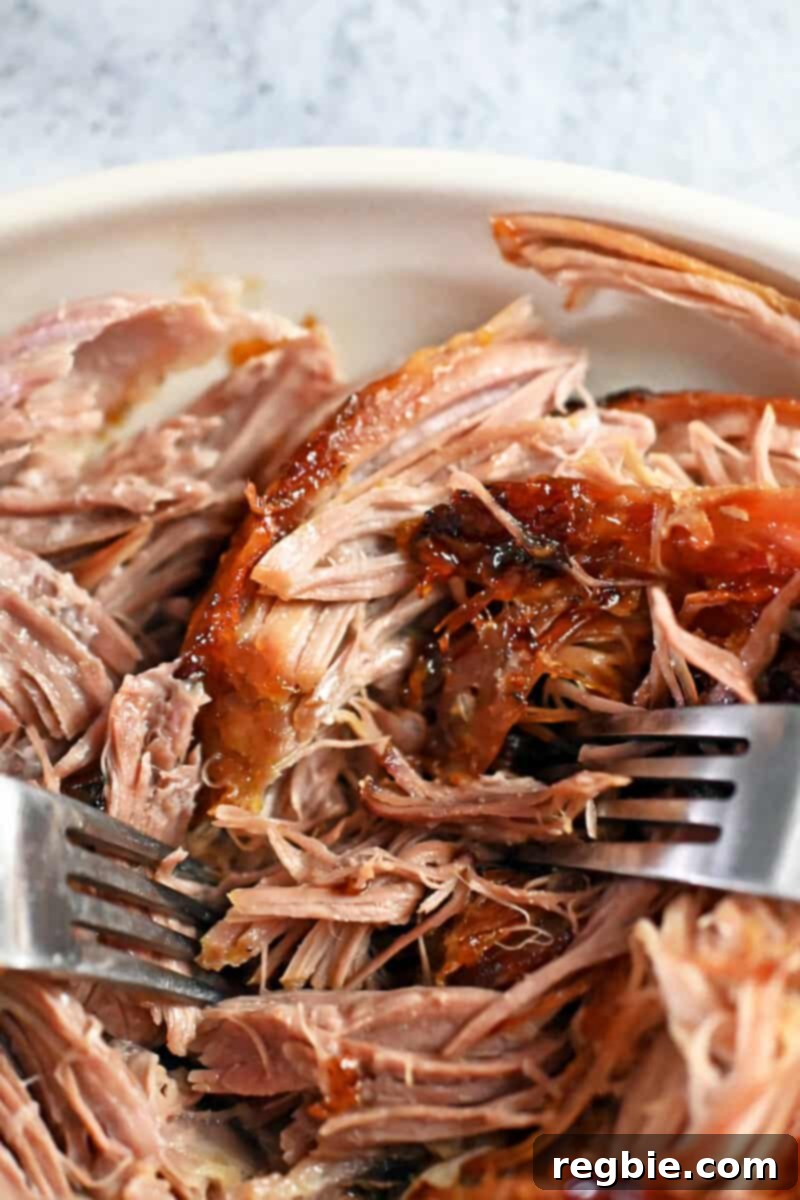
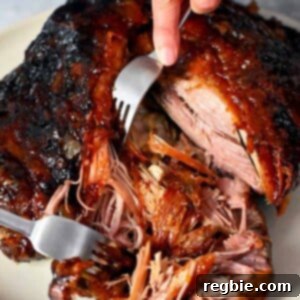
- Serve and Enjoy: Once rested, your magnificent slow roasted pork shoulder is ready to be served. You can either slice it thickly against the grain for a hearty roast dinner or, for that classic pulled pork experience, use two forks to effortlessly shred the meat apart. The bone should pull out cleanly, and the meat will be incredibly tender. Serve immediately and savor every delicious bite!
What to Serve with Your Succulent Pork Shoulder
This peach-glazed pork shoulder is versatile and pairs wonderfully with a variety of sides, from fresh salads to comforting mashed vegetables. Here are some fantastic, healthy options that complement its rich flavors and keep within Paleo, Gluten-Free, and Whole30 guidelines:
- Pineapple Coleslaw: A bright, tangy, and slightly sweet slaw offers a fantastic contrast to the rich pork.
- Chopped Salad with Ginger Sesame Dressing: A refreshing and crunchy salad with an aromatic dressing that cuts through the richness.
- Quick Sugar Snap Peas with Basil, Mint, and Lime: A vibrant, herbaceous, and zesty green vegetable side that’s both light and flavorful.
- Garlic Cauliflower Mashed Potatoes: A creamy and savory alternative to traditional mashed potatoes, perfect for soaking up any extra glaze.
- Red Cabbage Slaw with Tangy Carrot Ginger Dressing: Another fantastic slaw option, offering crunch and a lively, zesty flavor profile.
Storing and Repurposing Leftovers
One of the best things about cooking a large pork shoulder roast is the abundance of delicious leftovers! Proper storage is key to enjoying them for days or even months.
Before storing, carefully remove and discard the bone from the cooked pork shoulder. Shred or chop the boneless pork meat into desired pieces. Transfer the meat into an airtight storage container. It can be safely stored in the refrigerator for up to 4 days, making it perfect for quick meals throughout the week. For longer storage, the cooked pork freezes beautifully. Pack it into freezer-safe bags or containers, removing as much air as possible to prevent freezer burn, and store for up to 3 months. Thaw overnight in the refrigerator before reheating and enjoying.
Creative Uses for Leftover Pork Shoulder
Leftover slow roasted pork shoulder is a true culinary treasure – it’s the ultimate “emergency protein” that can be transformed into countless delicious dishes. Its versatility makes meal prep a breeze and ensures no delicious bite goes to waste!
- Taco Tuesday Twist: Grab some grain-free tortillas and pile on the shredded pork. Top with fresh salsa, creamy guacamole, a squeeze of lime, and maybe some pickled onions for an epic taco night.
- Hearty Soups and Stews: Add leftover pork to a simmering broth with your favorite vegetables for a comforting and nutritious soup or stew. It adds depth and a satisfying texture.
- Flavorful Salads: Toss cold shredded pork into a vibrant salad for a protein-packed lunch. It pairs wonderfully with crunchy greens, a bright vinaigrette, and fresh herbs.
- Fried Cauliflower Rice: Transform your leftover pork into a healthy “fried rice” by sautéing it with riced cauliflower, eggs, and a medley of vegetables for a quick and satisfying meal.
- Stir-Fries: Incorporate the pork into your favorite stir-fry recipe. Its tender texture soaks up stir-fry sauces beautifully, making for a speedy weeknight dinner.
- Sliders or Sandwiches: Serve the pulled pork on small gluten-free buns or lettuce wraps with extra glaze or a dollop of coleslaw for delicious sliders.
More Fabulous Pork Shoulder Recipes to Explore
If you’ve fallen in love with the versatility and deliciousness of pork shoulder, you’ll be thrilled to discover other incredible recipes that celebrate this fantastic cut of meat. Here are some more Paleo and whole-food friendly options:
- Instant Pot Kalua Pork: Achieve smoky, tender Hawaiian-style pork in a fraction of the time with your pressure cooker.
- Paleo Char Siu (Chinese Barbecue Pork): A vibrant and flavorful Chinese BBQ pork that’s perfect for meal prep or a special occasion.
- Instant Pot Carnitas: Crispy, juicy Mexican pulled pork made easy in the Instant Pot.
- Instant Pot Magic Pork: A simple, go-to recipe for versatile, flavorful shredded pork using your pressure cooker.
- Slow Cooker Cheater Pork Stew: A comforting and hearty stew that cooks effortlessly in your slow cooker.
Looking for more recipe ideas? Head on over to my Recipe Index. You’ll also find exclusive recipes in my cookbooks, Nom Nom Paleo: Food for Humans (Andrews McMeel Publishing 2013), Ready or Not! (Andrews McMeel Publishing 2017), and Nom Nom Paleo: Let’s Go! (Andrews McMeel Publishing 2022).
Easy Pork Shoulder Roast with Peach Glaze Recipe Card
Easy Pork Shoulder Roast with Peach Glaze
Print Recipe
12 hrs
7 hrs
19 hrs
10
Michelle Tam
Ingredients
- 9 pounds whole bone-in pork shoulder roast (get a pork butt roast!)
- 3 tablespoons Diamond Crystal kosher salt
- Freshly ground black pepper
- ½ cup peach jam
- 2 tablespoons coconut aminos
- 1 teaspoon Red Boat fish sauce
Instructions
- Using a sharp knife, carefully score the fat cap in a 1-inch crosshatch pattern, making sure you don’t cut into the meat.
- Sprinkle the salt all over the pork roast. Cover the roast with plastic wrap and stick it in the refrigerator for 12 to 48 hours to dry-brine.
- When you are ready to slow roast the pork, heat the oven to 325°F with the oven rack in the lowest position. While the oven is heating up, add freshly cracked black pepper all over the pork shoulder roast.
- Grab a roasting pan and rack and spray the rack with avocado oil spray or brush on some avocado oil. Place the pork shoulder roast, fat-side up, on the rack.
- Pour 3 cups of water into the roasting pan, or enough to cover the bottom of the pan with a thin layer. The water will keep the drippings from burning and smoking during the long roast.
- Roast the pork in the oven for 5 to 6 hours or until a knife is easily inserted and the internal temperature near the bone is 185°F.
- While the pork is roasting in the oven, mix together the jam, coconut aminos, and fish sauce in a small measuring cup or bowl. Measure out and reserve 3 tablespoons of the glaze to brush on the pork at the very end (step 10).
- When the pork reaches 185°F, brush the top and sides of the roast with the peach jam sauce.
- Continue roasting the pork for about 30 to 45 minutes or until the top is golden brown and the final temperature is about 195°F. A fork or knife inserted into the roast should slide in easily.
- Remove the pork shoulder roast from the oven and brush on the reserved 3 tablespoons of sauce.
- Next, tent the roast with foil and rest it for about 1 hour so the meat can relax and the juices can redistribute.
- Slice up the pork with a knife or shred it apart with two forks and enjoy!
Notes
- Before you pack up the leftovers for storage, discard the bone. The remaining boneless pork shoulder meat can be stored in a sealed storage container for up to 4 days in the fridge or up to 3 months in the freezer.
- Slow roasted pork shoulder is the ultimate emergency protein; you can add it to soups, salads, stir-fries—you name it! You can also grab some grain-free tortillas and eat the shredded pork with salsa and guacamole for Taco Tuesday!
Nutrition
Carbohydrates: 12g |
Protein: 43g |
Fat: 16g |
Fiber: 0.2g |
Sugar: 8g
Nutrition information is automatically calculated, so should only be used as an approximation.
Like this? Leave a comment below!