
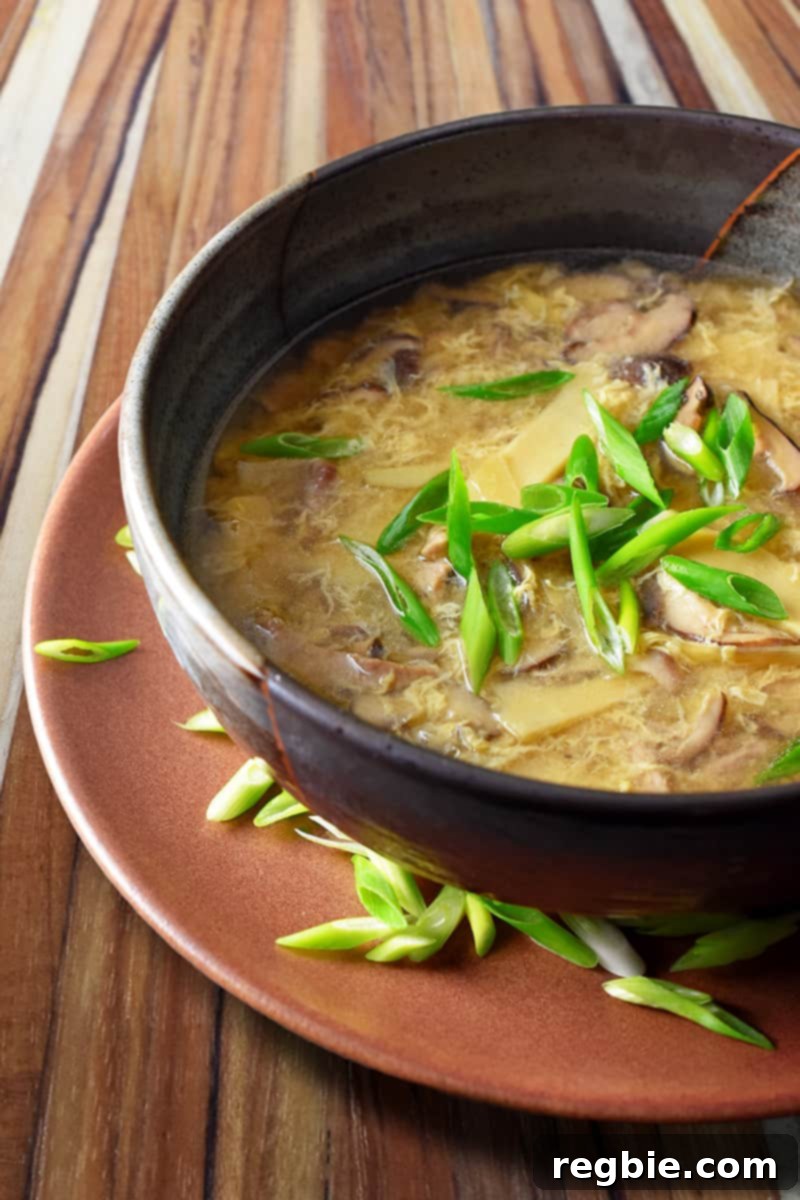
Hot and sour soup is a beloved classic on Chinese restaurant menus worldwide, celebrated for its unique balance of tangy and spicy flavors. But what if you could enjoy an equally delicious, Whole30 and Paleo-friendly version right at home, in less time than it takes for delivery? This recipe makes that possible, bringing authentic tastes to your kitchen without compromise.
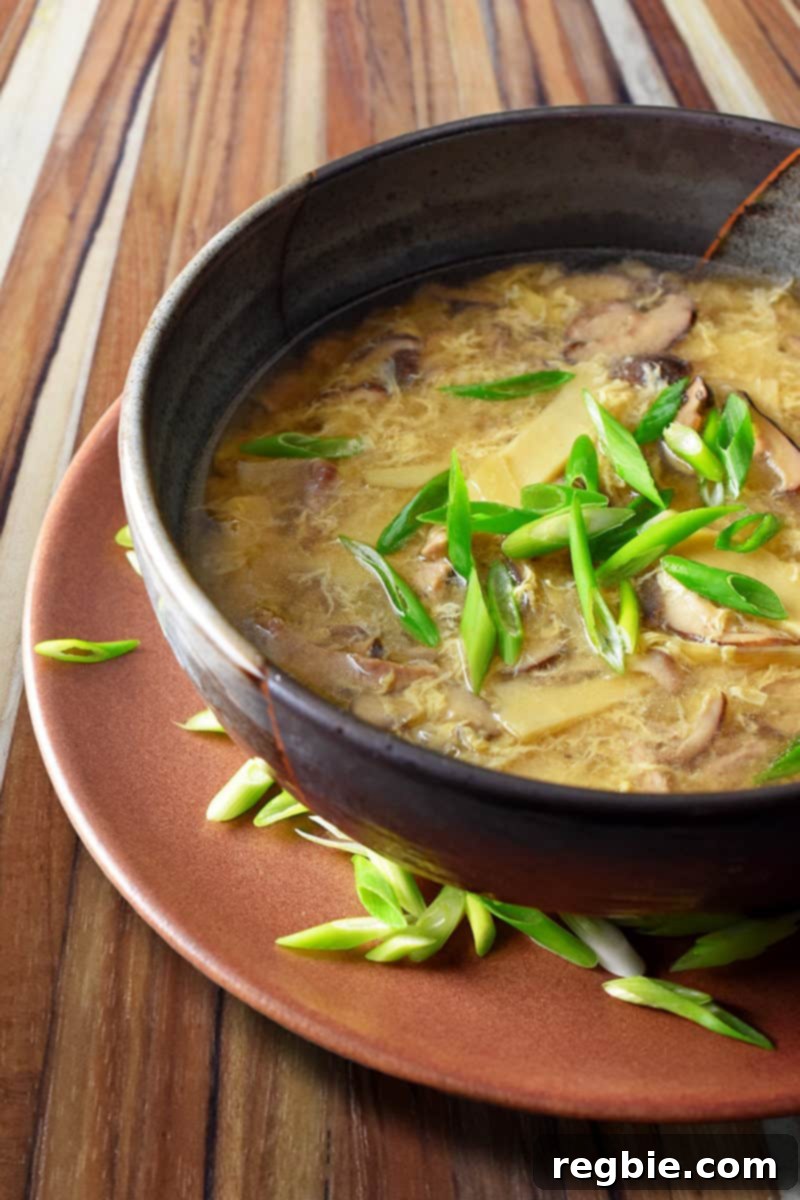
Why Make Your Own Hot and Sour Soup?
There’s an undeniable allure to ordering your favorite Chinese takeout, but making hot and sour soup at home offers a multitude of benefits, especially for those mindful of their diet. When you prepare this classic soup yourself, you gain complete control over the ingredients, ensuring it aligns perfectly with your health goals. Many restaurant versions of hot and sour soup often contain added sugars, cornstarch, gluten-laden soy sauce, and sometimes even MSG. By choosing homemade, you can easily avoid these common additives, making it a much healthier and cleaner option.
Furthermore, the freshness of ingredients truly shines through in a homemade soup. You can select high-quality meats and vegetables, ensuring optimal flavor and nutritional value. The process itself is incredibly rewarding, allowing you to tailor the spice and sourness to your exact preference. Plus, once you get the hang of it, you’ll find that whipping up a batch of this delicious soup is often faster than waiting for a delivery, providing a convenient and cost-effective alternative to dining out.
Crafting a Paleo & Whole30 Hot and Sour Soup!
This exquisite rendition of hot and sour soup is inspired by the “Not Ready” section of our acclaimed cookbook, Ready or Not!. True to the spirit of that collection, this recipe is designed for quick and easy preparation using ingredients you likely already have on hand or can readily find. What sets this recipe apart is its remarkable authenticity in flavor, achieved without any questionable ingredients typically found in traditional or restaurant-style hot and sour soups.
For those following a Paleo or Whole30 lifestyle, this soup is a game-changer. It meticulously avoids grains, legumes, dairy, soy, and refined sugars, which are common culprits in many Chinese dishes. We’ve made clever substitutions, such as using coconut aminos instead of soy sauce for a gluten-free and soy-free umami punch, and arrowroot powder to achieve that perfect silken texture without relying on cornstarch. This thoughtful approach ensures that every spoonful is not only delicious but also fully compliant with your dietary needs, proving that healthy eating doesn’t mean sacrificing flavor.

Essential Ingredients & Smart Substitutions
Crafting the perfect hot and sour soup involves a harmonious blend of flavors and textures. Here’s a detailed look at the ingredients you’ll need and how they contribute to this delightful dish, along with helpful substitution notes to fit your dietary preferences:
- Avocado oil or ghee: These healthy fats are ideal for sautéing as they have high smoke points. They provide a neutral base that allows the other flavors to shine. Coconut oil can also be used, but may impart a slight coconut flavor.
- Leek, white and light green parts only: Leeks offer a milder, sweeter onion flavor compared to traditional onions, adding a delicate aromatic foundation to the soup. Ensure they are thoroughly cleaned to remove any grit.
- Fresh shiitake mushrooms: In many traditional hot and sour soup recipes, black fungus and wood ear mushrooms are common. However, fresh shiitake mushrooms are a fantastic, more readily available alternative at most supermarkets. They provide a rich, earthy umami flavor and a satisfying chewy texture that is crucial for this soup.
- Pork shoulder, sirloin roast, or tenderloin, cut into thin matchsticks or strips: Pork is the traditional protein for hot and sour soup, offering a tender bite that absorbs the soup’s flavors beautifully. Cut it into thin matchsticks to ensure quick cooking and an even distribution throughout the soup. Not a fan of pork? You can absolutely substitute thinly sliced chicken breast, chicken thighs, or beef sirloin. For a vegetarian option, cubed firm tofu works wonderfully, adding protein and texture.
- Coconut aminos: This is a cornerstone ingredient for keeping our soup soy-free and gluten-free. Coconut aminos are a savory seasoning sauce that tastes similar to light soy sauce but is derived from the sap of coconut blossoms. It provides that essential umami depth without the common allergens.
- Garlic: Freshly minced garlic is indispensable for adding a pungent, aromatic base that complements the ginger and other savory elements.
- Ginger: Freshly minced ginger provides a warm, spicy, and fragrant note, contributing significantly to the soup’s characteristic flavor profile. Do not substitute with dried ginger powder for best results.
- Canned sliced bamboo shoots, rinsed and drained: Bamboo shoots add a distinctive crunchy texture and a subtle earthy flavor. Rinsing them well removes any canning liquid taste.
- Bone broth or chicken stock: The quality of your broth will significantly impact the depth of flavor in your soup. A good quality bone broth offers additional collagen and nutrients, making the soup even more wholesome. Homemade or store-bought unsalted chicken stock are also excellent choices.
- Arrowroot powder: This grain-free thickener is our secret weapon for achieving the silky consistency characteristic of hot and sour soup, replacing traditional cornstarch. It creates a smooth, glossy finish without altering the flavor.
- Eggs: Beaten eggs are slowly drizzled into the hot soup to create beautiful, delicate “egg ribbons” that add body and a subtle richness.
- Rice vinegar: This is where the “sour” comes in! Rice vinegar provides the sharp, tangy kick that defines hot and sour soup. Make sure to use unseasoned rice vinegar to avoid unwanted sugar.
- Toasted sesame oil: A drizzle of toasted sesame oil at the end adds a wonderful nutty aroma and a layer of savory complexity. It’s an essential finishing touch.
- Ground white pepper: The “hot” in hot and sour soup traditionally comes from white pepper. It has a distinct earthy heat that differs from black pepper, offering a more nuanced spice.
- Diamond Crystal brand kosher salt: Use to season the soup to perfection. Adjust according to your preference.
- Green onions (scallions): Sliced green onions are used as a vibrant garnish, adding a fresh, slightly pungent finish and a pop of color.
How to Make Hot and Sour Soup: A Step-by-Step Guide
Creating this delicious Paleo and Whole30 hot and sour soup at home is straightforward and enjoyable. Follow these detailed steps to achieve a perfectly balanced and flavorful bowl:
Step 1: Sauté the Aromatics and Mushrooms
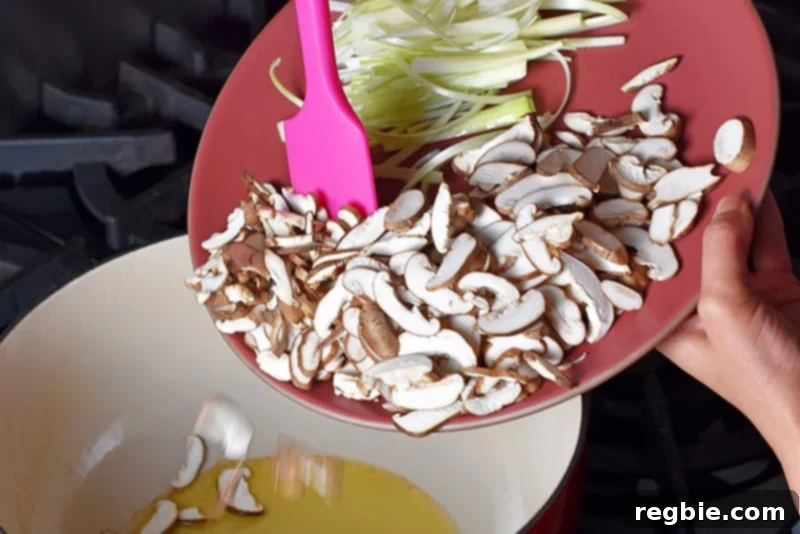
Begin by heating a large saucepan or a Dutch oven over medium-high heat. Once the pot is hot, add your chosen fat – either avocado oil or ghee – and swirl it to coat the bottom. Immediately add the julienned leeks and thinly sliced shiitake mushrooms to the hot oil. Cook, stirring continuously for about 2 minutes, or until the leeks have softened slightly and the mushrooms have released some of their moisture and started to shrink. This step builds the aromatic foundation of your soup.
Step 2: Brown the Pork
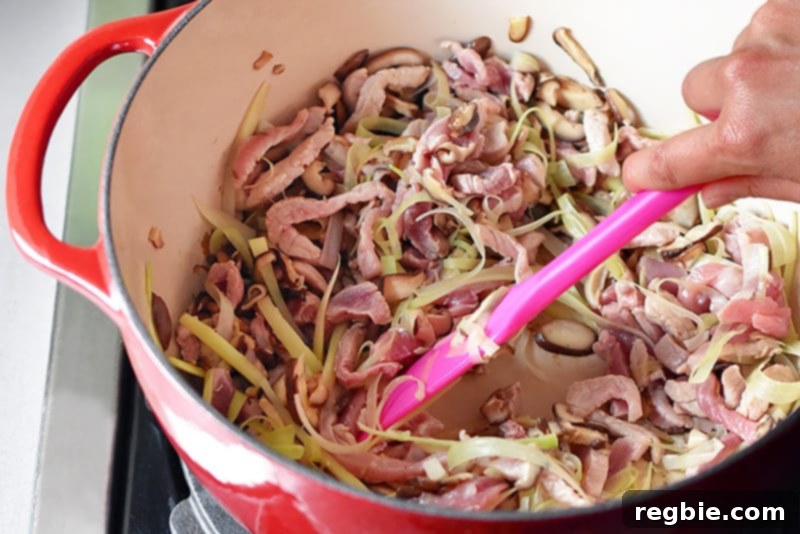
Next, add the thinly cut pork matchsticks to the saucepan with the leeks and mushrooms. Stir-fry the pork, breaking up any clumps, until it is no longer pink. This searing helps to lock in the flavor and ensure the pork is tender. Make sure not to overcrowd the pan; if necessary, cook the pork in batches to achieve a good sear rather than steaming it.
Step 3: Infuse with Flavor and Add Bamboo Shoots
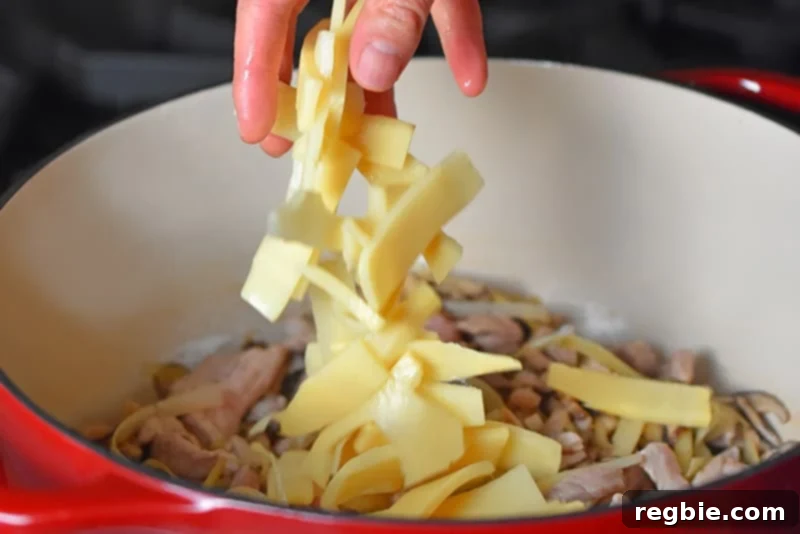
Stir in the coconut aminos, minced garlic, and minced ginger. Cook for another 30 seconds, stirring constantly, until the aromatics become fragrant. Be careful not to burn the garlic. Immediately after, toss in the rinsed and drained bamboo shoots. The aroma at this stage will be incredibly inviting!
Step 4: Prepare and Simmer the Broth
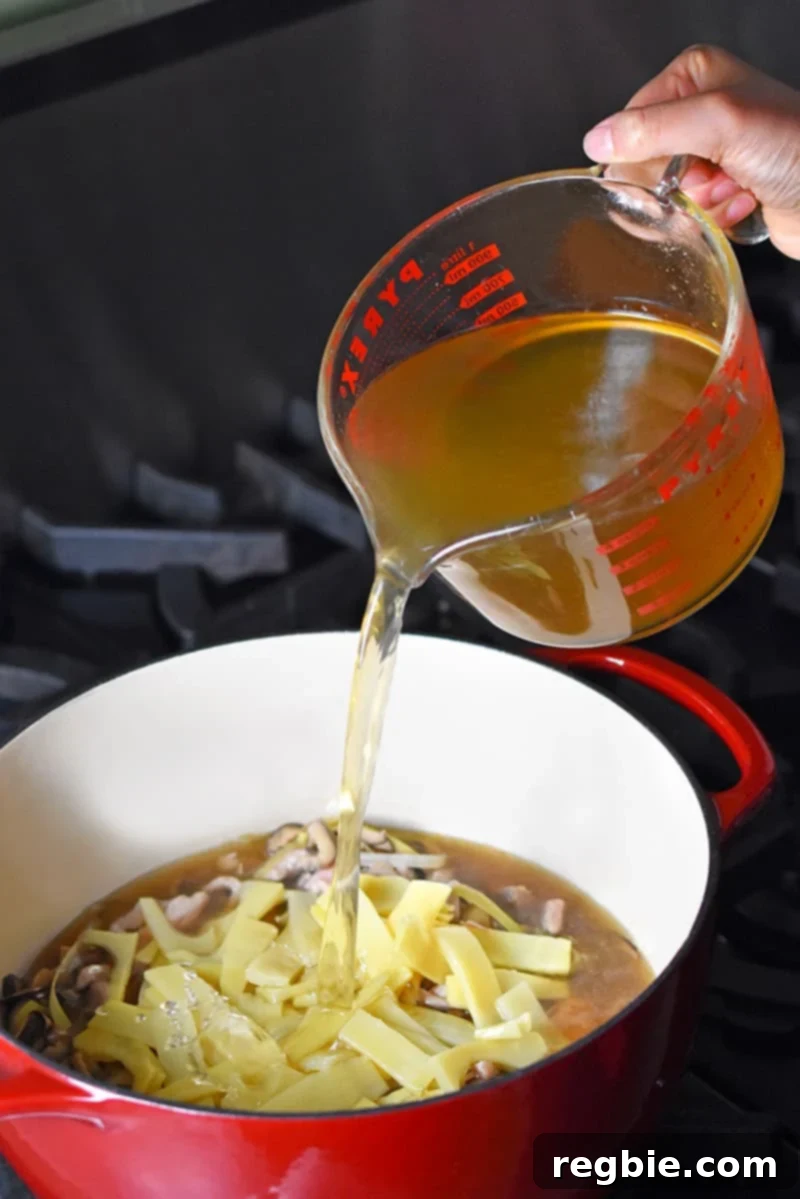
Measure out ½ cup of your bone broth or chicken stock and set it aside; this will be used for the arrowroot slurry. Pour the remaining broth into the saucepan with the cooked ingredients. Increase the heat to high and bring the soup to a rolling boil. Once boiling, reduce the heat to medium or lower to maintain a gentle simmer. This allows the flavors to meld beautifully.
Step 5: Create the Arrowroot Slurry
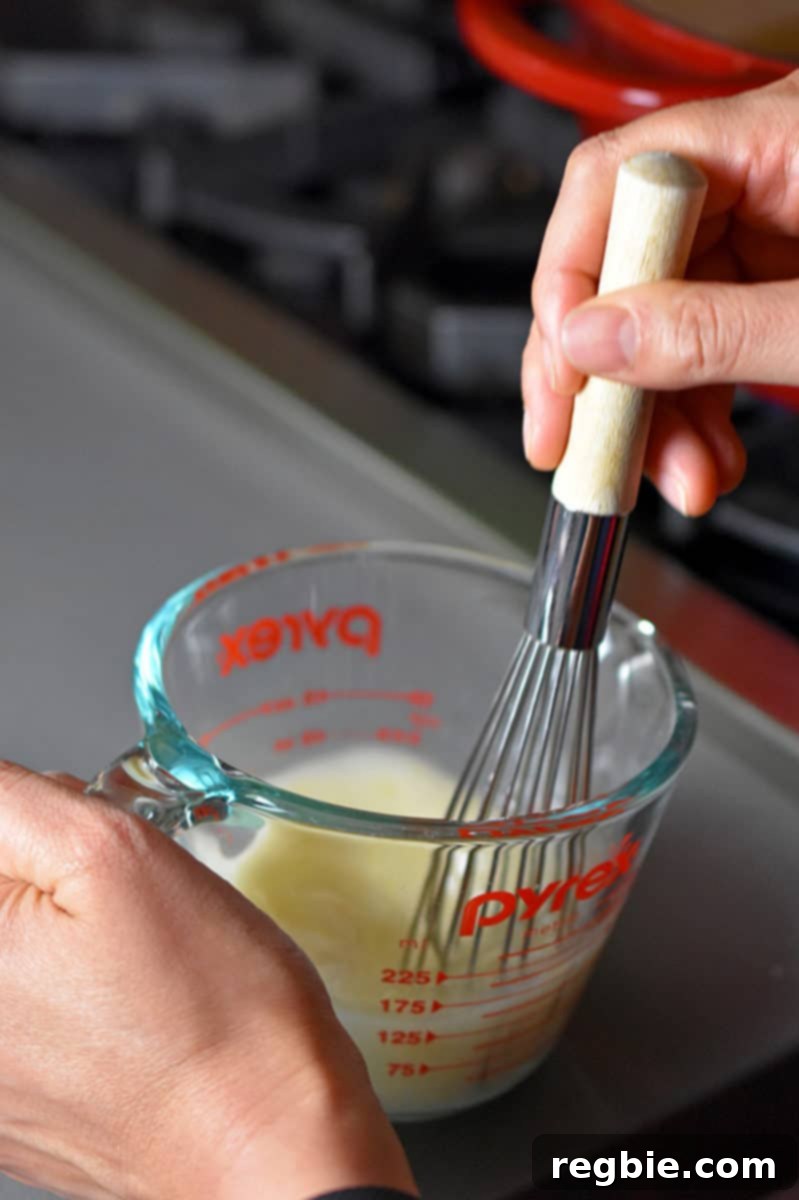
While the soup is simmering, take the reserved ½ cup of broth and whisk the arrowroot powder into it until completely smooth and free of lumps. This mixture, known as a slurry, is what will thicken your soup to its characteristic consistency. Arrowroot is a fantastic grain-free alternative to cornstarch.
Step 6: Thicken the Soup
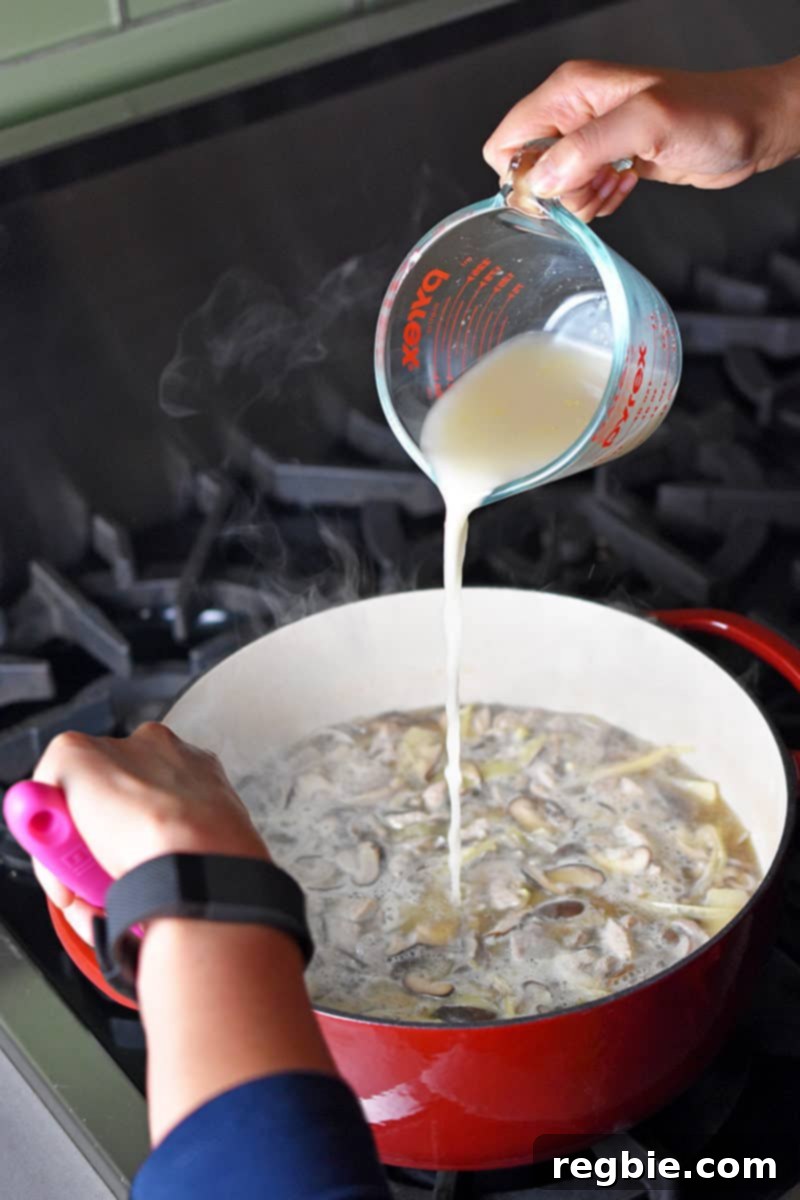
With the soup still at a gentle simmer, slowly pour the arrowroot slurry into the pot in a steady, thin stream. As you pour, briskly stir the soup to ensure the thickener is evenly distributed and no clumps form. The soup will begin to thicken almost immediately. It’s crucial to note that if arrowroot is overheated, its thickening properties can break down. Therefore, as soon as the soup reaches your desired thickness, turn off the heat to prevent it from becoming watery again.
Step 7: Add the Delicate Egg Ribbons
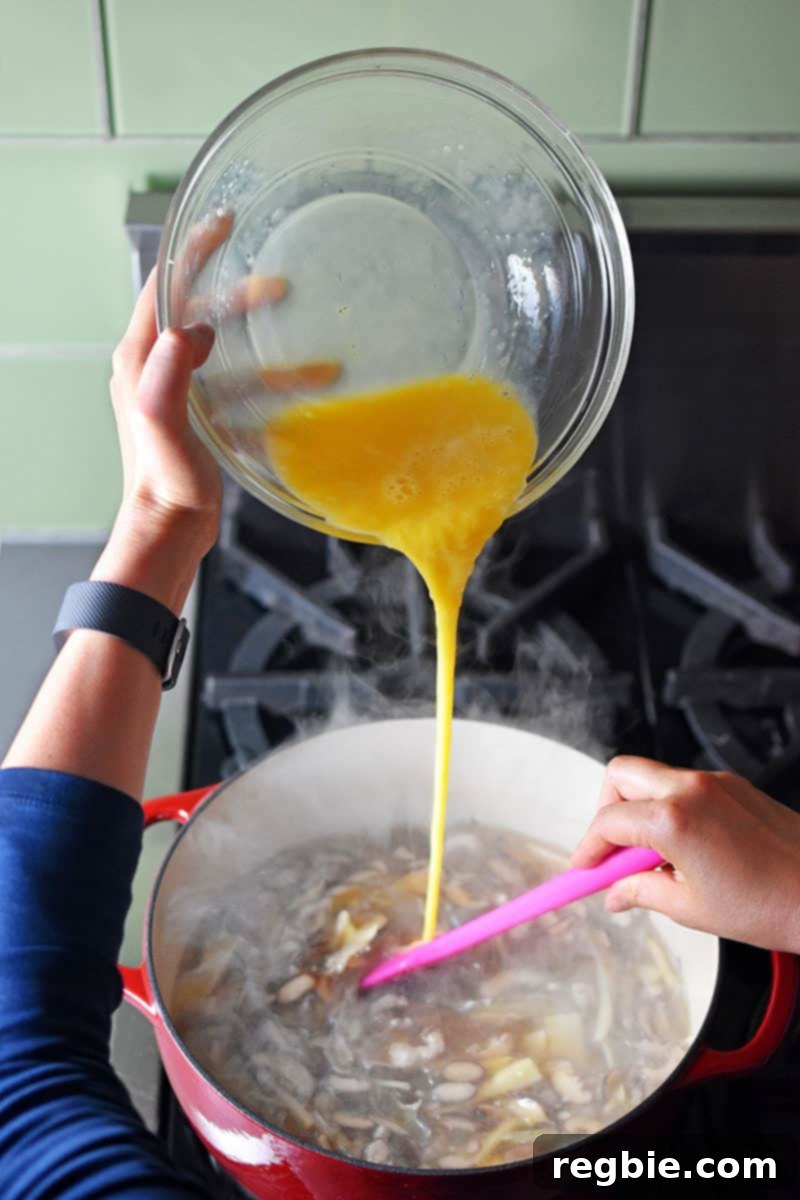
Remove the pot completely from the heat. This step is key for creating distinct, beautiful egg ribbons. Slowly pour the beaten eggs into the hot soup while continuously stirring with a whisk or a fork. The residual heat of the soup will instantly cook the eggs, forming thin, delicate strands that float throughout the broth, a signature characteristic of hot and sour soup.
Step 8: Final Seasoning and Flavor Adjustment
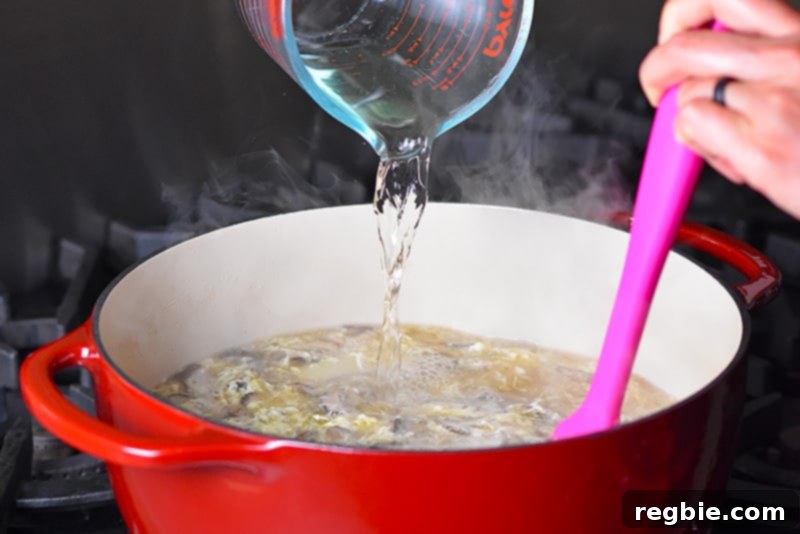
Now it’s time to perfect the balance of flavors. Stir in the rice vinegar, toasted sesame oil, and ground white pepper. Taste the soup and season it to your liking with Diamond Crystal kosher salt. This is your chance to adjust the “hot” and “sour” elements – add more vinegar for extra tang or more white pepper for an additional kick, if desired. Remember, balancing these flavors is crucial for an authentic hot and sour experience.
Step 9: Serve Immediately
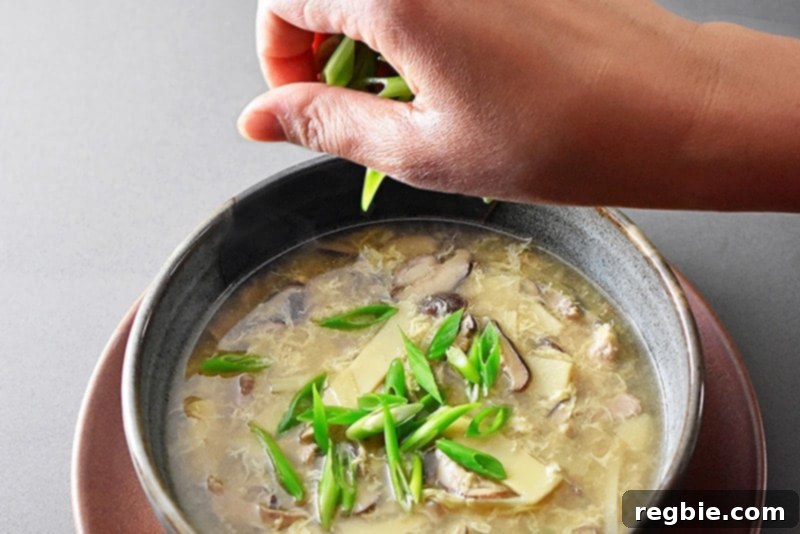
Ladle the steaming hot soup into individual serving bowls. Garnish generously with freshly sliced green onions (scallions) for a burst of freshness and color. Serve your homemade Paleo & Whole30 hot and sour soup immediately to enjoy its peak flavor and warmth!
Tips for the Perfect Hot and Sour Soup
- Quality Broth is Key: A rich, flavorful bone broth forms the backbone of this soup. If using store-bought, opt for an unsalted, high-quality variety.
- Fresh Aromatics: Always use fresh garlic and ginger. Their vibrant flavors are irreplaceable and make a huge difference in the final taste profile.
- Thinly Slice Ingredients: For authentic texture and quick cooking, ensure your pork, mushrooms, and leeks are sliced into thin matchsticks or strips. This also allows them to absorb flavors more effectively.
- Taste and Adjust: The beauty of homemade soup is the ability to customize. Always taste before serving and adjust the salt, vinegar, and white pepper to perfectly match your preference for tanginess and spiciness.
- Serve Hot: Hot and Sour Soup is best enjoyed immediately after preparation when it’s piping hot and the flavors are at their most vibrant.
Frequently Asked Questions
How do you store leftovers?
Leftover Hot and Sour Soup can be stored in an airtight container in the refrigerator for up to 4 days. While it’s still delicious, the soup truly tastes its best when freshly made, as the textures of the egg ribbons and vegetables are most tender and the flavors brightest. I generally don’t recommend freezing this soup. The delicate egg ribbons and thickened broth can change texture upon thawing and reheating, often becoming a bit mushy or separating, and the distinctive “hot” and “tangy” balance can diminish.
Can you substitute white pepper with black pepper?
You can use black pepper in place of white pepper in a pinch, but the soup won’t taste quite the same. The reason lies in how each pepper is processed and their distinct flavor profiles. Black pepper is made from unripe berries of the pepper plant, which are dried until black. This results in a spicier, sharper, and more robust flavor. White pepper, on the other hand, comes from fully ripened berries that are fermented, and then their outer layer is removed before drying. This process gives white pepper a more complex, earthy, and less “in-your-face” heat, with a subtler aroma. This nuanced heat is what defines the “hot” in traditional hot and sour soup. My mom, a purist, always insists on white pepper for its unique contribution to the dish, and I wholeheartedly agree!
Why don’t you use Chinkiang vinegar?
Chinkiang vinegar (also known as Zhenjiang vinegar or Chinese black rice vinegar) is the traditional vinegar used in many authentic hot and sour soup recipes. It imparts a signature deep, malty tanginess that is highly prized. While my mother uses it in her classic recipes, I avoid it in this specific rendition because Chinkiang vinegar typically contains gluten, making it unsuitable for a gluten-free and Whole30/Paleo diet. After extensive experimentation with various alternatives, I discovered that regular unseasoned rice vinegar is an excellent substitute. It provides a clean, bright tang that works beautifully without introducing gluten. It’s also much more accessible in most grocery stores. Just be sure to double-check that you’re picking up unseasoned rice vinegar, as seasoned varieties often contain added sugar and other non-compliant ingredients.
What if you don’t eat pork?
No problem at all! This recipe is incredibly adaptable. You can easily substitute the thinly sliced pork with other proteins, and the soup will still be absolutely delicious. Excellent choices include thinly sliced chicken thighs or chicken breast for a leaner option, or sirloin steak cut into thin strips. If you’re vegetarian or looking for a plant-based alternative, cubed firm tofu is a fantastic addition. Simply add it when you would typically add the pork, and cook until it’s slightly browned, or add it later if you prefer a softer texture.
Can I make this soup spicier or less spicy?
Absolutely! The beauty of homemade soup is customization. For a spicier kick, you can increase the amount of ground white pepper to your preference. If you enjoy a different kind of heat, a dash of Whole30-compliant chili garlic sauce or a swirl of chili oil (ensure it’s made with compliant oils) at the very end can add extra warmth. If you prefer a milder soup, simply reduce the amount of white pepper. Always taste and adjust gradually until it’s perfect for your palate.
More Delicious Paleo Chinese Soup Recipes
If you’ve enjoyed this delightful hot and sour soup, explore more Paleo-friendly Chinese soup recipes that are both nourishing and packed with authentic flavors:
- Chinese Beef Noodle Soup
- Wonton Soup
- West Lake Beef Soup
- Simple Egg Drop Soup
- Watercress and Chicken Soup
- Pork and Napa Cabbage Soup
Looking for even more incredible recipe ideas? Head on over to my Recipe Index for a treasure trove of culinary inspiration. You’ll also find exclusive, innovative recipes in my critically acclaimed cookbooks: Nom Nom Paleo: Food for Humans (Andrews McMeel Publishing 2013), Ready or Not! (Andrews McMeel Publishing 2017), and Nom Nom Paleo: Let’s Go! (Andrews McMeel Publishing 2022). Happy cooking!
Printer-Friendly Recipe Card: Paleo & Whole30 Hot and Sour Soup
Hot and Sour Soup
10 mins
30 mins
40 mins
6 servings
Michelle Tam
Print Recipe
Hot and sour soup is a mainstay of Chinese restaurant menus, but you can make a Whole30-friendly one in less time than it takes for the delivery person to drive it over!
Ingredients
- 1 tablespoon avocado oil or ghee
- 1 large leek, julienned (white and light green parts only)
- ¼ pound fresh shiitake mushrooms, thinly sliced
- 1 pound pork shoulder, sirloin roast, or tenderloin, cut into thin matchsticks
- 2 tablespoons coconut aminos
- 2 garlic cloves, minced
- 1 tablespoon minced ginger
- 1 can (8 ounces) sliced bamboo shoots, rinsed and drained
- 6 cups Instant Pot Bone Broth or chicken broth, divided
- 1½ tablespoons arrowroot powder
- 2 large eggs, beaten
- ¼ cup rice vinegar
- 1 teaspoon toasted sesame oil
- ½ teaspoon ground white pepper
- Diamond Crystal kosher salt, to taste
- 2 scallions, sliced on the bias (for garnish)
Instructions
- Heat a large saucepan over medium-high heat. When the pot is hot, swirl in the avocado oil or ghee. Toss in the leeks and shiitake mushrooms.
- Cook, stirring for 2 minutes or until the leeks and mushrooms have cooked down. Add the pork and stir-fry until no longer pink.
- Stir in the coconut aminos, garlic, and ginger and cook for about 30 seconds or until fragrant. Toss in the bamboo shoots.
- Measure out and set aside ½ cup of the broth. Pour the rest of the broth into the saucepan and bring to a boil over high heat. Once the soup is boiling, turn down the heat to medium or lower to maintain a simmer.
- Whisk the arrowroot powder into the reserved broth to make a slurry.
- In a slow and steady stream, pour the arrowroot slurry into the pot while briskly stirring to thicken the soup. (Note: If arrowroot is overheated, it can break down, so turn off the heat as soon as the soup thickens.)
- Remove the pot from the heat. Slowly pour in the beaten eggs while stirring.
- Stir in the rice vinegar, sesame oil, and white pepper. Season to taste with salt, and adjust with vinegar or white pepper if desired.
- Ladle the soup into serving bowls and garnish with scallions. Serve immediately!
Nutrition
Calories: 385kcal | Carbohydrates: 18g | Protein: 28g | Fat: 22g | Fiber: 2g
Nutrition information is automatically calculated, so should only be used as an approximation and can vary based on specific ingredients and brands.
Enjoyed This Recipe? Leave a Comment Below!
Your feedback helps us create more delicious and healthy recipes. Let us know how your Hot and Sour Soup turned out!