
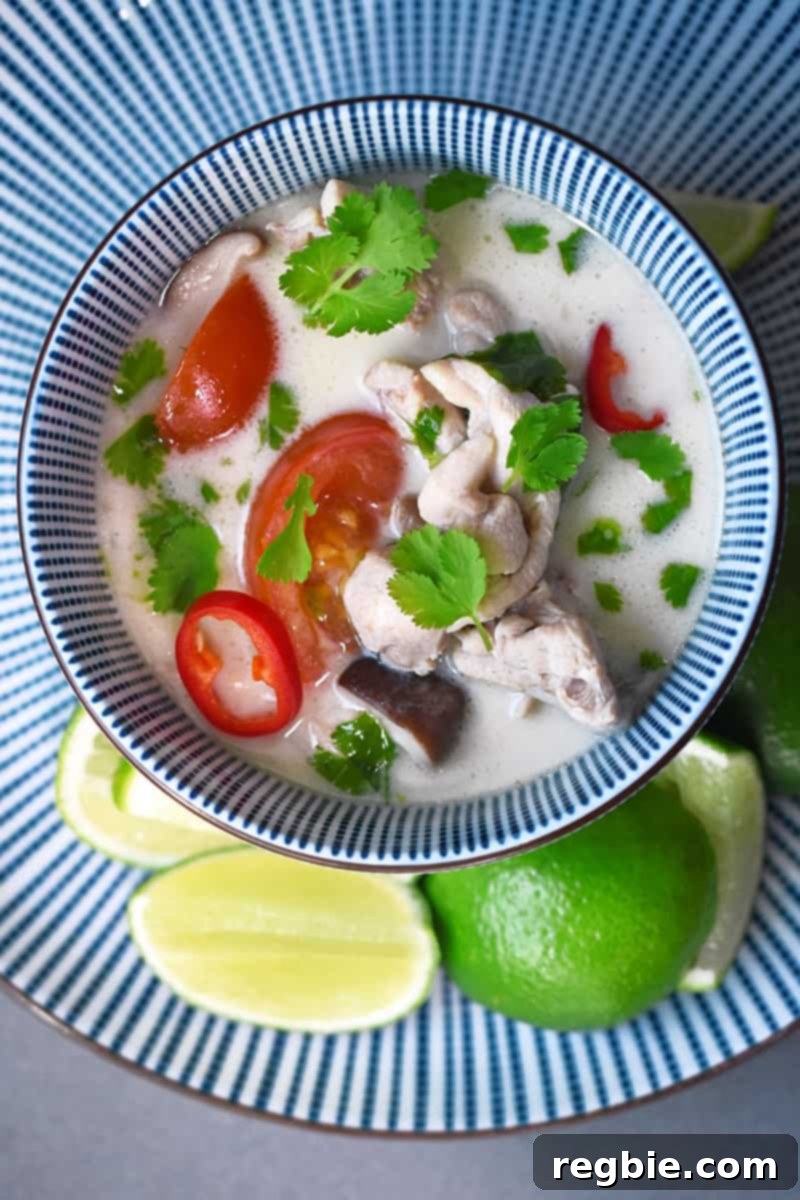
Imagine a steaming bowl of Tom Kha Gai, the quintessential Thai coconut chicken soup, rich with creamy textures and vibrant, aromatic flavors. You might think such a dish is reserved for restaurant menus, but preparing this Whole30 and Keto-friendly masterpiece at home is incredibly easy and rewarding! We’ll guide you through using traditional ingredients like fragrant galangal, zesty lemongrass, and aromatic kaffir lime leaves to achieve an authentic taste that will transport you straight to Thailand. Don’t worry if these ingredients are a challenge to find; we also offer a clever shortcut using Thai red curry paste. Join us in the kitchen, and let’s create culinary magic in less than 30 minutes!
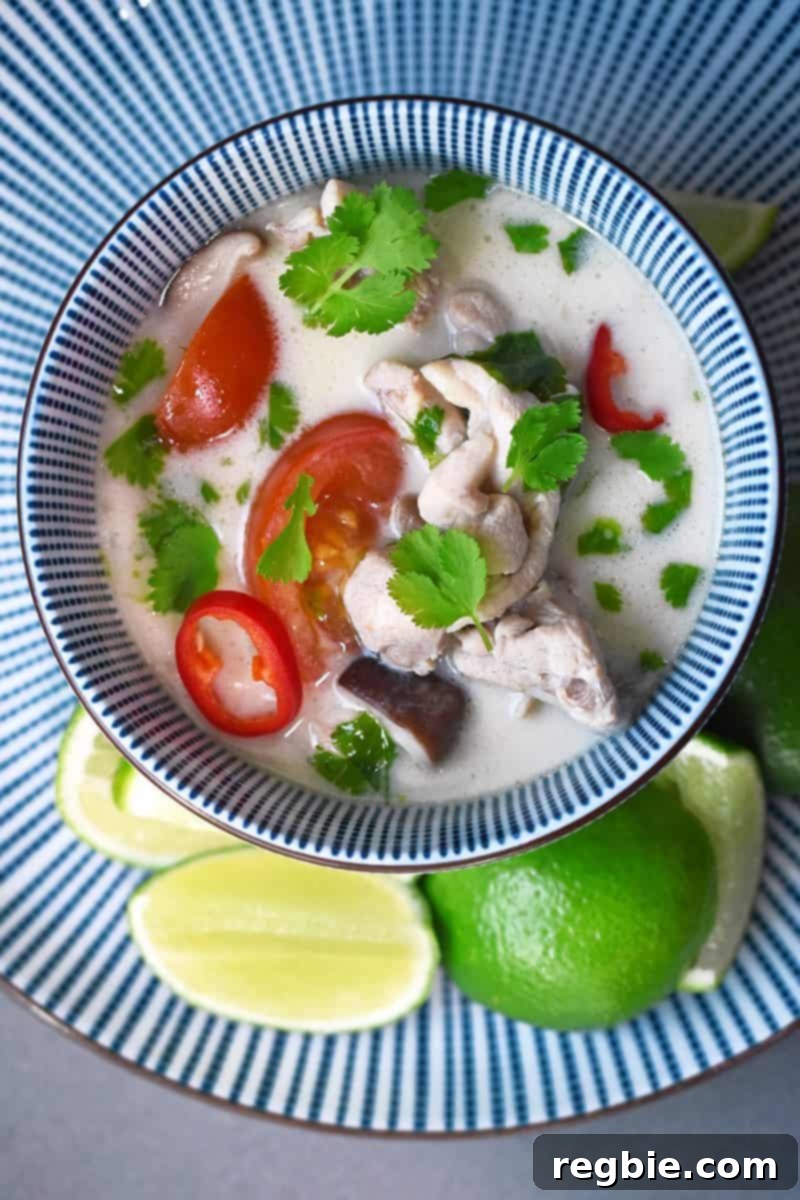
Table of Contents
- Mastering Tom Kha Gai at Home
- The Power of Authentic Thai Ingredients
- Selecting and Preparing Fresh Galangal
- Detailed Guide to Tom Kha Gai Ingredients
- A Shortcut for Hard-to-Find Ingredients
- Step-by-Step Tom Kha Gai Recipe
- Serving Suggestions and Customizations
- Storing and Reheating Leftover Soup
- Explore More Healthy Asian Soup Recipes
- Printer-Friendly Recipe Card: Tom Kha Gai
Mastering Tom Kha Gai at Home: Your Favorite Thai Soup, Simplified
For countless years, Tom Kha Gai was my default order every single time I found myself at a Thai restaurant. Its incredibly rich, intense, and deeply aromatic flavors—a creamy, tangy Thai coconut chicken soup—convinced me that recreating it in a home kitchen would be far too complex and time-consuming. I envisioned intricate processes, exotic tools, and a level of culinary skill beyond my grasp. This perception, however, was completely shattered a few years back when I had the privilege of attending a transformative cooking class in the vibrant city of Chiang Mai, Thailand. There, I experienced firsthand the surprising simplicity of crafting this classic, beloved Thai soup right in your own home.
What makes this particular Tom Kha Gai recipe even more appealing is its incredible versatility and adaptability for various dietary preferences. It’s naturally Whole30-friendly, making it an ideal choice for anyone embarking on a clean eating journey without sacrificing flavor. Furthermore, its low-carb nature aligns perfectly with a ketogenic diet, providing a deeply satisfying meal that supports your health goals. And for those with gluten sensitivities or preferences, rest assured that this savory, creamy soup is entirely gluten-free. Forget the need for expensive takeout or the apprehension of a complex recipe; you are about to unlock the secrets to preparing an authentic, restaurant-quality Tom Kha Gai that is both quick and incredibly delicious!
The Power of Authentic Thai Ingredients for Superior Tom Kha Soup
The true essence and unmistakable flavor of Tom Kha Gai depend significantly on a trio of key aromatic ingredients. To prepare this exquisite Thai coconut chicken soup the right way, you absolutely must seek out galangal, lemongrass, and makrut (also known as kaffir) lime leaves. These aren’t merely additions; they are the backbone of the soup’s distinctive fragrance and taste profile, differentiating it from any other coconut-based soup.
While these specific aromatics might not be as readily available as ginger or common herbs in every mainstream grocery store, their importance to the authenticity of this dish cannot be overstated. I’ve often found these ingredients at specialty stores, including the international section of my local Whole Foods Market and various farmers’ markets that pride themselves on diverse, global produce. However, your most reliable source will typically be a well-stocked Asian market, especially one that caters to Southeast Asian communities. Take your time to explore the produce section; you’re likely to strike gold and discover these indispensable items that will elevate your homemade Tom Kha Gai from good to truly exceptional.
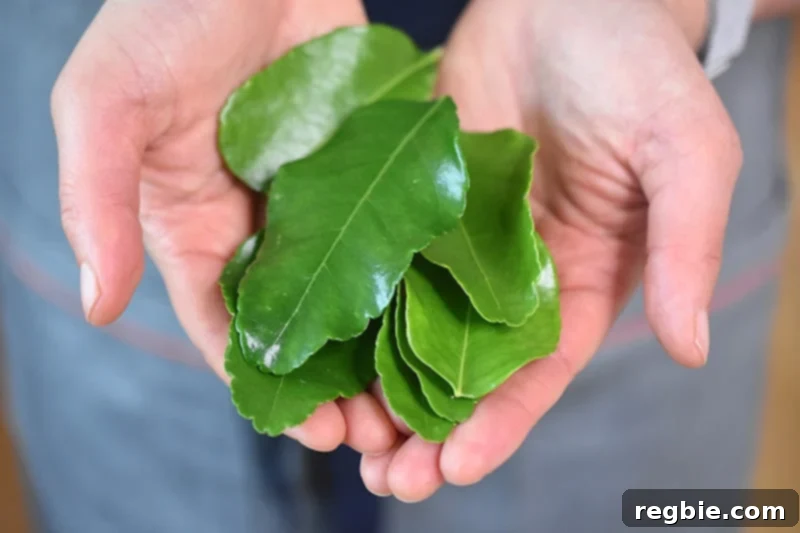
Pro Tip: Selecting and Preparing Fresh Galangal
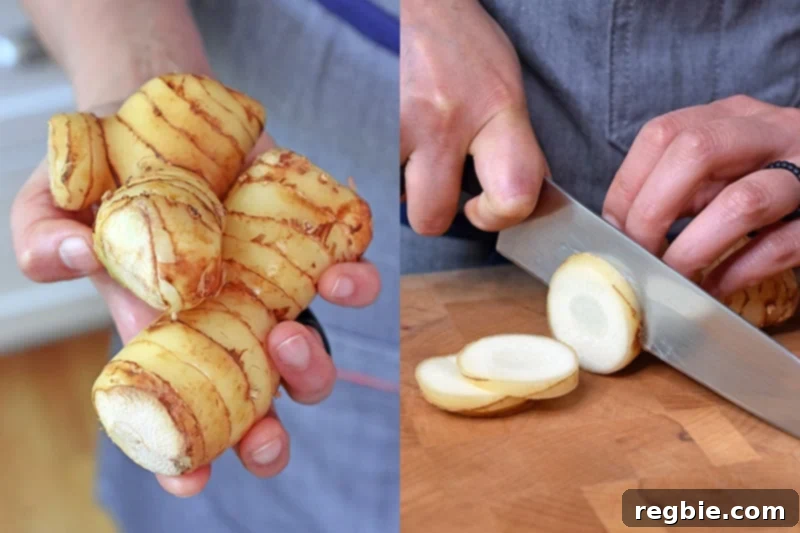
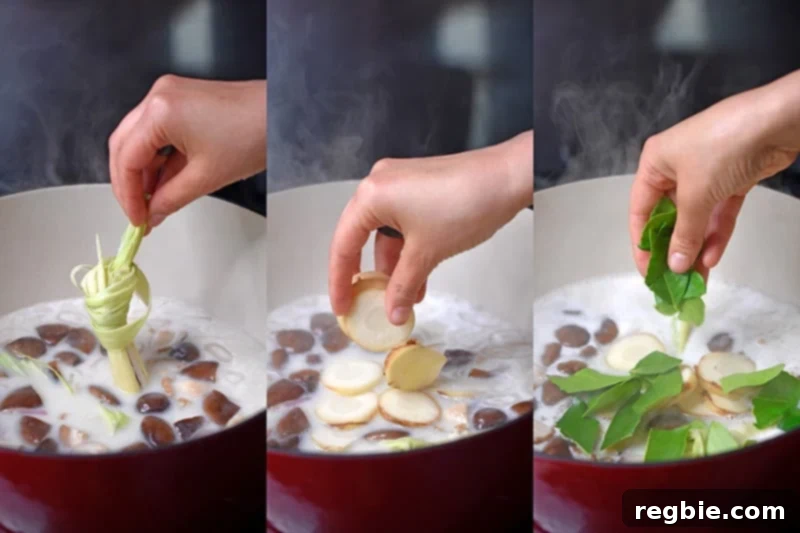
When purchasing fresh galangal for your Tom Kha Gai, always inspect it carefully. Look for roots that have smooth, firm skin without any noticeable blemishes or soft spots. The fresher the galangal, the more potent its aromatic contribution to your Thai coconut chicken soup will be. For this recipe, preparation is quite straightforward: simply wash the galangal thoroughly and then slice it into ¼-inch thick coins. There’s no need to peel it, as you won’t actually be eating the galangal itself—it’s solely used for infusing flavor into the broth. The same principle applies to lemongrass and makrut lime leaves.
The reason for these thicker slices is purely practical: they are much easier to fish out of the soup before serving, ensuring a smooth eating experience. If, after an exhaustive search, you still can’t find fresh galangal, don’t give up! Frozen galangal is an excellent substitute that retains much of its original flavor. Dried galangal can also be used, though you might need to use a slightly larger quantity and potentially rehydrate it for a short period to achieve a comparable aromatic intensity.
Detailed Guide to Tom Kha Gai Ingredients
- Galangal (Kha) – The Unmistakable Flavor: As the “kha” in Tom Kha Gai literally translates to “galangal,” its inclusion is non-negotiable for an authentic experience. Many wonder if ginger, a visually similar rhizome, can be substituted. The answer is a resounding NO. While they share some surface similarities, their flavor profiles are drastically different. Galangal imparts a unique, refreshing, piney, and almost camphorous flavor with subtle citrus notes. Ginger, on the other hand, is sharp, spicy, and warming. Substituting ginger will fundamentally alter the signature cool and aromatic essence of Tom Kha Gai, resulting in a completely different soup. Trust us on this – galangal is key.
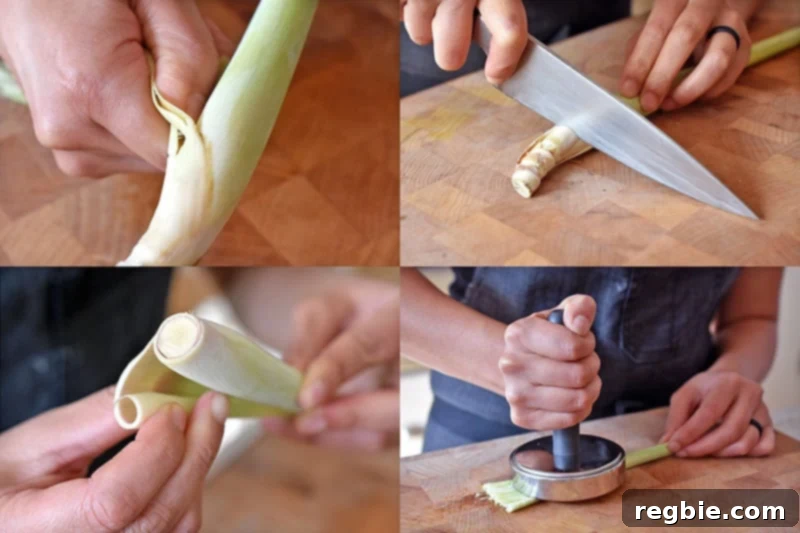
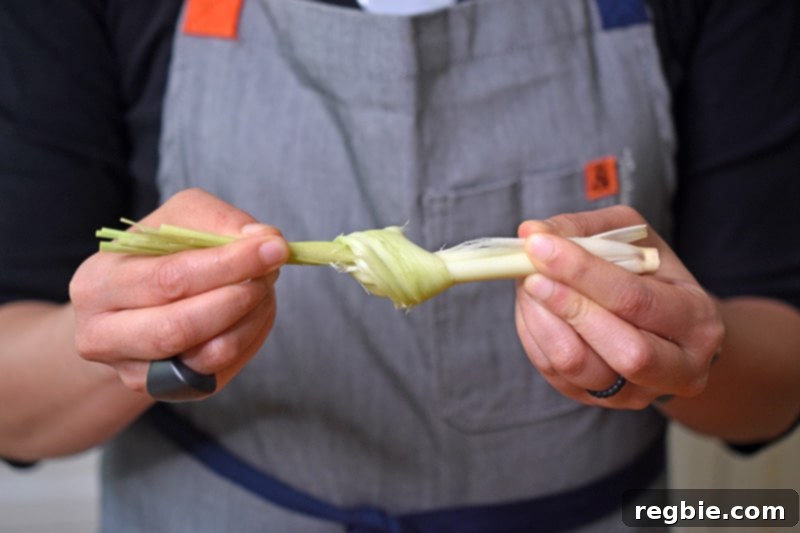
- Fresh Lemongrass – Bright Citrusy Kick: Lemongrass is crucial for adding a bright, citrusy, and slightly herbal fragrance to your Thai coconut chicken soup. Like galangal and lime leaves, it’s not meant to be eaten. To extract maximum flavor, peel off the tough outer layers, trim the dry ends, and then thoroughly pound the stalk with a meat pounder or the blunt side of a heavy knife. This bruising action releases its essential oils. Tying the pounded stalk into a knot makes it incredibly easy to retrieve from the soup before serving. For more tips on utilizing this versatile herb, explore our detailed tutorial on preparing lemongrass for other recipes.
- Makrut Lime Leaves (Kaffir Lime Leaves) – Deeply Aromatic: These distinctive, glossy dark green leaves, native to tropical Asia, are renowned for their intense, floral, and citrusy aroma. They contribute a profound depth of flavor and fragrance that is iconic in Thai cuisine. If fresh makrut lime leaves are unavailable in your area, you can use the zest from two fresh limes as a passable substitute. While lime zest provides a similar bright, tangy note, it won’t fully replicate the complex floral and herbaceous notes of the authentic leaves.
- Coconut Oil or Avocado Oil – The Starting Fat: Either coconut oil, with its subtle sweetness, or a neutral avocado oil works perfectly for sautéing the initial ingredients, providing a clean base for the soup’s flavors to build upon.
- Shallots – Sweet & Mild Onion Base: Thinly sliced shallots offer a delicate, sweet, and mild onion flavor that gently caramelizes and melts into the broth. If shallots are difficult to find, you can substitute with yellow or white onion, though the flavor will be slightly more pungent.
- Shiitake Mushrooms – Umami Richness: Shiitake mushrooms add a wonderful earthy depth and a potent umami flavor to the soup, complementing the other ingredients beautifully. If shiitake are not accessible, oyster mushrooms or even common button mushrooms can be used as a good alternative for texture and a milder earthy taste.
- Diamond Crystal Brand Kosher Salt – Balanced Seasoning: We recommend Diamond Crystal kosher salt for its flaky texture and consistent seasoning power, allowing for precise flavor adjustments without over-salting, enhancing all the natural flavors.
- Chicken Broth – The Liquid Foundation: A good quality chicken broth forms the savory base of this soup, providing a rich and comforting foundation. For those opting for a vegetarian or vegan version, a robust vegetable broth can be used instead.
- Full-Fat Canned Coconut Milk – Creamy & Luxurious: This is arguably the most important ingredient for achieving the signature creamy texture and rich, comforting flavor of Tom Kha Gai. Opt for full-fat coconut milk to ensure a luxurious, velvety mouthfeel. Brands like Aroy-D or Whole365 are consistently reliable for their quality and creaminess.
- Boneless, Skinless Chicken Thighs – Tender Protein: We prefer using boneless, skinless chicken thighs, cut into bite-sized pieces, because they remain incredibly tender and juicy during cooking, absorbing the soup’s flavors beautifully. Boneless, skinless chicken breast can also be used if you prefer a leaner protein, just be careful not to overcook it. For those looking for alternatives, shrimp is an excellent seafood option, or cubed firm tofu can be used for a delicious vegetarian or vegan rendition.
- Tomatoes – Fresh Acidity & Color: Sliced tomatoes contribute a hint of refreshing acidity and a beautiful splash of color to the soup. It’s important to add them towards the end of the cooking process to ensure they are heated through but maintain their shape and don’t become mushy, preserving their fresh texture. While traditionally simple, you can certainly add other vegetables like bell peppers, green beans, or snap peas for added nutrients and varied textures.
- Red Boat Fish Sauce – The Umami Amplifier: Red Boat fish sauce is a premium quality, essential condiment in Thai cooking, providing a crucial layer of savory umami that is irreplaceable. It balances and deepens the flavors, tying all the components of the soup together. Its quality truly makes a difference.
- Fresh Lime Juice – Essential Tang: Freshly squeezed lime juice is paramount for the characteristic tangy balance that cuts through the richness of the coconut milk. It brightens the entire soup, creating a harmonious blend of creamy, umami, herbaceous, and sour notes. Always use fresh lime juice for the best results.
- Fresh Cilantro Leaves – Fragrant Garnish: A generous scattering of freshly chopped cilantro leaves adds a burst of herbaceous freshness and a beautiful green garnish just before serving. If you have an aversion to cilantro, thinly sliced green onions make a perfectly acceptable and equally appealing alternative.
- Thai Chilies – Optional Spicy Kick: For those who love a bit of heat, thinly sliced Thai chili peppers (or Fresno peppers for a milder kick) can be added to individual bowls to introduce a vibrant and customizable spicy element. Feel free to adjust the quantity to your personal preference, or omit them entirely for a milder soup.
Can’t Track Down Authentic Tom Kha Gai Ingredients? Here’s Your Shortcut!
After diligently searching all your local markets, if the essential trio of galangal, lemongrass, and makrut lime leaves still remains elusive, there’s no need to abandon your quest for delicious Thai coconut chicken soup. In such instances, it’s often more effective to embrace a clever shortcut rather than settle for poor substitutes that will compromise the authentic flavor profile. The best solution in a pinch is to reach for a high-quality, store-bought Thai red curry paste.
This versatile paste is a concentrated blend of many traditional Thai spices and aromatics, offering a robust and complex flavor base that can effectively stand in for the individual fresh ingredients you couldn’t find. To use it, simply add a teaspoon or two of the red curry paste to your saucepan after sautéing the shallots and mushrooms, before you add the broth. Stir it in thoroughly and allow it to cook for about a minute to bloom and release its fragrant oils. While it won’t precisely replicate the nuanced freshness of the individual aromatics, it will impart a wonderful depth of flavor and a pleasant spiciness to your soup. This convenient shortcut ensures you can still enjoy a flavorful and satisfying homemade Tom Kha Gai, remarkably close to the authentic experience, even when fresh ingredients are out of reach.
How to Make Tom Kha Gai: Your Easy 30-Minute Recipe
Follow these straightforward steps to prepare a delectable and authentic Tom Kha Gai in your own kitchen, perfect for a quick weeknight meal or a special occasion:
-
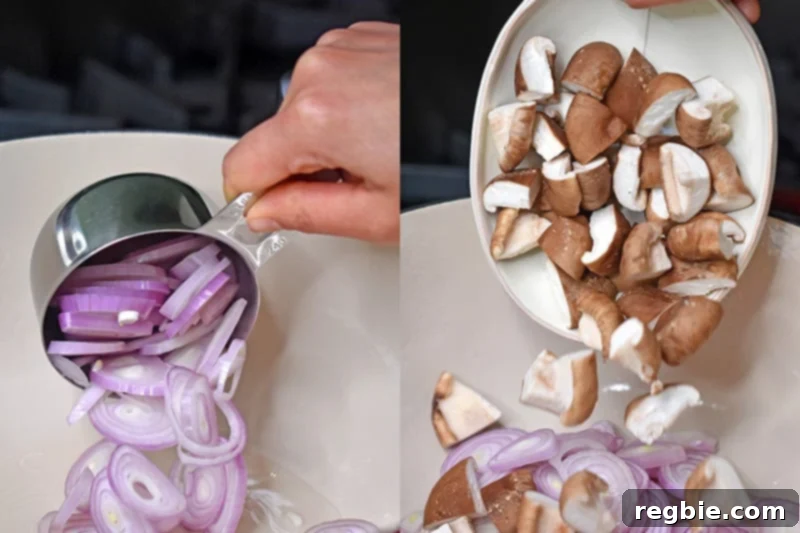
Sauté Shallots and Mushrooms: Heat a large saucepan or Dutch oven over medium heat. Once the pan is hot, add 2 teaspoons of coconut oil (or your preferred cooking oil). Stir in the thinly sliced shallots and quartered shiitake mushrooms with a generous sprinkle of Diamond Crystal kosher salt. Sauté gently for about 3-5 minutes, until the shallots are softened and translucent but not browned. This process builds a critical aromatic foundation for your soup.

Sautéing shallots and mushrooms, building the flavor base. -
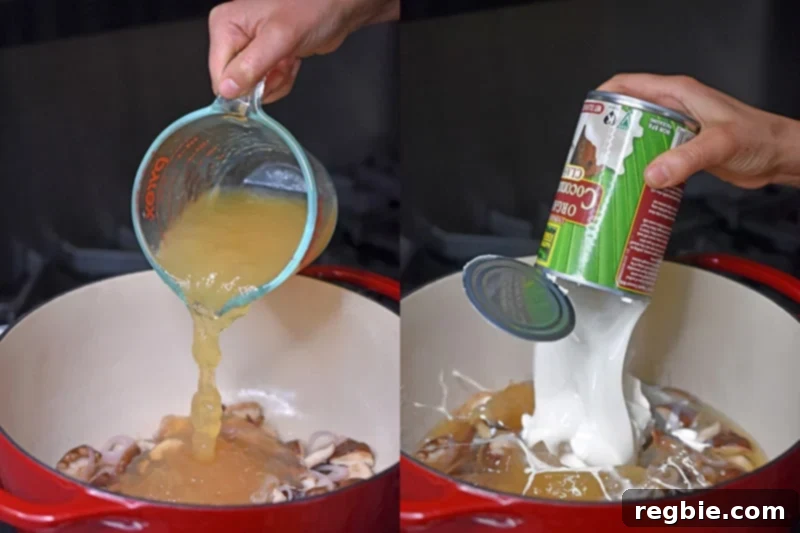
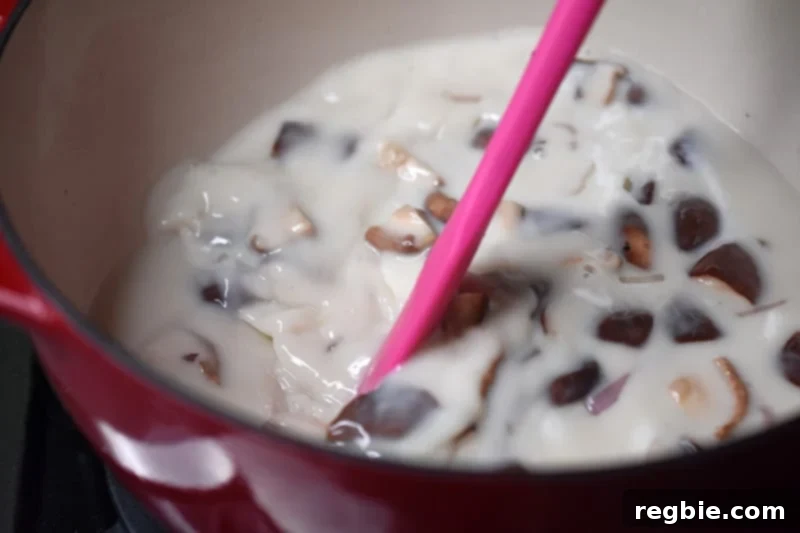
Begin the Broth: Pour in 2 cups of chicken broth and one of the 13.5-ounce cans of full-fat coconut milk. Increase the heat to medium-high, stirring frequently to ensure the ingredients are well combined and to prevent the coconut milk from sticking or scorching. Bring the mixture to a gentle simmer.
Combining broth and coconut milk for a creamy liquid foundation. The broth beginning to simmer, ready for aromatics. -
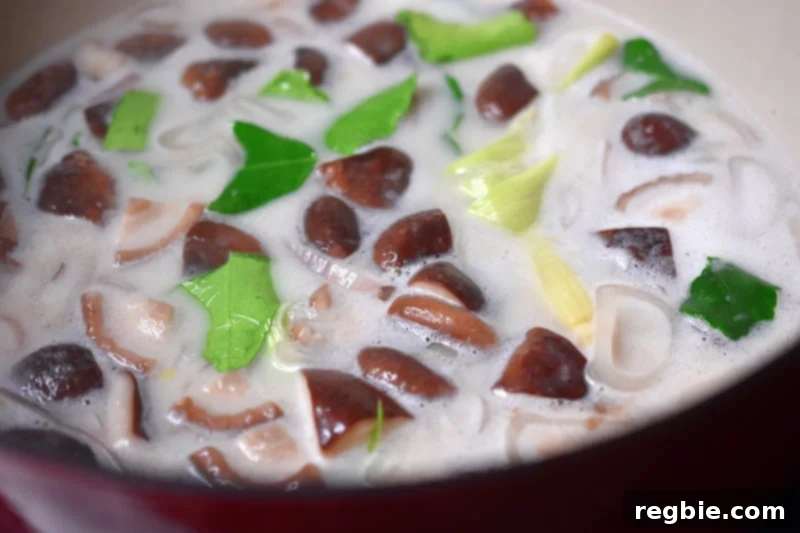
Infuse with Aromatics: Add the prepared lemongrass stalks (trimmed, pounded, and tied), galangal coins, and torn makrut lime leaves to the simmering broth. Reduce the heat to medium or medium-low to maintain a gentle simmer, stirring occasionally. Allow these essential aromatics to infuse their distinct, complex flavors into the broth for about 5 to 10 minutes. This step is crucial for developing the authentic taste of Tom Kha Gai.
Infusing the broth with the signature Thai aromatics. The broth simmering gently, absorbing all the wonderful Thai flavors. -
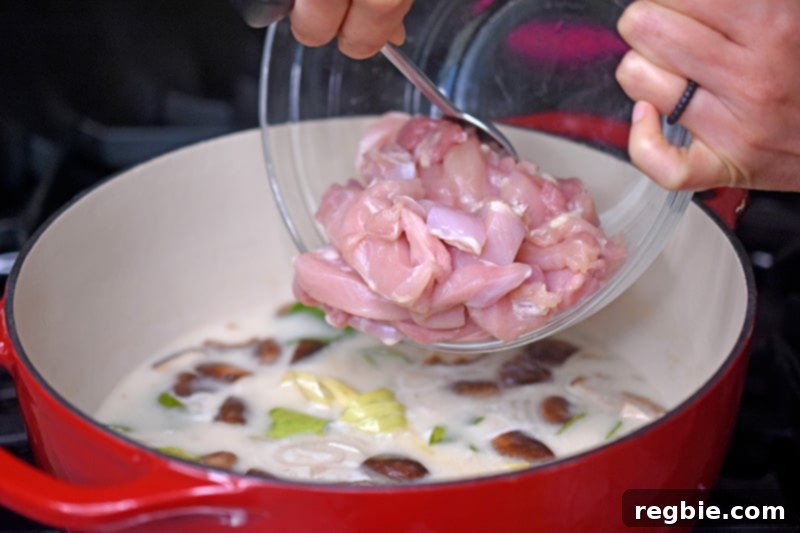
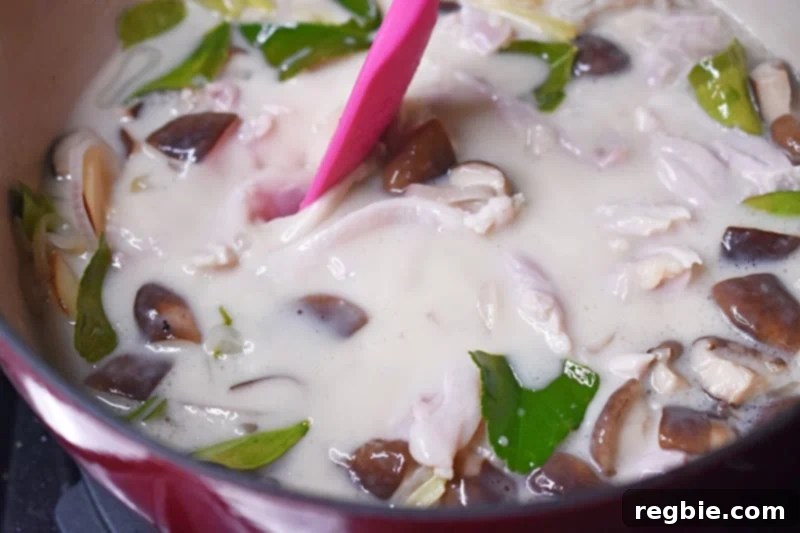
Cook the Chicken: Once the broth is fragrant and beautifully infused with the aromatics (after 5-10 minutes), add 1½ pounds of boneless, skinless chicken thighs, cut into ½-inch strips. Increase the heat to medium-high to return the soup to a simmer. Cook until the chicken is thoroughly cooked through and no longer pink, which usually takes only a few minutes due to the small size of the strips. Avoid overcooking to keep the chicken tender.
Adding tender chicken to the aromatic soup base. Chicken cooking to perfection in the delicious Tom Kha Gai broth. -
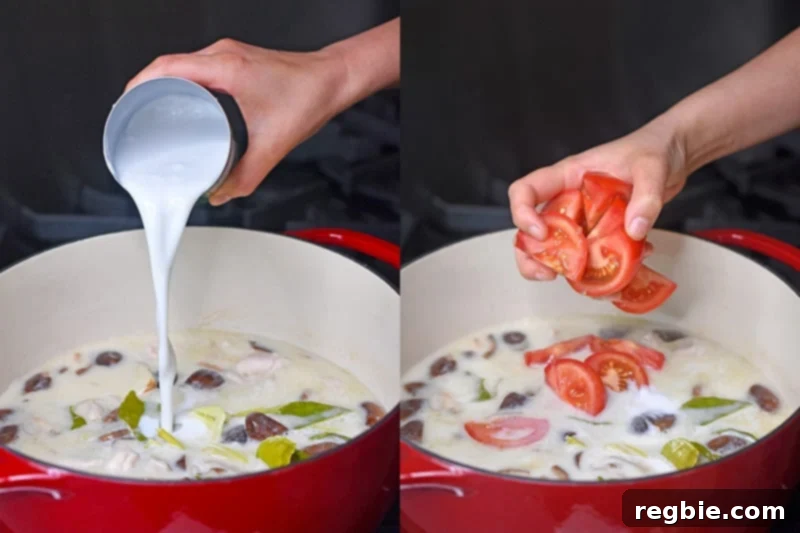
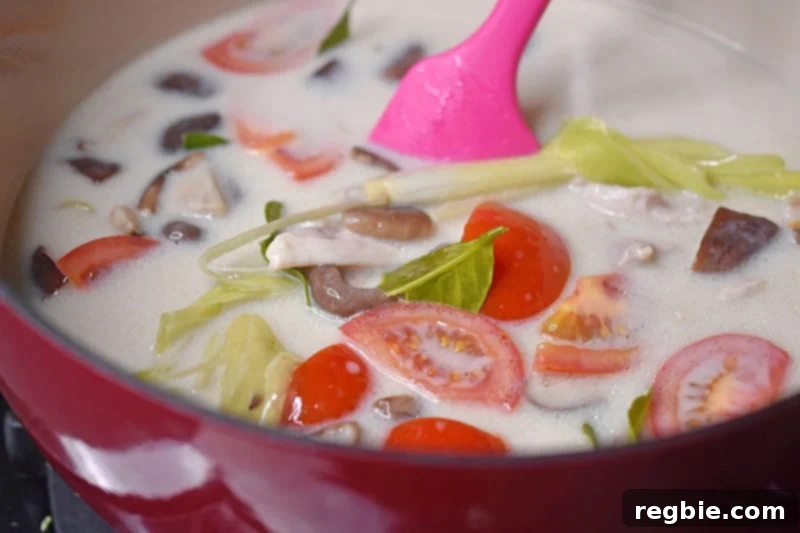
Add Final Coconut Milk and Tomatoes: Now, pour in the remaining can of coconut milk and add the tomato wedges to the pot. Cook, stirring occasionally, just until the tomatoes are heated through. It’s important that they don’t break down or become mushy, as their fresh texture and subtle acidity are meant to be preserved in the finished soup.
The final additions of coconut milk and tomatoes. Tomatoes gently heated, adding a fresh and colorful element. -
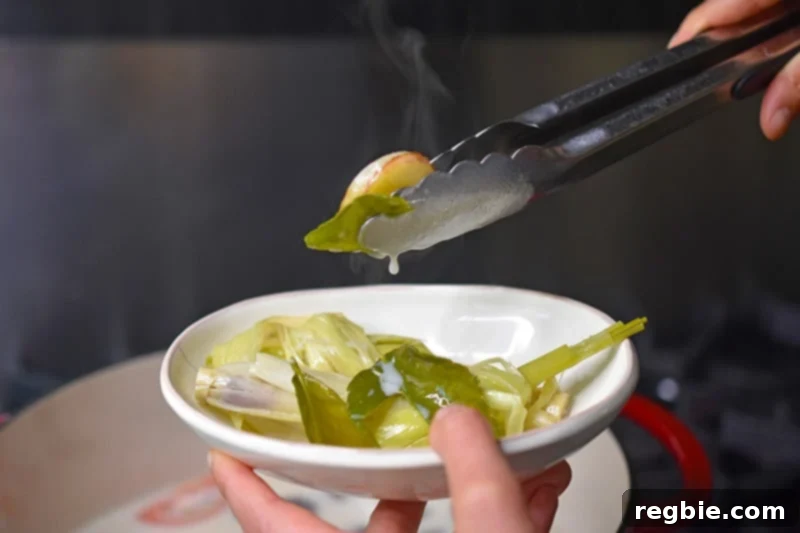
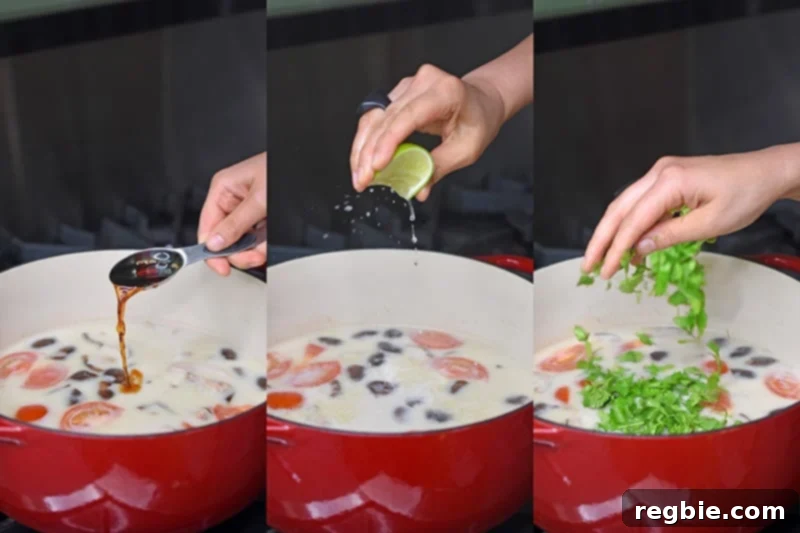
Remove Aromatics and Season: Carefully remove and discard the lemongrass stalks, galangal coins, and makrut lime leaves from the soup. Alternatively, you can advise your diners to simply pick these items out of their individual bowls as they enjoy the soup. Remove the pot from the heat. Stir in 1½ tablespoons of Red Boat fish sauce, the juice from 2 medium limes, and ¼ cup of chopped cilantro leaves. Taste the soup and adjust the seasonings as needed; you might prefer a little more fish sauce for extra umami depth or more lime juice for increased tanginess.
Removing the large aromatics for a smooth texture. The essential finishing touches for perfectly balanced flavor. -
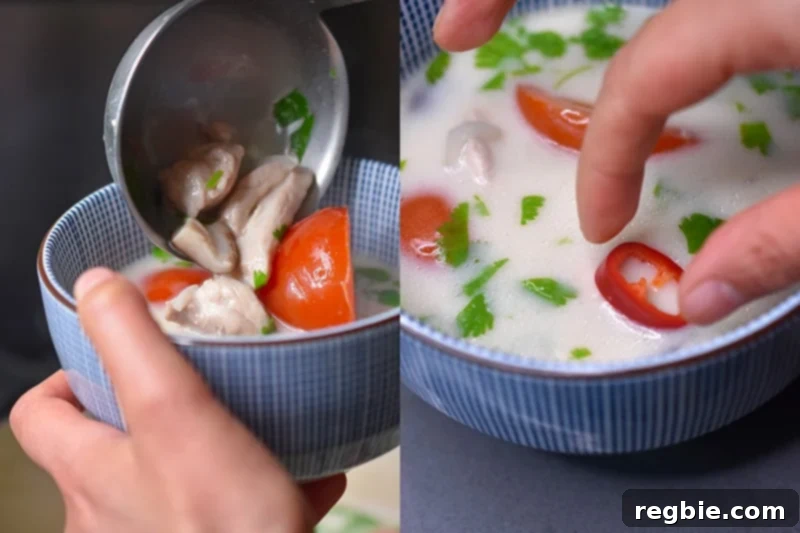
Serve and Garnish: Ladle the hot and fragrant Tom Kha Gai into individual serving bowls. For those who appreciate a spicy kick, add thinly sliced Thai chili peppers or Fresno peppers to each bowl as a garnish. Serve immediately with extra fresh cilantro leaves and lime wedges on the side for an additional burst of freshness and zest. Enjoy your incredibly flavorful, homemade Thai coconut chicken soup!
Ladle and garnish your delicious homemade Tom Kha Gai. Your perfect bowl of Tom Kha Gai is ready to be savored.

Serving Suggestions and Customizing Your Tom Kha Gai
Tom Kha Gai is a wonderfully versatile and satisfying soup that can be enjoyed in various ways. Traditionally, it often serves as an appetizer or is part of a larger Thai meal spread. However, thanks to its rich coconut base and tender chicken, it’s hearty enough to stand alone as a fulfilling main course. For a more complete and traditional meal, consider serving it with a side of fragrant steamed jasmine rice. If you’re following a low-carb diet or simply prefer a lighter option, cauliflower rice makes an excellent accompaniment, perfectly soaking up the creamy, flavorful broth.
Make it Your Own: Creative Customization Ideas
- Add More Vegetables: Enhance the nutritional value and texture by incorporating additional vegetables. Sliced bell peppers (red, yellow, or orange), green beans, crisp snap peas, or even tender baby bok choy would complement the Thai flavors beautifully. For heartier vegetables like carrots or broccoli florets, add them during step 3 with the aromatics. Softer greens like spinach or bean sprouts should be stirred in during the last minute of cooking to prevent overcooking.
- Protein Swaps: While chicken thighs are a fantastic choice for their tenderness, don’t hesitate to experiment with other proteins. Shrimp is an exquisite alternative that cooks very quickly; simply add it during the last 2-3 minutes of cooking until it turns pink and opaque. For a completely vegetarian or vegan version, use cubed firm or extra-firm tofu (pressed to remove excess water) and substitute chicken broth with a flavorful vegetable broth. Edamame or cashews can also be added for extra protein and a delightful crunch.
- Adjusting Spice Levels: The original recipe suggests adding Thai chilies as a garnish, allowing individual diners to customize their heat. If you prefer a consistently spicier soup, you can add a few thinly sliced chilies directly to the broth when you introduce the other aromatics in step 3. For a milder heat, remove the seeds from the chilies before slicing them.
- Additional Herbs and Aromatics: Elevate the herbaciousness further by experimenting with other fresh herbs. Fresh Thai basil, stirred in just before serving, provides a distinct anise-like flavor that harmonizes wonderfully with the coconut milk and lime. A sprinkle of fried shallots or garlic chips on top can also add a delightful crunch and extra layer of flavor.
Storing and Reheating Leftover Tom Kha Gai
One of the many joys of cooking Tom Kha Gai at home is that the flavors often deepen and meld even further after a day or so, making leftovers incredibly delicious. If you find yourself with extra portions, ensure the soup cools completely to room temperature before transferring it to a clean, sealed airtight container. Stored properly in the refrigerator, it will retain its wonderful taste and quality for up to 4 days.
While some soups freeze well, we generally advise against freezing Tom Kha Gai. The high fat content in full-fat coconut milk can sometimes cause it to separate during the freezing and thawing process, resulting in a slightly grainy or less appealing texture. Although the flavor will likely still be good, the creamy consistency that defines Tom Kha Gai might be compromised. To reheat your leftover soup, gently warm it on the stovetop over low to medium heat, stirring frequently. Avoid bringing it to a rolling boil, as this can also contribute to the coconut milk separating and altering the soup’s smooth texture. Slow and steady reheating is key to maintaining its creamy perfection.
Explore More Healthy Asian Soup Recipes
If you thoroughly enjoyed preparing and savoring this authentic Tom Kha Gai, we encourage you to expand your culinary horizons with more nourishing and flavorful Asian soup recipes. Each offers a unique taste experience while remaining wholesome and delicious:
- Simple Egg Drop Soup
- Hot and Sour Soup
- Chinese Beef Noodle Soup
- Wonton Soup
- West Lake Beef Soup
- Watercress and Chicken Soup
- Pork and Napa Cabbage Soup
- Instant Pot Chicken Pho
- Oxtail Soup
Seeking even more delicious and inspiring recipe ideas? We invite you to explore our extensive Recipe Index, where you’ll find a wealth of culinary treasures. Additionally, discover exclusive recipes and expert cooking tips within our acclaimed cookbooks: Nom Nom Paleo: Food for Humans (Andrews McMeel Publishing 2013), Ready or Not! (Andrews McMeel Publishing 2017), and our latest release, Nom Nom Paleo: Let’s Go! (Andrews McMeel Publishing 2022).
Printer-Friendly Recipe Card: Tom Kha Gai
Tom Kha Gai: Irresistibly Creamy Thai Coconut Soup in 30 Minutes!
Print Recipe
Tom Kha Gai, a popular Thai Coconut Chicken Soup, is super simple to make at home! This Whole30-friendly version is delicious and quick enough to make for a weeknight supper!
Ingredients
- 2 teaspoons coconut oil or cooking oil of choice
- 2 large shallots, thinly sliced
- ¼ pound shiitake mushrooms, cut into quarters
- Diamond Crystal kosher salt
- 2 cups chicken broth
- 2 (13.5 ounce) cans full-fat coconut milk, divided
- 2 medium lemongrass stalks, trimmed, pounded, and tied in a knot
- 1 (2-inch) piece fresh galangal, cut into ¼-inch slices
- 6 makrut lime leaves, torn into large pieces (or zest from two limes)
- 1½ pounds boneless and skinless chicken thighs, cut into ½-inch strips
- 2 medium tomatoes, cut into wedges
- 1½ tablespoons Red Boat fish sauce
- Juice from 2 medium limes
- ¼ cup chopped cilantro leaves
- 2 Thai chili peppers or 1 Fresno pepper, thinly sliced (optional)
Instructions
- Heat a large saucepan over medium heat, and add the coconut oil once it’s hot. Stir in the shallots and shiitake mushrooms with a sprinkle of salt.
- Sauté until the shallots are softened but not browned, about 3-5 minutes.
- Pour in the broth and one can of coconut milk. Increase heat to medium-high, stirring frequently until it starts to simmer.
- Add the lemongrass stalks, galangal coins, and torn up makrut lime leaves. Maintain a simmer, decreasing the heat to medium or medium-low, stirring occasionally.
- When the aromatics have infused the broth (about 5 to 10 minutes), add the chicken. Increase the heat to medium-high to bring back to a simmer and cook until the chicken is no longer pink.
- Add the remaining can of coconut milk and the tomatoes. Cook, stirring occasionally, until the tomatoes are heated through but not broken down.
- Fish out the lemongrass, lime leaves, and galangal. (Or you can tell your diners to pick out those items in their bowls.)
- Remove the pot from the heat and season with fish sauce, lime juice, and cilantro. Taste and adjust with more seasoning if needed.
- Ladle up the soup and add Thai chili peppers to the bowls if desired.
Video
Watch this video to see how easily you can prepare authentic Tom Kha Gai at home!
Notes
- Leftovers can be stored in a sealed airtight container in the fridge for up to 4 days. Reheat gently on the stovetop over low-medium heat.
- If you can’t find fresh, frozen, or dried galangal, lemongrass, and/or makrut lime leaves, you can use 1-2 teaspoons of store-bought Thai red curry paste as a substitute. Add it when sautéing shallots and mushrooms.
Nutrition
Nutrition information is automatically calculated and should be considered an approximation.
- Calories: 436 kcal
- Carbohydrates: 10g
- Protein: 26g
- Fat: 34g
- Fiber: 1g
- Sugar: 2g
Enjoyed this recipe? Share your experience in the comments below!