
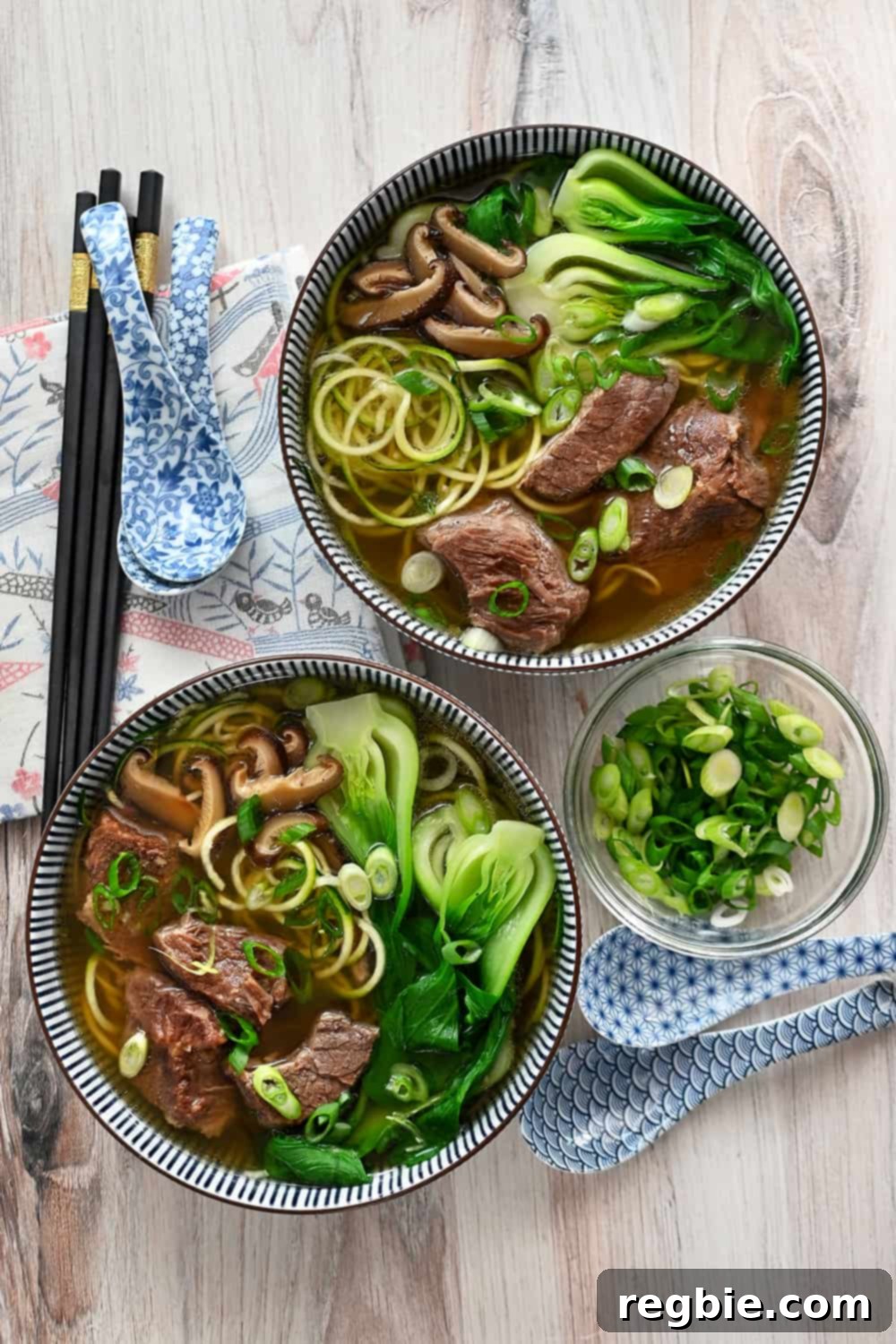
Experience the rich, aromatic flavors of a classic Chinese Beef Noodle Soup, reimagined for modern, healthy living. This incredible recipe is not only deeply comforting and immensely satisfying but also meticulously crafted to be Paleo, Keto, Gluten-Free, and Whole30 compliant. Whether you prefer the speed and convenience of an Instant Pot or the traditional simmering of a stovetop, you can effortlessly create this slurpable masterpiece right in your own kitchen. Prepare to be warmed from the inside out with a bowl that tastes just like home, only healthier.
Table of Contents
- A Paleo, Whole30, Keto Version of Chinese Beef Noodle Soup
- Faster, Flavorful Results with the Instant Pot
- Stovetop Method: Achieving Deep Flavors Without a Pressure Cooker
- Make-Ahead Mastery: Prepare Your Soup for Easy Meals
- Cantonese vs. Taiwanese: Understanding the Nuances of Beef Noodle Soup
- Key Ingredients for the Perfect Paleo & Keto Beef Noodle Soup
- Step-by-Step: Crafting Chinese Beef Noodle Soup in Your Instant Pot
- Building the Rich Beef Broth
- Preparing the Crisp Baby Bok Choy
- Assembling and Serving Your Delightful Soup
- More Paleo and Whole30 Chinese Soups to Explore
- Printer-Friendly Recipe Card
- Chinese Beef Noodle Soup (Instant Pot or Stovetop) Recipe
A Paleo, Whole30, Keto Version of Chinese Beef Noodle Soup
Growing up, few dishes evoked as much warmth and comfort as my mom’s Chinese beef noodle soup, a cherished weekend lunch that always chased away the chill and nourished my soul. The rich, savory broth and tender beef were the epitome of hearty, comforting food. This powerful nostalgia, coupled with a desire to maintain a healthy, compliant diet, inspired me to recreate this beloved classic. The challenge was to capture the authentic Cantonese flavors I remembered while adhering to strict Paleo, Whole30, and Keto guidelines. Many traditional Chinese soups rely on soy sauce and starches, which are off-limits for these diets.
After much experimentation with compatible ingredients, I’m thrilled to share that I’ve successfully developed a simplified, yet incredibly flavorful, version that truly delivers. This recipe utilizes accessible kitchen staples, proving that healthy eating doesn’t mean sacrificing taste or tradition. You’ll be amazed at how a few thoughtful substitutions can create a dish that’s both deeply satisfying and incredibly light, leaving you feeling energized rather than weighed down. It’s a testament to the fact that you can enjoy classic comfort food without compromising your dietary goals.
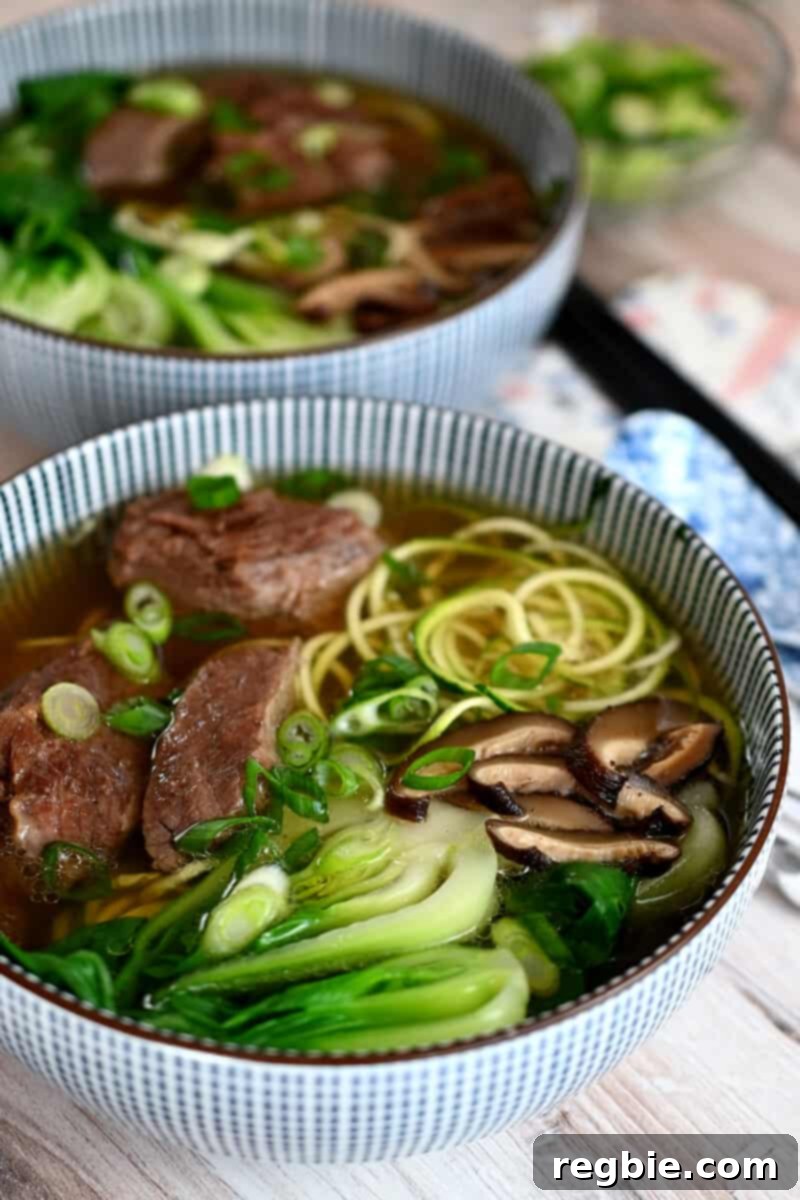
This simple and healthy rendition of Chinese beef noodle soup ensures you get all the incredible taste without any of the gluten, grains, or inflammatory ingredients often found in traditional recipes. It’s perfect for a satisfying weeknight dinner or a cozy weekend meal that everyone, regardless of their dietary preferences, will adore.
Faster, Flavorful Results with the Instant Pot
For those who love delicious food with minimal fuss, the Instant Pot is an absolute game-changer. My personal philosophy revolves around efficient cooking, and if I can achieve outstanding results by simply adding ingredients to a pot, giving it a quick stir, and stepping away, I will choose that method every single time. The Instant Pot excels at transforming tougher cuts of meat, like chuck roast, into melt-in-your-mouth tenderness in a fraction of the time compared to traditional methods.
By pressure-cooking beef chuck roast cubes with a thoughtfully selected blend of aromatics and seasonings—including fresh garlic, potent ginger, vibrant scallions, earthy dried shiitake mushrooms, umami-rich coconut aminos, and savory fish sauce—you’ll achieve a remarkably flavorful and deeply aromatic beef broth. The high-pressure environment not only tenderizes the beef to perfection but also infuses every fiber with the fragrant essence of the broth. Some home cooks prefer to blanch beef cubes beforehand to remove impurities and achieve a clearer broth, but in my experience, with a good quality chuck roast and careful simmering, this step is often unnecessary for this recipe, saving you precious time without sacrificing flavor.
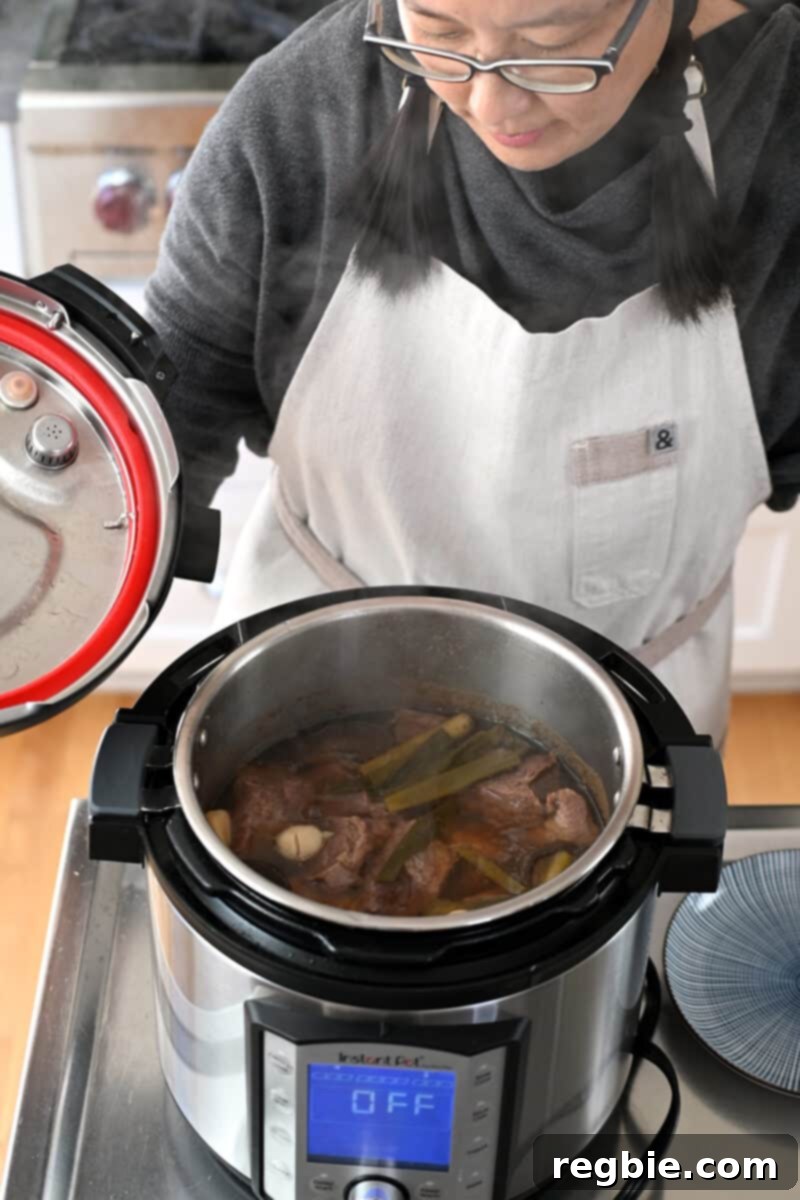
The Instant Pot truly shines in developing complex flavors quickly, making this Paleo, Keto, and Whole30 Chinese Beef Noodle Soup a perfect weeknight meal. It ensures consistently tender beef and a deeply satisfying broth every time, allowing you to enjoy a gourmet-quality meal with minimal effort.
Stovetop Method: Achieving Deep Flavors Without a Pressure Cooker
Absolutely! While the Instant Pot offers unmatched speed, you don’t need a pressure cooker to create this exquisite Chinese Beef Noodle Soup. The stovetop method, though requiring a bit more time and patience, yields equally delicious results, allowing the flavors to meld and deepen over a slow simmer. This traditional approach creates a wonderfully rich and robust broth that’s worth the wait.
To prepare this healthy beef noodle soup on the stovetop, simply combine the beef and all the soup ingredients in a large, heavy-bottomed pot. Bring the mixture to a gentle boil, then reduce the heat to a low simmer. Cover the pot and let it cook for approximately 2 to 3 hours, or until the beef becomes incredibly fork-tender. During this extended cooking period, it’s a good practice to periodically check on the liquid level. If you notice too much evaporation, simply add more water or beef broth to ensure the beef remains submerged and the broth quantity is maintained. You can also take this opportunity to skim off any foam or impurities that rise to the surface, which helps to keep your broth clear and clean-tasting. The slow simmering process allows the collagen in the beef to break down, resulting in a remarkably tender texture and a naturally thickened, flavorful broth that is the hallmark of a great beef noodle soup.
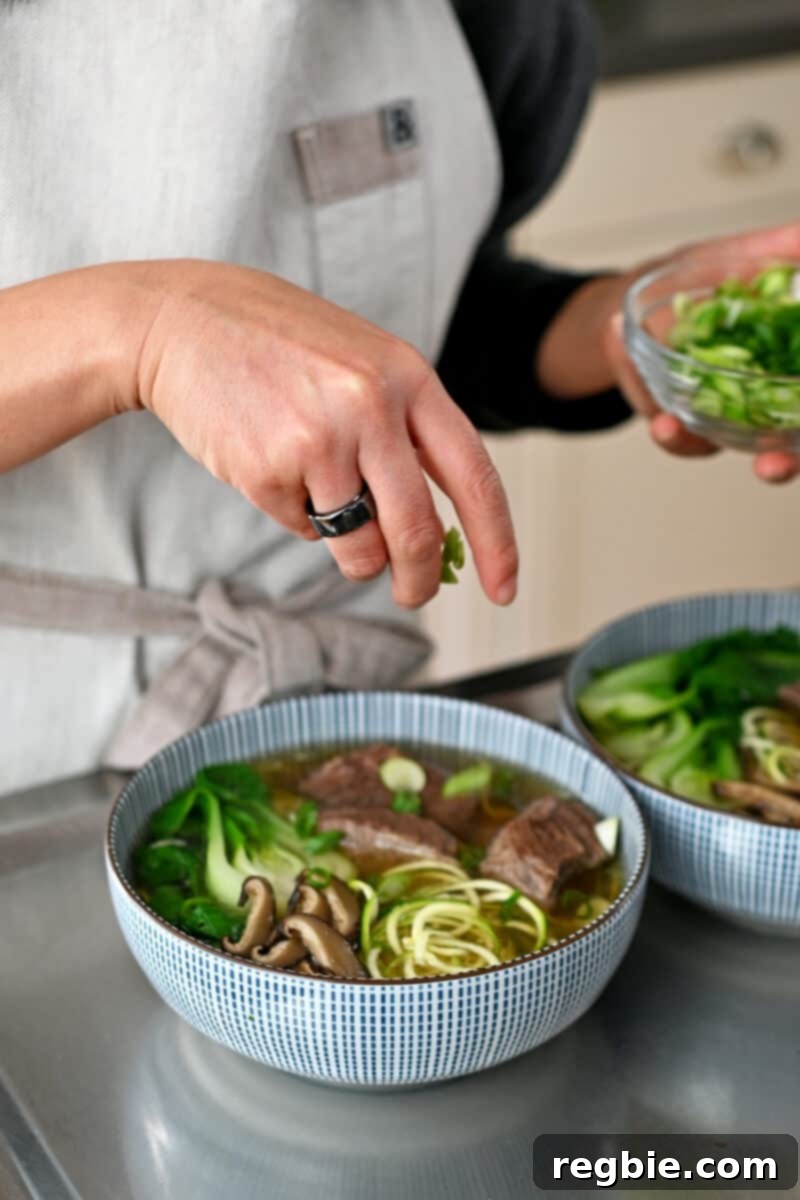
Both methods—Instant Pot and stovetop—will provide you with a truly satisfying and diet-compliant Chinese beef noodle soup. Choose the method that best fits your schedule and culinary preference, and enjoy the incredible flavors of this healthy, homemade dish.
Make-Ahead Mastery: Prepare Your Soup for Easy Meals
One of the fantastic advantages of this Chinese Beef Noodle Soup recipe is its versatility for meal prepping. You can easily prepare the savory beef soup base in advance, making weeknight dinners or quick lunches a breeze. This foresight allows you to have a delicious, healthy meal ready to go whenever hunger strikes, minimizing cooking time when you need it most. The rich flavors of the broth often deepen and improve after a day or two, making it an excellent candidate for advance preparation.
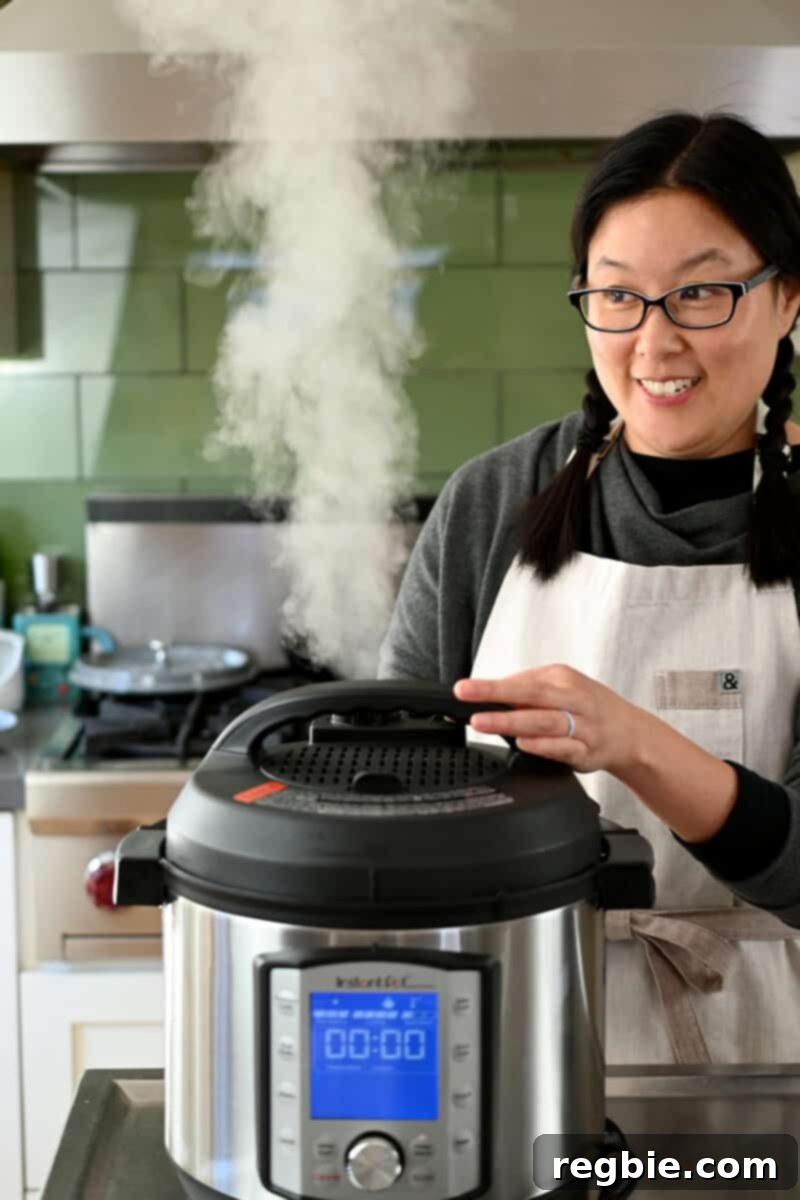
Once your beef soup is cooked and cooled, transfer it to an airtight container. It can be safely stored in the refrigerator for up to four days, retaining its wonderful taste and texture. For longer storage, the soup freezes beautifully; simply transfer it to freezer-safe containers and keep it in the freezer for up to four months. When you’re ready to enjoy this comforting dish, simply reheat the soup on the stovetop until it’s simmering gently, or for an even faster option, use your Instant Pot for 2 minutes under high pressure. Serve the piping hot soup over freshly spiralized zucchini noodles and alongside perfectly cooked baby bok choy for a complete and satisfying meal. This make-ahead strategy ensures you always have a wholesome, flavor-packed, Paleo, Keto, and Whole30 compliant option at your fingertips, perfect for busy lifestyles.
Cantonese vs. Taiwanese: Understanding the Nuances of Beef Noodle Soup
While both Cantonese and Taiwanese beef noodle soups are beloved staples in Asian cuisine, they possess distinct flavor profiles and ingredient lists. This particular recipe for Chinese Beef Noodle Soup is deeply inspired by Cantonese culinary traditions, a style known for its delicate balance and emphasis on natural flavors rather than overpowering spices. Therefore, this is not the same as Taiwanese Beef Noodle Soup, which is a common point of confusion.
Our Cantonese-inspired dish is characterized by its comforting, savory, and relatively mild broth, focusing on the pure essence of beef, ginger, garlic, and savory umami from ingredients like dried shiitake mushrooms and fish sauce. It is not spicy and deliberately avoids the robust spices often found in its Taiwanese counterpart, such as star anise, cinnamon, Szechuan peppercorns, or the tanginess of tomatoes and chilies. Taiwanese beef noodle soup typically boasts a much bolder, spicier, and often slightly sweet and sour profile, with a more pronounced aromatic spice blend that gives it a distinctive kick. If you’re curious to explore Taiwanese Beef Noodle Soup, a fantastic recipe can be found at The Woks of Life, but please note that their version is not designed to be Paleo, Keto, or Whole30 compliant.
Key Ingredients for the Perfect Paleo & Keto Beef Noodle Soup
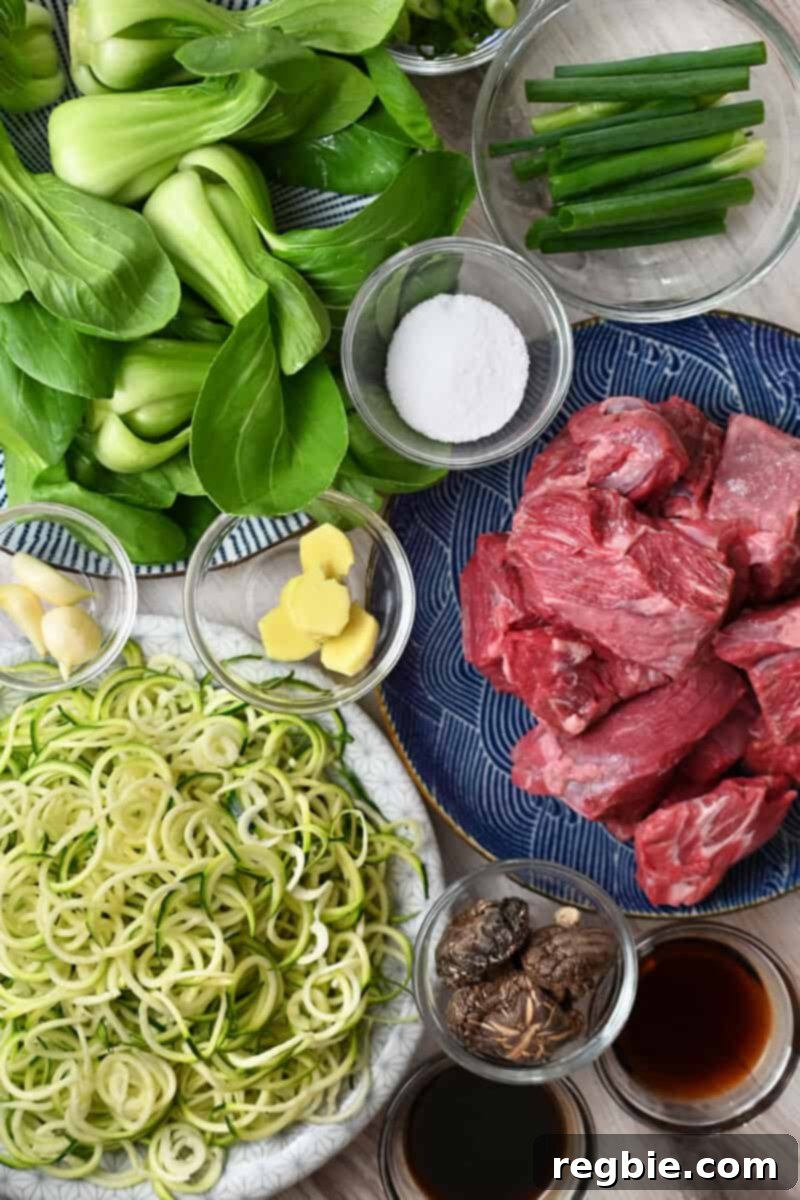
Crafting a truly exceptional and diet-compliant Chinese Beef Noodle Soup begins with selecting the right ingredients. Each component plays a vital role in building the layered flavors and comforting texture of this dish, ensuring it meets Paleo, Keto, Gluten-Free, and Whole30 standards.
- Beef Chuck Roast, cut into 2-inch chunks: This is the star of our soup. Chuck roast is my top choice because it’s rich in collagen and connective tissue, which break down beautifully during slow cooking (or pressure cooking), yielding incredibly tender, flavorful beef. It’s also an economical cut. You can also use boneless short ribs, beef shank, or brisket for similar fork-tender results. Avoid pre-cut “stew beef” mixes, as they often contain various cuts that cook unevenly.
- Red Boat Fish Sauce + Coconut Aminos: To perfectly replicate the savory, umami-rich depth of soy sauce—a staple in Cantonese cuisine—without using actual soy, we combine Red Boat Fish Sauce and coconut aminos. Red Boat Fish Sauce is revered for its purity and intense savory flavor, while coconut aminos add a touch of sweetness and fermented depth, making this an ideal, soy-free substitute for authentic taste.
- Diamond Crystal Kosher Salt: This specific type of salt is preferred by many professional chefs for its flakey texture, which allows for better control over seasoning. It dissolves easily and provides a clean, mineral taste that enhances all the other flavors without overwhelming them.
- Dried Shiitake Mushrooms: A true secret weapon for umami! I always keep these on hand. When rehydrated or cooked directly in the broth, they release an incredible depth of savory, earthy flavor that is fundamental to Asian soups. There’s no need for pre-soaking them for this Instant Pot or stovetop method; they’ll soften and impart their magic directly into the soup.
- Aromatics (Ginger, Garlic, Scallions/Green Onions): These form the “holy triumvirate” of Cantonese aromatics, building the foundational flavor profile of the broth. Fresh ginger provides a warm, spicy zing; garlic adds pungent depth; and scallions offer a fresh, oniony sweetness. Together, they create a complex, fragrant base that is unmistakably Chinese.
- Baby Bok Choy: My preferred green vegetable for this soup, baby bok choy offers a delightful crisp-tender texture and mild, slightly sweet flavor. It cooks quickly and absorbs the broth’s essence beautifully. Feel free to substitute with other Asian greens like gai lan, choy sum, spinach, or mustard greens based on availability and preference.
- Spiralized Zucchini: As our healthy, low-carb, and gluten-free “noodles,” spiralized zucchini is an excellent substitute for traditional egg noodles. The beauty of zucchini noodles is that they require minimal cooking. Simply ladle the piping hot soup directly over them in the serving bowl, and they will soften to a perfect al dente texture in just a minute or two, absorbing all the delicious flavors of the broth.
- Toasted Sesame Oil: A few drops of toasted sesame oil at the end impart a wonderfully nutty aroma and a rich, subtle flavor that completes the soup. While highly recommended for its authentic touch, it can be omitted if you have allergies or don’t have it on hand.
Step-by-Step: Crafting Chinese Beef Noodle Soup in Your Instant Pot
Follow these easy steps to create a deeply flavorful and nourishing Paleo, Keto, Whole30 Chinese Beef Noodle Soup using your Instant Pot. This method streamlines the cooking process, ensuring tender beef and a rich broth with minimal effort.
Building the Rich Beef Broth
Begin by carefully placing the generously cut beef chuck roast chunks into the stainless steel inner pot of your Instant Pot. These sizable pieces will braise beautifully, becoming incredibly tender and flavorful as they cook.
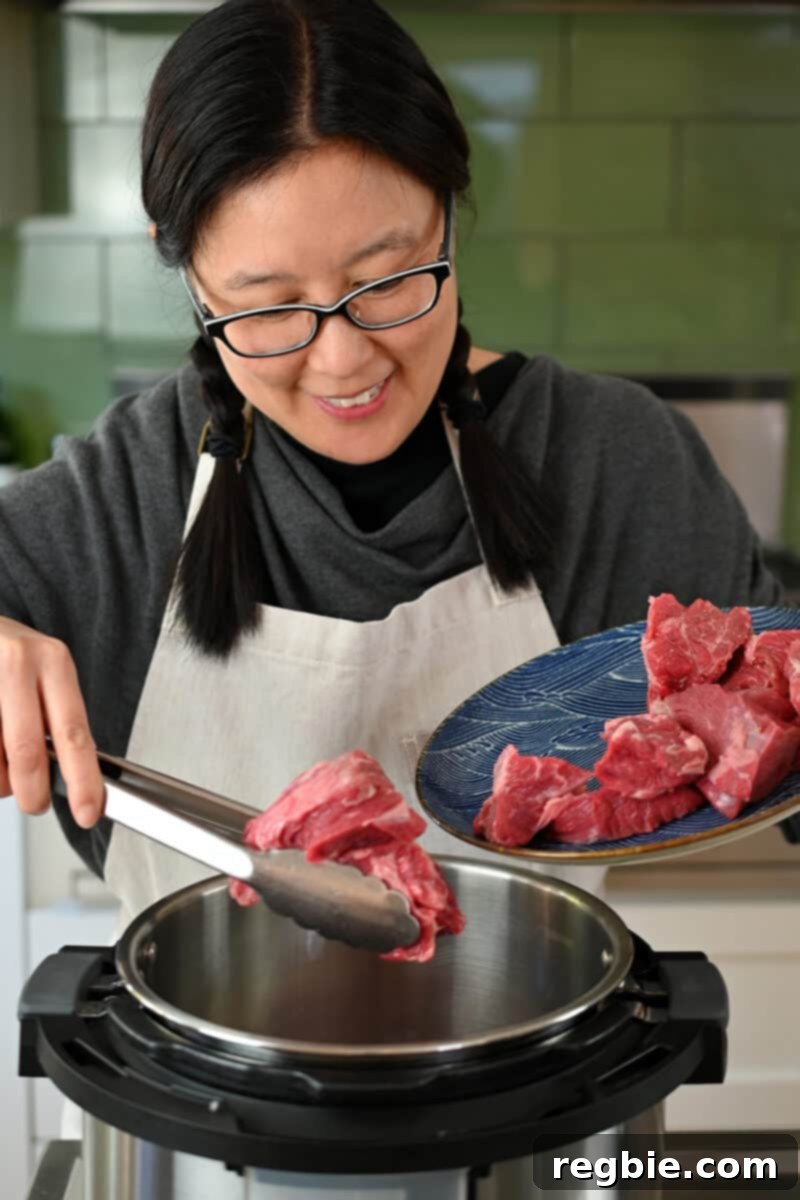
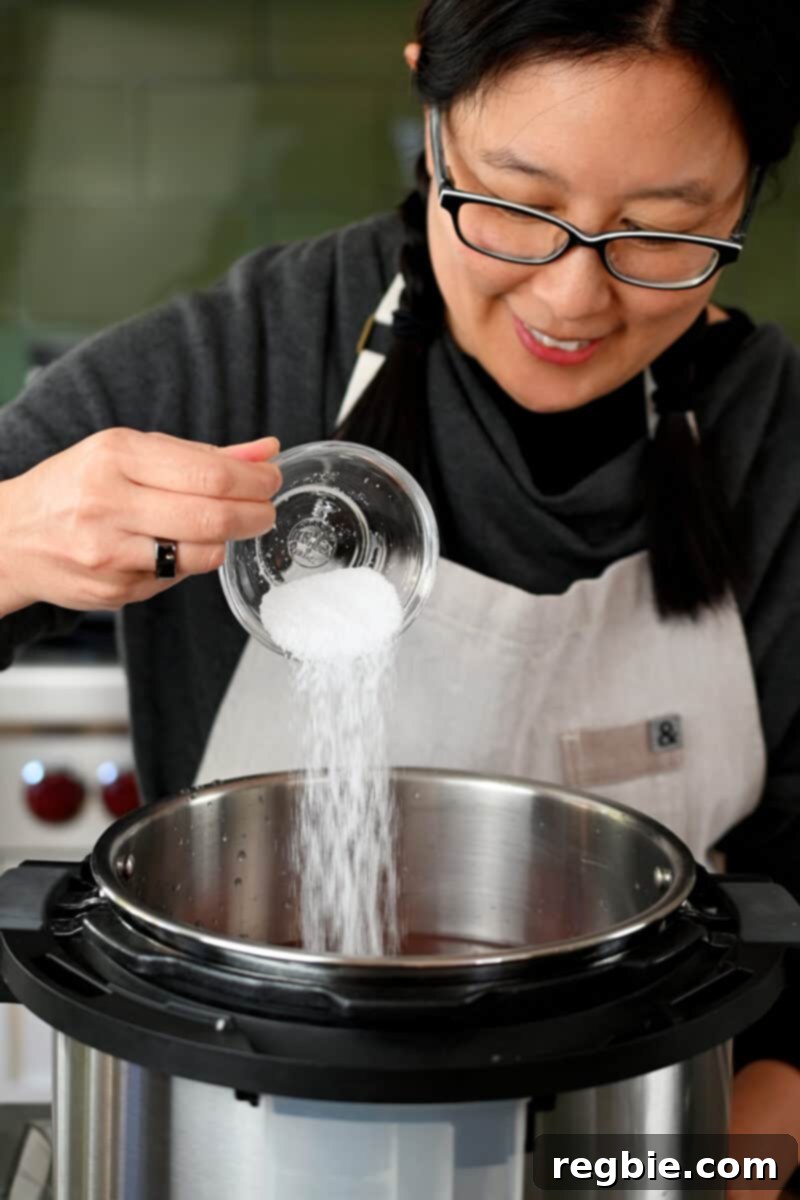
Next, pour in the water, add the Red Boat fish sauce, two tablespoons of coconut aminos, and the Diamond Crystal kosher salt. These liquids and seasonings form the essential foundation of your broth, providing the crucial umami and savory notes that define this Chinese Beef Noodle Soup. Ensure all ingredients are well combined and the beef is largely submerged.
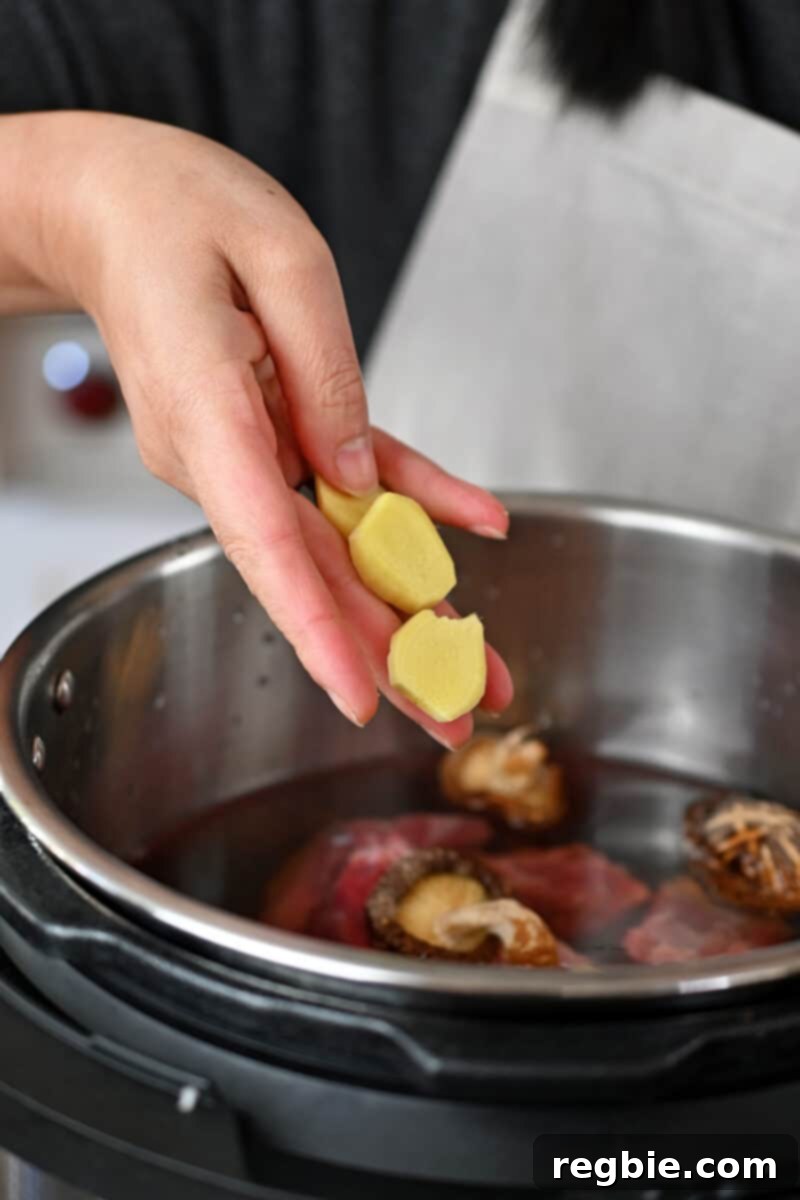
Now, gently drop in the dried shiitake mushrooms, thinly sliced fresh ginger, and whole smashed garlic cloves. These aromatics and mushrooms are crucial for building the complex, earthy, and pungent flavor profile that makes this soup so irresistible. They will infuse the broth deeply as it pressure cooks.
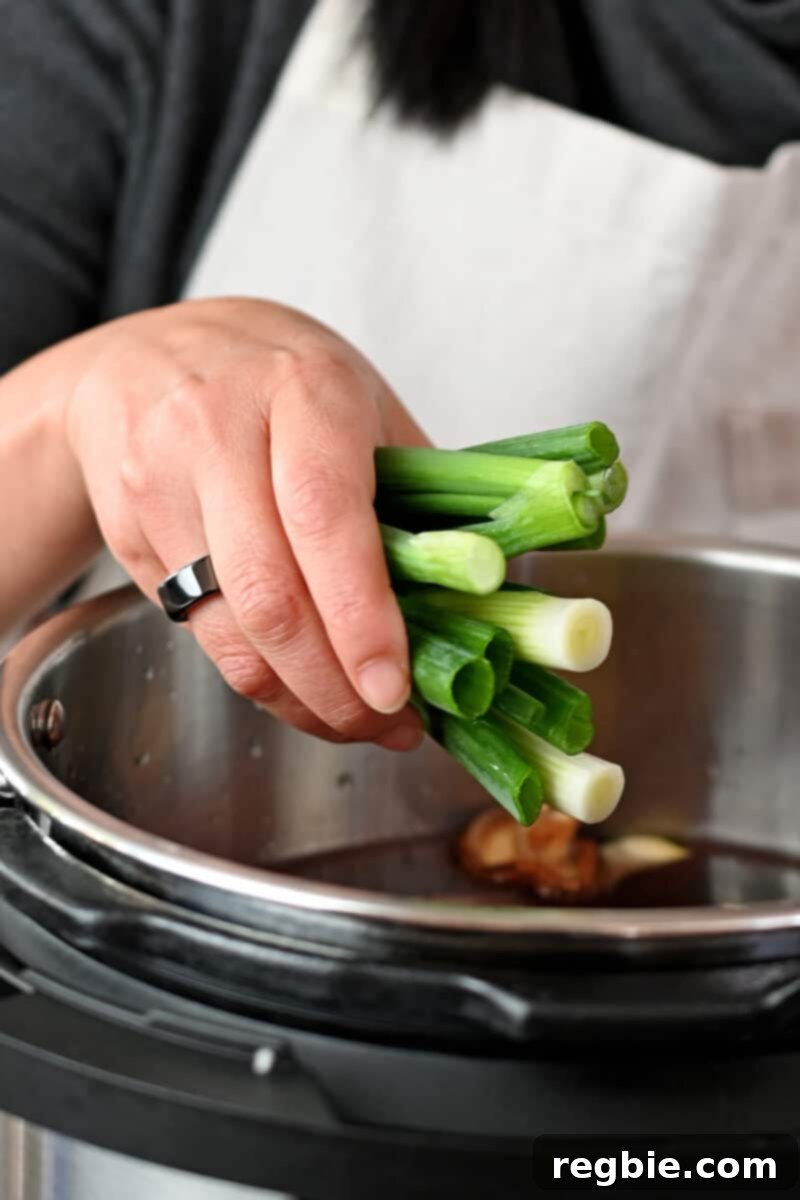
Take two of your scallions and cut them into three roughly equal pieces. These larger pieces will contribute their fresh, oniony flavor to the broth during cooking but will be discarded later, leaving a clean, nuanced taste. Place them directly into the pressure cooker with the other ingredients.
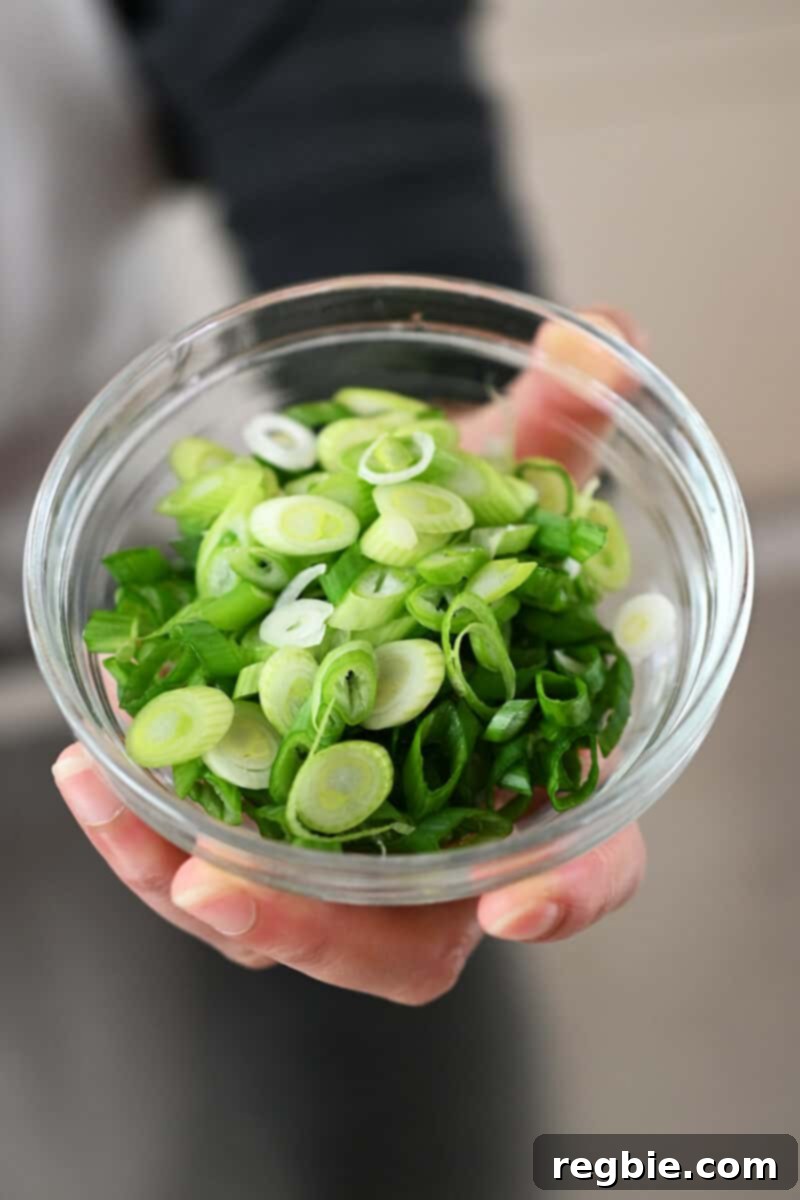
Finely slice the remaining two scallions. These vibrant green garnishes will add a fresh, pungent finish and a pop of color to your soup right before serving. Set them aside for later use, ensuring they retain their crispness and flavor.
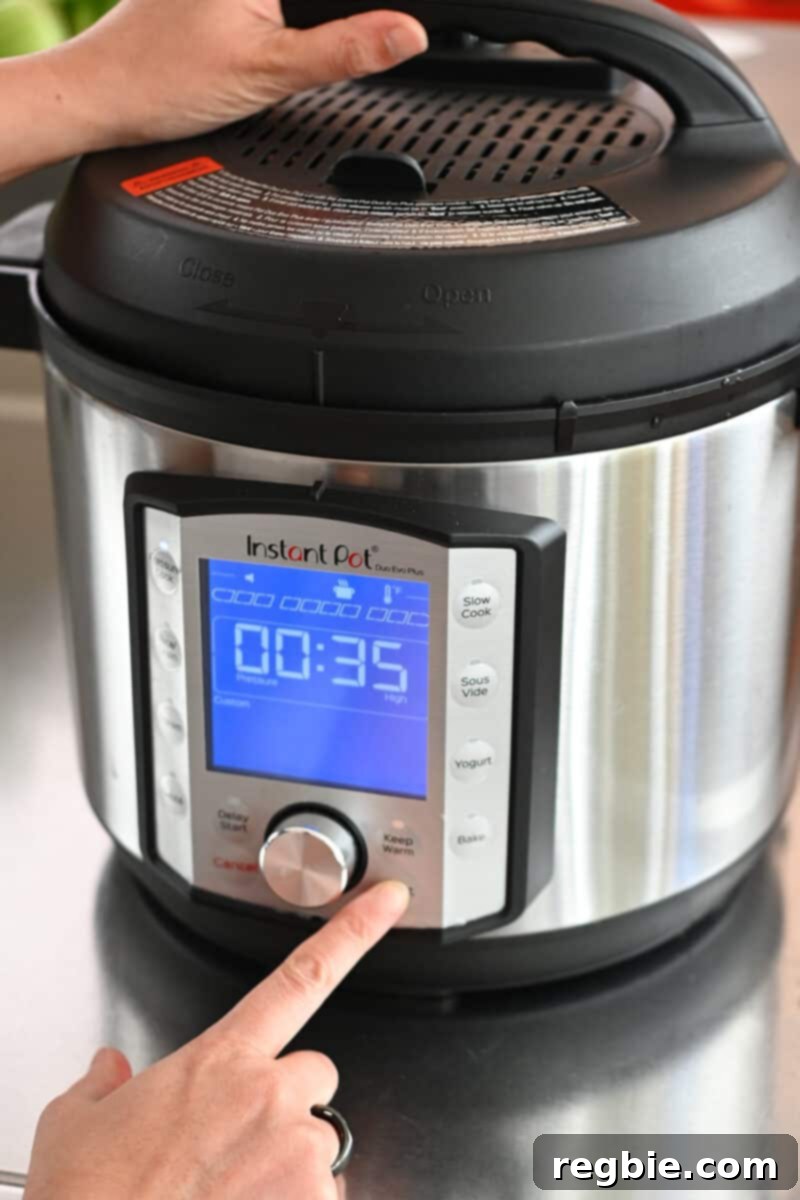
Securely lock the lid of your Instant Pot, ensuring the vent is sealed. Program the Instant Pot to cook under high pressure for 35 minutes. This precise cooking time ensures the beef will be perfectly tender. Once the cooking cycle is complete, allow the pressure to release naturally. This natural release method is crucial for allowing the beef to finish cooking gently and absorb more flavor, preventing it from drying out.
Preparing the Crisp Baby Bok Choy
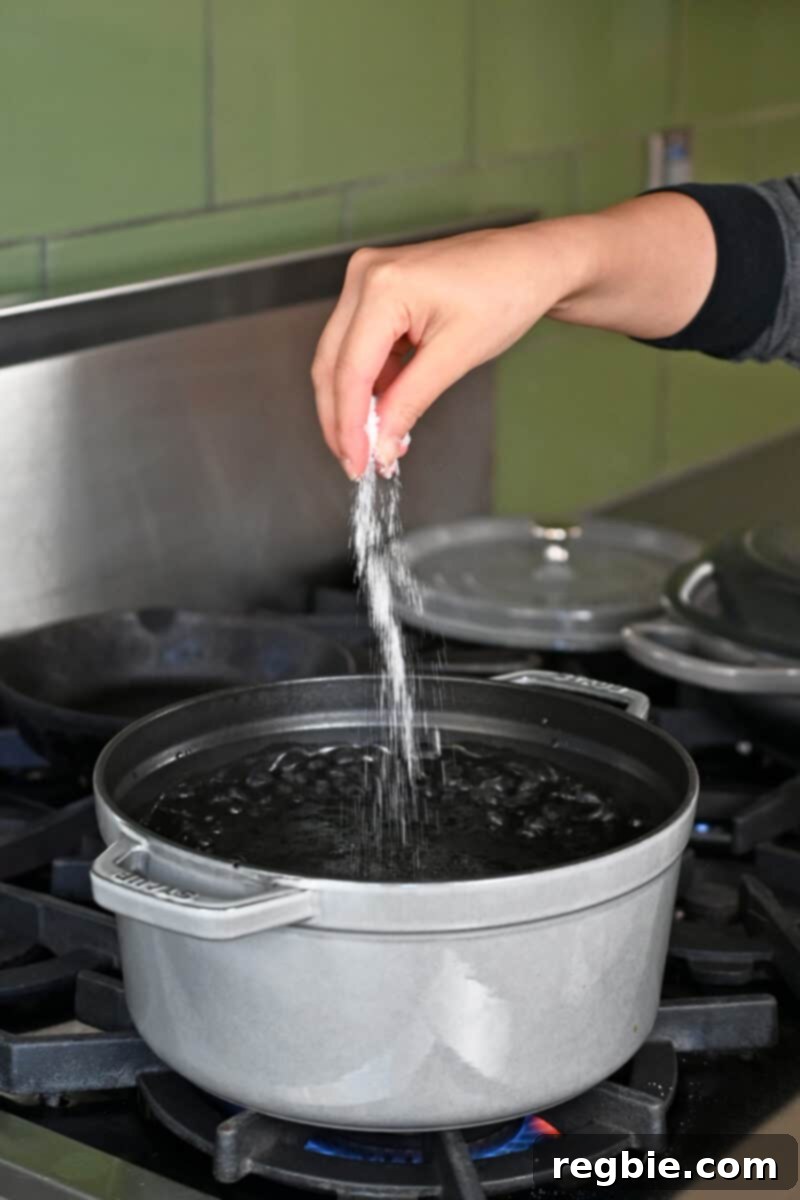
While your beef soup is pressure cooking, prepare the fresh baby bok choy. Bring a large pot of water to a rolling boil on your stovetop. Adding a generous pinch of salt to the boiling water will enhance the flavor of the bok choy and help it retain its vibrant green color.
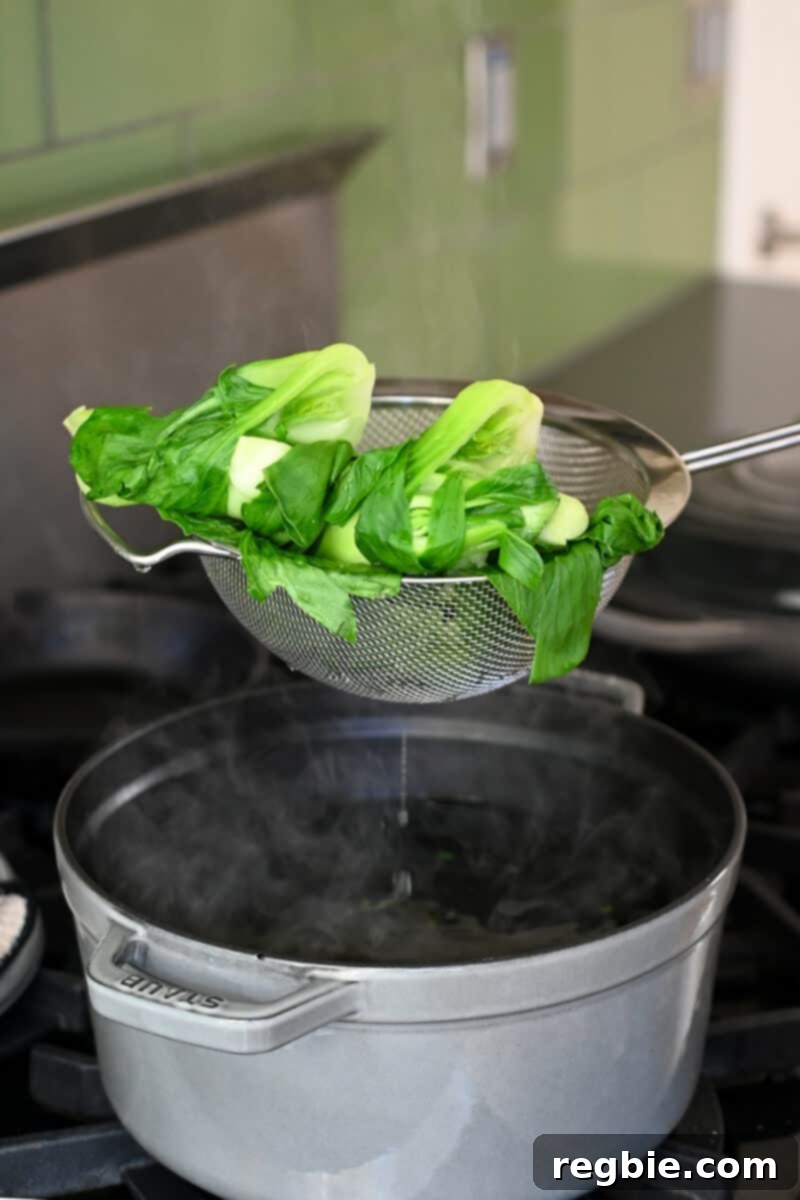
Once the water is vigorously boiling, carefully add the baby bok choy to the pot. Cook the greens for a brief 1 to 2 minutes, or until they achieve a tender-crisp texture, retaining a slight bite. Immediately remove the cooked bok choy using a slotted spoon or tongs, and set it aside. Overcooking will make the bok choy mushy, so be mindful of the timing.
Assembling and Serving Your Delightful Soup
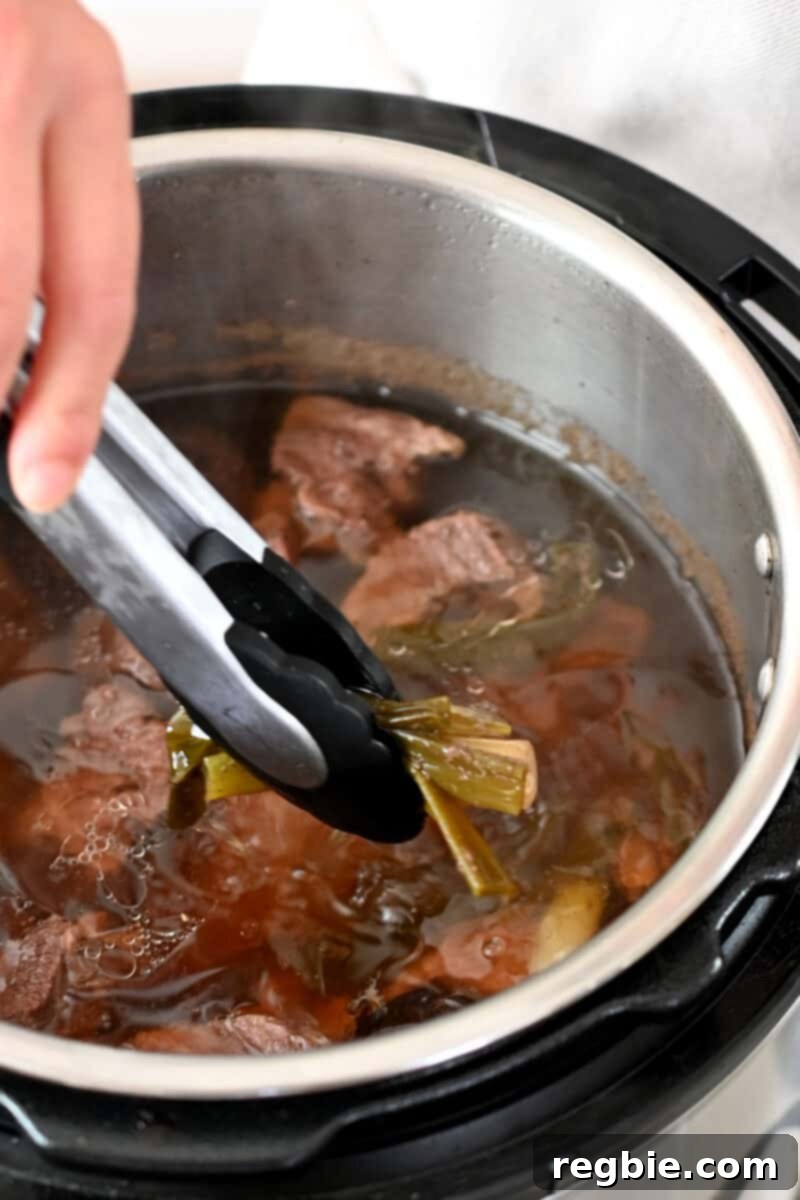
Once the Instant Pot has naturally depressurized, carefully open the lid. Your kitchen will be filled with an enticing aroma! Using tongs or a spoon, remove and discard the cooked ginger slices, garlic cloves, and the larger pieces of scallion that were added at the beginning. These aromatics have served their purpose by infusing the broth with their essence.
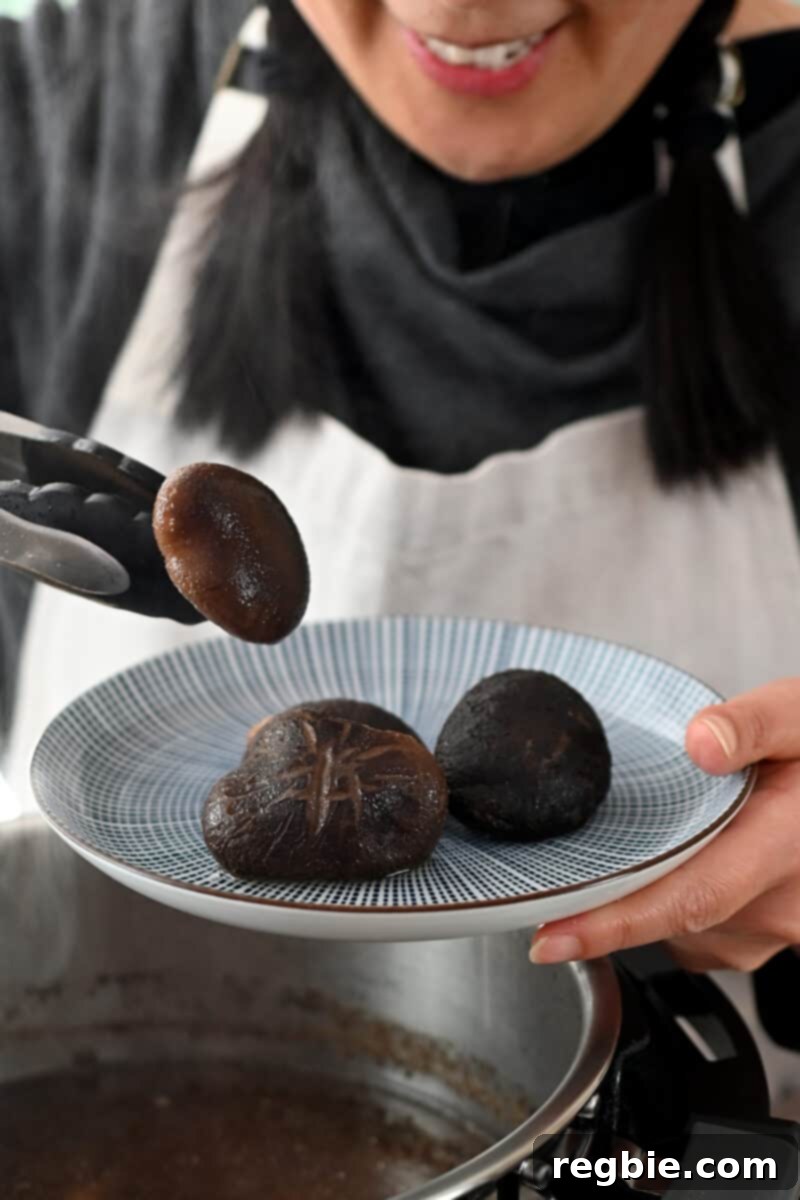
Carefully retrieve the softened shiitake mushrooms from the broth. Cut off and discard their tough stems, then thinly slice the mushroom caps. These rehydrated, flavorful mushrooms will add a lovely texture and concentrated umami to your finished soup. Set the sliced mushrooms aside.
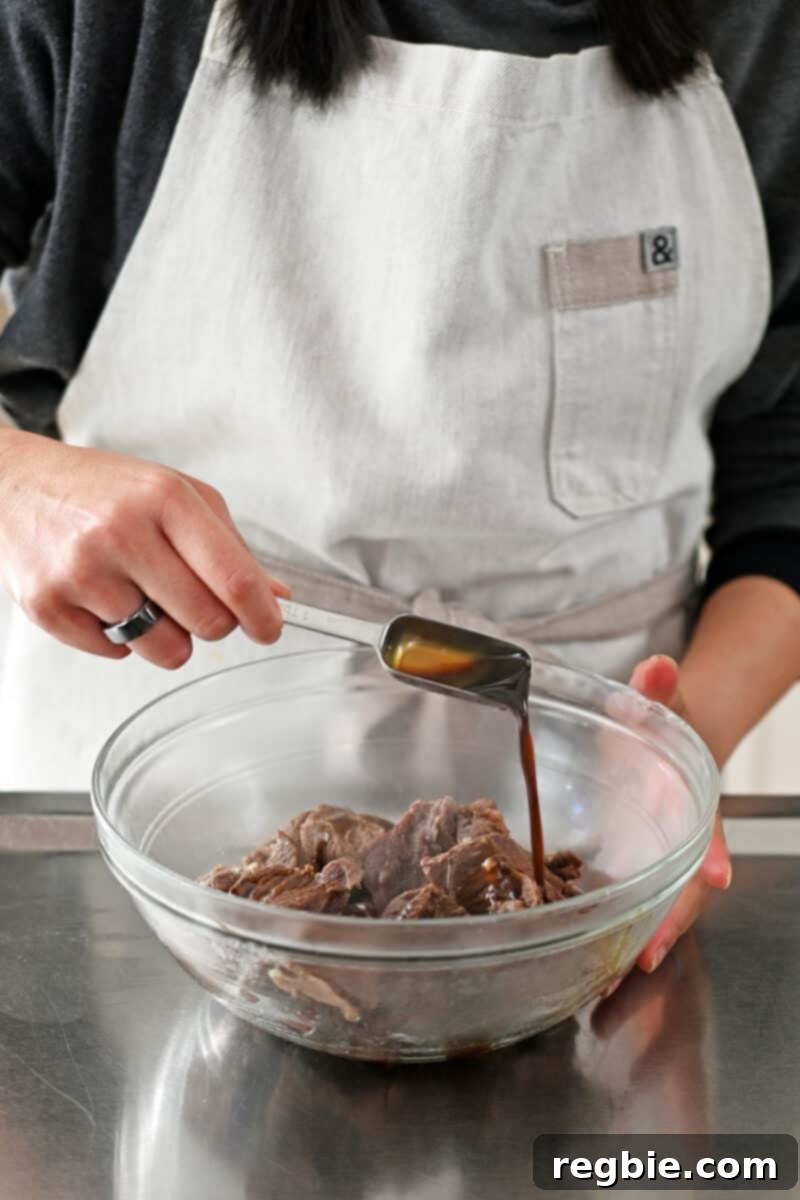
Using a slotted spoon, transfer the incredibly tender, stewed beef chunks to a separate bowl. Drizzle the meat with the remaining tablespoon of coconut aminos and toss gently to coat. This final touch of aminos adds another layer of savory depth and a beautiful glaze to the beef, ensuring every bite is bursting with flavor.
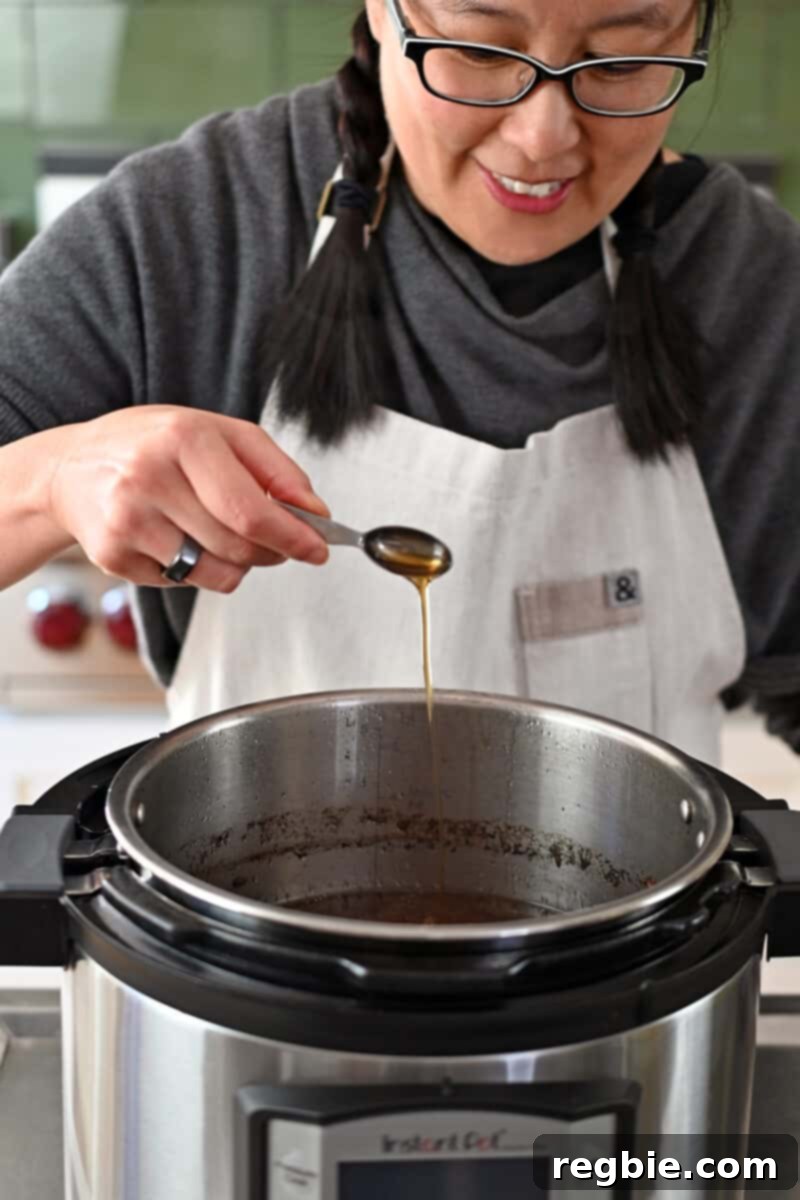
Add the fragrant toasted sesame oil to the Instant Pot, stirring it into the hot beef broth. This step introduces a subtle nutty aroma and a final layer of authentic Asian flavor. Taste the soup and adjust the seasoning with additional salt or fish sauce if needed, ensuring the broth is perfectly balanced to your preference.
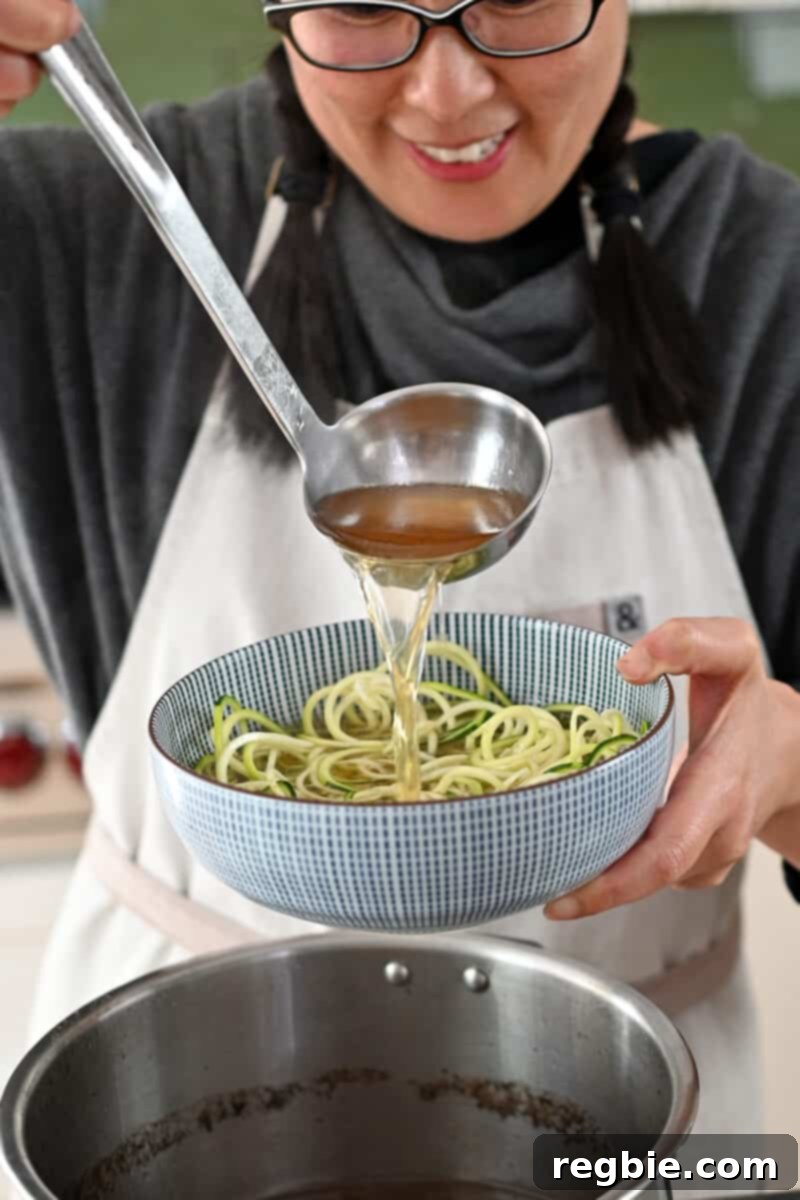
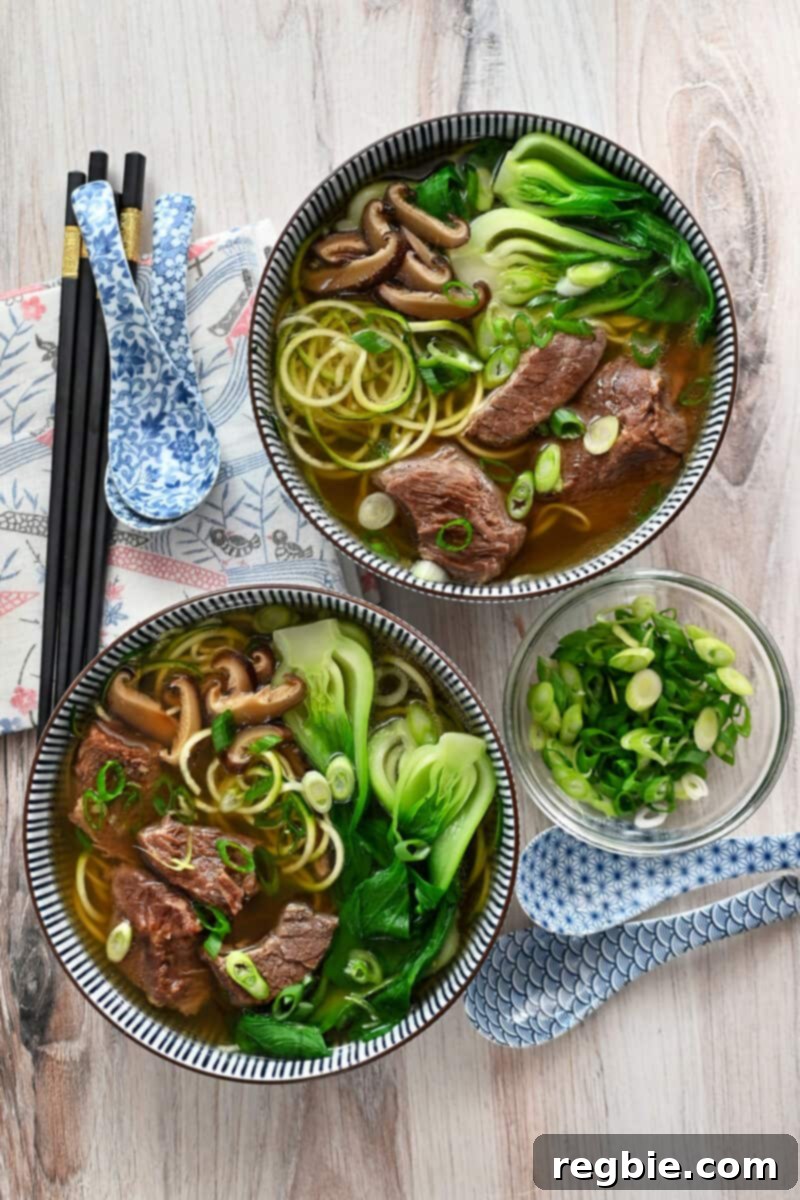
Prepare six individual soup bowls. Divide the fresh spiralized zucchini noodles evenly among them, forming a bed for the soup. Carefully ladle the steaming hot beef broth directly over the zucchini noodles. The heat from the broth will gently soften the zucchini to an ideal al dente texture, creating a perfect low-carb noodle alternative.
To complete each bowl, artfully arrange the seasoned, tender beef, the sliced shiitake mushrooms, and the vibrant, cooked baby bok choy on top of the zucchini noodles and broth. This creates a visually appealing and balanced presentation, showcasing all the delicious components of your soup.
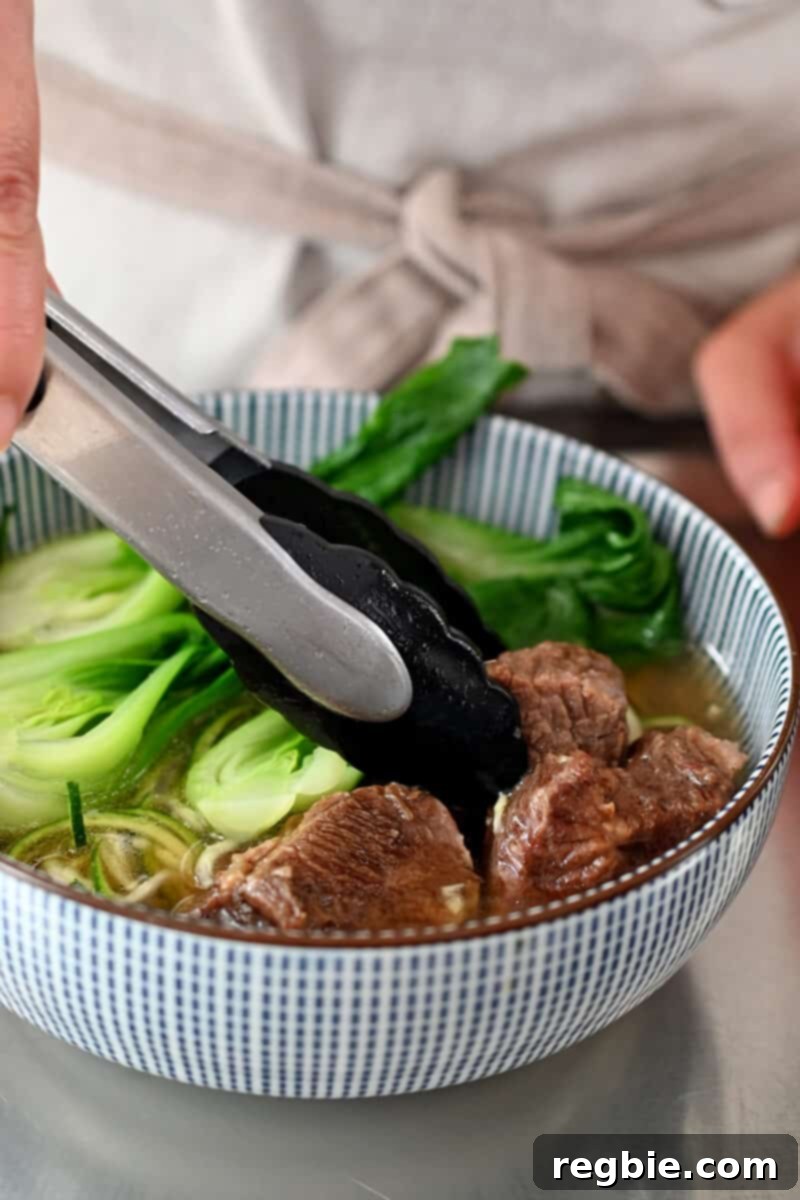
Finally, scatter the reserved thinly sliced scallions over each bowl for a fresh, aromatic garnish and a final pop of color. Serve immediately and savor every comforting, healthy, and incredibly delicious spoonful of your homemade Paleo, Keto, Whole30 Chinese Beef Noodle Soup!
More Paleo and Whole30 Chinese Soups to Explore
If you’re loving the flavors of this compliant Chinese Beef Noodle Soup and are eager to discover more healthy, Asian-inspired comfort foods, you’re in luck! There’s a whole world of delicious Paleo and Whole30 friendly Chinese soups waiting to be explored. These recipes offer traditional flavors adapted for modern dietary needs, ensuring you never have to miss out on your favorite cuisines. Expand your culinary repertoire with these nourishing and flavorful options:
- Wonton Soup (Paleo & Whole30 Adaptable)
- Westlake Beef Soup (Healthy & Flavorful)
- Hot and Sour Soup (Gluten-Free & Delicious)
- Simple Egg Drop Soup (Quick & Nourishing)
- Pork and Napa Cabbage Soup (Wholesome & Easy)
- Watercress and Chicken Soup (Light & Restorative)
Looking for even more incredible recipe ideas and culinary inspiration? Head on over to my comprehensive Recipe Index, where you’ll find a treasure trove of healthy, flavorful dishes. Additionally, you can discover exclusive recipes and deeper insights into compliant cooking in my acclaimed cookbooks: Nom Nom Paleo: Food for Humans (Andrews McMeel Publishing 2013), Ready or Not! (Andrews McMeel Publishing 2017), and the latest installment, Nom Nom Paleo: Let’s Go! (Andrews McMeel Publishing 2022). Happy cooking and eating!
Printer-Friendly Recipe Card
Chinese Beef Noodle Soup (Instant Pot or Stovetop)
15 mins
1 hr
6
Michelle Tam
Ingredients
- 2 pounds beef chuck roast cut into 1½ inch cubes
- 8 cups water
- 2 tablespoons Red Boat fish sauce
- 3 tablespoons coconut aminos divided
- Diamond Crystal kosher salt
- 4 dried shiitake mushrooms
- 2 inch piece fresh ginger peeled and cut into thin coins
- 3 garlic cloves smashed
- 4 scallions divided
- 1 pound baby bok choy cut lengthwise in half or quarters
- ½ teaspoon toasted sesame oil
- 1½ pounds zucchini spiralized
Instructions
- Place the beef chunks into the metal insert of an Instant Pot. Add the water, fish sauce, 2 tablespoons coconut aminos, 1 tablespoon Diamond Crystal kosher salt, shiitake mushrooms, sliced ginger, and garlic. Cut two of the scallions into three pieces and add them in.
- Thinly slice the remaining two scallions and reserve for garnish.
- Lock the lid of the Instant Pot and program it to cook for 35 minutes under high pressure. When the beef soup is finished cooking, let the pressure come down naturally.
- While the beef soup is cooking, bring a pot of water to a boil. Add a large pinch of salt.
- When the water is boiling, add the baby bok choy and cook for 1 to 2 minutes or until tender crisp. Remove the bok choy with a slotted spoon and set aside.
- Ready to serve the beef noodle soup? Open up the Instant Pot and discard the ginger, garlic, and scallions.
- Take out the shiitake mushrooms. Cut off and discard the stems. Then, slice the mushrooms and set aside.
- Use a slotted spoon to transfer the stewed beef to a bowl. Toss the meat with the remaining tablespoon of coconut aminos.
- Add the toasted sesame oil to the beef soup. Taste the soup and adjust seasoning if needed.
- Grab six soup bowls and divide the spiralized zucchini to each one. Ladle the broth on the zucchini noodles.
- Add the seasoned meat, sliced shiitake mushrooms, and cooked bok choy on top of each bowl. Scatter the sliced scallions on top and enjoy!
Video
Notes
If you don’t have an Instant Pot, you can simmer the beef and soup ingredients in a large pot for 2 to 3 hours or until the beef is fork tender. Keep checking to see if too much of the liquid has evaporated and add more water as needed. Also, you can skim off any scum when you top off the soup.
Make-ahead instructions:
You can make the beef soup ahead of time and store it in the fridge for up to four days or in the freezer for up to four months. When you’re ready to serve it, reheat the soup on the stovetop or in the Instant Pot (2 minutes under high pressure) and serve with spiralized zucchini and cooked baby bok choy.
Nutrition
Nutrition information is automatically calculated, so should only be used as an approximation.