
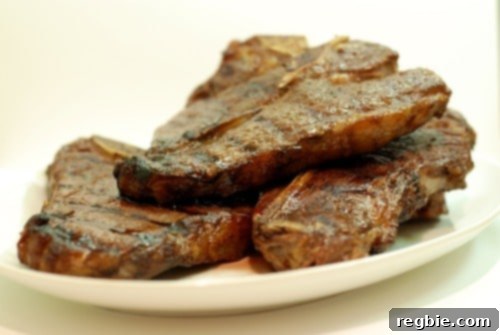
For too long, mastering the art of sous viding grass-fed beef felt like an elusive culinary quest. The lean nature and distinct flavor profile of grass-fed cuts presented unique challenges, often leading to results that, while good, didn’t quite achieve that ‘wow’ factor. But through consistent experimentation and a refined approach, I’ve finally unlocked the secret to consistently creating an extraordinary steak. This guide will walk you through my perfected method for crafting a Grilled Sous Vide Grass-Fed T-Bone Steak that delivers an unparalleled combination of tenderness, rich flavor, and an irresistible, smoky crust. Prepare to transform your home cooking and impress everyone at your table!
Grilled Sous Vide Grass-Fed T-Bone Steak: Your Ultimate Guide to Steakhouse Perfection
The pursuit of a flawlessly cooked steak is a passion for many home chefs. The common dilemma often lies in simultaneously achieving an impeccable medium-rare doneness from edge to edge, while also developing that coveted deeply browned, flavorful crust. Traditional high-heat grilling can be unforgiving; intense flames quickly char the exterior, risking an undercooked center or an overcooked interior if left on the heat for too long. This is precisely where the revolutionary technique of sous vide, expertly paired with a final high-heat grill sear, shines brightest, especially when preparing the unique qualities of grass-fed beef.
The Unbeatable Advantage: Why Sous Vide Works Wonders for Grass-Fed T-Bone Steaks
Grass-fed beef, celebrated for its robust flavor, superior nutritional content, and leaner muscle structure, demands a thoughtful and precise cooking strategy. Its reduced fat content, while highly beneficial for health, can also make it more susceptible to drying out during conventional cooking methods. Sous vide, a French culinary technique meaning “under vacuum,” elegantly resolves this challenge by cooking the steak in a precisely temperature-controlled water bath, ensuring optimal moisture retention and even cooking.
Precision and Perfection: The Hallmarks of Sous Vide Cooking
- Consistent Edge-to-Edge Doneness: The primary benefit of sous vide is its ability to cook the entire steak to a uniform temperature. Unlike conventional methods where a temperature gradient exists (from well-done edges to a rarer center), sous vide ensures every millimeter of your T-bone is cooked to your exact desired doneness, yielding a beautifully consistent pink interior without any gray bands.
- Unrivaled Moisture Retention: By cooking the steak in a vacuum-sealed bag, all natural juices are locked in. This gentle, moist cooking environment prevents the steak from losing moisture, resulting in an exceptionally succulent and tender piece of meat. This characteristic is particularly advantageous for leaner grass-fed beef, which benefits immensely from this moisture-preserving technique.
- Deep Flavor Infusion: When seasonings are sealed in the bag with the steak, the sous vide process allows these flavors to deeply penetrate the meat over time. This creates a more profound and integrated taste profile, far beyond what simple surface seasoning can achieve.
- Effortless Timing and Flexibility: Once your T-bone is submerged in the temperature-controlled water bath, the risk of overcooking is virtually eliminated. The precise temperature means the steak will hold at your target doneness for an extended period, offering unparalleled flexibility in your meal preparation schedule and significantly reducing cooking stress.
The Art of the Finish: Achieving the Perfect Grilling Sear
While sous vide excels at delivering internal perfection and tenderness, it does not inherently create the crispy, flavorful crust that makes a grilled steak so appealing. This is where the crucial, high-heat searing step comes into play. After its tranquil bath, your T-bone steak is primed for a brief, intense encounter with a scorching hot grill. This final step is indispensable for:
- Unlocking the Maillard Reaction: The rapid application of high heat initiates the Maillard reaction, a complex chemical process responsible for the savory, deeply browned crust and irresistible aroma of grilled meat. This reaction adds layers of flavor that cannot be achieved through sous vide alone.
- Creating Contrasting Textures: The juxtaposition of a crispy, char-kissed exterior and a buttery, tender interior is a hallmark of an expertly cooked steak. This textural contrast elevates the dining experience from good to truly gourmet.
- Infusing Smoky Essence: Grilling imparts a distinctive smoky flavor and aroma that beautifully complements the robust taste of grass-fed beef, adding another dimension to its already rich profile.
Recipe: Grilled Sous Vide Grass-Fed T-Bone Steak
Yields: 4 Generous Servings
This recipe is meticulously designed to provide four satisfying portions, making it ideal for a memorable family dinner or a delightful small gathering. The quantities can be easily scaled up or down to accommodate more or fewer guests.
Prep Time: 10 minutes
This includes seasoning and vacuum-sealing your steaks, a swift and straightforward process.
Cook Time: 2 hours 5 minutes (Sous Vide) + 5 minutes (Grilling)
The majority of the cooking time is hands-off in the sous vide bath, followed by a quick, active grilling session.
Total Time: 2 hours 15 minutes
From start to a perfectly plated steak, this is the total time commitment.
Author: Michelle Tam
Recipe perfected by Michelle Tam, renowned for her innovative and delicious paleo-friendly dishes.
Ingredients You’ll Need:
- 2 pounds Grass-Fed T-Bone Steaks: Aim for steaks that are approximately 1 to 1.5 inches thick. This thickness is ideal for achieving consistent results with sous vide and allows for an excellent sear without overcooking the interior. Source high-quality grass-fed beef for the best flavor and texture.
- Generous amount of Diamond Crystal Kosher Salt: This specific type of salt is favored by chefs for its coarse texture and consistent flakiness, which allows for better control during seasoning and excellent dry brining results.
- Freshly ground black pepper: Use a pepper mill for the freshest, most aromatic pepper. Adjust the quantity to your personal taste preference.
- 2-3 tablespoons Arizona Dreaming seasoning or your preferred dry rub: Arizona Dreaming offers a complex, Southwestern-inspired flavor. Alternatively, you can use your favorite steak rub, or create a simple blend of smoked paprika, garlic powder, onion powder, a pinch of chili powder, and a hint of cumin for a rich, aromatic crust.
Essential Equipment:
- An immersion circulator or SousVide Supreme water oven: The core of your sous vide setup, ensuring precise temperature control.
- Large pot or heat-proof container: To hold the water bath for your immersion circulator.
- Vacuum sealer and bags, or heavy-duty zipper-lock bags: For sealing the steaks. If using zipper-lock bags, employ the water displacement method to remove as much air as possible.
- Grill (gas or charcoal): Essential for achieving that beautiful, smoky sear.
- Long-handled tongs: For safely handling hot steaks on the grill.
- Plenty of paper towels: Absolutely crucial for drying the steaks before searing.
- For a comprehensive list of all my recommended kitchen tools, please visit my curated selection here.
The Method: Crafting Your Perfect Grass-Fed T-Bone Steak Step-by-Step
Follow these detailed instructions meticulously to ensure your grass-fed T-bone steak reaches its peak culinary potential, delivering an incredibly tender interior enveloped by a mouth-watering, flavor-packed crust.
-
Step 1: Prepare and Season the Steaks for Dry Brining
Begin by patting your grass-fed T-bone steaks exceptionally dry on all surfaces using paper towels. This crucial step ensures that the seasoning adheres effectively and promotes optimal flavor absorption. Generously season both sides of each steak with Diamond Crystal Kosher Salt, freshly ground black pepper, and your chosen dry rub, such as the aromatic Arizona Dreaming seasoning. Do not skimp on the salt; it plays a vital role in tenderizing the meat and enhancing its flavor through a process known as dry brining. Once seasoned, carefully place the steaks into a vacuum-sealable bag, ensuring that as much air as possible is removed. If you don’t possess a vacuum sealer, a high-quality zipper-lock bag can be used effectively by employing the water displacement method.
For the absolute best results and to maximize flavor penetration, store the vacuum-sealed steaks in the refrigerator overnight, or for at least 8-12 hours. This extended resting period allows the salt and seasonings to work their magic, gently breaking down muscle fibers and infusing the meat with deep, complex flavors. This pre-salting technique is a fundamental secret weapon for achieving truly exceptional results with any steak, particularly leaner cuts like grass-fed beef.
-
Step 2: Set Up and Cook in the Sous Vide Water Bath
The following day, fill your chosen cooking vessel (a large pot or dedicated container) or the SousVide Supreme with water. Pre-heat your immersion circulator or water oven to a precise temperature of 130°F (54.4°C). This specific temperature is widely regarded as optimal for achieving a perfect medium-rare doneness, which showcases the tenderness and flavor of grass-fed T-bone steak beautifully. If your preference leans towards a different level of doneness, adjust the temperature accordingly: 125°F (51.7°C) for rare, 135°F (57.2°C) for medium, 140°F (60°C) for medium-well, or 150°F (65.6°C) for well-done.
Carefully submerge your vacuum-sealed steak packets into the pre-heated water bath. Ensure that the steaks are fully immersed and that there is adequate space for the water to circulate freely around each packet, guaranteeing even cooking. Cook the steaks for approximately 2 to 2.5 hours. This duration is sufficient not only to cook the steaks to your desired internal temperature but also to safely pasteurize the meat, following guidelines recommended by food safety authorities such as Douglas Baldwin, which ensures they are perfectly safe for consumption even at lower doneness temperatures.
-
Step 3: Prepare the Steaks for the Perfect Sear
Once the sous vide cooking cycle is complete, carefully remove the steak packets from the water bath. Open the bags and transfer the steaks to a clean plate. At this stage, it is absolutely paramount to dry the steaks thoroughly and completely with paper towels. Any residual moisture on the surface of the steak will hinder the browning process during searing, causing the steak to steam rather than develop that highly desirable, crispy crust. The objective here is to achieve a bone-dry surface for optimal searing.
A Savvy Chef’s Tip: Do not discard the incredibly flavorful cooking liquid left within the sous vide bags! This concentrated beef broth is a culinary treasure, serving as an exceptional base for rich gravies, deeply flavored sauces, or to impart an exquisite depth of flavor to sautéed vegetables. Simply strain the liquid through a fine-mesh sieve to remove any particulates and store it in an airtight container in the refrigerator for future use.
-
Step 4: Achieve the Ultimate Grill Sear
Pre-heat your grill to its absolute highest setting. The key to a phenomenal sear is scorching hot grates, which allow for rapid caramelization without significantly raising the internal temperature of your already perfectly cooked steak. Place the thoroughly dried steaks directly onto the blazing hot grill surface. Sear each side for approximately 1 minute 30 seconds. For those coveted, restaurant-quality crosshatch grill marks, you can rotate the steak 45 degrees halfway through the searing time on each side.
The rapid, intense heat from the grill will swiftly caramelize the exterior of the steak, forming a dark, savory, and beautifully crispy crust. This brief grilling period is precisely enough time to create that coveted crispness and infuse a delightful smoky flavor without risking overcooking the perfectly tender and juicy interior achieved through the sous vide method. Once both sides are uniformly seared to your liking, promptly transfer the steaks to a clean cutting board.
-
Step 5: Rest and Present Your Masterpiece
Allow the freshly grilled T-bone steaks to rest for a minimum of 5-10 minutes before you begin slicing. This critical resting period permits the internal juices, which have migrated to the center during searing, to redistribute evenly throughout the entire piece of meat. The result is a steak that is consistently juicy and flavorful with every single bite. When you finally slice into your masterpiece, you will be rewarded with a visually stunning, perfectly pink interior from one edge to the other, beautifully encased in a rich, charred, and incredibly flavorful crust. It is a truly magnificent sight and a testament to the power of this cooking technique!
Serve your exquisite Grilled Sous Vide Grass-Fed T-Bone Steak immediately with your favorite complementary sides. Classic pairings that elevate the meal include tender roasted asparagus, creamy garlic mashed potatoes, a crisp and refreshing garden salad, or a medley of grilled seasonal vegetables. Savor the exceptional fruits of your culinary labor!
Elevate Your Meal: Inspired Serving Suggestions and Perfect Pairings
A masterfully cooked T-bone steak deserves an ensemble of equally compelling accompaniments to create a truly memorable dining experience. Here are some ideas to complete your gourmet presentation:
- Classic and Comforting Sides:
- Creamy Garlic Mashed Potatoes: The rich, smooth texture and aromatic garlic flavor of mashed potatoes provide a comforting and satisfying contrast to the robust steak.
- Roasted Asparagus with Lemon Zest: The vibrant green asparagus, roasted until tender-crisp, offers a refreshing touch with a hint of acidity from lemon zest, cutting through the richness of the beef.
- Crispy Brussels Sprouts with Balsamic Glaze: Earthy and slightly sweet, roasted Brussels sprouts with a tangy balsamic glaze add a wonderful textural crunch and complex flavor profile.
- Simple Green Salad with Vinaigrette: A light, fresh green salad tossed in a bright vinaigrette serves as a perfect palate cleanser between bites of succulent steak.
- Complementary Sauces and Decadent Toppings:
- Compound Butter: A pat of herb-infused butter (such as garlic-rosemary, blue cheese, or truffle butter) melting slowly over the hot steak adds an extra layer of richness and aromatic complexity.
- Zesty Chimichurri Sauce: This vibrant, fresh, and slightly piquant Argentinian herb sauce (typically parsley, cilantro, garlic, red wine vinegar, and olive oil) provides a fantastic counterpoint to grilled beef.
- Elegant Red Wine Reduction: For a sophisticated touch, create a classic red wine reduction sauce, ideally using the concentrated beef liquid saved from the sous vide bags for an even deeper flavor.
- Thoughtful Beverage Pairings:
- Bold Red Wine: A robust Cabernet Sauvignon, a smooth Merlot, or a spicy Zinfandel will stand up magnificently to the rich, savory flavor of grass-fed T-bone steak.
- Craft Beer Selections: Consider pairing your steak with a rich stout, a hearty porter, or even a hop-forward IPA, as their complex flavors can beautifully complement the grilled notes of the beef.
- Refined Non-Alcoholic Options: For those preferring non-alcoholic choices, sparkling water with a fresh slice of lemon or lime, or a rich, unsweetened iced tea, can be surprisingly delightful and refreshing.
Troubleshooting & Expert Tips for Achieving Consistent Success
Even with a precise method like sous vide, a few insider tips can help you achieve consistently perfect results and troubleshoot common issues:
- Addressing an Uneven Sear: The most crucial factor for a perfect crust is ensuring your grill is as hot as it can possibly get before the steaks touch the grates. Furthermore, vigorously patting the steaks completely dry after their sous vide bath is paramount. If the surface is even slightly damp, the steak will steam rather than sear, preventing the Maillard reaction and a crispy crust.
- Preventing Juice Loss During Searing: While sous vide excels at retaining internal moisture, it’s still important to execute the searing process rapidly. Do not leave the steak on the grill for an extended period; the goal is a quick, high-heat crust, not further cooking of the interior.
- Reviving the Steak’s Appearance: It’s common for steaks to appear somewhat “boiled” or pale after the sous vide bath. This is perfectly normal. The subsequent high-heat sear will quickly restore their appealing, browned texture and vibrant appearance.
- Avoiding Grill Overcrowding: When searing, resist the temptation to crowd your grill. Cook steaks in batches if necessary to prevent a significant drop in the grill’s temperature. Overcrowding will lower the heat, leading to steaming instead of searing, and a less desirable crust.
- Embracing Seasoning Variations: While Arizona Dreaming is an excellent choice, feel empowered to experiment with a variety of other dry rubs or simple homemade blends. Consider combinations of garlic powder, onion powder, smoked paprika, a touch of brown sugar, and a pinch of cayenne pepper for diverse and exciting flavor profiles.
Ultimately, sous vide cooking is an outstanding method for consistently producing perfectly cooked, incredibly tender, and wonderfully juicy meat every single time. When expertly combined with the intense heat of a grill, it transforms a humble T-bone steak into an unforgettable culinary masterpiece that you’ll be proud to serve.
Eager for more exciting recipe ideas and culinary inspiration? I invite you to explore my comprehensive Recipe Index, where you’ll find a wealth of delicious dishes. For exclusive recipes and convenient, on-the-go cooking guides, be sure to check out my award-winning iPhone and iPad app. Additionally, you can delve deeper into my published cookbooks, each packed with flavor and innovation: Nom Nom Paleo: Food for Humans (Andrews McMeel Publishing 2013), Ready or Not! (Andrews McMeel Publishing 2017), and my latest release, Nom Nom Paleo: Let’s Go! (Andrews McMeel Publishing 2021). Happy and delicious cooking to you all!
PRINTER-FRIENDLY RECIPE CARD
Grilled Sous Vide Grass-Fed T-Bone Steak
Achieve steakhouse perfection at home with this foolproof sous vide and grilling method.
Prep Time: 10 mins
Sous Vide Cook Time: 2 hrs 5 mins
Grill Sear Time: 5 mins
Total Time: 2 hrs 15 mins
Yields: 4 servings
Author: Michelle Tam
Ingredients:
- 2 pounds grass-fed T-bone steaks (1-1.5 inches thick)
- Generous amount of Diamond Crystal kosher salt
- Freshly ground black pepper, to taste
- 2-3 tablespoons Arizona Dreaming seasoning or your favorite dry rub
Instructions:
- Season & Refrigerate: Pat steaks dry, season liberally with salt, pepper, and dry rub. Vacuum-seal and store in the fridge overnight (8-12 hours) for optimal dry brining.
- Sous Vide Bath: The next day, pre-heat your sous vide water bath to 130°F (54.4°C) for medium-rare. Submerge steak packets, ensuring full immersion, and cook for 2 to 2.5 hours to desired doneness and pasteurization.
- Dry Thoroughly: Remove steaks from the bath, open bags, and pat them completely dry with paper towels. (Optional: Save the flavorful cooking liquid for gravies or sauces).
- Grill for Sear: Pre-heat your grill to its highest setting. Sear steaks for about 1 minute 30 seconds per side until a deep, flavorful, and crispy crust forms.
- Rest & Serve: Transfer steaks to a cutting board and let them rest for 5-10 minutes before slicing. This allows juices to redistribute, ensuring a perfectly juicy, tender T-bone. Serve immediately and enjoy!
Nutrition (Approximate per serving):
- Calories: 503 kcal
- Protein: 47 g
- Fat: 34 g
Nutrition information is automatically calculated and should be used as an approximation. It may vary based on specific ingredients and preparation methods.
Loved this recipe? Share your thoughts!
Leave a comment below!