
The Ultimate Guide to Coconut Butter: A Delicious, Healthy, and Versatile Snack
Introduction to Coconut Butter: More Than Just a Spread
In the ever-evolving landscape of health foods and superfoods, coconut butter has emerged as a true star. Often overshadowed by its more famous cousin, coconut oil, this creamy, nutrient-dense spread offers a unique profile and a multitude of uses that make it a must-have in any health-conscious pantry. From boosting energy levels to satisfying sweet cravings, coconut butter is a versatile ingredient that deserves a spotlight.
But what exactly is coconut butter, and why has it captivated the attention of health enthusiasts, chefs, and anyone seeking delicious, wholesome alternatives? This comprehensive guide will delve into everything you need to know about coconut butter, starting from its nutritional power, exploring its best uses, and crucially, revealing the secrets to enjoying it in its most delightful, melt-in-your-mouth form, especially as an incredibly satisfying snack.
What Exactly Is Coconut Butter?
At its core, coconut butter is simply the puréed meat of the coconut. Unlike coconut oil, which is pure fat extracted from the coconut meat, coconut butter includes the fiber, protein, and all the micronutrients found in the entire coconut flesh. This makes it a “whole food” product, offering a more complete nutritional package.
When you grind dried coconut meat, it releases its natural oils, eventually transforming into a smooth, thick paste—much like how peanuts are ground to make peanut butter. The result is a richly flavored, slightly sweet, and aromatic spread that is solid at room temperature and melts into a luxurious liquid when gently warmed.
- Coconut Oil: Pure fat, typically liquid above 76°F (24°C), used primarily for cooking or as a dietary fat source.
- Coconut Butter: Whole coconut meat (fiber, protein, fat), solid at room temperature, used as a spread, topping, or ingredient in recipes.
Nutritional Powerhouse: Why Coconut Butter is Good For You
Beyond its delightful taste and texture, coconut butter boasts an impressive nutritional profile that contributes to its superfood status. Incorporating it into your diet can offer a range of health benefits:
Rich in Healthy Fats (MCTs)
Coconut butter is a fantastic source of medium-chain triglycerides (MCTs), particularly lauric acid. Unlike long-chain fatty acids, MCTs are quickly digested and absorbed by the body, providing a rapid and sustained source of energy. This makes coconut butter an excellent fuel for both your body and brain, helping to improve focus and endurance without the energy crashes often associated with sugary snacks.
Fiber for Digestive Health
Since coconut butter contains the whole coconut meat, it’s rich in dietary fiber. Fiber is crucial for a healthy digestive system, aiding in regularity, promoting gut health, and contributing to feelings of fullness. This can be particularly beneficial for weight management, as it helps to curb overeating.
Vitamins and Minerals
While not a powerhouse of every vitamin and mineral, coconut butter does offer trace amounts of essential nutrients such as iron, magnesium, potassium, and zinc. These micronutrients play vital roles in various bodily functions, from energy production to immune support.
Coconut Butter as the Perfect Snack: Fuel Your Body Naturally
If you’re searching for a snack that is both deeply satisfying and genuinely healthy, look no further than coconut butter. Its unique combination of healthy fats and fiber provides sustained energy and keeps hunger at bay, making it an ideal choice between meals or as a pre-workout boost. It’s naturally sweet, making it a wonderful alternative to processed sugary treats.
The beauty of coconut butter as a snack lies in its simplicity and versatility. You can enjoy it straight from the jar (if it’s soft enough), spread it on fruit, or, as many enthusiasts prefer, melt it down to a creamy, luscious consistency. This brings us to a personal favorite method, and one that highlights the sheer indulgence of this wonderful treat:
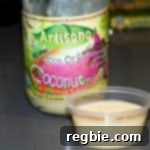
For me, there’s nothing quite like floating the container of coconut butter in a mug of hot water to melt it before consuming. The transformation from solid to liquid gold is mesmerizing, and the resulting warm, creamy texture is absolutely divine. So. Damn. Good.
Mastering the Melt: How to Achieve That Perfect Creamy Consistency
Coconut butter, due to its composition of fats and fiber, is solid at typical room temperatures (below 76°F or 24°C). To unleash its full creamy potential, especially for snacking or blending, gentle warming is often required. Here are the most effective and recommended methods:
1. The Gentle Water Bath (Bain-Marie)
This is arguably the most recommended and safest method to melt coconut butter, preserving its nutritional integrity and flavor. It’s the method I personally prefer for my snack! It ensures even heating and prevents scorching.
- Prepare your setup: Find a pot and a bowl (or the coconut butter container itself if heat-safe) that fits snugly over the pot without touching the bottom.
- Heat the water: Fill the pot with an inch or two of water and bring it to a simmer over medium heat. Do not let it boil vigorously.
- Melt the butter: Place the bowl with your desired amount of coconut butter (or the jar if you’re melting the whole thing) over the simmering water. Stir occasionally.
- Achieve consistency: The coconut butter will slowly soften and melt into a smooth, pourable consistency. This usually takes 5-10 minutes, depending on the amount. Remove from heat once melted.
2. Low Heat on the Stovetop
If you need a larger quantity melted or are incorporating it directly into a recipe, the stovetop can be efficient, but requires close attention.
- Use a small saucepan: Place your desired amount of coconut butter into a small, heavy-bottomed saucepan.
- Gentle heat: Heat over very low heat, stirring constantly. The key is patience and gentle heat to prevent burning.
- Melt and combine: Once melted, you can easily incorporate it into other ingredients or pour it into a serving dish.
3. Microwave (Use with Caution)
While convenient, the microwave can sometimes heat unevenly and potentially diminish some nutritional value if overheated. Use it sparingly and with care.
- Portion out: Scoop the desired amount of coconut butter into a microwave-safe bowl.
- Short bursts: Heat in 15-20 second intervals on a low to medium power setting.
- Stir and repeat: After each interval, stir the coconut butter thoroughly to distribute the heat. Repeat until smooth and melted.
Tips for Optimal Melting
- Always use low heat: High heat can cause the oils to separate from the fiber, creating a grainy texture, and can also degrade some beneficial compounds.
- Stir frequently: This ensures even melting and helps achieve a uniform, creamy consistency.
- Avoid water contamination: Ensure no water gets into your coconut butter, as it can cause it to seize up or become lumpy.
- Store excess melted butter: If you melt more than you need, simply let it cool and solidify. You can re-melt it whenever necessary.
Beyond the Jar: Creative Ways to Enjoy Coconut Butter
While enjoying a spoonful of melted coconut butter is a simple pleasure, its versatility extends far beyond a direct snack. Its rich flavor and creamy texture make it an excellent addition to countless recipes, catering to various dietary preferences like paleo, keto, and vegan.
1. Supercharge Your Smoothies and Shakes
Add a tablespoon or two of melted coconut butter to your morning smoothie for an extra boost of healthy fats, fiber, and tropical flavor. It contributes to a wonderfully creamy texture and helps keep you full and energized for longer.
2. Decadent Desserts and Baked Goods
Coconut butter can be used as a healthier alternative to conventional butter or oils in many dessert recipes. It’s fantastic in cookies, muffins, cakes, and even raw dessert bars, lending a subtle sweetness and an incredible richness. Think homemade truffles or a rich frosting base.
3. Wholesome Breakfast Toppings
Drizzle warm coconut butter over oatmeal, yogurt, pancakes, or waffles for a luxurious and nutrient-dense topping. It pairs exceptionally well with fresh berries, sliced bananas, or a sprinkle of nuts.
4. Savory Culinary Adventures
Don’t limit coconut butter to sweet dishes! It can add depth and creaminess to savory sauces, curries, and stews. Use it to thicken a soup or to provide a rich base for a vegetable stir-fry for a unique twist.
5. Coffee and Tea Enhancer
For a dairy-free, rich, and energizing beverage, blend a spoonful of coconut butter into your hot coffee or tea. It creates a frothy, latte-like texture and provides a sustained energy boost, similar to “bulletproof” coffee.
6. Homemade Energy Bites and Fat Bombs
Coconut butter is a foundational ingredient for homemade energy bites, fat bombs, and protein bars. Combine it with nuts, seeds, dried fruit, protein powder, or other flavorings for quick, nutritious, and customizable snacks.
Choosing and Storing Your Coconut Butter Wisely
To ensure you get the best out of your coconut butter, understanding how to select a quality product and store it correctly is key.
Selecting High-Quality Coconut Butter
When purchasing coconut butter, look for these indicators of quality:
- Single Ingredient: The best coconut butter contains only one ingredient: organic coconut. Avoid products with added sugars, preservatives, or other fillers.
- Organic Certification: Opt for organic whenever possible to ensure the coconuts were grown without synthetic pesticides or harmful chemicals.
- Unsweetened: Coconut butter has a natural sweetness. Choose unsweetened varieties to control the sugar content in your recipes.
- Reputable Brands: Stick to well-known brands that prioritize quality and ethical sourcing.
Proper Storage for Longevity
Coconut butter is quite stable, but proper storage helps maintain its freshness and consistency:
- Cool, Dry Place: Store unopened and opened jars in a cool, dry pantry away from direct sunlight.
- No Refrigeration Needed: Refrigerating coconut butter will make it rock hard and very difficult to use. It’s best kept at room temperature.
- Expect Separation: Like many natural nut and seed butters, the oil may separate and rise to the top. This is completely normal. Simply stir well (or warm gently) to recombine before use.
- Shelf Life: Unopened, coconut butter can last for over a year. Once opened, it’s generally best used within 6-12 months, though it often remains good for longer if stored properly. Trust your senses – if it smells rancid or has an off-flavor, it’s time to discard it.
Embrace the Goodness of Coconut Butter
From its humble origins as puréed coconut meat, coconut butter has evolved into a beloved superfood, cherished for its rich flavor, incredible versatility, and impressive nutritional benefits. Whether you’re a seasoned health foodie or just beginning to explore healthier alternatives, integrating coconut butter into your diet is a decision you won’t regret.
So, go ahead – embrace the creamy indulgence, experiment with new recipes, and most importantly, enjoy that warm, melted spoonful as a pure, unadulterated snack. It’s more than just a food; it’s an experience that nourishes your body and delights your taste buds. Your journey to a healthier, more flavorful lifestyle starts with a jar of coconut butter.