
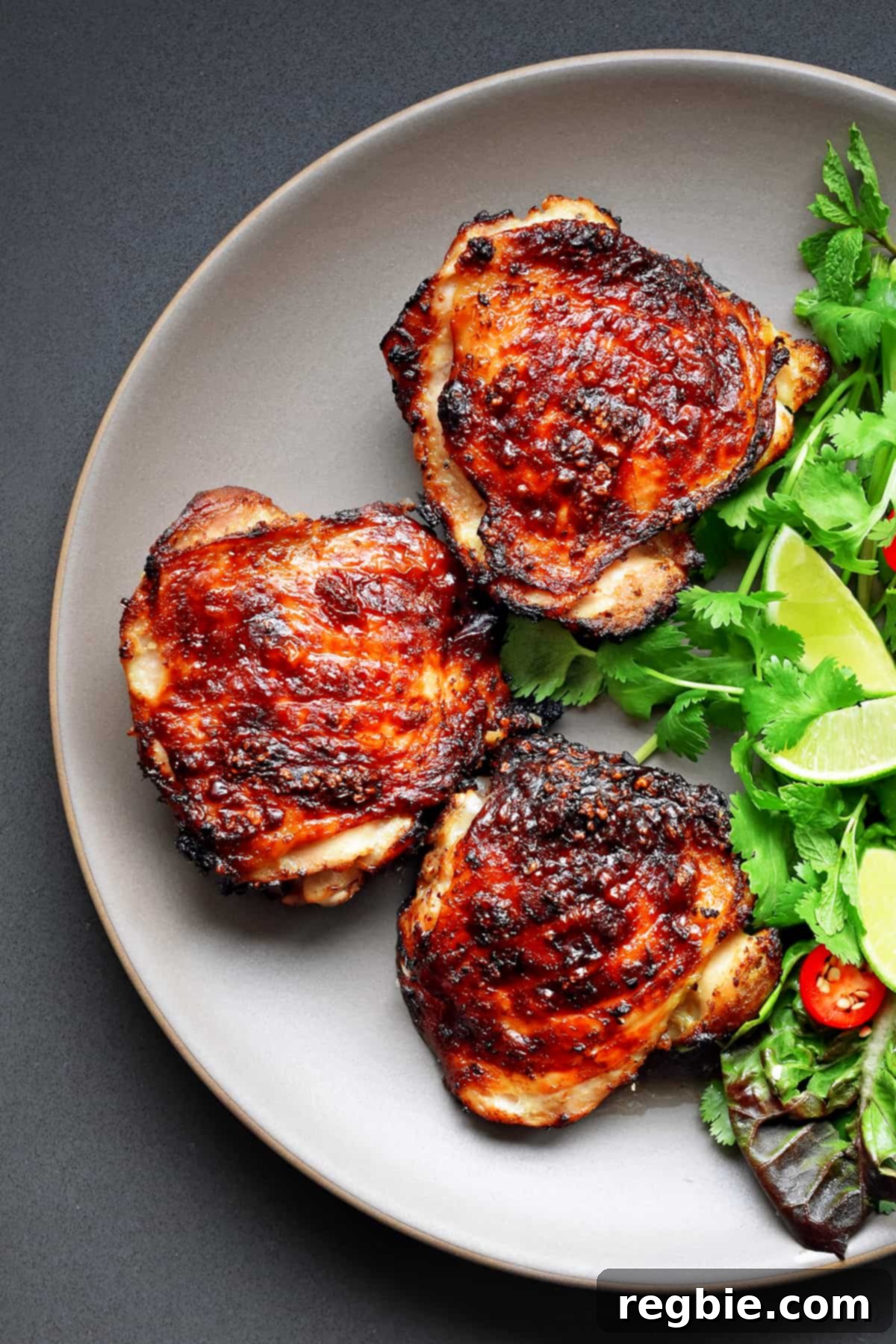
Experience the vibrant flavors of Southeast Asia with this incredible Vietnamese Lemongrass Chicken recipe. Bursting with umami, citrusy freshness, and savory depth, this dish is not only a family favorite but also fully Whole30-compatible, low-carb, and gluten-free. Complete with instructions for both oven baking and air frying, plus a homemade Paleo Nuoc Cham dipping sauce, this recipe is destined to become a staple in your weeknight meal rotation.
Table of Contents
- The Irresistible Allure of Vietnamese Cuisine
- What Defines Lemongrass Chicken?
- Why This Paleo & Whole30 Lemongrass Chicken Recipe is a Must-Try
- Lemongrass: The Aromatic Heart of Vietnamese Cooking
- Sourcing and Preparing Fresh Lemongrass
- The Ground Ginger Advantage: Avoiding Mushy Chicken
- Unveiling Nuoc Cham: The Quintessential Vietnamese Dipping Sauce
- Smart Make-Ahead Tips and Storage Solutions
- Essential Ingredients for Lemongrass Chicken and Nuoc Cham
- Step-by-Step: How to Make Vietnamese Lemongrass Chicken
- Crafting the Flavorful Marinade
- Marinating the Chicken for Maximum Flavor
- Baking the Chicken to Golden Perfection
- Air Frying Lemongrass Chicken for Crispy Results
- What to Serve with Your Lemongrass Chicken
- Recipe Card: Vietnamese Lemongrass Chicken and Paleo Nuoc Cham
The Irresistible Allure of Vietnamese Cuisine
If I were to choose one cuisine to savor for the rest of my life, Vietnamese dishes would undoubtedly top the list. There’s a profound magic in the way Vietnamese cooks balance sweet, sour, salty, and spicy elements, often incorporating contrasting textures and temperatures within a single meal. This culinary philosophy elevates simple ingredients into extraordinary sensory experiences. At the heart of this gastronomic delight is the masterful use of fresh herbs and aromatic seasonings, transforming humble proteins into dishes that sing with complex, layered flavors.
What Defines Lemongrass Chicken?
Lemongrass chicken, known in Vietnamese as Gà Xào Sả Ớt or Gà Nướng Sả (depending on preparation), is a beloved staple throughout Southeast Asia. At its core, it features succulent chicken pieces — typically thighs or drumsticks — generously marinated in a fragrant blend of finely minced lemongrass, garlic, and shallots. The marinade is further enhanced with a harmonious mix of essential Vietnamese pantry staples like fish sauce, a touch of sweetness (traditionally brown or palm sugar, though we use paleo-friendly alternatives), and tangy lime juice. This meticulous marination process not only tenderizes the chicken but also infuses every bite with an explosion of vibrant, unforgettable flavors.
After marinating, the chicken is typically grilled, pan-fried, or baked until it develops a beautiful golden-brown char, signifying its readiness. The dish is almost always served with a side of steamed rice or delicate rice noodles, accompanied by an essential tangy dipping sauce called nuoc cham. Fresh herbs such as cilantro, mint, or Thai basil, along with thin slices of chili peppers, are often added to provide additional layers of flavor, aroma, and a pleasant kick of heat, creating a meal that is truly a feast for all senses.
Why This Paleo & Whole30 Lemongrass Chicken Recipe is a Must-Try
You might be wondering, with so many lemongrass chicken recipes out there, why choose this one? The answer is simple: this Vietnamese Lemongrass Chicken recipe has consistently been a fan favorite since its debut in 2015 for its unparalleled blend of simplicity, incredible taste, and adaptability to specific dietary needs. It’s a culinary triple threat – genuinely delicious, entirely Whole30-compatible, naturally low-carb, and completely gluten-free. For those seeking healthy, flavorful meals without compromise, this recipe checks every box.
But its appeal extends beyond just dietary compliance. The lip-smacking marinade, which is the soul of this dish, is remarkably versatile. It can elevate not just chicken thighs, but also pork chops, shrimp, chicken breasts, and even plant-based options like tofu for those following a vegetarian or vegan diet. And we’ve made it even better! This updated recipe now includes clear instructions for both oven baking and air frying, offering flexibility for your preferred cooking method. Plus, we’ve included a recipe for a delightful paleo nuoc cham dipping sauce, ensuring a complete, authentic, and healthy Vietnamese experience right in your own kitchen.
Lemongrass: The Aromatic Heart of Vietnamese Cooking
Inspired by a memorable trip to Vietnam, my quest for fresh lemongrass began immediately upon returning home. This remarkable culinary herb, with its distinctive citrusy and subtly spicy notes, is the undisputed star in many of my most cherished Vietnamese dishes. It’s the ingredient that truly makes them shine, contributing an irreplaceable bright, aromatic quality that balances the richness of other flavors. Indeed, the magic often lies in the combination of fresh lemongrass and high-quality fish sauce.
If you’ve never had the pleasure of cooking with fresh lemongrass, now is the perfect time to start. Its unique aroma and flavor profile are truly transformative. Many home cooks are intimidated by preparing it, but it’s much simpler than you think. There’s really no excuse not to try it, especially with helpful resources available (like our comprehensive step-by-step tutorial on how to trim and mince it effectively). Once you master this ingredient, a world of vibrant Asian flavors opens up to you. This very dish, Vietnamese Lemongrass Chicken, was born out of that post-Vietnam trip inspiration back in 2015, and it remains a constant, beloved fixture in my family’s meal rotation to this day.

Sourcing and Preparing Fresh Lemongrass
Finding fresh lemongrass is usually quite easy. You can typically purchase fresh stalks at most Asian grocery stores, often located in the produce section alongside other herbs. In larger markets and specialty stores like Whole Foods or even some Safeway locations in the San Francisco Bay Area, you might also find it conveniently pre-trimmed and packaged in small plastic boxes near other fresh herbs. When selecting lemongrass, look for firm stalks with a green upper portion and a pale yellow-white base. Avoid any stalks that appear dry, brittle, or discolored.
If fresh lemongrass is unavailable, don’t despair! Many Asian supermarkets offer frozen lemongrass stalks, which are an excellent alternative and retain much of their flavor. While I personally haven’t experimented with dried lemongrass in this particular recipe (as fresh or frozen provides the best aromatic punch), resources like Cook’s Illustrated offer valuable guidance on how to properly substitute and utilize dried forms of this versatile herb. Regardless of whether you use fresh or frozen, remember that proper trimming and fine mincing are key to unlocking its full flavor potential and ensuring a pleasant texture in your finished dish.
The Ground Ginger Advantage: Avoiding Mushy Chicken
During my initial attempts to perfect this Vietnamese Lemongrass Chicken recipe, I consistently achieved delicious results, but there was a subtle textural issue. If the chicken marinated for more than a day, it would become noticeably too soft, almost mushy, after cooking. This perplexing problem reminded me of a similar “debacle” I encountered while developing my Wonton Meatballs recipe.
Through careful troubleshooting, I discovered the culprit: fresh ginger. Fresh ginger contains powerful enzymes called proteases, which are highly effective at breaking down proteins. While this property is often desirable for tenderizing tougher cuts of meat in some applications, in a marinade like this one, it can work too aggressively on delicate chicken, especially during extended marination times. To circumvent this issue and ensure the chicken maintains a firm yet tender texture, I made a crucial modification to the original recipe: replacing fresh ginger with ground ginger. Ground ginger provides all the warm, earthy flavor without the enzymatic activity, allowing for longer, more effective marination without compromising the chicken’s integrity. This simple swap is a game-changer for consistency and texture.
Unveiling Nuoc Cham: The Quintessential Vietnamese Dipping Sauce
No Vietnamese meal, especially one featuring grilled or fried meats, would be complete without nuoc cham. This iconic dipping sauce is celebrated for its dynamic and perfectly balanced flavor profile, hitting all five fundamental tastes: sweet, sour, salty, umami, and often spicy. It’s a versatile condiment that elevates everything it touches, from crispy spring rolls and grilled meats to fresh noodle bowls and vibrant salads. The traditional nuoc cham is typically crafted from a blend of fish sauce, zesty lime juice, a sweetener (sugar or palm sugar), pungent garlic, and fiery chili peppers, sometimes with a splash of vinegar for added complexity. The beauty of nuoc cham lies in its adaptability; the balance of these ingredients can be easily adjusted to suit individual taste preferences, making it a truly personalizable culinary experience.
Recognizing the importance of this sauce, I’m thrilled to share my paleo-friendly rendition of nuoc cham with you. Sourced from page 286 of our beloved green cookbook, Nom Nom Paleo: Let’s Go!, this version captures the authentic taste of traditional nuoc cham while adhering to paleo and Whole30 guidelines. It strikes the perfect chord of flavors, providing an indispensable tangy and savory counterpoint to the rich, aromatic lemongrass chicken thighs, ensuring every bite is a harmonious blend of tastes and textures.
Smart Make-Ahead Tips and Storage Solutions
To truly streamline your cooking process and enjoy this incredible Vietnamese Lemongrass Chicken with minimal fuss, consider these valuable make-ahead tips. If you plan on doubling the recipe (which I highly recommend for delicious leftovers!), you can significantly cut down on prep time by using a high-powered blender or food processor to blitz all the roughly chopped marinade ingredients together. This creates a smooth, intensely flavorful paste with ease, saving your hands from repetitive mincing.
Furthermore, the chicken can be marinated in the refrigerator for a substantial period—anywhere from a minimum of one hour up to two full days. This extended marination allows the flavors to deeply penetrate the meat, resulting in a more tender and aromatic dish. However, a word of caution regarding freezing: I generally advise against freezing uncooked, marinated chicken thighs for later use. From my experience, the skin of uncooked marinated chicken tends to become somewhat rubbery after being frozen and then thawed and cooked. Instead, I find it much more effective to roast all the chicken thighs at once and then freeze the cooked portions. Cooked Vietnamese Lemongrass Chicken can be safely stored in an airtight container in the refrigerator for up to 4 days, or frozen for up to 3 months, making it an excellent option for meal prepping and enjoying delicious, healthy meals on demand.
Essential Ingredients for Lemongrass Chicken and Nuoc Cham
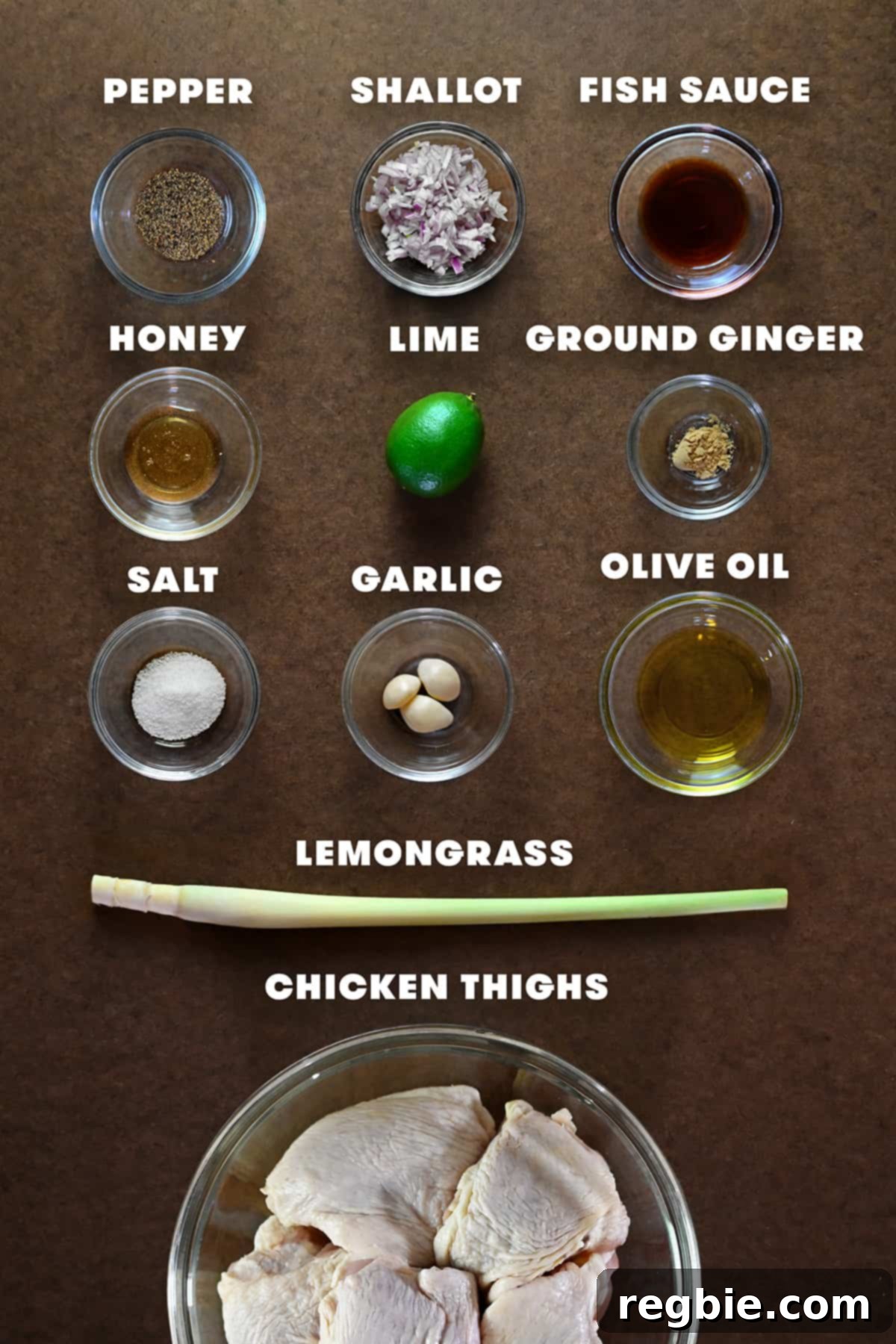
- Chicken thighs: For the most flavorful and succulent results, I highly recommend bone-in, skin-on chicken thighs. The bone contributes to deeper flavor, and the skin renders beautifully, adding crispness. If preferred, boneless and skinless thighs or even chicken breast can be used, but be sure to reduce the cooking time to prevent dryness.
- Lemongrass stalk, trimmed and minced: This is the star ingredient, providing that signature citrusy, herbaceous aroma.
- Shallot: Minced shallots offer a delicate, sweet-savory onion flavor to the marinade. A finely chopped red onion, sweet onion, or even green onions can be substituted in a pinch.
- Garlic cloves: Freshly minced garlic is crucial for aromatic depth in the marinade.
- Ground ginger: This is key! Unlike fresh ginger, ground ginger provides flavor without the protein-breaking enzymes that can make chicken mushy during marination.
- Red Boat Fish Sauce: A premium, high-quality fish sauce is essential for authentic Vietnamese umami. Do not omit this unless you have an allergy; in that case, substitute with coconut aminos and a little extra salt, but be aware the flavor profile will differ.
- Lime: Both the zest (for aromatic oils in the marinade) and the juice (for a bright finish on the cooked chicken) are utilized.
- Extra virgin olive oil or avocado oil: A healthy fat to help bind the marinade and promote even browning.
- Honey: A small amount of honey balances the savory and tangy notes in the marinade. For a strict Whole30 compliance, substitute 1 tablespoon of orange juice for a touch of natural sweetness.
- Diamond Crystal kosher salt: Essential seasoning to enhance all the other flavors.
- Freshly ground black pepper: Adds a subtle peppery kick.
- Nuoc cham dipping sauce: (Optional, but highly recommended! Recipe is included in the recipe card below)
- Optional garnishes: Lime wedges, an assortment of fresh herbs (such as mint, cilantro, and Thai basil), crisp lettuce leaves, and quick pickled vegetables (like carrots and daikon) enhance the experience.
Step-by-Step: How to Make Vietnamese Lemongrass Chicken
Crafting the Flavorful Marinade
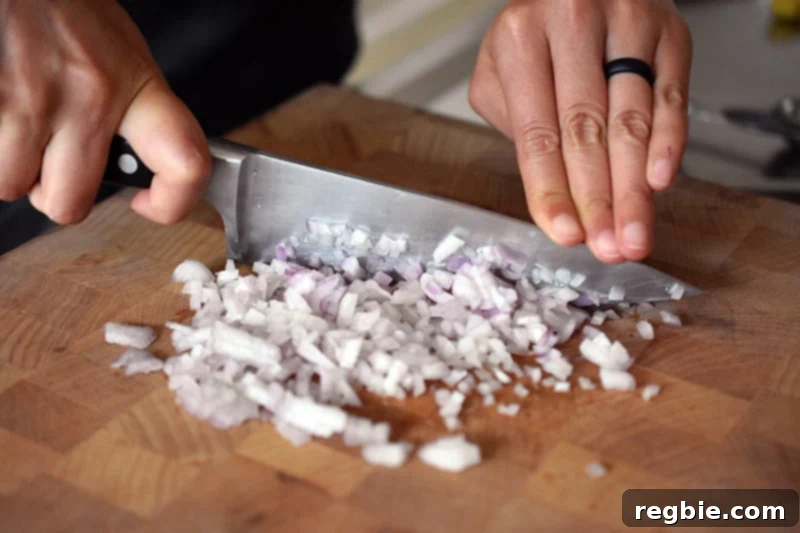
Begin by preparing your aromatics. Take a large mixing bowl and add the finely minced shallots. The smaller you mince them, the more evenly their sweet-savory flavor will disperse throughout the marinade.
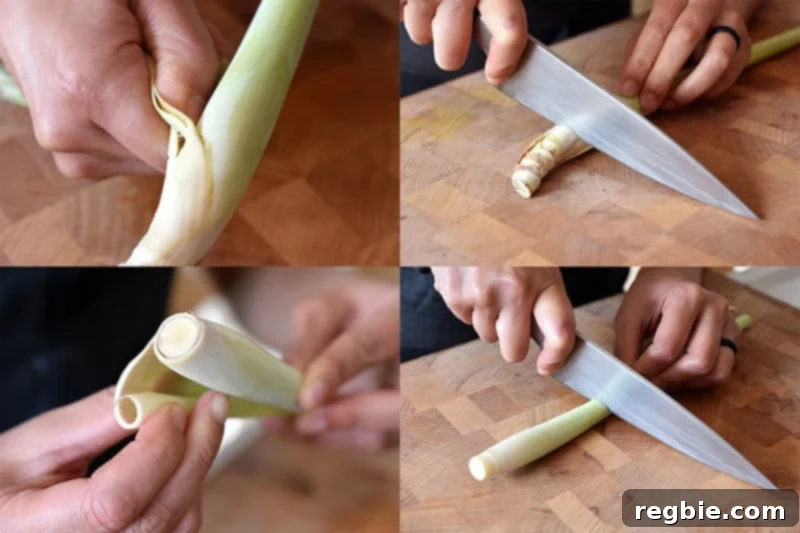
Next, carefully trim your fresh lemongrass stalk. Remove the tough outer layers and the very top and bottom, using only the tender, pale-white to light-green portion.
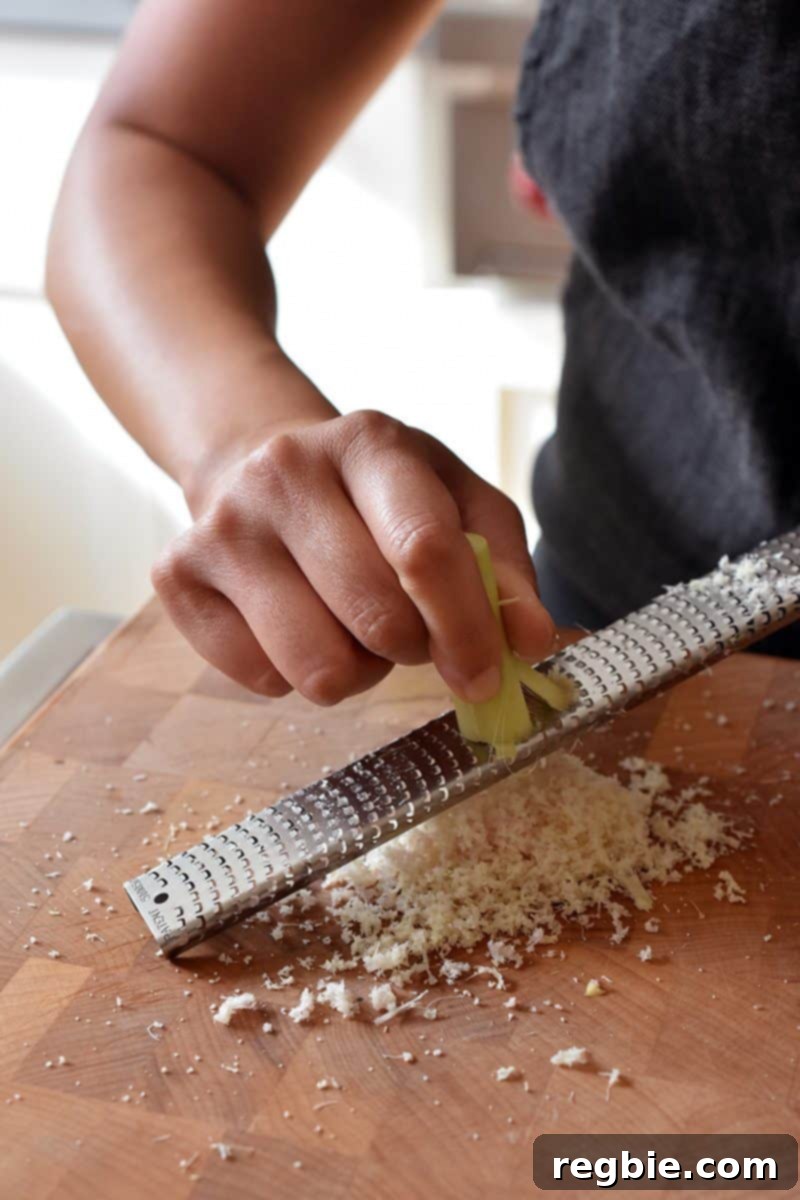
For the best results, finely grate the trimmed lemongrass using a microplane rasp grater. This is my preferred method as it yields incredibly fine, almost paste-like lemongrass that integrates seamlessly into the marinade, minimizing fibrous bits.
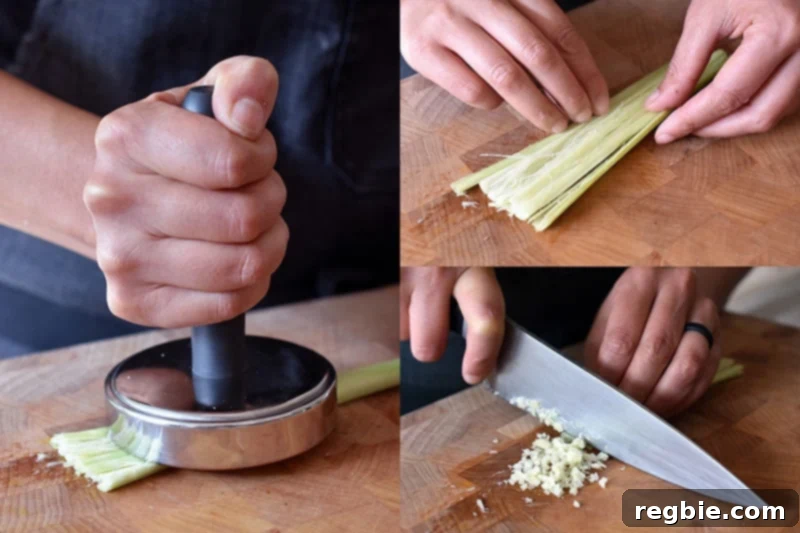
Alternatively, you can smash the lemongrass stalk thoroughly with a meat pounder or the back of a heavy knife, then finely mince it against the grain of the fibers. The key is to get it as fine as possible; the finer the dice, the less you’ll encounter chewy lemongrass fibers in your cooked chicken. For a more detailed guide on preparing lemongrass, check out my step-by-step tutorial.
Add the finely minced lemongrass to the bowl with the shallots.
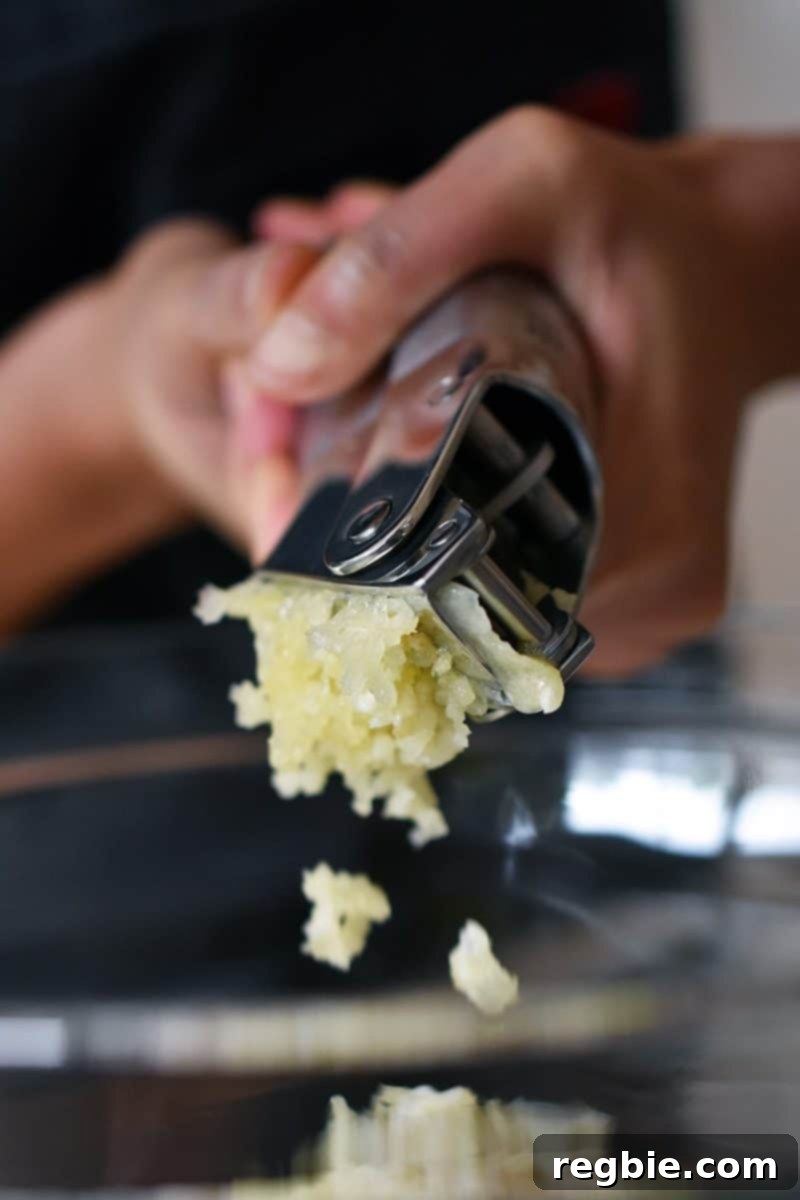
Now, add the minced garlic and ground ginger to the bowl. While you can use a microplane for the garlic, I often opt for my trusty garlic press to keep my fingertips safe and achieve perfectly minced garlic effortlessly.
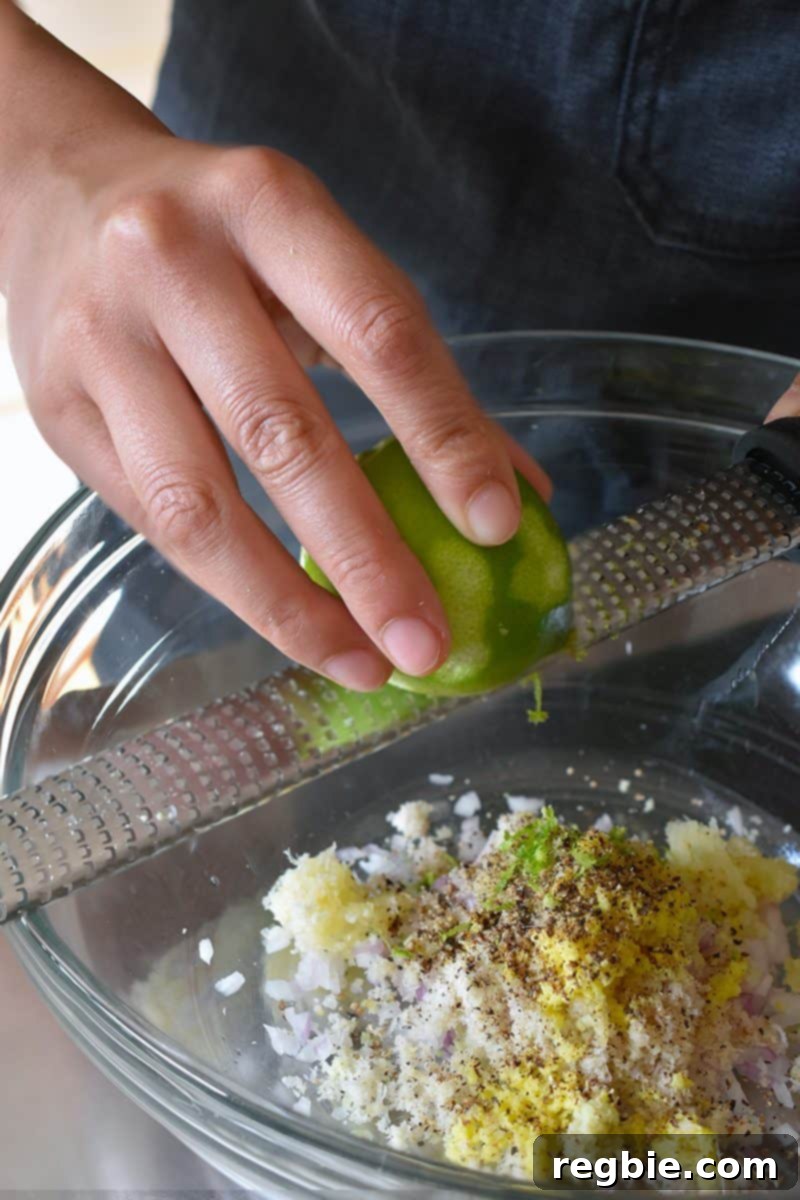
Generously crack some fresh black pepper into the mixture. Then, take a lime and carefully zest only the outermost green layer of the peel. It’s crucial to avoid grating into the bitter white pith beneath, as it can negatively impact the delicate flavor balance of your marinade.
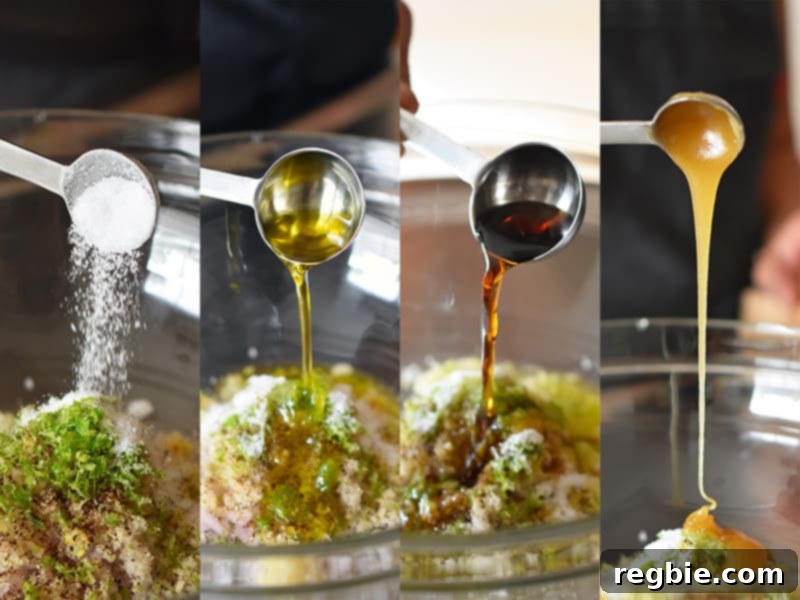
Finally, incorporate the remaining liquid ingredients: salt, olive oil (or avocado oil), fish sauce, and honey. If you are strictly adhering to a Whole30 program, you can easily substitute the honey with a tablespoon of orange juice. Rest assured, the marinade will still taste absolutely fabulous and deliver fantastic flavor to your chicken.
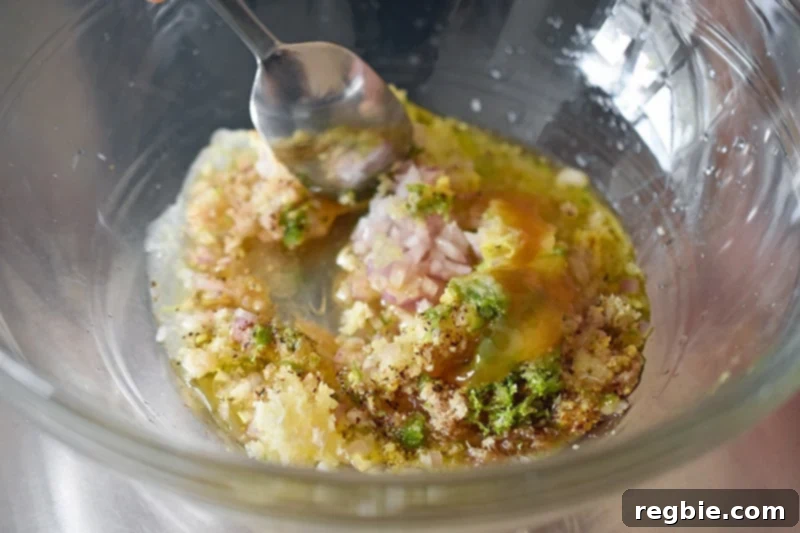
With all ingredients in the bowl, stir or whisk them thoroughly until they are well combined. This ensures an even distribution of flavors throughout the marinade.
Marinating the Chicken for Maximum Flavor
Carefully add your chicken thighs to the prepared marinade. Use your hands to gently massage the marinade all over each piece of chicken, ensuring every surface is thoroughly coated. This hands-on approach helps the flavors penetrate deeply into the meat.
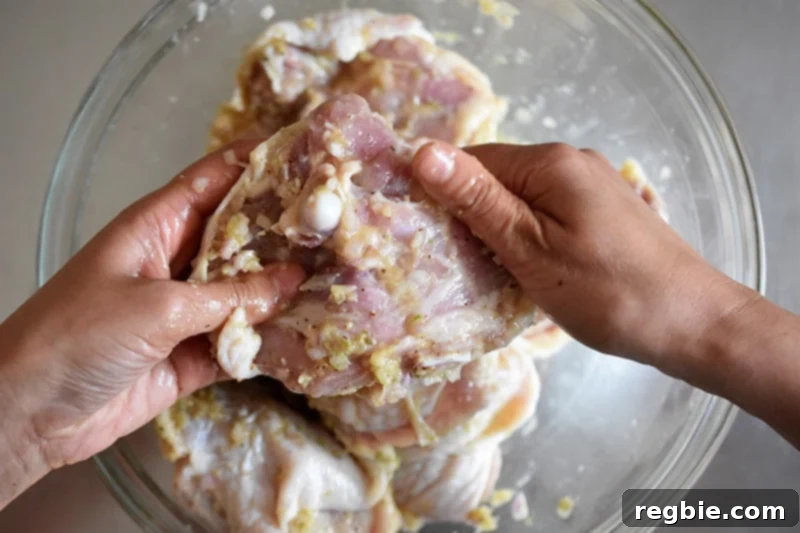
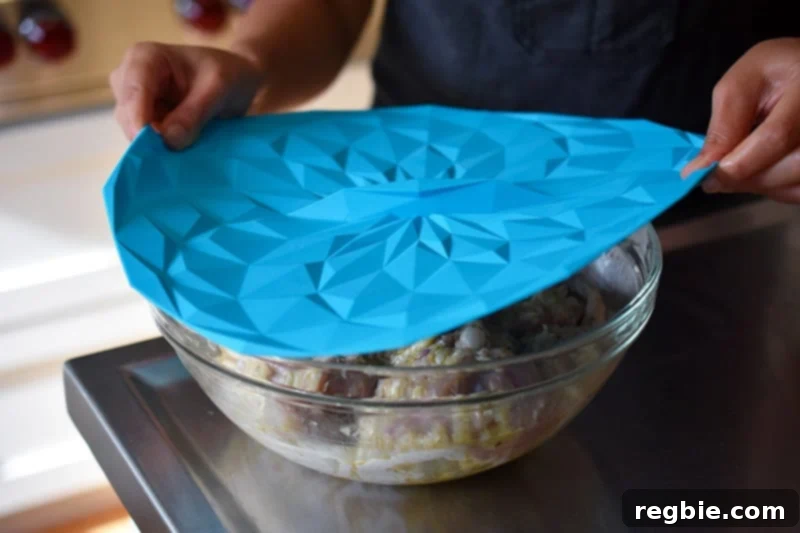
Once the chicken is fully coated, cover the bowl tightly and refrigerate it for at least one hour. For the most intense flavor, I recommend marinating for up to 48 hours. I’m particularly fond of these eco-friendly silicone bowl covers for convenient and secure storage. While the wait might test your patience, trust me when I say that the incredible depth of flavor achieved through proper marination is truly worth it.
Baking the Chicken to Golden Perfection
When you’re ready to cook, preheat your oven to 400°F (200°C). If your oven has a convection roast function, I highly recommend using it; the circulating hot air ensures a more even cook and crispier skin. If you don’t have convection, simply increase the temperature to 425°F (220°C) and be prepared to rotate the baking sheet more frequently for consistent results.

Line a baking sheet with foil for easy cleanup, then place a wire rack on top. Arrange the marinated chicken thighs skin-side down on the wire rack. Don’t mind any playful protests from family members upon encountering raw chicken – the delicious outcome will quickly win them over!
Slide the baking sheet into the preheated oven and bake for 20 minutes. After this initial period, carefully flip the chicken thighs skin-side up and rotate the tray 180 degrees to ensure even browning. Continue baking for an additional 20-25 minutes, or until the chicken skin is beautifully browned and crispy, and the thickest part of the meat registers an internal temperature of 175°F (80°C) on an instant-read thermometer.
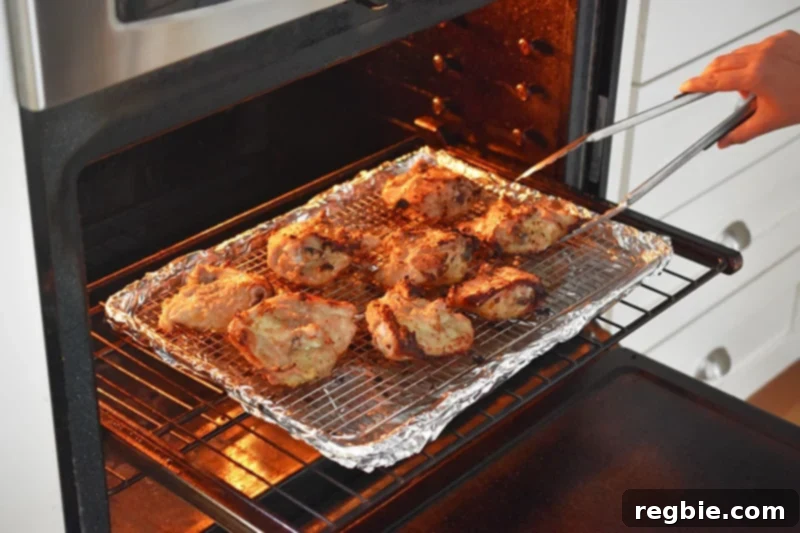
Voilà! Your fragrant and perfectly cooked Vietnamese Lemongrass Chicken is ready to be devoured.
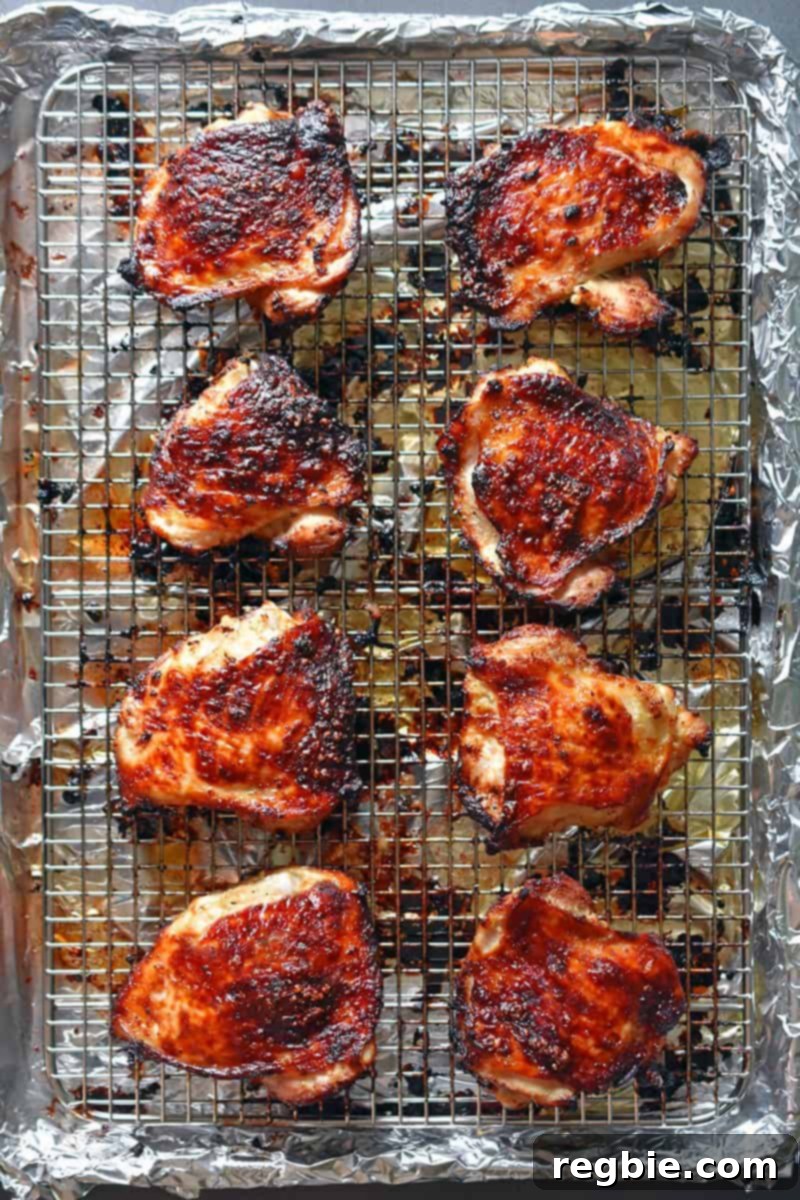
Don’t fret about the dirty wire rack, by the way! I have a fantastic method to clean it like a champ, which you can see in this video.
Air Frying Lemongrass Chicken for Crispy Results
For all the air fryer enthusiasts out there, this recipe is perfectly adaptable! Air frying delivers incredibly crispy skin and juicy meat with minimal effort. Place the marinated chicken thighs in your air fryer basket in batches, ensuring not to overcrowd it to allow for proper air circulation. Set your air fryer to 400°F (200°C).
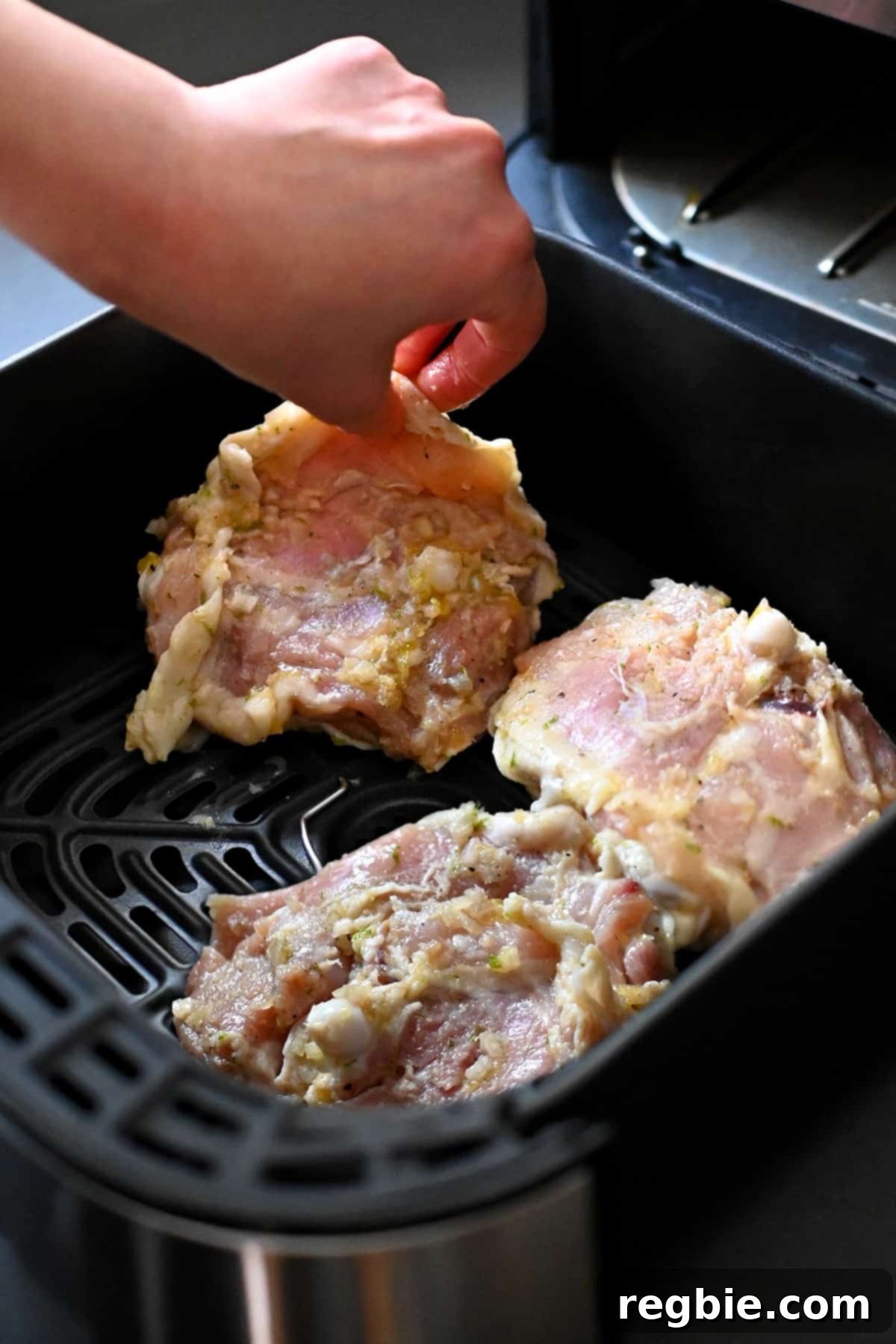
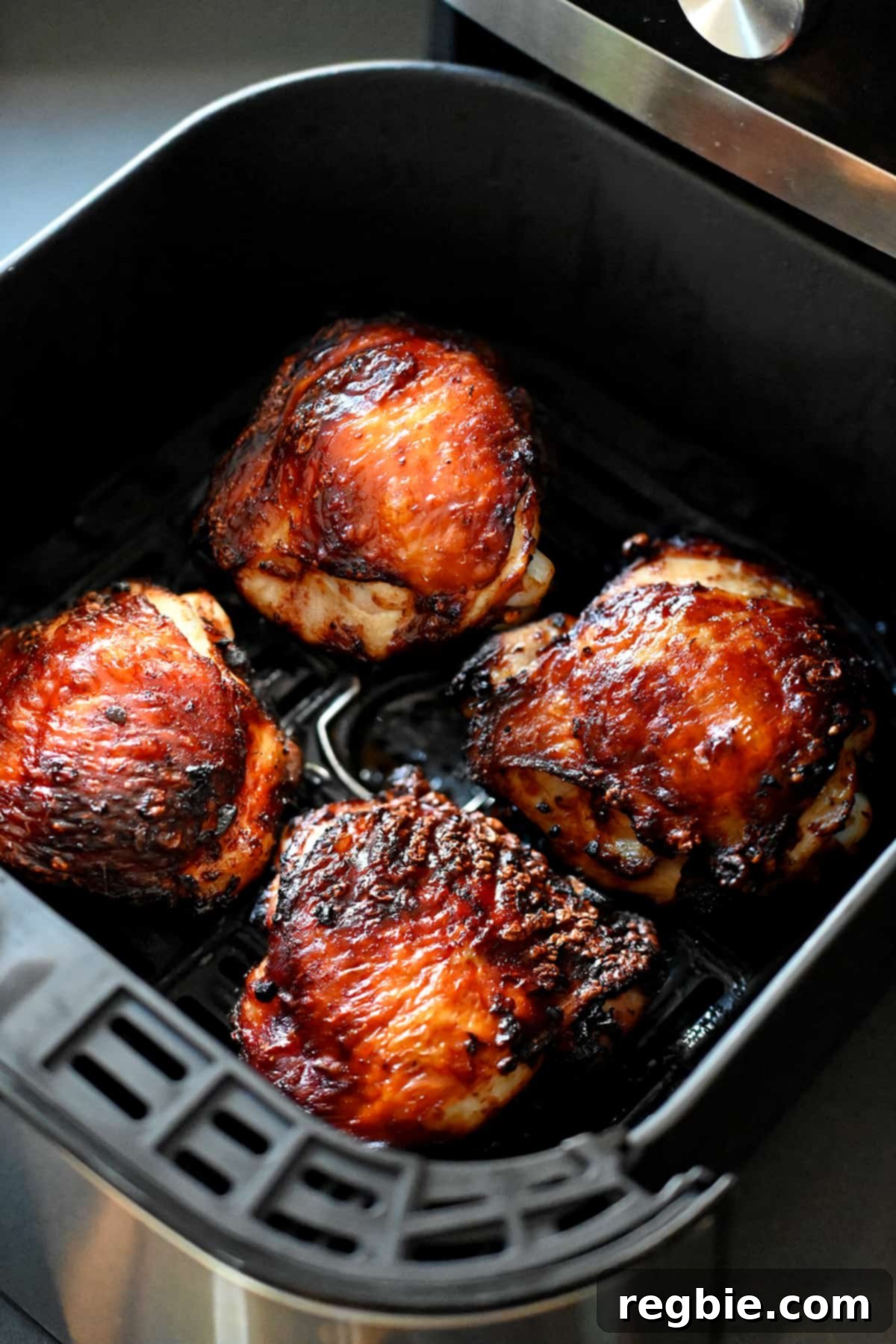
Cook the chicken for a total of 20 to 25 minutes. Start by placing the chicken skin-side down for the first half of the cooking time (approximately 10-12 minutes). Then, flip the chicken skin-side up for the remaining time. The chicken is done when the thickest part of the thighs reaches an internal temperature of 175°F (80°C) on a meat thermometer, and the skin has turned a beautiful, enticing golden brown and is wonderfully crisp.
What to Serve with Your Lemongrass Chicken
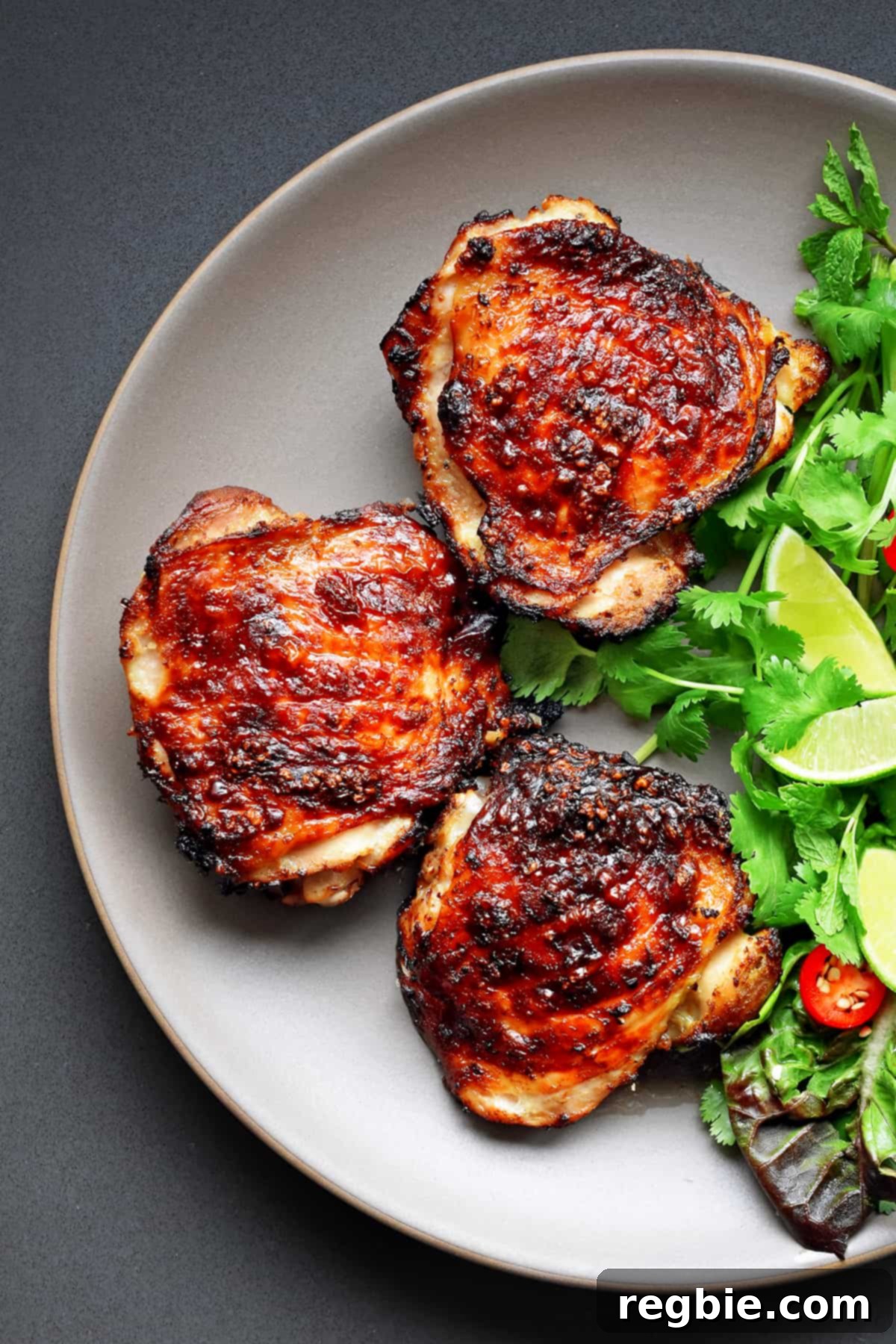
This Vietnamese Lemongrass Chicken is fantastic served simply with crisp lettuce leaves, a medley of quick pickled vegetables (like carrots and daikon), a generous sprinkling of fresh herbs (such as mint, cilantro, and Thai basil), and bright lime wedges for an extra burst of zest. For a complete meal that aligns with paleo and Whole30 principles, consider serving it alongside cauliflower rice or spiralized zucchini noodles. If dietary restrictions are not a concern, steamed jasmine rice or vermicelli rice noodles are classic accompaniments.
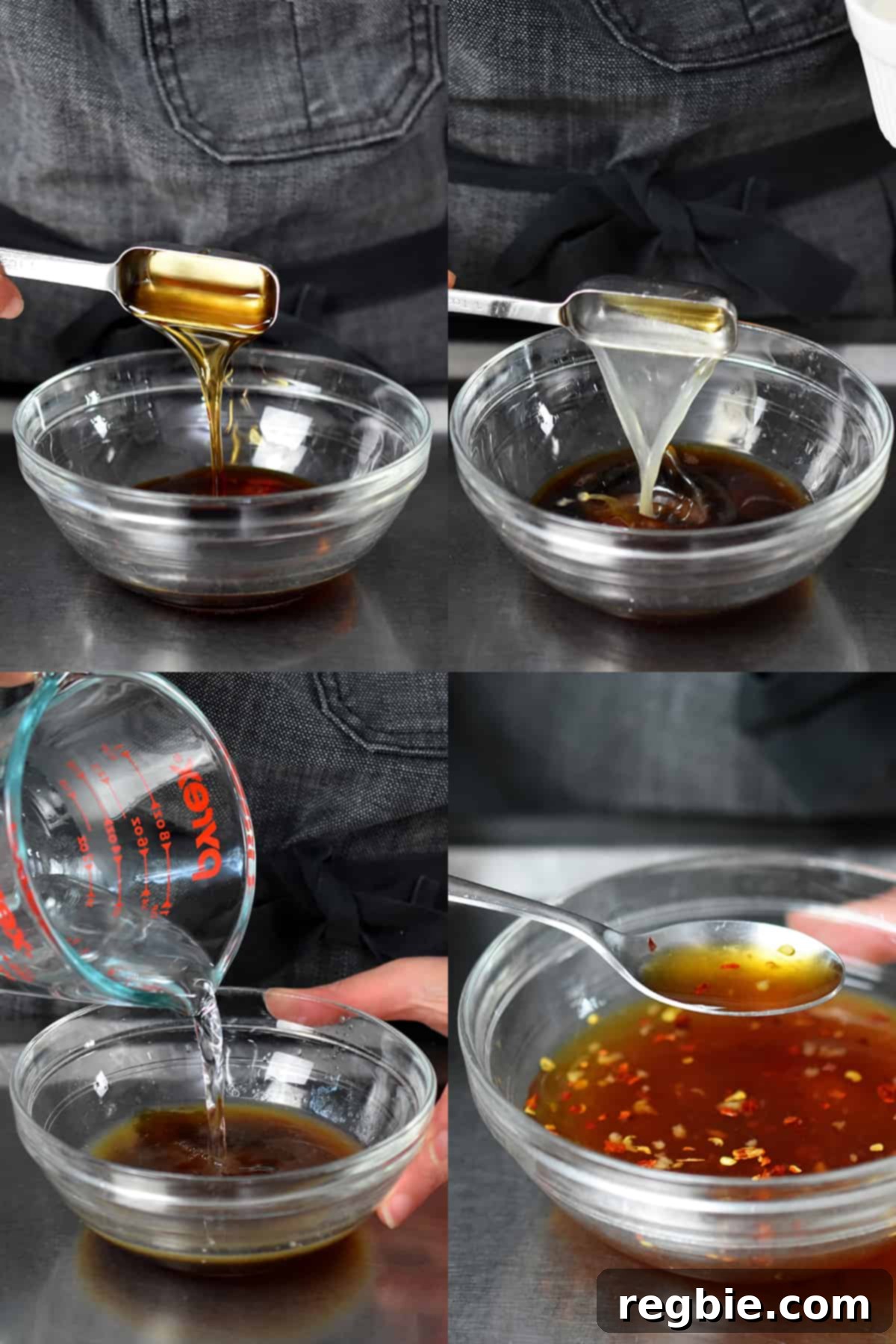
But the true secret weapon for this dish is the dipping sauce! Our homemade paleo nuoc cham dipping sauce, found in the recipe card below, provides that essential sweet, sour, salty, and spicy balance that elevates the entire meal. It’s the perfect condiment to bring all the flavors together, creating a truly authentic Vietnamese dining experience. Your family will adore it – and if they don’t, well, they know where the kitchen is for their next meal!
Hungry for more culinary inspiration? Explore my comprehensive Recipe Index for a wide array of delicious and healthy meal ideas. You’ll also discover exclusive recipes and cooking tips in my acclaimed cookbooks, including Nom Nom Paleo: Food for Humans (Andrews McMeel Publishing 2013), the highly anticipated Ready or Not! (Andrews McMeel Publishing 2017), and the latest culinary adventure, Nom Nom Paleo: Let’s Go! (Andrews McMeel Publishing 2022). Happy cooking!
Recipe Card: Vietnamese Lemongrass Chicken and Paleo Nuoc Cham
Vietnamese Lemongrass Chicken and Paleo Nuoc Cham Dipping Sauce!
15
45
1
2
6
servings
Michelle Tam
Ingredients
Lemongrass Chicken
- ¼ cup minced shallots
- 1 large lemongrass stalk trimmed and finely minced
- 3 garlic cloves minced
- 2 teaspoons Diamond Crystal kosher salt
- ½ teaspoon ground ginger (fresh ginger contains an enzyme which can break down the chicken)
- ¼ teaspoon freshly ground black pepper
- zest from 1 lime
- 2 tablespoons olive oil or avocado oil
- 1 tablespoon Red Boat fish sauce
- 1 teaspoon honey (or 1 tablespoon of orange juice if you’re doing a Whole30)
- 8 chicken thighs bone-in and skin-on (~3½ pounds)
- Lime wedges fresh herbs (mint, cilantro, Thai basil), lettuce, and pickled vegetables (optional, for serving)
Paleo Nuoc Cham Dipping Sauce
- 3 tablespoons Red Boat fish sauce
- 3 tablespoons maple syrup (or ¼ cup apple or pineapple juice for Whole30)
- 2 tablespoons freshly squeezed lime juice
- ¼ cup water
- ¼ teaspoon crushed red pepper flakes
- 1 small garlic clove minced
Instructions
Vietnamese Lemongrass Chicken
-
1. Let’s make the marinade. Grab a large bowl and add the minced shallots.
-
2. Trim the fresh lemongrass stalk and grate finely with a microplane rasp grater (my preferred method) or smash the stalk with a meat pounder and cut finely against the grain of the fibers. The finer the dice, the less lemongrass fiber you’ll be picking out of your teeth when you eat the chicken later. Refer to this tutorial if you have more questions on how to trim lemongrass.
-
3. Add 3 tablespoons of the finely minced lemongrass to the bowl, along with the garlic, Diamond Crystal kosher salt, ground ginger, black pepper, lime zest, extra virgin olive oil, fish sauce, and honey (sub 1 tablespoon of orange juice if doing a Whole30). Stir to combine well until everything is thoroughly mixed.
-
4. Place the chicken thighs in the bowl and massage the marinade all over the chicken pieces, ensuring they are evenly coated.
-
5. Cover the bowl and let the chicken marinate for at least one hour and up to 24 hours in the fridge for optimal flavor development.
-
6. When you’re ready to cook, preheat your oven to 400°F (200°C) on convection roast or 425°F (220°C) for non-convection, with an oven rack in the middle position.
-
7. Place the chicken skin-side down on a stainless steel wire rack positioned over a foil-lined baking sheet.
-
8. Bake the chicken in the oven for 20 minutes. Then, carefully flip the chicken skin-side up and rotate the tray 180 degrees. Continue to bake for an additional 20-25 minutes, or until the skin is evenly browned and crispy, and the thickest part of the meat registers 175°F (80°C) on an instant-read thermometer.
-
9. Cooking in an air fryer? Air fry the chicken in batches at 400°F (200°C) for a total of 20 to 25 minutes. Start by placing the chicken skin-side down and flip it skin-side up at the halfway point (around the 10-12 minute mark). The chicken is fully cooked when the thickest part of the thighs reaches 175°F (80°C) on a meat thermometer and the skin is golden brown and crispy.
-
10. Serve the chicken hot with fresh lettuce wraps, pickled vegetables, a variety of fresh herbs, and lime wedges. For an elevated experience, pair it with the Paleo Nuoc Cham dipping sauce recipe below!
Paleo Nuoc Cham Dipping Sauce
-
1. In a small bowl, combine the Red Boat fish sauce, maple syrup (or apple/pineapple juice for Whole30), freshly squeezed lime juice, water, crushed red pepper flakes, and minced garlic. Stir all ingredients well until fully combined and mixed. Taste and adjust seasoning as needed, adding more juice for Whole30 sweetness or fish sauce for umami.
-
2. This flavorful dipping sauce can be prepared in advance and stored in a sealed container in the fridge for up to 4 days, allowing the flavors to meld beautifully.
Video
Notes
- If you double the recipe, you can save even more time by blitzing all of the roughly chopped marinade ingredients in a high-powered blender or food processor!
- You can marinate the chicken in the fridge for up to two days before cooking. However, I don’t recommend freezing uncooked marinated chicken thighs, as the skin can become rubbery upon cooking. It’s better to cook all the thighs first, then freeze the cooked chicken.
How to store leftovers:
You can store roasted Vietnamese Lemongrass Chicken in an airtight container in the fridge for up to 4 days or freeze it for up to 3 months for convenient future meals.
Nutrition
Carbohydrates: 12g |
Protein: 32g |
Fat: 37g |
Saturated Fat: 9g |
Polyunsaturated Fat: 7g |
Monounsaturated Fat: 17g |
Trans Fat: 0.2g |
Cholesterol: 189mg |
Sodium: 1690mg |
Potassium: 509mg |
Fiber: 0.5g |
Sugar: 8g |
Vitamin A: 180IU |
Vitamin C: 3mg |
Calcium: 41mg |
Iron: 2mg
Nutrition information is automatically calculated, so should only be used as an approximation.
Like this? Leave a comment below!