
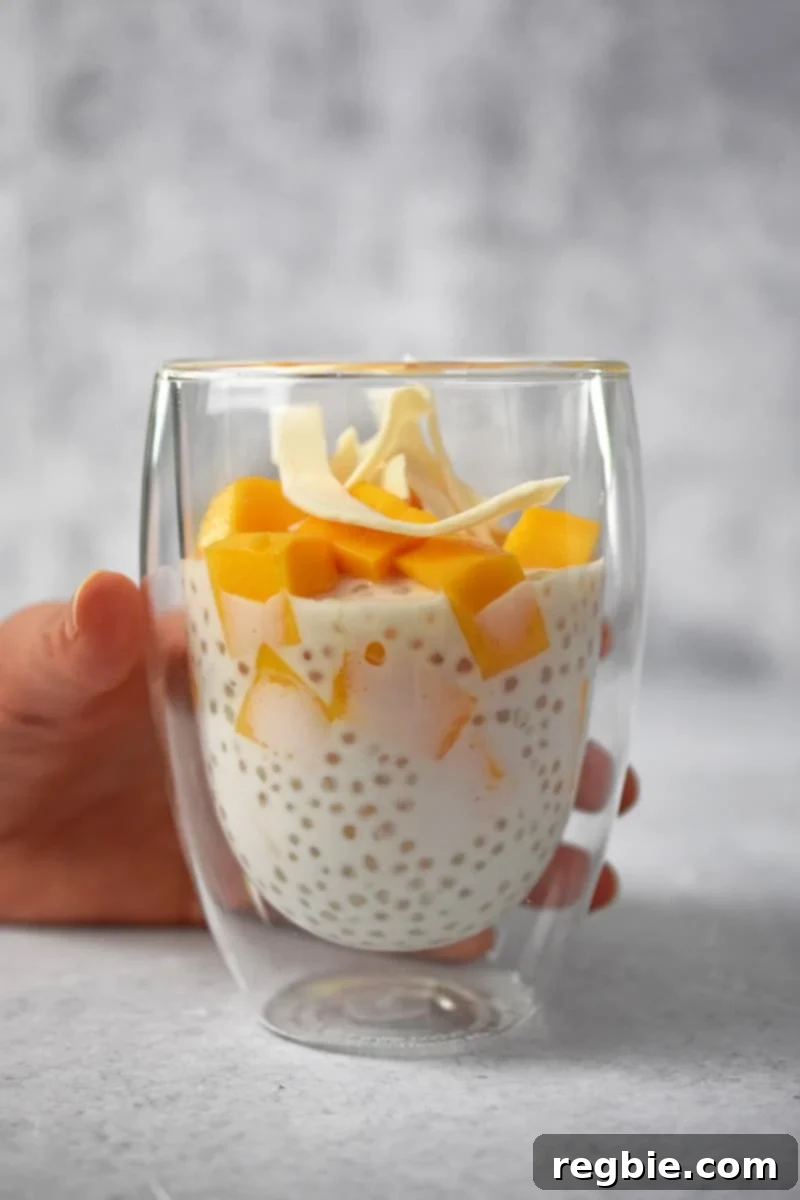
Paleo & Vegan Mango Sago: Your Guide to a Healthier Tropical Dessert
Indulge in Mango Sago, an exquisite Asian-inspired tropical chilled treat, masterfully combining creamy coconut tapioca pudding with luscious, sweet, and tangy mango chunks. This irresistible recipe is crafted to be both paleo and vegan-friendly, offering a delightful twist on a classic dessert that everyone can enjoy!
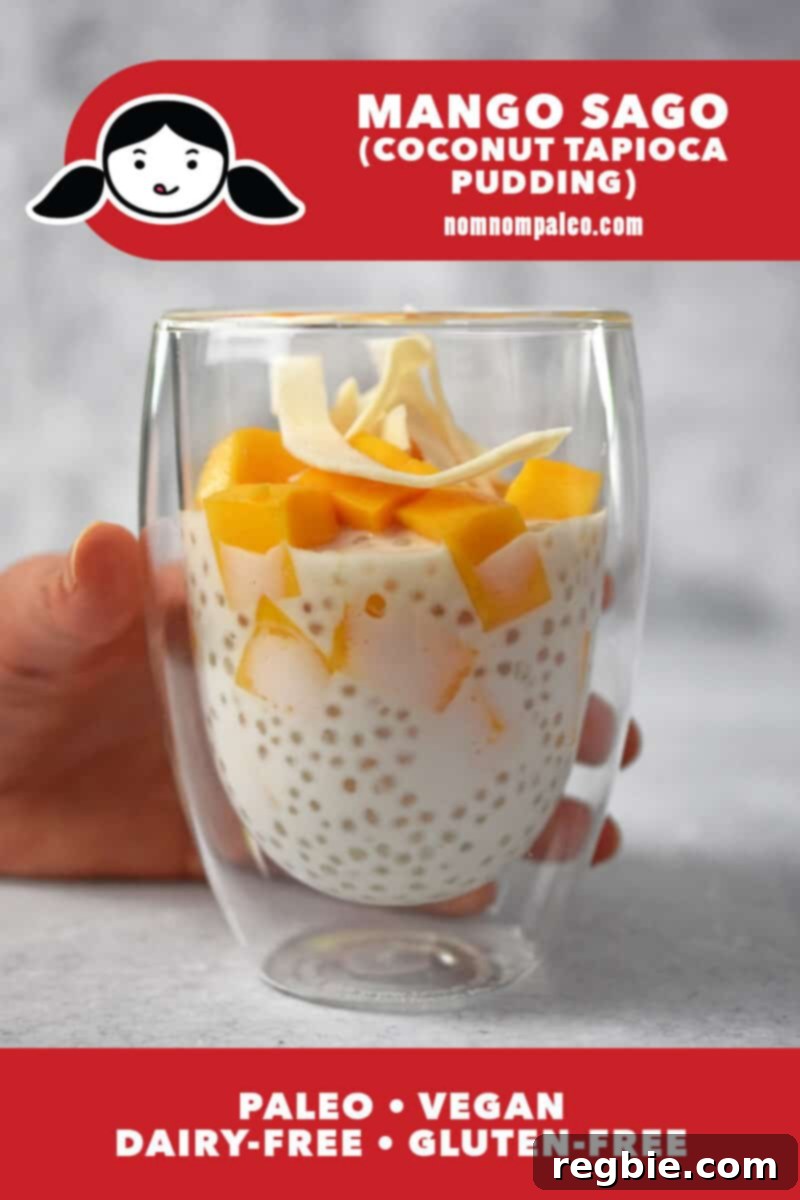
Table of Contents
- A Healthier Spin on Mango Sago
- What is Mango Sago?
- Crafting Paleo and Vegan Mango Sago
- Mastering the Art of Cooking Tapioca Pearls
- Exploring Other Fruit Combinations
- Can You Prepare Mango Sago in Advance?
- Key Ingredients for Mango Sago
- Step-by-Step Guide to Making Mango Sago
- Other Delightful Asian-Inspired Paleo Desserts
- Mango Sago (Coconut Tapioca Pudding) Recipe Card
A Healthier Spin on Mango Sago: Reconnecting with Childhood Flavors
Growing up, Asian desserts often puzzled my younger palate. I still remember the sweet, coconut-infused soups with tiny tapioca balls and honeydew melon that my mother would lovingly prepare for special occasions. While my friends craved chocolate cake, I would wistfully eye the exotic, less-sweet offerings in front of me, not yet appreciating their unique charm.
Now, with a more mature perspective (and a wiser set of taste buds!), I find myself missing those subtly sweet Chinese desserts that I once reluctantly consumed. My culinary journey has led me to a deep appreciation for the fresh, bright, and nuanced flavors and textures inherent in traditional Asian treats. This particular paleo and vegan-friendly mango sago recipe is a glorious homage to those cherished flavors, hitting all the right notes without requiring excessive effort. It’s a delightful way to revisit those childhood memories, but with a healthier, more intentional approach to ingredients, ensuring it aligns perfectly with modern dietary preferences.
What Exactly is Mango Sago? A Tropical Dessert with a Rich History
Mango sago is a renowned Cantonese dessert, a true culinary gem that first emerged from the esteemed Lei Garden restaurant in Hong Kong during the mid-1980s. The fascinating legend behind its creation tells of the head chef, who, while opening a new location in Singapore, sought to invent a dessert that would resonate with local Singaporean tastes and offer a cooling respite from the hot, tropical climate. His innovative solution was this chilled, creamy, coconut-infused tapioca pudding, traditionally brightened with mango and pomelo.
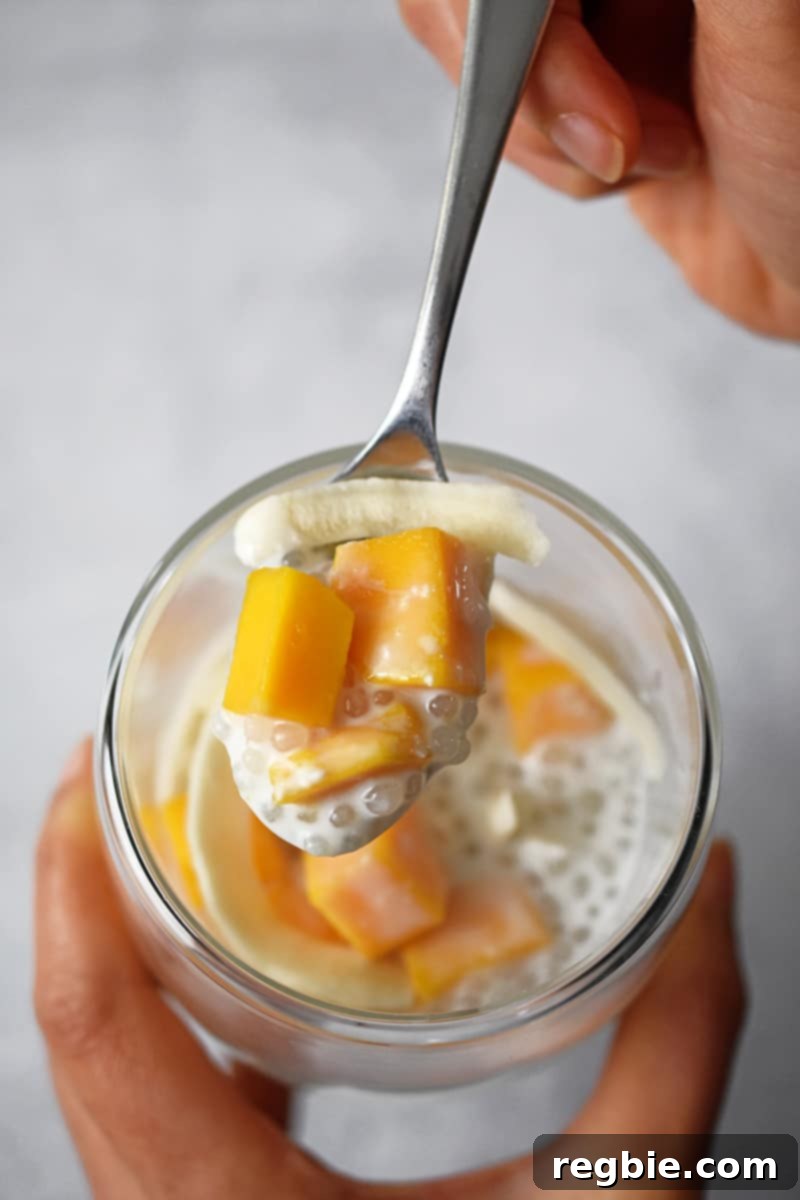
Since its ingenious inception, mango sago’s popularity has soared across Asia and beyond, becoming a staple at boba shops and Asian dessert parlors worldwide. While many delicious variations on the original recipe exist today, the core components remain consistent: a light, creamy, and mildly sweet pudding base made with rich coconut milk, studded with tiny, chewy tapioca pearls, and generously mixed with fresh fruit. In my personal preference, I love the beautiful contrast between the velvety coconut pudding and the sweet-tart mango chunks, which is why I opt to keep them distinct rather than blending them together. This ensures each bite offers a dynamic interplay of textures and tastes, elevating the entire dessert experience.
Crafting Your Own Paleo and Vegan Mango Sago
The beauty of mango sago lies in its adaptability, and for those navigating dietary restrictions or simply seeking healthier alternatives, this recipe is a game-changer. Traditional mango sago often incorporates both condensed milk and coconut milk for its signature creaminess. However, for individuals who, like me, find dairy challenging, a purely coconut milk-based version is not only possible but incredibly delicious.
My recipe relies solely on full-fat coconut milk to deliver that desired tropical richness and creamy texture. To achieve the perfect level of sweetness, I use a modest amount of honey, which is paleo-approved. For our vegan friends, maple syrup serves as an excellent, equally delicious substitute, maintaining the integrity and flavor profile of the dessert. While other non-dairy milks can be used, none quite transport you to the tropics like the authentic flavor of coconut milk. An optional yet highly recommended addition is toasted coconut flakes; they introduce a wonderful crunch that complements the pudding’s smoothness and the mango’s juiciness, adding another layer of texture and tropical flavor.
Mastering the Art of Cooking Tapioca Pearls for Perfect Sago
Cooking small tapioca pearls to perfection can seem daunting at first, but with a few key tips, you’ll achieve beautifully translucent and chewy results every time. The goal is to prevent them from sticking together or becoming mushy, while ensuring they are cooked through.
- Choose the Right Tapioca: Always opt for small pearl tapioca, not the instant or “minute” variety. Small pearls provide the ideal texture and size for sago. I personally recommend Bob’s Red Mill brand for consistent quality.
- No Pre-Rinsing Needed: Unlike some grains or starches, there’s no need to rinse tapioca pearls before cooking. They go straight into the boiling water.
- Start with a Rolling Boil: Ensure your water is at a vigorous, rolling boil before adding the tapioca. This intense heat helps the pearls separate immediately. Once added, stir occasionally but gently to prevent the delicate pearls from clumping and sticking to the bottom of the pot.
- Simmer Until Translucent: Reduce the heat to a steady simmer after the tapioca pearls are added. Continue to cook for approximately 15 to 20 minutes. You’ll know they’re done when they become mostly translucent. It’s perfectly normal if a few pearls still retain a tiny white dot in their center; they will finish cooking and soften beautifully as they cool in the coconut milk.
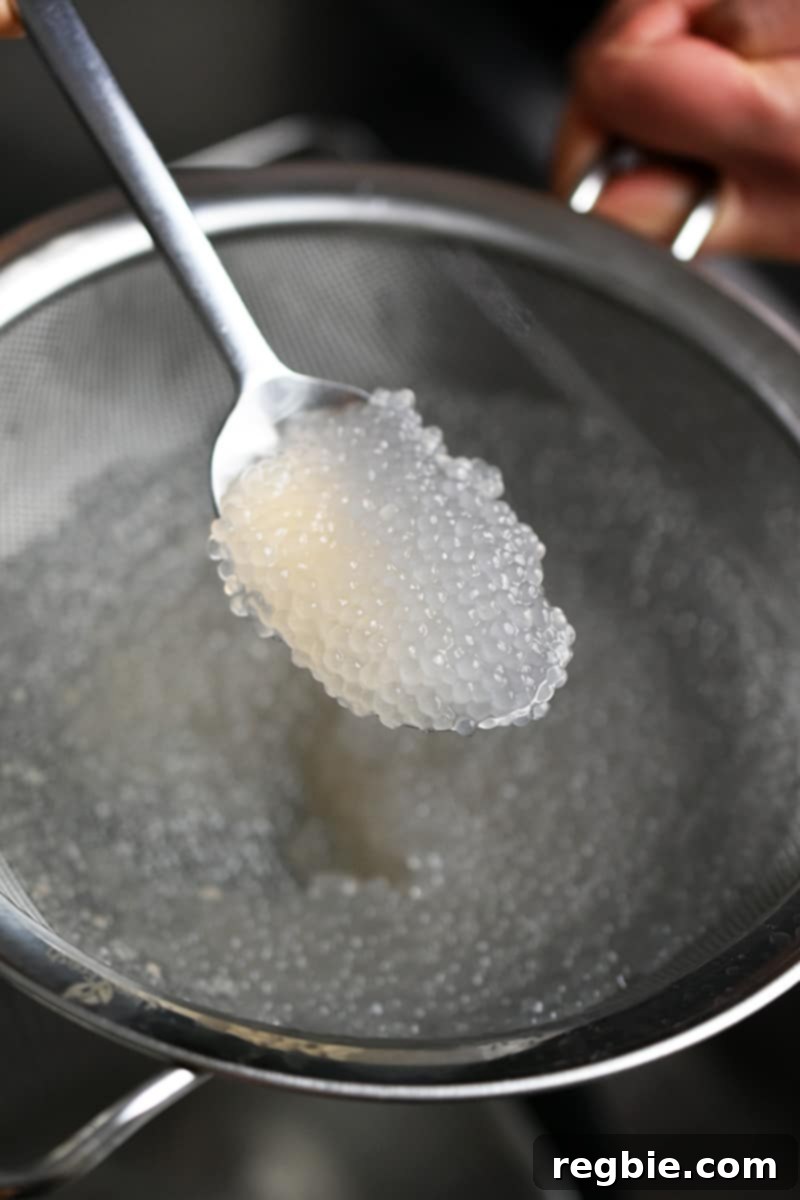
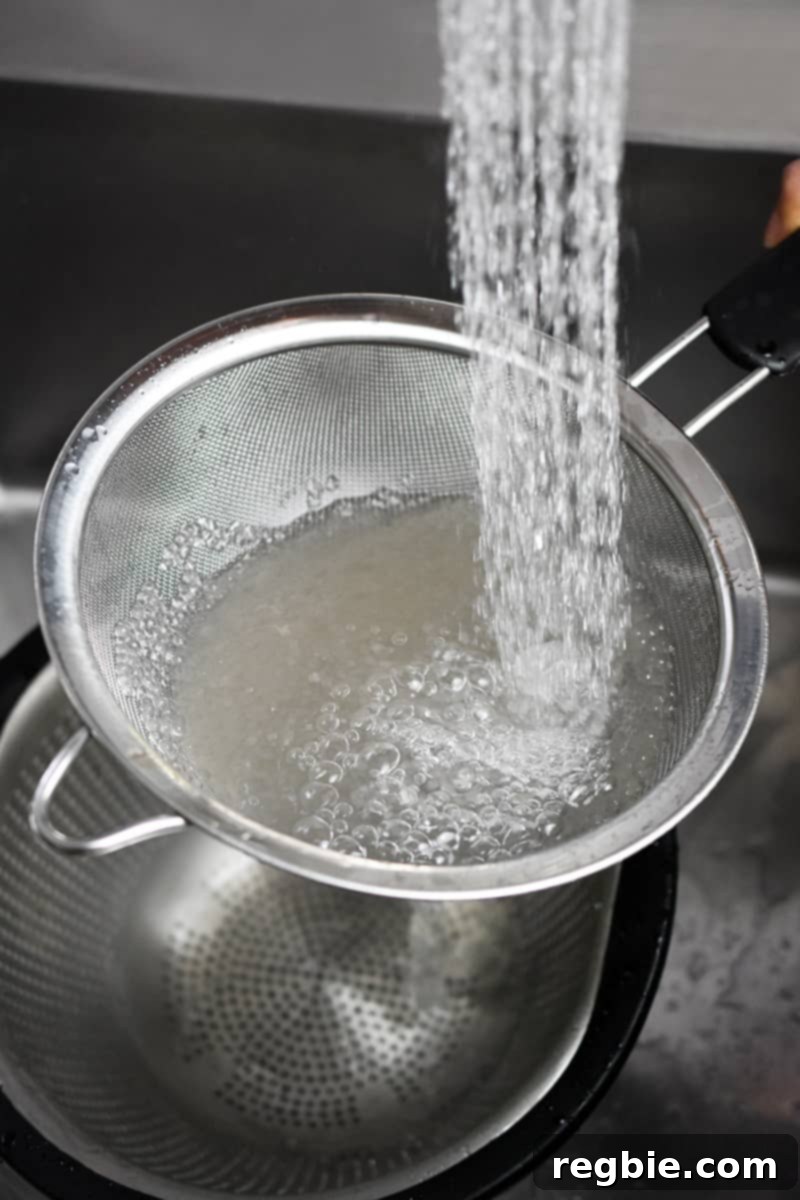
- Rinse Thoroughly with Cold Water: Immediately after cooking, pour the tapioca into a fine mesh sieve. Rinse them generously under cold running water. This crucial step stops the cooking process, removes excess starch, and most importantly, prevents the pearls from clumping together, ensuring each one remains distinct and delightfully chewy.
Exploring Other Fruit Combinations for Your Tapioca Pudding
One of the many reasons I adore making the coconut milk tapioca pudding separately, before adding the fruit, is the incredible versatility it offers. This approach allows you to customize the flavor profile of your sago based on what fresh, seasonal fruits you have available, making each serving a unique experience. While mangoes undoubtedly hold a special place as my favorite fruit to pair with sago, the possibilities extend far beyond.
Consider serving your sago with a vibrant medley of fresh berries, such as sweet strawberries, tart raspberries, or juicy blueberries, for a burst of color and refreshing flavor. Sliced stone fruits like succulent peaches, nectarines, or plums also make fantastic additions, offering a softer texture and distinct sweetness. For those days when time is short or you simply prefer maximum convenience, don’t hesitate to top your sago with frozen fruit. Frozen berries or even diced frozen mango can be quickly thawed or added directly, providing a delightful chill and intense fruit flavor with minimal effort. This flexibility ensures you can enjoy a delicious, healthy dessert year-round, adapting to your pantry and cravings.
Can You Prepare Mango Sago in Advance? Absolutely!
One of the best features of this mango sago recipe is its excellent make-ahead potential, making it an ideal dessert for meal prepping or entertaining. Yes, you can absolutely prepare the creamy coconut tapioca pudding up to four days in advance! Simply store it in a sealed, airtight container in your refrigerator, and it will be ready whenever you are.
When you’re ready to serve, you might notice a thin, hardened layer of coconut fat on top of the pudding. This is a completely natural occurrence and nothing to worry about. To remedy this, just take the pudding out of the fridge about 30 minutes before you plan to serve it, allowing it to come closer to room temperature. Then, give it a good stir, and that hardened layer will effortlessly reincorporate back into the creamy pudding, leaving no trace. Your guests will be none the wiser, especially once you crown your beautifully prepared tapioca pudding with a generous sprinkle of crispy toasted coconut flakes and succulent, juicy cubes of fresh fruit!
Key Ingredients for Your Perfect Paleo & Vegan Mango Sago
Creating this delightful tropical dessert requires a handful of simple, wholesome ingredients. Here’s a closer look at what you’ll need to gather:
- Small Pearl Tapioca: This is crucial for the signature chewy texture of sago. As emphasized earlier, always use small pearl tapioca and steer clear of instant or minute tapioca, which will yield a different consistency. Brands like Bob’s Red Mill are reliable choices.
- Full-Fat Canned Coconut Milk: The heart of our creamy pudding. Full-fat coconut milk provides richness and an authentic tropical flavor that is essential for this dessert. My go-to brands for quality and consistency include Aroy-D, Whole365 brand, and Native Forest. For an even creamier, more decadent dessert, you can substitute with pure coconut cream.
- Honey or Maple Syrup: To add just the right amount of sweetness. Honey is a natural, paleo-friendly sweetener, while maple syrup is an excellent vegan alternative that offers a subtle, complementary flavor. Adjust the quantity to your preferred sweetness level.
- Vanilla Extract: A touch of vanilla enhances the overall flavor profile, adding warmth and depth that beautifully complements the coconut and mango.
- Diamond Crystal Kosher Salt: A small pinch of salt is vital for balancing the sweetness and brightening all the flavors in the pudding. Diamond Crystal kosher salt is preferred for its fine texture and consistent seasoning.
- Ripe Mango, Peeled and Diced: The star fruit of this dessert! The success of your mango sago largely depends on using ripe, sweet, and fragrant mangoes. I particularly love champagne (Ataulfo) mangoes for their buttery texture, intense sweetness, and delicate tang, making them perfect for this recipe. Ensure they are peeled and diced into bite-sized chunks.
- Toasted Coconut Flakes (Optional): While optional, I highly recommend adding these for an extra layer of flavor and a satisfying textural contrast. If you have raw unsweetened coconut flakes on hand, you can easily toast them yourself. Simply spread them in a single layer on a baking sheet and toast in your toaster oven or conventional oven at 300°F (150°C) for about 3 to 5 minutes, or until they turn a beautiful light golden brown and become fragrant. Keep a close eye on them as they can burn quickly.
Step-by-Step Guide: How to Make Irresistible Mango Sago
Follow these simple instructions to create your own refreshing batch of paleo and vegan mango sago:
Part 1: Cooking the Tapioca Pearls
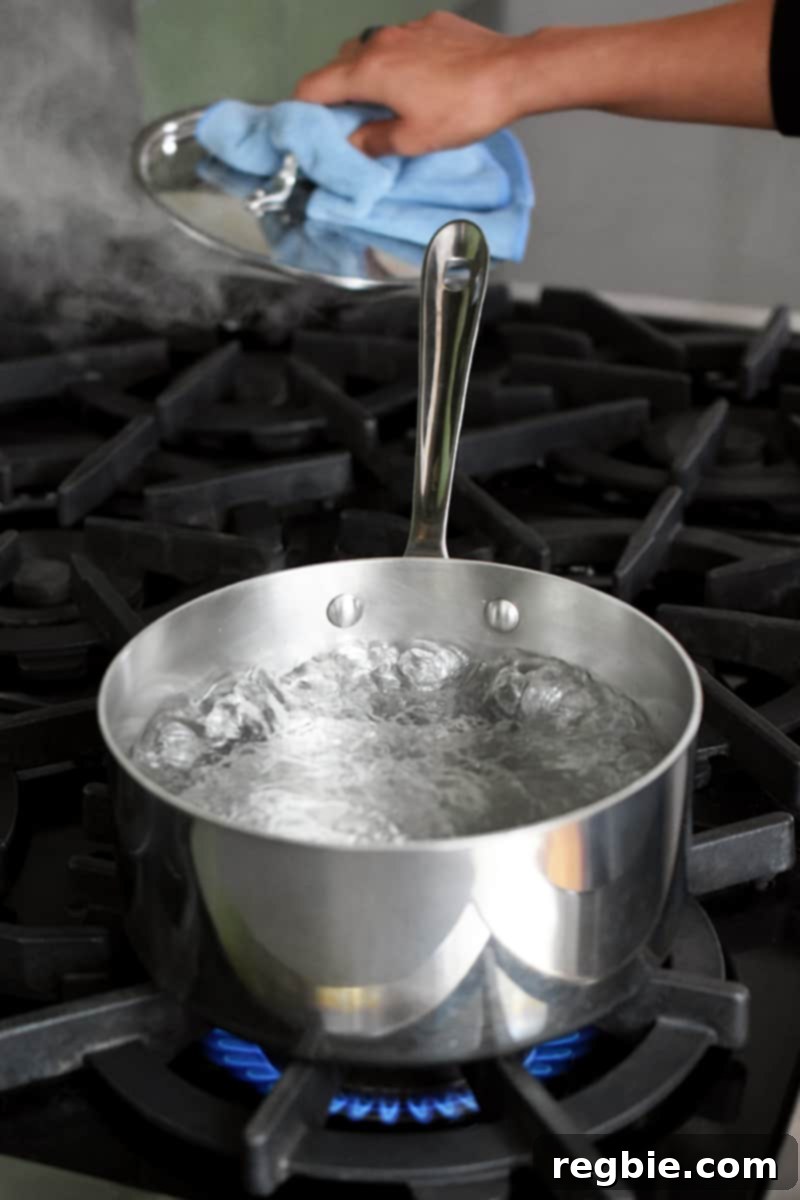
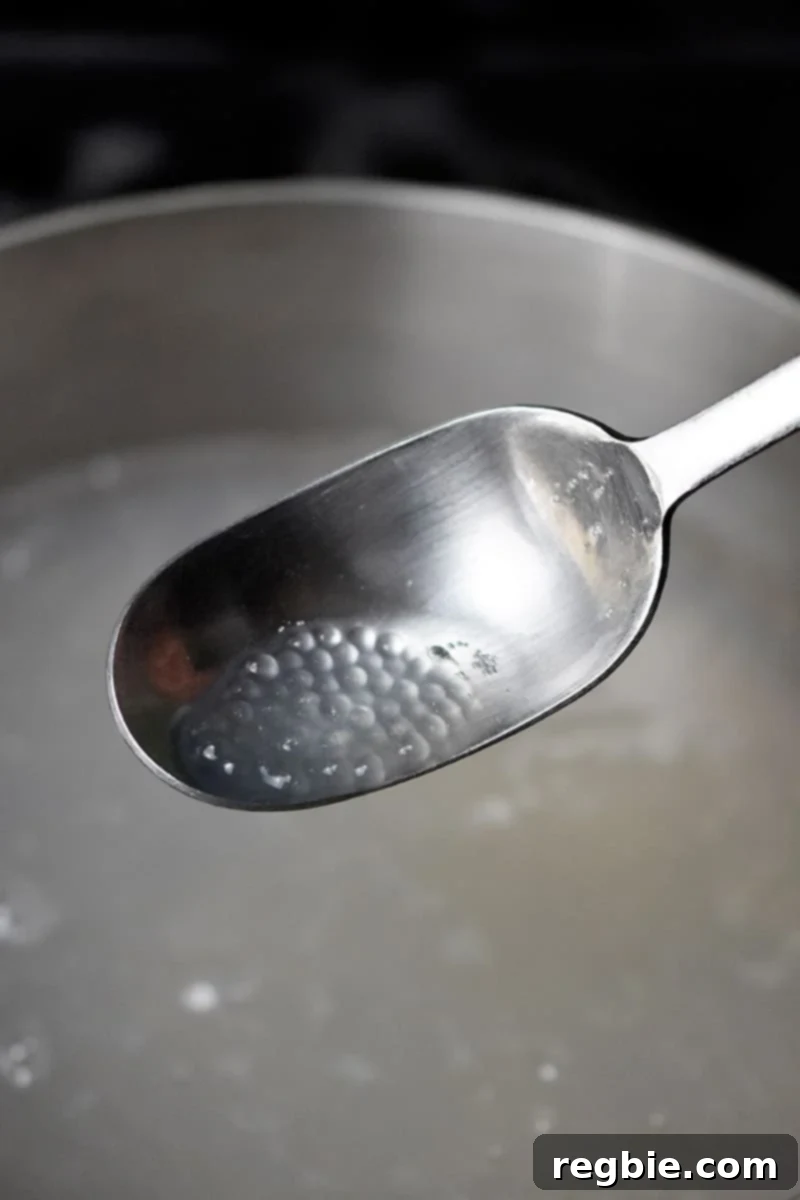
- Bring 6 cups of water in a large saucepan to a rolling boil over high heat. This ensures the tapioca pearls disperse evenly.

Water brought to a vigorous boil in a large saucepan. - Once the water is boiling vigorously, carefully pour in the small pearl tapioca.
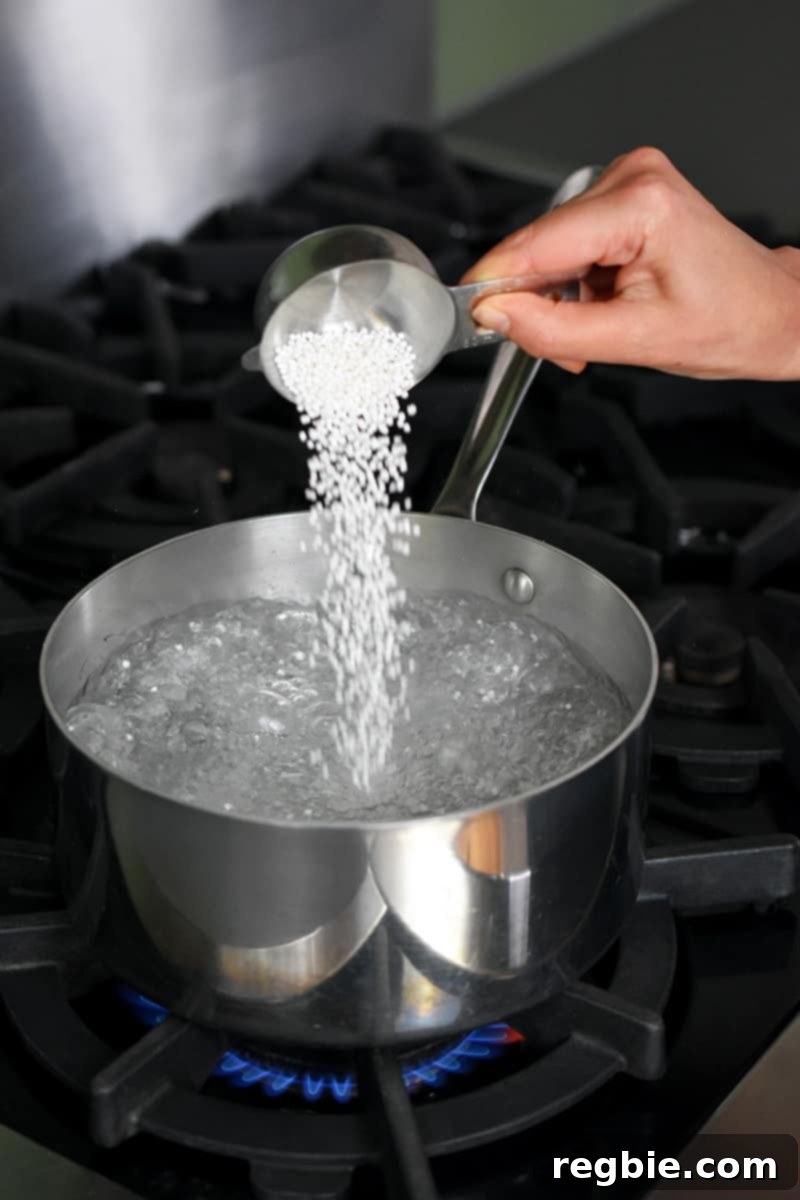
Adding small tapioca pearls to the boiling water. - Immediately lower the heat to maintain a gentle simmer. Continue cooking for 15 to 20 minutes, or until the tapioca pearls become translucent. Stir frequently but gently throughout the cooking process to prevent them from sticking to the bottom of the pan or to each other.
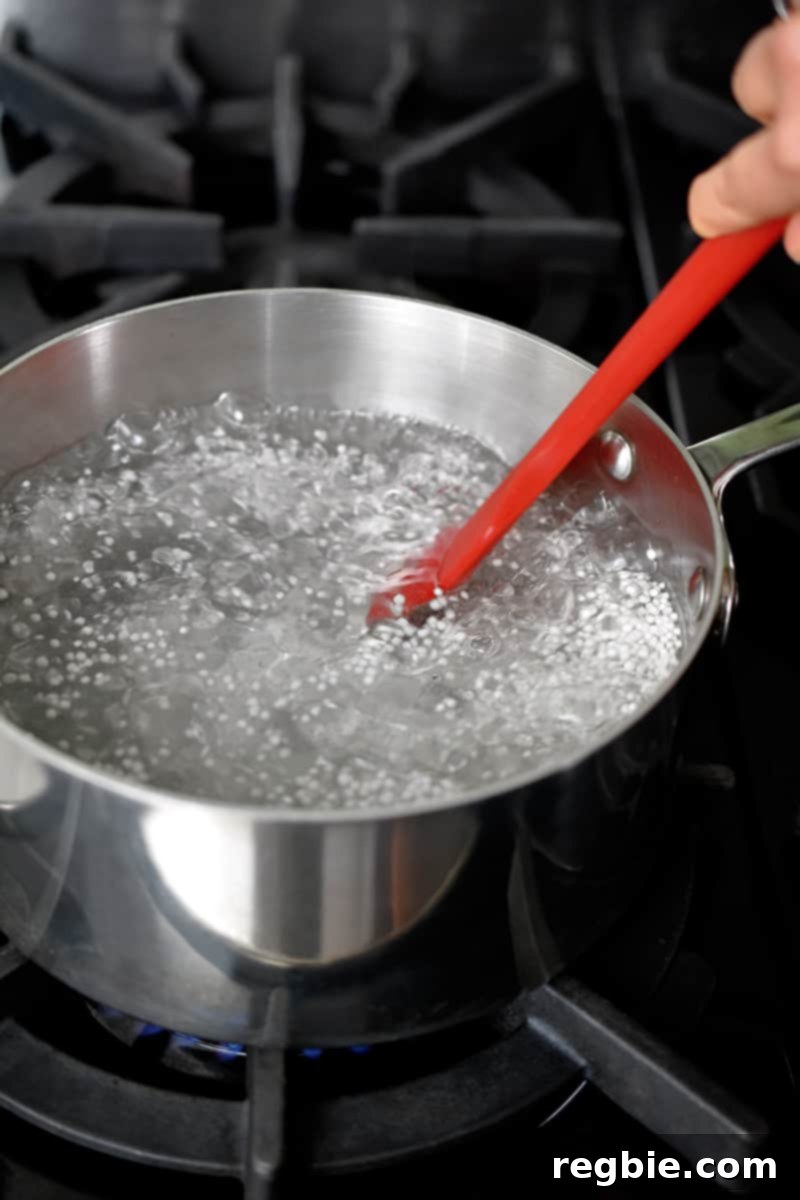
Gently stirring tapioca pearls as they simmer. - The tapioca is ready when most pearls are clear with perhaps a tiny white dot in the center.
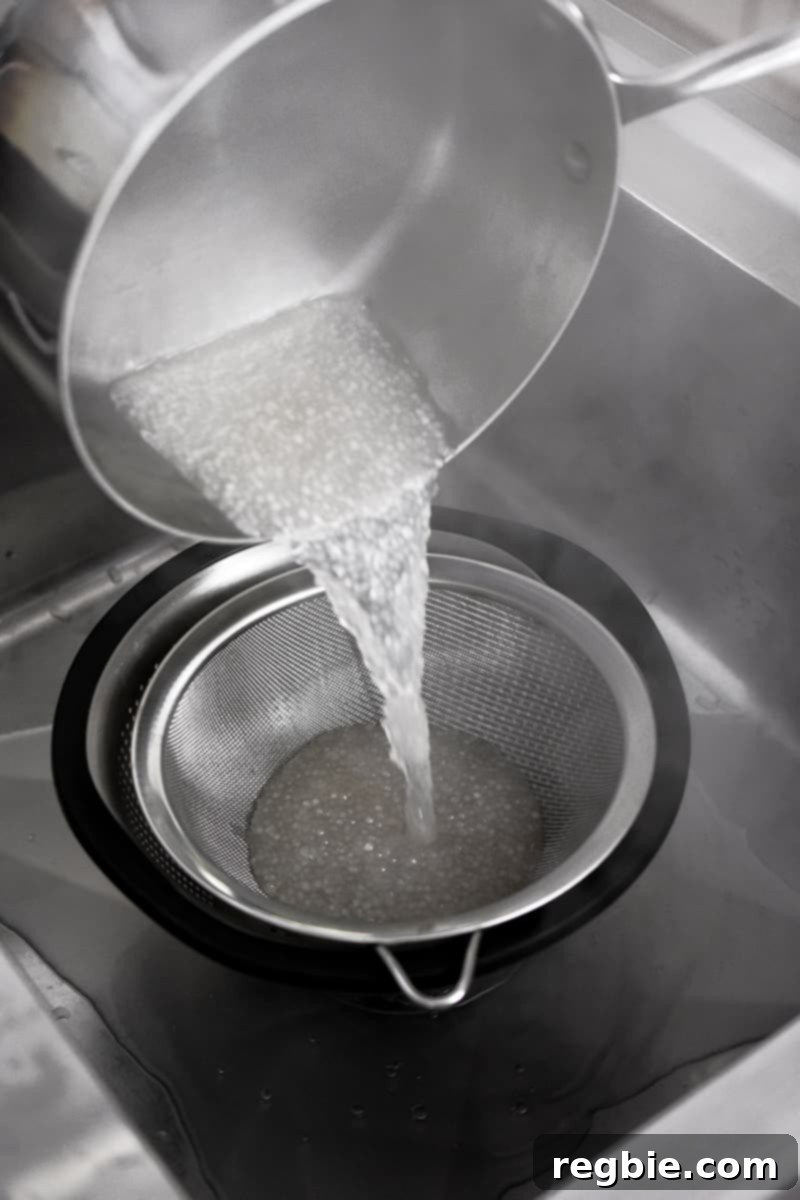
Perfectly cooked, translucent tapioca pearls. - Once cooked, carefully pour the tapioca into a fine mesh sieve.
Draining the cooked tapioca through a fine mesh sieve. - Immediately rinse the tapioca thoroughly under cold running water. This stops the cooking process and prevents the pearls from clumping together, ensuring a pleasing, separate texture.
Rinsing tapioca pearls under cold water to prevent sticking.
Part 2: Preparing the Coconut Pudding and Chilling
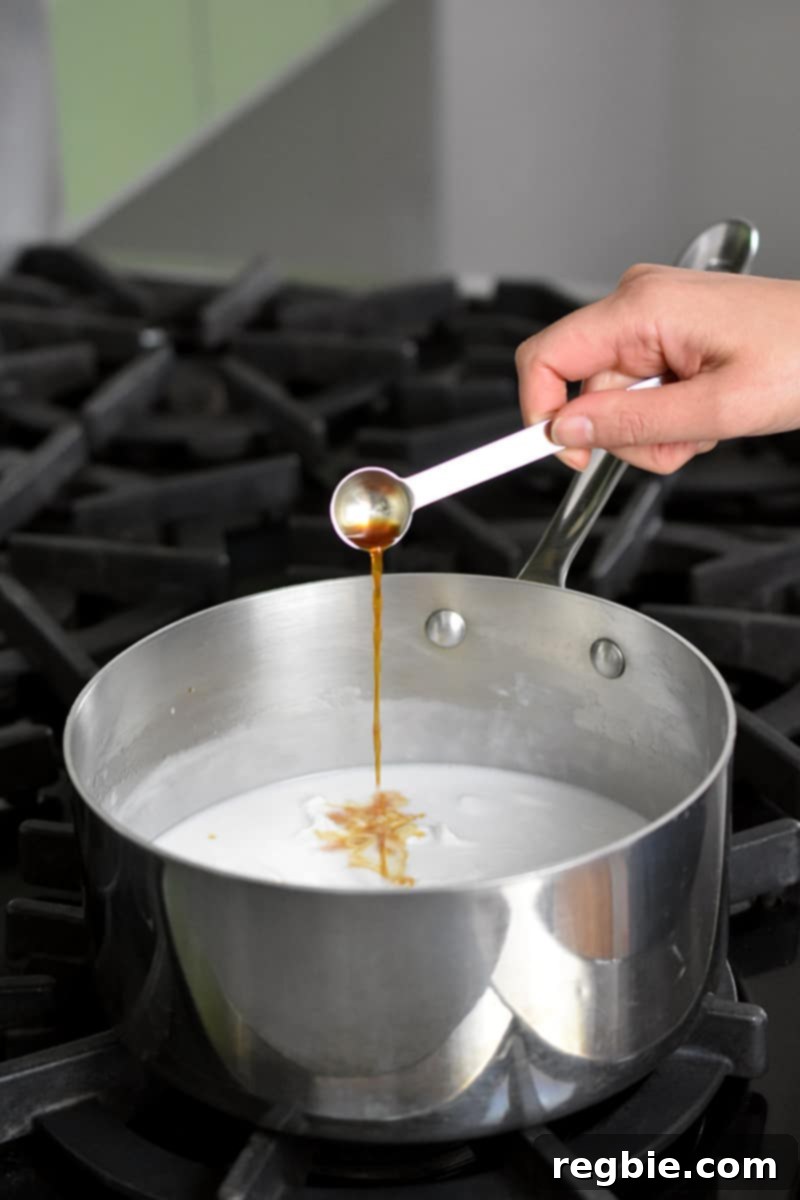
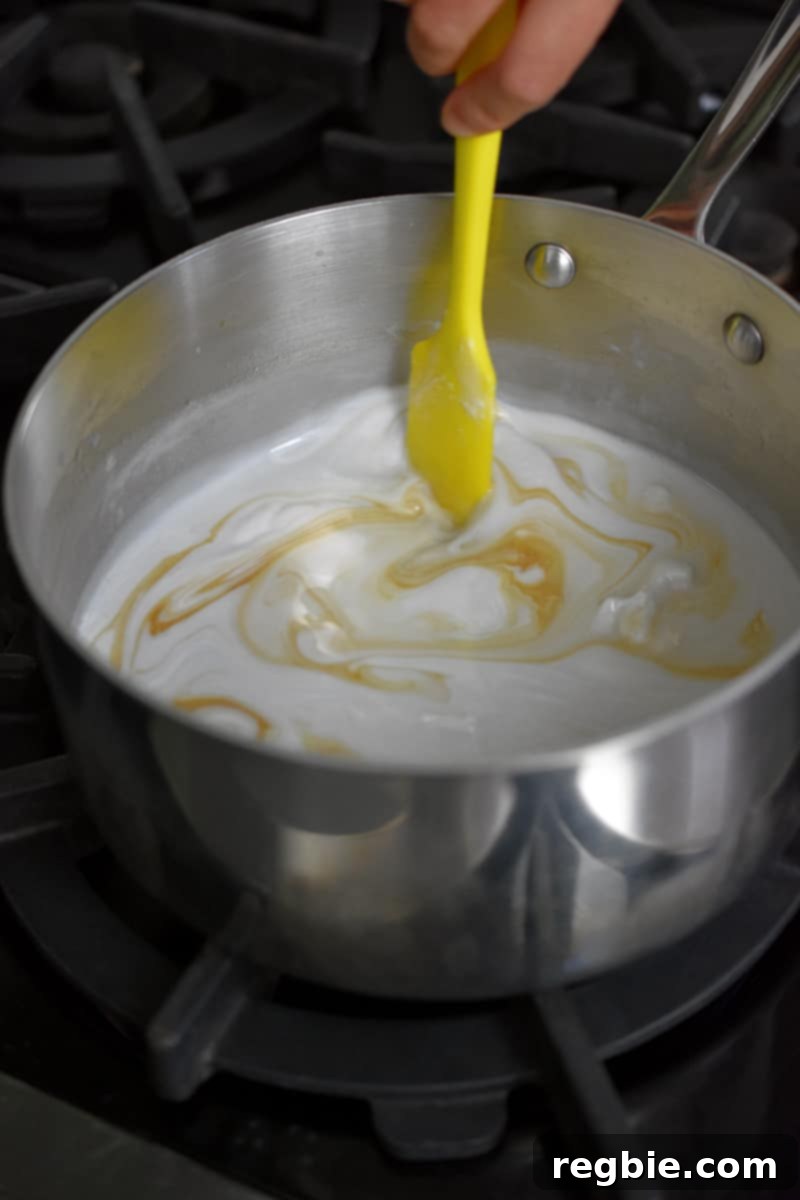
- Using the same (now empty and clean) saucepan, pour in the full-fat coconut milk. Add the honey (or maple syrup for vegan), vanilla extract, and kosher salt.
Adding flavorings to the coconut milk base. - Bring the coconut milk mixture to a gentle boil over high heat, stirring occasionally. This helps to fully dissolve the honey and salt, ensuring an evenly sweetened pudding.
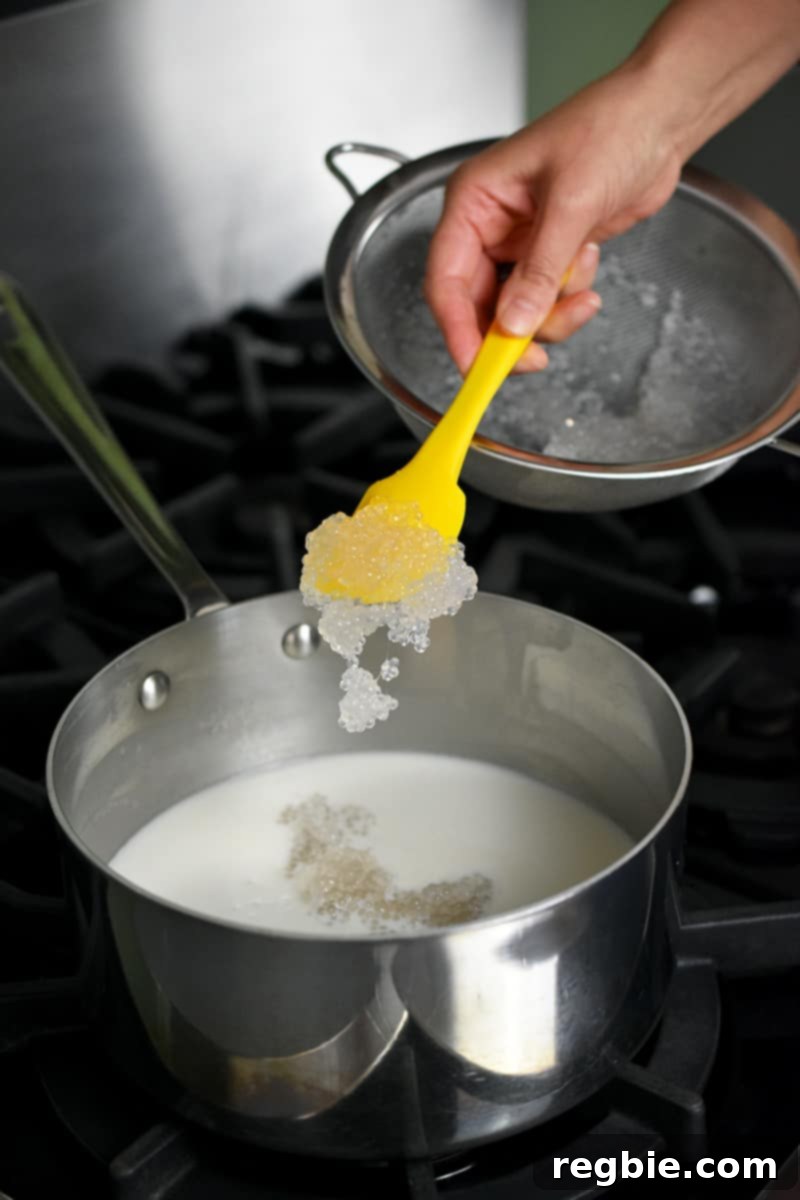
Stirring the coconut milk mixture to combine ingredients. - Turn off the heat and immediately stir in the cooked and rinsed tapioca pearls. Ensure they are well combined with the sweetened coconut milk.
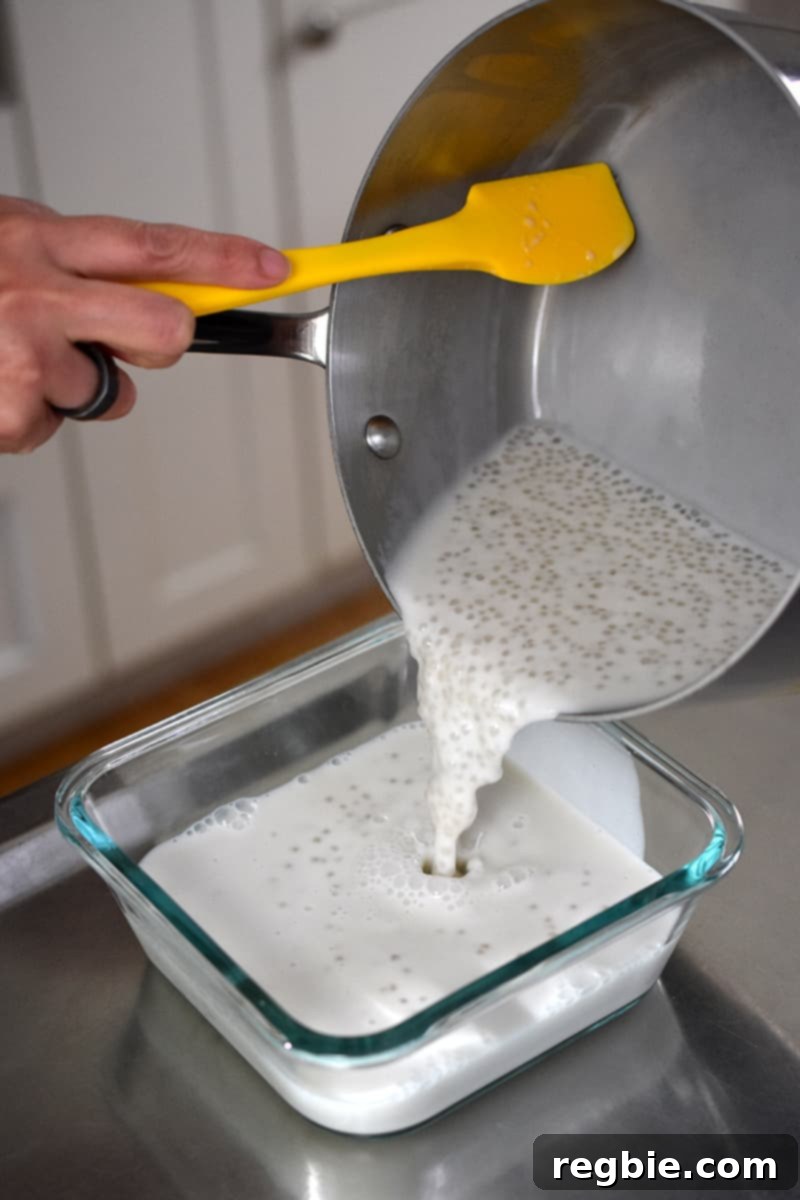
Mixing cooked tapioca into the warm coconut milk. - Transfer the entire coconut tapioca pudding mixture to a sealed storage container. This helps maintain freshness and flavor.
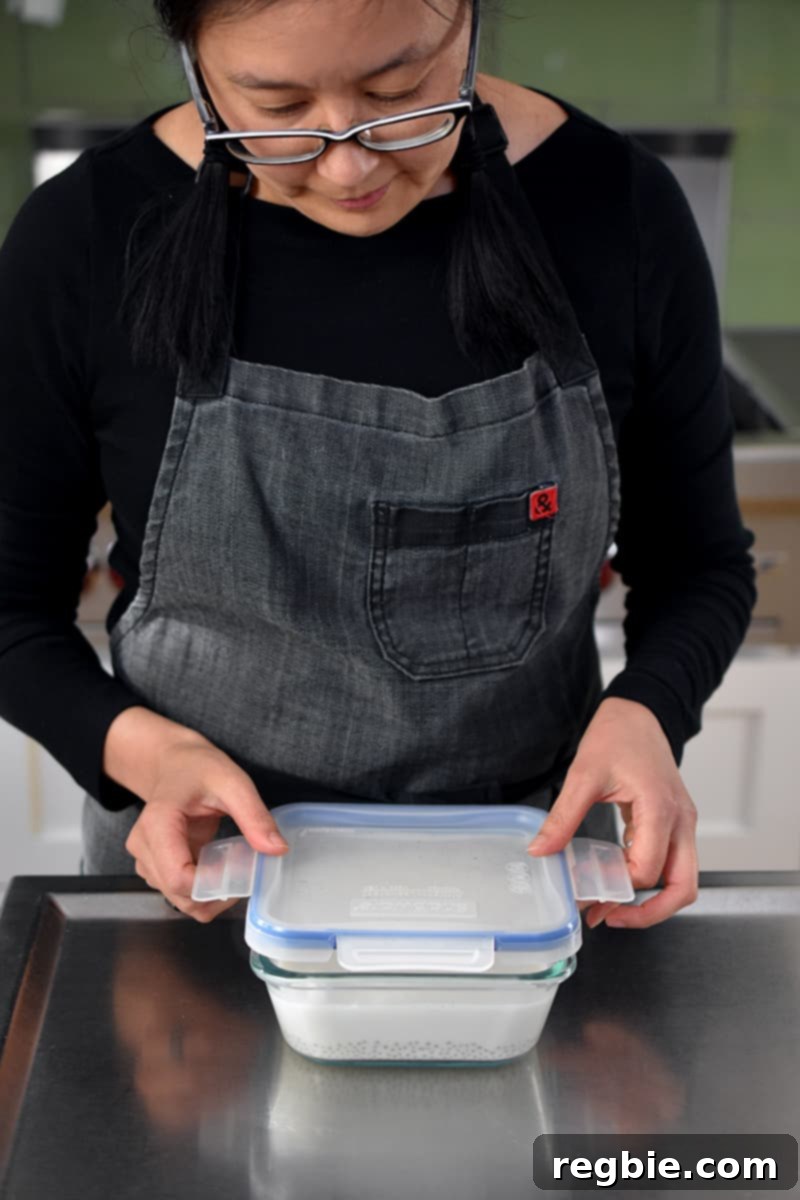
Transferring the sago mixture into a container for chilling. - Cover the container tightly and chill it in the refrigerator for a minimum of 2 hours. Chilling allows the flavors to meld beautifully and the pudding to set to a perfect, refreshing consistency.
Covering and chilling the coconut sago in the refrigerator.
Part 3: Serving Your Mango Sago
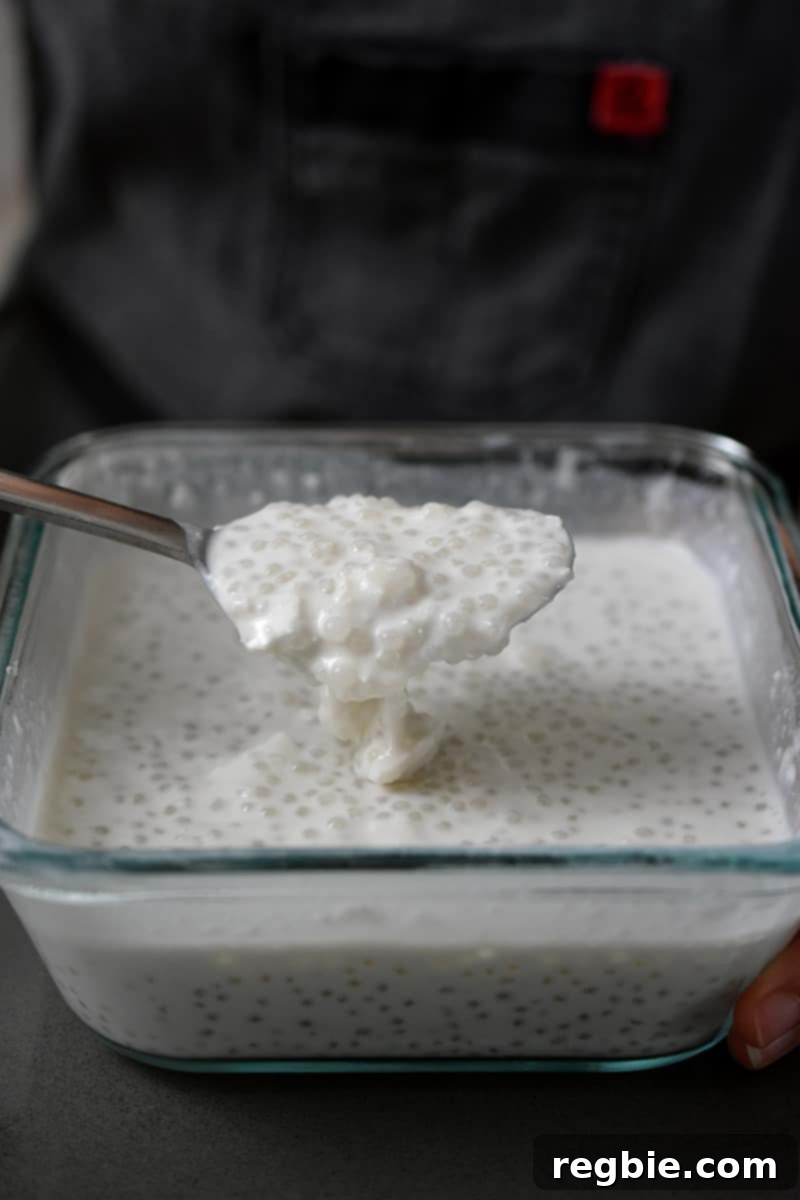
- When you are ready to serve, remove the chilled coconut sago from the fridge. Give it a good stir, especially if a thin layer of hardened coconut fat has formed on top (this is normal and will reincorporate).
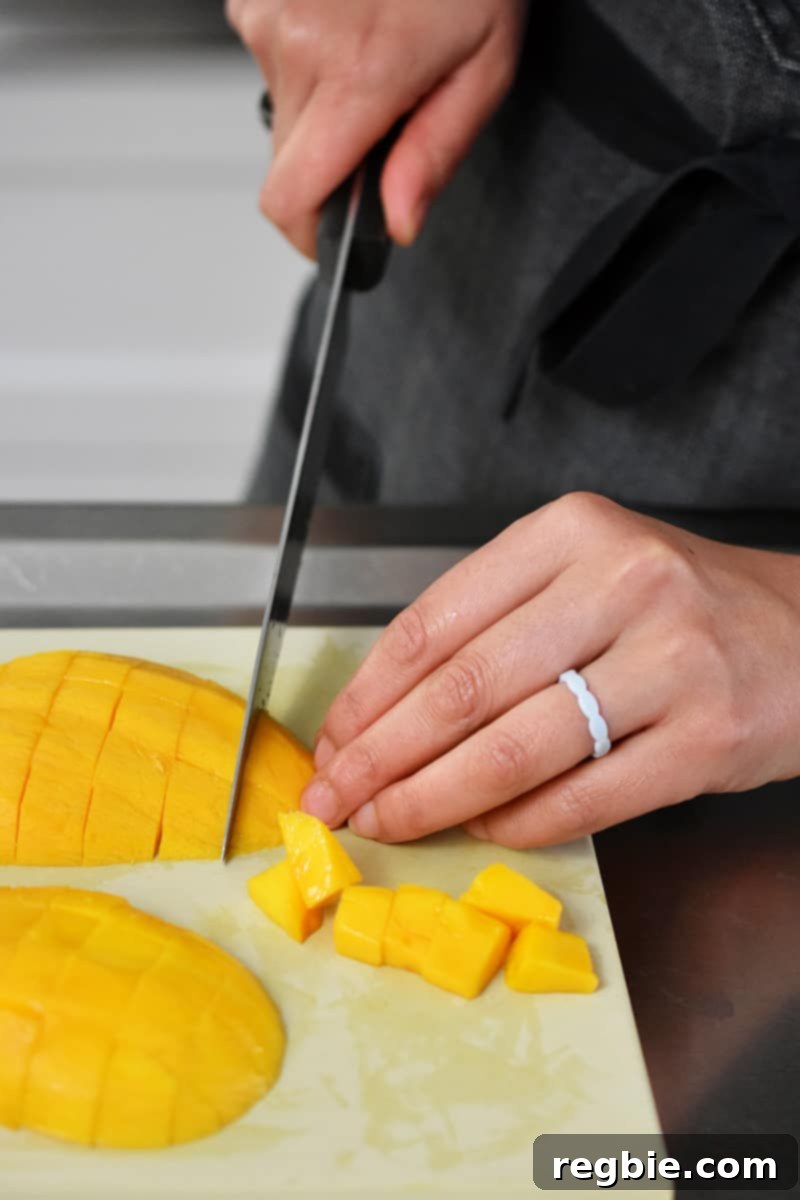
Stirring the chilled coconut sago before serving. - Alongside, peel and dice a ripe mango into small, luscious cubes.
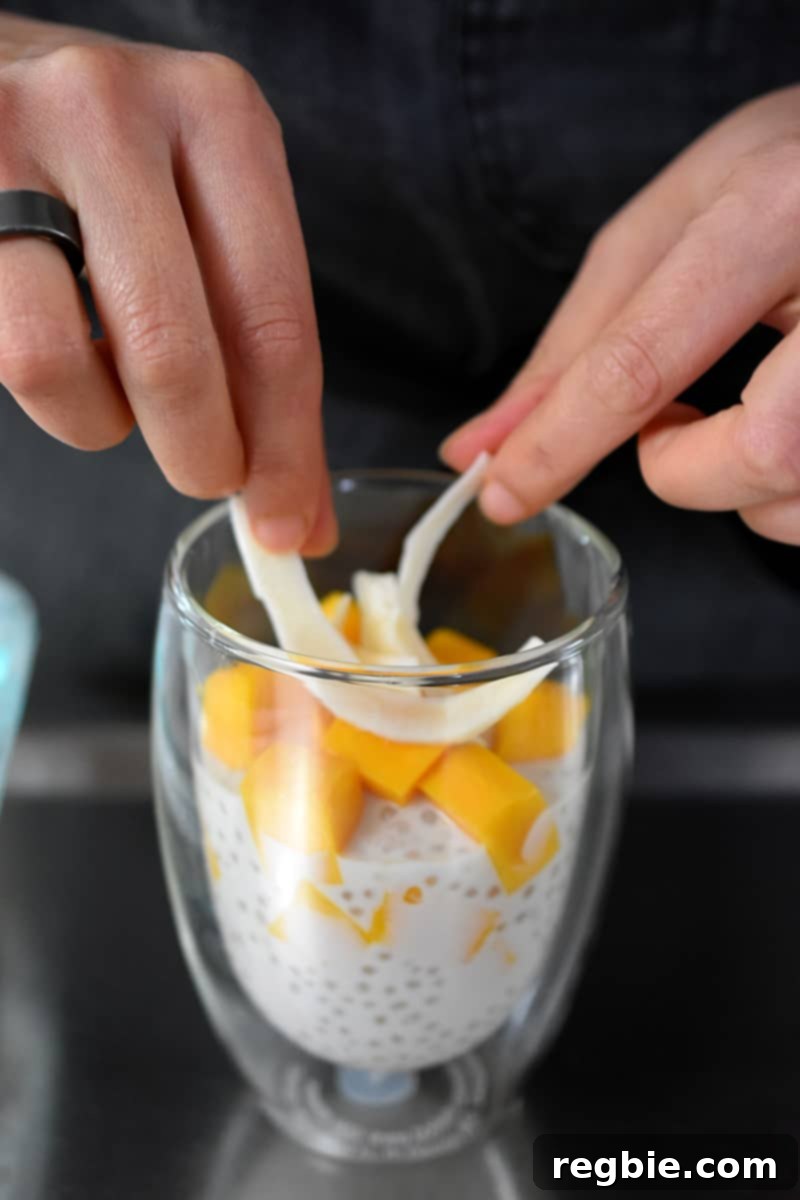
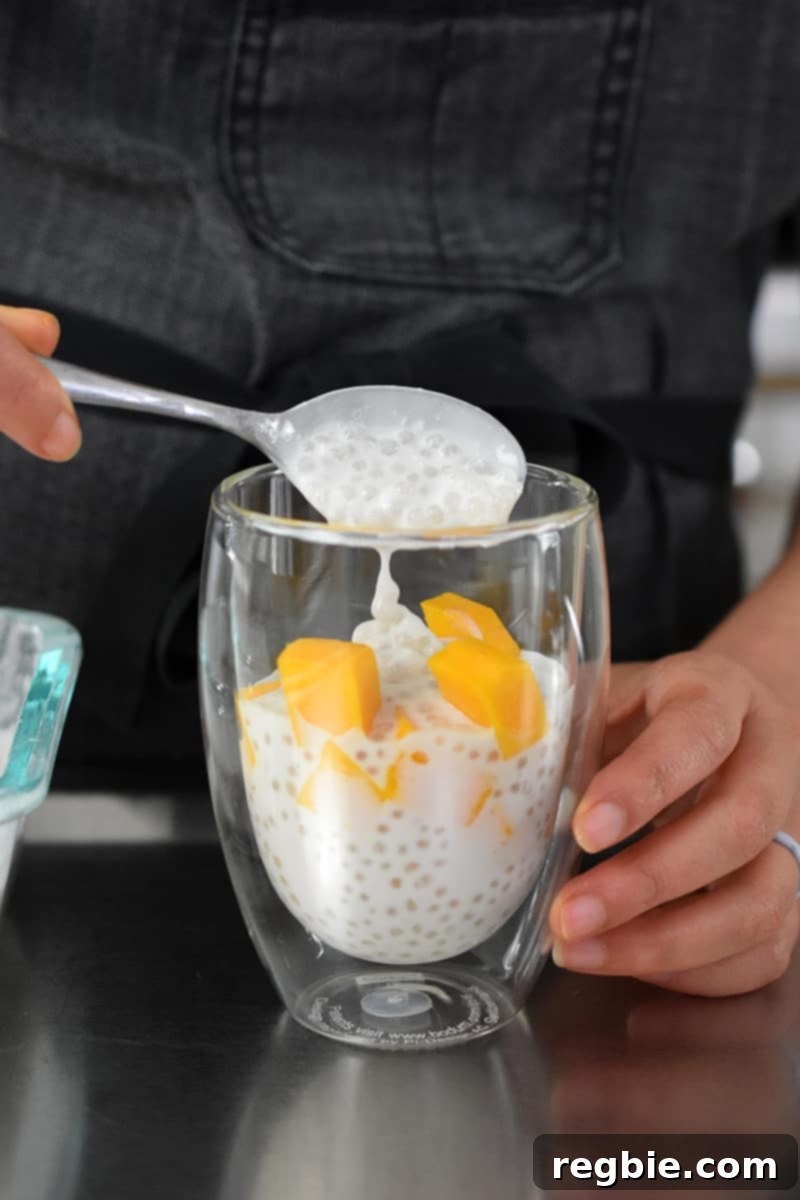
Dicing fresh, ripe mango for topping. - Grab your favorite serving glasses or bowls. Layer the creamy coconut sago with the freshly diced mango, creating an appealing visual contrast and ensuring a perfect balance of flavors in every spoonful.
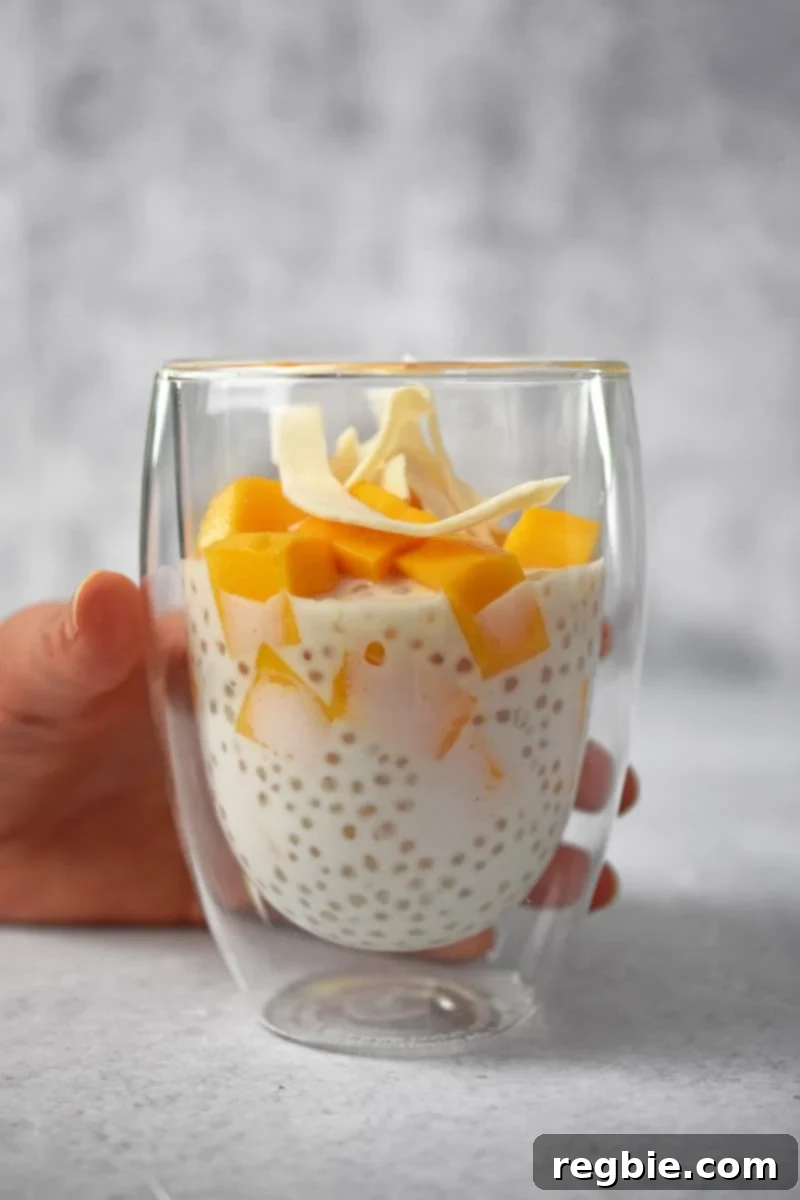
Layering coconut sago and mango in a clear glass. - Finally, garnish with a generous sprinkle of toasted coconut flakes. Now, it’s time to dig in and enjoy this delightful tropical treat!
Your delectable Mango Sago, ready to be enjoyed!
Other Delightful Asian-Inspired Paleo Desserts to Explore
If you’ve enjoyed this not-too-sweet paleo dessert with its vibrant Asian flair, you’ll be thrilled to discover more delicious options that fit a similar dietary style. Here are some of my top recommendations for Asian-inspired paleo treats that offer unique flavors and textures:
- Coconut Jelly (Dairy-Free Melo Melo Copycat): A refreshing, wobbly dessert bursting with coconut flavor.
- Matcha Mug Cake: A quick and easy single-serving cake featuring the distinct earthy notes of matcha.
- Black Sesame Mug Cake: A rich and nutty mug cake that’s incredibly satisfying.
- Matcha Pudding: A smooth, creamy, and elegant pudding perfect for a light finish.
- Matcha Coconut Gummies: Fun, chewy, and naturally sweetened bites with green tea goodness.
- Bloody Eyeballs (Blueberry Stuffed Longans in Berry Sauce): A creatively spooky yet delicious and healthy fruit dessert.
Hungry for more innovative and healthy recipe ideas? Make sure to head over to my comprehensive Recipe Index. You’ll also find a treasure trove of exclusive recipes and culinary wisdom within my acclaimed cookbooks: Nom Nom Paleo: Food for Humans (Andrews McMeel Publishing 2013), Ready or Not! (Andrews McMeel Publishing 2017), and my latest release, Nom Nom Paleo: Let’s Go! (Andrews McMeel Publishing 2022). Happy cooking and eating!
Mango Sago (Coconut Tapioca Pudding) Recipe

Print Recipe
5 mins
25 mins
2 hrs
4
Michelle Tam
Ingredients
- 6 cups water
- ⅓ cup small pearl tapioca
- 13.5 ounces full-fat coconut milk
- 2 tablespoons honey or maple syrup (for vegan)
- ½ teaspoon vanilla extract
- ⅛ teaspoon Diamond Crystal kosher salt
- 1 mango, peeled and diced
- ¼ cup unsweetened toasted coconut flakes (optional)
Instructions
- Bring 6 cups of water in a large saucepan to a rolling boil over high heat.
- Once the water is boiling, pour in the tapioca.
- Lower the heat and maintain a simmer for 15 to 20 minutes or until the tapioca is translucent, stirring frequently to avoid sticking.
- Pour the tapioca into a fine mesh sieve and run cold water over it to keep the balls from sticking.
- Pour the coconut milk into the empty saucepan. Add the honey, vanilla, and salt.
- Bring the coconut milk to a boil over high heat, stirring occasionally to dissolve the honey and salt.
- Turn off the heat and stir in the cooked tapioca.
- Transfer the contents to a sealed storage container. Cover and chill in the refrigerator for at least 2 hours.
- When you’re ready to serve, take the coconut sago out of the fridge and give it a stir in case there’s a thin layer of hardened fat on the top. Cut up a mango.
- Grab some glasses and layer the coconut sago and diced mango. Top with toasted coconut flakes and dig in!
Video
Watch the video for a visual guide on making Mango Sago:
Notes
- You can make the coconut tapioca pudding up to 4 days in advance and keep it in a sealed container in the fridge.
- Although mangoes are my favorite fruit to eat with sago, I also like to serve it with fresh berries or sliced stone fruit. And when I’m too lazy to wash and cut up fruit, I top the sago with frozen fruit!
Nutrition Information (Approximate Per Serving)
| Carbohydrates: 32g
| Protein: 3g
| Fat: 24g
| Fiber: 2g
| Sugar: 17g
Nutrition information is automatically calculated and should only be used as an approximation.
Enjoyed this recipe? Leave a comment below!