
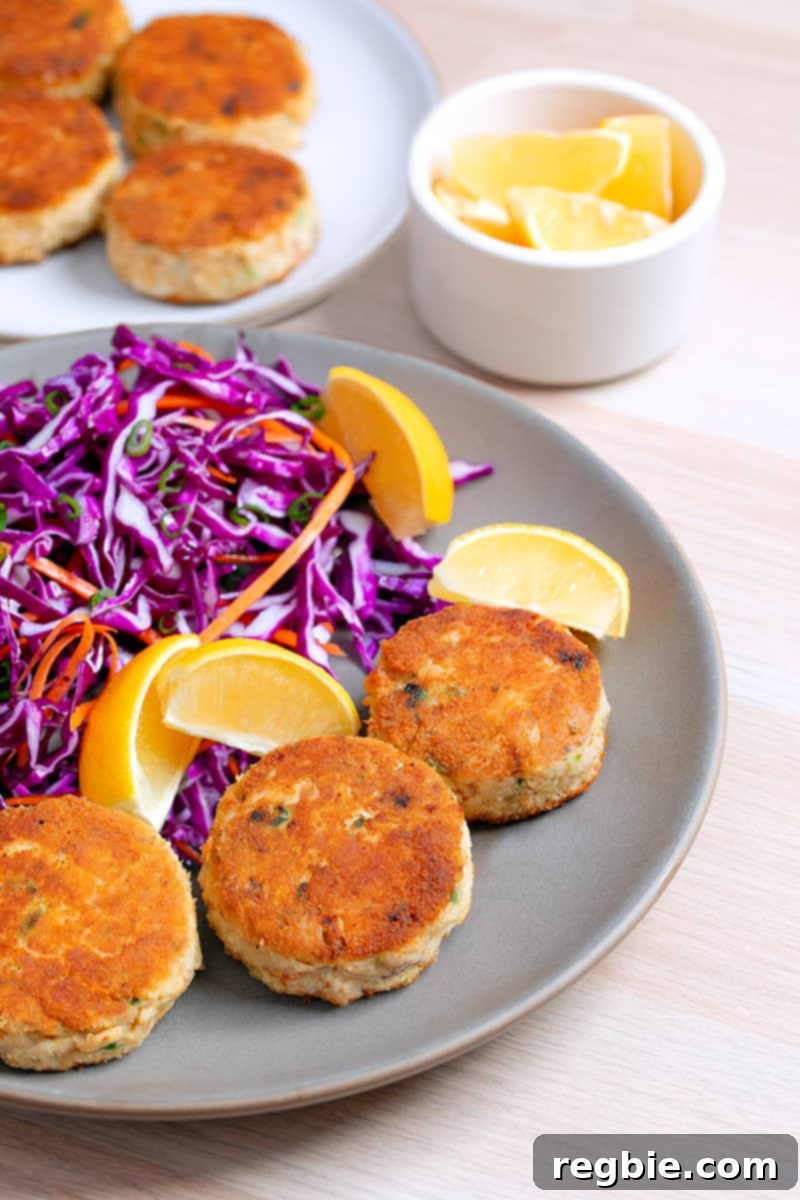
The Ultimate Crispy Paleo Crab Cakes: A Gluten-Free & Keto-Friendly Delight
Craving the rich, delicate flavor of crab cakes without the gluten, grains, or added fillers? Look no further! These “Paleo Krabby Patties,” as we affectionately call them, deliver an exceptional culinary experience. They boast a perfectly golden, crispy exterior that gives way to a tender, succulent interior, allowing the sweet crab meat to truly shine. Forget about the usual breadcrumb fillers; in this recipe, the crab is the star, and trust us, you won’t miss the gluten one bit. Perfect for anyone following a Paleo, Whole30, or Keto lifestyle, these crab cakes prove that healthy eating can be incredibly delicious and satisfying.
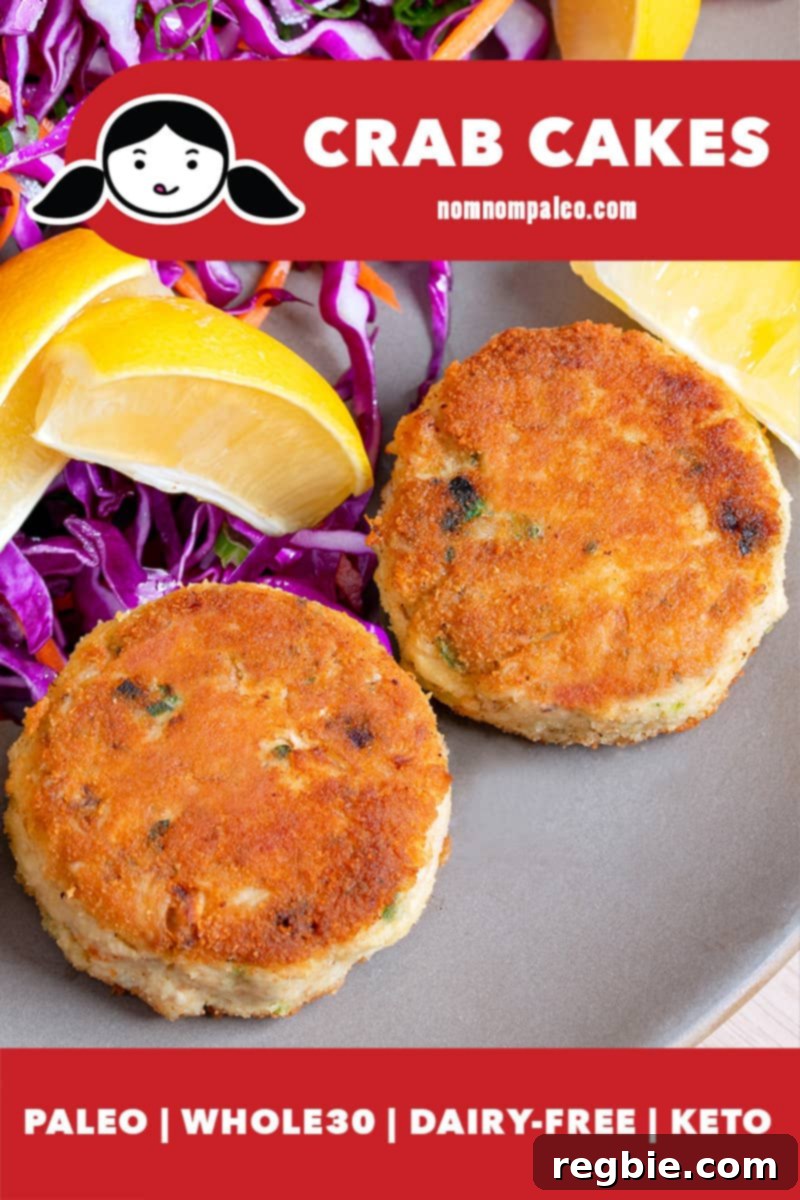
Crafting the Best Paleo Crab Cakes: Our Recipe Evolution
This beloved recipe for gluten-free crab cakes has been a staple in our kitchen since its original posting in 2011. Over the years, we’ve continually refined and perfected it, updating the visuals and fine-tuning each step to ensure consistently delicious results. Our goal was to create a crab cake that stands out for its pure crab flavor and incredible texture, free from common allergens and grains.
This Whole30 and keto-friendly crab cake recipe is a thoughtful adaptation of a fantastic crab cake recipe found in America’s Test Kitchen’s Family Cookbook. The original recipe, while excellent, incorporated breadcrumbs and flour – ingredients that aren’t compatible with a paleo diet. To make these healthy crab cakes accessible to a wider audience, we cleverly substituted traditional flours with coconut flour. The beauty of coconut flour in this recipe is its ability to bind the ingredients and create a gorgeous, golden-brown crust without imparting any noticeable coconut flavor. It’s a game-changer for achieving that desired crispiness while keeping the recipe grain-free and gluten-free.
The absence of traditional fillers means every bite is packed with unadulterated crab goodness. This minimalist approach allows the natural sweetness and delicate texture of the lump crab meat to be the hero of the dish, creating a superior crab cake experience that is both healthy and incredibly flavorful. Whether you’re adhering to specific dietary guidelines or simply looking for an outstanding crab cake recipe, these “Paleo Krabby Patties” are sure to impress.
Air Fryer vs. Pan Fry: Achieving Perfect Crab Cake Texture
One of the most common questions we receive is about alternative cooking methods, particularly whether these paleo crab cakes can be cooked in an air fryer. The answer is yes, they can! The air fryer offers a convenient, hands-off approach to cooking and can certainly produce delicious results. To air fry these crab cakes, simply spray them generously with avocado oil, then air fry at 400°F (200°C) for approximately 10-12 minutes, or until they are thoroughly cooked and lightly golden.
However, for those seeking the ultimate crispiness and a truly golden-brown exterior, pan-frying remains our top recommendation. The direct contact with hot oil in a skillet creates an unparalleled crust that an air fryer, while effective, simply can’t quite replicate. The slight caramelization and rich texture achieved through pan-frying elevate these gluten-free crab cakes to another level of deliciousness. If you have the time and prefer a truly restaurant-quality finish, reach for your skillet. Whichever method you choose, you’re in for a treat with these flavorful, grain-free delights.
Essential Ingredients for Flawless Paleo Crab Cakes
Crafting exceptional crab cakes begins with selecting the finest ingredients. Each component plays a vital role in achieving the perfect flavor and texture for these Paleo and Whole30-friendly delights. Here’s a closer look at what you’ll need and why each choice matters:
- Lump Crab Meat: The Star of the Show
For outstanding crab cakes, the quality of your crab meat is paramount. We strongly recommend sourcing the highest quality lump crab meat available. The best choice, hands down, is fresh cooked crab meat, either prepared by you or purchased from a reputable local fishmonger. This ensures the sweetest flavor and most delicate texture. If fresh crab isn’t an option, the second-best choice is refrigerated jumbo lump crab meat, typically found in the seafood department of your grocery store. Avoid shelf-stable canned crab meat at all costs, as its texture tends to be dry and mealy, and the flavor is often compromised. If high-quality crab is truly unavailable in your area, consider using cooked salmon as a delicious alternative to still enjoy a similar concept. - Coconut Flour: The Gluten-Free Binder
To keep these crab cakes perfectly gluten-free and grain-free, coconut flour is our secret ingredient for binding the mixture and creating that desirable crispy coating. It’s an excellent low-carb option that provides structure without contributing a noticeable coconut flavor to the finished product. While coconut flour is highly absorbent, it’s not a 1:1 substitute for many other flours. If you prefer to use cassava flour for both the filling and coating, you certainly can. We’ve had great success with Otto’s cassava flour. When substituting for the filling, use 3 tablespoons of cassava flour in place of 1½ tablespoons of coconut flour. If you discover another gluten-free flour that works well, please share your suggestions in the comments section to help fellow home cooks! - Egg: The Essential Cohesive Element
A single large egg acts as a crucial binder, holding the crab cake mixture together. When lightly beaten and gently folded in, it ensures that your patties maintain their shape during cooking and don’t fall apart in the pan. - Green Onions (Scallions): Aromatic Freshness
Finely minced green onions add a mild, fresh onion flavor and a subtle pop of color that complements the richness of the crab meat beautifully. They contribute an essential aromatic layer without overpowering the delicate seafood. - Salt-Free Seafood Spice Blend: Flavorful Foundation
To enhance the natural taste of the crab without adding excessive sodium, a salt-free seafood spice blend is ideal. We particularly enjoy using Penzeys Sunny Paris seasoning for its unique and vibrant flavor profile, which includes ingredients like shallots, chives, dill, and black pepper. If you can’t find this specific blend, choose another high-quality, salt-free seasoning mix designed for seafood. - Paleo Mayonnaise: Richness and Moisture
Paleo mayonnaise contributes essential moisture and a creamy richness to the crab cake mixture, helping to bind the ingredients and ensuring a tender interior. You can easily make your own homemade paleo mayonnaise using a recipe like this one, or opt for a good quality store-bought version that adheres to paleo guidelines. - Diamond Crystal Kosher Salt: Seasoning to Perfection
Kosher salt, particularly Diamond Crystal, is favored by chefs for its coarse texture and consistent salinity, allowing for better control over seasoning. Adding salt to taste is crucial to bring out the best in the crab meat. - Freshly Ground Black Pepper: A Hint of Pungency
Freshly ground black pepper adds a subtle kick and aromatic depth that beautifully complements the other flavors in the crab cakes. Always grind it fresh for the best impact. - Ghee, Avocado Oil, or Coconut Oil: For Searing and Crispiness
The choice of cooking fat is important for achieving that perfect golden crust. Ghee offers a rich, buttery flavor and high smoke point. Avocado oil is a neutral-tasting option with an even higher smoke point, while coconut oil can add a faint hint of sweetness, depending on your preference. All three are excellent paleo-friendly choices for frying. - Lemon Wedges (Optional): A Bright Finish
Serving these crab cakes with fresh lemon wedges is highly recommended. A squeeze of lemon juice adds a burst of acidity that brightens the flavors and cuts through the richness, elevating the entire dish.
Step-by-Step Guide: How to Make Perfectly Crispy Paleo Crab Cakes
Making these delicious paleo crab cakes is a straightforward process, but paying attention to a few key details will ensure your “Krabby Patties” turn out perfectly crispy on the outside and wonderfully moist on the inside. Follow these steps for an unforgettable gluten-free seafood experience:
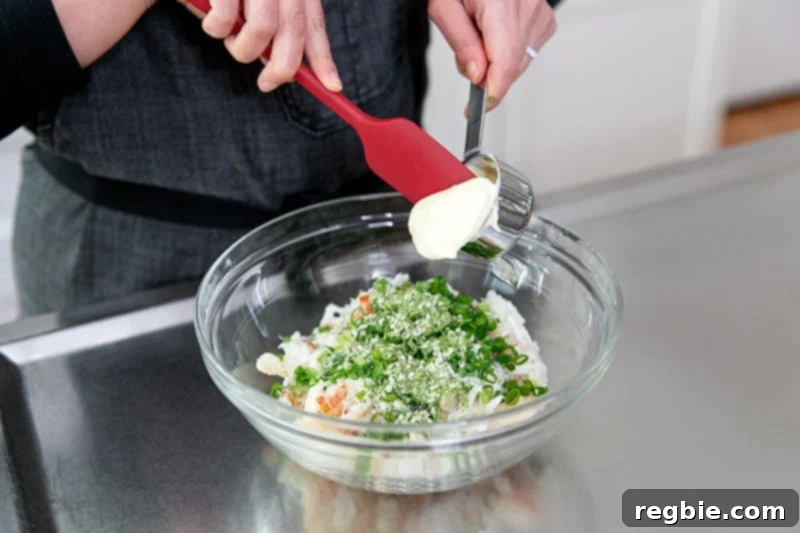
- Prepare the Crab Mixture: Begin by placing the drained lump crab meat into a large mixing bowl. Add 1½ tablespoons of coconut flour, the minced scallions, your chosen salt-free seafood seasoning, and the paleo mayonnaise.
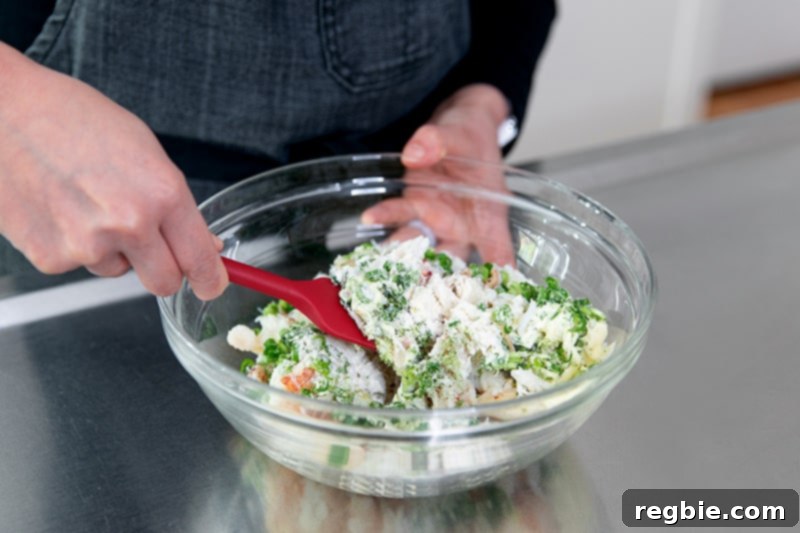
- Gently Combine Ingredients: Using a silicone spatula, gently fold all the ingredients together. The key here is to mix just enough to combine everything without breaking up the delicate crab meat too much. You want to preserve those lovely lumps of crab.
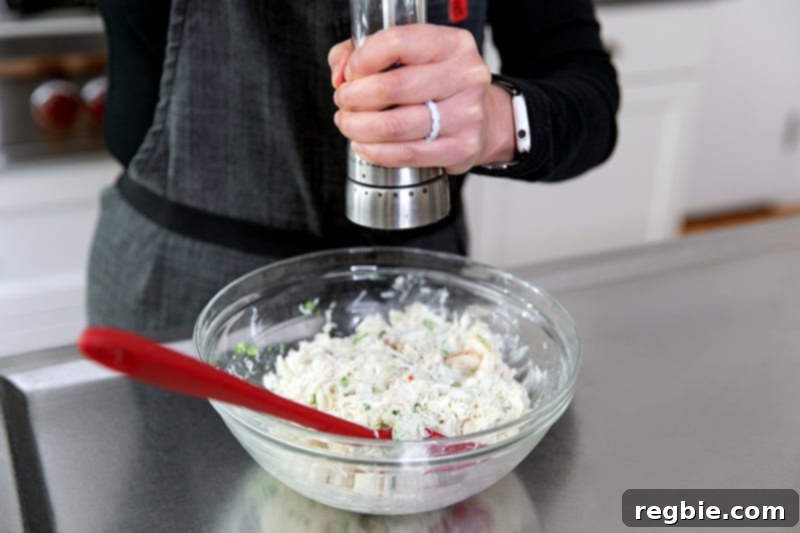
- Season to Taste: Now is the time to taste the crab mixture and adjust the seasoning. Add Diamond Crystal kosher salt and freshly ground black pepper according to your preference. Remember, you want to enhance the crab’s natural flavor, not overpower it.
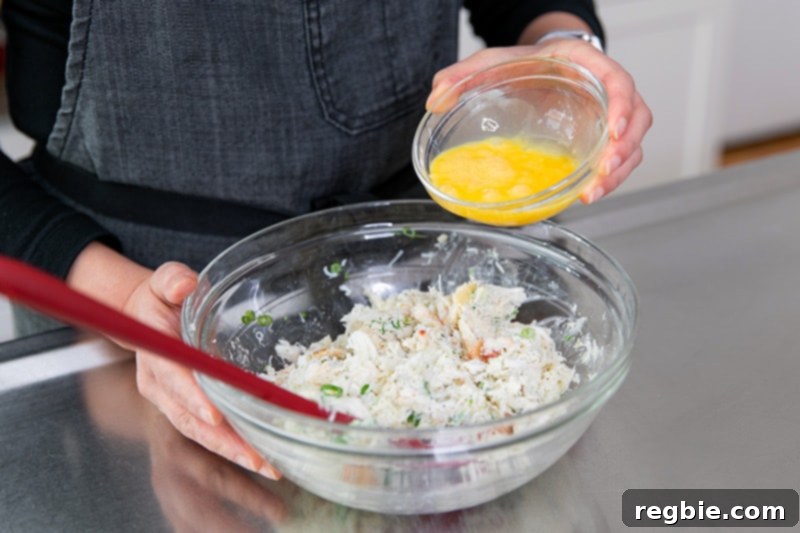
- Incorporate the Egg: Gently fold in the lightly whisked egg. This acts as a crucial binder that will help the crab cakes hold their shape during cooking.
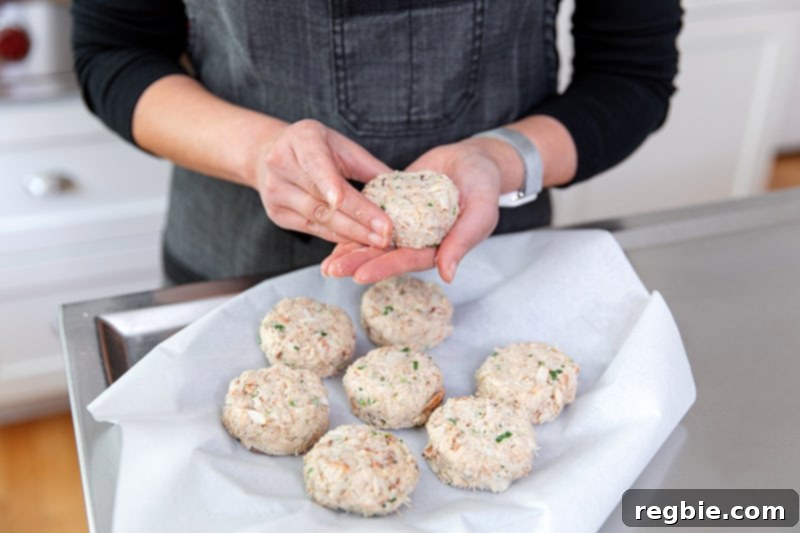
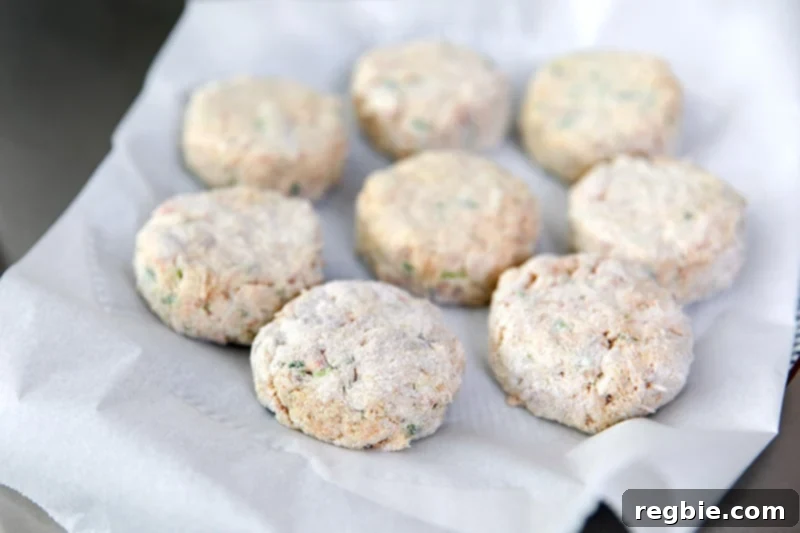
- Form and Chill the Crab Cakes: Divide the mixture into 8 equal portions and form them into patties, each approximately ¾ inch thick. Arrange these on a parchment-lined plate. Cover the plate and refrigerate the crab cakes for at least 30 minutes, or up to a full day. Chilling is a vital step as it helps the patties firm up, making them easier to handle and ensuring they hold their shape better during frying, leading to a crispier result.
- Prepare for Frying: When you’re ready to cook, remove the chilled crab cakes from the fridge. Pour a small amount of coconut flour into a shallow plate.
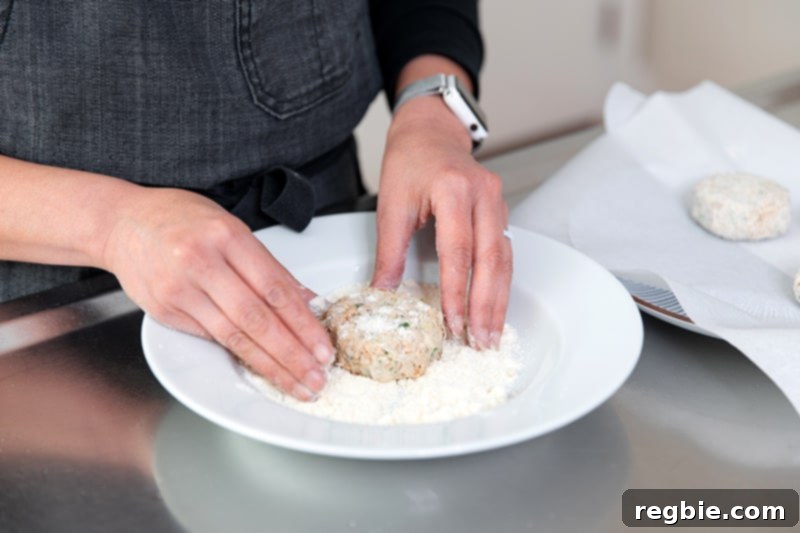
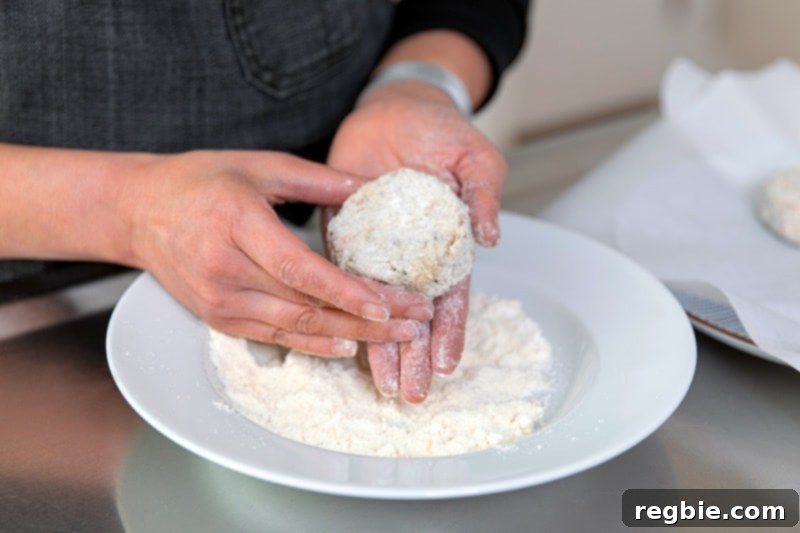
- Lightly Coat the Patties: Gently dredge each crab cake in the coconut flour, ensuring a light, even coating. Then, gently pat off any excess flour. This thin layer is key to achieving that desirable golden, crispy crust.
- Ready to Fry: Place the coated crab cakes on a clean, parchment-lined platter, ready for cooking.
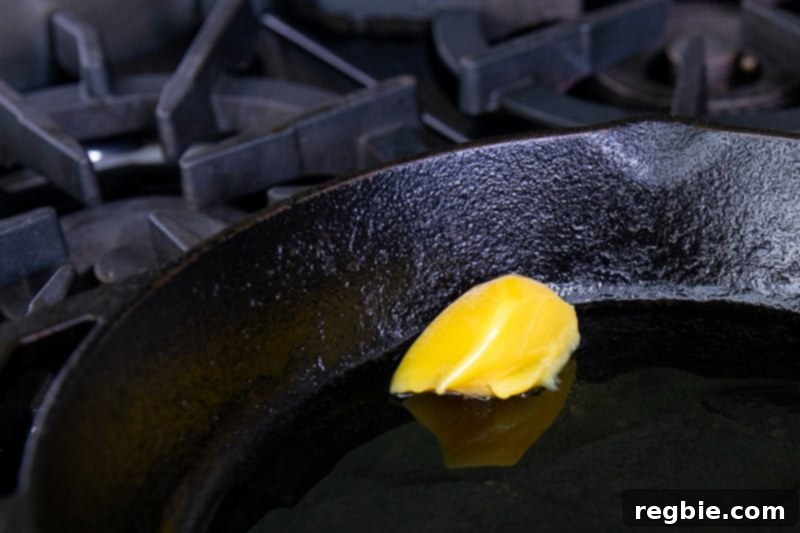
- Heat the Skillet: Heat a large skillet over medium heat. Once the pan is hot, add your preferred cooking fat (ghee, avocado oil, or coconut oil). Ensure there’s enough fat to coat the bottom of the pan generously.
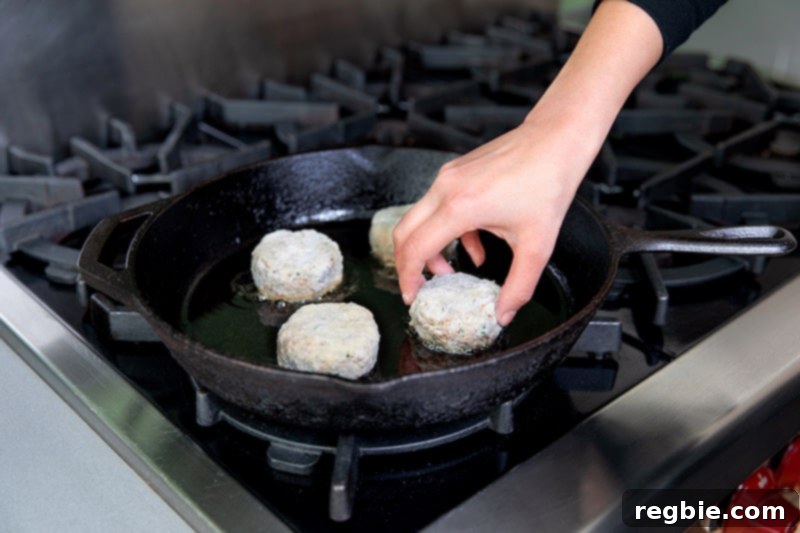
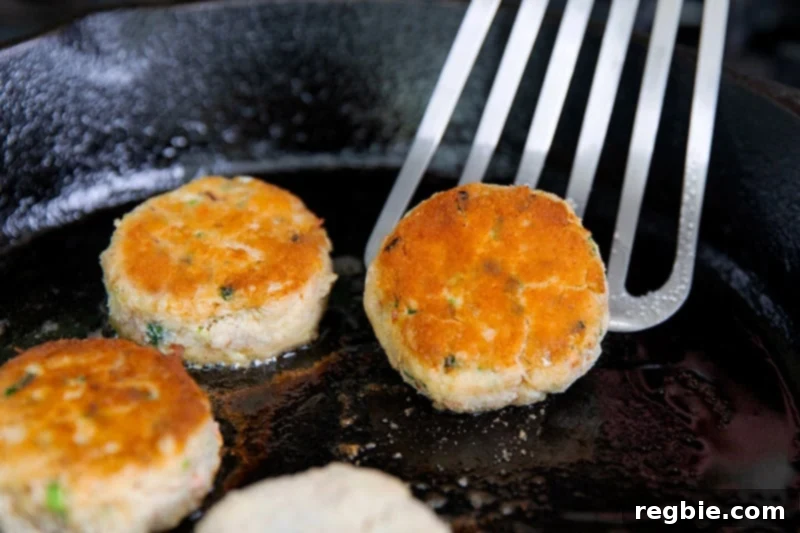
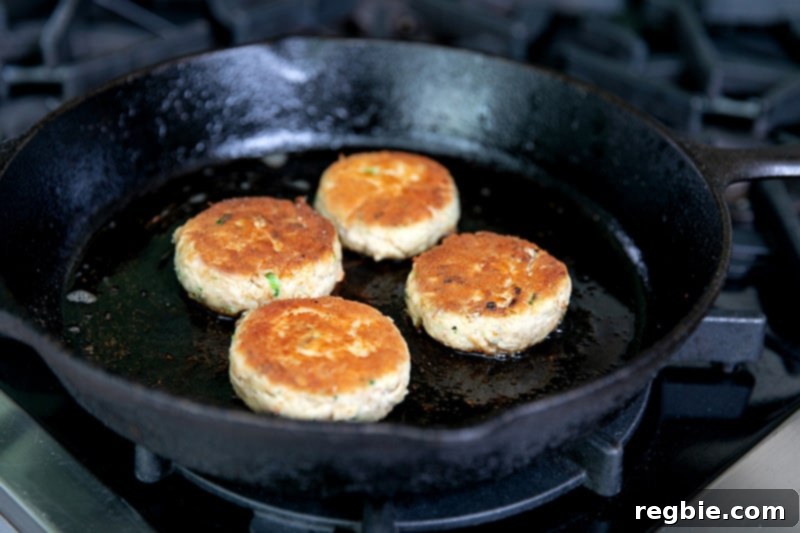
- Fry to Golden Perfection: Carefully place the crab cakes in a single layer in the hot skillet, being careful not to overcrowd the pan. Fry for about 3 minutes on each side, or until they are beautifully golden brown and wonderfully crunchy on the outside. Cook in batches if necessary to avoid lowering the pan temperature.
- Flip and Finish: Use a sturdy metal fish spatula to carefully flip the crab cakes. Continue cooking until both sides are perfectly browned and crispy.
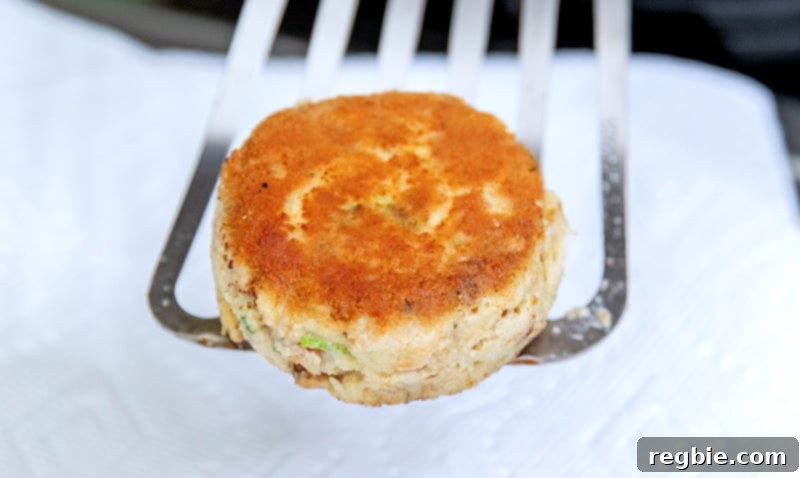
- Drain Excess Fat: Once cooked, transfer the crab cakes to a paper towel-lined platter or a wire rack to drain any excess cooking fat. This helps maintain their crispiness.
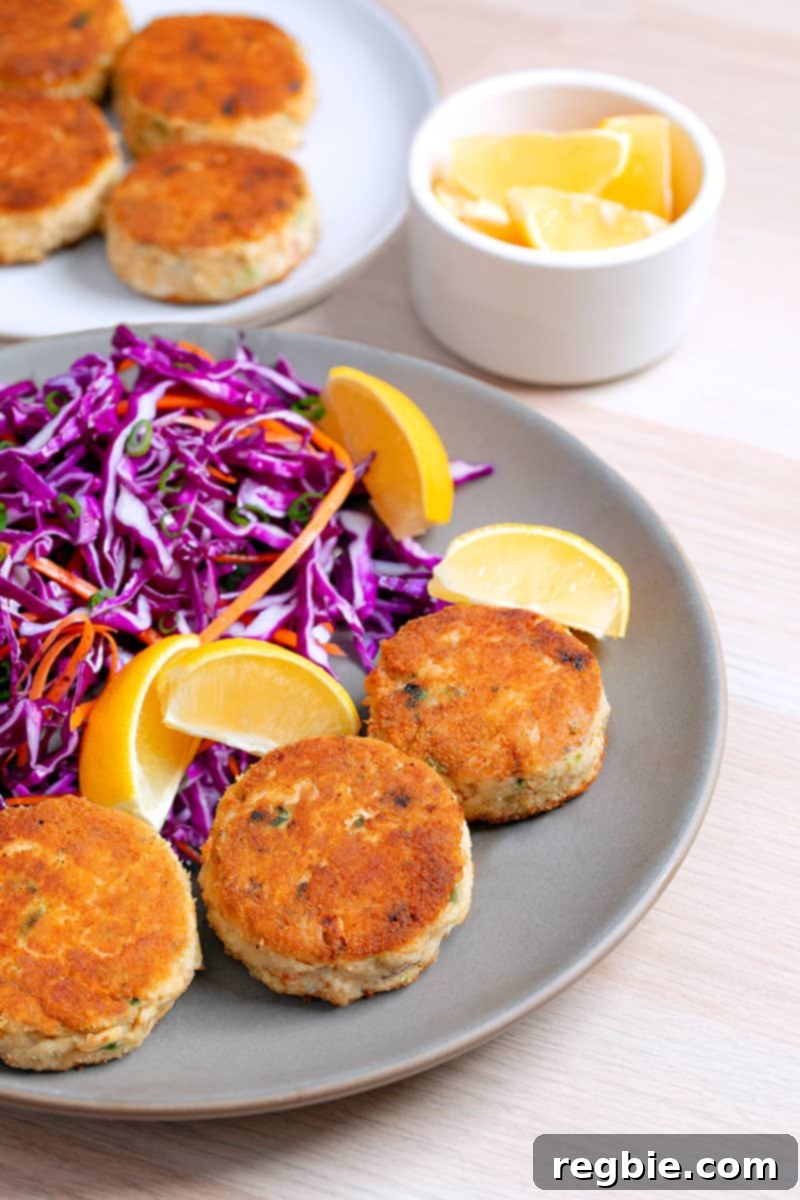
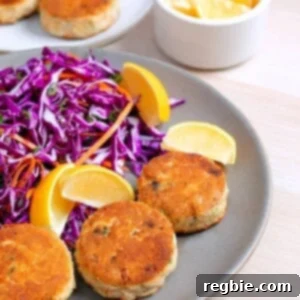
- Repeat and Serve: Continue the frying process with the remaining crab cakes until all are cooked. Serve these delightful patties immediately with fresh lemon wedges, a generous dollop of homemade tartar sauce, and a vibrant side like Red Cabbage Slaw with Tangy Carrot Ginger Dressing for a complete and satisfying meal!
Storage and Reheating Tips for Paleo Crab Cakes
While these Paleo crab cakes are undeniably at their absolute best when enjoyed fresh from the pan, we understand that sometimes leftovers are inevitable or meal prep is a necessity. To be perfectly honest, most crab cakes tend to lose some of their initial crispiness upon reheating, so please temper your expectations for that “just fried” perfection. However, they can still be quite delicious when properly stored and reheated.
You can store cooked crab cakes in an airtight container in the refrigerator for up to 3 days. For reheating, we recommend using an air fryer or a conventional oven to help restore some of their texture. To reheat, place the crab cakes in your air fryer preheated to 400°F (200°C) for 3 to 5 minutes, or until they are warmed through and the exterior has regained a bit of crispness. Alternatively, you can place them on a baking sheet in a preheated oven at 350°F (175°C) for about 10-15 minutes. This method helps prevent them from becoming too soggy and maintains some of their delightful crunch. For best results, avoid reheating in a microwave, as it often leads to a soft, less appealing texture.
Frequently Asked Questions About Paleo Crab Cakes
We’ve gathered some common questions about making and enjoying these gluten-free and keto-friendly crab cakes:
- Can I prepare the crab cake mixture ahead of time?
Absolutely! You can mix the ingredients and form the patties up to a day in advance. In fact, chilling the formed crab cakes in the refrigerator for at least 30 minutes (or even overnight) is highly recommended. This helps them firm up, making them easier to handle and ensuring they hold their shape beautifully during frying, leading to a crispier exterior. Just make sure to store them covered in the fridge. - Are these crab cakes suitable for freezing?
Yes, you can freeze uncooked crab cakes! After forming the patties, place them on a parchment-lined baking sheet and freeze until solid. Once frozen, transfer them to a freezer-safe airtight container or bag, separating layers with parchment paper, and freeze for up to 1-2 months. When you’re ready to cook, thaw them in the refrigerator overnight before coating and frying as directed. Freezing cooked crab cakes is also possible, but they tend to lose more texture upon reheating. - What are some other great serving suggestions?
Beyond the classic lemon wedges, homemade tartar sauce, and Red Cabbage Slaw, these versatile crab cakes pair wonderfully with various sides. Consider serving them with a simple green salad with a vinaigrette, roasted asparagus, steamed broccoli, or even cauliflower rice. For a delightful appetizer, serve them mini-sized with a spicy aioli or a fresh mango salsa. - What if I can’t find high-quality lump crab meat?
As mentioned in the ingredients section, the quality of crab meat significantly impacts the final dish. If premium lump crab meat is unavailable, cooked salmon is an excellent substitute for a similar flavor profile and texture. You can also use other firm white fish, flaked, but keep in mind the flavor will be different. Always prioritize freshness for the best results. - How can I ensure my crab cakes don’t fall apart during frying?
Several factors contribute to crab cakes holding their shape: using enough binder (the egg and coconut flour), not overmixing the crab meat, chilling the formed patties sufficiently before frying, and not overcrowding the pan during cooking. Ensure your cooking fat is adequately hot before adding the cakes, as a pan that isn’t hot enough can cause them to absorb too much oil and break apart.
Looking for more delicious and healthy recipe ideas? Head on over to my Recipe Index. You’ll also find exclusive recipes and culinary inspiration in my cookbooks: Nom Nom Paleo: Food for Humans (Andrews McMeel Publishing 2013), Ready or Not! (Andrews McMeel Publishing 2017), and Nom Nom Paleo: Let’s Go! (Andrews McMeel Publishing 2022).
Recipe Card: Crispy Paleo Crab Cakes
Paleo Crab Cakes – Crispy & Easy Gluten-Free Recipe
Rating: 4.79 from 19 votes
Ingredients
- 1 pound lump crab meat
- 1½ tablespoon coconut flour plus more for coating the crab cakes
- 2 scallions minced
- 1 tablespoon salt-free seafood spice blend (e.g., Penzeys Sunny Paris seasoning)
- ¼ cup paleo mayonnaise
- Diamond Crystal kosher salt
- Freshly ground black pepper
- 1 large egg lightly beaten
- ¼ cup ghee, avocado oil, or coconut oil
- 1 lemon cut into wedges
Instructions
- Toss the drained crab meat in a large bowl with the coconut flour, scallions, seafood seasoning, and Paleo mayonnaise.
- Gently combine everything with a rubber spatula, taking care not to break up the crab meat too much. Add salt and pepper to taste, and then gently fold in the egg.
- Form the crab mixture into 8 crab cakes, each approximately ¾ inch thick, and place them on a parchment-lined plate. Cover the plate and chill the cakes in the fridge for at least 30 minutes (or up to a day) to allow them to firm up.
- When you’re ready to fry the crab cakes, remove them from the fridge. Fill a shallow plate with additional coconut flour for coating.
- Lightly coat each crab cake with coconut flour, then gently pat off any excess. Place the coated crab cakes on a clean, parchment paper-lined platter.
- Heat a large skillet over medium heat. Once hot, add your preferred cooking fat (ghee, avocado oil, or coconut oil).
- Fry the crab cakes in a single layer for about 3 minutes per side, or until they are beautifully golden brown and crunchy on the outside. Cook in batches if necessary to avoid overcrowding the pan.
- Transfer the cooked crab cakes to a paper towel-lined platter or a wire rack to drain any excess fat. Repeat this process until all crab cakes are cooked.
- Serve the patties immediately with fresh lemon wedges, homemade tartar sauce, and a side of Red Cabbage Slaw with Tangy Carrot Ginger Dressing for a complete meal!
Notes
- If substituting cassava flour for the coconut flour in the crab cake filling, use 3 tablespoons of cassava flour in place of 1½ tablespoons of coconut flour.
- For air frying: Spray the crab cakes with avocado oil and air fry at 400°F (200°C) for 10-12 minutes, or until cooked through and lightly golden.
Nutrition
Nutrition information is automatically calculated, so should only be used as an approximation.