
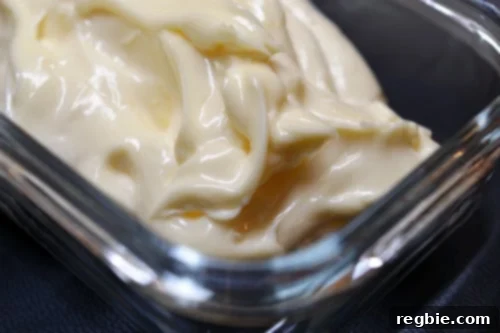
Starting the month on a delicious and healthy note is easier than you think, especially when you have versatile, flavor-packed ingredients at your fingertips. For those following a Whole30 or Paleo lifestyle, one such powerhouse is homemade Paleo Mayonnaise. Forget the bland, store-bought versions loaded with questionable ingredients; this is the creamy, rich condiment that will revolutionize your meals and keep your taste buds happy throughout January and beyond.
The secret to exceptional Paleo Mayo lies in its pristine ingredients. Unlike conventional supermarket mayonnaise, which often features inflammatory industrial seed oils like canola oil or soybean oil as their primary base – ingredients strictly avoided on Whole30 and Paleo diets – homemade versions prioritize healthy fats. These traditional vegetable oils, frequently found even in products deceptively labeled as “olive oil mayo” (always check the label!), contribute to inflammation and detract from your health goals. By making your own, you gain complete control over what goes into your body, ensuring a clean, nourishing, and incredibly flavorful condiment.
As highlighted in previous discussions, understanding the impact of dietary fats is crucial for optimal health. Homemade Paleo Mayonnaise stands as a beacon of healthy eating, offering a delicious alternative without compromise.
The Evolution of Paleo Mayonnaise: From Homemade Necessity to Commercial Availability
For years, the only way to enjoy a truly compliant and healthy mayonnaise on a Paleo or Whole30 journey was to whip it up yourself. This commitment to fresh, whole ingredients empowered countless individuals to take charge of their diets. However, the market has evolved, and today, you have more options than ever before. Brands like Primal Kitchen have stepped up to offer high-quality, Whole30-approved Paleo Mayonnaise made with avocado oil, available for purchase. While the convenience of a store-bought, compliant option is undeniable, there’s still an unparalleled satisfaction and quality that comes from crafting your own from scratch.
Many still find the process of making their own mayonnaise a rewarding experience, offering superior freshness and the ability to customize flavors to their exact liking. So, whether you opt for the convenience of Primal Kitchen’s Whole30 paleo mayonnaise or decide to roll up your sleeves and embark on a culinary adventure, the benefits of healthy, real-food mayonnaise are well within reach.
Beyond the Condiment: The Unrivaled Versatility of Paleo Mayonnaise
If you’re not bound by an egg-free autoimmune protocol and aren’t one of the rare mayonnaise-averse individuals, then there’s absolutely no reason to shy away from creating a batch of Paleo Mayonnaise. This isn’t just a spread for sandwiches; it’s a wonderfully creamy, unctuous base that unlocks a world of culinary possibilities. Its rich texture and delicate flavor make it an indispensable ingredient in a myriad of dishes, elevating everyday staples into gourmet delights.
Think beyond just a dollop on your burger. Paleo Mayo serves as the perfect foundation for a vast array of sauces, dressings, and salads. From classic concoctions like deviled eggs and tuna salad to more elaborate chicken salads and spicy dips, its versatility is truly remarkable. It effortlessly transforms mundane meals, bringing a luxurious creaminess and depth of flavor. Imagine pairing it with perfect hard-boiled eggs, jazzing up leftover roast chicken, or turning humble canned tuna into a gourmet meal. It’s also fantastic as a dip for fresh crudités, offering a satisfying and healthy snack option.
For instance, with just a few simple additions, Paleo Mayonnaise can be transformed into a healthier, homemade version of ranch dressing—a perennial favorite, especially for kids! (While the exact recipe for my son Big-O’s favorite ranch remains a closely guarded secret for now, it’s a testament to the transformative power of this simple condiment!) This adaptability makes it an invaluable asset in any health-conscious kitchen, empowering you to create delicious, compliant dishes without resorting to processed alternatives.
Crafting Your Own: The Paleo Mayonnaise Recipe Essentials
Ready to dive into the art of making your own Paleo Mayonnaise? It’s a process that combines simple ingredients with a bit of technique, culminating in a superior product you’ll be proud to serve. My preferred method, detailed in my full recipe here, focuses on creating a stable, flavorful emulsion with specific oil choices.
Key Ingredients for the Perfect Paleo Mayo
- Healthy Oils: The foundation of good Paleo Mayo. I highly recommend either macadamia nut oil or avocado oil. Both are excellent choices for their neutral flavor profiles and high smoke points, making them suitable for various culinary applications. Macadamia nut oil imparts a subtly nutty complexion that I particularly enjoy, while avocado oil is renowned for its clean taste and robust health benefits. Some also successfully use light olive oil, but it’s crucial to avoid extra virgin olive oil, which can impart a bitter taste to mayo.
- Fresh Egg: A crucial emulsifier. Ensure your egg is fresh and at room temperature for the best results.
- Acid: Lemon juice or apple cider vinegar not only adds tang but also helps stabilize the emulsion.
- Salt: Essential for seasoning and enhancing overall flavor.
- Optional additions: A touch of mustard (like Dijon) can also aid in emulsification and add another layer of flavor.
Essential Equipment for Smooth Emulsification
While some elbow grease with a whisk is always an option, modern tools make the process considerably simpler and more fool-proof. My video demonstration illustrates the process, and it shows that there’s more than one path to creamy Paleo Mayonnaise.
- Immersion Blender: This is by far the easiest and most reliable tool. As demonstrated by culinary experts and echoed in my own kitchen, an immersion blender can produce perfectly emulsified mayonnaise in less than two minutes. The technique involves placing all ingredients in a narrow jar, submerging the blender to the bottom, and slowly pulling it up as the emulsion forms.
- Food Processor or Regular Blender: These appliances also work well, requiring a slow drizzle of oil into the running machine to ensure proper emulsification.
- Whisk and Bowl: The traditional method, requiring consistent, vigorous whisking and a very slow, steady stream of oil. It’s more labor-intensive but yields excellent results for those who enjoy the manual approach.
The key to success, regardless of the method, is patience and a slow, steady stream of oil when combining it with the egg and acid. This gradual introduction allows the fat to properly disperse and create a stable emulsion, resulting in that delightful creamy texture we all crave.
Mastering the Techniques: Different Approaches to Mayo Making
Making homemade mayonnaise can seem intimidating at first, but with the right technique, it’s incredibly simple. Over the years, I’ve seen and tried various methods, each with its own merits. At a PaleoFX conference cooking demo, I even showcased a slightly different approach using an immersion blender and condiment squeeze bottles. This just goes to show that flexibility is key, and there’s definitely more than one way to achieve perfect Paleo Mayonnaise.
The Immersion Blender Revolution
My culinary world was profoundly shaken (in the best way possible!) after watching The Food Lab’s video featuring J. Kenji Lopez-Alt, who demonstrates how to make fool-proof mayonnaise with an immersion blender in under two minutes. This method is a game-changer for its speed and simplicity, practically guaranteeing success. These days, it’s the only way I make mayo in my kitchen. You can witness this magic firsthand by watching this Periscope video, where I whip up mayo in a jiffy with my trusty immersion blender.
Other Reliable Methods
While the immersion blender reigns supreme for convenience, other approaches are equally valid and can produce fantastic results:
- Blender/Food Processor: My friend and fellow blogger Melissa Joulwan, author of Well Fed and the genius behind The Clothes Make the Girl, makes a wonderful mayonnaise using light olive oil and a regular blender. Her method and video are excellent resources for those preferring this equipment.
- Whisking by Hand: For the purists or those without specialized equipment, a sturdy whisk and a large bowl will do the trick. It requires more arm strength and patience, but the reward is a beautiful, hand-crafted mayonnaise. The ever-inspirational Sarah Fragoso of Everyday Paleo also offers a great recipe and video tutorial over here, showcasing another effective method.
Troubleshooting: Rescuing Broken Mayonnaise
Despite best efforts, sometimes mayonnaise can “break.” It’s a common culinary mishap: midway through whisking, blending, or processing, your once thick, creamy sauce suddenly separates into a thin, curdled, oily disaster. Ai ya! It’s disheartening, but wipe away those tears! All is not lost, and your precious ingredients don’t have to go to waste. A broken emulsion can almost always be saved.
The key to fixing broken mayonnaise lies in re-emulsifying it. This often involves starting a new emulsion with a fresh egg yolk or a small amount of warm water or mustard, and slowly incorporating the broken mixture back into it. The additional emulsifier helps to bind the separated oil and egg once more, bringing back the desired creamy consistency. You can find detailed instructions and visual guides on how to fix this common problem. Just follow these tips or watch a dedicated video tutorial to learn the simple steps. See? Problem solved, and your mayonnaise will be back to perfect in no time.
Unleashing Flavor: Creative Uses and Variations for Your Homemade Mayonnaise
Now that you’ve mastered the art of making and saving your homemade Paleo Mayonnaise, what are you going to do with your glorious stash? The beauty of mayonnaise lies in its neutrality; it’s a blank canvas, eagerly awaiting your creative touch to transform it into a symphony of flavors. The variations are truly endless, I tell ya, limited only by your imagination and the spices in your pantry!
Beyond its primary role as a standalone condiment, homemade mayo can be jazzed up with a bunch of different herbs, spices, and acids to create an exciting array of sauces and dips. Here are some fantastic ideas to get you started:
- Classic Tartar Sauce: A perfect companion for seafood. Combine ½ cup mayo with 2 tablespoons of finely diced cornichons, 1 tablespoon of fresh lemon juice, 1 teaspoon of Dijon mustard, and 1 teaspoon of minced capers. This tangy, savory sauce is irresistible with fish and chips, baked salmon, or even as a dip for crispy vegetables.
- Vibrant Cilantro Lime Mayo: Bright and zesty, this variation is ideal for Mexican-inspired dishes. Mix ½ cup mayo with 2 tablespoons of finely minced fresh cilantro and 1 tablespoon of fresh lime juice. Drizzle it over fish tacos, grilled chicken, or use it as a dressing for a vibrant salad.
- Aromatic Curry Mayo: Add an exotic twist to your meals. Simply blend ½ cup mayo with 1 teaspoon of curry powder and 1 tablespoon of fresh lime juice. This makes an incredible spread for chicken salad sandwiches, a dip for sweet potato fries, or a flavorful addition to roasted vegetables.
- Smoky Paprika Mayo: Infuse a rich, smoky depth into your dishes. Stir together ½ cup mayo with 1 teaspoon of smoked paprika and 1 tablespoon of fresh lemon juice. This pairs wonderfully with grilled meats, burgers, or as a dip for crispy fries and onion rings.
- Garlic Aioli: A Mediterranean classic. Crush 1-2 cloves of garlic and mix them into ½ cup of mayo with a squeeze of lemon juice. Perfect for dipping crusty bread, drizzling over roasted potatoes, or serving with grilled seafood.
- Spicy Sriracha Mayo: For those who love a kick. Combine ½ cup mayo with 1-2 teaspoons of Sriracha sauce (adjust to your heat preference) and a dash of lime juice. Excellent with sushi, burgers, or as a fiery dip for spring rolls.
- Fresh Herb Mayo: Simply chop a tablespoon or two of your favorite fresh herbs—dill, chives, parsley, or a mix—and stir them into your mayo with a splash of lemon juice. This is fantastic with chicken, fish, or as a light sandwich spread.
The possibilities truly are endless. Don’t be afraid to experiment with your favorite spices and herbs to create unique flavor profiles that suit your palate. So, now that you’re armed with a batch of homemade Paleo Mayonnaise and a plethora of ideas, what do you like to do with it? Share your favorite modifications and culinary creations in the comments section below!
Looking for even more inspiring recipe ideas to complement your Paleo and Whole30 lifestyle? Head on over to my Recipe Index for a comprehensive collection of delicious dishes. You’ll also discover exclusive recipes and content on my iPhone and iPad app, and delve into even more culinary adventures within my bestselling cookbooks: Nom Nom Paleo: Food for Humans (Andrews McMeel Publishing 2013) and Ready or Not! (Andrews McMeel Publishing 2017)! Happy cooking!