
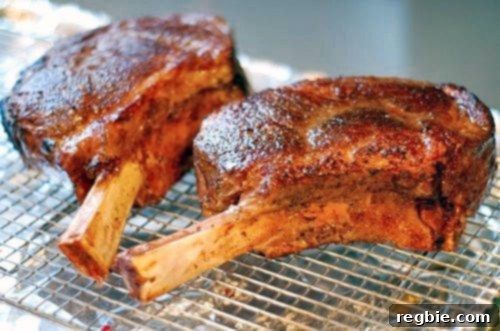
There’s nothing quite like a magnificent, thick-cut, bone-in ribeye steak to make a statement, and when it comes to cooking these colossal “cowboy chops,” the sous vide method stands unrivaled. This revolutionary technique ensures your super-sized, premium beef is cooked to absolute perfection, edge-to-edge, every single time. Forget the anxiety of overcooking an expensive cut; with sous vide, you eliminate the guesswork and guarantee a tender, juicy, medium-rare masterpiece that will impress even the most discerning steak connoisseur.
Beyond flawless doneness, sous vide offers incredible convenience. These impressive steaks can be prepared well in advance, chilled, and then stored in the refrigerator or freezer until you’re ready to perform the crucial final sear. This makes entertaining a breeze and allows you to enjoy restaurant-quality steak on your own schedule. If you’re a visual learner, we highly recommend watching this informative video guide to see the process in action.
For those feeling particularly adventurous and preferring the traditional char of a grill for these monstrous steaks, you might find these instructions from the culinary experts at Serious Eats helpful. However, be warned: grilling such thick cuts conventionally requires expert timing and a bit of luck to achieve the consistent results sous vide provides. Good luck, and may the force (and perfect temperature control) be with you!
The Art of Perfecting Sous Vide Cowboy Chops
Cooking a bone-in ribeye, often affectionately called a “cowboy chop” due to its generous size and long bone, can be intimidating. These cuts are not only substantial in size but also in price, making consistent, perfect results a priority. Sous vide, meaning “under vacuum” in French, involves cooking food in a precisely temperature-controlled water bath. This method shines with large cuts of meat like these, as it allows for uniform cooking from the center to the edge, preventing the dreaded grey band often seen in conventionally cooked thick steaks.
The beauty of sous vide lies in its precision. You set your desired internal temperature, and the water bath maintains it perfectly, ensuring your steak can never overcook past that point. For a medium-rare cowboy chop, a temperature of 130°F (54.4°C) is ideal, yielding a beautifully pink, tender, and juicy interior. The extended cooking time in the water bath not only ensures even heating but also helps tenderize the meat, breaking down connective tissues and enhancing its succulent texture.
This recipe focuses on bringing out the best in high-quality, grass-fed ribeye. Grass-fed beef often has a richer, more complex flavor profile and can be leaner, benefiting greatly from the gentle, long cooking process of sous vide which helps retain moisture and tenderness. When selecting your steaks, look for generous marbling (streaks of fat within the muscle) as this contributes significantly to flavor and juiciness.
Ingredients for Your Epic Cowboy Chops (Serves 6-8)
Gathering the right ingredients is the first step to culinary success. For these impressive cowboy chops, simplicity and quality are key.
- 2 Grass-Fed, Bone-In Ribeye Steaks: Aim for steaks that are approximately 2 pounds (about 900g) each. The thickness of these cuts is what makes them ideal for sous vide, allowing for maximum edge-to-edge consistency.
- Kosher Salt: We recommend using a high-quality kosher salt, such as Diamond Crystal. Its flake structure allows for even distribution and optimal flavor penetration during the dry brining process.
- Freshly Ground Black Pepper: Freshly ground pepper adds a vibrant, pungent aroma that complements the rich beef flavor.
- Tabil Seasoning (or your favorite dry rub): Tabil is a North African spice blend typically containing coriander, caraway, garlic powder, and chili. It adds a wonderful depth of flavor. Feel free to substitute with your preferred steak seasoning or a simple blend of garlic powder and onion powder.
- 2 tablespoons of Ghee: Ghee (clarified butter) is perfect for searing as it has a high smoke point, which means it can withstand the high heat needed to create a beautiful, dark crust without burning. Its rich, buttery flavor also enhances the steak. Avocado oil is another excellent high-smoke-point alternative.
Essential Equipment for Sous Vide Success
Having the right tools makes the cooking process smoother and more enjoyable. While some items are essential, others are highly recommended for optimal results:
- Sous Vide Immersion Circulator or Water Oven: This is the core of your sous vide setup, maintaining precise water temperature.
- Large Container or Stock Pot: To hold the water bath and your steaks.
- Vacuum Sealer and Bags: For airtight sealing of your steaks. If you don’t have a vacuum sealer, you can use high-quality freezer-safe Ziploc bags and the water displacement method to remove air.
- Large Cast Iron Skillet: Essential for achieving a perfect, restaurant-quality crust during the searing process due to its excellent heat retention.
- Kitchen Tongs: For handling the hot steaks safely.
- Instant-Read Thermometer: While sous vide guarantees internal temperature, an instant-read thermometer is useful for checking the temperature of your searing pan and for general kitchen use.
- Kitchen Torch (Optional, but Recommended): A powerful kitchen torch can be incredibly useful for getting an even, beautiful char on the irregular surfaces of a thick, bone-in steak, especially around the bone, where a pan might not reach effectively.
- You can find many of my recommended kitchen tools and more information here.
Step-by-Step Guide to Perfectly Cooked Sous Vide Cowboy Chops
This method builds upon the principles of sous vide cooking for standard ribeye steaks, but with considerations for the larger size of cowboy chops. The extended cooking time ensures thorough heat penetration for these thicker cuts.
- Prepare and Season Your Steaks:
Start by patting your bone-in ribeye steaks thoroughly dry with paper towels. This is a critical step, as excess moisture on the surface can hinder proper seasoning adherence and later prevent a good sear. Once dry, season the chops generously with kosher salt, freshly ground black pepper, and your chosen Tabil seasoning or dry rub. Don’t be shy with the seasoning; these large cuts can take a fair amount to develop deep flavor. The salt will begin a “dry brining” process, helping to tenderize the meat and draw moisture out, which is then reabsorbed with the seasoning.
- Vacuum Seal the Chops:
Carefully place each seasoned steak into a vacuum sealable bag. Ensure there’s enough space in the bag and that the edges are clean for a proper seal. Vacuum seal the bags, removing as much air as possible. If using freezer-safe Ziploc bags, use the water displacement method: slowly submerge the bag into water, letting the water pressure push the air out before sealing it almost completely at the waterline.
Once sealed, store the steaks in the refrigerator for at least one hour, and ideally up to 24 hours. This resting period allows the salt and seasonings to penetrate deeply into the meat, further enhancing the flavor and tenderness.
- Sous Vide Cooking: The Path to Perfection:
When you’re ready to cook, set your sous vide water bath to a precise temperature of 130°F (54.4°C) for a perfect medium-rare doneness. Allow the water to reach the target temperature before adding the steaks. Carefully submerge the vacuum-sealed steak packets into the water bath, ensuring they are fully immersed. You might need to weigh them down with a plate or rack to keep them submerged. Let these impressive chops cook for a full 8 hours. The longer cooking time for these thicker cuts ensures that the heat thoroughly penetrates the entire steak, from bone to edge, achieving uniform doneness without overcooking.
- Cooling and Storing (if not serving immediately):
After 8 hours, if you plan to serve the steaks later, immediately transfer the sealed steaks from the hot water bath into an ice bath. An ice bath consists of equal parts ice and water. Let the steaks chill in the ice bath for at least one hour. This rapid cooling stops the cooking process and quickly brings the internal temperature down, which is crucial for food safety if you intend to store them. Once thoroughly chilled, you can store the vacuum-sealed steaks in the refrigerator for up to several days or freeze them for longer storage.
Pro Tip: If you intend to eat the steaks immediately after the sous vide bath, you can skip the chilling process and proceed directly to searing.
- Reheating (if prepped ahead):
If you’ve chilled your steaks, bring them back up to serving temperature before searing. Reheat them in a sous vide water bath set at 130°F (54.4°C) for approximately 45 minutes to an hour, depending on their thickness. This gently warms them through without further cooking.
- The Critical Sear: Achieving a Flavorful Crust:
This is where the magic happens and your steak develops its irresistible crust. Remove the chops from their vacuum bags and pat them meticulously dry with paper towels. Any surface moisture will steam rather than sear, preventing that desirable dark, crispy crust.
Sprinkle a little extra seasoning and salt on the surface if desired. Heat a heavy cast iron skillet over high heat until it’s smoking hot. Add a couple of tablespoons of ghee to the pan. Once the ghee is shimmering and hot, carefully place the steaks in the skillet. Sear each side for about 2 minutes, pressing down gently to ensure maximum contact with the hot surface. You’re looking for a rich, dark brown, caramelized crust.
Alternatively, for an equally impressive char, you can throw the sous vide steaks on a very hot grill. The high, direct heat will quickly create that smoky, charred exterior.
- Finishing with a Torch (Optional):
For those hard-to-reach areas, especially around the bone or on the sides of these thick steaks where the skillet might not make full contact, grab your kitchen torch. Use it to evenly char and brown any lighter spots, ensuring a uniform, beautiful crust across the entire surface of the steak. This technique guarantees that “edge-to-edge” perfection extends to the exterior as well.
- Rest and Serve:
Once seared, transfer your “Flintstone-sized” chops to a cutting board. It’s crucial to let them rest for at least 5-10 minutes before slicing. This allows the juices, which have been driven to the center during searing, to redistribute throughout the meat, resulting in an incredibly juicy and tender steak. If you cut it too soon, those precious juices will simply run out onto your board.
Slice against the grain into thick, shareable portions. See? They’re perfectly pink… from edge to edge!
Serving Suggestions for Your Perfect Ribeye
These magnificent cowboy chops are a meal in themselves, but they pair wonderfully with a variety of sides. Consider serving them with roasted vegetables like asparagus or Brussels sprouts, a creamy mashed potato or cauliflower puree, or a fresh, crisp green salad to cut through the richness of the beef. A simple red wine reduction or a dollop of compound butter can also elevate the experience.
Conclusion: The Ultimate Steak Experience
With the sous vide method, preparing gigantic bone-in ribeye steaks transforms from a daunting task into a rewarding culinary adventure. You’ll achieve unparalleled tenderness, exquisite flavor, and that coveted edge-to-edge pinkness that defines a perfectly cooked steak. Enjoy the confidence that comes with knowing you’ve mastered a technique that delivers restaurant-quality results in your own kitchen, all while making the most of your investment in premium beef.
Discover More Culinary Inspiration!
Looking for more exciting recipe ideas to expand your repertoire? Dive into my comprehensive Recipe Index for a treasure trove of delicious and healthy meals. You’ll also find exclusive recipes and additional content on my iPhone and iPad app, designed to bring my kitchen right to your fingertips. For even more culinary adventures, explore my collection of bestselling cookbooks: Nom Nom Paleo: Food for Humans (Andrews McMeel Publishing 2013), Ready or Not! (Andrews McMeel Publishing 2017), and Nom Nom Paleo: Let’s Go! (Andrews McMeel Publishing 2021).
Printer-Friendly Recipe Card: Sous Vide Gigantic Grass-Fed Cowboy Chops (Bone-In Rib Eye)
Sous Vide Gigantic Grass-Fed Cowboy Chops (Bone-In Rib Eye)
Prep Time: 2 hrs 10 mins
Cook Time: 8 hrs 50 mins
Total Time: 11 hrs
Servings: 8
Author: Michelle Tam
Sous vide is the BEST way to cook super-big, bone-in rib eye steaks. You end up with perfectly cooked beef and no risk of wasting your hard-earned money.
Ingredients
- 2 grass-fed, bone-in rib eye steaks (approximately 2 pounds each)
- Diamond Crystal kosher salt
- Freshly ground black pepper
- Tabil seasoning (or your favorite dry rub)
- 2 tablespoons ghee
Instructions
- Season the meat liberally with salt, pepper, and your dry rub of choice.
- Vacuum seal the chops and store them in the fridge for at least an hour and up to 24 hours.
- Take the meat out of the fridge when you’re ready to cook. Put the vacuum-sealed meat into the Sous Vide Supreme (or any water bath) set at 130° F (54.4°C) for medium-rare. Let the steaks cook for 8 hours.
- Then, transfer to an ice bath for at least an hour if storing. (If you’re going to be eating the steaks immediately, skip the chilling and go straight to searing.)
- When you’re ready to serve the steaks, reheat your Sous Vide Supreme (or water bath) set at 130° F (54.4°C) and reheat the steaks for about 45 minutes to an hour. Take the steaks out of the seal and pat them thoroughly dry.
- Sprinkle on additional seasoning and salt, if desired, and sear with a couple tablespoons of ghee over high heat in a cast iron skillet. Sear for about 2 minutes on each side until a deep brown crust forms. Alternatively, you can throw the steaks on a hot grill to char them.
- For an even crust, use a kitchen torch to char any uneven spots on the sides of the steak.
- Now you’re ready to eat perfectly cooked cowboy chops! Remember to rest them for 5-10 minutes before slicing.
Nutrition
Calories: 505 kcal | Protein: 46g | Fat: 36g
Nutrition information is automatically calculated, so should only be used as an approximation.