
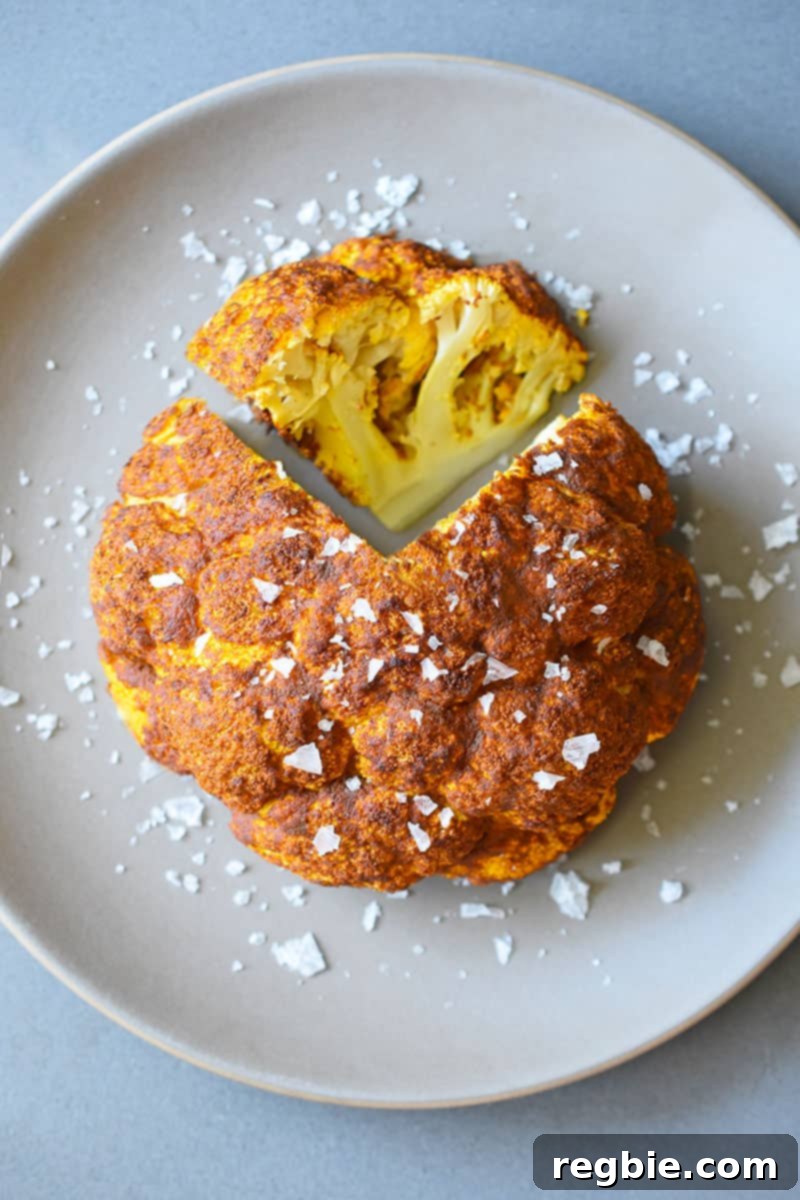
Welcome to a vibrant culinary journey where the humble cauliflower transforms into an extraordinary centerpiece! This Tandoori Whole Roasted Cauliflower recipe is a delectable, Indian-inspired creation, drawing inspiration from my popular Whole Roasted Cauliflower. Designed to be Whole30-friendly, gluten-free, and vegan, it’s a versatile showstopper that promises to impress guests with diverse dietary preferences, from plant-based eaters to devoted omnivores. Get ready to elevate your vegetable game with this incredibly flavorful and visually stunning dish!
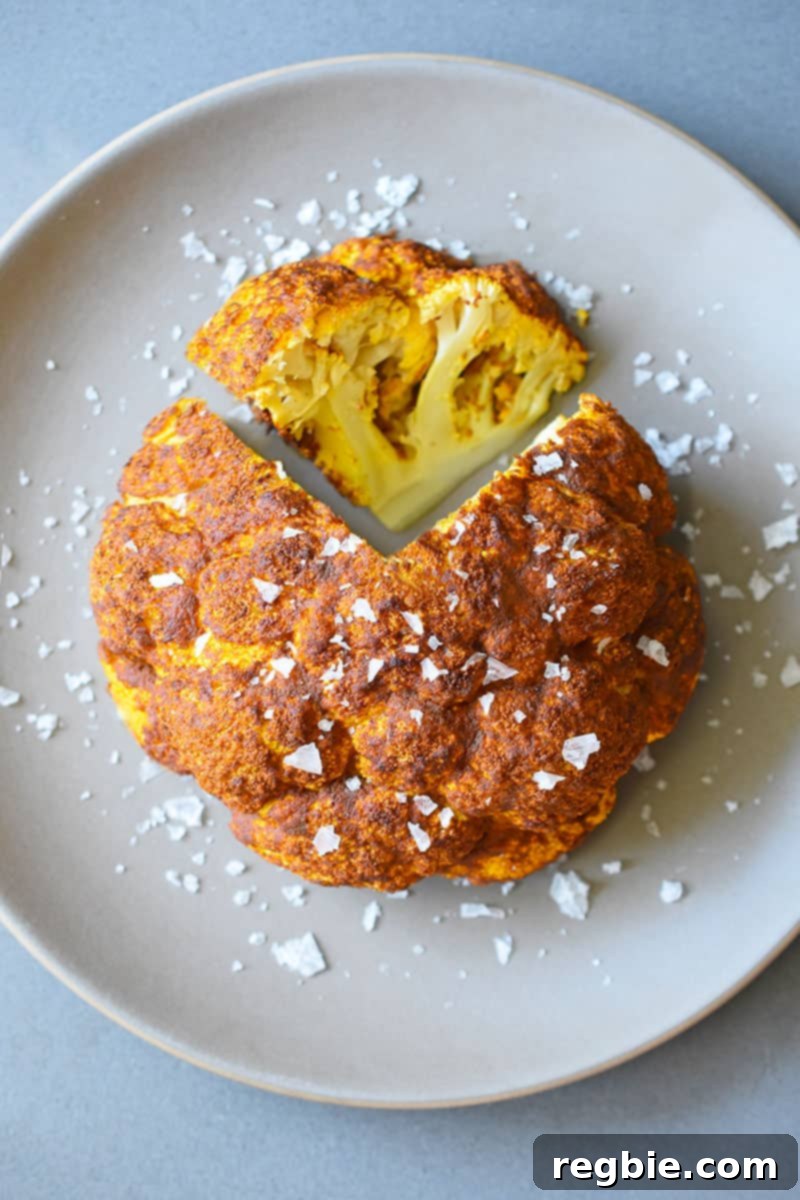
Understanding Tandoori Cooking: A Culinary Tradition
The term “Tandoori” actually refers to a traditional Indian cooking method that employs a tandoor, a cylindrical clay oven known for its intense heat. This ancient cooking vessel, typically fueled by charcoal or wood, reaches extremely high temperatures, upwards of 900°F (480°C). The unique design of the tandoor allows for quick, even cooking, imparting a distinctive smoky flavor and charred exterior while keeping the interior succulent and tender. Proteins like chicken, lamb, and fish, along with various breads such as naan, are traditionally marinated in a mixture of yogurt or coconut milk combined with an aromatic spice blend before being cooked directly on the inner walls or hung inside the scorching oven.
For most home cooks, owning a traditional tandoor oven isn’t practical. However, the good news is that you don’t need one to recreate the incredible flavors of tandoori cuisine. Modern home ovens and outdoor grills can effectively mimic the intense heat needed to achieve that delightful char and depth of flavor. By focusing on the marinade—the heart of any tandoori dish—we can bring the essence of this vibrant cooking tradition right into our kitchens, transforming everyday ingredients into something truly special.
Unveiling the Secrets of Tandoori Spice Blend (Tandoori Masala)
The magic of tandoori lies largely in its signature spice blend, often known as tandoori masala. While recipes for this aromatic mix can vary regional and family recipes, it typically features a rich combination of foundational Indian spices. The base often includes garam masala, which itself is a fragrant mixture commonly comprising coriander, cumin, cardamom, cloves, black pepper, cinnamon, and nutmeg. Beyond garam masala, tandoori masala usually incorporates other pungent and flavorful ingredients like dried garlic, ginger, and onion powder, along with a touch of cayenne pepper for a subtle warmth and a vibrant red hue (though the color is often enhanced with paprika or food coloring in commercial blends). Turmeric is also a common addition, contributing to the golden color and earthy notes.
The beauty of tandoori masala is its balanced complexity. It’s not typically known for being intensely spicy hot, but rather for its deeply aromatic and savory profile, reminiscent of a flavorful curry. You can easily find high-quality tandoori spice blends at most grocery stores or purchase them online. When selecting a blend, opt for one with no added salt, as this gives you full control over the seasoning of your dish. For those who enjoy a more personalized touch, crafting your own tandoori masala from scratch is a rewarding experience. A simple homemade blend might include 2 tablespoons ground coriander, 1 tablespoon ground cumin, 1 teaspoon ground turmeric, 1 teaspoon cayenne pepper, 1 teaspoon garam masala, 1 teaspoon garlic powder, and ½ teaspoon ginger powder. This allows you to adjust the proportions to suit your palate, perhaps adding more cayenne for extra heat or more cardamom for a sweeter, more floral note.
Gather Your Ingredients for Tandoori Whole Roasted Cauliflower
Preparing this spectacular whole roasted cauliflower requires just a handful of simple, wholesome ingredients. Each component plays a crucial role in building the vibrant flavors and achieving the perfect texture. Here’s what you’ll need:
- Cauliflower Head: Choose a medium-sized head, ideally around 2 pounds. Ensure it’s firm, white, and free from blemishes. A perfect head will yield a tender, flavorful roast.
- Full-Fat Coconut Milk or Plain Coconut Yogurt: This forms the creamy base of our marinade. It not only carries the spices beautifully but also helps tenderize the cauliflower, making it incredibly moist. Ensure it’s unsweetened for savory applications.
- Tandoori Spice Mix or Masala (no salt added): The star of the show! As discussed, use a good quality store-bought blend or your own homemade version. Opting for a salt-free blend gives you better control over the final seasoning.
- Freshly Squeezed Lemon Juice: A splash of fresh lemon juice brightens the flavors of the marinade, cutting through the richness and adding a zesty tang that is characteristic of many Indian dishes.
- Diamond Crystal Kosher Salt: Essential for seasoning the cauliflower from within. Its flaky texture dissolves easily and provides excellent flavor distribution.
- Flake Finishing Sea Salt (optional): A sprinkle of flake sea salt just before serving adds a delightful crunch and a final touch of salinity, enhancing the overall experience.
Mastering the Art of Tandoori Whole Roasted Cauliflower: A Step-by-Step Guide
Transforming a whole head of cauliflower into this succulent tandoori masterpiece is simpler than you might think. Follow these detailed steps to achieve a perfectly spiced and tender roast:
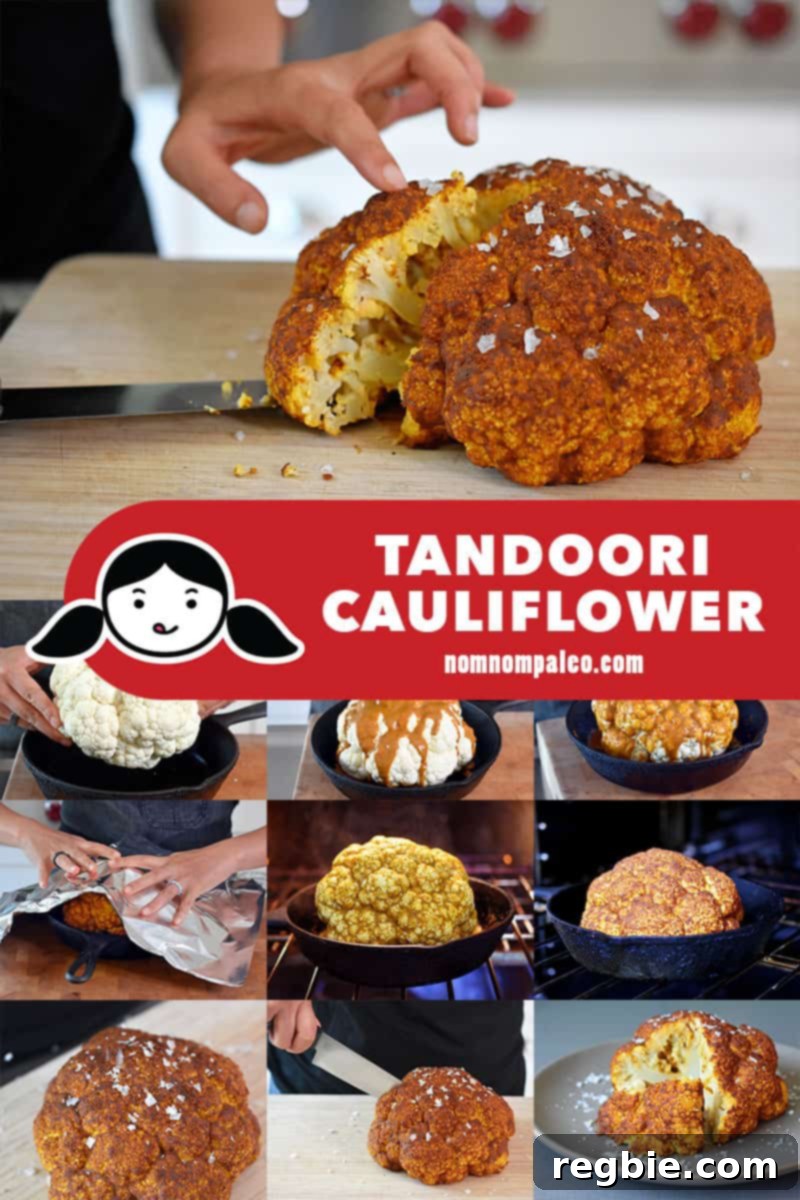
Step 1: Preheat and Prepare the Oven. Begin by preheating your oven to 375°F (190°C) and position an oven rack in the middle. This ensures even heat distribution for consistent roasting.
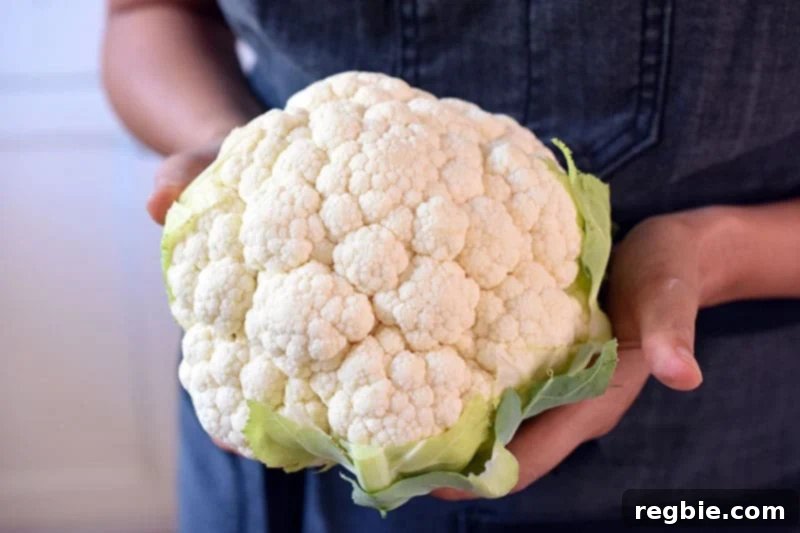
Step 2: Prepare the Cauliflower. Take your beautiful head of cauliflower. Carefully trim away all the green leaves at the bottom, exposing the base. Next, using a sharp knife, meticulously cut out and remove the tough core and stem. The key here is to be gentle and precise, ensuring the cauliflower head remains completely intact. This creates a cavity that helps the marinade penetrate deeply and allows for more even cooking.
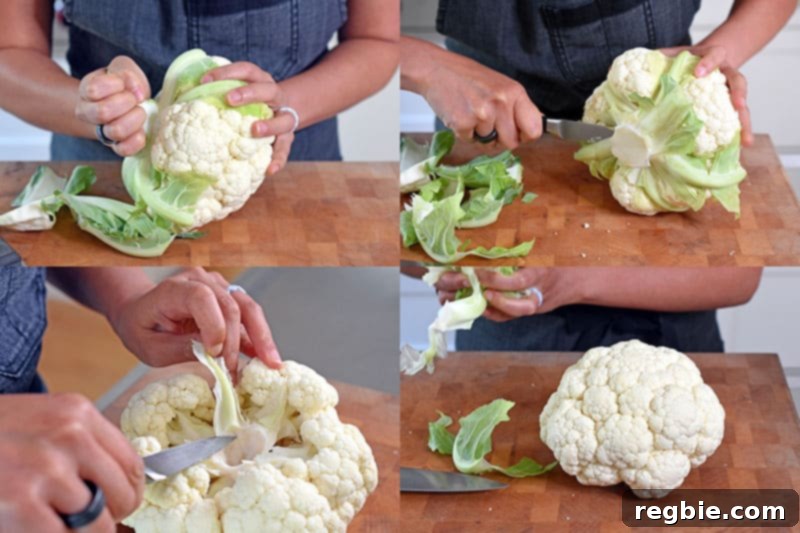
Step 3: Whisk the Tandoori Marinade. In a spacious bowl, combine the full-fat coconut milk (or plain coconut yogurt), tandoori spice mix, freshly squeezed lemon juice, and ½ teaspoon of Diamond Crystal kosher salt. Whisk vigorously until all ingredients are thoroughly combined and the mixture is smooth and fragrant. This vibrant marinade is the soul of our dish.

Step 4: Marinate the Bottom of the Cauliflower. Place the prepared cauliflower head, stem-side up (bottom side up), into the roasting dish or pan you intend to use. Pour a generous amount of the tandoori marinade over the exposed bottom. Using a pastry brush, evenly spread the marinade, ensuring every crevice and surface of the bottom half is coated. This initial application helps flavor penetrate deep into the core.
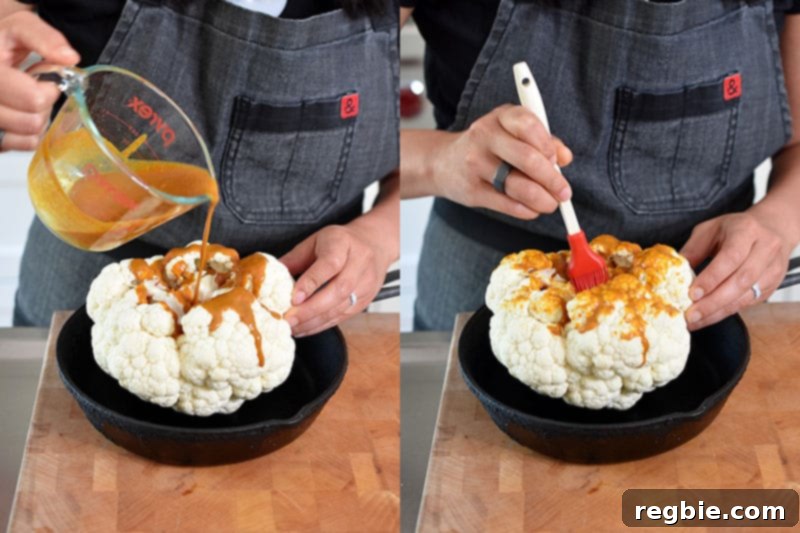
Step 5: Marinate the Top of the Cauliflower. Now, carefully flip the cauliflower over so the florets are facing upwards. Pour the remaining tandoori marinade generously over the top of the cauliflower. Continue to use your pastry brush to spread the marinade across all the florets and around the sides, ensuring the entire head is completely and evenly covered in the vibrant, aromatic mixture.
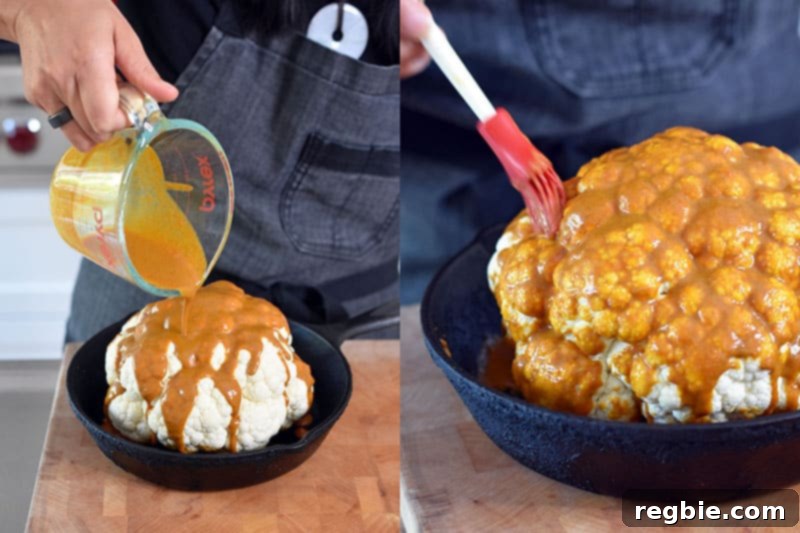
Step 6: Cover for Initial Roasting. Tightly cover the roasting pan with aluminum foil. For an extra layer of protection and to prevent any potential reaction between the foil and food, you can place a layer of parchment paper directly over the cauliflower before sealing with foil. This covered cooking phase creates a steamy environment, helping the cauliflower become incredibly tender.
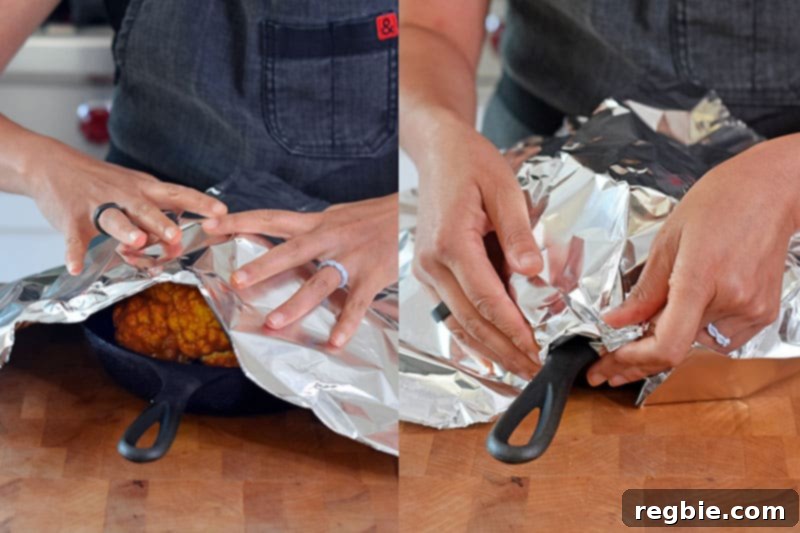
Step 7: First Roasting Phase. Place the covered skillet or roasting pan on the middle rack in your preheated oven. Cook for 30 minutes. During this time, the cauliflower will begin to soften and absorb the rich flavors of the tandoori marinade.
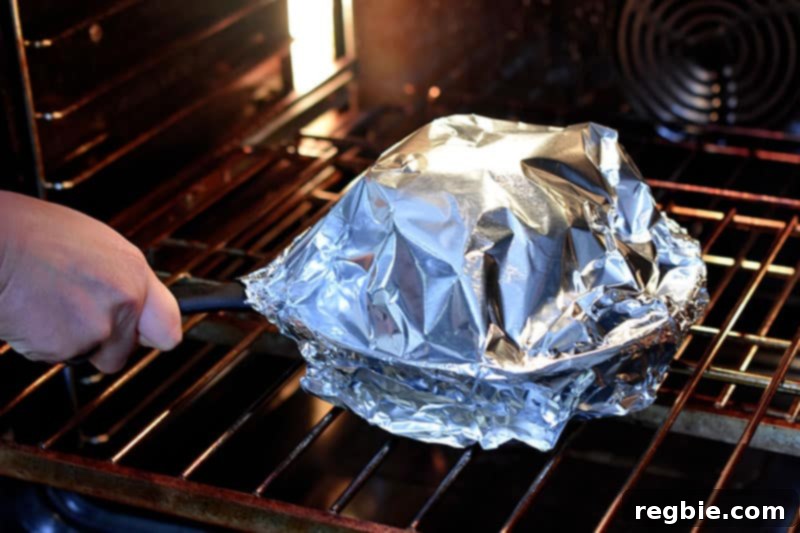
Step 8: Uncover and Finish Roasting. After 30 minutes, carefully remove the foil from the skillet. Use a spoon or brush to baste the top of the cauliflower with the flavorful sauce that has accumulated in the pan. Return the uncovered cauliflower to the oven and continue to roast for an additional hour. This extended roasting time allows the exterior to develop a beautiful golden-brown color and slightly crispy texture, while the interior becomes exquisitely tender. The basting ensures the cauliflower stays moist and infused with flavor throughout this final phase.
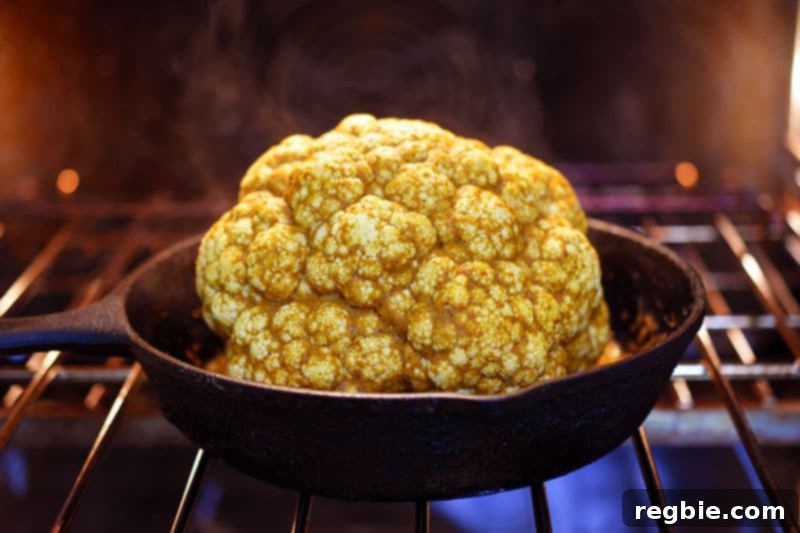
Step 9: Check for Doneness. The cauliflower is ready when it is gloriously golden brown on the outside and fork-tender throughout. You should be able to easily pierce the thickest part of the stem with a knife or fork. Once it reaches this perfect state, carefully remove it from the oven.
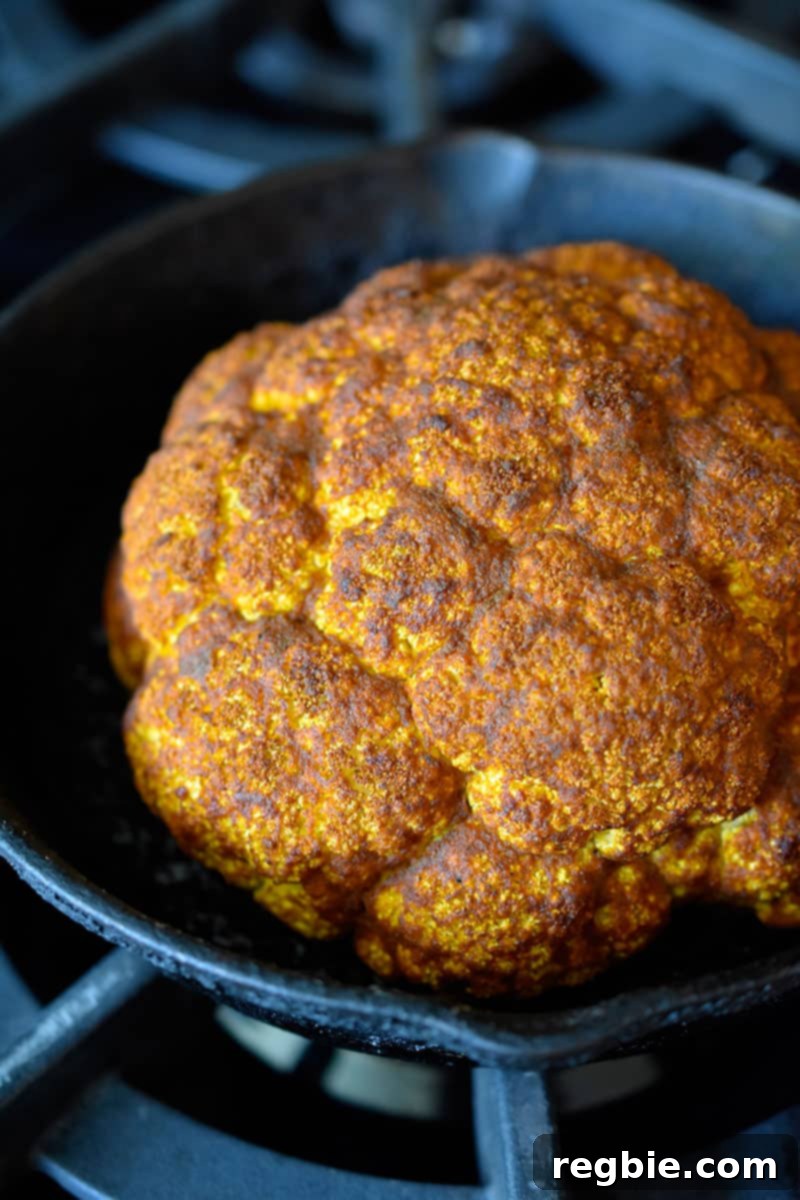
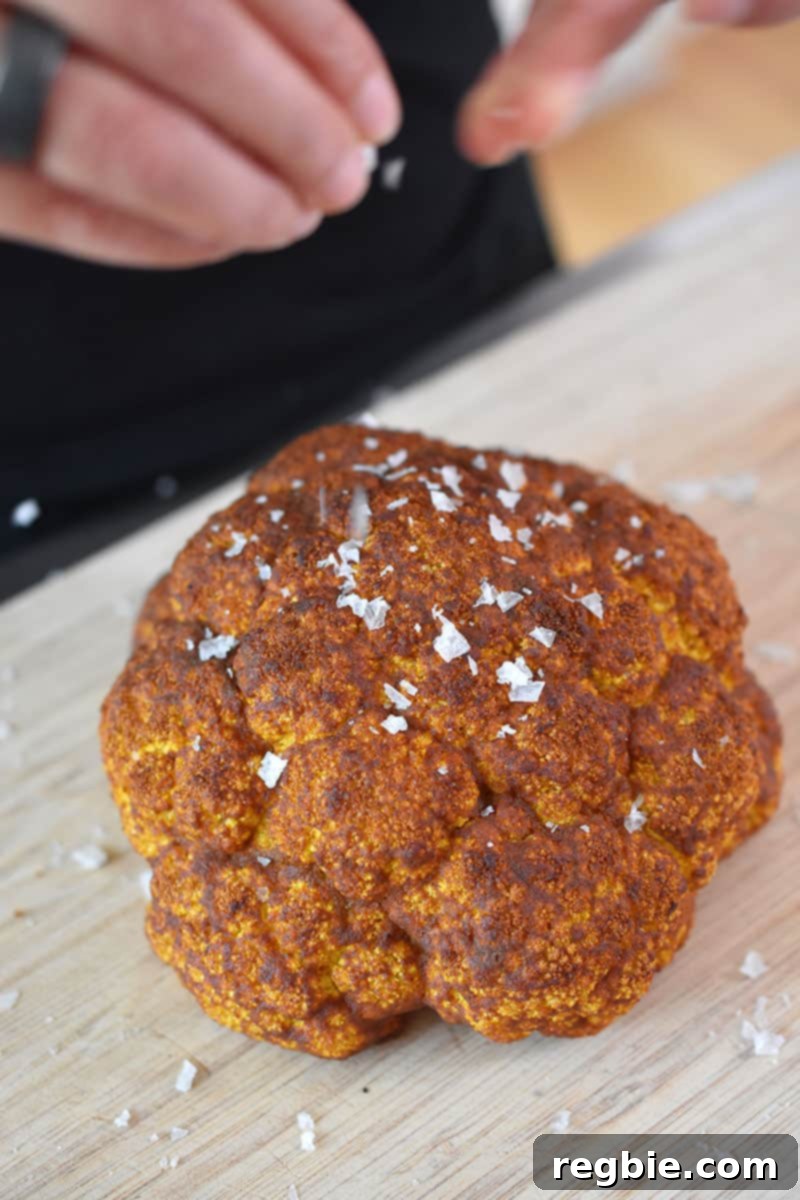
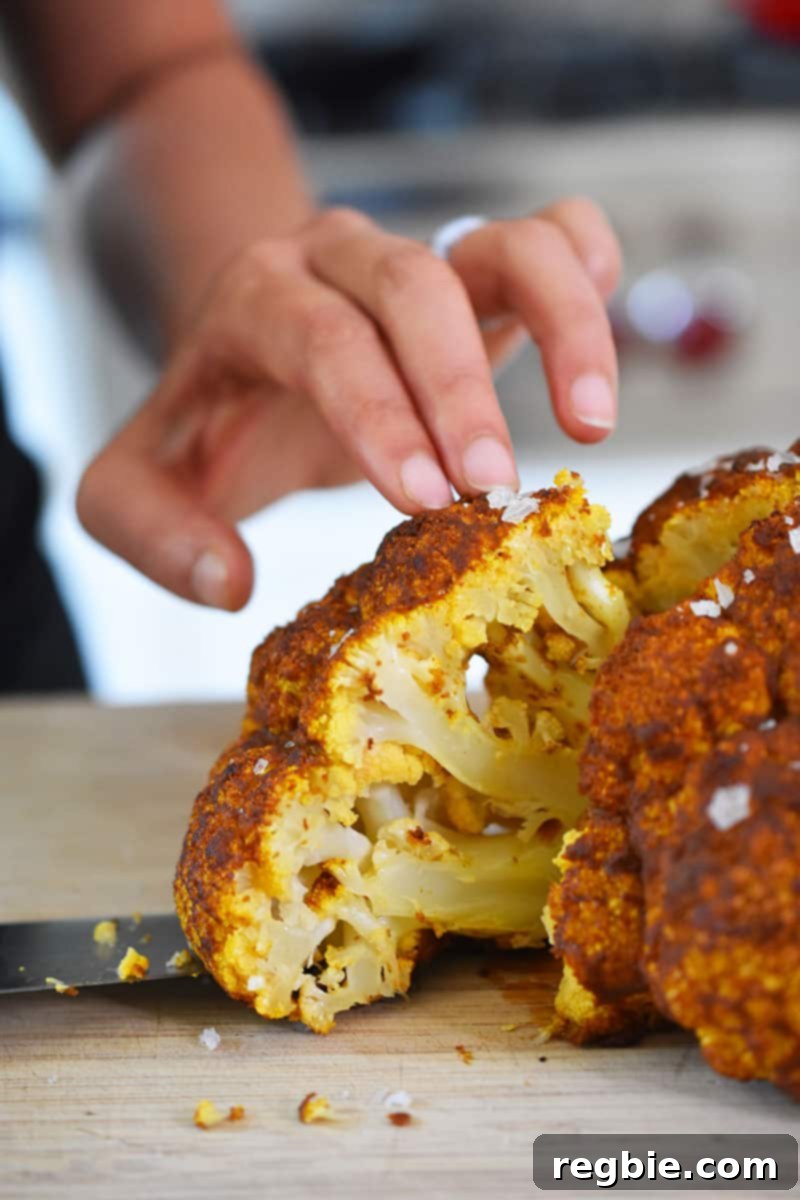
Step 10: Garnish and Serve. Gently transfer the magnificent roasted cauliflower head to a cutting board or a serving platter. For an extra burst of texture and an added layer of flavor, sprinkle generously with your favorite flake finishing salt. This not only adds a pleasant crunch but also enhances the overall salinity, making every bite irresistible.
Step 11: Carve and Enjoy! With a sharp knife, carve the whole roasted cauliflower into wedges, much like you would a cake. Serve immediately and watch as your guests marvel at this vibrant, flavorful, and incredibly satisfying vegetable dish.
Creative Ways to Utilize Leftover Tandoori Marinade
Don’t let any of that delicious tandoori marinade go to waste! Its robust flavors are perfect for transforming other ingredients into quick and easy meals. Here are some fantastic ideas to make the most of your extra marinade:
- Super Easy Tandoori Chicken: Marinate chicken thighs or drumsticks for at least 30 minutes (or up to 4 hours for deeper flavor) and then bake or grill until cooked through. The marinade works wonders on poultry, creating tender, flavorful results.
- Tandoori Fish: Delicate white fish fillets like cod, halibut, or tilapia absorb the tandoori flavors beautifully. Marinate for a shorter period, about 15-20 minutes, then bake, pan-fry, or grill until flaky.
- Tandoori Shrimp: Shrimp cooks quickly and becomes incredibly succulent with a tandoori marinade. Marinate for just 10-15 minutes, then sauté, grill, or broil until pink and cooked through. It’s a fantastic appetizer or quick weeknight meal.
- Sheet Pan Tandoori Chicken: For a complete meal, combine marinated chicken pieces with a medley of vegetables (like bell peppers, onions, and zucchini) on a single baking sheet and roast. It’s a convenient way to create a flavorful and healthy dinner with minimal cleanup.
These simple recipes demonstrate the versatility of tandoori marinade, allowing you to infuse that distinctive Indian-inspired taste into a variety of proteins and vegetables with minimal effort.
Accelerating Your Tandoori Cauliflower: Quick Weeknight Options
While roasting a whole cauliflower head is undeniably impressive and yields a fantastic texture, sometimes time is of the essence. You can significantly streamline this recipe for a quicker weeknight vegetable side dish without sacrificing flavor. Instead of roasting it whole, simply cut the cauliflower into bite-sized florets. Toss these florets thoroughly with the prepared tandoori marinade, ensuring each piece is well coated. Spread the marinated florets in a single layer on a rimmed baking sheet. Roast them in a hotter oven, around 400°F (200°C), for approximately 25-30 minutes. Remember to toss the florets every 10 minutes to ensure even cooking and browning. They’re ready when they are beautifully browned and tender-crisp.
This method not only reduces cooking time but also creates more surface area for that delicious char. The same rapid roasting technique also works wonderfully with other sturdy vegetables. For instance, broccoli florets respond exceptionally well to this tandoori treatment, offering a slightly different but equally delightful texture and flavor profile. Experiment with other cruciferous vegetables like Brussels sprouts for a varied and exciting side dish.
Perfect Pairings: What to Serve with Tandoori Whole Roasted Cauliflower
Tandoori Whole Roasted Cauliflower is remarkably versatile and can be the star of your meal or a vibrant accompaniment. For your vegetarian and vegan friends, it stands beautifully as a satisfying main course, offering hearty texture and robust flavor. Alternatively, it serves as an excellent side dish to complement a wide array of grilled meats or seafood, adding an exotic and flavorful touch to any plate.
If you’re aiming to create a complete Indian-themed dinner experience, this cauliflower dish pairs exquisitely with a variety of traditional and modern Indian recipes:
- Saag Gosht (Lamb Stew with Spinach Sauce): The earthy, creamy spinach sauce and tender lamb in Saag Gosht provide a wonderful contrast to the spiced cauliflower.
- Deconstructed Samosa (Spiced Keema): Enjoy the savory, spiced ground meat of keema alongside the roasted cauliflower for a fulfilling meal that echoes classic Indian flavors.
- Rogan Josh (Kashmiri Curried Lamb Stew): The rich, aromatic flavors of Rogan Josh, a hearty lamb stew, would perfectly complement the warmth of the tandoori cauliflower.
- Lamb “Dosa” Purses with Coconut Creme: The delicate sweetness of coconut creme and the savory lamb in dosa purses would offer a harmonious balance with the spiced cauliflower.
- Instant Pot Curried Lamb Spare Ribs: For a truly indulgent meal, serve the tender, falling-off-the-bone curried lamb ribs with the roasted cauliflower, allowing the flavors to meld beautifully.
Don’t forget to garnish! A sprinkle of fresh cilantro, a squeeze of fresh lime juice, or even a dollop of extra plain coconut yogurt can add brightness and a refreshing finish to your Tandoori Whole Roasted Cauliflower, making it even more appealing.
Storage and Reheating Tips for Tandoori Whole Roasted Cauliflower
One of the great things about this Tandoori Whole Roasted Cauliflower is that it makes for excellent leftovers. Properly stored, it maintains its fantastic flavor, allowing you to enjoy it for days to come. Here’s how to store and reheat it for the best results:
Storage: Once the roasted cauliflower has cooled completely, transfer any leftovers to an airtight container. Store it in the refrigerator for up to 4 days. For longer storage, you can freeze the cooked cauliflower in a freezer-safe, airtight container or bag for up to 4 months. Be sure to label with the date for easy tracking.
Reheating:
- From the Refrigerator: Place the desired portion of cauliflower in an oven-safe dish. If reheating a larger piece, consider slicing it into wedges or florets for faster, more even warming. Cover the dish tightly with aluminum foil to retain moisture. Reheat in a preheated oven at 325°F (160°C) for about 15-20 minutes, or until warmed through. For a crisper exterior, remove the foil for the last 5 minutes of reheating.
- From the Freezer: If reheating from frozen, it’s best to thaw the cauliflower in the refrigerator overnight. Once thawed, follow the reheating instructions for refrigerated leftovers. If reheating directly from frozen, it will take longer (approximately 30-40 minutes) at a slightly lower temperature (around 300°F or 150°C), still covered, to ensure it heats through without drying out.
- Broiling for Crispness: For that delightful slightly charred exterior, especially if the cauliflower seems a bit soft after reheating, you can briefly broil it. After warming through (either covered or uncovered), remove the cover and place the dish under the broiler for 2-3 minutes, watching carefully to prevent burning. This will crisp up the florets and bring back some of that freshly roasted appeal.
With these tips, your leftover tandoori cauliflower will be almost as delicious as when it first came out of the oven, making meal prep a breeze!
Eager for more inspiring recipe ideas? Be sure to explore my comprehensive Recipe Index. Discover exclusive culinary creations awaiting you in my acclaimed cookbooks: Nom Nom Paleo: Food for Humans (Andrews McMeel Publishing 2013), Ready or Not! (Andrews McMeel Publishing 2017), and the latest, Nom Nom Paleo: Let’s Go! (Andrews McMeel Publishing 2022).
Tandoori Whole Roasted Cauliflower
Average Rating: 4.34 out of 5 stars (from 9 votes)
Prep Time: 15 mins
Cook Time: 1 hr 30 mins
Total Time: 1 hr 45 mins
Servings: 4
Author: Michelle Tam

Print Recipe
This Indian-inspired, Whole30-friendly Whole Roasted Cauliflower is a showstopper vegetable dish that will delight your vegan and omnivore friends alike!
Ingredients
- 1 whole cauliflower head (about 2 pounds)
- ½ cup full-fat coconut milk or plain coconut yogurt
- 1 tablespoon tandoori spice mix (no salt added)
- 1 tablespoon freshly squeezed lemon juice
- ½ teaspoon Diamond Crystal kosher salt
- Flake finishing sea salt (optional, for garnish)
Instructions
- Heat the oven to 375°F (190°C) and place a rack in the middle position.
- Grab the cauliflower head and trim away the leaves at the bottom. Carefully cut off and remove the stem and tough core, but be careful to keep the head intact.
- In a large bowl, whisk together coconut milk, tandoori spice, lemon juice, and ½ teaspoon Diamond Crystal kosher salt until well combined.
- Place the cauliflower head bottom side up in your roasting dish or pan. Pour some of the tandoori marinade all over the bottom of the cauliflower and use a pastry brush to coat it evenly.
- Flip the cauliflower over. Pour the rest of the tandoori marinade over the top and paint the entire top and sides until it is completely covered.
- Cover the pan tightly with aluminum foil. (You can place a layer of parchment paper between the foil and cauliflower if preferred).
- Put the skillet on the middle rack in the oven. Cook for 30 minutes, covered.
- Remove the foil from the skillet. Baste the top of the cauliflower with the sauce in the pan. Continue to roast for an additional hour in the oven, uncovered. The cauliflower is done when it is golden brown on the outside and tender when pierced with a knife.
- Transfer the cauliflower head to a cutting board or platter and sprinkle generously with flake finishing salt for crunch and salinity.
Notes
Chilling the marinade slightly can make it easier to paint onto the cauliflower, allowing for a thicker, more even coating.
Nutrition
Calories: 102kcal | Carbohydrates: 11g | Protein: 4g | Fat: 7g | Fiber: 4g
Nutrition information is automatically calculated and should only be used as an approximation.
Like this? Leave a comment below!