
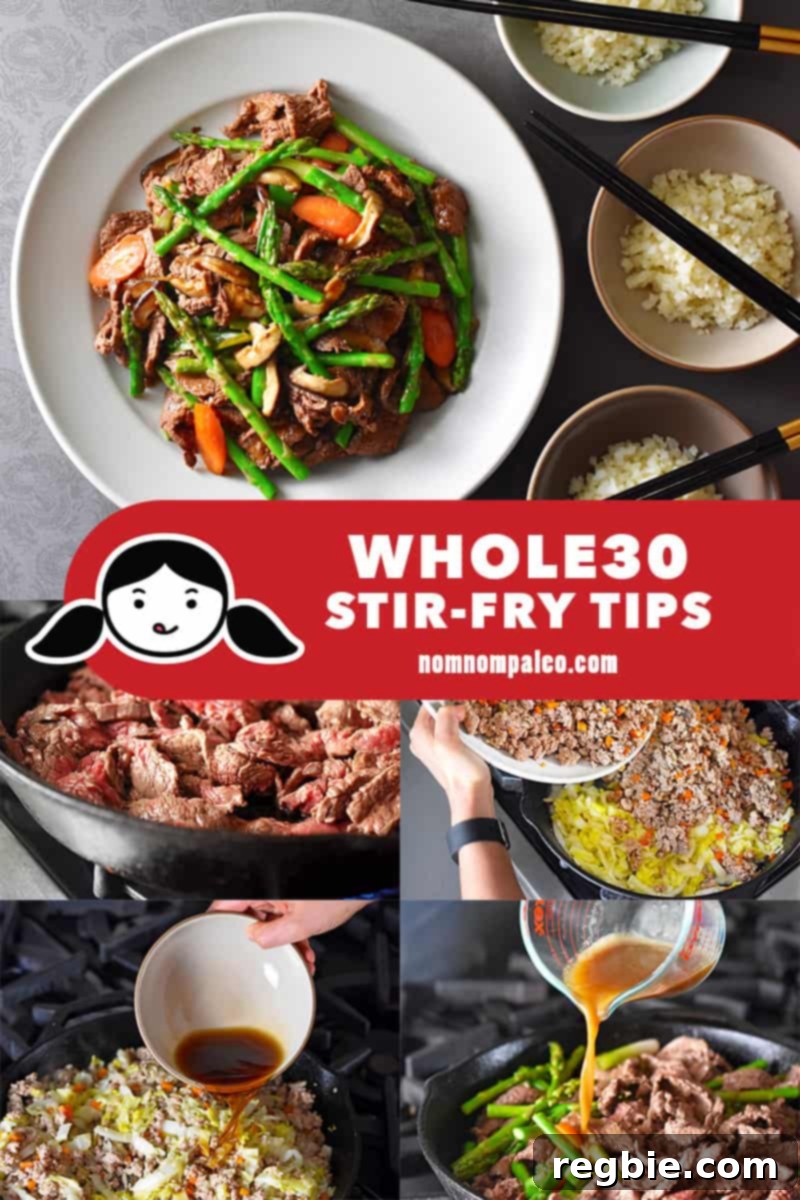

In the world of Whole30 and Paleo cooking, finding meals that are both incredibly flavorful and quick to prepare can sometimes feel like a culinary quest. Yet, one dish consistently stands out for its ease, versatility, and ability to transform fridge scraps into a vibrant, healthy masterpiece: the humble, yet mighty, stir-fry. For those who follow my culinary adventures on Instagram, it’s no secret that I live by this principle. A protein-packed, veggie-loaded stir-fry is my go-to weeknight meal, a testament to its efficiency and deliciousness.
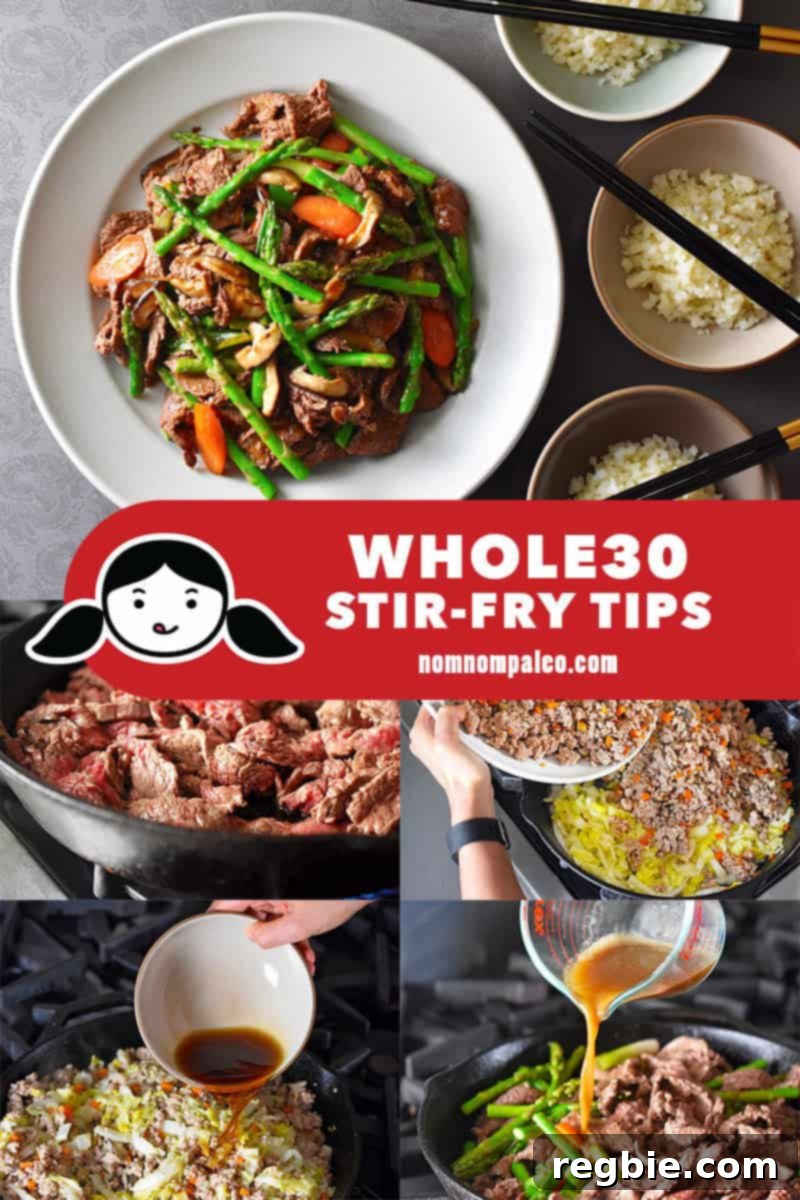
My love affair with stir-fries is deeply rooted in their inherent flexibility and speed. With a bottle of my signature All-Purpose Stir-Fry Sauce always at the ready, a wholesome dinner is never more than minutes away. This method isn’t just about speed; it’s also the most ingenious way to utilize those lingering odds and ends in your refrigerator, preventing food waste and encouraging creativity. The simple truth is, there’s absolutely no excuse not to whip up a fast, flavorful, and incredibly healthy stir-fry for dinner!
Over the years, many of you have reached out with countless questions about mastering the art of the perfect stir-fry. Whether you’re a seasoned chef or a kitchen novice, these foundational tips and answers to frequently asked questions will equip you with everything you need to create spectacular stir-fries every time.
Mastering the Wok (or Pan): Essential Stir-Fry Tips
1. The Golden Rule: Prep All Your Ingredients (Mise en Place)
My absolute number one tip for achieving a flawless stir-fry is to complete all your ingredient preparation before you even think about turning on the heat. This culinary philosophy, known as “mise en place,” translates to “everything in its place,” and it’s the secret weapon of efficient cooking. While the initial chopping, slicing, and measuring might seem a tad laborious, trust me, this small investment of time upfront will save you from frantic scrambling and potential cooking mishaps later. You’ll thank yourself (and me!) when your hot pan awaits, and every ingredient is perfectly prepped and within arm’s reach.
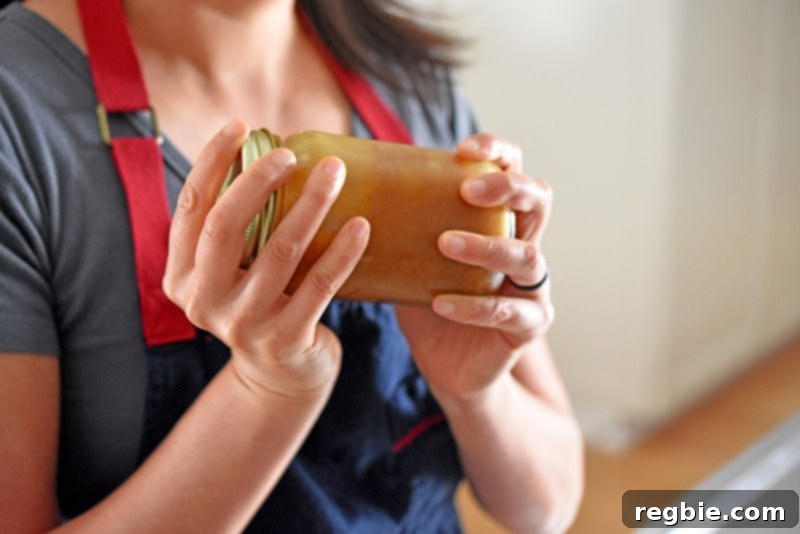
An indispensable component of my stir-fry arsenal, and something I always recommend having on hand, is a fresh batch of my All-Purpose Stir-Fry Sauce. This game-changer takes less than five minutes to whisk together in a mason jar and boasts incredible versatility. Beyond stir-fries, this savory and balanced sauce can be used in a myriad of dishes, from marinades to glazes, elevating any meal with minimal effort.
2. Uniformity is Key: Why Size Matters in Stir-Frying
To ensure even cooking and perfect texture, make sure you chop ingredients that will be cooked together into roughly the same shape and size. This consistency is crucial for achieving synchronous doneness. Remember, the smaller the cut, the faster an ingredient will cook. For instance, I prefer to thinly slice harder vegetables like carrots or bell peppers, allowing them to soften quickly, while keeping leafy greens like spinach or bok choy in larger pieces so they retain some texture and don’t overcook into a mush. The fundamental goal of stir-frying is to rapidly cook bite-sized pieces of protein and vegetables in a scorching hot pan, coated in a flavorful sauce. If all your ingredients are prepared and ready when your pan reaches its optimal temperature, the entire process will be incredibly swift and satisfying.
3. Go Big: The Importance of a Large Pan or Wok
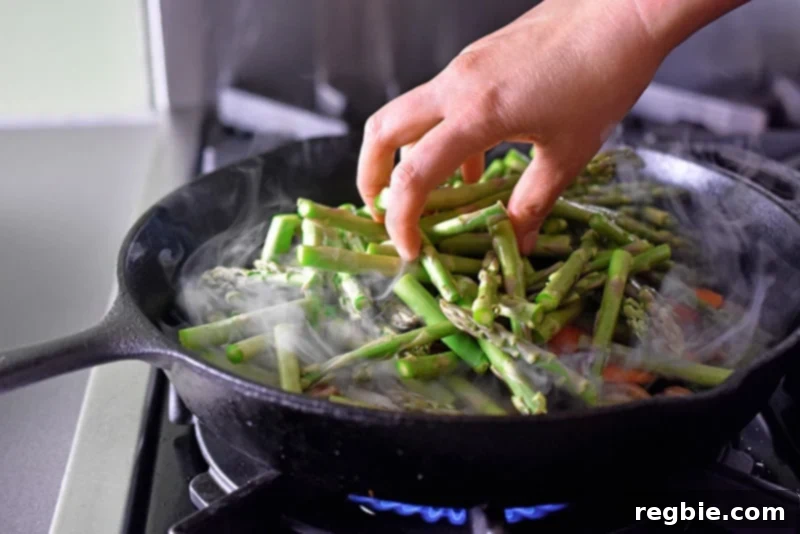
When selecting your cooking vessel, always opt for a pan that is larger than you think you’ll need. This is a critical factor in achieving that coveted “stir-fried” texture rather than a “steamed” one. If your pan is too small, ingredients will crowd together, drastically lowering the pan’s temperature and causing them to steam in their own juices instead of searing. This results in soft, watery vegetables and less flavorful protein. A spacious pan allows for optimal heat distribution and provides ample surface area for ingredients to cook quickly and develop those delicious caramelized edges. Furthermore, a larger pan naturally means you can incorporate more delicious components into your stir-fry! If you don’t possess an adequately sized pan, you can achieve similar results by cooking your ingredients in smaller batches, ensuring each batch gets enough space to properly sear.
4. Wok Not Necessary: Practical Pan Alternatives
A common question I receive is whether a wok is absolutely essential for making delicious stir-fries. While a wok is indeed designed for this purpose, with its unique shape promoting even heat distribution and easy tossing, it’s certainly not a prerequisite. I regularly achieve fantastic results using a large cast-iron skillet or a 12-inch stainless steel frying pan. These alternatives offer sufficient surface area and heat retention to deliver an excellent stir-fry. However, if you do own a wok, absolutely put it to good use—it truly is the ideal tool for the job!
5. Choosing Your Cooking Fat: High Heat, Neutral Flavor
When crafting stir-fries in my kitchen, my preferred cooking fats are typically avocado oil or ghee. Both are excellent choices due to their high smoke points, which means they can withstand the intense heat required for stir-frying without breaking down and imparting a bitter flavor. They also have a relatively neutral taste, allowing the other ingredients to shine. If I happen to have specialty fats like lard, duck fat, or schmaltz on hand, I occasionally use those for an added layer of rich flavor. Regardless of the fat chosen, a crucial step is to always preheat your pan until it’s screaming hot *before* adding the fat. This ensures the fat heats quickly and evenly, creating the perfect searing surface, rather than slowly heating and potentially degrading before your ingredients even hit the pan.
6. What Goes In: The Anatomy of a Perfect Stir-Fry
While stir-fries offer endless customization, I generally follow a successful formula. I begin with a foundation of aromatics such as diced onions or shallots, minced fresh ginger, and plenty of minced garlic. These build the initial flavor layers. Next, I introduce the protein of choice—this could be thinly sliced flank or flap steak, tender chicken thighs, succulent shrimp, or versatile ground meat. Following the protein, I add crunchy vegetables like vibrant carrots, crisp bell peppers, or tender green beans, which require slightly longer cooking times. Simultaneously, or shortly after, come the leafy greens, such as baby bok choy, komatsuna, thinly sliced napa cabbage, baby kale, or spinach, which wilt quickly. Finally, I add my essential flavor boosters, most notably the All-Purpose Stir-Fry Sauce. To finish, if fresh scallions or cilantro are available, I mince them and sprinkle generously over the stir-fry just before serving for a burst of freshness and color.
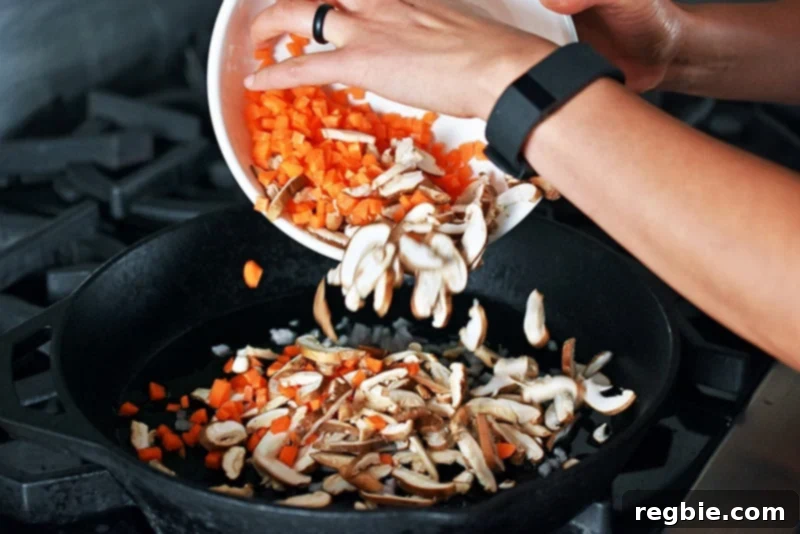
There are truly no strict rules for stir-fry ingredients; it’s a dish designed for improvisation. If I have earthy mushrooms in the fridge, I’ll slice them and sauté them right alongside the aromatics to develop their umami depth. For vegetables that take longer to cook, like carrots or onions, I toss them into the hot pan early, ensuring they soften to perfection by the time the quicker-cooking ingredients are added. Leafy greens, on the other hand, are always introduced towards the very end of the cooking process. Their delicate nature means they cook almost instantly and can wilt excessively if exposed to high heat for too long.
7. The Art of the Stir-Fry: How to Cook It Right
If you’re new to the world of stir-frying, the best way to get started is by following a detailed, step-by-step recipe. This will provide a clear understanding of the optimal order in which to add ingredients and manage cooking times. While there are guidelines, remember there’s no single “right” way to cook a stir-fry; it’s a highly adaptable technique. Practice truly makes perfect, and the more you experiment, the more intuitive the process becomes. The ultimate validation? If your family enjoys your stir-fries, you’re absolutely doing it right!
Here are some fantastic Whole30 and Paleo-friendly stir-fry recipes to inspire your culinary journey:
- Potsticker Stir-Fry: This Whole30-friendly dish ingeniously captures the very best part of a traditional dumpling – the intensely umami-rich filling of pork, tender cabbage, and earthy mushrooms – transformed into a vibrant and satisfying stir-fry.
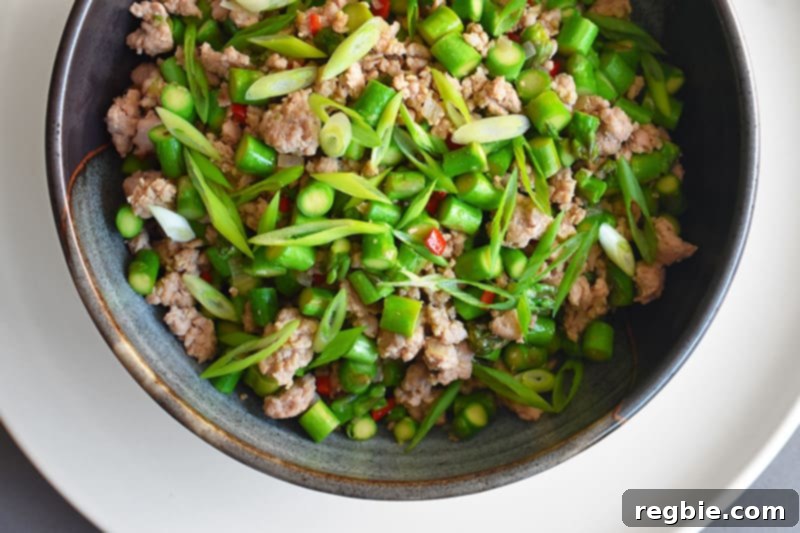
- Spicy Pork & Asparagus Stir-Fry: This delightful one-pan supper is the epitome of simplicity, flavor, and affordability, making it an ideal choice for busy weeknights. Consider all your excuses for not cooking dinner tonight officially busted!
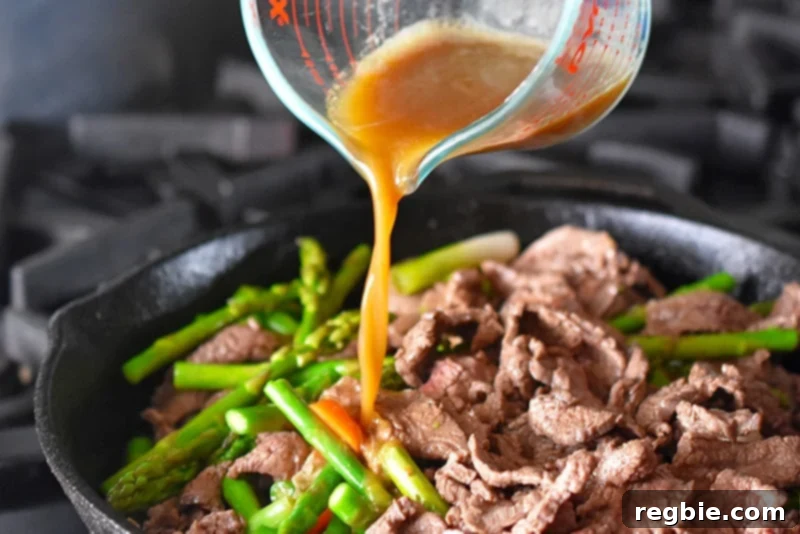
- Asparagus Beef (find this recipe on page 230 in my Ready or Not!cookbook): This incredibly tasty stir-fry harnesses the power of my versatile All-Purpose Stir-Fry Sauce, transforming it into a rich, umami-packed beef and asparagus meal that’s both satisfying and Whole30 compliant.
8. Achieving a Thicker Sauce (If You Prefer)
Personally, I tend to prefer my stir-fry sauces on the thinner side, allowing the natural flavors of the ingredients to truly shine without being overshadowed by a heavy, starchy gravy. In my opinion, excessive thickness often adds unnecessary starch without significantly enhancing the dish’s profile. Therefore, I typically don’t thicken my stir-fries.
However, if you’re a fan of a richer, more viscous sauce, an arrowroot powder slurry is your best friend. For a perfect consistency, whisk together ½ cup of my All-Purpose Stir-Fry Sauce with 1 teaspoon of arrowroot powder until completely smooth. Integrate this slurry into your stir-fry during the final seasoning stage. As the mixture gently simmers, you’ll notice the sauce gradually thicken to your desired consistency, creating a luscious coating for all your ingredients without compromising the Whole30 or Paleo integrity of the dish.
9. What to Serve with Your Perfect Stir-Fry
When it comes to accompaniments for a delicious stir-fry, simplicity is often the most satisfying path. My absolute favorite and easiest side dish is freshly heated cauliflower rice. Its neutral flavor and fluffy texture make it an ideal canvas for soaking up all the incredible stir-fry sauce. For those who prefer to keep things even simpler, or who are looking for a truly low-carb option, a stir-fry can be a complete meal in itself. Just load it up with an abundance of your favorite vegetables, and you’ll have a wonderfully satisfying and wholesome dinner!
Feeling inspired to create your own amazing stir-fry? Wonderful! Head to your kitchen, open your fridge, and discover those delicious ingredients just waiting to be transformed. Get chopping, get cooking, and enjoy the journey of creating a quick, healthy, and incredibly flavorful meal!
For more inspiration from my past Whole30 journeys, including creative meal ideas and recipes, be sure to check out my Day 27 post from 2018:
- 2018 Whole30 Day 27: Sheet Pan Pork Chop Supper
A special note to my cherished Nomsters: This post is part of a series of daily blog entries I published in January 2019. My aim was to provide guidance and delicious inspiration for everyone undertaking a Whole30 to kick off the New Year with vitality. If you’re new to the Whole30 program or need detailed information on how to get started, please refer to my comprehensive Whole30 prep post. Then, make it a habit to return to Nom Nom Paleo every single day for fresh recipes and ideas that will inspire, delight, and sustain you throughout your Whole30 journey and beyond!
Searching for even more fantastic recipe ideas? Make your way over to my extensive Recipe Index, where you’ll find a treasure trove of culinary delights. Additionally, you’ll discover exclusive recipes available on my award-winning iPhone and iPad app, and within the pages of my bestselling cookbooks: Nom Nom Paleo: Food for Humans (Andrews McMeel Publishing 2013) and Ready or Not! (Andrews McMeel Publishing 2017)! Happy cooking!