
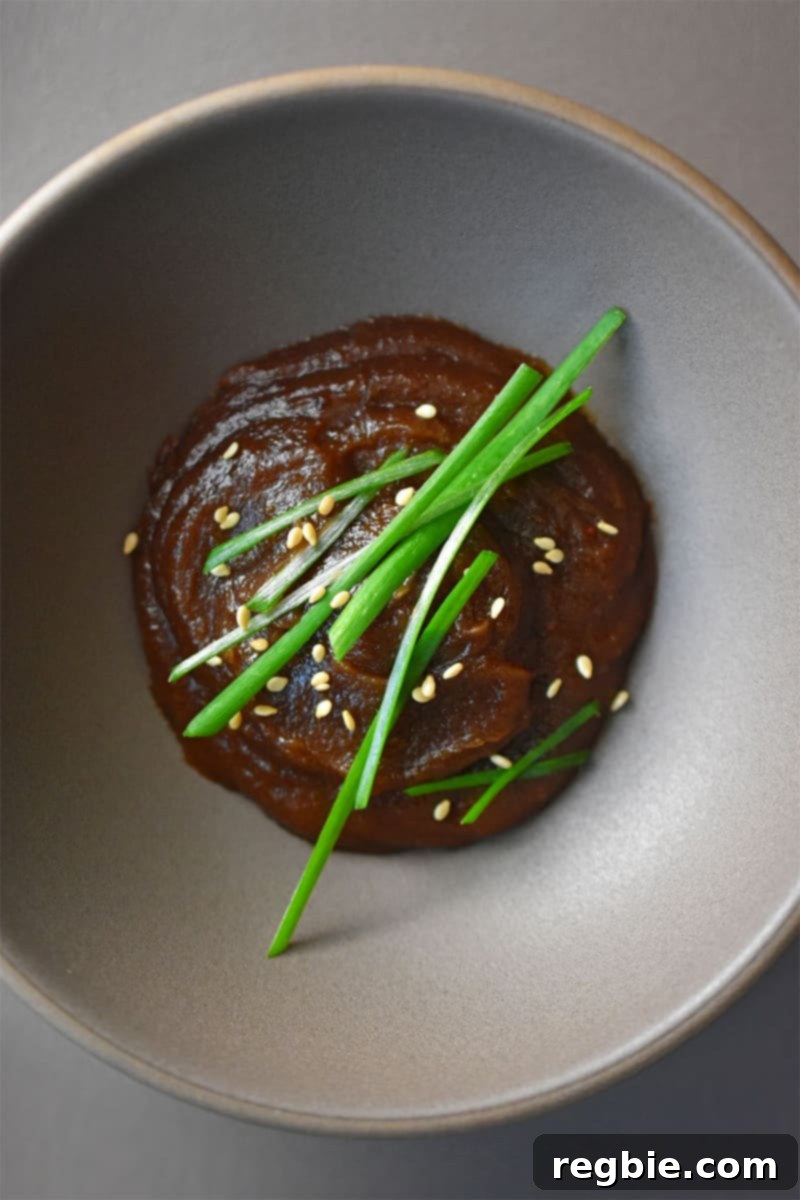
Unlock the vibrant flavors of Asian cuisine right in your own kitchen with this incredible homemade gluten-free hoisin sauce substitute. In just 15 minutes, you can create a truly authentic, lip-smacking sauce that’s not only bursting with complex flavors but also perfectly suited for various dietary needs – it’s vegan and Whole30-friendly, too! Say goodbye to store-bought versions filled with questionable ingredients and embrace the delicious simplicity of homemade.
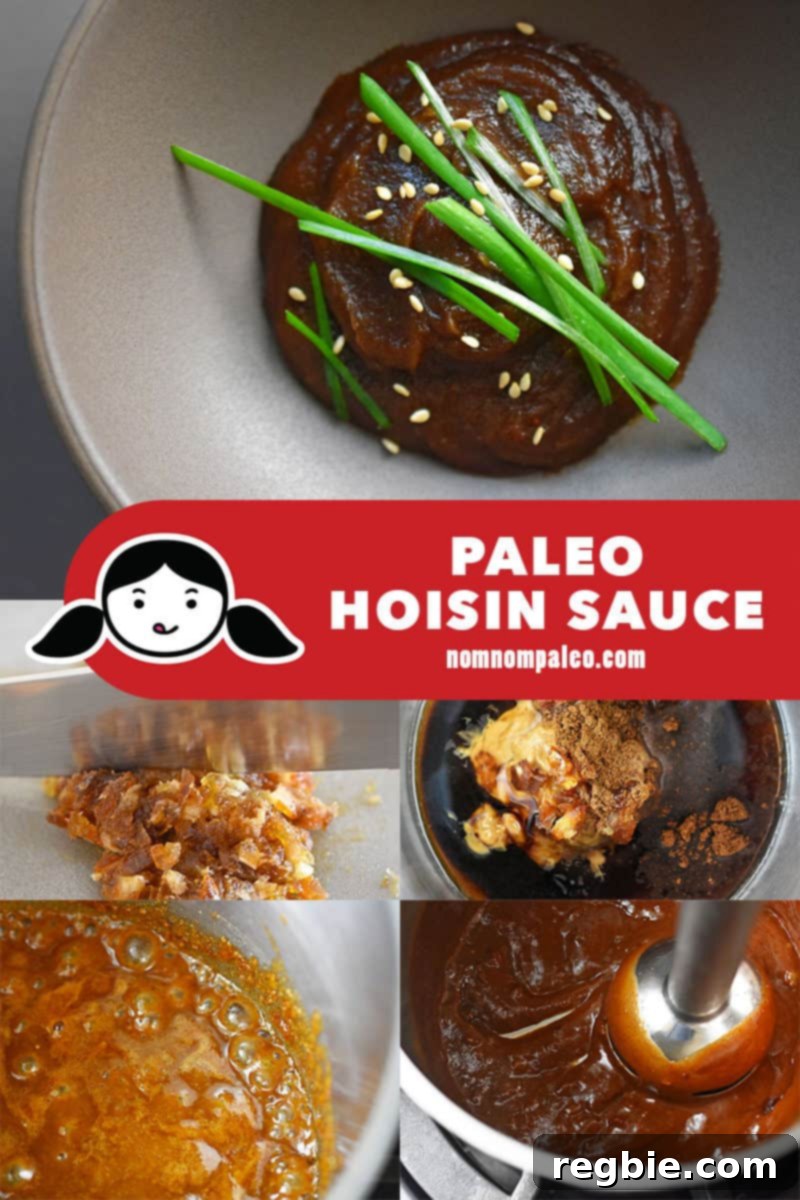
What is Hoisin Sauce? Unraveling the Enigma of Asian Barbecue
Hoisin sauce, often dubbed “Chinese barbecue sauce,” is a thick, fragrant, and richly flavorful condiment with roots stretching back centuries in Cantonese cuisine. Its name, “hoisin,” literally translates to “seafood” in Cantonese, a curious fact considering the sauce traditionally contains no seafood whatsoever and isn’t typically served with it. This linguistic quirk adds to the sauce’s mystique, often leading to misunderstandings, particularly in Western kitchens where it’s sometimes mistaken for plum or raisin sauce, despite containing neither of these fruits.
The true magic of hoisin lies in its intricate flavor profile: a captivating balance of sweet, savory, tangy, and a hint of spice, all wrapped in a deep umami essence. It’s an indispensable ingredient in many classic Asian dishes, serving as a glaze for roasted meats, a dipping sauce for spring rolls, and a flavor enhancer for noodles and stir-fries. However, the exact composition can vary wildly, with a dizzying array of regional and commercial varieties, each offering a slightly different blend of fermented soybeans, garlic, vinegar, sugar, and chili. This variability, coupled with common allergens and additives, is precisely why a homemade, health-conscious alternative is so valuable.
The Quest for a Healthy Hoisin: A Gluten-Free and Paleo Revelation
My journey to create the perfect homemade hoisin sauce began out of a desire for a healthier, cleaner alternative to store-bought versions. Many commercial hoisin sauces, and even some homemade recipes, rely on ingredients like soy sauce, oyster sauce, peanut butter, miso paste, or copious amounts of refined sugar. While delicious, these components are problematic for those following gluten-free, paleo, or Whole30 eating plans, and can also be an issue for individuals with nut allergies. Recognizing this gap, I was determined to develop a recipe that delivered all the authentic complexity and flavor of classic hoisin without any of the soy, wheat, sugar, or preservatives.
After weeks of dedicated experimentation and tinkering in the kitchen, I finally perfected this fantastic Whole30-compliant version. By carefully selecting Paleo-friendly ingredients, I was able to replicate the rich, distinctive taste and sticky texture that makes hoisin so beloved. This recipe isn’t just an alternative; it’s a superior choice for anyone prioritizing clean eating. It’s completely nut-free and vegan, making it accessible to an even wider audience. You no longer have to sacrifice flavor or compromise your dietary goals to enjoy your favorite Asian-inspired meals.
Unleashing the Versatility: Creative Ways to Enjoy Your Homemade Hoisin
Once you’ve experienced the rich, savory-sweet goodness of this homemade hoisin sauce, the culinary possibilities become truly endless. Its remarkable versatility makes it a must-have in any health-conscious kitchen. Traditionally, hoisin is renowned as a dipping sauce, perfect for succulent roasted meats like Peking duck or for freshly fried spring rolls and dumplings. It also makes an incredible spread, elevating the flavor of buns or wraps filled with savory Moo Shu Pork or other Asian-inspired fillings.
Beyond its role as a condiment, hoisin sauce truly shines as a marinade. Its sticky texture and robust flavor impart an irresistible glaze to grilled chicken, pork, or even tofu and vegetables. Imagine skewers glistening with a hoisin marinade, caramelized to perfection on the barbecue! For noodle lovers, a generous drizzle of hoisin can transform a simple bowl into an explosion of taste. In many Vietnamese restaurants, hoisin is a staple on the table, used to personalize steaming bowls of phở, adding depth and sweetness to the broth. While not traditional for everyone, many home cooks also love to incorporate it into their weekday stir-fries, making it an easy way to inject complex Asian flavors into quick meals. Don’t limit yourself to these suggestions; try stirring a tablespoon into a homemade salad dressing, using it as a glaze for roasted carrots, or even experimenting with it as a secret ingredient in other savory dishes that need a touch of umami and sweetness.
Ingredient Deep Dive: The Building Blocks of Flavor
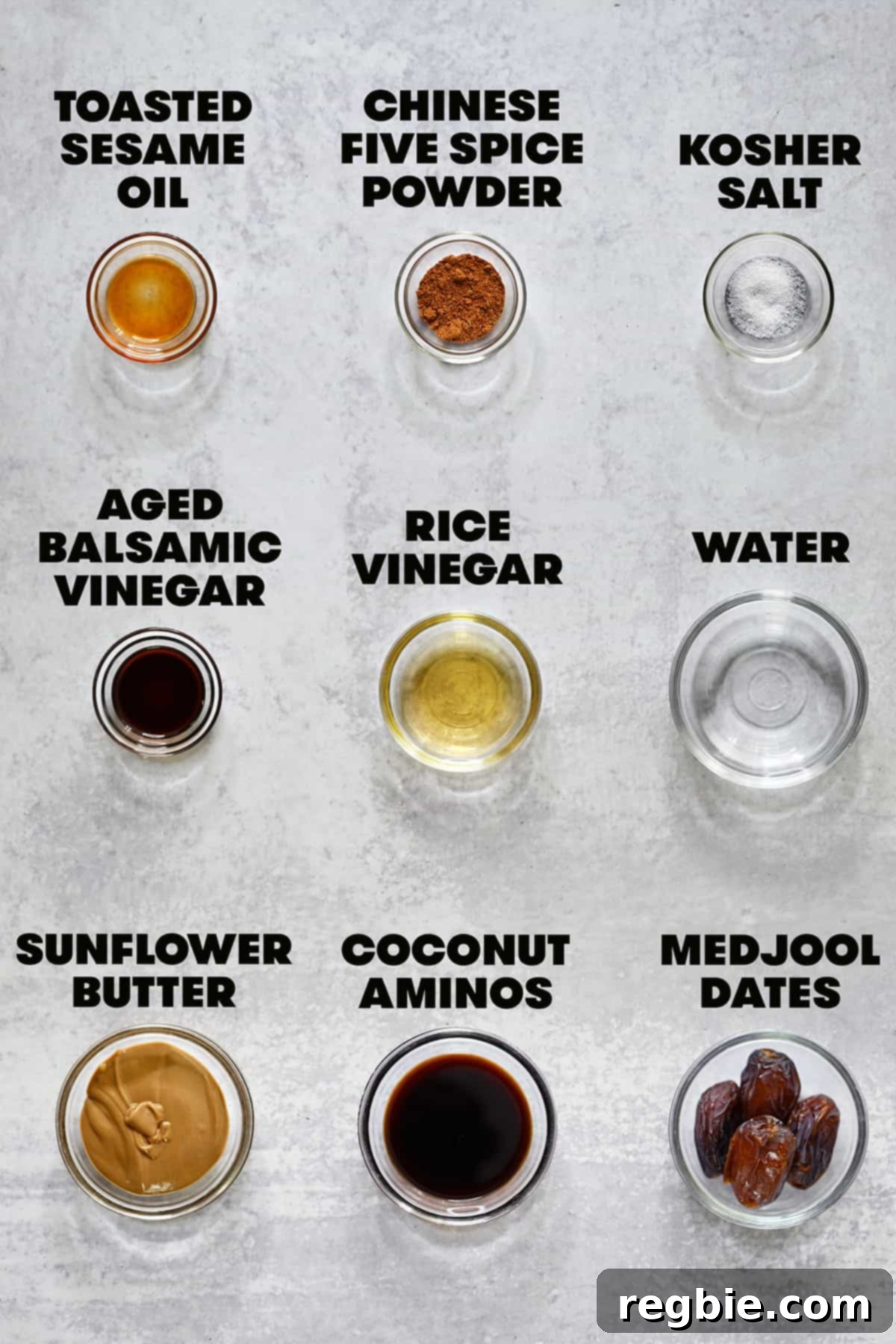
Crafting a truly exceptional hoisin sauce means selecting each ingredient for its specific contribution to the overall flavor and texture. Here’s a closer look at what makes this recipe shine:
- Medjool Dates, pitted: These luscious dates are the star natural sweetener, replacing refined white sugar, brown sugar, honey, or molasses. Beyond their rich, caramel-like sweetness, Medjool dates also contribute to the sauce’s natural thickness, providing that desirable sticky consistency. If Medjool dates aren’t available, dried plums (prunes) can be an excellent substitute, offering a similar sweetness and body.
- Sunflower Butter: To achieve a subtle, nutty depth without relying on actual nuts (making this recipe nut-free!), unsweetened sunflower seed butter is the ideal choice. It offers a creamy texture and a mild, earthy flavor that beautifully complements the other ingredients. For those who prefer alternatives, tahini can be used to maintain the nut-free status, or if allergies aren’t a concern, almond butter also works well.
- Coconut Aminos: This fantastic ingredient stands in for traditional soy sauce, providing a natural sweetness and a crucial umami punch – that indescribable savory depth that makes Asian sauces so addictive. Coconut aminos are naturally lower in sodium than soy sauce, contributing to a healthier profile. If you absolutely can’t find coconut aminos, tamari or gluten-free soy sauce can be used, but be mindful that they are saltier, so you may need to reduce the amount slightly and potentially add a little more dates to balance the flavor.
- Rice Vinegar: Essential for balancing the sweetness and richness, rice vinegar introduces a bright, tangy acidity that prevents the sauce from becoming cloying. It adds a crisp, clean finish to the overall flavor. Apple cider vinegar or white vinegar are acceptable alternatives if rice vinegar is not on hand, though they may slightly alter the subtle nuances.
- Aged Balsamic Vinegar: Don’t skimp on quality here! A good aged balsamic vinegar is key. Unlike younger balsamic vinegars, aged varieties are naturally sweeter and have a more mellow, complex flavor profile, adding depth and a sophisticated sweetness without any harshness. I highly recommend this aged balsamic vinegar for its exceptional quality.
- Chinese Five-Spice Powder: This fragrant spice blend is the heart and soul of hoisin sauce, delivering the signature aromatic notes that people associate with this classic condiment. It’s a non-negotiable ingredient that combines star anise, cloves, Chinese cinnamon, Sichuan peppercorns, and fennel seeds to create a truly distinctive and authentic flavor.
- Toasted Sesame Oil: Just a touch of toasted sesame oil adds a wonderfully fragrant, nutty aroma and flavor, contributing to the overall complexity and authenticity of the sauce.
- Diamond Crystal Kosher Salt: Essential for enhancing and balancing all the flavors, kosher salt provides a clean, well-rounded seasoning.
- Water: Used to achieve the perfect consistency, thinning the sauce to your desired thickness.
Step-by-Step Perfection: Crafting Your Gluten-Free Hoisin Sauce
Creating this homemade hoisin sauce is remarkably simple, requiring minimal effort for maximum flavor payoff. Follow these straightforward steps to whip up a batch:
-
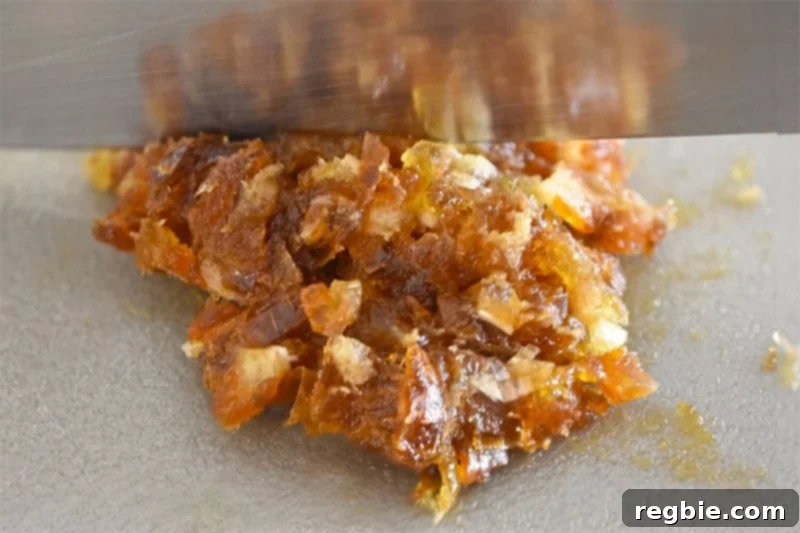
Prepare the Dates: Begin by using a sharp knife to finely mince and mash the pitted Medjool dates. The goal is to achieve a thick, sticky paste-like consistency. This initial step ensures the dates will dissolve smoothly into the sauce, providing uniform sweetness and thickening power.

Mincing the Medjool dates finely is key for a smooth sauce. -
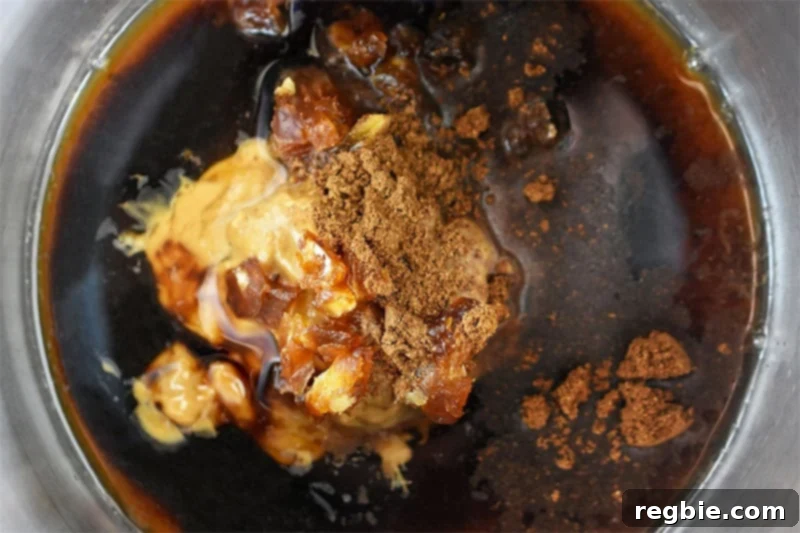
Combine Ingredients: Once your dates are prepped, transfer them to a small saucepan. Add the remaining ingredients: sunflower butter, coconut aminos, water, rice vinegar, aged balsamic vinegar, Chinese five-spice powder, toasted sesame oil, and Diamond Crystal kosher salt. Stir everything together thoroughly until well combined.
All ingredients are combined in a saucepan before simmering. -
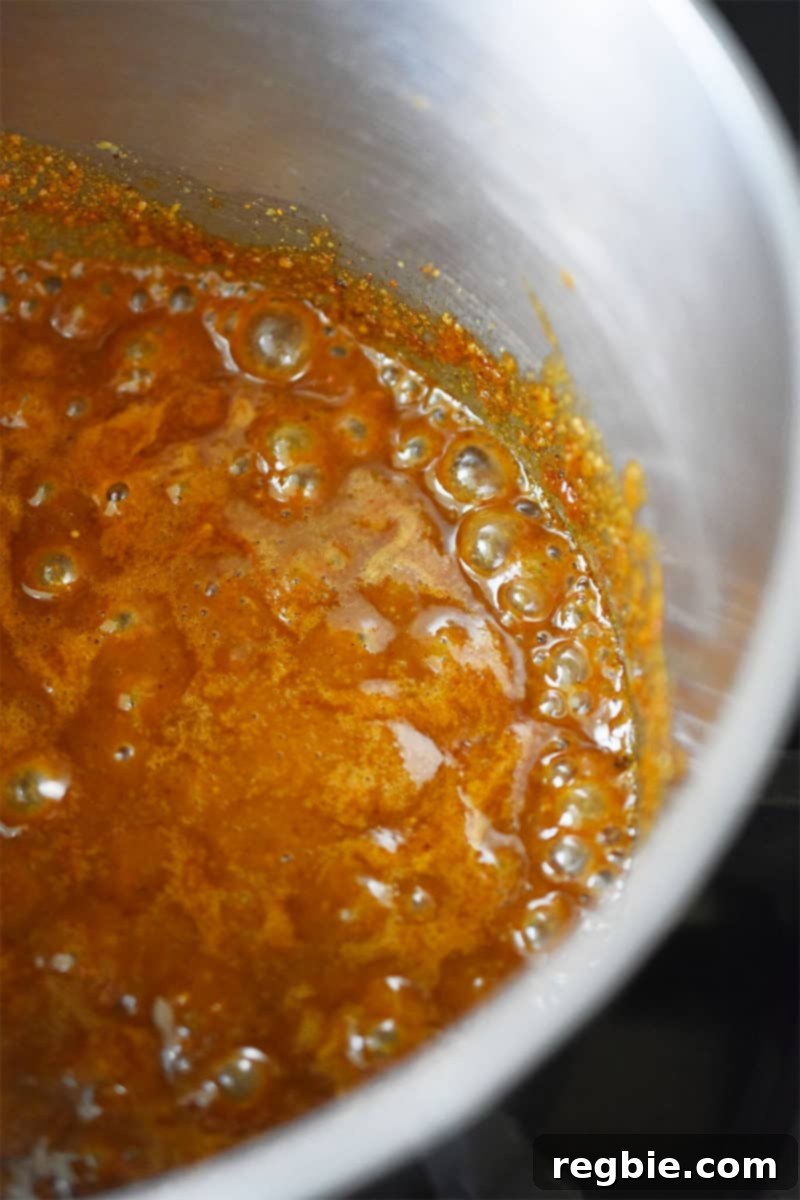
Simmer to Perfection: Place the saucepan over medium heat and bring the mixture to a gentle simmer. Continue to cook, stirring occasionally to prevent sticking and ensure even heating. This process should take approximately 5 to 7 minutes, or until the sauce noticeably thickens and deepens in color. The simmering allows the flavors to meld beautifully and the dates to fully dissolve, creating a luscious texture. Taste the sauce and adjust seasonings as needed; you might want a pinch more salt or a splash more vinegar to suit your preference.
Simmer until the sauce reaches your desired thickness and color. -
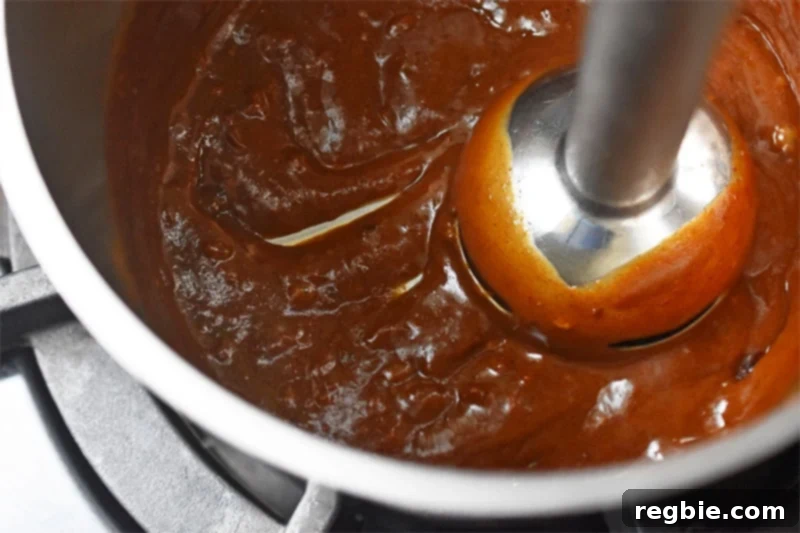
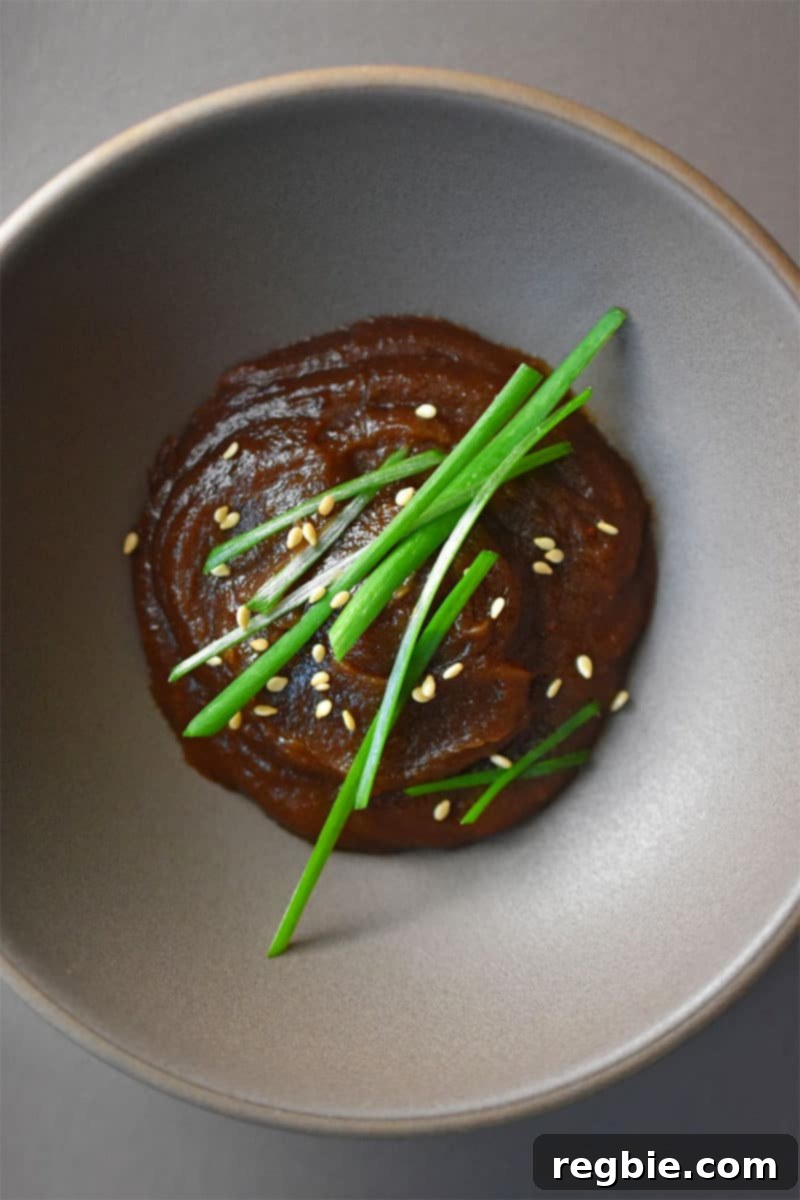
Achieve Smoothness (Optional): If you desire an even silkier, smoother sauce, now is the time to employ an immersion blender. Carefully blend the sauce directly in the saucepan until it reaches your preferred consistency. For an exceptionally smooth texture, a high-powered blender like a Vitamix works wonders. Once blended, your homemade Paleo Hoisin Sauce is ready to elevate any dish! Get ready to slather this incredible sauce on everything from roasted vegetables to your favorite Moo Shu Pork.
An immersion blender creates a super smooth consistency.
Storage and Longevity: Maximizing Your Homemade Hoisin
One of the many benefits of making your own hoisin sauce is its decent shelf life, allowing you to enjoy this flavorful condiment throughout the week. Once prepared, allow the sauce to cool completely before transferring it to a sealed, airtight container. Stored properly in the refrigerator, this homemade hoisin sauce will maintain its freshness and robust flavor for up to 1 week. If you notice the sauce has become too firm after chilling, a common occurrence due to its natural thickening agents, simply stir in a tablespoon or two of water when you’re reheating it. This will help bring it back to the perfect consistency for dipping, glazing, or marinading. For longer storage, you can even freeze portions of the sauce in ice cube trays, then transfer the frozen cubes to a freezer-safe bag, allowing you to thaw only what you need, whenever a hoisin craving strikes.
Explore More: Healthy Homemade Asian Sauce Recipes
Mastering this gluten-free hoisin sauce is just the beginning! If you loved making your own condiments, you’ll be thrilled to discover other healthy and delicious Asian sauce recipes that can transform your home cooking:
- All-Purpose Stir Fry Sauce: A versatile staple for quick and flavorful weeknight stir-fries.
- Tonkatsu Sauce: A tangy, savory Japanese-inspired sauce perfect for fried dishes or as a condiment.
- Sesame Ginger Dressing: Bright and zesty, ideal for salads or as a marinade for lighter fare.
- Vegan Fish Sauce: A plant-based alternative that delivers authentic umami without seafood.
- Whole30 Sriracha: Your favorite spicy condiment, made compliant for a healthy lifestyle.
Looking for even more recipe inspiration? Don’t miss my comprehensive Recipe Index. You’ll also find a treasure trove of exclusive, health-conscious recipes in my acclaimed cookbooks: Nom Nom Paleo: Food for Humans (Andrews McMeel Publishing 2013), Ready or Not! (Andrews McMeel Publishing 2017), and the latest, Nom Nom Paleo: Let’s Go! (Andrews McMeel Publishing 2022).
PRINTER-FRIENDLY RECIPE CARD
Homemade Hoisin Sauce (Gluten-Free & Paleo Substitute)
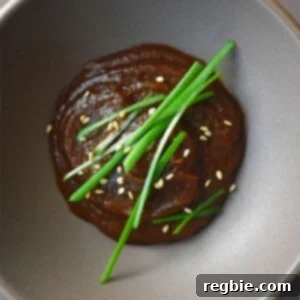
You can whip up this authentic lip-smacking homemade gluten-free hoisin sauce substitute recipe in just 15 minutes—and it’s vegan and Whole30-friendly, too!
Ingredients
- 4 large dried Medjool dates pitted
- ¼ cup sunflower butter
- ¼ cup coconut aminos
- ¼ cup water
- 2 tablespoons rice vinegar
- 1 tablespoon aged balsamic vinegar
- ½ teaspoon Chinese five spice powder
- ½ teaspoon toasted sesame oil
- ¼ teaspoon Diamond Crystal kosher salt
Instructions
-
First, use a sharp knife to mince and mash up the dates until they’re the consistency of a thick, sticky paste.
-
Next, combine the minced dates with the rest of the ingredients in a small saucepan and bring to a simmer over medium heat.
-
Cook, stirring occasionally, for 5 to 7 minutes or until the sauce thickens and darkens. Taste and adjust seasoning if needed.
-
Want a smoother sauce? Blitz it with an immersion blender or high powered blender (my Vitamix gets it super smooth) until it reaches your desired consistency. Time to slather this paleo hoisin sauce on everything!
Video
Learn how to make this delicious Paleo Hoisin Sauce by watching our instructional video. My Whole30-friendly Paleo Hoisin Sauce recipe delivers all the complexity and flavor of the classic, with none of the soy, wheat, sugar, or preservatives!
Upload Date: 2019-09-13
Notes
This condiment can be kept in the fridge in a sealed airtight container for up to 1 week. (If it gets too firm, just stir in a tablespoon or two of water when you’re reheating it.)
Nutrition
Carbohydrates: 9g |
Protein: 1g |
Fat: 3g |
Fiber: 1g
Nutrition information is automatically calculated, so should only be used as an approximation.
Like this? Leave a comment below!