
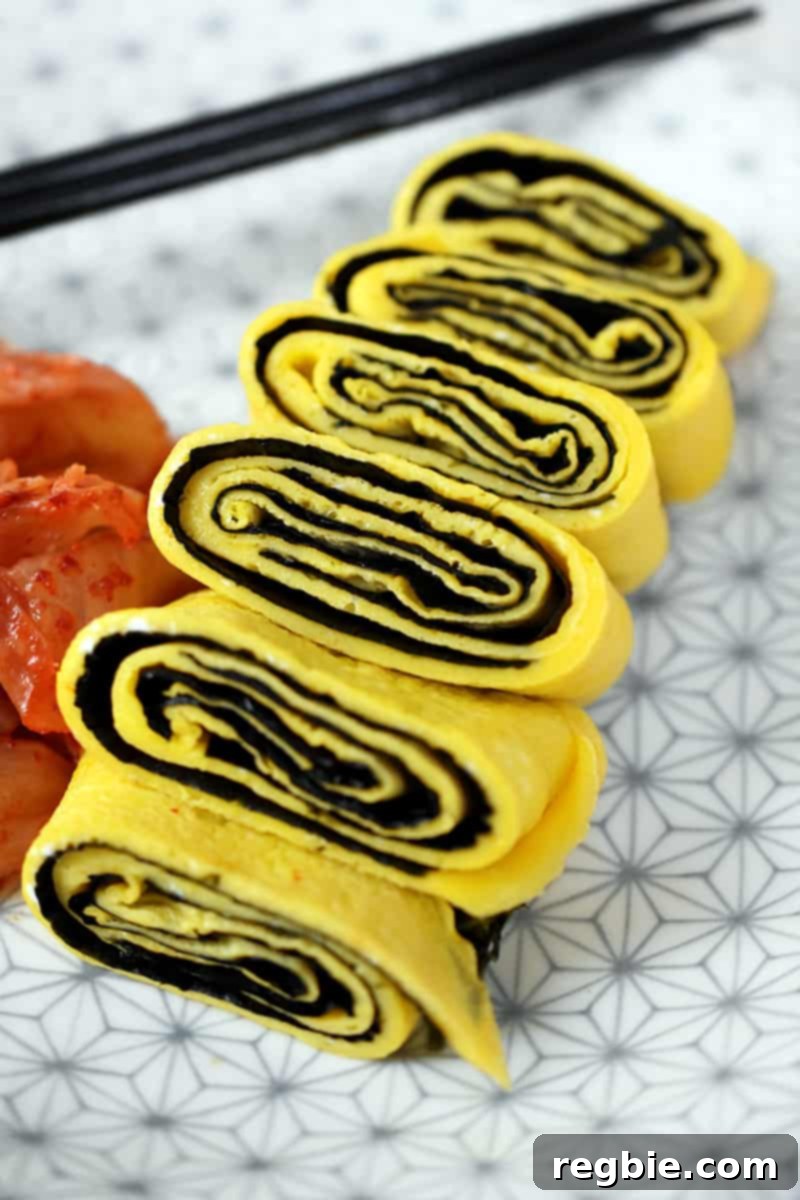
This comprehensive guide will show you how to effortlessly create a delicious, healthy, and visually appealing Korean Egg Roll with Roasted Seaweed, also known as Gyeran-mari. Requiring only a handful of ingredients and minimal time, this protein-packed dish is perfect for a quick breakfast, a satisfying snack, or an impressive side dish. Get ready to transform your omelet routine into an exciting culinary adventure!
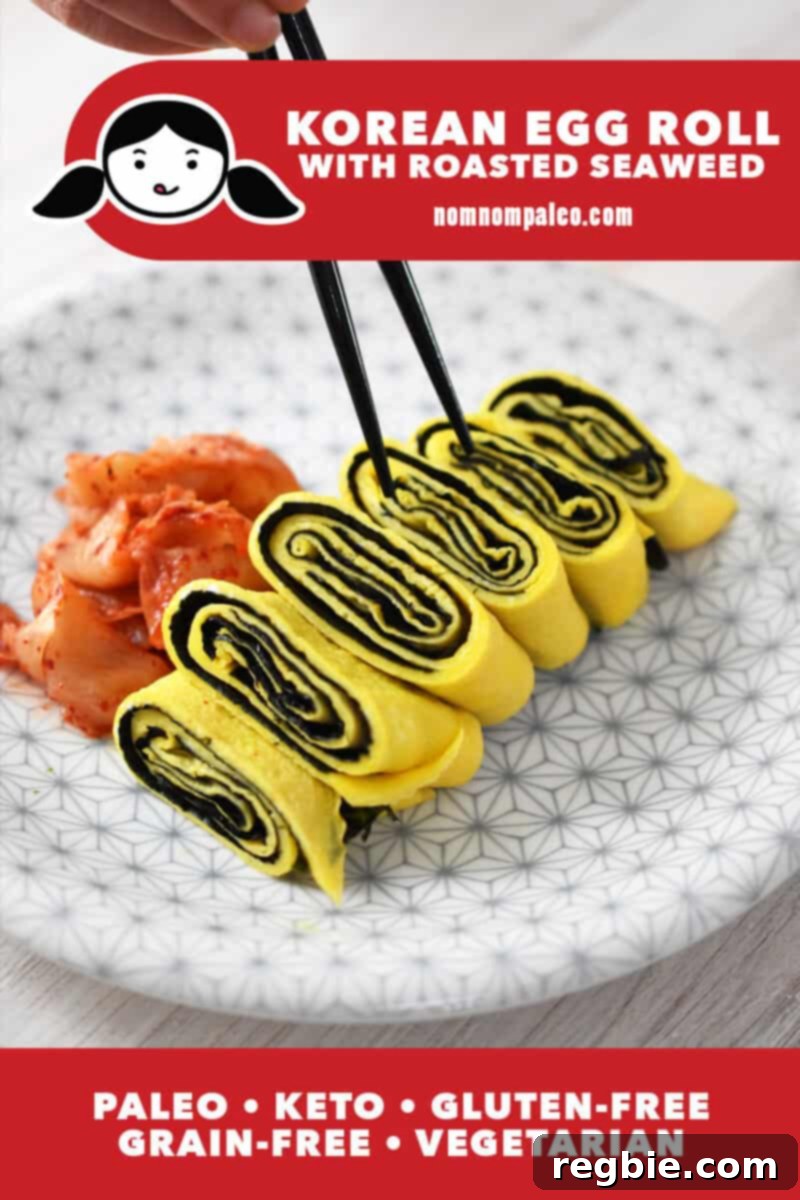
In the quest for simple yet exciting meal options, particularly for those busy mornings or midday cravings, this Korean rolled egg omelet has emerged as a clear favorite. Its irresistible combination of fluffy egg and crisp, savory roasted seaweed creates a unique texture and flavor profile that’s incredibly satisfying. My own journey into making these started with a viral Instagram reel by Chef Chris Cho, showcasing his “Broke Boyz Korean Rolled Omelette.” After trying it myself and quickly becoming obsessed, I found myself making it almost daily. This recipe isn’t just a meal; it’s a testament to how four simple ingredients can come together to create something truly special in under 10 minutes.
If you’re someone who appreciates the versatility of eggs, the distinctive umami of seaweed, and breakfast ideas that are both quick and genuinely delicious, then you’ve come to the right place. This recipe for a spiraled egg roll, with its striking yellow and black layers, is not only a treat for your taste buds but also a feast for your eyes. It’s a wonderful way to introduce a touch of Korean culinary tradition into your home cooking, all while keeping things incredibly accessible and fuss-free.
What is a Korean Egg Roll (Gyeran-mari)?
A Korean egg roll, known in Korea as gyeran-mari (계란말이), is a popular and versatile side dish (banchan) cherished for its tender texture and customizable fillings. Traditionally, it involves whisking eggs with finely chopped vegetables, and sometimes meat or seafood, then cooking the mixture in a thin layer and rolling it up tightly into a log. This log is then sliced into individual pieces, revealing beautiful spirals of egg and colorful fillings.
While gyeran-mari can incorporate a variety of ingredients such as carrots, green onions, bell peppers, and even cheese, the version highlighted here, featuring roasted seaweed (nori or gim), stands out for its exceptional simplicity and speed. It offers a delightful contrast of textures – the softness of the egg against the slight crunch and savory depth of the seaweed. Although primarily served as a side dish in Korean cuisine, many, myself included, find it perfectly suited as a light and wholesome breakfast or a quick, protein-rich snack. Its mild flavor also makes it an excellent choice for children’s lunchboxes or as a mild counterpoint to spicier Korean dishes like kimchi.
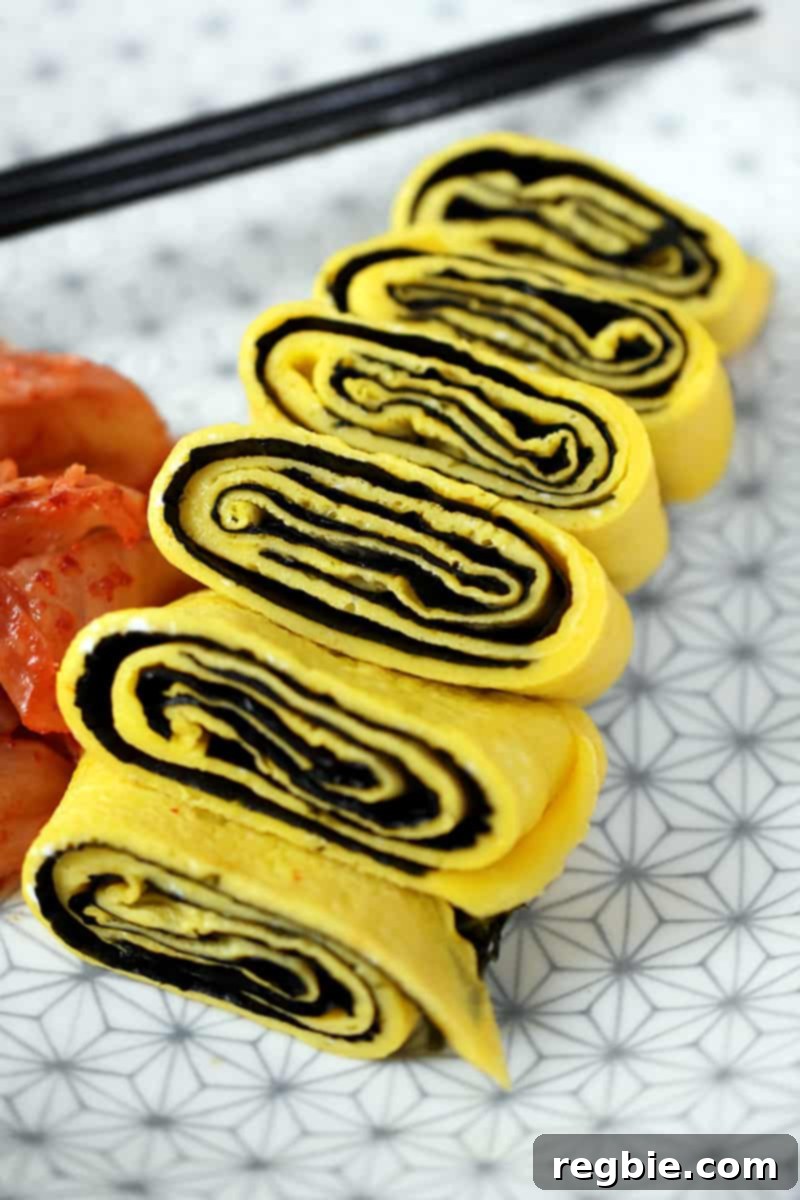
Why You’ll Love This Quick & Healthy Gyeran-mari Recipe
Beyond its delicious taste, this Korean egg roll recipe offers numerous advantages that make it a perfect addition to your culinary repertoire. Here’s why it’s poised to become your new go-to:
- Effortlessly Simple: With just four core ingredients and straightforward steps, this recipe is incredibly easy to master, even for novice cooks.
- Lightning-Fast: From start to finish, you can have this savory treat ready in approximately 10 minutes, making it ideal for rushed mornings or spontaneous snack attacks.
- Nutrient-Packed: Eggs are a fantastic source of high-quality protein, essential vitamins, and minerals, while roasted seaweed adds iodine, vitamins A, C, B12, and antioxidants. This combination ensures a truly wholesome meal.
- Diet-Friendly: Naturally gluten-free, low-carb, and adaptable, this recipe is suitable for various dietary lifestyles, including Paleo, Keto, and vegetarian diets.
- Versatile Any Time of Day: While perfect for breakfast, these rolled omelets are also excellent as a healthy snack, a light lunch, or a delightful Korean side dish.
- Visually Appealing: The distinct yellow and black spiral pattern is not only unique but also makes for an attractive presentation, perfect for impressing guests or simply brightening up your plate.
Essential Equipment for Perfect Korean Egg Rolls
Achieving the characteristic rolled shape and ensuring easy release for your gyeran-mari relies heavily on having the right pan. While not overly complicated, the choice of frying pan is crucial for a smooth cooking process.
The Importance of a Large Non-Stick Pan
To prepare these Korean rolled egg omelets with maximum ease and success, a large non-stick pan is absolutely essential. The “large” aspect is key because it needs to accommodate a full sheet of roasted seaweed comfortably. If your pan is too small, you’ll struggle to lay the seaweed flat and achieve a uniform roll.
Equally important is the non-stick surface. Eggs, by nature, tend to adhere to cooking surfaces, and a good non-stick coating ensures that your delicate egg layers release effortlessly, preventing tearing and making the rolling process much simpler. This minimizes frustration and helps you achieve those beautifully tight spirals.
I personally recommend a 12-inch non-stick skillet, similar to the highly-rated Oxo brand model. Its ample surface area and reliable non-stick properties provide the perfect canvas for your gyeran-mari. However, if you already own a well-seasoned cast iron skillet or a carbon steel pan, these can also work effectively, provided they have developed a strong natural non-stick layer through proper care and seasoning. Just ensure your chosen pan is large enough for the seaweed sheets.
Choosing the Best Seaweed for Your Egg Roll
The type of seaweed you use is a defining factor in the success and enjoyment of this recipe. It’s a simple detail, but one that makes all the difference in texture and flavor.
Roasted vs. Raw Seaweed: A Crucial Distinction
The absolute key to this recipe is to use roasted seaweed sheets, specifically those labeled for sushi rolls (often referred to as nori or gim). These sheets are thin, crisp, and have a naturally savory, slightly nutty flavor that complements the egg beautifully. They are also easy to work with and provide a pleasant texture when cooked within the omelet.
It is imperative to avoid using raw or unroasted seaweed sheets. If you accidentally use raw seaweed, it will remain tough, overly chewy, and quite unpleasant to eat within the rolled omelet. Always double-check the packaging to ensure you’re buying “roasted” seaweed sheets. Unless you intend to roast the raw sheets yourself at home, which requires an additional step, stick to the pre-roasted variety for convenience and guaranteed delicious results.
Exploring Seaweed Varieties
While standard roasted seaweed for sushi rolls works perfectly, you can also experiment with different brands and types for a subtle variation in flavor. For example, some people enjoy using SeaSnax large roasted seaweed sheets. These are often thinner, have a delicate crispness, and can come lightly seasoned with a touch of salt or other complementary flavors like onion or chipotle. Using these can add an extra layer of nuanced taste to your gyeran-mari, making it even more exciting.
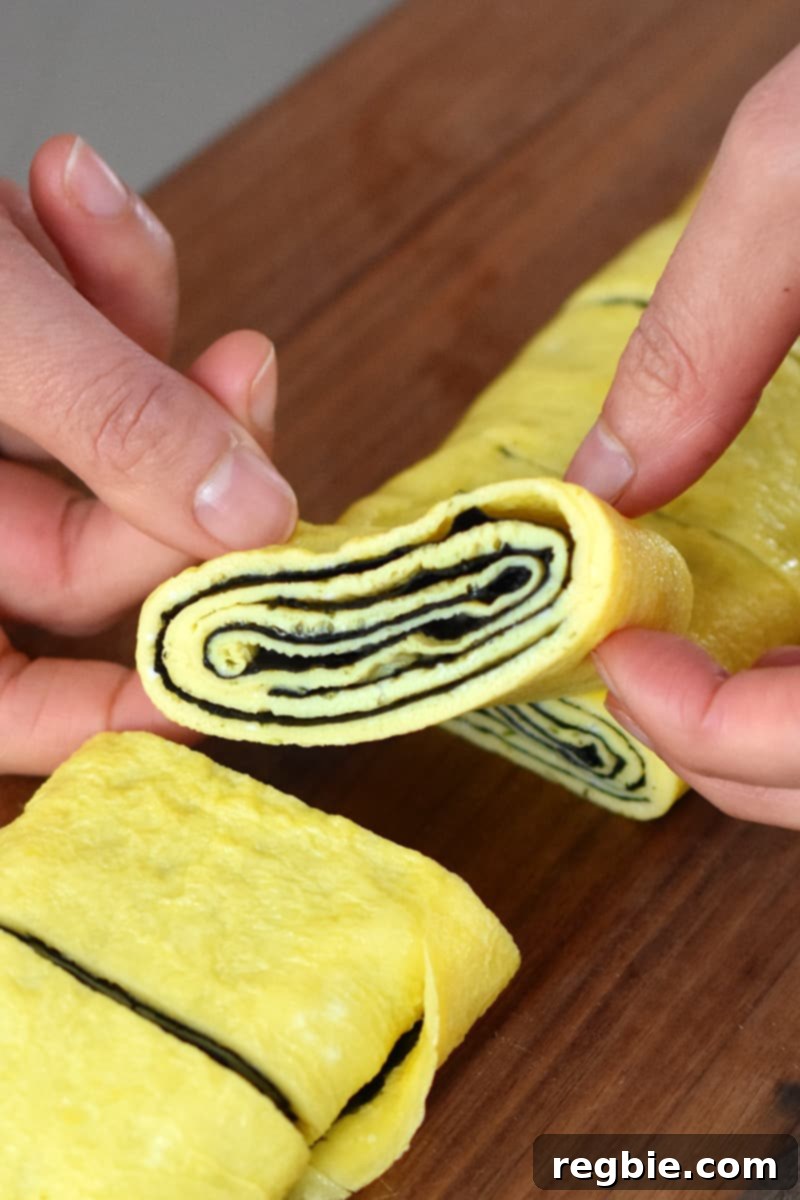
Let’s Make a Korean Rolled Egg Omelet with Roasted Seaweed!
This recipe serves one, but it’s easily scalable for more servings. Just multiply the ingredients and ensure you have enough pan space!
Ingredients:
- 3 large eggs
- ¼ teaspoon Diamond Crystal kosher salt (or to taste)
- 2 teaspoons avocado oil (or other high-smoke point, neutral oil)
- 2 roasted seaweed sheets (nori or gim), standard size for sushi
Equipment:
- 12-inch non-stick skillet (or well-seasoned cast iron/carbon steel pan)
- Whisk
- Liquid measuring cup or small bowl
- Spatula (preferably silicone or heat-resistant plastic)
- Cutting board
- Sharp knife
Method:
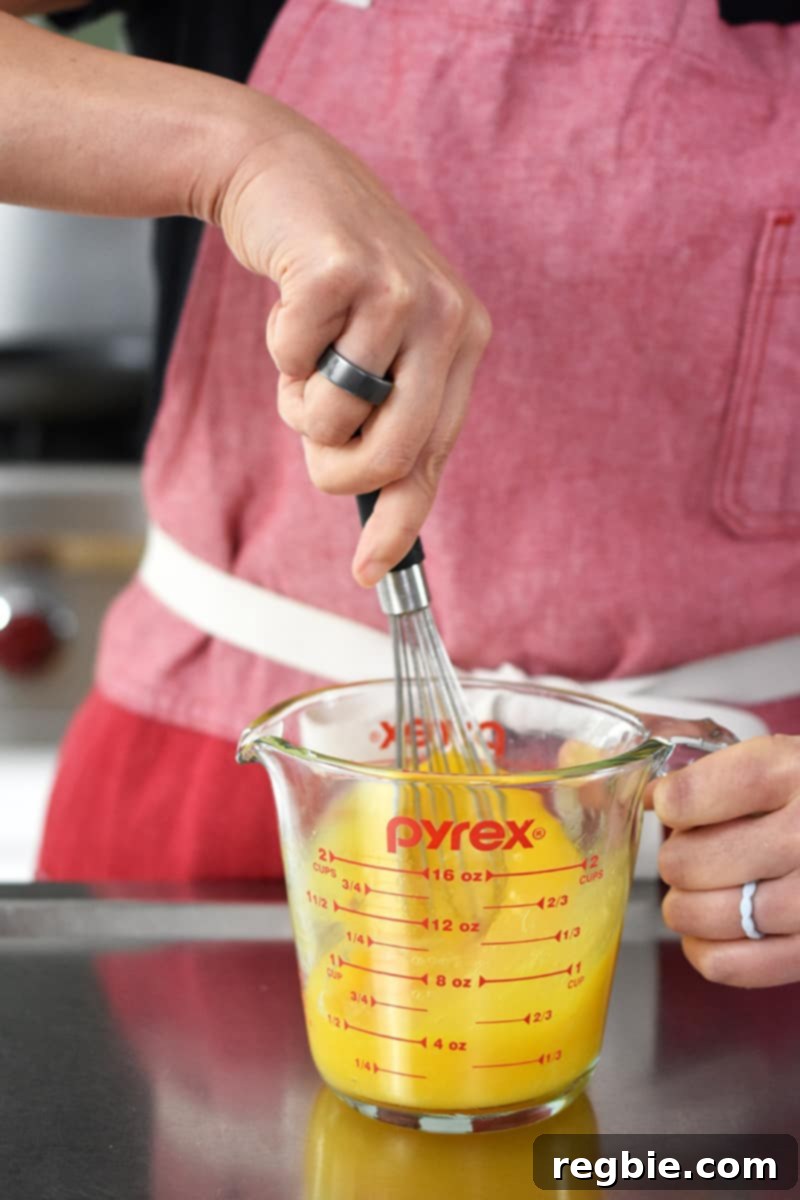
- Prepare the Egg Mixture: In a liquid measuring cup or a small bowl, crack the 3 large eggs. Add the ¼ teaspoon of Diamond Crystal kosher salt. Using a whisk, vigorously beat the eggs until the yolks and whites are fully combined and slightly frothy. This helps create a lighter, fluffier omelet.

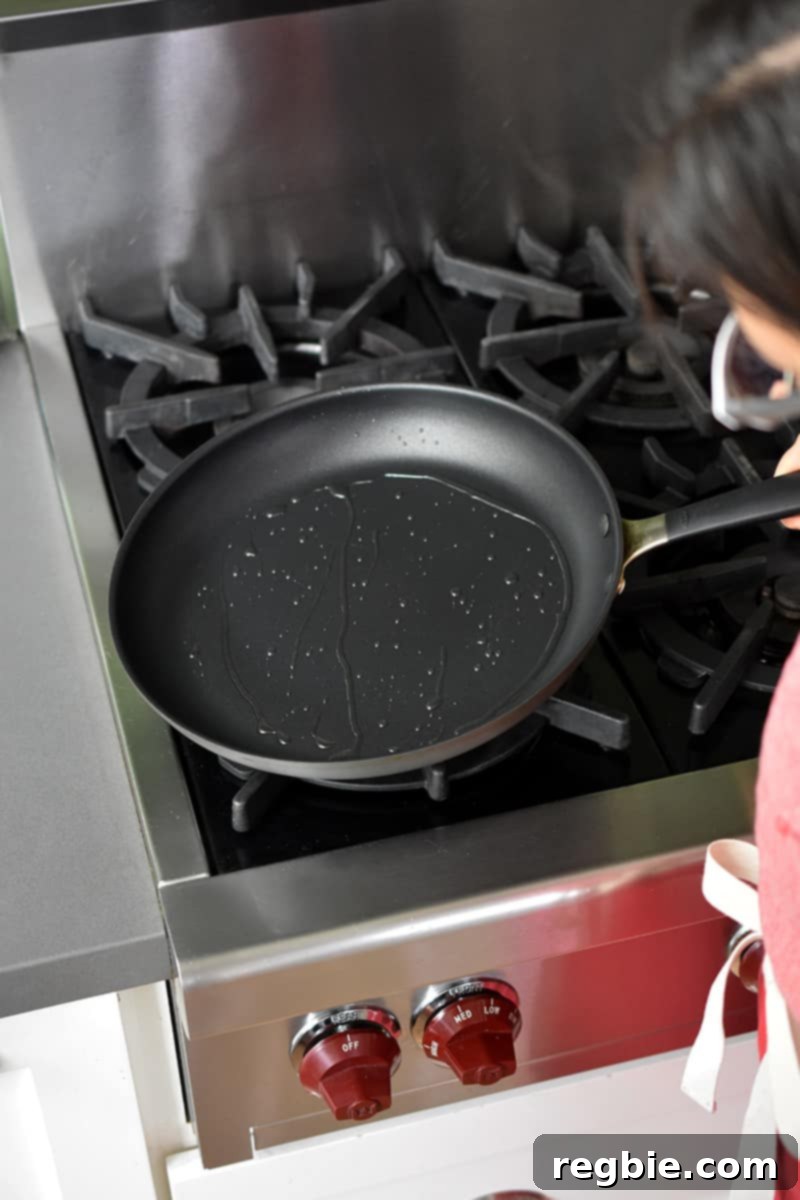
- Heat the Pan: Place your 12-inch non-stick pan (or seasoned cast iron/carbon steel pan) over medium heat. Allow it to heat up for about 1-2 minutes. A properly heated pan is crucial for a smooth, non-stick cooking experience.
- Add Oil: Once the pan is hot, add 2 teaspoons of avocado oil. Swirl the oil around to evenly coat the entire bottom surface of the pan.
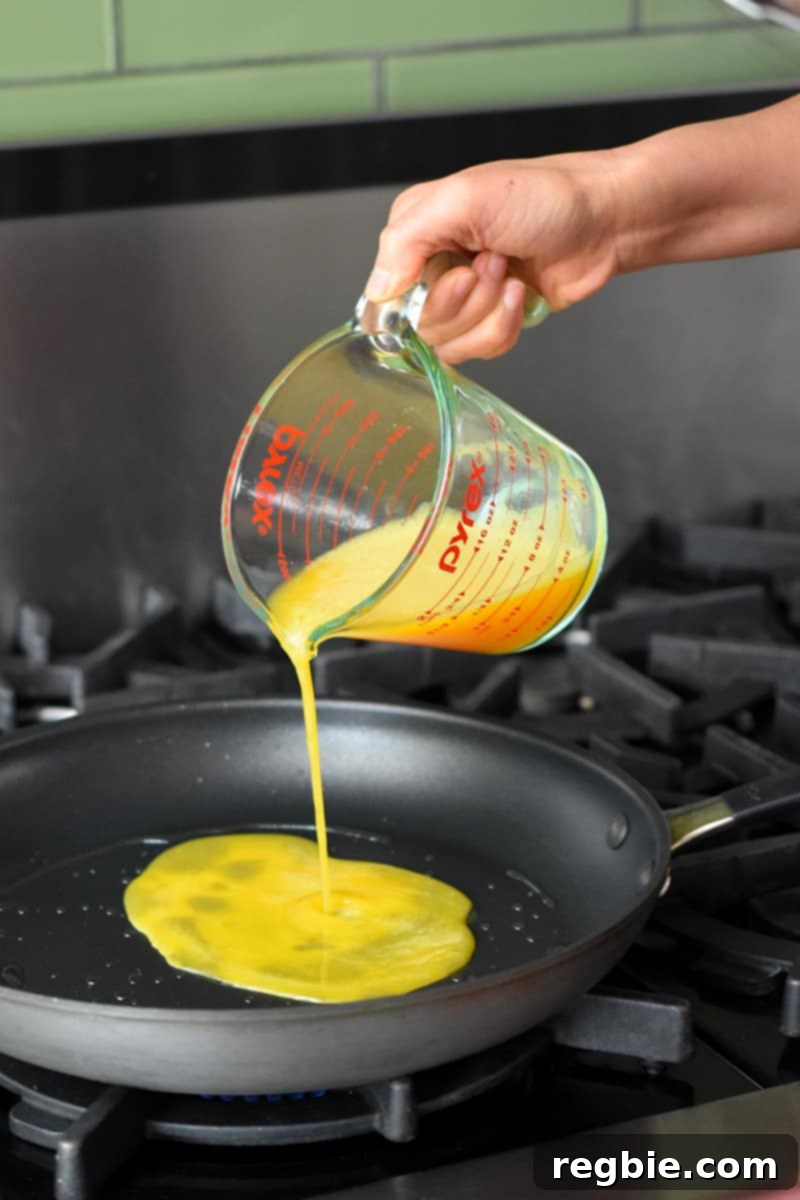
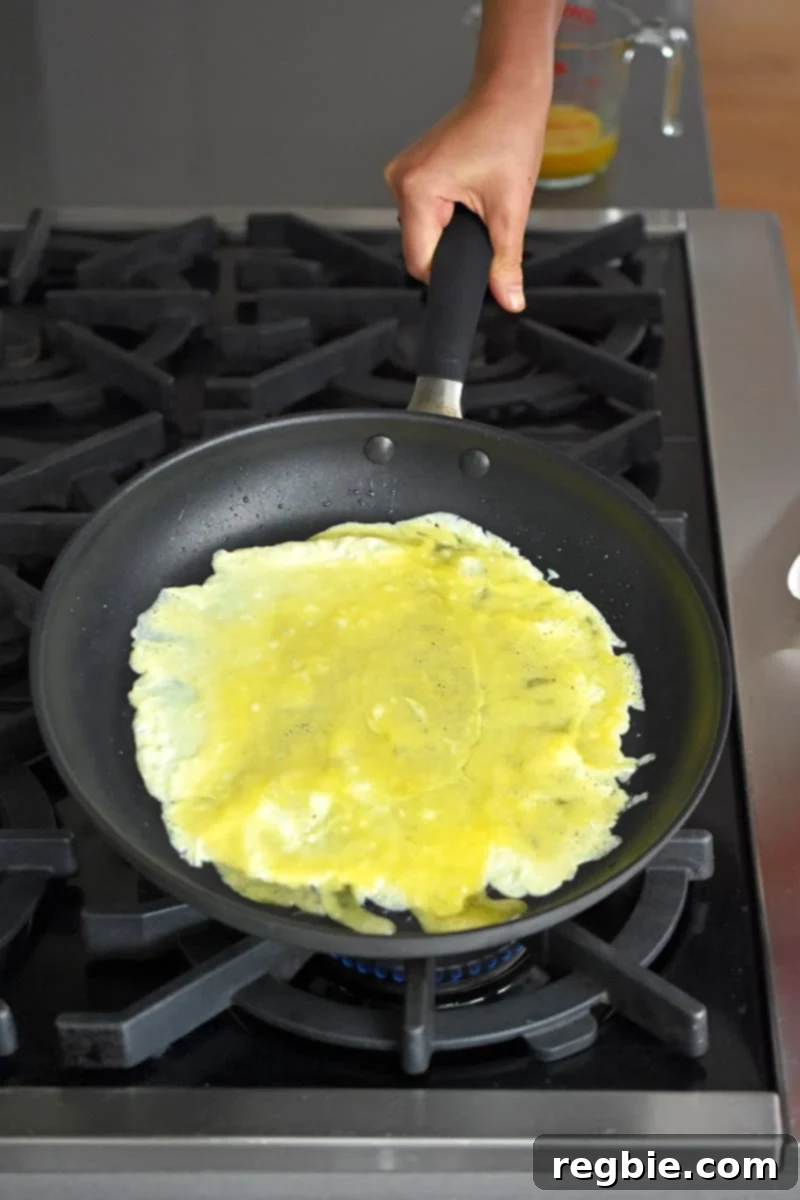
- Cook the First Egg Layer: Pour approximately half of the whisked egg mixture into the hot pan. Immediately tilt and rotate the pan to spread the egg evenly into a thin, uniform layer across the bottom.
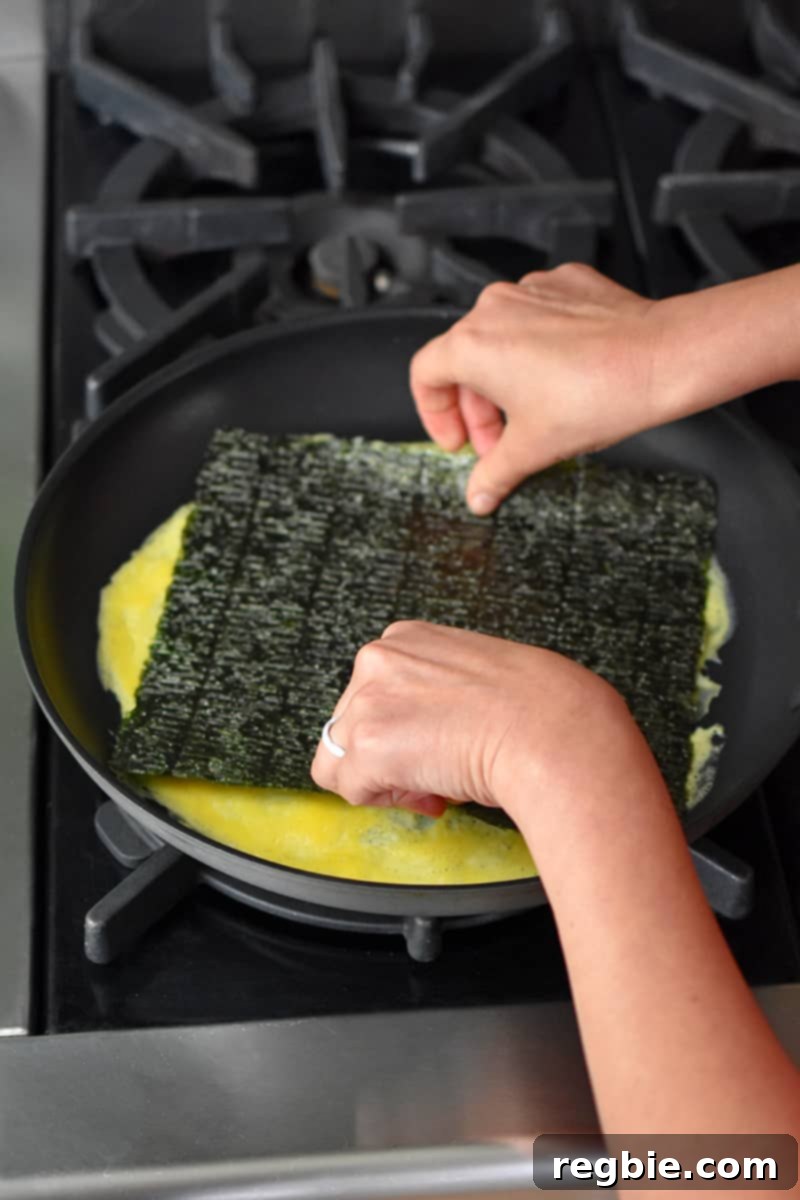
- Add First Seaweed Sheet: Cook the egg until the bottom is set and lightly golden, but the top surface is still visibly moist and slightly liquid. Carefully lay one sheet of roasted seaweed directly onto the semi-cooked egg layer.
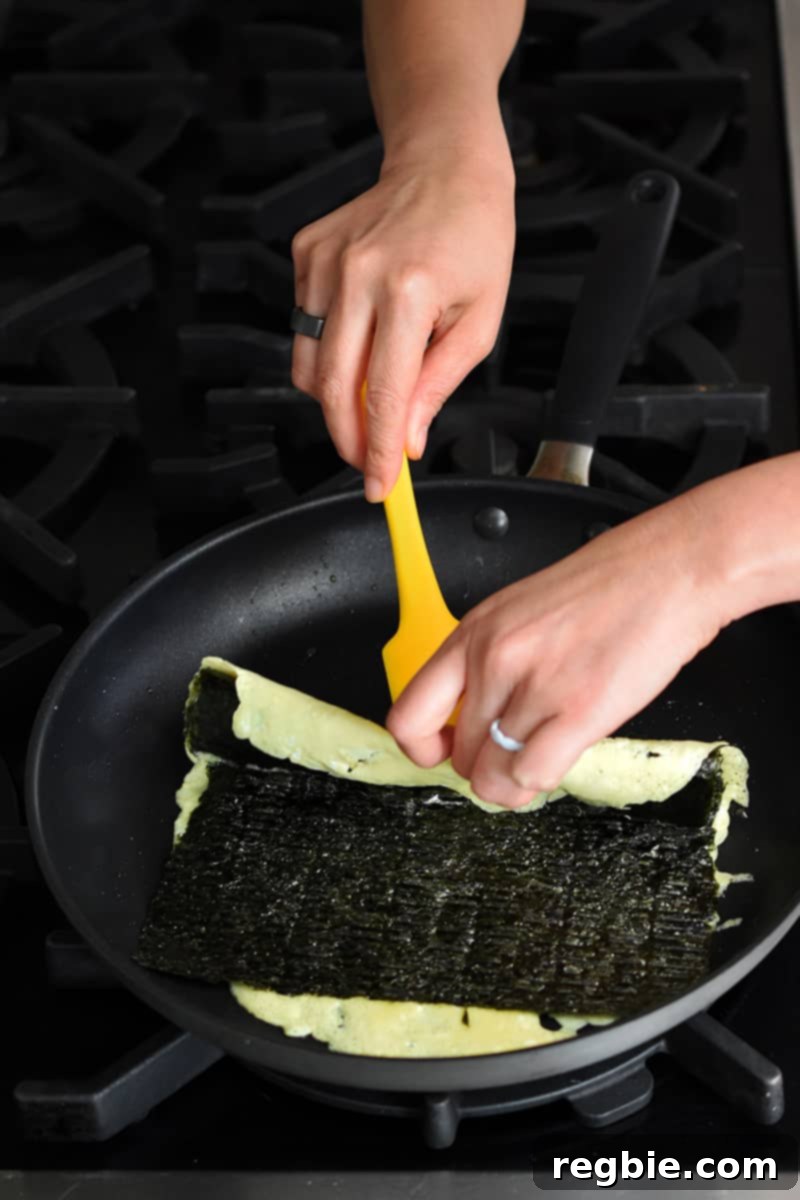
- Begin Rolling: Using your spatula, gently begin to roll up one edge of the egg and seaweed layer, flipping over about 2 inches. Continue to fold and roll the omelet tightly towards the other side of the pan until you reach the end, forming a neat log.
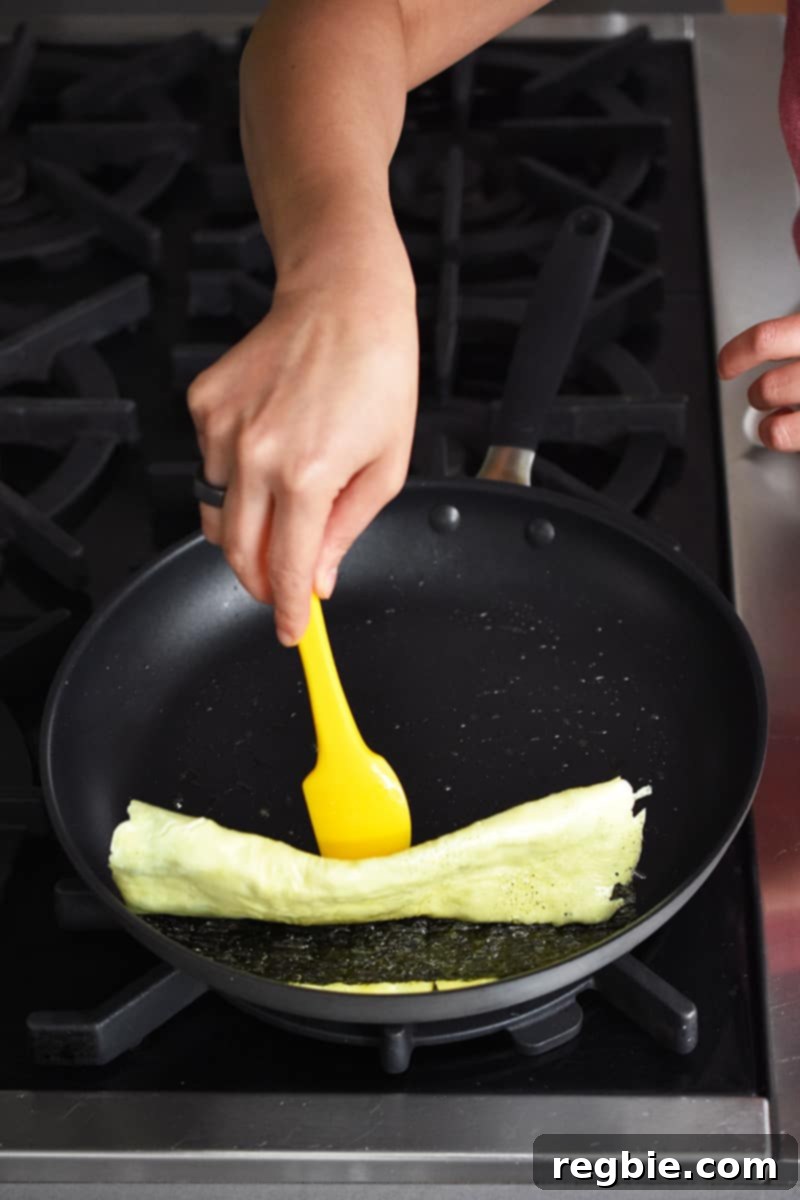
- Position for Second Layer: Once rolled, push the completed egg log to one edge of the skillet, leaving the rest of the pan surface clear.
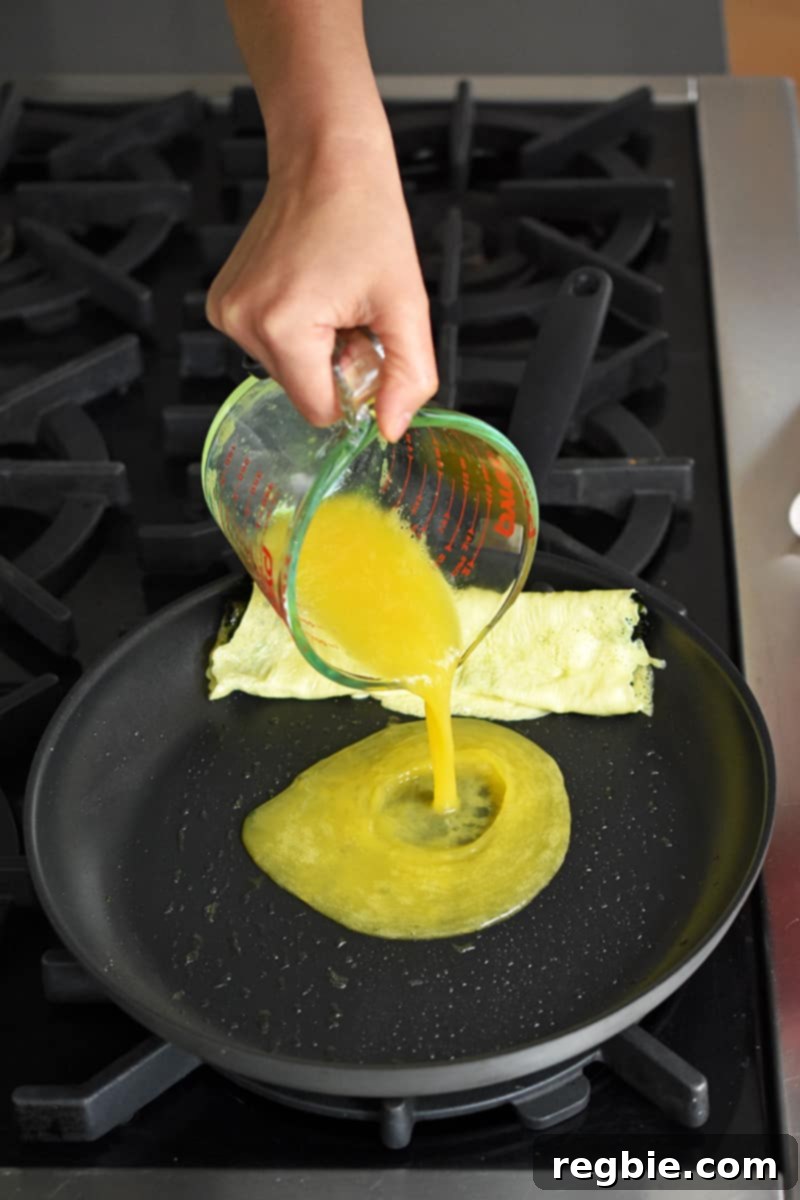
- Cook the Second Egg Layer: Pour the remaining half of the whisked egg mixture into the empty section of the pan. Immediately tilt the skillet again to ensure this fresh egg layer spreads thinly and completely covers the bottom, ideally touching and connecting with the first rolled egg log.
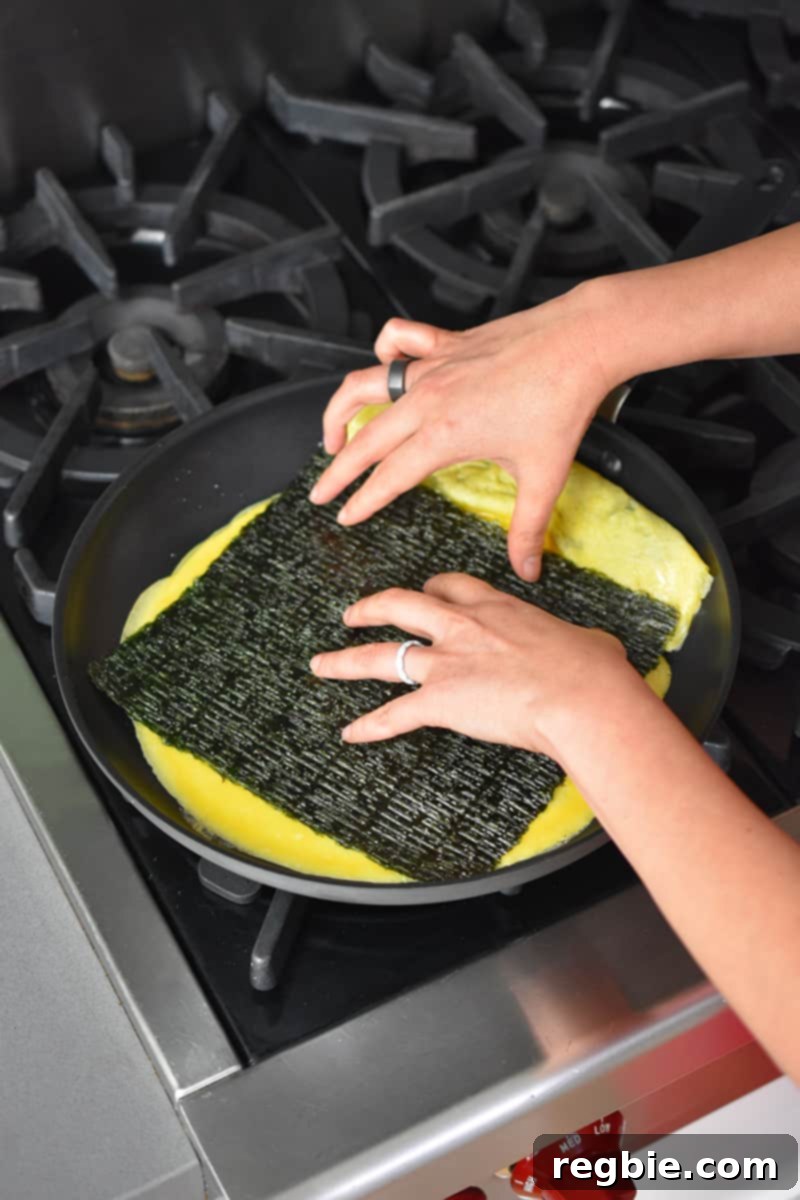
- Add Second Seaweed Sheet: Just like before, once the bottom of this new egg layer is set and the top is still moist, carefully lay the second roasted seaweed sheet onto it.
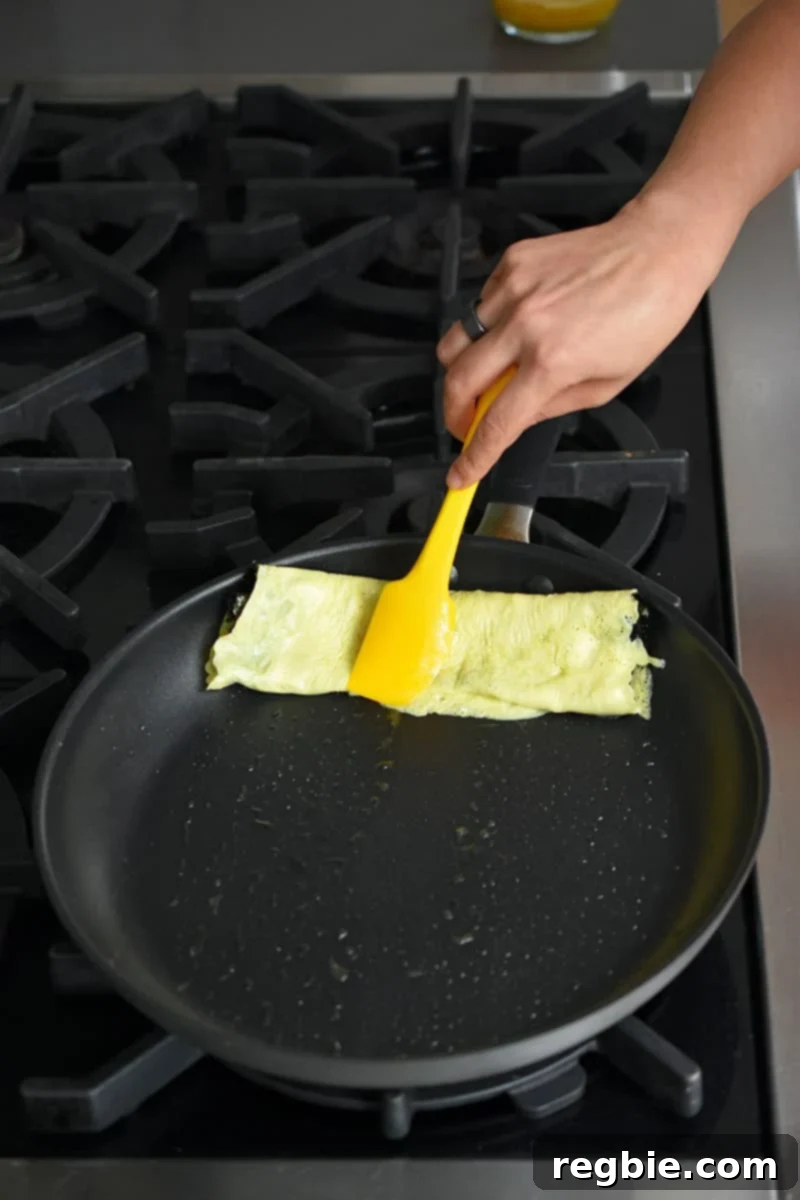
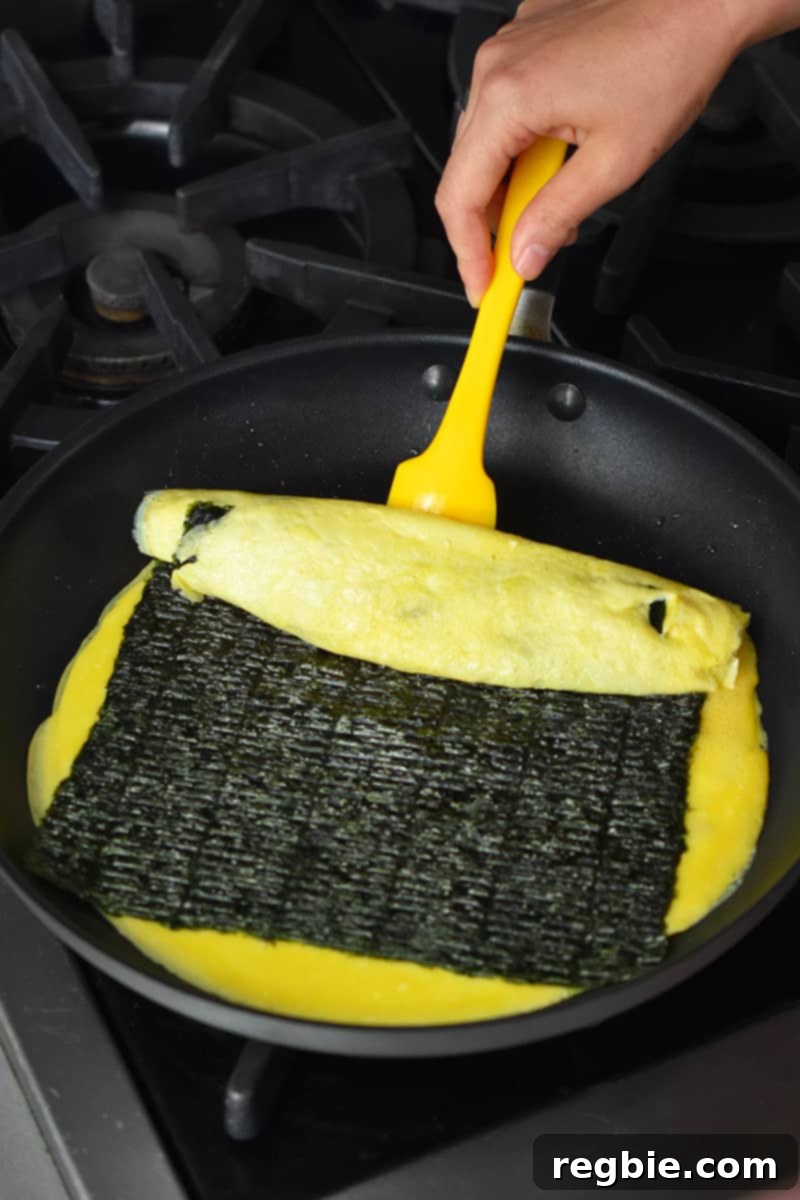
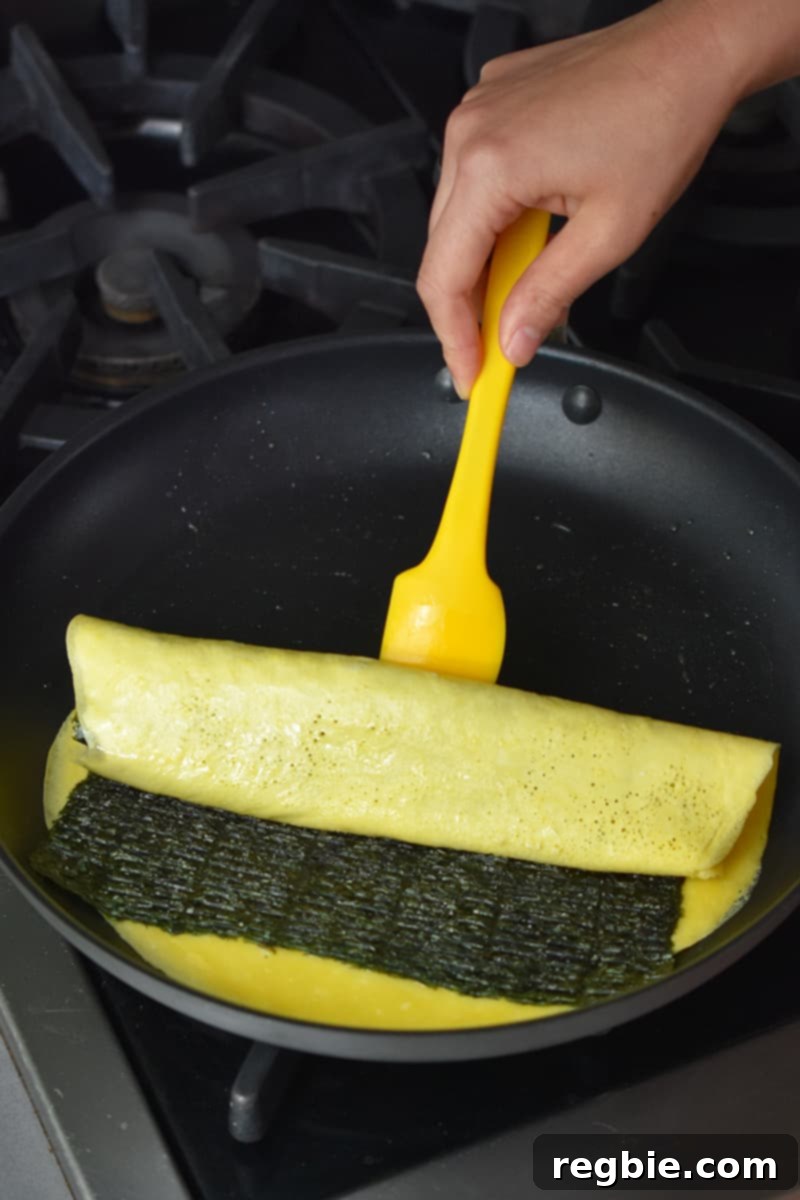
- Complete the Roll: Starting from the side with the already cooked egg log, continue rolling the entire omelet towards the opposite end of the pan, incorporating the fresh egg and seaweed layer. Roll it tightly to ensure a cohesive and beautiful spiral.
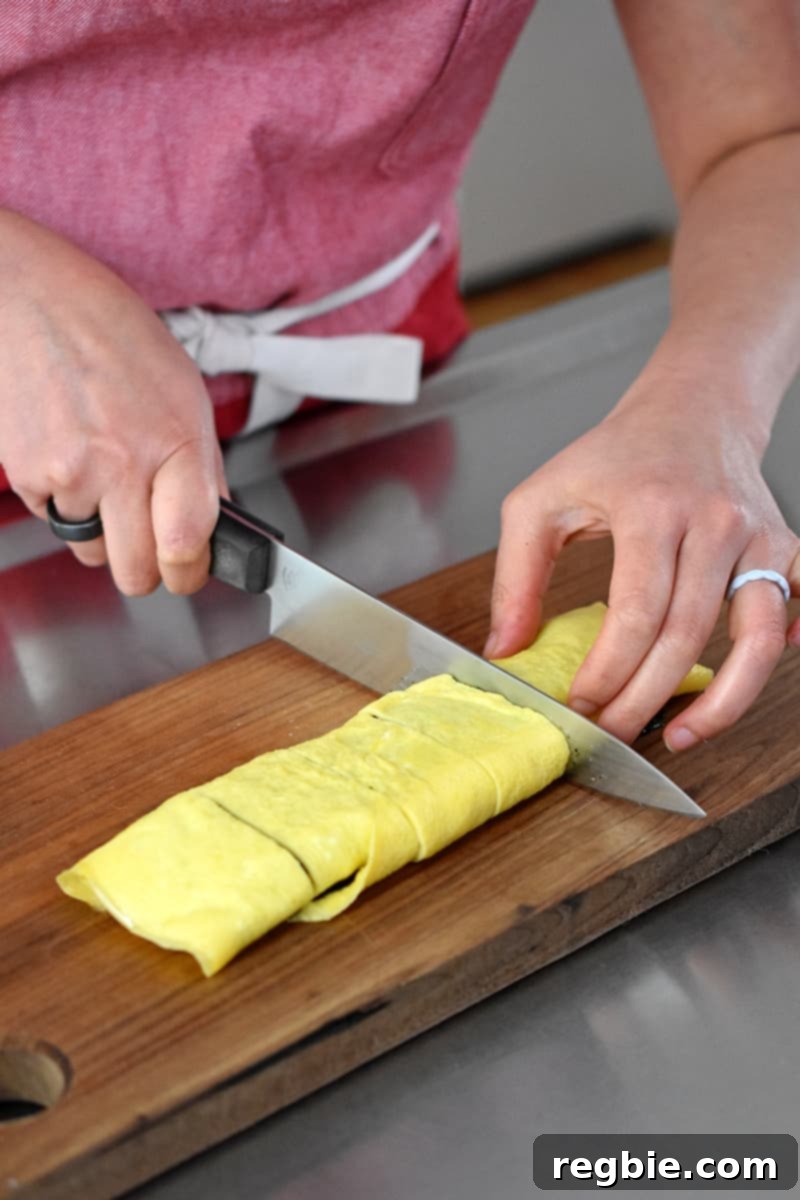
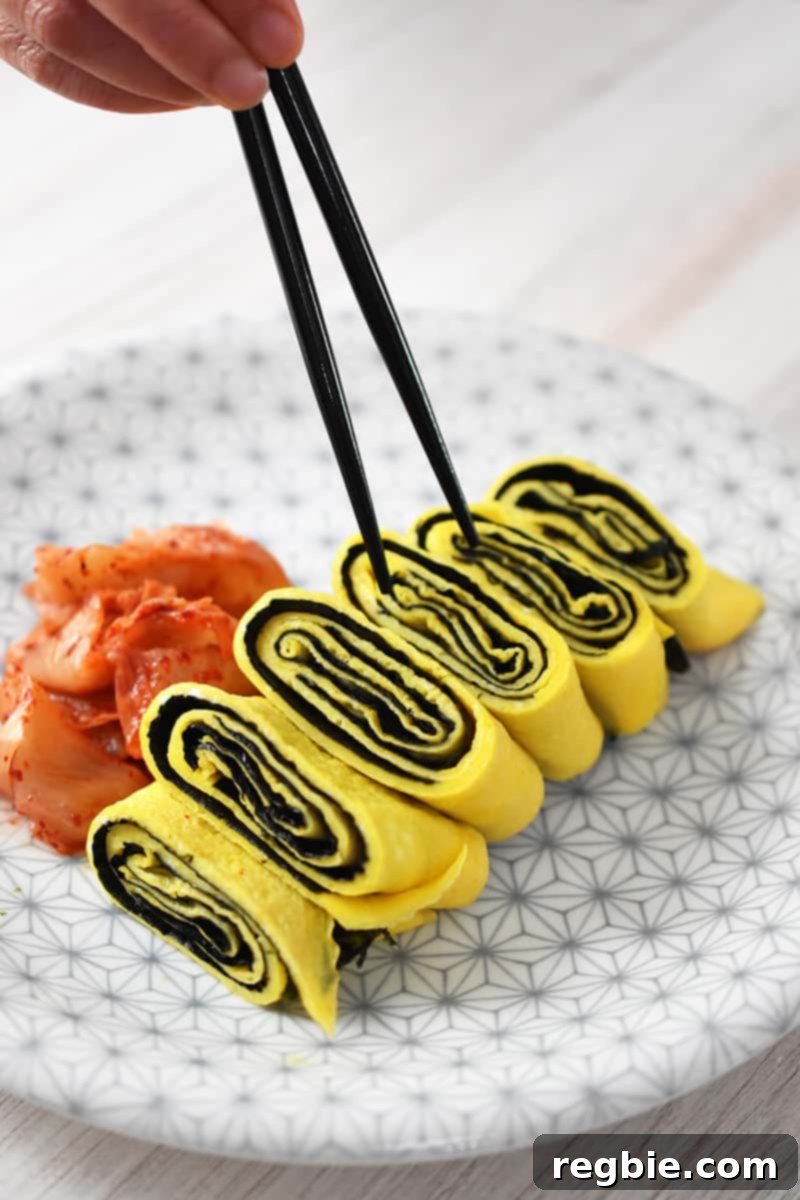
- Slice and Serve: Carefully transfer the finished, rolled egg omelet to a clean cutting board. Allow it to cool for a minute or two, then slice it into even, bite-sized pieces using a sharp knife. This reveals the beautiful yellow and black spirals.
- Enjoy! Serve immediately with a side of kimchi for a traditional Korean touch, or enjoy it on its own.
Tips for a Perfectly Rolled Omelet Every Time
While the recipe is simple, a few expert tips can elevate your gyeran-mari from good to spectacular:
- Don’t Overcook the Egg: The key to a soft, pliable omelet that rolls easily is not to let the egg become completely dry. The top layer should still be slightly moist when you add the seaweed and begin rolling.
- Keep the Heat Consistent: Medium heat is ideal. Too high, and the egg will cook too quickly and burn; too low, and it won’t set properly, making it hard to roll.
- Roll Tightly and Evenly: A tight roll ensures the gyeran-mari holds its shape and creates those appealing spirals. Use your spatula to gently compress the roll as you go.
- Connect the Layers: When pouring the second batch of egg, ensure it seeps slightly underneath the first rolled layer. This helps the two layers fuse together seamlessly.
- A Moment to Rest: After cooking, letting the rolled omelet rest on the cutting board for a minute or two before slicing allows it to firm up slightly, preventing it from falling apart when cut.
- Sharp Knife is Your Friend: Use a very sharp knife for clean, precise slices that show off the beautiful layers.
Serving Suggestions and Delicious Variations
This Korean egg roll is incredibly versatile, fitting into various meals and moods. Here are some ideas:
Traditional Serving
The most authentic way to enjoy gyeran-mari, especially this seaweed version, is as a banchan (side dish) alongside other Korean staples. A small pile of spicy, fermented kimchi is a classic accompaniment, providing a tangy, spicy contrast to the savory egg. It’s also delicious with a bowl of warm rice or a light soup.
Breakfast & Brunch
For a wholesome breakfast, serve these egg rolls with a side of fresh fruit, a cup of green tea, or even a dash of sriracha for a spicy kick. Its quick preparation time makes it perfect for busy mornings.
Snacks & Lunchboxes
Cut into smaller, bite-sized pieces, gyeran-mari makes an excellent grab-and-go snack. It’s also a fantastic addition to children’s lunchboxes, offering a fun and nutritious option that’s easy for little hands to manage.
Creative Variations
While this seaweed version is wonderfully simple, gyeran-mari is ripe for customization:
- Vegetable Boost: Finely chop a small amount of carrots, green onions, bell peppers, or spinach and mix them into the whisked egg before cooking. Ensure the pieces are very small so they cook through quickly and don’t disrupt the rolling.
- Cheesy Delight: Sprinkle a thin layer of shredded cheese (cheddar, mozzarella, or a Korean blend) over the egg layer just before adding the seaweed and rolling. The residual heat will melt it beautifully.
- Protein Power-Up: Add a tiny amount of finely diced ham, cooked bacon bits, or seasoned ground beef to the egg mixture for an extra protein boost.
- Flavorful Additions: A tiny dash of sesame oil in the egg mixture can add a nutty aroma. Some enjoy a pinch of sugar to balance the savory notes, or a drop of soy sauce for added umami.
The Health Benefits of Gyeran-mari
Beyond its delicious taste, this Korean Egg Roll with Roasted Seaweed offers a wealth of nutritional benefits, making it a truly wholesome choice for any meal.
- High-Quality Protein from Eggs: Eggs are considered a complete protein source, meaning they contain all nine essential amino acids necessary for muscle repair, growth, and overall bodily function. Three large eggs provide a significant protein punch, keeping you feeling full and energized.
- Nutrient-Rich Seaweed: Roasted seaweed (nori/gim) is a powerhouse of essential nutrients. It’s notably rich in iodine, which is crucial for thyroid function. It also provides vitamins such as A, C, E, K, and several B vitamins (including B12, often scarce in plant-based foods), as well as minerals like calcium, magnesium, iron, and zinc. Seaweed also contains antioxidants that help protect cells from damage.
- Good Fats: Avocado oil contributes healthy monounsaturated fats, which are beneficial for heart health. Eggs also contain healthy fats that aid in nutrient absorption.
- Low Carb and Keto-Friendly: With minimal carbohydrates from the eggs and seaweed, this dish is an excellent option for those following low-carb, ketogenic, or paleo diets.
- Gluten-Free: Naturally free from gluten, it’s a safe and delicious choice for individuals with celiac disease or gluten sensitivities.
- Quick Energy: The combination of protein and healthy fats provides sustained energy release, making it an ideal meal to kickstart your day or fuel your afternoon without the sugar crash associated with many processed snacks.
Frequently Asked Questions About Korean Egg Rolls
Can I use raw seaweed instead of roasted seaweed?
No, it’s strongly recommended to use *roasted* seaweed sheets (nori or gim). Raw seaweed has a very tough, chewy texture that will be unpleasant in the omelet. Roasted seaweed, on the other hand, is crisp, tender, and has a much more appealing flavor and texture for this dish.
Can I make Korean egg rolls ahead of time?
Yes, you can! Cooked gyeran-mari can be stored in an airtight container in the refrigerator for up to 2-3 days. Reheat gently in a microwave or a lightly oiled pan until warmed through. They are also delicious served at room temperature.
What if I don’t have a 12-inch non-stick pan?
While a large non-stick pan is ideal for ease, you can still make this recipe with a smaller pan or a well-seasoned cast iron/carbon steel pan. If your pan is smaller, you might need to adjust the seaweed sheet size (cut it down) or fold it in half. You may also need to pour thinner egg layers and roll more frequently to ensure it cooks evenly.
Can I add other vegetables or ingredients to this seaweed egg roll?
Absolutely! This recipe is a fantastic base for customization. Finely chopped green onions, carrots, bell peppers, or even a sprinkle of shredded cheese can be added to the whisked egg mixture. Just ensure any additions are very finely chopped to cook quickly and not interfere with the rolling process.
How do I prevent the egg from sticking to the pan?
Using a good quality non-stick pan and ensuring it’s properly heated with a thin layer of oil is key. Don’t rush the process; let the pan get to medium heat before adding the oil and egg. If using cast iron or carbon steel, make sure it’s very well-seasoned.
This simple and healthy Korean egg roll with roasted seaweed offers a delightful twist on the classic omelet. It’s a testament to the fact that incredibly delicious and nutritious meals don’t need to be complicated or time-consuming. With just four ingredients and a few minutes, you can create a satisfying and visually appealing dish that’s perfect for any meal of the day. So, whisk up those eggs, grab your seaweed, and get ready to enjoy a taste of Korea right in your own kitchen!
Looking for more recipe ideas? Head on over to my Recipe Index. You’ll also find exclusive recipes on my iPhone and iPad app, and in my cookbooks, Nom Nom Paleo: Food for Humans (Andrews McMeel Publishing 2013), Ready or Not! (Andrews McMeel Publishing 2017), and Nom Nom Paleo: Let’s Go! (Andrews McMeel Publishing 2021).
PRINTER-FRIENDLY RECIPE CARD
Korean Egg Roll with Seaweed
4.87 from 15 votes
5 mins
5 mins
10 mins
1 person
Michelle Tam
Pin
Ingredients
Instructions
-
In a liquid measuring cup or bowl, whisk together the eggs and salt.
-
Heat a 12-inch non-stick pan or well-seasoned cast iron or carbon steel pan on medium heat. When the pan is hot, swirl in the oil.
-
Pour in half the eggs and rotate the pan until a thin layer forms.
-
When the bottom is set and the top is still moist, add one sheet of roasted seaweed.
-
Start rolling up one edge of the egg, flipping over about 2 inches and continue folding it over until you reach the end. Push the rolled egg to the edge of the skillet.
-
Pour the rest of the whisked egg into the pan. Tip the skillet to form a thin egg layer that completely covers the bottom.
-
When the bottom is set and the top is still moist, lay the second piece of roasted seaweed on the egg.
-
Roll up the egg omelet again, starting on the end with the cooked egg omelet until you reach the end of the pan.
-
Transfer the egg to a cutting board and slice it up. Serve with kimchi and enjoy!
Nutrition
Carbohydrates: 1g |
Protein: 17g |
Fat: 22g |
Fiber: 1g |
Sugar: 1g
Nutrition information is automatically calculated, so should only be used as an approximation.
Like this? Leave a comment below!