
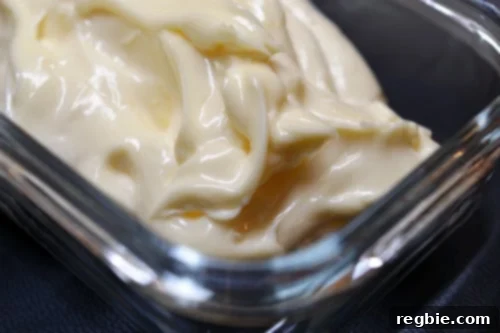
Mastering Homemade Paleo Mayonnaise: A Blender-Free, Whole30 Compliant Recipe
Embarking on a Paleo or Whole30 journey often means a significant shift in how you approach your pantry staples, especially versatile condiments like mayonnaise. Traditional store-bought mayos are frequently packed with non-compliant ingredients such as industrial seed oils, refined sugars, and artificial additives, making them unsuitable for these clean-eating protocols. While the culinary world offers many fantastic homemade Paleo mayonnaise recipes, a common thread among them is the reliance on modern kitchen gadgets like immersion blenders or food processors, and sometimes a specific, larger quantity of oil.
This article introduces a refreshing, accessible alternative: a blender-free method for creating rich, creamy, and perfectly compliant Paleo mayonnaise. This recipe is a testament to timeless culinary techniques, proving that a little manual effort with a whisk can yield gourmet results. Whether you’re a minimalist cook, don’t own a blender, or simply prefer the satisfaction of making something from scratch with your own hands, this method is for you. It’s a journey back to basics, allowing you to harness fresh, wholesome ingredients and control every aspect of your condiment, ensuring it’s both healthy and bursting with flavor. Get ready to transform your meals with a truly pure and delicious homemade mayo!
Why Homemade Paleo Mayonnaise is a Kitchen Essential
The decision to make your own Paleo and Whole30 compliant mayonnaise offers a multitude of benefits that extend beyond mere dietary adherence. It’s an investment in your health, your culinary skills, and the overall quality of your meals:
- Superior Ingredient Control: Commercial mayonnaise often contains cheap, inflammatory industrial seed oils (like soybean, canola, or sunflower oil), along with hidden sugars, corn starch, and artificial preservatives. By making it yourself, you dictate the quality of every ingredient, opting for healthy fats such as pure avocado oil or macadamia nut oil, which are rich in monounsaturated fats. This ensures your condiment actively supports a healthy lifestyle.
- Unmatched Freshness and Flavor: The taste of freshly made mayonnaise is simply unparalleled. It boasts a brighter, cleaner flavor profile and a smoother, more luxurious texture than anything you can buy in a jar. This vibrant freshness can elevate everything from a simple salad to a gourmet sandwich.
- Effortless Dietary Compliance: For those committed to strict Paleo or Whole30 protocols, homemade mayo eliminates the need to meticulously scrutinize ingredient labels. Knowing exactly what goes into your food provides invaluable peace of mind and guarantees full compliance with your dietary guidelines.
- Economic Advantage: While high-quality, compliant store-bought mayonnaise can be quite expensive, preparing it at home is often more cost-effective in the long run. Buying healthy oils in larger quantities and fresh eggs can lead to significant savings.
- Empowering Culinary Skill: Mastering the art of emulsification by hand is a fundamental and incredibly rewarding culinary skill. It builds confidence in the kitchen and opens the door to creating a variety of other homemade dressings, sauces, and dips.
The Whisk’s Wisdom: The Science Behind Blender-Free Mayo
Making mayonnaise by hand might seem like an old-world technique, but it’s a powerful demonstration of culinary science, specifically the principle of emulsification. At its heart, an emulsion is a stable mixture of two liquids that typically do not mix, such as oil and water. In the case of mayonnaise, we are creating a stable suspension of oil droplets within an aqueous base (egg yolk and acidic liquids).
The key player in this transformation is the egg yolk. It contains lecithin, a natural emulsifier that has both oil-attracting (lipophilic) and water-attracting (hydrophilic) properties. This unique structure allows lecithin to act as a bridge, surrounding tiny oil droplets and preventing them from separating from the water-based components. The magic of hand-whisked mayonnaise hinges on two critical factors: **gradual oil addition** and **consistent, vigorous whisking**.
- Gradual Oil Addition: When you add the oil in a slow, thin stream, you allow the lecithin in the egg yolk sufficient time to encapsulate each tiny oil droplet. This controlled introduction ensures that a stable bond forms. Rushing this process by pouring the oil too quickly will overwhelm the emulsifying capacity of the egg yolk, causing the oil droplets to merge rather than suspend, which leads to a dreaded “broken” (separated and greasy) mayonnaise.
- Consistent, Vigorous Whisking: The mechanical action of persistent whisking provides the necessary friction and aeration. It breaks the incoming oil into incredibly fine droplets and disperses them evenly throughout the egg mixture. This continuous agitation is essential for creating the thick, creamy, and cohesive consistency characteristic of a perfect mayonnaise. While it requires a bit of “elbow grease,” the rhythmic motion is key to a successful emulsion.
Understanding these principles will not only help you succeed with this recipe but will also demystify the process, making you a more confident and skilled home cook. Remember, patience in pouring and persistence in whisking are your best allies!
Essential Ingredients for Your Whisked Paleo Mayo
This recipe focuses on a handful of high-quality ingredients that are fundamental to achieving both exceptional flavor and perfect emulsification. A crucial tip for success is to ensure that **all your ingredients are at room temperature**. Cold ingredients are less likely to emulsify properly and can lead to a broken or unstable mayonnaise. To ensure optimal conditions, take your egg, lemon juice, vinegar, and oil out of the refrigerator at least 30 minutes, or even an hour, before you plan to begin.
Yields: Approximately 1 cup of rich, delicious Paleo Mayonnaise
Ingredients Breakdown:
- 1 large egg yolk: This is the cornerstone of your mayonnaise. The yolk contains lecithin, a powerful natural emulsifier essential for binding the oil and acidic liquids into a stable mixture. For the best flavor and emulsification power, opt for a fresh, high-quality egg. When separating the yolk, be meticulous to ensure no egg white accidentally enters the bowl, as egg whites can interfere with the emulsification process.
- ¼ teaspoon fine sea salt: Salt plays a dual role here. Beyond seasoning, it helps to enhance the overall flavor profile of the mayonnaise, making it more vibrant. It also contributes subtly to the stability of the emulsion and acts as a mild preservative. You can always adjust the amount slightly to suit your personal preference for saltiness.
- ¼ teaspoon Dijon mustard (Whole30 compliant): While optional, Dijon mustard is highly recommended for its significant contribution to both flavor and texture. It contains its own natural emulsifying agents, providing an extra layer of stability to your mayonnaise, making it more robust against breaking. Furthermore, it adds a characteristic tangy depth and a beautiful, inviting golden hue. Always double-check labels to ensure your Dijon mustard is sugar-free and compliant with Whole30 standards.
- 1 ½ teaspoons fresh lemon juice: Lemon juice is vital for balancing the richness of the oil with its bright, zesty acidity. This acidity not only enhances the flavor but also plays a crucial role in stabilizing the emulsion and slightly increasing the shelf life of your homemade mayo. Using freshly squeezed lemon juice will make a noticeable difference in the freshness and vibrancy of the final product.
- 1 teaspoon white vinegar: Similar to lemon juice, white vinegar adds another layer of sharp tang and acidity, which further enriches the flavor complexity and contributes to the mayonnaise’s stability. If you prefer, unpasteurized apple cider vinegar can be used as a suitable alternative, particularly if you’re adhering to specific Paleo principles that favor raw and fermented ingredients.
- ¾ cup neutral-flavored, Whole30 Compliant Oil: The choice of oil is paramount for Paleo and Whole30 compliance and the overall flavor of your mayonnaise. We recommend oils that are high in healthy fats and have a neutral taste profile to let the other ingredients shine.
- Macadamia Nut Oil: This oil is celebrated for its buttery, delicate flavor and smooth texture. It’s an excellent choice for a luxurious, gourmet-quality mayonnaise, and it’s known for its oxidative stability.
- Avocado Oil: A widely popular and versatile option, avocado oil has a very neutral flavor profile, which makes it ideal for a mayonnaise that won’t overpower the taste of other dishes. It is also highly stable due to its high monounsaturated fat content.
Always select a high-quality, cold-pressed oil for the best flavor, nutritional integrity, and performance. While olive oil can be used, extra virgin varieties often have a strong, sometimes bitter, flavor that can dominate the mayonnaise. Light olive oil or regular olive oil might be an option, but ensure it’s not a blend with non-compliant oils.
Recommended Equipment for Your Hand-Whisked Mayonnaise
One of the beauties of this recipe is its minimalist equipment requirement. You won’t need any complex electric appliances, just a few basic kitchen tools. Having the right setup, however, can significantly ease the process and increase your chances of success:
- Large Mixing Bowl: Choose a sturdy bowl with a wide base and high sides. A wide base provides stability, while high sides help contain the mixture and prevent splashing as you whisk vigorously. Stainless steel, glass, or ceramic bowls are all excellent choices.
- Sturdy Balloon Whisk: Your trusty whisk is the most important tool for this recipe. A good quality balloon whisk, with its many wires, is designed to incorporate air efficiently and thoroughly combine ingredients, which is essential for creating a stable emulsion.
- Non-Slip Surface: To prevent your bowl from sliding around on the countertop while you whisk, place it on a non-slip rubber mat, a silicone trivet, or firmly on a damp kitchen towel. This stability is crucial, allowing you to maintain a consistent and powerful whisking motion without chasing your bowl across the counter.
- Measuring Spoons and Cups: Precision in measurements is key for successful mayonnaise. Ensure you have accurate measuring spoons and cups for all ingredients.
- A Strong Arm and Patience: These are arguably the most vital “equipment” for hand-whisked mayonnaise! The process requires continuous, energetic whisking and a steady hand for pouring the oil.
- For recommendations on other essential kitchen tools that streamline healthy cooking, you can explore a curated list of my favored kitchen equipment here.
Step-by-Step Method: Crafting Your Whisked Paleo Mayonnaise
Creating your own mayonnaise by hand is a rewarding culinary achievement. By following these detailed steps with care and attention, you’ll be able to produce a perfectly creamy and stable emulsion every time:
- Prepare the Flavor Base: In your chosen large mixing bowl, combine the room-temperature egg yolk, salt, Dijon mustard, fresh lemon juice, and white vinegar. Begin whisking these ingredients together vigorously. Continue whisking steadily for approximately 30 seconds. During this time, the mixture will become noticeably lighter in color, pale yellow, and will slightly thicken, indicating that the flavors are well combined and the emulsifiers are ready.
- Initiate the Emulsion with the First Oil Drizzle: This is the most critical and delicate stage of the process. Begin adding the macadamia nut or avocado oil **in an extremely slow, thin, and steady stream**. Initially, it should be almost drop by drop, then transitioning to a stream no thicker than a fine thread. Simultaneously, continue whisking the mixture vigorously and continuously. It is crucial to take your time here; the first ¼ cup of oil should take approximately 1 minute to incorporate fully. Adding the oil too quickly at this stage is the most common reason for mayonnaise to break. To maintain stability, place your mixing bowl on a rubber mat or secure it with a damp kitchen towel. If you have someone nearby, enlist their help to slowly pour the oil while you concentrate solely on whisking.
- Build Consistency with the Second Oil Addition: Once the first ¼ cup of oil is fully incorporated and the mixture has begun to visibly thicken into a nascent emulsion, you can slightly increase the speed of your oil pour, but it should still remain a steady, controlled stream. Slowly add the second ¼ cup of oil while continuing to whisk vigorously. This stage should take another 30 seconds or so, as the mayonnaise will progressively thicken and gain more body, becoming visibly creamier.
- Complete the Emulsification for Final Thickness: With the emulsion now well-established and quite stable, you can proceed to add the final ¼ cup of oil. For this last portion, you can pour it in all at once, or in a slightly quicker stream, as the existing emulsion will readily accept the remaining fat. Whisk vigorously for another 15-30 seconds, ensuring all the oil is thoroughly integrated and the mayonnaise reaches its desired thick, glossy, and beautifully creamy consistency.
Congratulations! You’ve successfully created a magnificent, homemade Paleo and Whole30 compliant mayonnaise with nothing but your own determination and a whisk. This quick and satisfying process, though requiring a bit of physical effort, yields a condiment that is far superior in taste and health benefits to any store-bought alternative. Embrace the joy of real food and enjoy your delicious creation!
Storage and Troubleshooting Tips for Your Homemade Mayo
Storing Your Homemade Mayonnaise:
Once you’ve achieved your perfectly emulsified mayonnaise, transfer it promptly to a clean, airtight container, such as a glass jar with a tight-fitting lid. Store your homemade mayonnaise in the refrigerator. Due to the presence of fresh egg yolk, which is perishable, homemade mayonnaise typically has a shorter shelf life than its commercial counterparts. It is generally best consumed within 5-7 days. Always perform a quick check for freshness: if it develops an off odor, changes color significantly, or shows any signs of separation or spoilage, it’s safest to discard it.
Common Troubleshooting Scenarios:
- My Mayo Broke! (Separated and Greasy): This is the most common challenge when making mayonnaise by hand, but it’s often fixable! A broken emulsion typically occurs if the oil is added too quickly, if ingredients were too cold, or if whisking wasn’t vigorous enough. Don’t throw it out immediately! To rescue a broken mayonnaise:
- In a separate, clean mixing bowl, add another fresh egg yolk (also at room temperature).
- Whisk this new yolk vigorously for about 30 seconds until it’s light in color and slightly thickened.
- Now, very slowly, a teaspoon at a time, begin to drizzle and whisk the broken mayonnaise mixture into the new fresh egg yolk. Continue adding the broken mayo in a very thin, steady stream while continuously whisking vigorously. The fresh yolk will act as a new emulsifier, helping to re-establish the emulsion.
Alternatively, sometimes adding a teaspoon of warm water or a few drops of lemon juice to the broken mayo and whisking extremely aggressively can sometimes bring it back together, but the fresh yolk method is generally more reliable.
- My Mayo is Too Thin: If your mayonnaise isn’t thickening to your desired consistency, it often indicates that the emulsion hasn’t fully formed or that not enough oil has been incorporated relative to the egg yolk. Continue whisking vigorously. If it still doesn’t thicken, very slowly drizzle in an additional tablespoon or two of oil, one small increment at a time, while whisking constantly, until it reaches your preferred thickness.
- My Mayo is Too Thick: If your mayonnaise becomes excessively thick, almost like butter, you can easily adjust its consistency. Whisk in a very small amount of warm water (start with half a teaspoon) or a few extra drops of lemon juice or vinegar until it thins down to your ideal, creamy texture.
Delightful Ways to Enjoy Your Blender-Free Paleo Mayonnaise
Now that you’ve mastered the art of crafting your own wholesome Paleo and Whole30 compliant mayonnaise, it’s time to unleash its versatility in your kitchen! This homemade condiment is far too delicious and nutritious to be confined to just sandwiches. Here are some inspiring ways to incorporate it into your healthy meal plan:
- Classic Condiment: The perfect upgrade for your favorite burgers, lettuce wraps, or as a rich dipping sauce for compliant sweet potato fries, crispy chicken tenders, or roasted vegetables.
- Creamy Salad Bases: Elevate your salads by using this mayo as the foundation for vibrant chicken salad, tuna salad, egg salad, or a refreshing coleslaw. Simply mix with your protein of choice, finely diced celery, onions, fresh herbs, and a squeeze of lemon.
- Gourmet Dips and Sauces: Transform your basic mayo into an exquisite aioli by folding in minced garlic, fresh parsley, and a pinch of black pepper. Or create a quick and flavorful ranch dressing by blending it with dried dill, chives, parsley, garlic powder, and onion powder, thinned slightly with a splash of water or almond milk.
- Deviled Eggs: An absolute essential! This homemade mayonnaise is the key ingredient for creating the creamiest, most flavorful deviled eggs, a crowd-pleasing appetizer.
- Marinades and Rubs: Incorporate a spoonful into marinades for chicken, fish, or pork. Its richness helps tenderize proteins and infuses them with moisture and flavor during cooking.
- Roasted Vegetable Enhancer: A generous dollop of homemade mayo can add a luxurious richness to simply roasted vegetables or act as a binding agent for “smashed” potatoes, cauliflower, or broccoli, creating crispy, flavorful crusts.
Looking for even more ingenious ways to use homemade mayonnaise, or perhaps curious about alternative preparation methods? Dive deeper into the world of mayo-making with this detailed guide, which offers additional tips, tricks, and even demonstrates how to achieve perfect results using an immersion blender!
Explore More Paleo & Whole30 Recipes!
If you’ve enjoyed the satisfaction of making this delicious blender-free Paleo mayonnaise, you’re in for a treat with the wide array of other healthy and compliant recipes available. I invite you to head on over to my comprehensive Recipe Index for a treasure trove of culinary inspiration that aligns with your healthy lifestyle goals. You’ll also discover exclusive recipes and meal ideas within my highly-rated iPhone and iPad app, and in my bestselling cookbooks: Nom Nom Paleo: Food for Humans (Andrews McMeel Publishing 2013), Ready or Not! (Andrews McMeel Publishing 2017), and Nom Nom Paleo: Let’s Go! (Andrews McMeel Publishing 2021). Happy cooking and healthy eating!
Printer-Friendly Recipe Card: Blender-Free Paleo Mayonnaise
Paleo Mayonnaise (Blender-Free)
5 mins
10 mins
15 mins
1 cup (approx. 16 tablespoons)
Michelle Tam
Print Recipe
This simple Paleo and Whole30 compliant mayonnaise recipe is made without a blender. Just grab a whisk and follow these clear directions for fabulously creamy homemade mayo!
Ingredients
- 1 large egg yolk (at room temperature)
- ¼ teaspoon salt
- ¼ teaspoon Dijon mustard (Whole30 compliant)
- 1 ½ teaspoon fresh lemon juice (at room temperature)
- 1 teaspoon white vinegar (at room temperature)
- ¾ cup macadamia nut oil or avocado oil (at room temperature)
Instructions
-
In a large bowl, combine the egg yolk, salt, Dijon mustard, lemon juice, and white vinegar. Whisk vigorously for about 30 seconds until the mixture thickens and its color brightens.
-
Very slowly, in an extremely thin, steady stream (almost drop by drop initially), add the first ¼ cup of your chosen oil while continuously whisking vigorously. This step takes about 1 minute and is crucial for forming a stable emulsion. To keep your bowl steady, place it on a rubber mat or secure it with a damp towel. A helper can make this step easier by slowly pouring the oil.
-
Once the first ¼ cup of oil is fully incorporated, slowly add the second ¼ cup of oil in a steady stream, continuing to whisk vigorously for approximately 30 seconds until fully emulsified and the mayonnaise thickens further.
-
Finally, pour in the last ¼ cup of oil all at once. Whisk vigorously for another 15-30 seconds until the mayonnaise is completely emulsified, thick, and creamy.
Notes
- Room Temperature is Key: Ensure all your ingredients, especially the egg yolk, lemon juice, vinegar, and oil, are at room temperature. This significantly helps in achieving a stable emulsion.
- Troubleshooting a Broken Mayo: If your mayonnaise separates (breaks), don’t panic! In a clean bowl, whisk a new egg yolk until pale. Then, very slowly drizzle in your broken mayonnaise, whisking continuously, until it re-emulsifies.
- More Tips & Blender Method: For additional tips and tricks, including how to make mayonnaise with an immersion blender, visit this detailed guide.
Nutrition Information (Approximate per serving)
Calories: 94kcal |
Carbohydrates: 1g |
Protein: 1g |
Fat: 11g |
Sugar: 1g
Nutrition information is automatically calculated and should only be used as an approximation. Actual values may vary based on specific ingredients and preparation methods.