

Embarking on a Paleo lifestyle is a journey towards vibrant health, increased energy, and a deeper connection with the food you eat. For many, the initial hurdle lies in transforming their kitchen into a well-oiled, Paleo-friendly haven. This guide will walk you through stocking your pantry and fridge with wholesome, real foods, ensuring you’re always prepared to whip up delicious and nourishing meals, whether for everyday enjoyment or unexpected situations.

Many individuals new to the Paleo diet often feel overwhelmed when transitioning to this way of eating. While introductory guides provide a solid foundation, the practical aspect of stocking a kitchen can seem daunting. Having a strategic approach to your pantry ensures you’re never left wondering what to cook or reaching for less-than-ideal options. A well-stocked Paleo pantry is your secret weapon for consistency and long-term success on your health journey.
Prioritize High-Quality Protein Sources

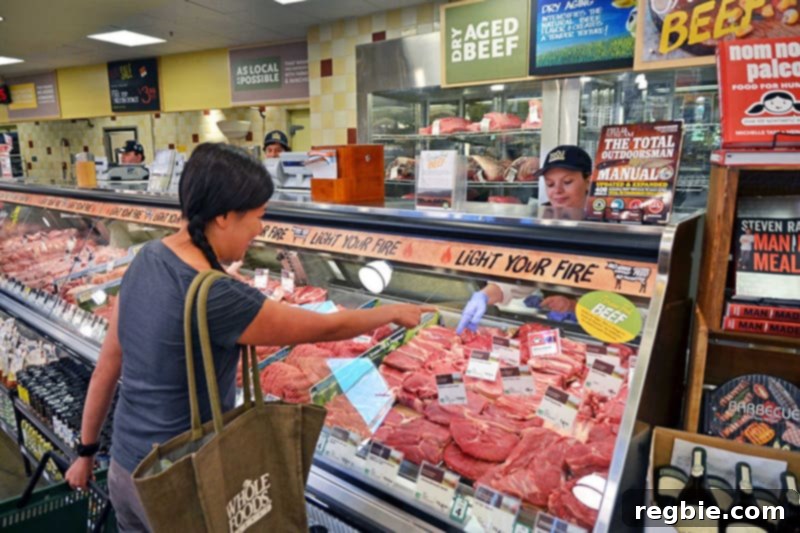
At the heart of any nourishing meal, especially within the Paleo framework, lies high-quality protein. The most sustainable, flavorful, and nutritionally superior animal protein comes from animals raised in their natural environments, consuming diets they are biologically intended to eat. When filling your freezer or refrigerator, always prioritize the purchase of grass-fed (and grass-finished) beef, lamb, and goat. For poultry, opt for pastured chicken and eggs, which are richer in nutrients. Similarly, choose sustainable seafood options to support both your health and oceanic ecosystems.
It’s true that these premium protein sources can sometimes be more expensive. However, strategic shopping can significantly mitigate the cost. Focus on buying ground meats, which are versatile and often more affordable. Don’t shy away from lower-cost braising cuts like chicken thighs, whole chickens (great for roasting and making bone broth), chuck roasts, briskets, beef shanks, and Boston butt roasts. These cuts become incredibly tender and flavorful with slow cooking methods. Always keep an eye out for sales and consider buying in bulk when prices are favorable. Freezing meat correctly ensures you have a supply on hand whenever you need it.
Essential Emergency Proteins for Quick Meals
Life happens, and sometimes you’re too busy, tired, or simply lacking the motivation for elaborate cooking. This is where “emergency protein” comes to the rescue. Keep a selection of pre-cooked or easily prepared protein sources in your pantry or fridge to ensure quick, healthy meals are always an option. Excellent choices include canned wild-caught salmon, sardines, and tuna, which are packed with omega-3s and incredibly convenient. Hard-boiled eggs are a fantastic grab-and-go option, as are compliant sausages and organic deli meats (always check labels for unwanted additives and sugars).
If your pantry is truly bare, a quick trip to the local market for a pre-seasoned rotisserie chicken (check ingredients to ensure it’s Paleo-friendly) can be a lifesaver. Serve it alongside a large green salad for a complete meal. The key is preparation; having these staples on hand is the most reliable way to maintain a healthy eating routine. Remember, strive for progress, not perfection. Even small steps towards stocking your pantry contribute to healthier eating habits. (And yes, even dedicated Paleo enthusiasts might have a can or two of Spam for extreme emergencies – no judgment here!)
Trusted Online Sources for Healthy Meats and Seafood
For those who may not have access to local farms or specialty stores, or simply prefer the convenience of home delivery, several reputable online vendors offer high-quality meats and seafood that adhere to Paleo standards. These sources are committed to ethical farming practices and sustainable sourcing, delivering exceptional products directly to your door:
- Five Marys Farm: Known for their pasture-raised beef, pork, and lamb.
- Pasturebird: Specializes in pasture-raised chicken and chicken products.
- Thrive Market: A membership-based online retailer offering a wide array of organic and non-GMO products, including Paleo-friendly meats and seafood.
- US Wellness Meats: A long-standing provider of grass-fed beef, lamb, bison, and pastured poultry.
- Vital Choice Seafood: Offers a premium selection of wild-caught, sustainably sourced seafood.
Abundant Fruits and Vegetables: The Foundation of Paleo

A common misconception about the Paleo diet is that it’s an endless “meat fest.” In reality, a truly balanced Paleo plate is overflowing with vibrant vegetables and a good portion of fruit. While a palm-sized portion of high-quality protein is central, the majority of your plate should be dedicated to plant-based foods. It’s often said that many people eat more plants on Paleo than they ever did on other diets, and for good reason—vegetables provide essential vitamins, minerals, fiber, and antioxidants that are crucial for overall health.
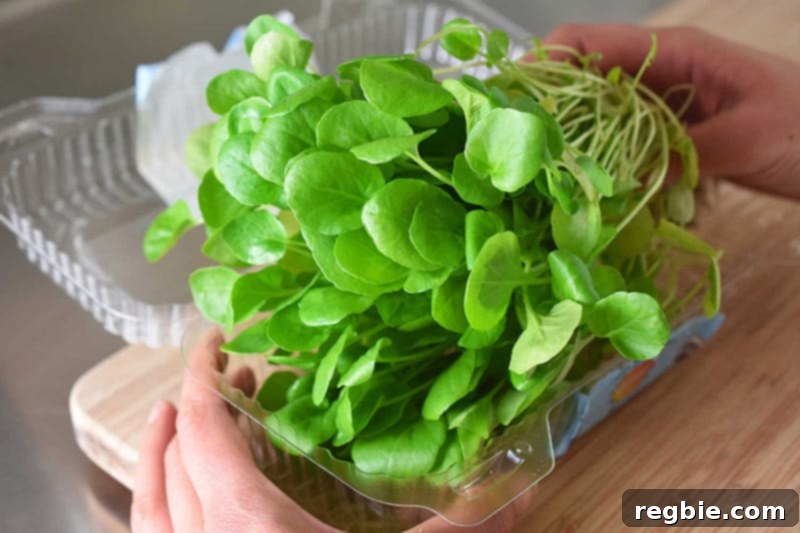
When selecting produce, prioritize buying in-season, pesticide-free (organic if possible) fruits and vegetables. Seasonal produce often tastes better, is more nutritious, and can be more cost-effective. Aim for a wide variety of colors and types to ensure you’re getting a broad spectrum of nutrients. The key, of course, is to actually eat them before they spoil! Proper storage is crucial to prevent waste and keep your crisper drawers looking fresh.
Long-Lasting Produce for Your Pantry
While fresh greens are wonderful, certain fruits and vegetables boast a much longer shelf life, making them ideal for stocking your pantry and ensuring you always have healthy options on hand:
- **Winter Squash:** Varieties like butternut, kabocha, spaghetti, and delicata squash can last for weeks, even months, in a cool, dark place. They are excellent sources of vitamins and complex carbohydrates.
- **Citrus Fruits:** Oranges, tangerines, lemons, and grapefruits are not only packed with Vitamin C but also have a good shelf life, lasting for a couple of weeks in the refrigerator.
- **Cabbage:** Napa, green, red, and savoy cabbage are incredibly versatile, affordable, and can last for several weeks in the fridge.
- **Potatoes:** Sweet potatoes and regular potatoes (if you include them in your Paleo approach) store well in a cool, dark, and dry place, away from onions to prevent sprouting.
- **Beets:** These vibrant root vegetables can last for weeks in the refrigerator crisper.
- **Apples:** A classic pantry staple, apples can last for weeks when stored in a cool place.
- **Onions, Shallots, and Garlic:** The aromatic trio forms the base of countless dishes and can be stored for weeks in a cool, dark, and well-ventilated area.
Don’t Forget Your Freezer: The Power of Frozen Vegetables
Beyond fresh produce, your freezer is an invaluable asset for maintaining a well-stocked Paleo kitchen. Frozen organic vegetables are picked at their peak ripeness and flash-frozen, locking in nutrients. They offer incredible convenience, as they are typically pre-washed and pre-cut, eliminating prep time. Stock your freezer with “emergency greens” like kale and spinach, as well as peas, mixed vegetables, cubed squash, and riced cauliflower. Having these readily available means you have no excuse not to add a generous portion of vegetables to every meal.
Canned and jarred vegetables, such as organic diced tomatoes, roasted red peppers (without seed oils), olives, and artichoke hearts, can also be great shelf-stable additions. Always check the ingredient labels to ensure no added sugars, unhealthy oils, or preservatives.
Embrace Healthy Cooking Fats

One of the foundational shifts in a Paleo diet involves replacing highly processed, omega-6 dominant vegetable oils with nourishing, healthy cooking fats. Bid farewell to corn, soybean, canola, and sunflower oils, and instead stock your shelves with superior alternatives like ghee (clarified butter), coconut oil, rendered animal fats (such as lard, tallow, bacon drippings, and duck fat), avocado oil, algae oil, and high-quality extra-virgin olive oil. Fat is not the enemy; indeed, healthy fats are crucial for hormone production, nutrient absorption, and satiety. The key is ensuring you consume the *right* types of fats.
Most conventional vegetable oils are abundant in omega-6 fatty acids. While omega-6s are essential, excessive consumption, especially in imbalance with omega-3s, can promote inflammation in the body. Healthy Paleo fats, on the other hand, provide stable options for cooking at various temperatures. Olive oil and avocado oil are excellent for dressings and lower-heat cooking, while coconut oil, ghee, and animal fats are stable at higher temperatures. Consider buying larger quantities of these fats or even rendering your own animal fats from quality cuts to save money and ensure purity.
Unlock Deliciousness with Flavor Boosters

Nobody wants bland food. A vibrant, flavorful meal is not only more enjoyable but also makes adherence to a healthy diet much easier. Your pantry should be equipped with a range of “flavor boosters” that can magically transform simple ingredients into culinary masterpieces. A fundamental concept in achieving this is understanding umami, often referred to as the “fifth taste.” Umami provides a savory depth that elevates dishes and creates a sense of profound satisfaction. Learning to harness umami is truly a shortcut to deliciousness in your cooking.
Key Flavor Boosters for Your Paleo Kitchen:
- Coconut Aminos: This dark, salty liquid, fermented from coconut tree sap, is an incredible gluten-free and soy-free alternative to soy sauce. Its savory profile makes it perfect for marinades, stir-fries, and dipping sauces, especially when combined with fish sauce.
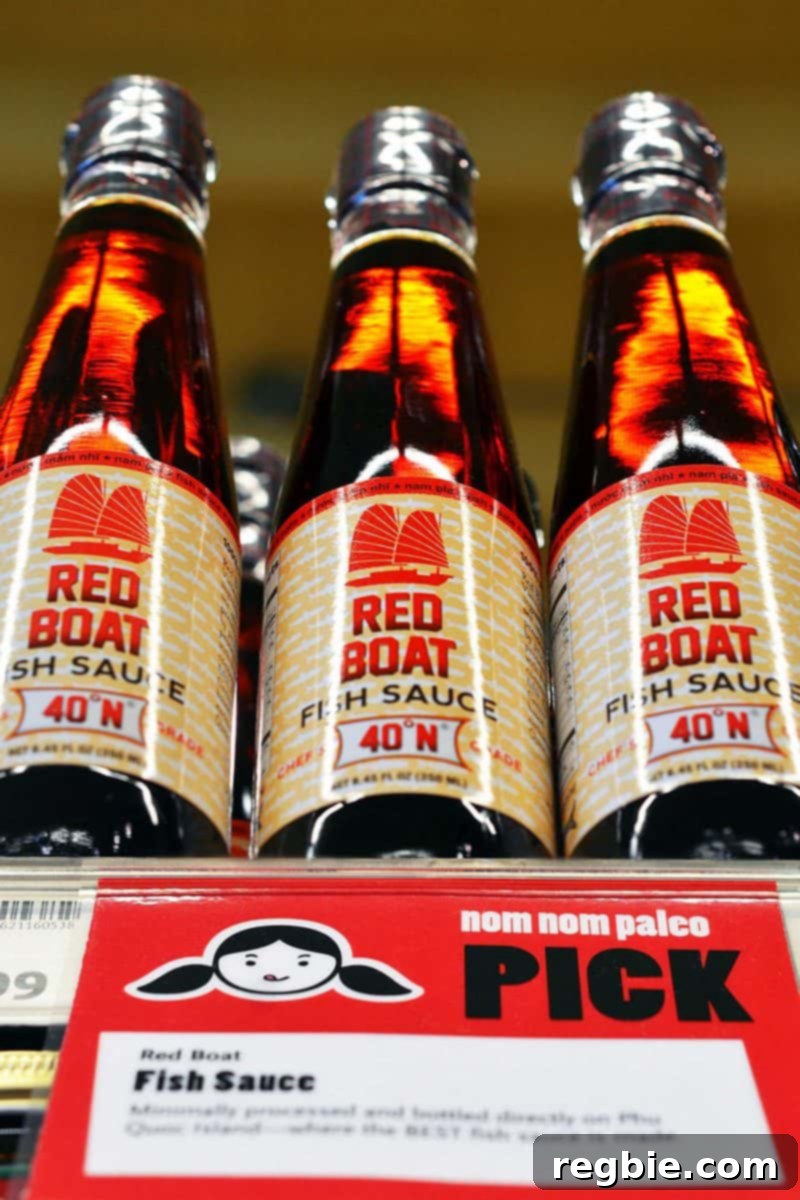
- Red Boat Fish Sauce: A staple in many Southeast Asian cuisines, fish sauce is pure umami in a bottle. While its aroma can be potent straight from the bottle, a few drops in a savory dish add an unparalleled depth of flavor. Don’t let the smell deter you; it’s a game-changer.
- Fresh Garlic, Ginger, Scallions: The aromatic holy trinity of many Asian cuisines, these three ingredients provide a fresh, pungent base for countless dishes. Always keep them on hand to build layers of flavor.
- Fresh Herbs: Herbs like cilantro, parsley, basil, rosemary, and thyme add brightness, aroma, and a fresh dimension to your meals. Learning proper storage techniques can keep them fresh for up to two weeks, ensuring you always have them available.
- Dried Spices and Seasonings: Beyond the staples like dried thyme, bay leaves, garlic powder, and onion powder, explore high-quality spice blends. These often contain unique combinations of herbs and spices that can instantly add umami and “oomph” to your cooking without extra steps. Ensure they are free from anti-caking agents or other non-Paleo ingredients.
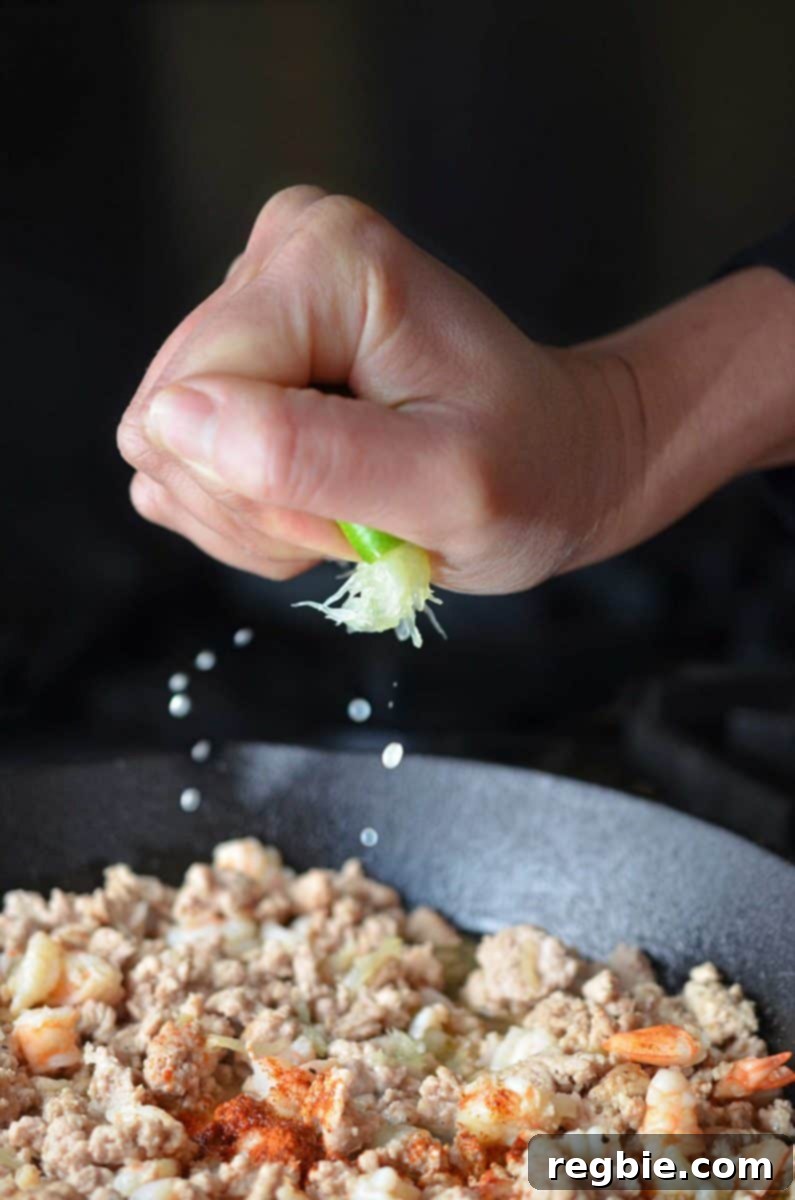
- Assorted Vinegars and Citrus: Acids are indispensable in cooking. A splash of apple cider vinegar, balsamic vinegar (check for added sugar), red wine vinegar, or a squeeze of fresh lemon or lime juice can brighten a dish, cut through richness, and balance flavors, often making all the difference in a finished meal. Always ensure vinegars are gluten-free (e.g., avoid malt vinegar).
- Prepared Paleo-Friendly Sauces and Dressings: While making your own sauces from scratch is often ideal, keeping a few compliant options on hand can be a lifesaver for quick meals. Look for marinara sauces, Thai curry pastes, and salsas that use only Paleo-friendly ingredients (no added sugars, unhealthy oils, or preservatives). These allow you to throw together a delicious meal in minutes.
- Dried Mushrooms: A powerhouse of natural umami, dried mushrooms (like shiitake or porcini) can be rehydrated and added to stews, braises, or stir-fries for an intense flavor boost. Their soaking liquid can also be used as a rich broth.
- Tomato Paste: Just a small spoonful of concentrated tomato paste can add incredible depth and umami to slow-cooked dishes, soups, and sauces. Look for brands without added sugar.
- Bacon: While delicious on its own, bacon truly shines as a flavor booster. Choose bacon made from pastured pork with no crazy additives. If you’re on a strict Paleo challenge or Whole30, ensure it’s sugar-free. Crispy bacon bits can elevate roasted vegetables, salads, and countless other dishes.
Many of these recommended Paleo pantry items, and more, can often be found through online retailers or specialty stores, making it easier than ever to stock your kitchen with quality ingredients.
Healthy Hydration: The Best Drinks for Paleo

Your mother was right: water is the ultimate hydrator, and it should be your primary beverage choice. Make your water more appealing by infusing it with sliced fruits (lemon, lime, berries), cucumbers, or fresh mint for a spa-like experience. Sparkling water is another refreshing option if you crave effervescence without added sugars or artificial sweeteners.
For something different, consider naturally fermented kombucha (check sugar content, as some can be quite high), a variety of unsweetened teas (herbal, green, black), or black coffee. Homemade almond milk, free from additives, is also a wonderful and creamy addition to your drink repertoire. On chilly mornings or when you need a comforting boost, a warm mug of bone broth is incredibly nourishing. Rich in collagen and amino acids, bone broth supports gut health and can be easily stored frozen in convenient portion sizes for quick warming. Don’t knock it until you try it – it’s a surprisingly satisfying and therapeutic beverage.
Smart Snacking: Fueling Your Body the Paleo Way

One of the liberating aspects of adopting a Paleo diet is often a significant reduction in constant hunger and the need for frequent snacking. As your body acclimates to consuming real, nutrient-dense foods, it becomes more adept at recognizing natural satiety cues. You might find yourself less “hangry” and able to go longer between meals without that urgent need for a snack. In fact, when hunger does strike between meals, it’s often a sign that your main meal wasn’t quite filling enough, or simply that you’re bored or craving something to chew on.
When you do feel genuinely hungry at home, aim for mini-meal snacks that combine protein, healthy fat, and fruits or vegetables. Examples include a handful of nuts with an apple, sliced avocado with a hard-boiled egg, or leftover roasted chicken with some berries. This approach provides sustained energy and aligns with the balanced nutrition of the Paleo diet.
On-the-Go Paleo Snacks for Busy Lifestyles:
There will undoubtedly be times when you’re traveling, at work, or simply out and about in a “Paleo wasteland” with limited healthy options. For these situations, having a few packable, non-perishable Paleo snacks in your bag is incredibly helpful:
- Salted and Roasted Macadamia Nuts: Rich in healthy fats, these are satisfying and convenient. Other nuts like almonds and walnuts are also great choices.
- Beef Jerky or Meat Sticks: Opt for high-quality, sugar-free, preservative-free versions made from grass-fed beef or other lean meats.
- Dark Chocolate (85-90% cacao or higher): If you indulge in sweets, choose very dark chocolate in moderation. It offers antioxidants and a rich flavor without excessive sugar. (A strict Paleo challenge or Whole30 would typically advise avoiding all forms of added sugar, even from compliant sources like honey or maple syrup).
- Fruit & Veggie Sticks: Pre-cut carrots, celery, bell peppers, or a piece of fruit like an apple or banana.
- Seed-based Crackers: Look for crackers made from seeds and nuts, without grains or unhealthy oils.
The key is to select snacks that are genuinely nourishing and align with your Paleo principles, rather than just filling a void. Remember, sugar is still sugar, regardless of its source, so consume even Paleo-friendly sweeteners in strict moderation.

With these comprehensive tips, you’re well-equipped to transform your kitchen into a Paleo powerhouse. A thoughtfully stocked pantry simplifies meal preparation, minimizes stress, and supports your commitment to a healthy, vibrant lifestyle. Stay well-nourished and thrive on your Paleo journey!
Looking for more recipe ideas to put your well-stocked pantry to use? Head on over to our extensive Recipe Index. You’ll also find exclusive recipes on our iPhone and iPad app, and in our cookbooks, Nom Nom Paleo: Food for Humans (Andrews McMeel Publishing 2013), Ready or Not! (Andrews McMeel Publishing 2017), and Nom Nom Paleo: Let’s Go! (Andrews McMeel Publishing 2022).