
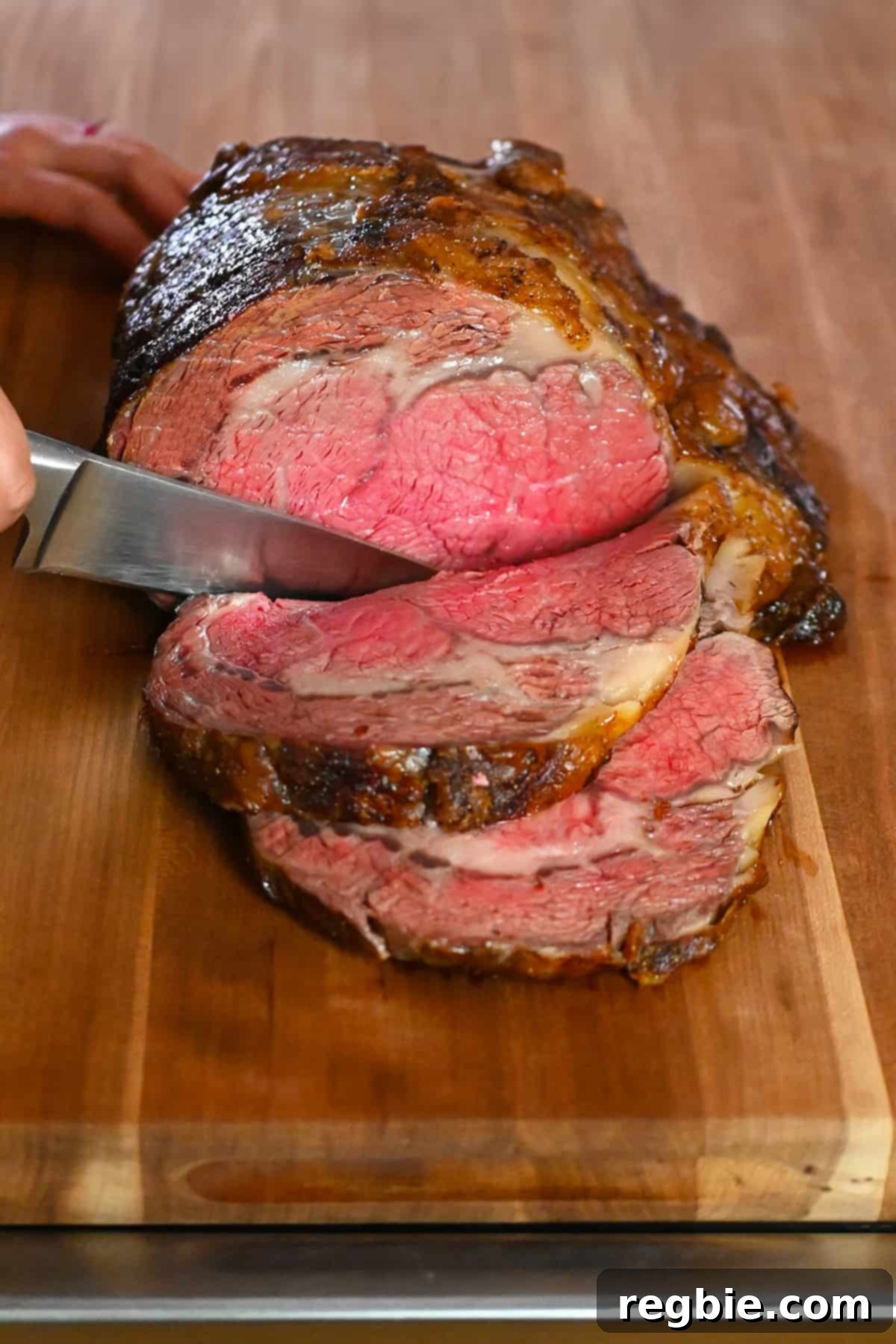
Discover the secret to an effortlessly delicious prime rib roast, perfected with just three simple ingredients: premium beef rib roast, salt, and pepper. This comprehensive guide will walk you through a foolproof reverse-sear method, guaranteeing a perfectly cooked interior, ideal doneness, and an irresistible golden, flavorful crust every single time. Elevate your holiday dinners and special occasions with a show-stopping centerpiece that’s much easier to achieve than you might think.
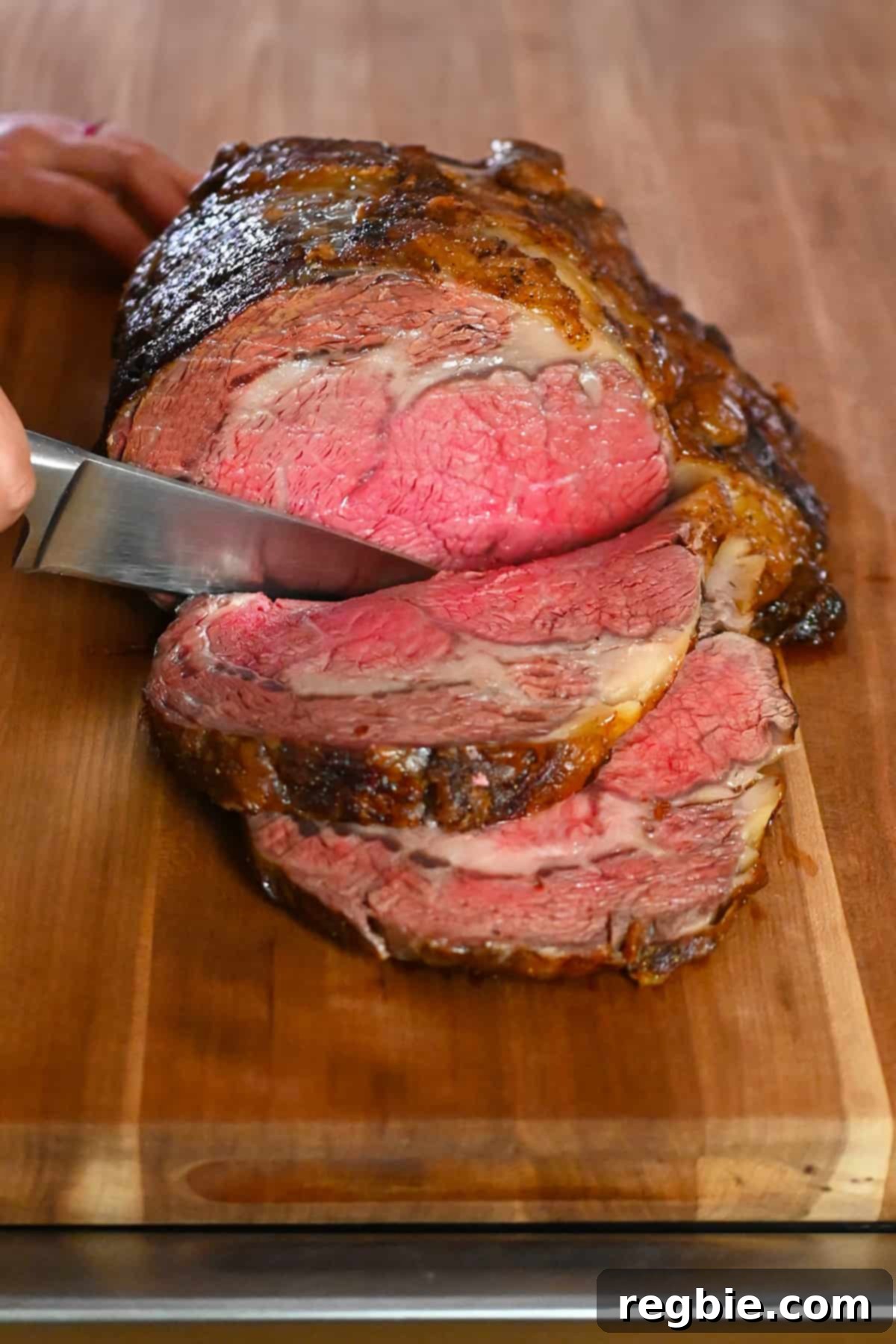
Table of Contents
- The Ultimate Foolproof Prime Rib Recipe
- The Science of Simple, Slow Roasting and Reverse Searing
- Essential Tips for the Best Standing Rib Roast
- Required Kitchen Tools for Perfect Prime Rib
- The Three Magical Ingredients
- Step-by-Step: How to Cook Prime Rib Roast
- What to Serve With Your Prime Rib Roast
- How to Store and Repurpose Leftover Prime Rib
- Prime Rib Recipe Card
The Ultimate Foolproof Prime Rib Recipe
A magnificent prime rib roast is often considered the pinnacle of celebratory meals, a true showstopper for holidays, special gatherings, or simply when you want to impress. However, the price tag associated with this luxurious cut of beef can make preparing it feel daunting. The last thing anyone wants is to botch such a premium piece of meat, especially when hosting important guests like your boss or in-laws.
Fear not, aspiring chefs! I’m here to share a method that transforms the intimidating prime rib into an incredibly easy and consistently perfect dish. My approach, heavily inspired by the expertise of culinary giants like J. Kenji Lopez-Alt and America’s Test Kitchen (you can find a version in our cookbook, Ready or Not!), distills their best techniques into a simplified, foolproof recipe. This isn’t just a recipe; it’s a guarantee for a succulent, juicy, and beautifully crusted prime rib every single time. Forget complex marinades and excessive herbs; we’re focusing on fundamental techniques that bring out the best in the beef itself.
The Science of Simple, Slow Roasting and Reverse Searing
The secret to a truly outstanding prime rib lies in embracing the “simple and slow” philosophy, culminating in a dramatic reverse sear. Many recipes inundate you with lists of herbs, garlic, mustard, and various aromatics, promising enhanced flavor. While those can certainly add complexity, I promise you, with a high-quality cut like prime rib, these extras are often unnecessary. The inherent richness and flavor of the beef are best showcased with minimal interference.
This slow-roasted, reverse-sear method requires just three key elements: a beautiful piece of beef, ample time, and a reliable meat thermometer. By roasting the prime rib at a low temperature for an extended period, we ensure the meat cooks incredibly evenly from edge to center. This gentle heat prevents the outer layers from overcooking and drying out while the interior slowly reaches its target temperature. The result is a uniformly pink, tender, and incredibly juicy roast.
Once the slow roast is complete, the magic of the “reverse sear” comes into play. A quick blast of very high heat or broiling creates that coveted, deeply browned, and crunchy crust without pushing the internal temperature much further. This contrast between the tender, perfectly cooked interior and the crispy, flavorful exterior is what makes this method superior. With a little advance planning for the crucial dry brining stage, your prime rib will undoubtedly become the show-stopping centerpiece of your Christmas dinner or any special holiday feast.
Essential Tips for the Best Standing Rib Roast
Achieving prime rib perfection isn’t just about following steps; it’s about understanding the nuances that elevate a good roast to an exceptional one. Here are my top tips to ensure your standing rib roast is truly the best:
- Invest in a Quality Meat Thermometer: This is arguably the most critical tool for success. While this recipe is forgiving due to the low roasting temperature, precision is key for an expensive cut like prime rib. You absolutely need an accurate meat thermometer to ensure the roast is cooked to your exact desired doneness. I highly recommend using both an in-oven thermometer, which allows you to monitor the internal temperature continuously as the roast cooks, and an instant-read thermometer for quick, precise spot-checks, especially before and after the high-heat sear. Never guess the doneness of such a significant piece of meat!
- Bone-In for Flavor, Deboned for Ease: Opt for a bone-in prime rib whenever possible. The bones contribute significantly to the beefy flavor during roasting and also act as a natural rack, promoting even cooking. However, for easier seasoning and, more importantly, effortless carving after cooking, I recommend having your butcher cut the bones off and then tie them back to the roast with kitchen twine. This allows you to season the entire surface of the meat liberally, including the underside, and then simply snip the twine post-roast for clean, professional slices. If you’re confident with a knife, you can also use a sharp boning knife to do this yourself.
- Season Liberally and Dry-Brine: This step is non-negotiable for a well-seasoned, juicy, and flavorful roast with a fantastic crust. Salt is not just for taste; it’s a tenderizer and moisture enhancer. Apply a generous amount of kosher salt (about ¾ teaspoon per pound) to all surfaces of the roast. Then, leave the roast uncovered in your refrigerator for at least 24 hours, and ideally up to 4 days. This process, known as dry-brining, allows the salt to draw out moisture from the meat, dissolve, and then reabsorb, carrying the seasoning deep into the muscle fibers. This also helps dry the surface, which is crucial for achieving that beautiful, crispy crust during the reverse sear.
- Embrace Patience for Low and Slow Cooking: Rushing a prime rib is a recipe for disaster. Plan ahead to allow sufficient time for the dry-brining process (at least a day) and then allocate 4 to 5 hours for the slow roasting phase at 250°F (120°C). Cooking at a lower temperature for a longer duration ensures the heat penetrates the roast gently and evenly, preventing the dreaded grey band of overcooked meat around the edges and yielding a consistently pink, tender interior. This “low and slow” approach is the cornerstone of this foolproof method.
- Master the Crust with a High-Heat Blast: After the initial slow roast, the prime rib will be perfectly cooked internally but will lack that appealing golden-brown crust. This is where the reverse sear comes in. Remove the roast from the oven, tent it with foil, and crank up your oven to its highest possible setting (typically 500-550°F or 260-290°C), or even use the broiler. Once the oven is scorching hot, return the roast for a quick 5-10 minute blast. The goal is to brown the exterior rapidly without significantly raising the internal temperature. Keep a close eye on it – there’s a fine line between a perfectly browned crust and a burnt one, or worse, overcooking the interior beyond your desired medium-rare.
Required Kitchen Tools for Perfect Prime Rib
While the ingredients list is minimal, a few key kitchen tools will make the prime rib cooking process smooth and successful. Having these on hand before you start will ensure a stress-free experience:
- Roasting Pan and Rack: Essential for allowing air circulation around the roast, ensuring even cooking, and preventing the bottom from steaming. A sturdy rack keeps the meat elevated above any drippings.
- Kitchen Twine: Used to tie the bones back onto the roast after deboning, or to help maintain the roast’s shape if cooking boneless.
- Instant-Read Meat Thermometer and/or In-Oven Meat Thermometer: As emphasized earlier, these are non-negotiable. An in-oven probe thermometer provides continuous monitoring, while an instant-read thermometer offers quick, precise checks in different parts of the roast.
- Large Cutting Board: You’ll need a substantial surface for carving your impressive roast.
- Boning Knife (Optional): If you choose to remove the bones yourself, a sharp, flexible boning knife is ideal for navigating around the bone structure.
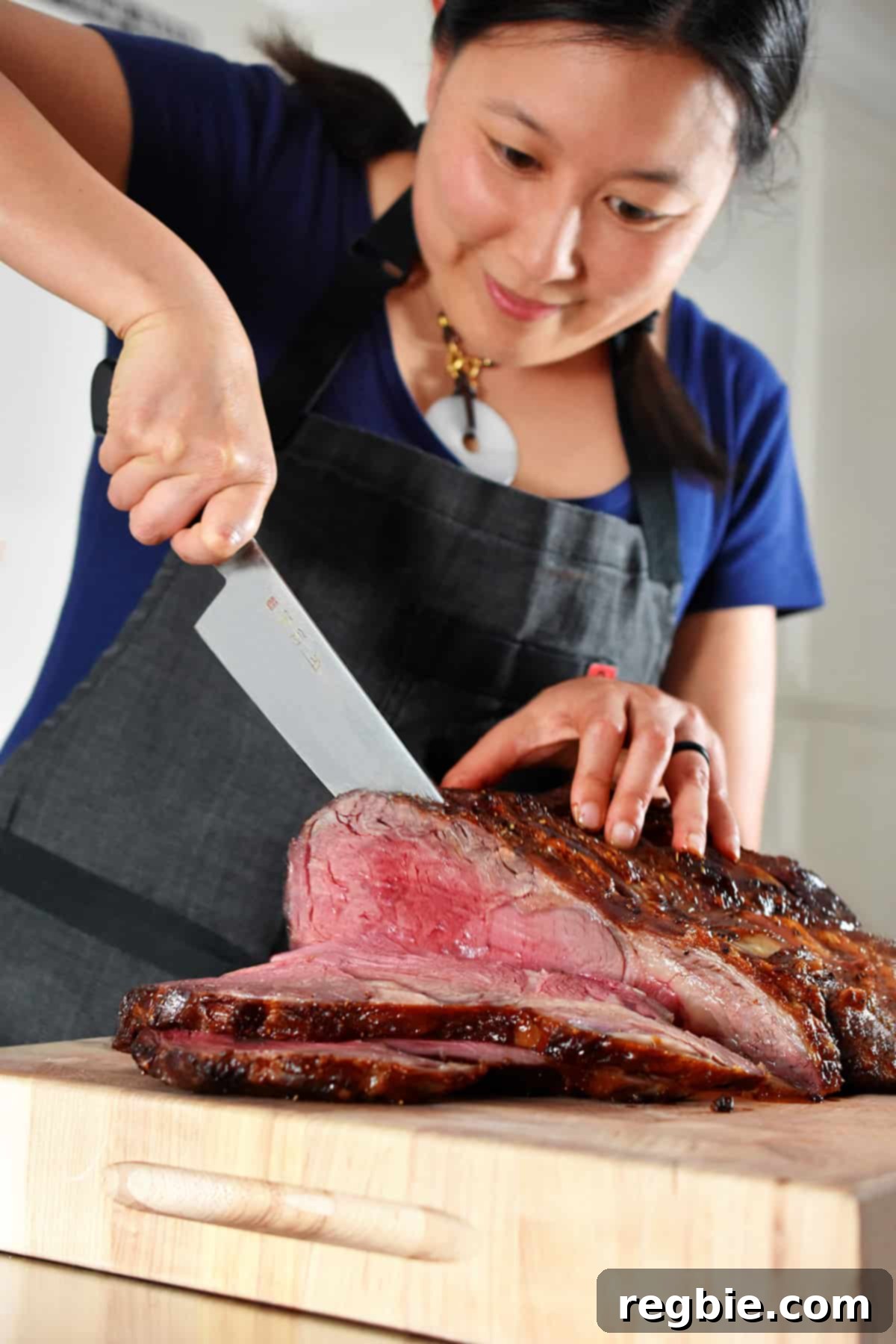
- Carving Knife: A long, sharp carving knife is crucial for slicing the cooked prime rib cleanly and beautifully.
The Three Magical Ingredients
Less is truly more when it comes to prime rib. Our recipe relies on the inherent quality of the beef and the power of simple seasoning to create extraordinary flavor. Here’s what you’ll need:
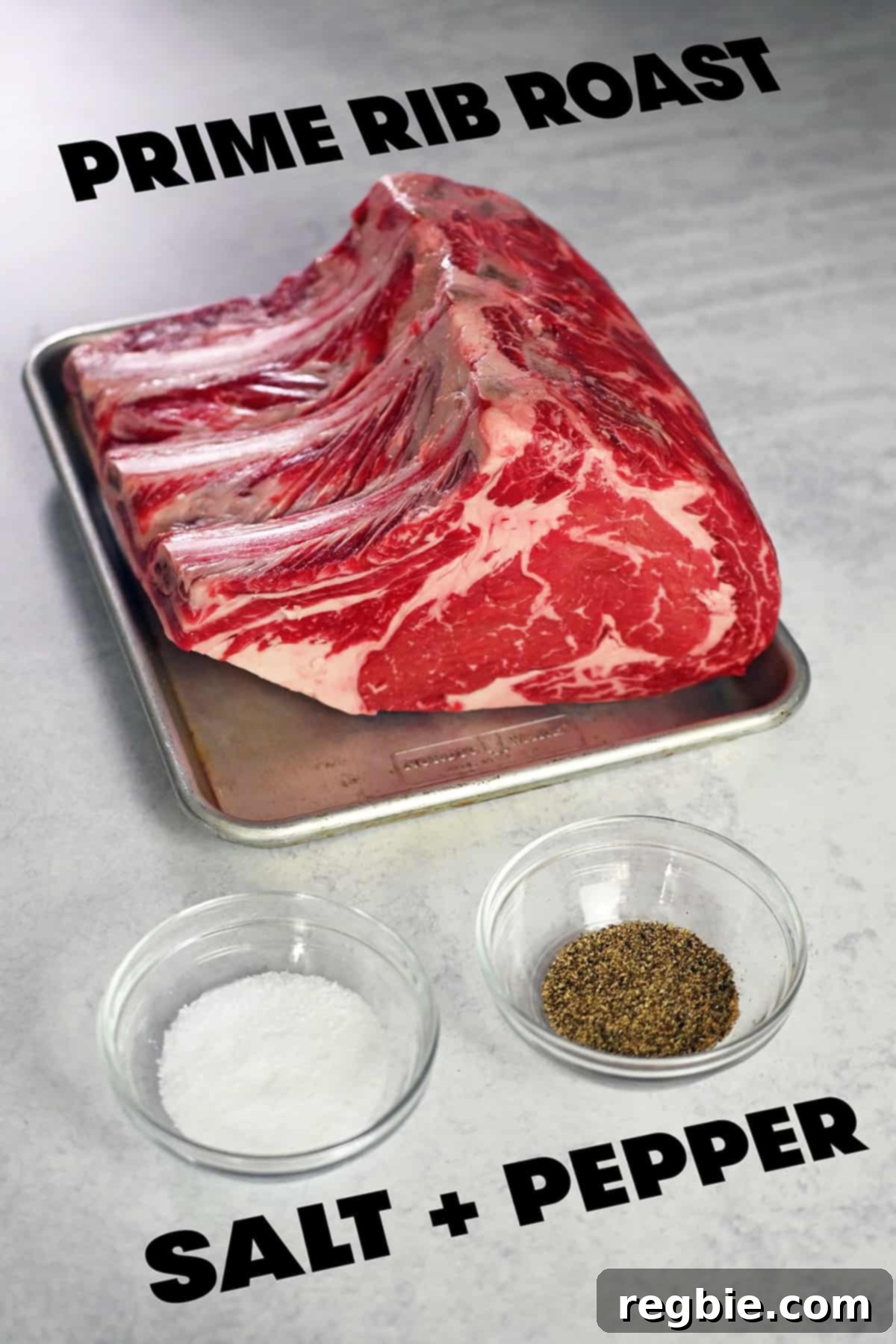
- 1 (9-pound) Bone-In Prime Rib Roast: The star of the show! For the best results, seek out a high-quality “prime” grade roast from a reputable butcher. They can often provide insights into the cut and proper handling. Costco is also an excellent source for obtaining prime grade rib roasts at a competitive price. A 9-pound bone-in roast typically yields enough generous servings for approximately 8 to 10 people, accounting for roughly 1 pound of meat per person, including the bone weight.
- Diamond Crystal Brand Kosher Salt: The specific type of salt matters due to its flake size and how it adheres to the meat. I consistently use about ¾ teaspoon of Diamond Crystal kosher salt per pound of roast. While this might seem like a lot, it’s surprisingly difficult to over-season a large cut like prime rib when dry-brining. Don’t be shy with the salt; it’s essential for flavor penetration and crust development.
- Freshly Ground Black Pepper: Complementing the salt, freshly ground black pepper adds a pungent, aromatic kick. The amount is largely a matter of personal preference, but I find that about a quarter of the quantity of salt creates a balanced flavor profile without overwhelming the beef.
Step-by-Step: How to Cook Prime Rib Roast
Follow these detailed steps to achieve a perfectly cooked, juicy prime rib with a spectacular crust. Precision and patience are your best friends here!
Preparation: Deboning and Seasoning
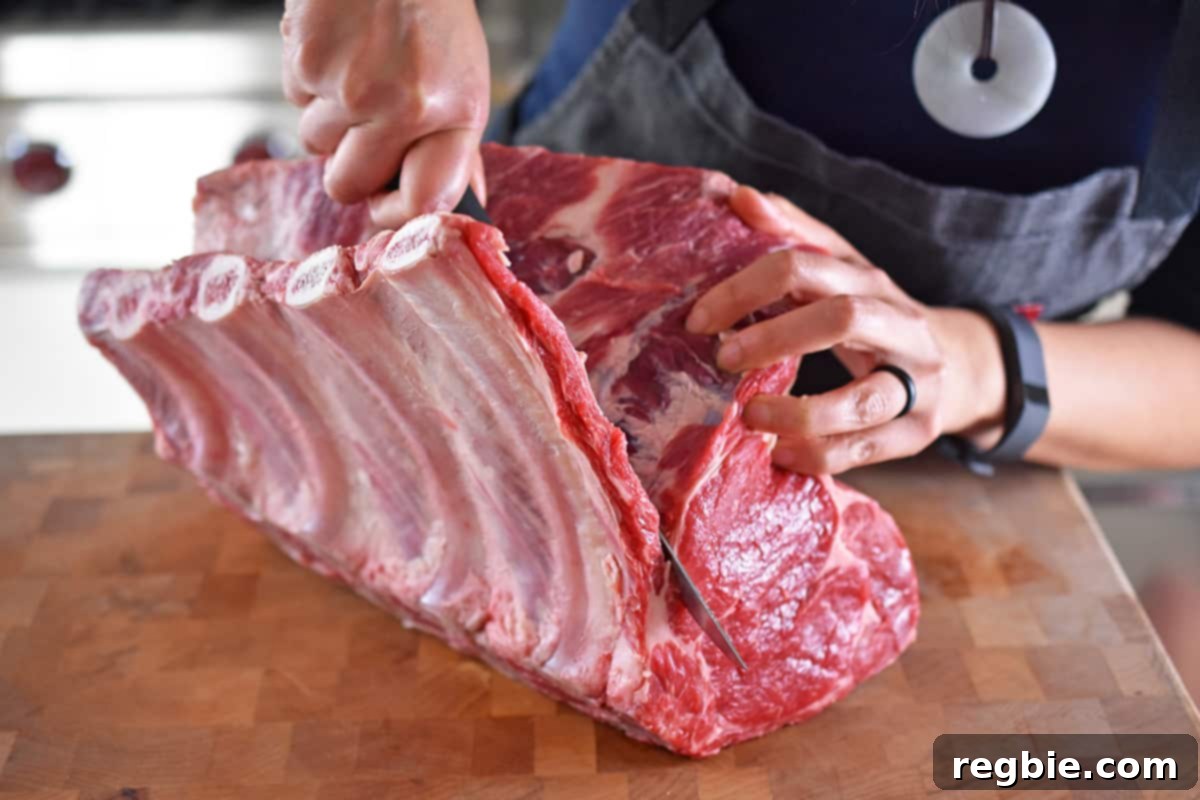
- Debone the Roast: Using a sharp knife, carefully cut the bones off the rib roast. This allows for even seasoning and much easier carving later. If you prefer, ask your butcher to do this for you. Set the detached bones aside; they will be used as a natural roasting rack.
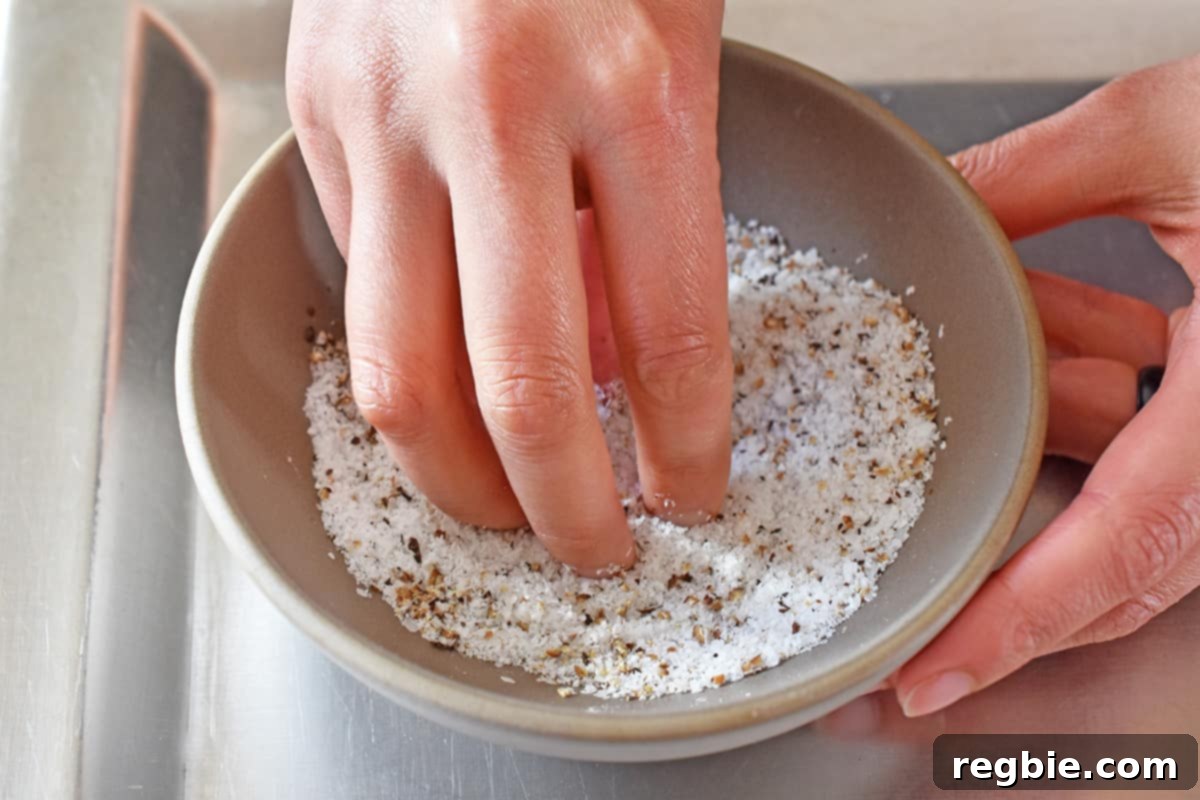
- Prepare the Seasoning Blend: In a small bowl, measure out approximately ¾ teaspoon of Diamond Crystal kosher salt per pound of meat. Mix in your desired amount of freshly ground black pepper. This simple blend is all you need.
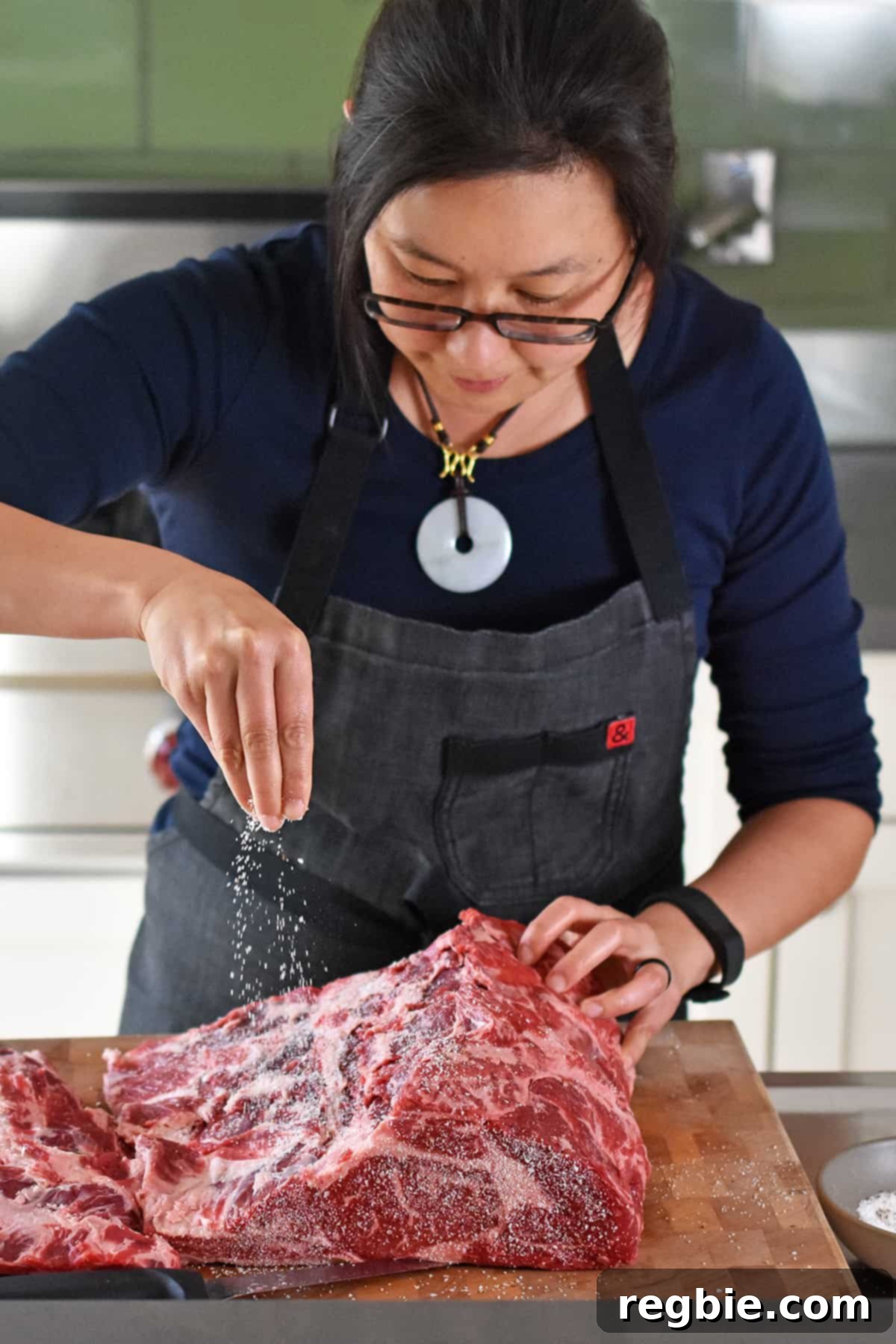
- Season Generously: Liberally sprinkle the salt and pepper mixture over all sides of the now-boneless ribeye roast. Don’t forget to season the detached rib rack as well, as it will contribute flavor and drippings during roasting. Ensure every surface is coated.
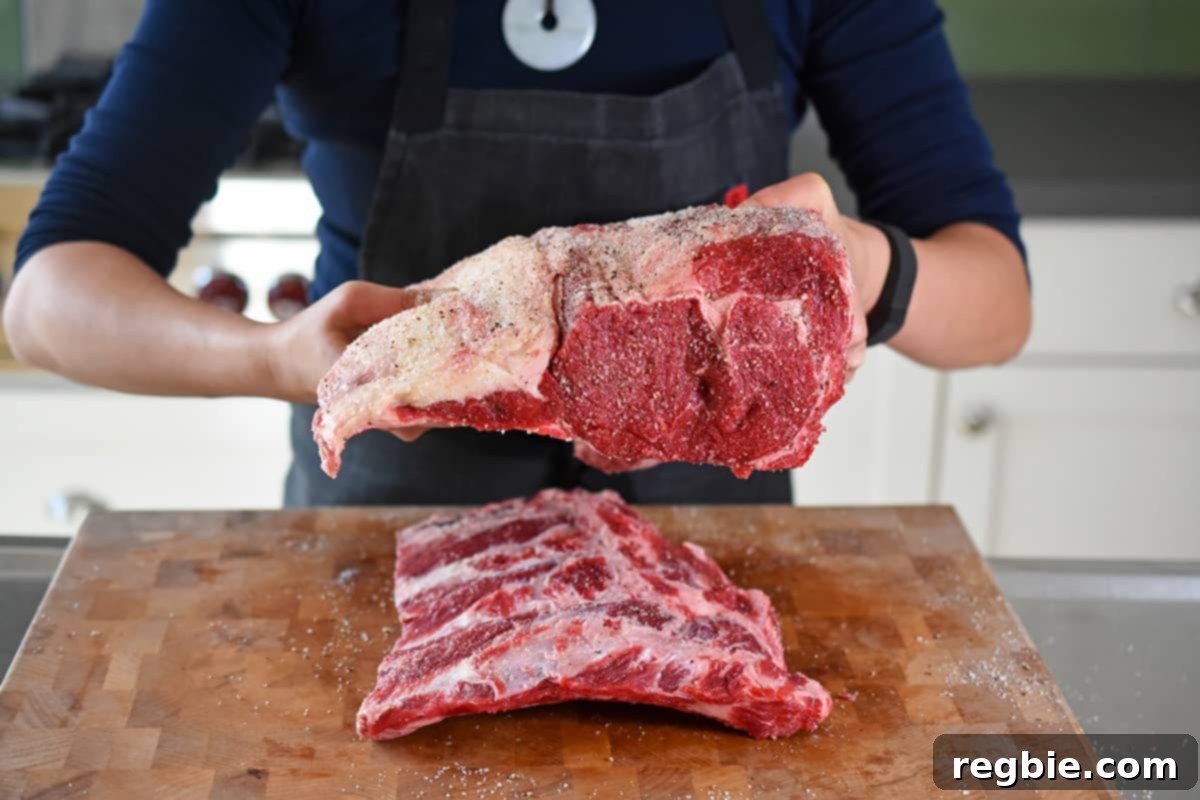
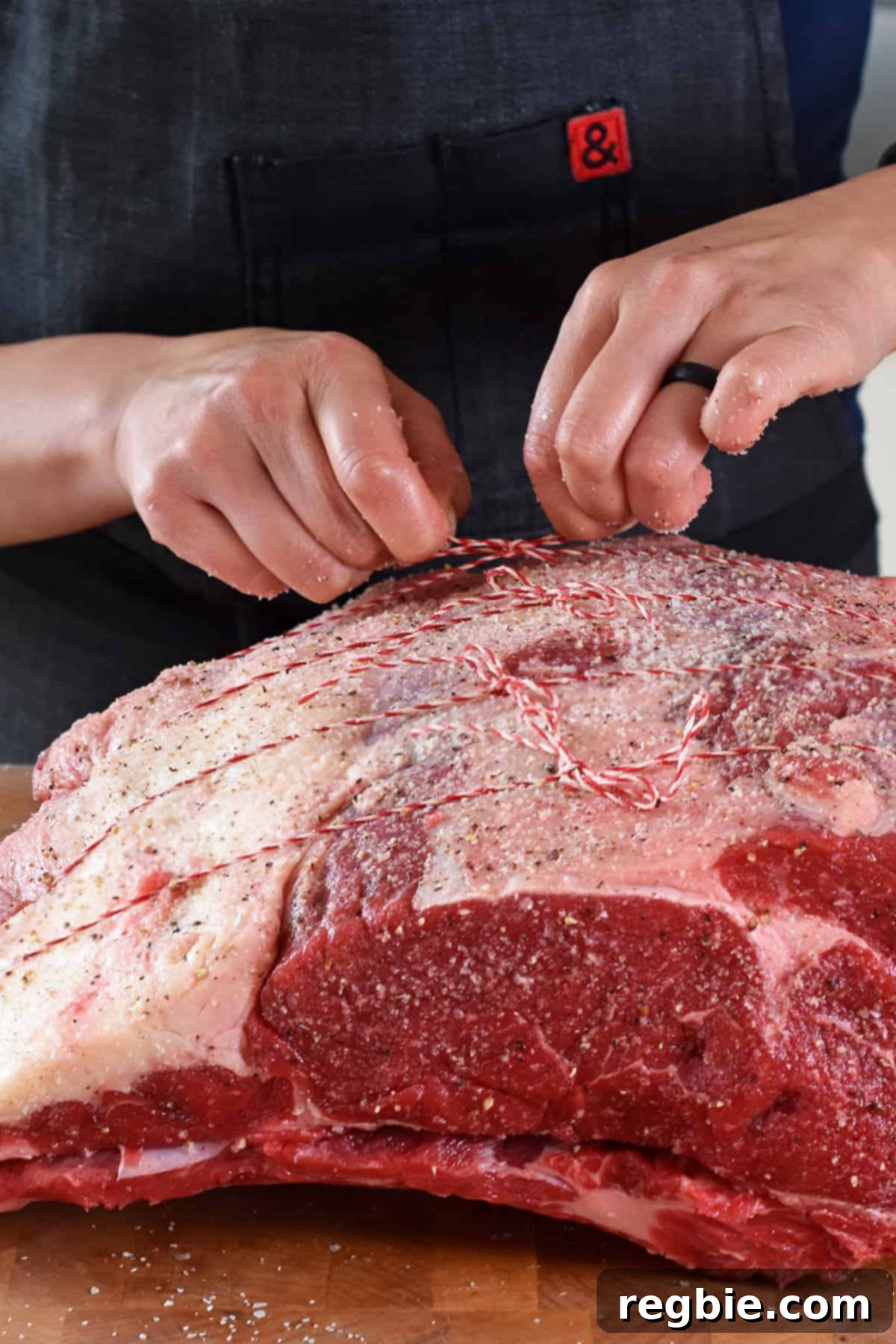
- Reassemble and Tie: Place the seasoned roast back on top of its bones, ensuring the fat cap (the layer of fat) is facing up. Use kitchen twine to securely tie the bones back to the roast. This helps the roast hold its shape and allows the bones to act as a natural roasting rack. Place the prepared roast in a rimmed baking sheet.
Dry Brining and Bringing to Temperature
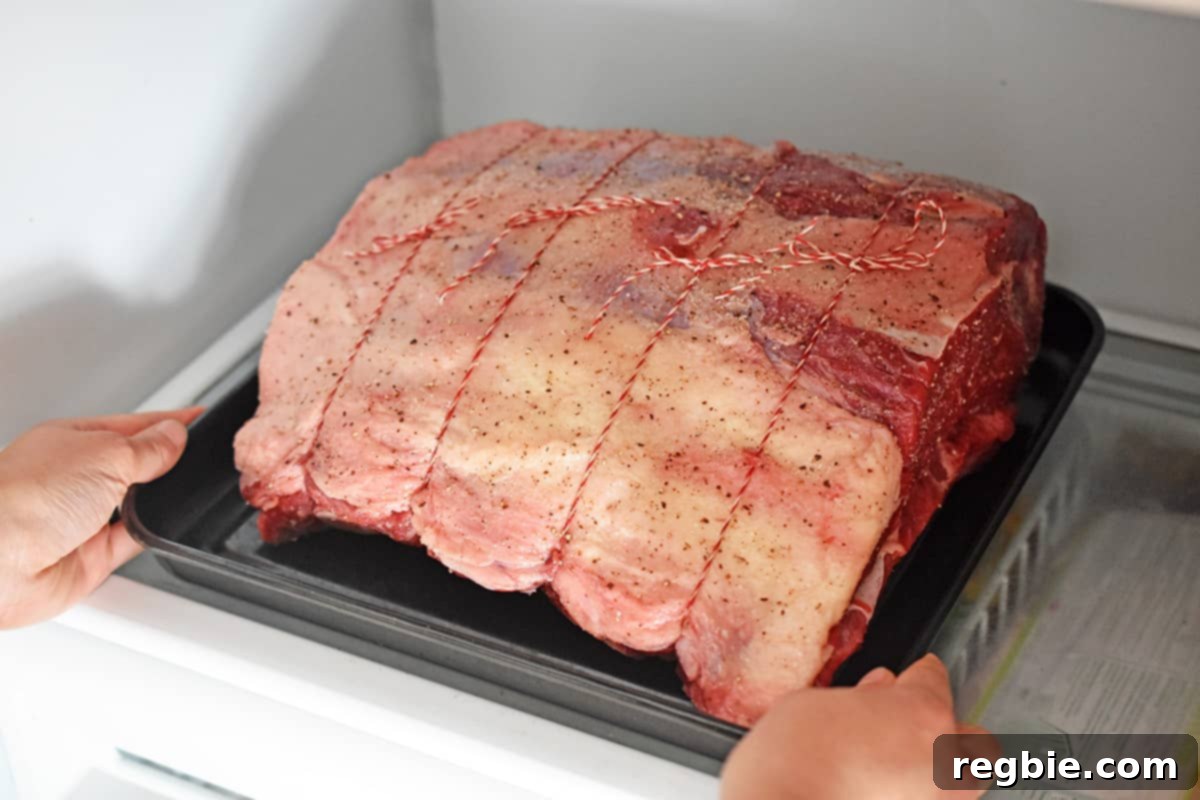
- Dry Brine in the Fridge: Leave the roast uncovered in your refrigerator for a minimum of 1 day and up to 4 days. This crucial dry-brining and air-drying step will not only allow the salt to deeply penetrate and season the meat but also helps to dehydrate the surface, ensuring a deliciously browned, beefy crust later on.
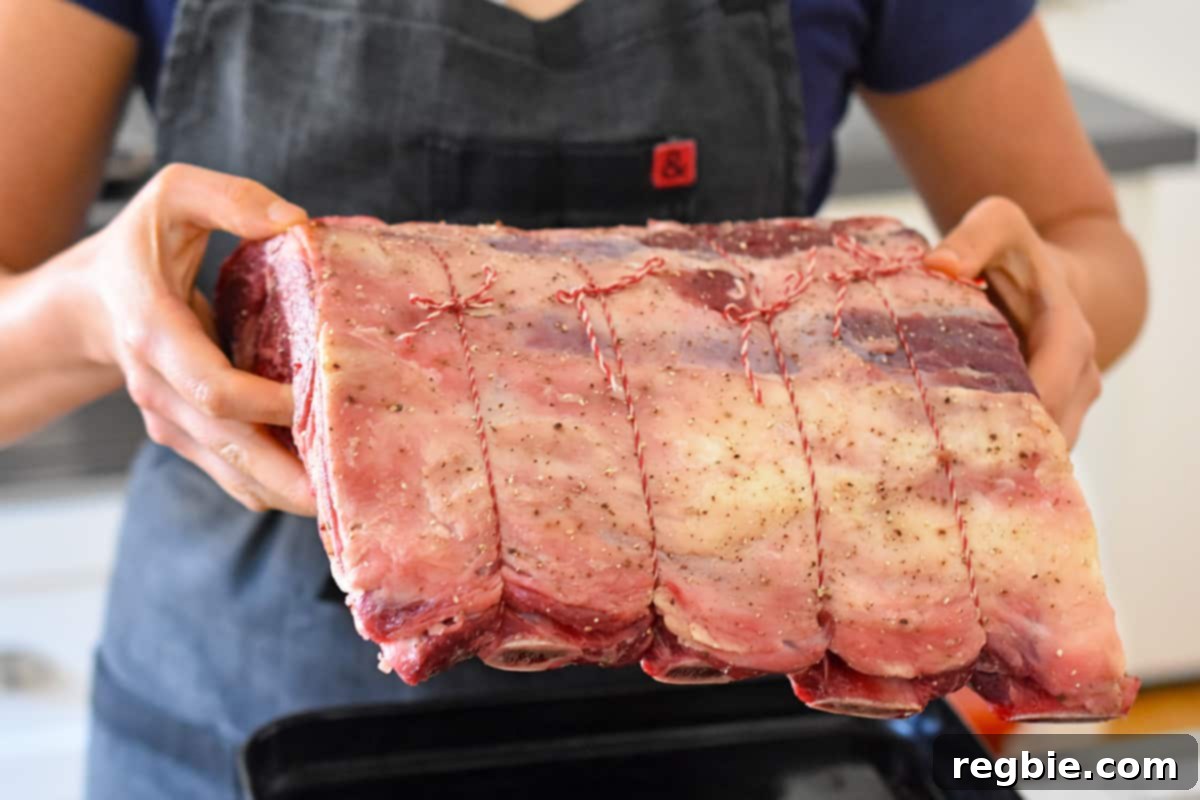
- Bring to Room Temperature: Approximately 3 hours before you plan to cook, remove the prime rib from the refrigerator. Allow it to sit at room temperature. This helps the roast cook more evenly from edge to center, preventing the outside from overcooking while the inside struggles to catch up.
Slow Roasting
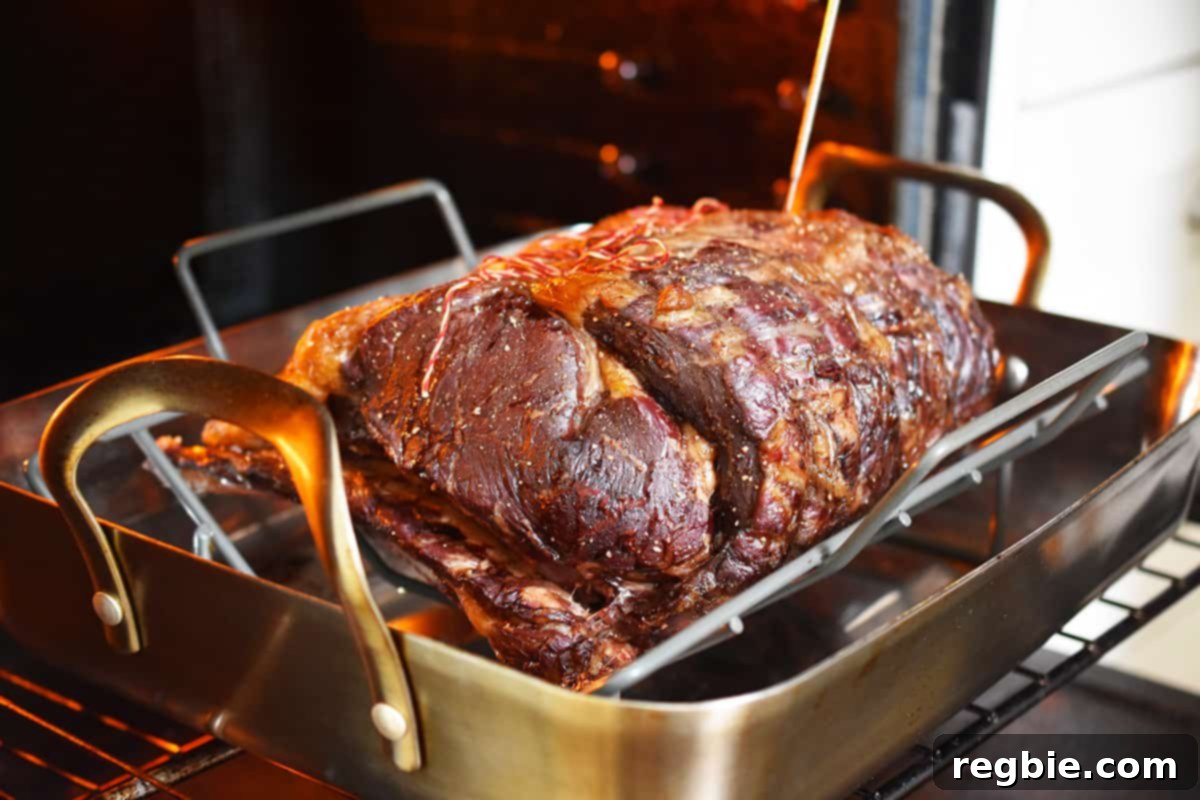
- Prepare for Roasting: Preheat your oven to 250°F (120°C) with the oven rack positioned in the lower-middle section. This low temperature is key to the “low and slow” cooking method. Place the seasoned rib roast on a lightly greased roasting rack within a roasting tray.
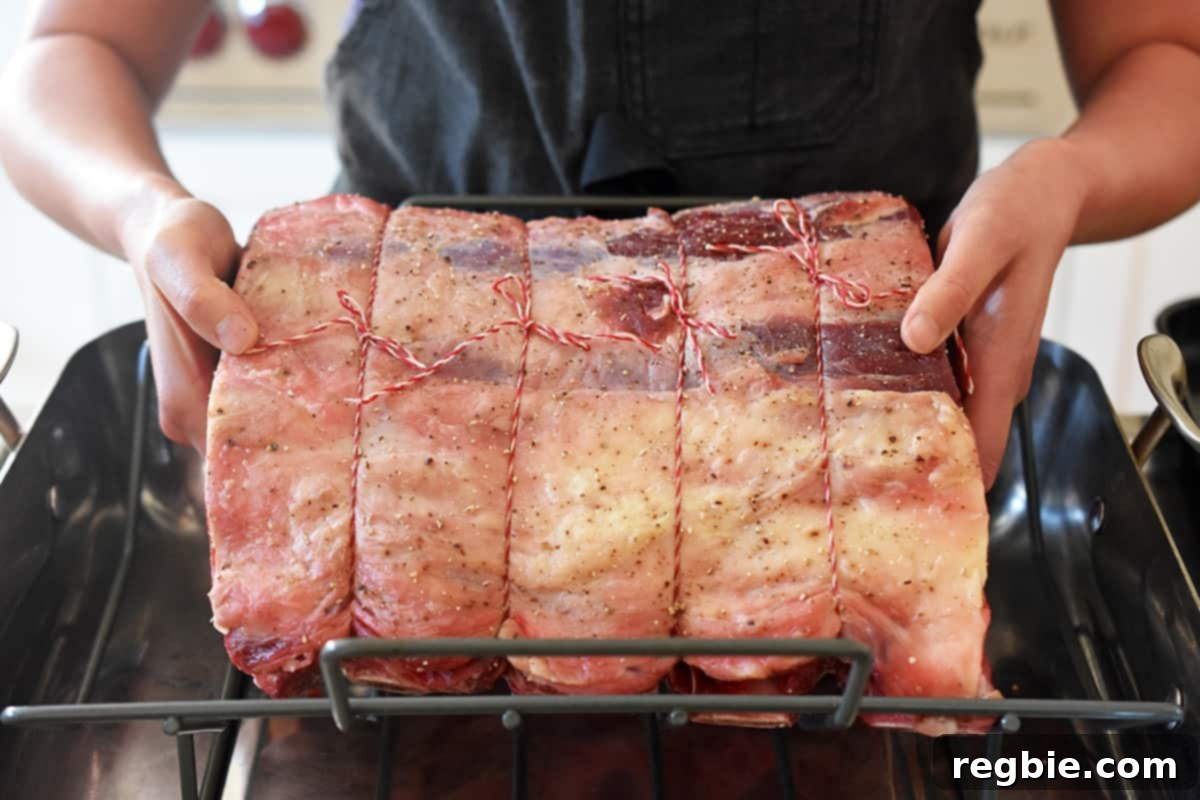
- Slow Roast to Desired Doneness: Cook the prime rib for 4 to 5 hours, or until the internal temperature, measured in the thickest part of the roast (avoiding bone), reaches your desired doneness.
- For **medium-rare** prime rib, aim for an internal temperature of 125-130°F (52-54°C).
- For **medium** prime rib, target 135-140°F (57-60°C).
Remember that the temperature will rise slightly during resting.
Resting and Reverse Sear
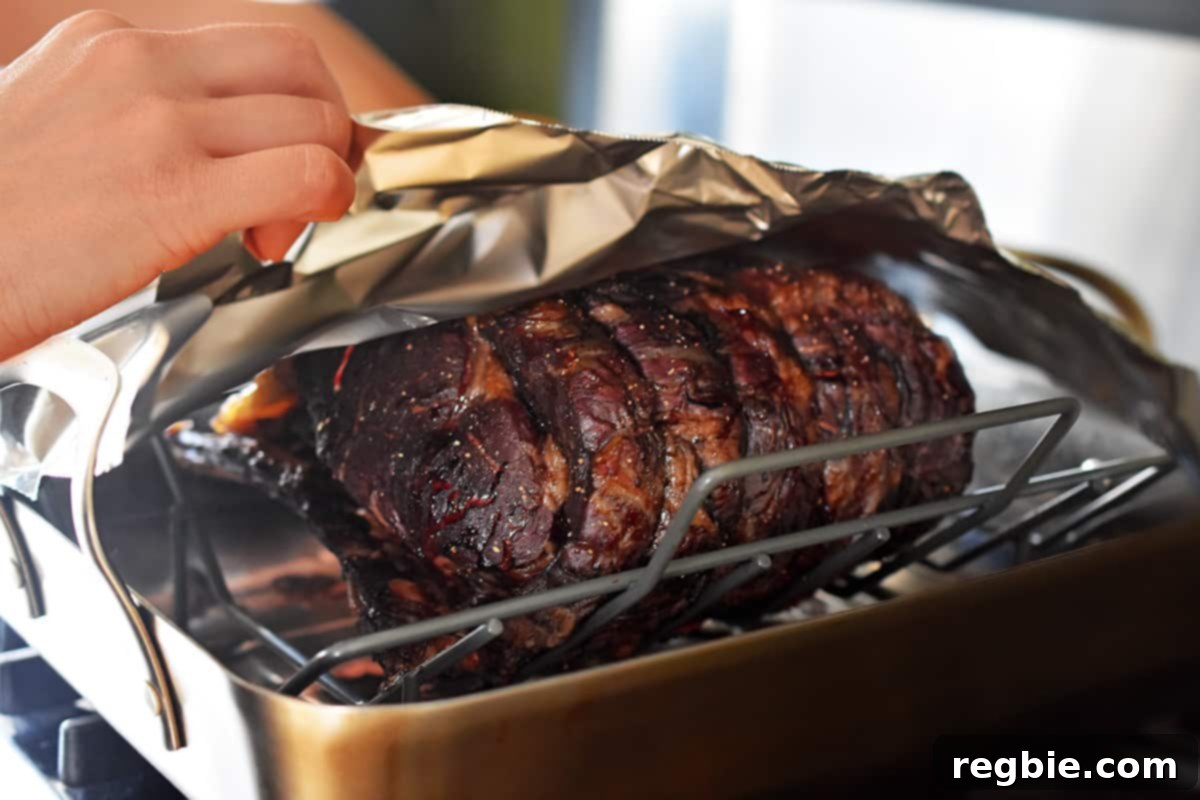
- Rest and Preheat for Sear: Once the roast reaches your target internal temperature, remove it from the oven. Tent it loosely with aluminum foil to keep it warm and allow the juices to redistribute. While it rests (which is crucial for tenderness), crank your oven to its highest possible temperature (typically 500-550°F or 260-290°C). You can also engage the broiler setting if your oven has one and you’re confident using it. We want the oven to be HOT!
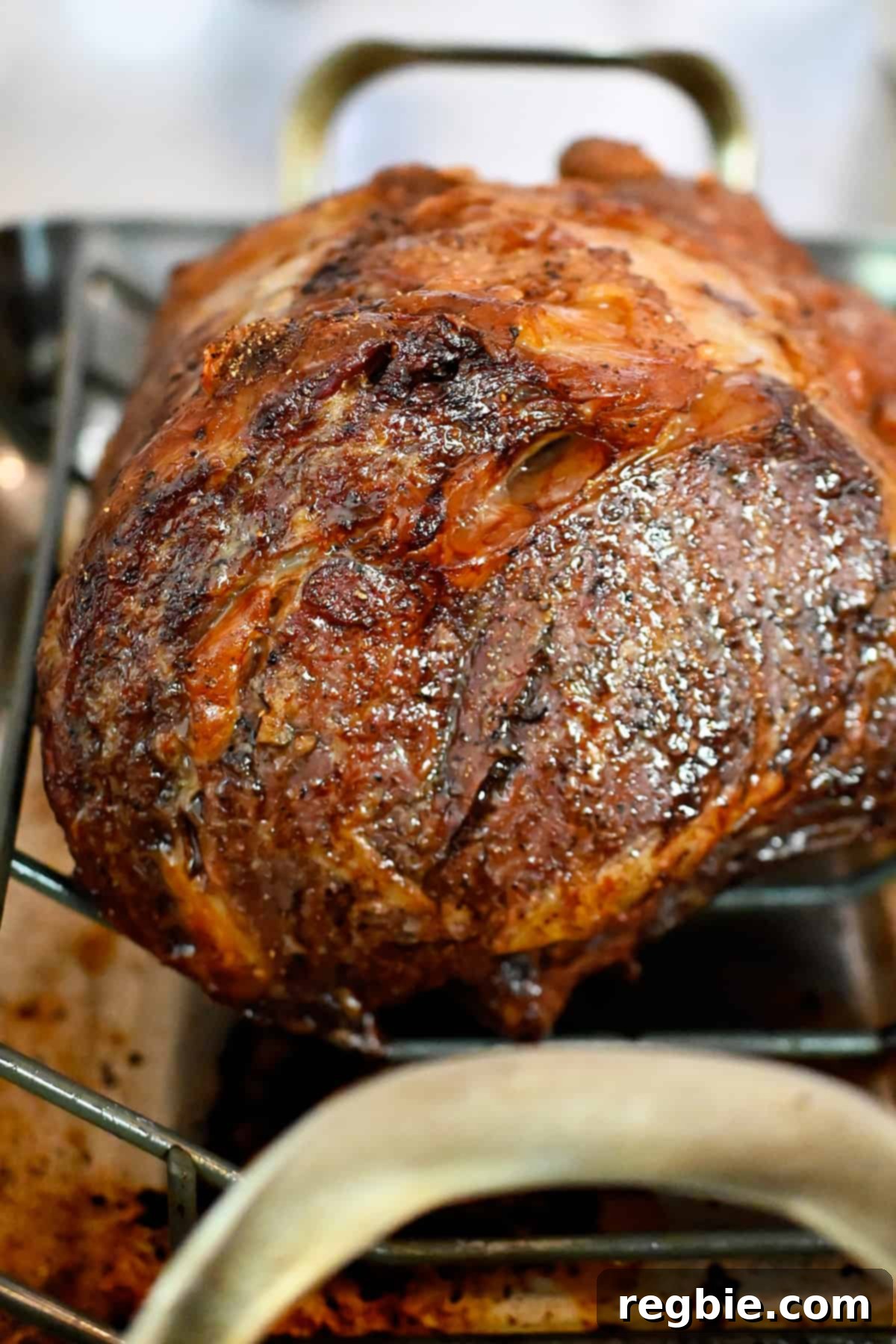
- The High-Heat Blast (Reverse Sear): After resting and once the oven is preheated, remove the foil from the roast. Place the roast back into the scorching hot oven (or under the broiler) for 5-10 minutes. This quick burst of intense heat will create a magnificent, crisp, and well-browned exterior. Watch it closely! There’s a delicate balance to achieve a beautiful crust without burning it or pushing the internal temperature of your perfectly cooked medium-rare interior too far.
Carving and Serving
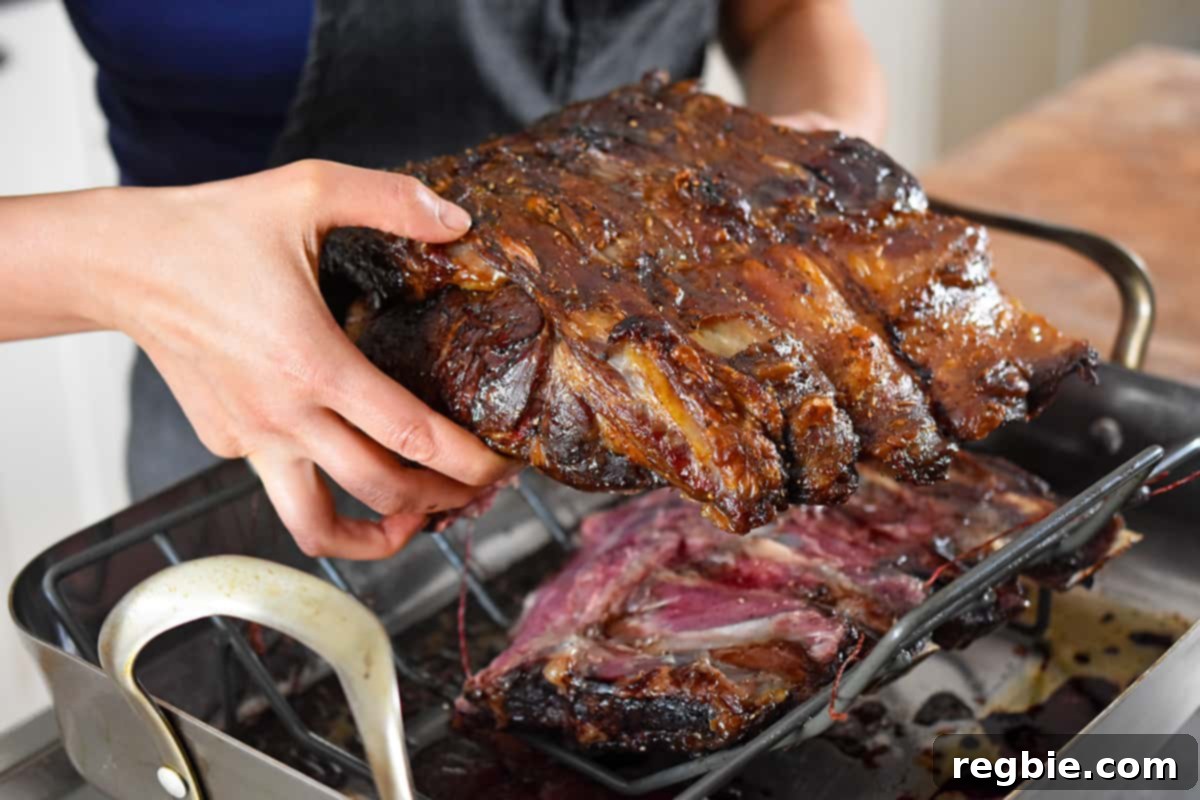
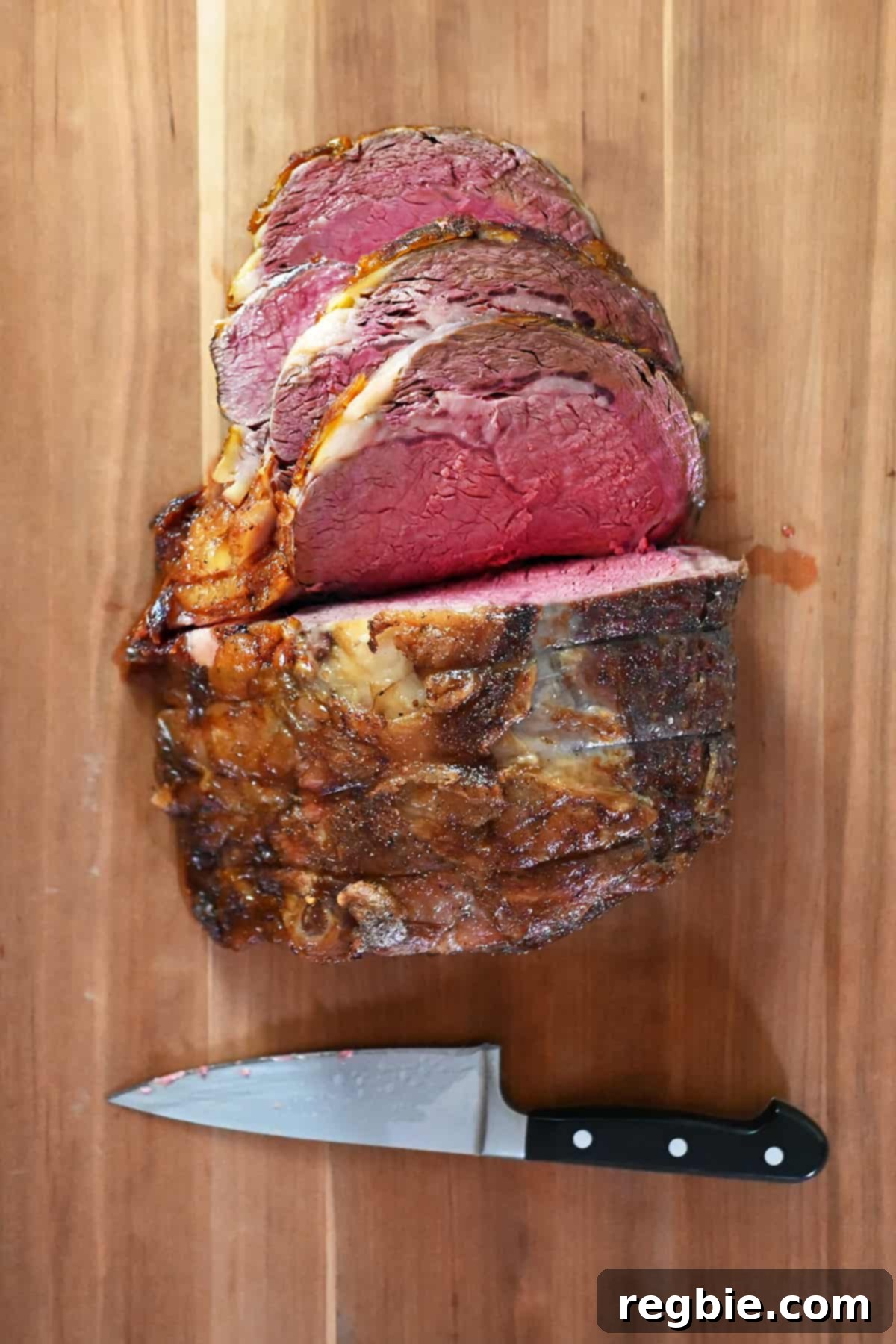
- Carve and Serve: Carefully take the roast out of the oven. Snip off the kitchen twine and gently lift the roast off the bones. Transfer the boneless roast to a large cutting board. Using a sharp carving knife, slice the meat into your desired thickness, typically ½ to ¾ inch thick. Serve immediately and enjoy your masterpiece!
What to Serve With Your Prime Rib Roast
A glorious prime rib roast deserves equally delightful accompaniments. The rich, savory flavor of the beef pairs beautifully with a variety of sides, from creamy to crispy, and light to hearty. Here are some fantastic suggestions to complete your meal:
- Umami Gravy: A deeply savory gravy, perhaps made from the pan drippings, is a classic partner for prime rib, adding another layer of flavor and moisture.
- Instant Pot Crispy Potatoes: The crispy texture and earthy flavor of roasted or pressure-cooked then crisped potatoes provide a wonderful counterpoint to the tender beef.
- Japanese Potato Salad: A creamy, tangy potato salad offers a refreshing and comforting side that contrasts nicely with the richness of the meat.
- Baked Sweet Potatoes: Their natural sweetness and fluffy texture make them a simple yet satisfying side dish that complements beef beautifully.
- Garlic Cauliflower Mashed “Potatoes”: For a lighter, low-carb alternative, creamy garlic mashed cauliflower offers a similar comforting texture and flavor profile without the heaviness of traditional mashed potatoes.
- Chinese Garlic Green Beans: Crisp, vibrant green beans with a hint of garlic add a fresh, slightly savory crunch that brightens the entire plate.
- Kale and Persimmon Salad: A refreshing and nutrient-dense salad, perhaps with a touch of fruit like persimmons, can cut through the richness of the prime rib and add a welcome lightness.
How to Store and Repurpose Leftover Prime Rib
One of the great joys of cooking a prime rib is the delicious leftovers! Proper storage ensures you can savor your culinary achievement for days to come, and creative repurposing ideas mean every last morsel is enjoyed. Leftover prime rib is incredibly versatile, truly an ultimate emergency protein that can elevate countless meals.
To store, allow any leftover prime rib to cool completely before transferring it to an airtight container. It can be safely kept in the refrigerator for up to 4 days, or frozen for longer storage, up to 4 months. For freezing, consider slicing the meat before freezing in single layers or small portions, making it easier to thaw and use as needed.
Here are some inspiring ways to transform your prime rib leftovers:
- Hearty Soups: Chop up the cooked prime rib and add it to a simmering vegetable soup for an extra layer of richness and protein.
- Savory Hashes: Combine diced prime rib with roasted sweet potatoes, onions, and bell peppers to create a delightful sweet potato hash, perfect for breakfast or brunch, often topped with a fried egg.
- Quick Scrambles and Omelets: Fold thinly sliced or diced prime rib into your morning eggs for a luxurious and filling breakfast.
- Flavorful Stir-Fries: Add strips of prime rib towards the end of cooking a vegetable stir-fry for a quick and satisfying weeknight dinner.
- Cauliflower Fried Rice: Incorporate cubed prime rib into a low-carb cauliflower fried rice for a gourmet twist on a classic.
- Elevated Salads: Thinly slice or shred cold prime rib and add it to your favorite green salad, perhaps with some robust greens, a tangy vinaigrette, and fresh vegetables, creating a substantial and elegant lunch.
- Gourmet Sandwiches: Create epic sandwiches or wraps with thinly sliced prime rib, horseradish sauce, and caramelized onions on crusty bread.
With a little planning, your prime rib can keep on giving, bringing gourmet flavor to your meals throughout the week.
Eager for more culinary inspiration? Dive into my extensive Recipe Index, where you’ll discover a treasure trove of delightful dishes. For exclusive recipes and a deeper dive into my cooking philosophy, explore my acclaimed cookbooks: Nom Nom Paleo: Food for Humans (Andrews McMeel Publishing 2013), Ready or Not! (Andrews McMeel Publishing 2017), and Nom Nom Paleo: Let’s Go! (Andrews McMeel Publishing 2022). Happy cooking!
3-Ingredient Prime Rib: The Easiest Way to Make a Delicious Roast
10 mins
6 hrs
1-4 days
1 day 6 hrs 10 mins (minimum)
10
Michelle Tam
Ingredients
- 9 pound bone-in prime rib roast
- 2½ tablespoons Diamond Crystal kosher salt ~¾ teaspoon salt per pound, okay to be liberal!
- 2 teaspoons freshly ground black pepper or to taste
Instructions
- Using a sharp knife, cut the bones off the rib roast (or better yet, have your butcher do this for you). Set the bones aside.
- In a small bowl, measure out about ¾ teaspoon Diamond Crystal kosher salt per pound of meat, and mix in freshly ground black pepper.
- Sprinkle the salt and pepper mixture on all sides of the now-boneless ribeye roast and the rib rack as well. Season generously!
- Place the seasoned roast back on top of the bones, with the fat cap facing up. Tie the bones to the roast with kitchen twine and place the prepared roast in a rimmed baking sheet.
- Leave the roast uncovered in your fridge for at least 1 day and up to 4 days. The pre-salting and air-drying will ensure a delicious roast with a browned, beefy crust.
- Take your meat out of the fridge and keep at room temp for about 3 hours before you plan to cook the prime rib. Place the seasoned rib roast on a greased roasting rack in a roasting tray.
- Heat the oven to 250°F (120°C) with the rack in the lower middle position.
- Cook for 4 to 5 hours or until the internal temperature in the thickest part of the roast is 125-130°F (52-54°C) for medium-rare prime rib, or 135-140°F (57-60°C) for medium.
- Take out the roast and tent it with foil. Crank the oven to the highest possible temperature it will accommodate (typically 500-550°F or 260-290°C). You can also turn on the broiler. We want it HOT!
- Remove the foil and put the roast back in the oven, and cook for 5-10 minutes or until the exterior is crisp and well-browned (but not burnt!). There’s a fine line between browning the exterior and cooking the interior of the prime rib too much!
- Take the roast out of the oven. Snip off the twine and lift the roast off the bones. Place the roast on a cutting board, and carve the meat into slices.
Video
Watch this video to see how to prepare this delicious prime rib roast.
Notes
- Get a good meat thermometer! Even though this recipe is easy-peasy and you’re roasting the meat at a low temp for a long time, you do need an accurate meat thermometer to check that the roast is cooked perfectly. I use both an in-oven thermometer so I can monitor the temperature as the roast is cooking and an instant-read thermometer to double-check the temp.
- Buy a bone-in, but cut out the bones! This ensures great flavor and ease of slicing because you can season the roast all over and carve it easily when it’s done. You can have your butcher cut out the bones or use a sharp boning knife to remove it yourself.
- Season the roast liberally with salt! If you want a well-seasoned and juicy roast, you need to salt it well and dry-brine it for at least 24 hours and up to 4 days. This way the salt will penetrate the meat properly and it will taste amazing!
- Take your time! Plan ahead and dry-brine the roast for at least a day and then allot 4 to 5 hours to slow roast the prime rib at 250°F (120°C). Low and slow will cook it evenly!
- Blast the crust! After the slow roast, blast the roast with a quick hit of heat to brown the crust. I like to err on the side of not browning too much because I want the interior to be the perfect temperature (which in my opinion is medium rare).
Nutrition
|
Carbohydrates: 0.3g
|
Protein: 43g
|
Fat: 84g
|
Fiber: 0.1g
|
Sugar: 0.003g
|
Vitamin A: 2IU
Nutrition information is automatically calculated, so should only be used as an approximation.
Like this? Leave a comment below!