
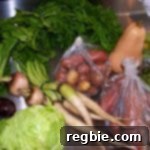
Unboxing Your Weekly Bounty: A Comprehensive Guide to Your CSA Haul
The arrival of your weekly CSA (Community Supported Agriculture) box is often one of the most anticipated moments for food enthusiasts and health-conscious individuals alike. It’s a tangible connection to local farms, a commitment to seasonal eating, and an exciting challenge to culinary creativity. This week’s CSA haul promises a vibrant array of fresh, locally grown produce, and understanding how to make the most of it can transform your kitchen and your diet.
Whether you’re a seasoned CSA member or considering joining one, navigating the diverse contents of a farm share can be both exhilarating and a little overwhelming. This guide is designed to help you decode your box, inspire your cooking, and truly appreciate the journey of farm-to-table eating. From understanding what CSA entails to mastering storage techniques and crafting delicious meals, we’ll cover everything you need to become a CSA pro.
What is Community Supported Agriculture (CSA)?
Community Supported Agriculture is a partnership between consumers and farmers, providing a mutually beneficial relationship. Members (or “shareholders”) purchase a “share” of a farm’s harvest at the beginning of the growing season. In return, they receive a weekly or bi-weekly box of fresh, seasonal produce directly from the farm throughout the harvest period. This model offers numerous advantages:
- For Farmers: It provides upfront capital for seeds, equipment, and labor, reducing financial risk and allowing them to focus on sustainable farming practices.
- For Consumers: It offers access to ultra-fresh, often organic or naturally grown, seasonal produce, supports local economies, and fosters a deeper connection to where food comes from.
A CSA share often reflects the true seasonality of agriculture, meaning you’ll eat what’s ripe and abundant. This can introduce you to new vegetables and fruits you might not typically buy, expanding your culinary horizons.
The Excitement and Anticipation of Your Weekly Haul
There’s a unique thrill in opening your CSA box each week. Unlike grocery shopping, where you choose specific items, a CSA share is a delightful surprise. While some farms provide a heads-up on what to expect, often you won’t know the exact contents until you pick it up or it’s delivered to your doorstep. This element of surprise is part of the adventure, encouraging adaptability and creativity in the kitchen.
What to Expect in Your CSA Box
The contents of a CSA haul vary significantly by season, region, and farm. However, you can generally anticipate a diverse mix of:
- Leafy Greens: Lettuce, spinach, kale, Swiss chard, arugula, collard greens.
- Root Vegetables: Carrots, potatoes, beets, radishes, turnips, sweet potatoes.
- Fruiting Vegetables: Tomatoes, cucumbers, bell peppers, zucchini, eggplant, squash.
- Herbs: Parsley, cilantro, basil, mint, dill.
- Alliums: Onions, garlic, scallions, leeks.
- Fruits: Berries, apples, pears (depending on the season and farm’s offerings).
- Occasional Surprises: Sometimes farms include eggs, bread, honey, or even flowers as add-ons or part of a specialty share.
Each box is a snapshot of the farm’s productivity and the peak freshness of the season, directly reflecting the local agricultural landscape.
Making the Most of Your CSA Share
Receiving a bounty of fresh produce is wonderful, but the real magic happens when you transform it into delicious meals. Here’s how to maximize every bit of your CSA haul:
1. Strategic Meal Planning with CSA Contents
Before your box arrives, try to get a general idea of what might be included (if your farm provides updates). Once you have your haul, spread everything out and take stock. This visual inventory is crucial for planning.
- Prioritize Perishables: Identify items with shorter shelf lives (e.g., delicate greens, berries, mushrooms) and plan to use them first.
- Batch Cooking: Dedicate an hour or two on the day you receive your share to wash, chop, and partially cook some items. Roasting a tray of root vegetables, making a big pot of soup, or prepping salad greens can save time later in the week.
- “Use It Up” Meals: Towards the end of the week, create flexible meals like stir-fries, frittatas, pasta dishes, or grain bowls that can incorporate any remaining vegetables.
- Theme Nights: Assign themes, e.g., “Soup & Salad Monday,” “Stir-fry Tuesday,” “Roast Veggie Wednesday,” to inspire your cooking based on available produce.
2. Proper Storage for Extended Freshness
Correct storage is key to preventing spoilage and enjoying your produce throughout the week. Different vegetables have different needs:
- Leafy Greens: Wash, dry thoroughly (a salad spinner is great), and store in an airtight container lined with a paper towel in the crisper drawer. This can keep them fresh for a week or more.
- Root Vegetables: Store in a cool, dark, dry place. Remove greens from carrots and beets to prevent moisture loss, and store the greens separately.
- Herbs: Treat them like a bouquet of flowers – snip the ends, place upright in a glass of water, cover loosely with a plastic bag, and refrigerate.
- Tomatoes & Avocados: Store at room temperature until ripe, then refrigerate to slow further ripening.
- Squash, Onions, Garlic, Potatoes: Store in a cool, dark, well-ventilated area, *not* in the refrigerator. Keep potatoes and onions separate.
- Berries: Wash just before eating. Store unwashed in their original container or a breathable container in the fridge. Consider a vinegar wash if you need them to last longer.
3. Creative Cooking Ideas and Recipes
A CSA share often includes unique varieties or less common vegetables. Don’t be intimidated! Embrace the opportunity to try new recipes.
- Blanching & Freezing: If you have an abundance of certain vegetables (like kale, beans, or corn), blanch and freeze them for later use, especially useful for winter months.
- Pestos & Sauces: Turn excess herbs or greens (like kale or arugula) into vibrant pestos. Roast tomatoes and peppers for versatile sauces.
- Pickling & Fermenting: Extend the life of items like cucumbers, radishes, carrots, or cabbage through pickling or making sauerkraut.
- Soups, Stews & Casseroles: These are excellent ways to use a variety of vegetables together, especially those nearing their end.
- Explore New Cuisines: Many global cuisines excel at vegetable-centric dishes. Think Indian curries, Mediterranean platters, or Mexican salsas and fillings.
- Search for Recipes: If you’re unsure how to use an item, a quick online search for “recipes with [your vegetable]” will yield countless ideas. Many CSA farms also provide recipe suggestions or have community forums.
Beyond the Box: The Broad Benefits of CSA
Participating in a CSA program extends far beyond just getting fresh groceries. It’s a commitment to a larger movement with significant positive impacts:
- Support Local Economy: Your money directly supports local farmers, helping them stay afloat and thrive, which in turn strengthens your community.
- Environmental Stewardship: CSA farms often practice sustainable, organic, or regenerative agriculture, reducing pesticide use, conserving water, and promoting soil health. Reduced transportation also means a smaller carbon footprint.
- Healthier Eating: Access to fresh, seasonal produce naturally encourages a diet rich in vitamins, minerals, and fiber. Eating seasonally means produce is picked at its peak ripeness, offering maximum flavor and nutritional value.
- Food Education & Connection: You learn about seasonal cycles, farming challenges, and even new varieties of produce. It builds a direct connection between you and the people who grow your food.
- Reduced Food Waste: By planning and using your entire share, you actively contribute to reducing food waste at both the farm and household level.
- Community Building: Many CSAs foster a sense of community through farm visits, volunteer days, and shared recipe ideas among members.
Troubleshooting Common CSA Challenges
While CSAs are rewarding, they can present a few minor challenges:
- Unfamiliar Vegetables: Don’t be afraid to experiment! Use online resources or ask fellow CSA members for tips. Often, simple preparation (roasting, sautéing) is best.
- Too Much of One Item: This is where batch cooking, freezing, pickling, or sharing with neighbors comes in handy. Remember, it’s part of the seasonal bounty.
- Vacations: Most CSAs have policies for when you’re away. You might be able to pause your share, donate it, or have a friend pick it up.
Joining a CSA: What You Need to Know
If you’re inspired to join the CSA movement, here are a few pointers:
- Find a Local Farm: Websites like LocalHarvest.org or searching “CSA near me” are great starting points.
- Ask Questions: Inquire about their farming practices (organic, conventional, beyond organic), share sizes, pickup locations, payment plans, and vacation policies.
- Consider Your Household Size: Some farms offer half shares or full shares. Assess your cooking habits and family size to choose appropriately.
- Be Ready for Adventure: Embrace the diversity and seasonality. It’s an evolving culinary journey.
Embrace Your Farm-Fresh Journey
Your weekly CSA haul is more than just a box of vegetables; it’s an invitation to eat healthier, support local agriculture, and connect with the rhythm of the seasons. By understanding how to plan, store, and cook with your farm share, you’ll not only reduce food waste but also discover new flavors and culinary confidence. So go ahead, open that box, marvel at its contents, and let the bounty of the farm inspire your next delicious meal!