
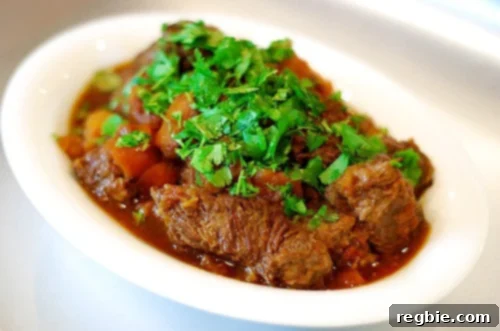
Paleo Bo Kho: Savoring Authentic Vietnamese Beef Stew, the Wholesome Way
A Deep Dive into Vietnamese Cuisine: A Flavorful Obsession
Vietnamese cuisine holds a special place in my heart, easily ranking among my absolute favorites globally. What captivates me most is the ingenious balance of flavors found in almost every dish—a harmonious symphony of salty, sweet, sour, and umami. Beyond the taste, the artful combination of contrasting temperatures and textures in traditional Vietnamese food creates a truly dynamic dining experience, transforming every bite into a delightful celebration for the palate.
From the refreshing crunch of fresh herbs to the tender embrace of slow-cooked meats, and the vibrant tang of citrus against a backdrop of rich broths, Vietnamese dishes are masterpieces of culinary composition. They evoke a sense of comfort while simultaneously exciting the senses, making each meal a memorable journey through a spectrum of tastes and sensations.
Navigating Dietary Choices: The Paleo Challenge for Vietnamese Food Lovers
Despite my profound affection for Vietnamese food, I’ve found myself enjoying it less frequently in recent years. This change stems from the inherent challenges it presents when adhering to a Paleo or Whole30 lifestyle. Many beloved Vietnamese dishes, while incredibly delicious, often rely heavily on ingredients that don’t align with these dietary principles.
A primary concern is the prevalence of sugar, which is a common component in marinades, dipping sauces, and even broths, contributing to that signature sweet note. Furthermore, traditional Vietnamese staples like pho, banh mi, and bun are grain-heavy, built around noodles or bread that are excluded from a strict Paleo diet. Even seemingly innocuous ingredients, such as many commercial fish sauces, frequently contain added sugar and/or hydrolyzed wheat protein, complicating the quest for truly compliant options.
This presented a significant hurdle for someone who deeply appreciates the complexity and freshness of Vietnamese flavors but is committed to a healthy, grain-free, and sugar-free eating plan. The thought of completely forsaking such a cherished cuisine was disheartening, leading me to explore ways to adapt these culinary treasures.
However, the landscape for enjoying healthy, authentic Vietnamese flavors has changed dramatically with the availability of high-quality, Paleo-friendly ingredients. A true game-changer in my kitchen has been the discovery of Red Boat Fish Sauce. This exceptional fish sauce stands out because it contains only two ingredients: anchovies and sea salt. Free from sugar, MSG, and hydrolyzed wheat protein, it perfectly captures the pure umami essence essential to Vietnamese cooking, making it an indispensable pantry staple for anyone pursuing a Paleo or Whole30 approach to this vibrant cuisine.
Drawing Inspiration from a Culinary Authority: Andrea Nguyen’s “Into the Vietnamese Kitchen”
Armed with my newfound Paleo-approved fish sauce, I embarked on a mission to bring Vietnamese flavors back to my table in a healthful way. For the past week, I’ve been poring over my well-loved, yet recently neglected, copy of Andrea Nguyen’s acclaimed cookbook, Into the Vietnamese Kitchen. Andrea Nguyen is a revered expert in Vietnamese cuisine and Asian dumplings, her insights and recipes are invaluable for anyone looking to truly understand and master these culinary arts. Her personal blogs, Viet World Kitchen and Asian Dumpling Tips, are also treasure troves of information, showcasing her deep knowledge and passion.
Her book provided the perfect foundation for my culinary experiments. I sought out recipes that naturally lent themselves to Paleo adaptation or could be easily modified with simple substitutions without compromising the authentic flavor profile. The first recipe that caught my eye, and ultimately conquered my kitchen, was Bò Kho. This classic Vietnamese beef stew, traditionally slow-cooked with tomatoes, star anise, and fragrant lemongrass, promised a rich and comforting experience. And indeed, my Paleo-friendly rendition was nothing short of delicious!
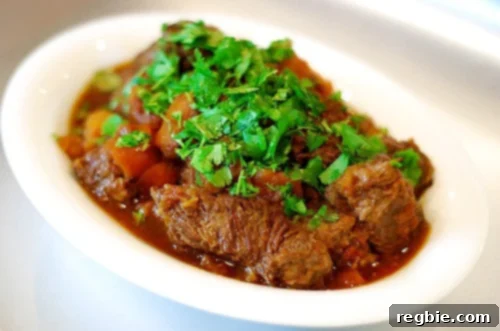
Crafting My Paleo Bo Kho: A Health-Conscious Adaptation
While my recipe for Bò Kho draws heavily from Andrea Nguyen’s authentic approach, I’ve made a few key adjustments to ensure it aligns perfectly with Paleo and Whole30 guidelines, while also optimizing for ease and flavor. The primary modifications involve ingredient substitutions to remove non-compliant elements and a slight alteration in the cooking method to leverage the consistent heat of oven braising.
Traditional Bo Kho often includes ingredients like sugar or various types of cooking wine that are not Paleo-friendly. My adaptation carefully replaces these with natural alternatives that maintain the integrity of the stew’s complex flavor profile. For instance, a touch of applesauce introduces a subtle sweetness without refined sugars, complementing the savory, spicy, and aromatic notes.
Another significant departure from some traditional stovetop methods is my preference for finishing the braise in the oven. I’ve found that oven braising provides an incredibly stable and even temperature, which is ideal for achieving meltingly tender beef brisket. This hands-off approach also means you don’t have to “babysit” the stew, freeing you up to focus on other tasks while your kitchen fills with the irresistible aroma of this hearty dish.
Paleo Bo Kho (Spicy Vietnamese Beef Stew) Recipe
Serves 6-8
Ingredients
- 2½ pounds grass fed beef brisket, trimmed and cut into 1½-inch chunks
- 1 large stalk lemongrass, trimmed of loose leaves, cut into 3-inch lengths, and bruised with a heavy object (e.g., a ramekin or the broad side of a kitchen knife)
- 3 tablespoons Red Boat Fish Sauce
- 1½ teaspoons Madras curry powder
- 2½ tablespoons peeled and microplaned fresh ginger
- 2 tablespoons applesauce (unsweetened)
- 1 dried bay leaf
- 3 tablespoons ghee
- 1 yellow onion, finely chopped
- 2 cups canned diced tomatoes, drained and crushed by hand
- 2 whole star anise
- 3 cups water
- 1 pound carrots, peeled and chopped into 1-inch pieces
- Kosher salt, to taste
- ¼ cup chopped fresh cilantro, for garnish
Equipment
- Large Dutch oven or heavy-bottomed pot with a lid
- Large mixing bowl
- Microplane or fine grater
- Sharp kitchen knife
- Cutting board
- Measuring spoons and cups
- All of my recommended kitchen tools are listed here.
Method
- Preheat your oven to 300°F (150°C). Begin by gathering and carefully prepping all your ingredients for the marinade, ensuring everything is ready before you start cooking.
- Prepare the lemongrass: Trim off any dry outer layers and the very top and bottom. Cut the stalk into 3-inch lengths. Using a heavy object like a ramekin, the broad side of a chef’s knife, or a meat mallet, firmly bruise the lemongrass pieces. This essential step helps release their fragrant oils and intense aroma into the stew.
- In a large mixing bowl, combine the beef brisket chunks with the bruised lemongrass, Red Boat fish sauce, Madras curry powder, microplaned fresh ginger, unsweetened applesauce, and the bay leaf.
- Mix all the ingredients thoroughly with your hands, ensuring every piece of beef is well-coated with the marinade. This intimate contact helps the flavors penetrate deeply into the meat.
- Let the marinated beef rest at room temperature for at least 30 minutes. For an even more profound depth of flavor, you can cover the bowl and refrigerate the beef for several hours or overnight.
- Heat the ghee in your large Dutch oven or heavy-bottomed pot over medium-high heat. Once shimmering, sear the beef in batches. Avoid overcrowding the pot, as this can steam the meat instead of browning it. Sear until each piece is beautifully browned on all sides, creating a rich, caramelized crust. This browning is crucial for developing a deep, savory flavor foundation for your stew. (For a quick alternative, I’ll soon try the no-sear method to compare results.)
- Once seared, transfer the browned beef to a clean plate. Carefully reserve the marinated lemongrass stalks and bay leaf from the pot – they will be reincorporated later.
- Reduce the heat to medium-low. Add the finely chopped yellow onion to the residual ghee in the pot. Cook, stirring occasionally, until the onions soften and become translucent, which typically takes about 5-7 minutes.
- Stir in the drained and hand-crushed diced tomatoes. Season with kosher salt to taste. Stir well to combine all ingredients. Cover the pot with its lid and let the sauce simmer gently for 12-14 minutes, allowing the flavors to meld and the mixture to reduce into a rich, concentrated paste.
- Once a thick tomato paste has formed, return the seared beef to the pot. Add the reserved lemongrass, bay leaf, and the two whole star anise.
- Increase the heat back to medium. Stir the contents of the pot on and off for about 5 minutes, ensuring everything is well combined and heated through, allowing the aromatic spices to bloom.
- Pour in the 3 cups of water and add the chopped carrots to the pot. Raise the heat to high and bring the entire stew to a rolling boil.
- Once boiling, cover the Dutch oven tightly with its lid and carefully transfer it to your preheated oven. Braise for approximately 2½ hours, or until the beef brisket is incredibly tender and yields easily to a fork. Oven braising provides consistent, gentle heat for optimal texture.
- After braising, remove the Dutch oven from the oven. If desired, you can defat the stew by skimming any excess fat from the surface. For an even richer flavor and improved texture, transfer the stew to a storage container and chill it in the fridge for a day or two. The flavors deepen beautifully overnight.
- When you’re ready to serve, transfer the chilled stew back into a pot and gently reheat it on the stovetop until it reaches a simmer. Before plating, carefully remove and discard the lemongrass stalks, bay leaf, and star anise. Taste for seasoning and adjust with more salt if necessary.
- Ladle the piping hot Bo Kho into individual serving bowls. Garnish generously with freshly chopped cilantro, adding a burst of freshness and color. Serve warm and enjoy!
Tips for the Perfect Paleo Bo Kho
- Marination Magic: Don’t skip the marination step! Even 30 minutes makes a difference, but an overnight marinade in the refrigerator will infuse the beef with even deeper, more complex flavors, resulting in a more tender and aromatic stew.
- Searing vs. No-Sear: Searing the beef creates a rich crust that adds incredible depth of flavor (Maillard reaction). While a “no-sear” method exists (and I plan to experiment with it), for maximum flavor, I highly recommend browning your beef.
- The Art of Braising: Oven braising offers unparalleled consistency, preventing hotspots and ensuring the beef cooks evenly to a melt-in-your-mouth tenderness. Resist the urge to peek too often; let the oven do its work.
- Flavor Development: The steps involving cooking the onions until softened and simmering the tomatoes into a paste are crucial for building the foundational flavor layers of the stew. Don’t rush these stages.
- Meal Prep & Storage: Bo Kho is one of those dishes that often tastes even better the next day as the flavors continue to meld and develop. It’s perfect for meal prepping. Store any leftovers in an airtight container in the refrigerator for up to 3-4 days, or freeze for longer storage.
Serving Suggestions for Your Delicious Bo Kho
This Paleo Bo Kho is incredibly satisfying on its own, but you can elevate the meal with a few simple additions that complement its rich flavors and stay within Paleo guidelines. Instead of traditional rice or noodles, consider serving it with steamed cauliflower rice, which will soak up the delicious broth. Freshly steamed greens like bok choy or spinach also make an excellent accompaniment. For those who enjoy a little extra kick, a side of sliced fresh chilies or a drizzle of chili oil can be a wonderful addition. The fresh cilantro garnish is non-negotiable for that authentic finishing touch!
The Unforgettable Taste: A Culinary Triumph
Voila! The result is a truly remarkable stew that beautifully captures the essence of Vietnamese cuisine while adhering to a healthy Paleo lifestyle. Every spoonful is bursting with the aromatic spices, savory beef, and vibrant tomato notes, all brought together by the exceptional quality of Red Boat fish sauce and the expert guidance of Andrea Nguyen. It’s a testament to the fact that dietary restrictions don’t mean sacrificing flavor or culinary adventure. This Bo Kho has proven to be a delicious and comforting staple in my Paleo kitchen.
Explore More Paleo Recipes & Healthy Living Resources
If you’ve enjoyed this recipe and are looking for more delicious and healthy meal ideas, you’re in luck! My culinary journey extends far beyond this delightful stew, offering a wealth of inspiration for nutritious and flavorful cooking. Discover a vast collection of dishes suitable for a Paleo, Whole30, or generally healthy lifestyle by exploring my comprehensive resources:
- Head on over to my Recipe Index for a complete list of my culinary creations.
- You’ll also find exclusive recipes and handy cooking tools on my iPhone and iPad app, designed to make healthy cooking even easier.
- Delve deeper into my cookbooks, where I share my philosophy and favorite recipes:
- Nom Nom Paleo: Food for Humans (Andrews McMeel Publishing 2013)
- Ready or Not! (Andrews McMeel Publishing 2017)
- Nom Nom Paleo: Let’s Go! (Andrews McMeel Publishing 2021)
Printer-Friendly Recipe Card: Bo Kho
Bo Kho: Spicy Vietnamese Beef Stew
Prep Time: 50 mins
Cook Time: 3 hrs 10 mins
Total Time: 4 hrs
Servings: 8
Author: Michelle Tam
Bo Kho is a spicy Vietnamese beef stew. Here’s my paleo-fied version of it!
Pin this Recipe | Print this Recipe
Ingredients
- 2½ pounds grass fed beef brisket, trimmed and cut into 1½-inch chunks
- 1 large lemongrass stalk
- 3 tablespoons Red Boat fish sauce
- 1½ teaspoons Madras curry powder
- 2½ tablespoons peeled and microplaned fresh ginger
- 2 tablespoons applesauce
- 1 dried bay leaf
- 3 tablespoons ghee
- 1 yellow onion, finely chopped
- 2 cups canned diced tomatoes, drained and crushed by hand
- 2 whole star anise
- 3 cups water
- 1 pound carrots, peeled and chopped into 1-inch pieces
- Diamond Crystal kosher salt
- ¼ cup chopped fresh cilantro
Instructions
- Preheat the oven to 300°F. Time to gather and prep your ingredients for the marinade!
- Trim the fresh lemongrass stalk and cut into 3-inch lengths. Bruise the lemongrass with a heavy object (e.g. ramekin, broad side of kitchen knife, you get the idea).
- Toss the beef, lemongrass, fish sauce, curry powder, micro-planed ginger, applesauce, and bay leaf into a large bowl and mix everything well.
- Let the meat marinate for 30 minutes.
- When you’re ready to cook your meat, heat the ghee in a large Dutch oven over medium-high heat and sear the beef in batches until they’re nice and browned all over.
- Place the seared beef and the reserved lemongrass and bay leaf on a plate.
- Lower the heat to medium-low and toss in the onions and cook until they are softened.
- Toss in the tomatoes, salt to taste, and stir to combine. Put the lid on and simmer the sauce for 12-14 minutes until a paste is formed.
- Once the paste is formed, add in the beef, the reserved lemongrass and bay leaf, and the star anise.
- Raise the heat to medium and stir everything on and off for 5 minutes.
- Add the 3 cups of water and the carrots to the pot. Raise the heat to high and bring the stew to a boil.
- Cover the Dutch oven with the lid and place it in the oven for about 2½ hours or until the brisket is very tender.
- Once the meat is done cooking, defat the stew and place in a storage container in the fridge. When you’re ready to eat, reheat the stew on stove and remove the lemongrass, bay leaf, and star anise. Top with freshly chopped cilantro and serve!
Nutrition
Calories: 316kcal | Carbohydrates: 11g | Protein: 31g | Fat: 16g | Fiber: 3g | Sugar: 5g
Nutrition information is automatically calculated, so should only be used as an approximation.
We hope you enjoy this delightful Paleo Bo Kho! We welcome your feedback and comments below.