
Mastering Sous Vide Grass-Fed Top Sirloin: A Comprehensive Guide to Perfect Texture and Flavor
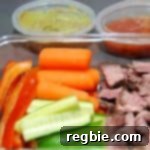
There’s a unique satisfaction that comes from a perfectly prepared home-cooked meal, especially when it features a premium cut of meat. Our recent dinner, as depicted in the image above, featured delicious leftover sous vide grass-fed top sirloin steak, beautifully complemented by vibrant crudités, a zesty Primavera salsa, and creamy homemade guacamole. While the promise of a perfectly cooked steak is alluring with the precise sous vide method, sometimes, as observed, the texture can fall short. This may result in a surprisingly mushy or even powdery consistency, despite the steak appearing perfectly pink and cooked through. This common challenge highlights the nuances of cooking leaner cuts like grass-fed beef with precision methods, and it’s a journey worth mastering for consistently outstanding results in your kitchen.
The Allure of Sous Vide for Grass-Fed Beef
Sous vide, a French term meaning “under vacuum,” is a cooking method where food is vacuum-sealed in a bag and then cooked in a precisely temperature-controlled water bath. This technique has revolutionized home cooking, offering unparalleled control and consistency. For grass-fed beef, which is typically leaner and can be more prone to drying out or becoming tough if overcooked by traditional methods, sous vide offers distinct advantages that are hard to beat.
Here’s why sous vide is particularly well-suited for grass-fed top sirloin:
- Even Cooking: The water bath ensures that the entire steak cooks to the exact desired temperature from edge to edge. This eliminates the dreaded gray band often seen in pan-seared or grilled steaks, delivering a consistent pink doneness throughout the meat.
- Moisture Retention: Cooking in a sealed bag prevents moisture loss, an essential benefit for leaner cuts like grass-fed sirloin. This means your steak remains incredibly juicy and tender, locking in its natural flavors and succulence.
- Consistent Doneness: Once you discover your preferred temperature for a particular doneness level, you can reliably achieve that perfect medium-rare or medium steak every single time. This repeatability takes the guesswork out of steak preparation.
- Enhanced Tenderness: While sous vide won’t magically transform a tough cut into a melt-in-your-mouth filet mignon, it can significantly improve the tenderness of cuts like top sirloin. The extended, gentle cooking allows connective tissues to break down gradually over time without overcooking the muscle fibers, resulting in a more pleasant chew.
These combined benefits make sous vide an ideal choice for extracting the absolute best from grass-fed top sirloin, preserving its rich, beefy flavor and ensuring a consistently tender bite that will impress any diner.
Understanding Grass-Fed Top Sirloin: A Cut Above the Rest
Top sirloin is a versatile and flavorful cut of beef taken from the primal loin, known for its robust beefy taste without being excessively fatty. When sourced as grass-fed, this cut offers additional nutritional benefits, including higher levels of beneficial omega-3 fatty acids and conjugated linoleic acid (CLA), and often boasts a deeper, more complex flavor profile that many connoisseurs prefer. However, its inherent leanness also means it requires a bit more attention during cooking to prevent it from becoming dry or tough, a common pitfall with traditional high-heat methods.
Unlike conventional grain-fed beef, which often features significant marbling (intramuscular fat), grass-fed beef typically has less fat distributed throughout the muscle fibers. While this leaner profile is excellent for health-conscious diners, it also means there’s less internal fat to render and keep the meat moist if subjected to high, uncontrolled heat. This characteristic makes the precision of sous vide an invaluable tool. By allowing the beef to cook gently and evenly at a controlled temperature, sous vide helps retain its natural juices and tenderness without relying on a high fat content, ensuring a delicious and healthy result.
The Sous Vide Process: Step-by-Step for Achieving Perfection
Embarking on the sous vide journey for your grass-fed top sirloin involves a few critical steps, each contributing significantly to the final delectable outcome and helping you avoid common textural issues.
1. Preparation and Seasoning
Begin your culinary adventure by selecting a high-quality grass-fed top sirloin steak, ideally cut to a thickness of 1.5 to 2 inches. Before seasoning, it’s crucial to pat the steak thoroughly dry with paper towels – this seemingly minor step is essential for achieving an effective and flavorful sear later on. Season your steak generously on all sides with kosher salt and freshly ground black pepper. For an added layer of depth and aroma, consider incorporating fresh aromatics into the vacuum bag, such as a sprig of fresh rosemary or thyme, a lightly crushed garlic clove, or a dash of your favorite steak rub. Once seasoned, place the steak into a vacuum-sealable bag and remove all the air using a vacuum sealer. If you don’t possess a vacuum sealer, the water displacement method with a high-quality, heavy-duty Ziploc bag can serve as an effective alternative.
2. Setting the Temperature and Time: The Key to Perfect Texture
This phase is arguably the most critical in the sous vide process, especially when your goal is to avoid that undesirable mushy or powdery texture. The ideal temperature and cook time are interdependent, determined by your desired level of doneness and the thickness of your steak. For leaner grass-fed top sirloin, finding this sweet spot is paramount.
General guidelines for different doneness levels:
- Rare: 125°F (52°C) for 1 to 2 hours
- Medium-Rare: 130°F (54°C) for 1 to 3 hours
- Medium: 135°F (57°C) for 1 to 3 hours
- Medium-Well: 140°F (60°C) for 1 to 3 hours
Addressing the “Mushy/Powdery” Dilemma: The observation of a mushy or powdery texture, even when the steak appears perfectly pink, is a common issue that often stems from prolonged cooking at certain temperatures. While sous vide excels at preventing traditional overcooking (i.e., drying out), it is indeed possible to “overcook” the texture of a steak within the water bath itself.
- Enzyme Activity: Cooking for extended periods, particularly at temperatures below 130°F (54°C), can activate certain naturally occurring enzymes in the meat. These enzymes, while initially beneficial for tenderizing, can eventually break down muscle fibers excessively. This over-tenderization leads to a mealy, soft, or undesirably mushy texture, rather than a firm, juicy bite.
- Cell Wall Degradation: Beyond a certain point, the delicate cellular structure of the meat can begin to degrade more than desired. This is especially true for leaner cuts like grass-fed sirloin, which inherently have less fat to provide structural integrity. The result can be a texture that feels less like a traditional steak and more akin to cooked ground meat, even if it visually retains its steak-like shape.
- The Solution: Precision, Not Prolongation: For grass-fed top sirloin, which is already naturally tender and lean, you typically do not need to cook it for an excessively long period to achieve desired tenderness. Stick closely to the recommended times appropriate for the steak’s thickness. For instance, a 1.5-inch steak usually requires 2-3 hours. Going significantly longer, such as 4-6 hours or more, particularly at the lower end of the medium-rare spectrum, substantially increases the risk of textural degradation. If you are aiming for longer cooks to tenderize a particularly tough cut (which sirloin usually isn’t), consider slightly higher temperatures (e.g., 135°F / 57°C) to help mitigate unwanted enzyme activity and textural breakdown.
3. The Ice Bath (Optional but Highly Recommended)
If your plan is not to sear your steak immediately after it emerges from the sous vide bath, an ice bath is a highly recommended interim step. Transfer the sealed bag directly from the warm water bath into a large bowl filled with ice water, allowing it to chill for at least 10-15 minutes. This rapid cooling halts the cooking process, ensuring that when you do proceed to sear the steak later, you won’t accidentally overcook its perfectly prepared interior. Furthermore, chilling the steak allows for a more aggressive sear, enabling you to develop a superior crust without significantly raising the internal temperature beyond your desired doneness.
4. Searing for the Perfect Finish
The final and perhaps most satisfying step is the sear. Remove the steak from its bag, discarding any liquid, and pat it thoroughly dry once more – moisture on the surface is the enemy of a good crust! Heat a heavy-bottomed pan, ideally cast iron, over very high heat with a high smoke point oil (such as avocado or grapeseed oil). Once the pan is screaming hot and just barely smoking, carefully add the steak. Sear for 60-90 seconds per side, flipping frequently to build an even, golden-brown crust. For an extra rich flavor and aromatic boost, add a pat of butter, a sprig of fresh rosemary or thyme, and a crushed garlic clove to the pan during the last 30 seconds of searing, continuously basting the steak with the infused butter. The ultimate goal is to achieve a beautiful, deep brown crust, indicative of the delicious Maillard reaction, without significantly raising the internal temperature beyond your precisely achieved desired doneness.
Beyond the Steak: Crafting a Wholesome and Flavorful Dinner
While the perfectly cooked steak is undoubtedly the star of the show, the accompanying elements can elevate the entire meal into a truly memorable dining experience. Our featured dinner, with its delightful crudités, refreshing Primavera salsa, and creamy guacamole, showcases how thoughtful side dishes can complement and enhance the main course.
Homemade Primavera Salsa
Why settle for store-bought when a fresh Primavera salsa is surprisingly easy to make and bursting with unparalleled flavor? To prepare this vibrant condiment, combine finely diced ripe tomatoes, colorful bell peppers (red, yellow, or orange work wonderfully for visual appeal), finely minced red onion, and plenty of fresh cilantro or parsley. Dress this mixture simply with a generous squeeze of fresh lime juice, a drizzle of high-quality extra virgin olive oil, and a pinch of salt and pepper to taste. This bright and acidic salsa offers a light, refreshing counterpoint to the richness of the steak and is incredibly versatile, working beautifully with grilled chicken or fish as well.
Fresh and Creamy Guacamole
While convenient “Wholly Guacamole” options exist, nothing truly compares to the fresh, creamy, and vibrant taste of homemade guacamole. Start by mashing ripe avocados with a fork, intentionally leaving some chunks for a pleasing texture. Stir in finely minced red onion, freshly chopped cilantro, a generous squeeze of fresh lime juice (this is a key ingredient for both flavor and preventing the avocado from browning), and salt to taste. For those who appreciate a subtle kick, consider adding a tiny amount of finely diced jalapeño or a pinch of red pepper flakes. Serve your homemade guacamole immediately to enjoy its peak freshness and robust flavor.
Crisp Crudités
Crudités offer a fantastic crunchy texture and a healthy, refreshing element that beautifully complements any meal. Simple yet incredibly effective, a diverse selection of fresh, raw vegetables provides a welcome contrast to the main dish. Think crisp carrot sticks, refreshing celery spears, cool cucumber slices, vibrant colorful bell pepper strips, thinly sliced radishes, and sweet cherry tomatoes. These fresh vegetables are perfect for dipping into the homemade guacamole or simply enjoying on their own as a light and wholesome accompaniment.
Key Tips for Sous Vide Success with Grass-Fed Beef
To consistently achieve that perfect, tender, and juicy grass-fed top sirloin steak, keep these essential tips in mind for future cooks:
- Quality Matters: Always start with the best quality grass-fed beef you can find. The superior the initial product, the better and more satisfying your final culinary result will be.
- Season Liberally: Do not be shy with salt and freshly ground black pepper. These seasonings are crucial as they penetrate the meat more effectively during the extended sous vide process, enhancing its natural flavors from within.
- Mind the Clock (and Temperature): While sous vide is incredibly forgiving compared to traditional methods, it is not entirely foolproof. Pay close attention to recommended cooking times and precise temperatures to avoid potential textural issues, especially when cooking leaner cuts like grass-fed sirloin.
- Dry Before Searing: A thoroughly dry surface on your steak is paramount for achieving a beautiful, flavorful, and crispy crust during the final sear. Any moisture will steam the steak instead of searing it.
- Don’t Skip the Sear: The Maillard reaction created by high-heat searing adds a crucial layer of flavor, aroma, and textural contrast that truly completes the sous vide steak experience. It’s the step that elevates it from simply cooked to truly exceptional.
- Experiment and Adjust: Every sous vide setup can vary slightly in calibration, and personal preferences for steak doneness and texture differ. Don’t be afraid to experiment and adjust temperatures and times slightly in future cooks based on your personal experiences and desired outcomes.
Conclusion
Mastering the art of sous vide for grass-fed top sirloin is a truly rewarding endeavor that can bring restaurant-quality steak right to your dinner table. While occasional challenges, such as a less-than-ideal texture, can arise, understanding the fundamental science behind the method and adhering to precise guidelines can transform your home cooking. By focusing diligently on appropriate temperatures and cooking durations, especially tailored for leaner grass-fed cuts, and expertly finishing your steak with a high-heat sear, you can consistently ensure a steak that is remarkably tender, incredibly juicy, and bursting with rich, natural flavor. Paired thoughtfully with fresh, vibrant, and wholesome sides like homemade salsa, creamy guacamole, and crisp crudités, it culminates in a nutritious, unforgettable dining experience that perfectly celebrates both the precision of modern cooking techniques and the inherent goodness of quality ingredients.