
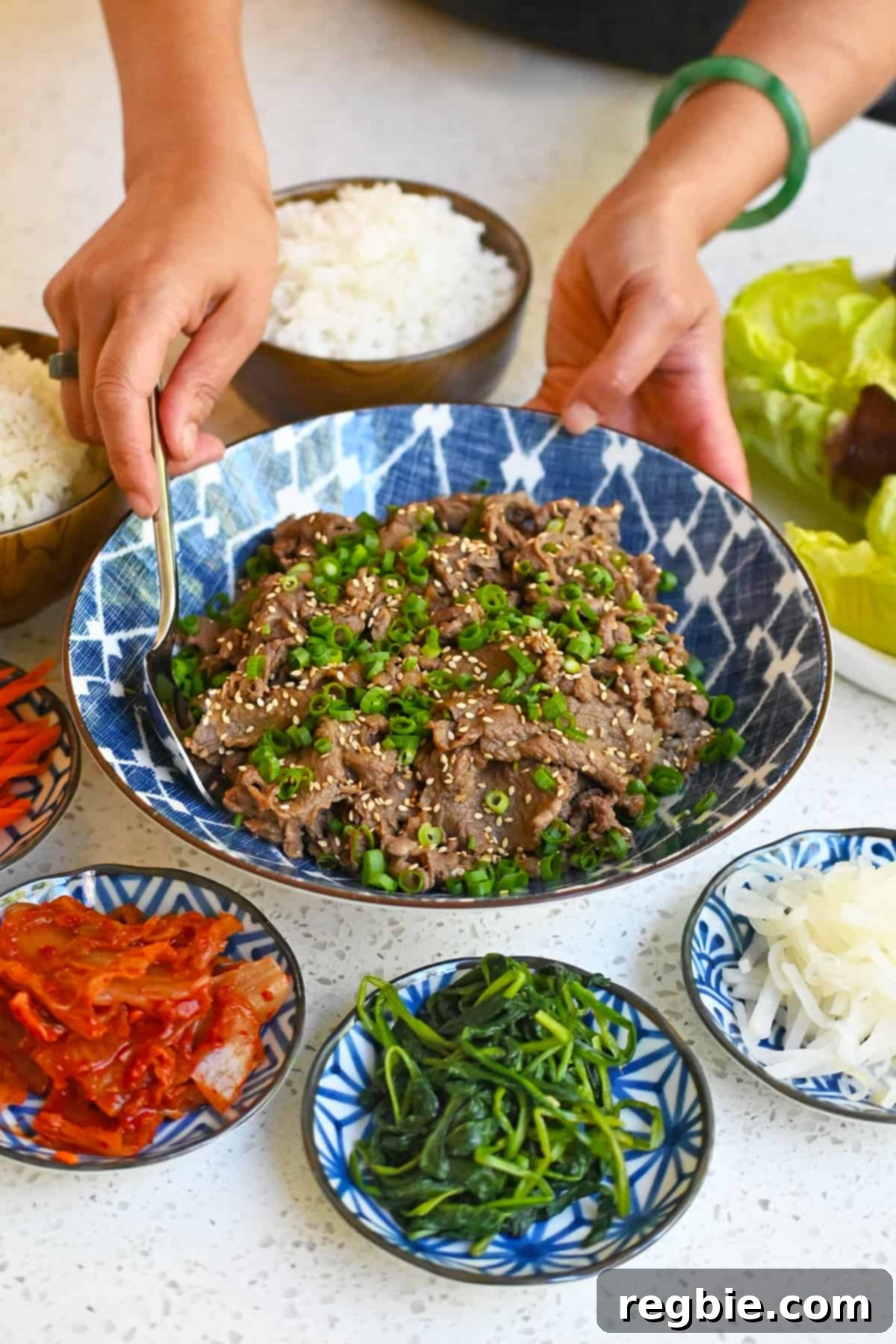
Craving an authentic Korean BBQ experience but sticking to your Paleo, Whole30, or gluten-free diet? Look no further! This incredible recipe for Paleo Bulgogi brings the vibrant flavors of classic Korean grilled beef right to your kitchen, easily prepared in a skillet. Say goodbye to dietary restrictions and hello to a sweet, savory, and perfectly tender bulgogi that tastes just like the real deal.
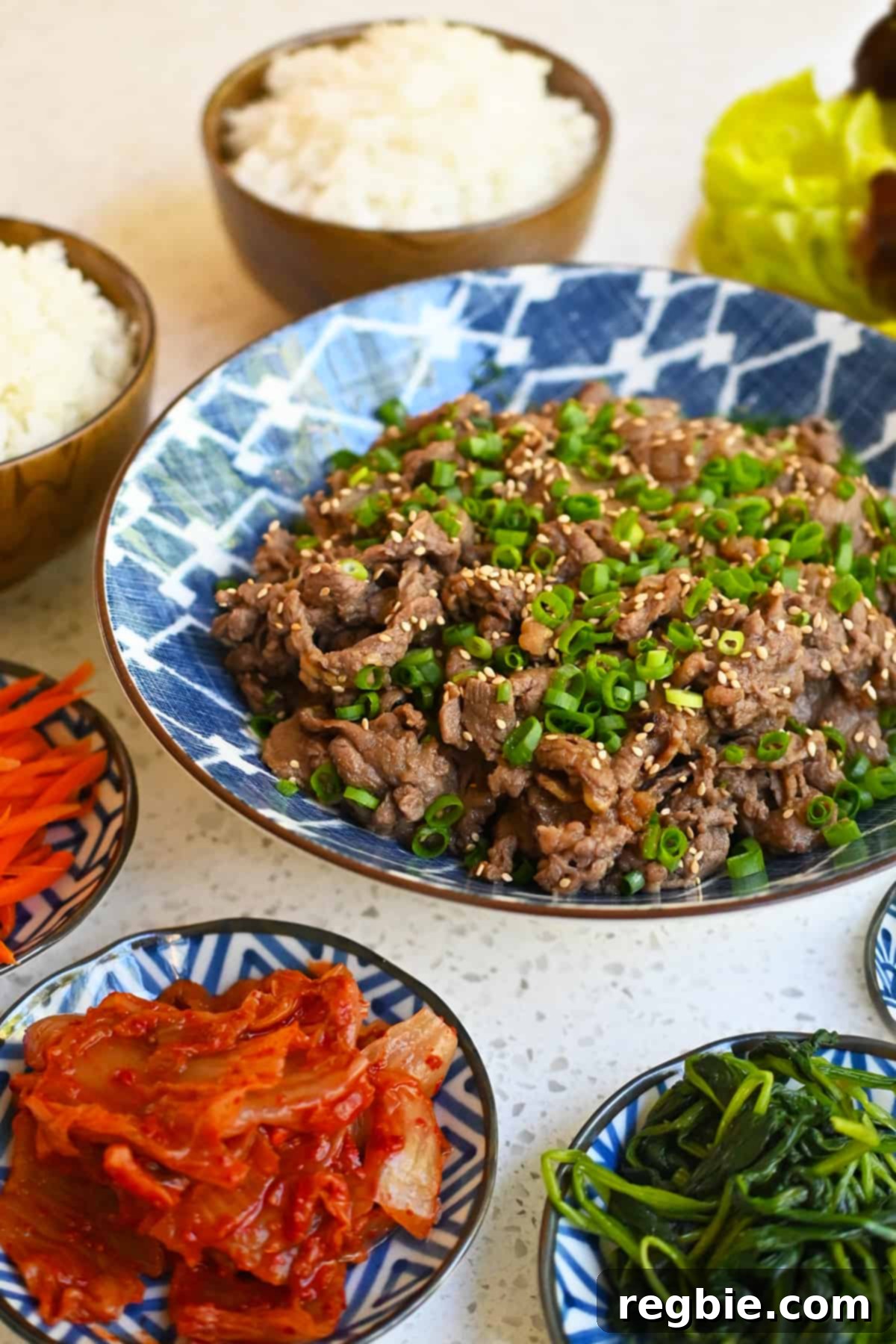
Table of Contents
- What is Bulgogi? The Heart of Korean BBQ
- Why a Paleo, Whole30, and Gluten-Free Bulgogi Recipe?
- Expert Tips for Making Perfect Bulgogi at Home
- Essential Ingredients for Your Healthy Bulgogi
- How to Make Paleo Bulgogi: A Simple Guide
- Prepare the Flavorful Marinade
- Marinate the Beef for Maximum Flavor
- Cook Your Korean Beef Bulgogi to Perfection
- Delicious Serving Suggestions for Bulgogi
- Storing Leftovers: Keep Your Bulgogi Fresh
- Can You Use Other Meats for Bulgogi?
- Paleo, Whole30, Gluten-Free Bulgogi Recipe Card
- Bulgogi Video Guide
- Nutrition Information
What is Bulgogi? The Heart of Korean BBQ
Bulgogi (불고기), literally translating to “fire meat,” is one of the most iconic and beloved dishes in Korean cuisine. This classic dish features thinly sliced beef, typically marinated in a profoundly flavorful sauce, then traditionally grilled over an open flame or pan-fried. The marinade is a complex blend of sweet, savory, and umami notes, often including soy sauce, brown sugar, garlic, sesame oil, ginger, and the secret ingredient – Asian pear, which not only adds natural sweetness but also acts as a natural tenderizer.
Historically, bulgogi has been a staple in Korea for centuries, evolving from a dish served to royalty to a widespread favorite enjoyed by everyone. Its versatility allows it to be served in various ways: as a main course with fluffy white rice, wrapped in fresh lettuce leaves with an assortment of banchan (small side dishes) like kimchi, or as a key component in bibimbap, a vibrant mixed rice bowl. The smoky char from grilling combined with the deeply savory marinade creates an unforgettable culinary experience that has charmed taste buds worldwide.
Why a Paleo, Whole30, and Gluten-Free Bulgogi Recipe?
For many of us who adore the rich, complex flavors of Korean BBQ, dining out can be a challenge due to dietary restrictions, especially gluten sensitivity or adherence to specific eating plans like Paleo and Whole30. Traditional bulgogi marinades often contain soy sauce and sugar, which are typically excluded from these diets. As a passionate home cook who misses these delightful flavors, I embarked on a mission to create a version that not only complies with these dietary needs but also delivers on taste.
This recipe is my personal triumph, a soy-free, gluten-free, and Whole30-compliant rendition that brings the authentic taste of bulgogi into your kitchen without compromise. By substituting traditional soy sauce with coconut aminos and relying on the natural sweetness of Asian pear and onion, we achieve that classic sweet-savory balance without added sugars or problematic ingredients. You’ll be amazed at how simple it is to prepare, requiring only a handful of readily available ingredients. Whether you’re serving it over cauliflower rice, wrapping it in crisp lettuce leaves, or enjoying it alongside kimchi, this homemade bulgogi will transport your taste buds to a Korean barbecue restaurant, making you forget you’re eating a healthy, diet-friendly meal. It’s truly a game-changer for anyone seeking a delicious, gut-friendly alternative to a beloved classic.
Expert Tips for Making Perfect Bulgogi at Home
- Choose and Slice Your Beef Wisely: The thinness of the beef is paramount for authentic bulgogi. Look for pre-sliced bulgogi beef at your local Korean or Asian market; this is a huge time-saver! Common cuts like ribeye, tenderloin, sirloin, or flank steak work beautifully. If slicing at home, partially freeze the meat for about 15-20 minutes. This makes it much easier to slice against the grain into paper-thin pieces (about 1/8 to 1/4 inch thick). Slicing against the grain ensures maximum tenderness.
- Master the Marinade with a Blender: My bulgogi sauce is incredibly simple thanks to the power of a high-speed blender or food processor. Just toss all the marinade ingredients in and blend until completely smooth. This creates a consistent, potent sauce that coats every slice of beef evenly. If your blender isn’t super powerful, or you prefer an extra smooth marinade, you can strain it through a fine-mesh sieve or cheesecloth to remove any tiny fibrous bits from the pear or ginger, ensuring a silky texture.
- Select the Right Skillet for Searing: While traditional bulgogi is often grilled, a large skillet is perfect for home cooking. The key is to maximize the cooking surface area to get a beautiful sear on the beef rather than steaming it. I find cast iron grill pans can be tough to clean, so I prefer a large stainless steel pan, a traditional cast iron skillet, a carbon steel pan, or even a spacious griddle. These options provide excellent heat retention and distribution, which is crucial for achieving that irresistible caramelized crust.
- Cook in Small Batches for Best Results: To avoid overcrowding your pan and steaming the beef, always cook bulgogi in a single layer in separate batches. This allows each piece to make direct contact with the hot surface, resulting in that desirable browning and crispy edge. Don’t worry, each batch cooks incredibly fast – usually just 1-2 minutes per side – so your delicious bulgogi will still be ready in a hurry for a quick and satisfying meal.
Essential Ingredients for Your Healthy Bulgogi
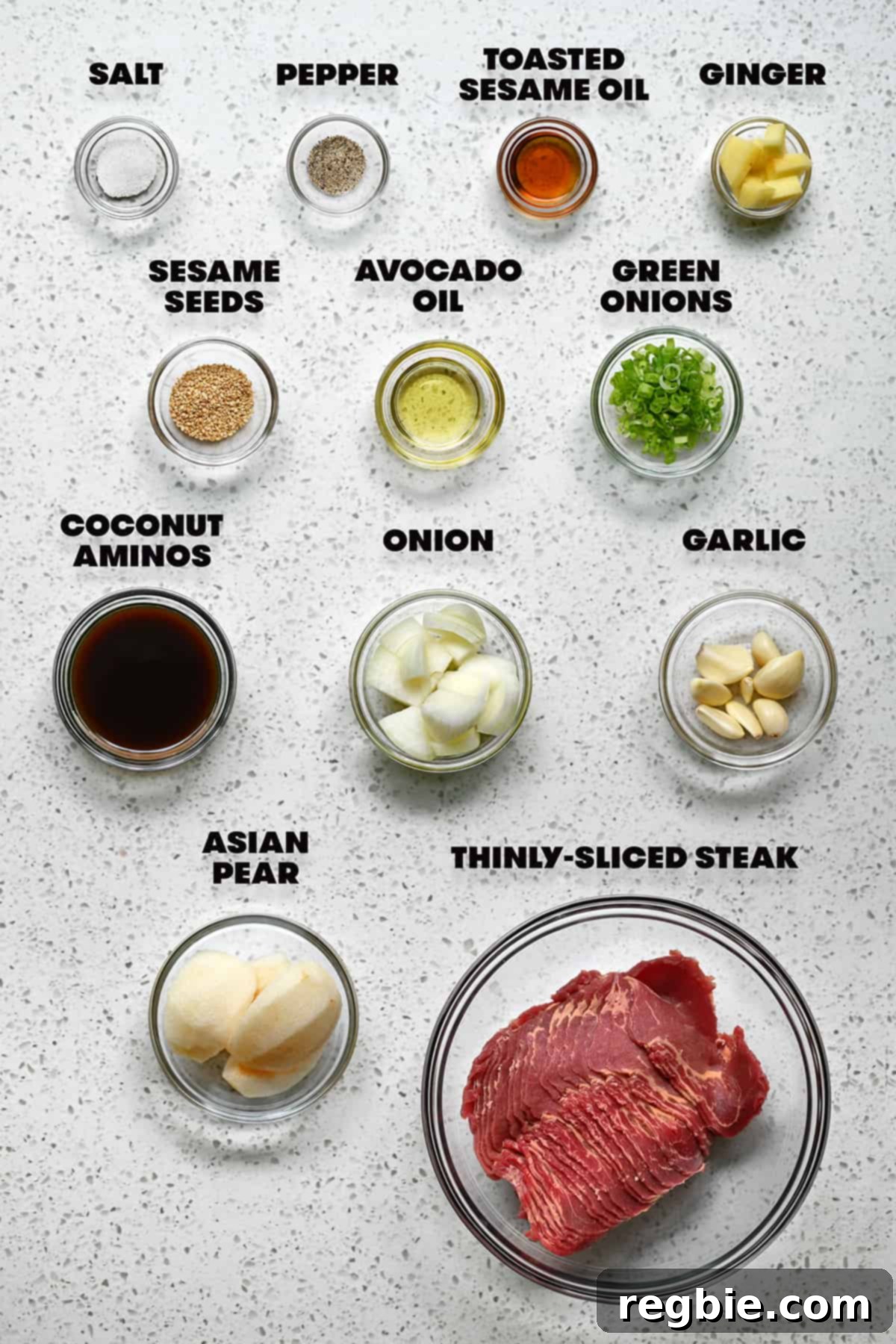
- Thinly Sliced Steak: The star of the dish! As mentioned, ribeye, tenderloin, sirloin, or flank steak are excellent choices. Pre-sliced varieties save time, but slicing your own after partial freezing yields great results.
- Asian Pear: A critical ingredient that provides natural sweetness and, more importantly, an enzyme (calpain) that acts as a natural meat tenderizer, ensuring your bulgogi is incredibly juicy and soft. If an Asian pear isn’t available, a regular pear, kiwi, or Fuji apple can be used as a substitute.
- Onion: Adds a foundational aromatic sweetness and depth to the marinade.
- Garlic Cloves: Essential for the quintessential Korean flavor profile, delivering a pungent and savory kick.
- Fresh Ginger: Contributes a warm, spicy, and aromatic note, complementing the garlic and further aiding in meat tenderization with its own enzymes.
- Coconut Aminos: The perfect soy sauce replacement for Paleo, Whole30, and gluten-free diets. It offers a similar umami depth with a slightly sweeter profile. Remember to adjust salt levels accordingly, as it’s less salty than soy sauce.
- Toasted Sesame Oil: Adds a rich, nutty aroma and flavor that defines many Korean dishes. It’s a finishing touch that truly elevates the bulgogi.
- Diamond Crystal Brand Kosher Salt: Our preferred salt for its consistent granularity and ability to enhance flavors without overt saltiness.
- Freshly Cracked Black Pepper: A simple yet effective seasoning to add a touch of warmth and slight spice.
- Avocado Oil: A high smoke point oil ideal for cooking at medium-high heat without burning, ensuring a perfect sear on your beef.
- Toasted Sesame Seeds: For garnish, providing a lovely textural contrast and an extra layer of nutty flavor.
- Scallions (Green Onions): Freshly sliced scallions add a bright, mild oniony flavor and vibrant color as a final garnish.
How to Make Paleo Bulgogi: A Simple Guide
Step 1: Prepare the Flavorful Marinade
The secret to irresistible bulgogi lies in its marinade. Gather your fresh ingredients: the peeled, cored, and roughly chopped Asian pear, chopped onion, peeled garlic cloves, and a piece of fresh ginger. In a high-speed blender, combine these aromatics with the coconut aminos, 1½ teaspoons of Diamond Crystal kosher salt, and freshly ground black pepper.
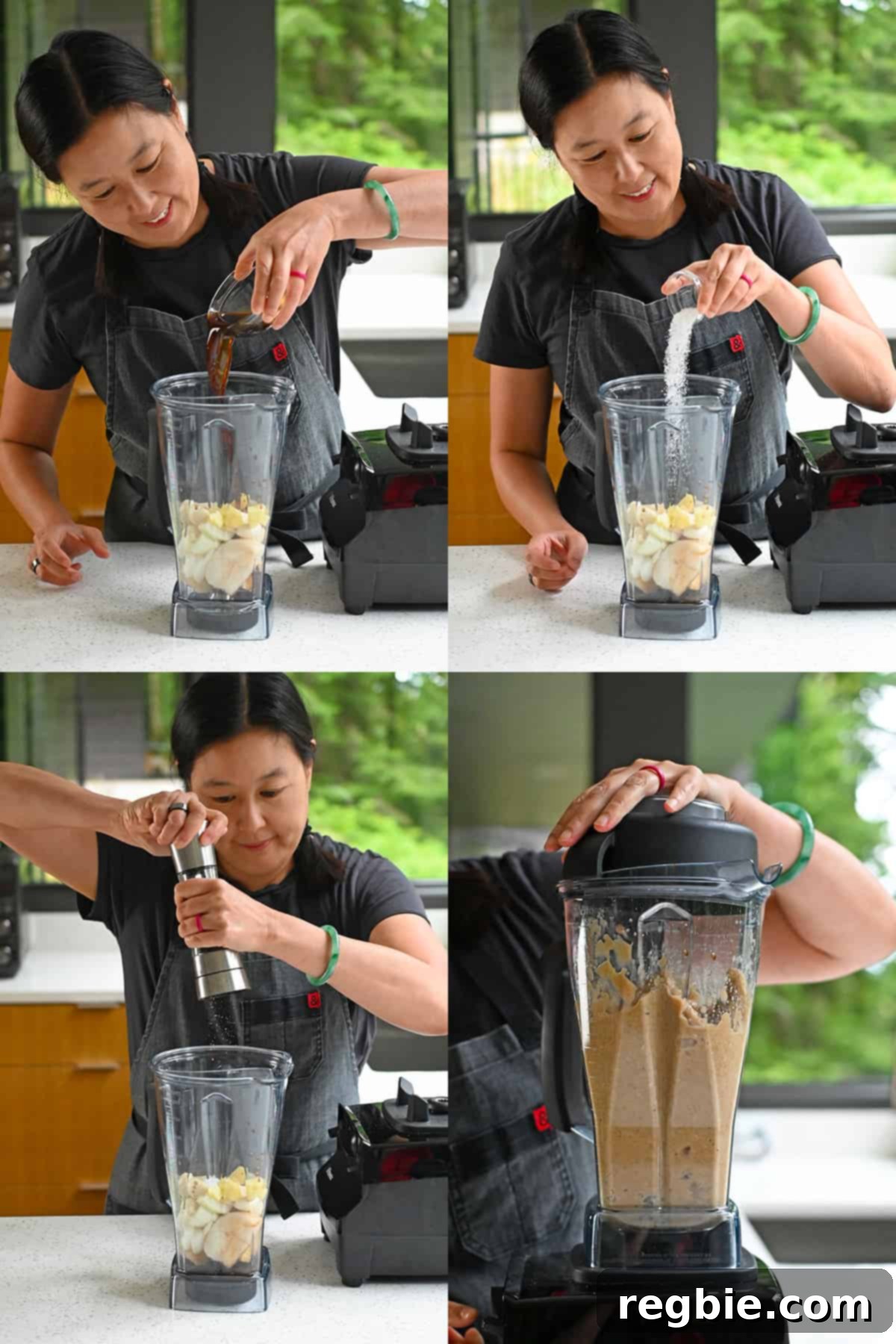
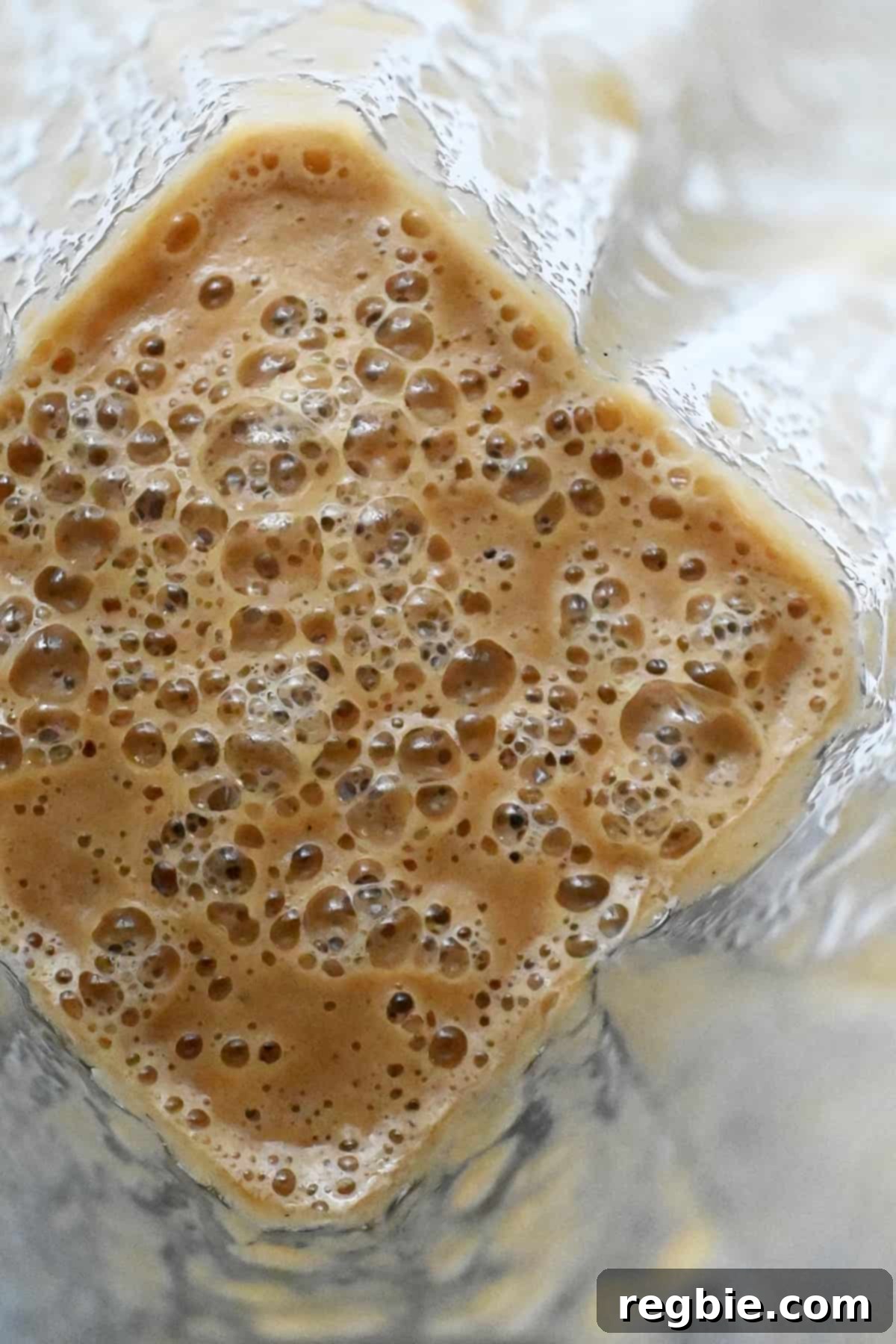
Blitz all the ingredients together until the mixture becomes completely smooth and homogenous. The blender ensures that all the flavors are thoroughly combined and the pear and ginger are finely incorporated, creating a luxurious and potent base for your bulgogi.
Step 2: Marinate the Beef for Maximum Flavor
Once your marinade is ready, place the thinly sliced steak into a large, non-reactive bowl. Pour the vibrant, aromatic marinade over the beef, then drizzle in the toasted sesame oil. Using tongs or your hands, toss the beef thoroughly to ensure every single slice is evenly coated with the rich sauce. This step is crucial for infusing the meat with flavor and tenderizing it.
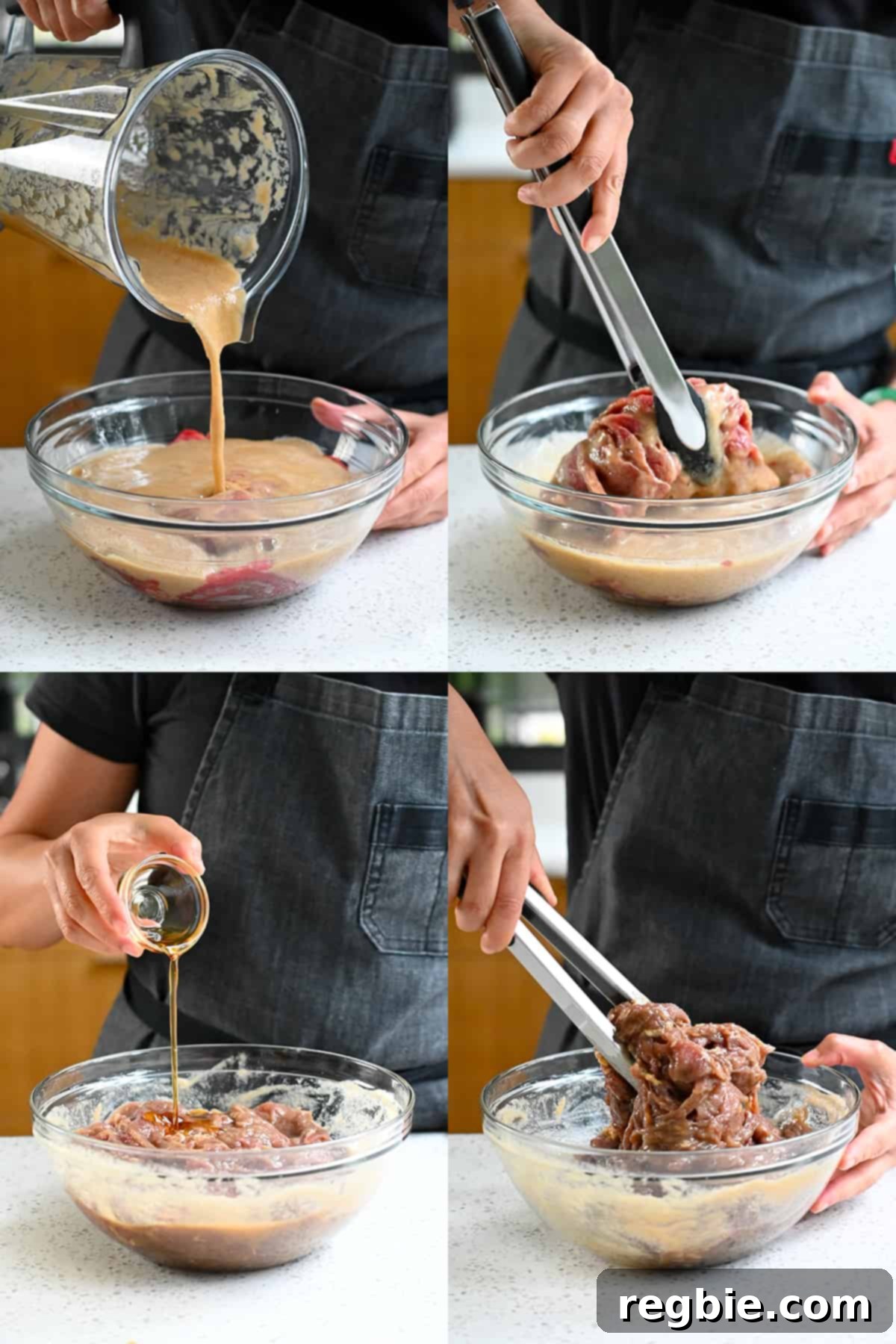
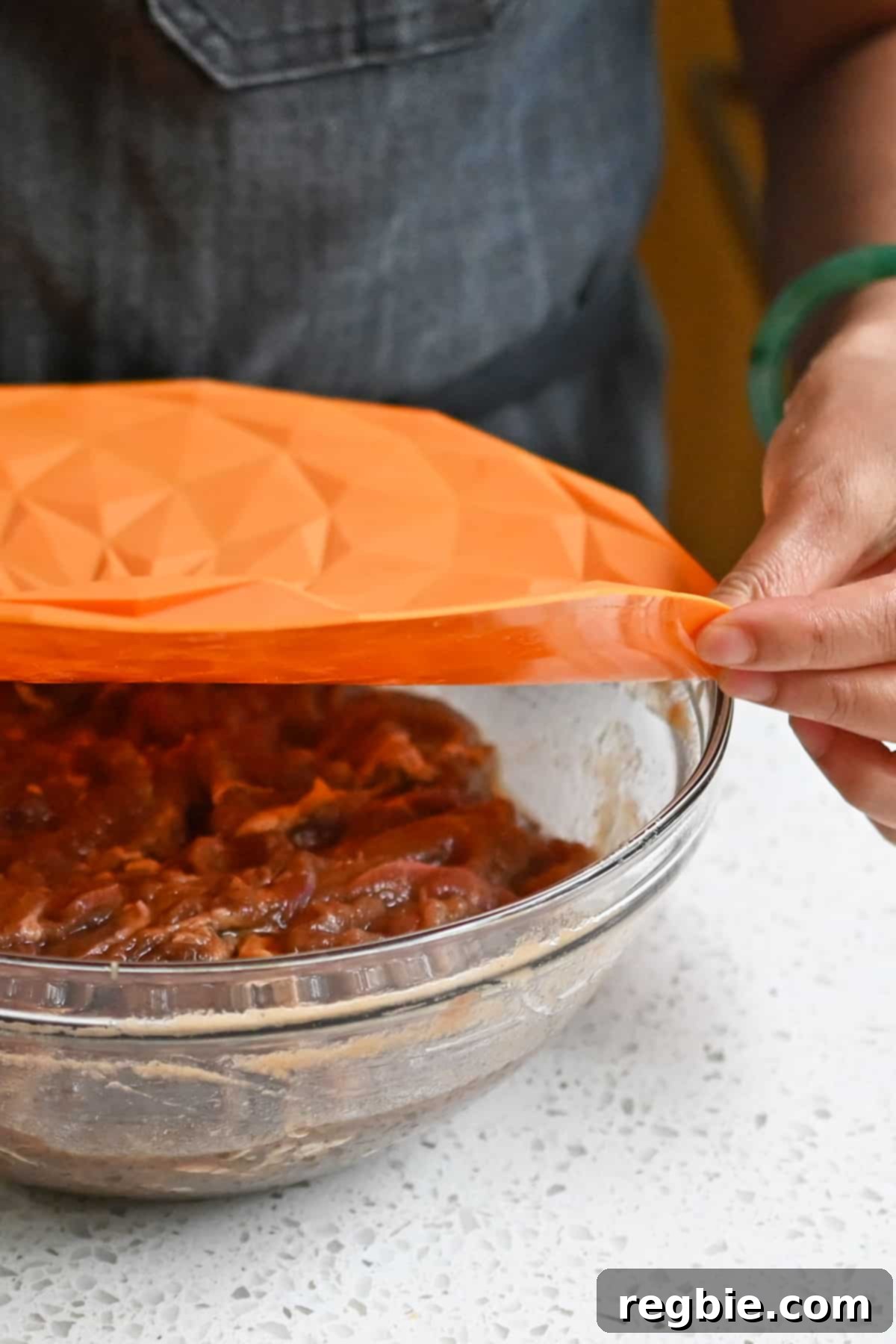
Cover the bowl securely with a lid or plastic wrap and transfer it to the refrigerator. Allow the beef to marinate for a minimum of 1 hour to let the flavors meld and the tenderizers work their magic. For an even deeper flavor, you can marinate the beef for up to 24 hours. The longer it marinates, the more pronounced and complex the bulgogi flavor will be.
Step 3: Cook Your Korean Beef Bulgogi to Perfection
When you’re ready to cook, heat a large skillet over medium-high heat until it’s very hot. Swirl in 1 tablespoon of avocado oil, ensuring the entire cooking surface is coated. Before adding the beef, shake off any excess marinade from the slices; this helps achieve a better sear and prevents the pan from becoming watery. Cook the marinated beef in a single layer in the hot pan. Remember, you’ll need to cook the meat in several separate batches to avoid overcrowding and to allow each piece to sear beautifully.
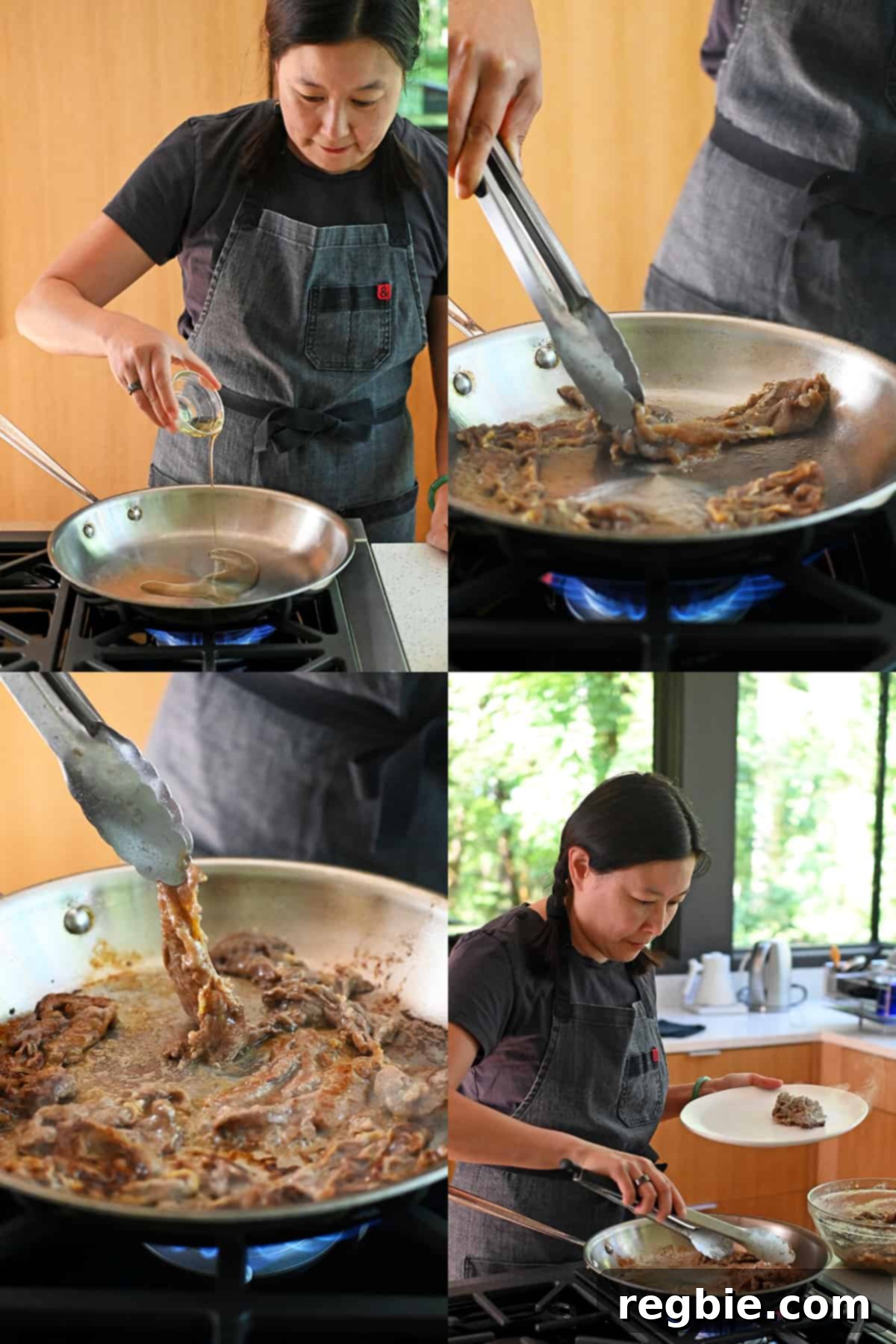
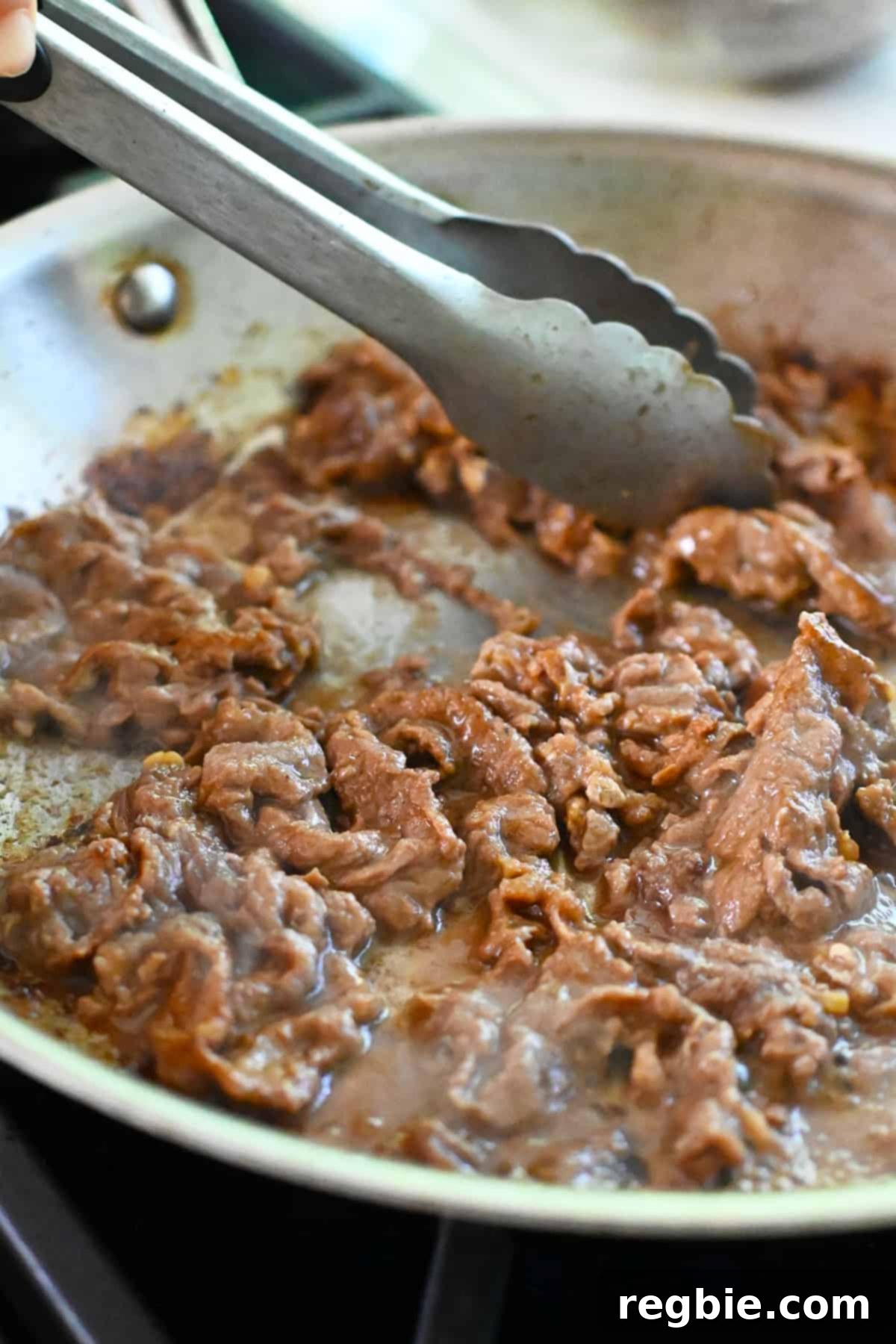
Cook the meat until it is lightly browned and slightly caramelized, typically about 1-2 minutes on each side. The exact cooking time will vary depending on the thickness of your beef slices and your desired level of doneness. Because the slices are so thin, they cook very quickly, so keep a close eye on them to prevent overcooking.
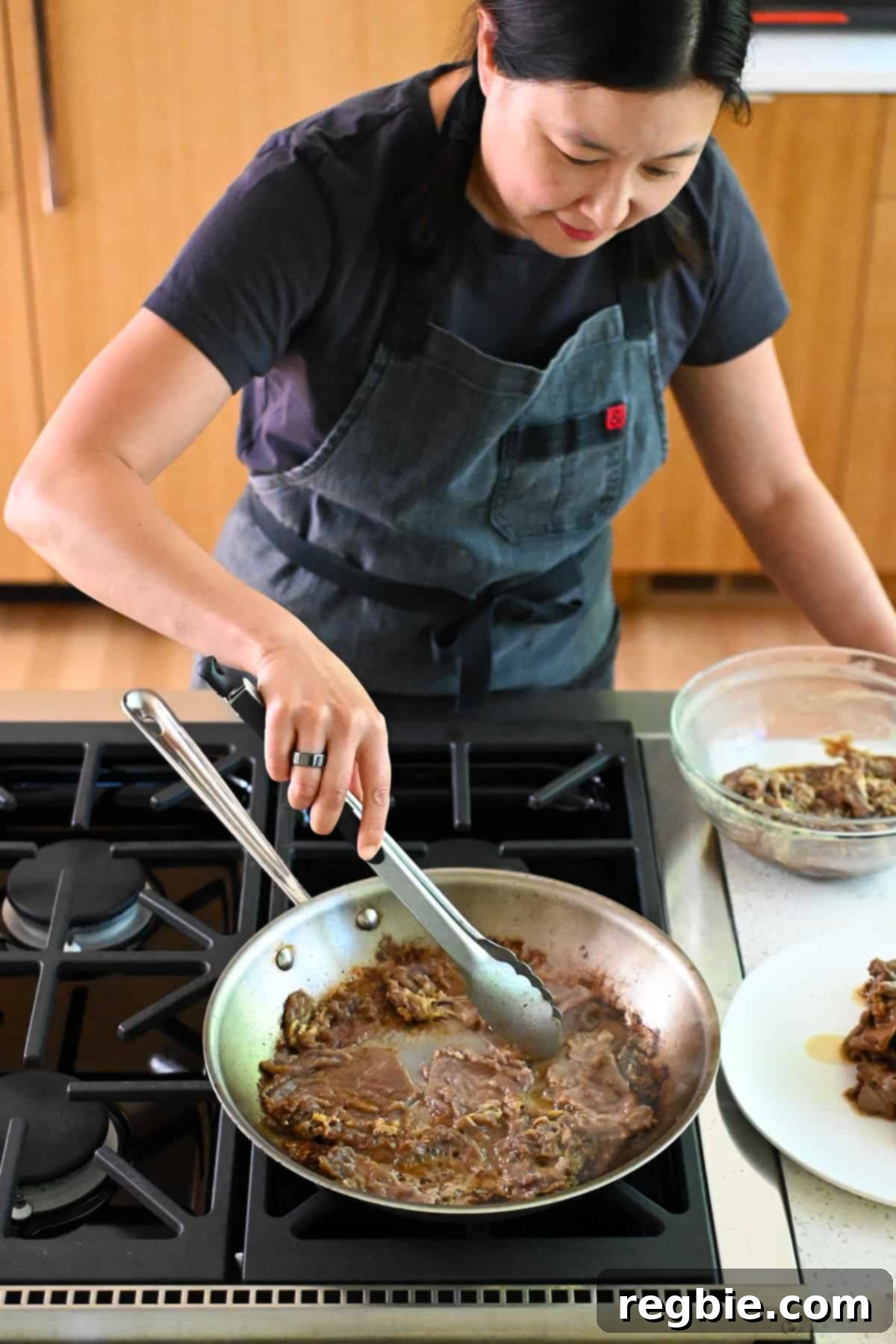
Once a batch is cooked, transfer the seared bulgogi to a serving dish. Repeat the cooking process with the remaining beef, adding more avocado oil to the skillet between batches if necessary. This methodical approach ensures that every piece of bulgogi is perfectly cooked, tender, and bursting with flavor.
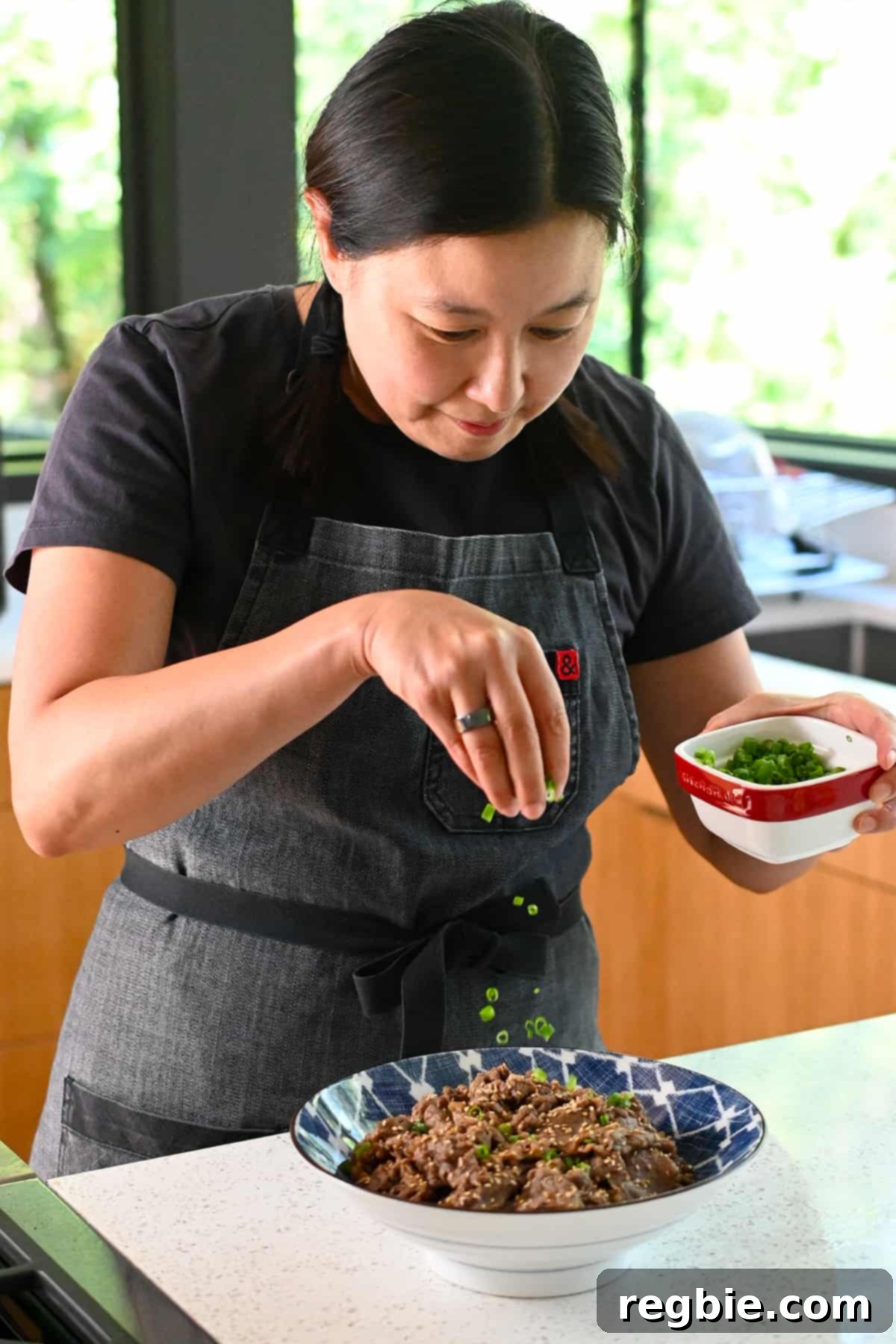
Before serving, generously sprinkle the cooked bulgogi with toasted sesame seeds and thinly sliced scallions. These garnishes add a fresh, aromatic finish and a pleasant textural contrast. Now, dig in and savor your incredible homemade Paleo, Whole30, and Gluten-Free Bulgogi!
Delicious Serving Suggestions for Bulgogi
This versatile Paleo Bulgogi pairs wonderfully with a variety of sides, ensuring a complete and satisfying meal that adheres to your dietary needs. For a truly low-carb and Whole30 compliant experience, serve your bulgogi with fluffy cauliflower rice. Its neutral flavor provides the perfect canvas for the rich beef.
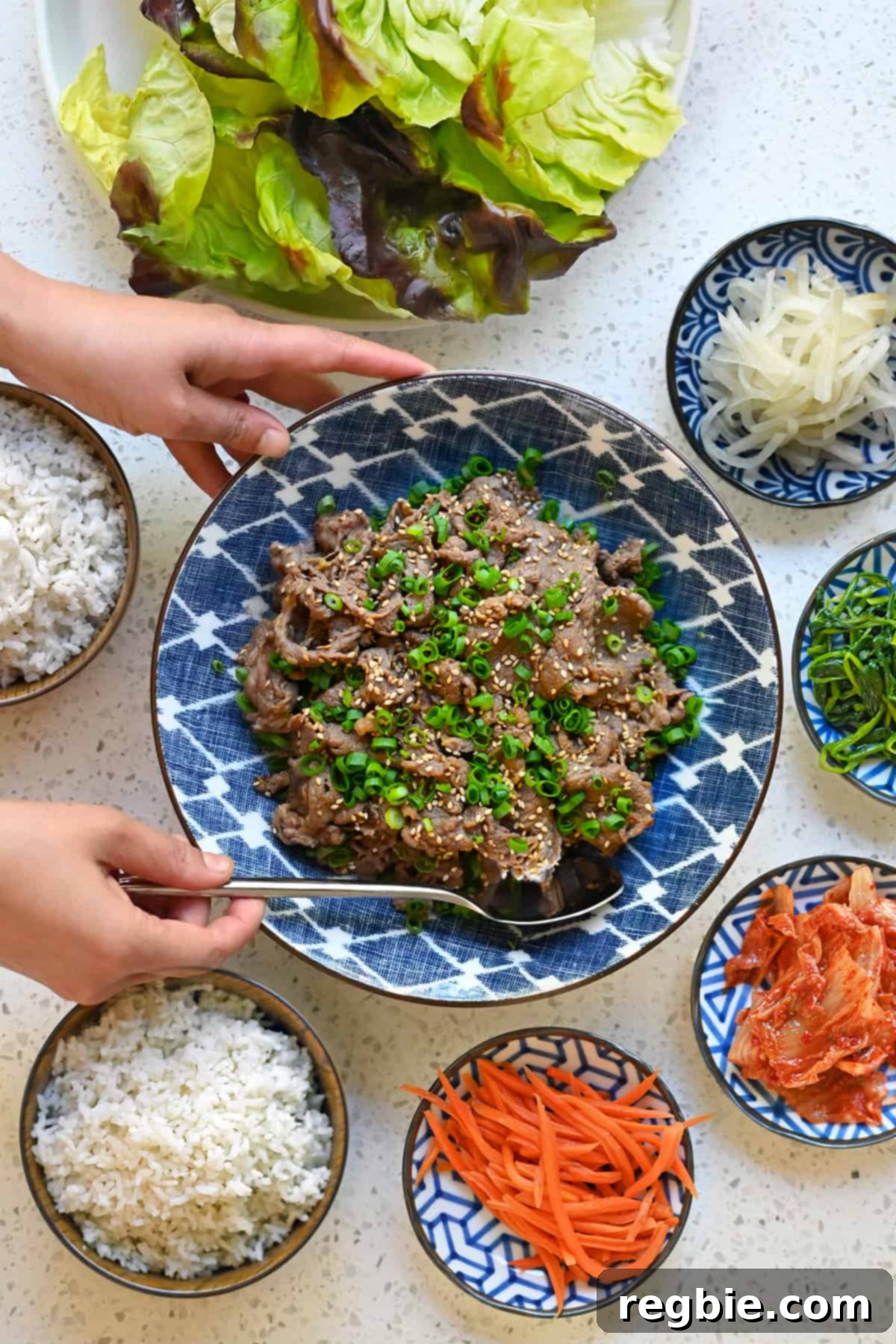
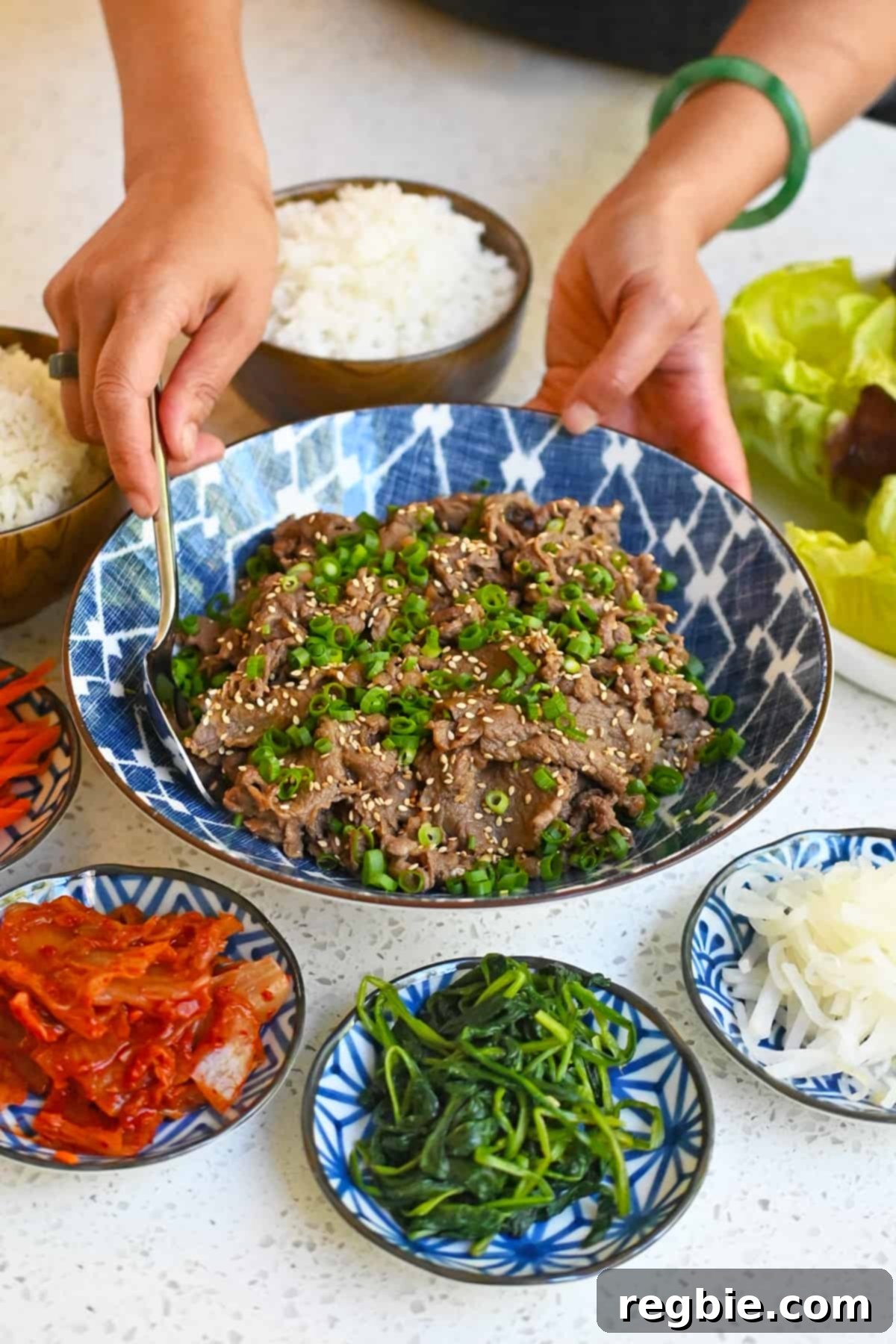
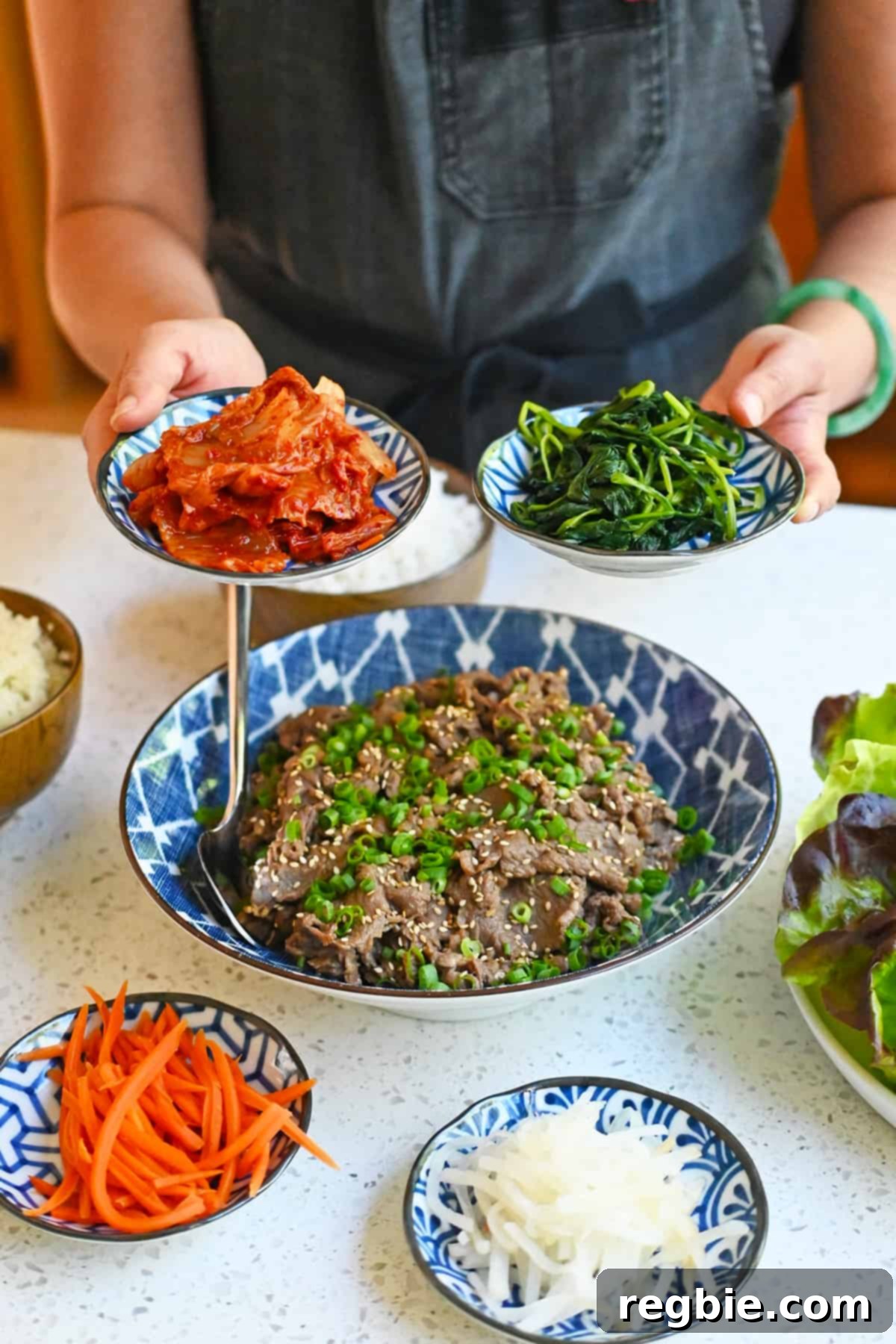
Embrace the traditional Korean “ssam” (wrap) experience by serving the bulgogi with crisp lettuce leaves, such as butter lettuce or red leaf lettuce. Fill each leaf with a spoonful of bulgogi and your favorite Korean side dishes (banchan). Classic options include spicy kimchi, refreshing Korean Cucumber Salad, or vibrant Korean spinach dish (Sigeumchi Namul). The combination of tender beef, crunchy lettuce, and tangy banchan creates a dynamic medley of flavors and textures.
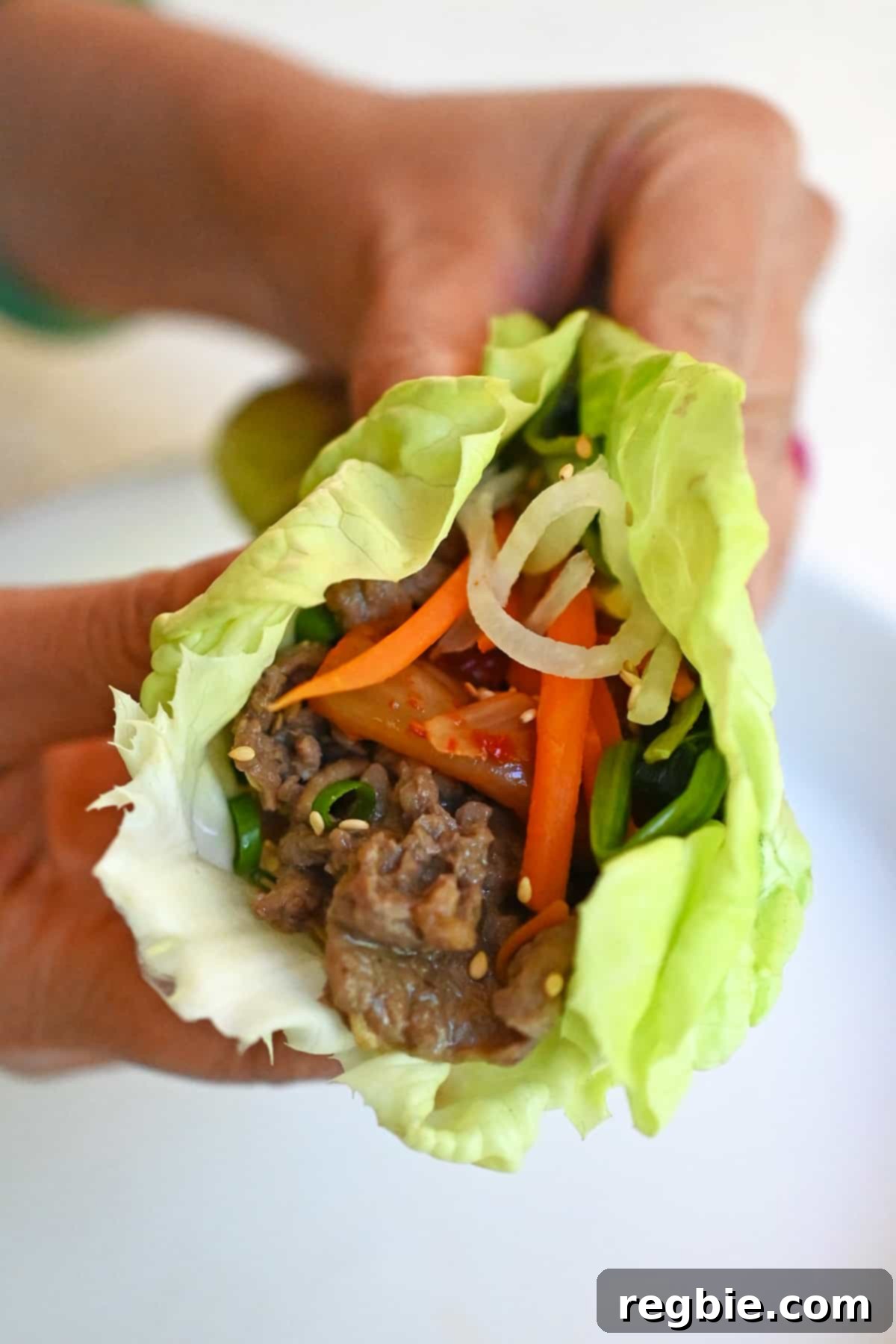
My personal favorite way to enjoy bulgogi is to craft a perfect lettuce wrap: take a large butter lettuce leaf, add a generous portion of bulgogi, a spoonful of kimchi for its spicy fermentation, and perhaps a bit of cucumber salad. Wrap it all up tightly and enjoy the burst of flavors and textures in every bite. It’s a delightful, interactive, and healthy way to experience Korean cuisine.
Storing Leftovers: Keep Your Bulgogi Fresh
One of the great things about this Paleo Bulgogi is how well it keeps, making it perfect for meal prep or enjoying delicious leftovers throughout the week. Once cooled, transfer any leftover bulgogi into an airtight container. It can be safely stored in the refrigerator for up to 4 days. When reheating, gently warm it in a skillet over medium heat or in the microwave until heated through, being careful not to overcook the thin slices of beef.
For longer storage, bulgogi freezes exceptionally well. Place the cooked and cooled bulgogi in a freezer-safe airtight container or heavy-duty freezer bag. It will maintain its quality in the freezer for up to 3 months. To enjoy, thaw overnight in the refrigerator and then reheat as described above. This makes it an ideal dish to prepare in larger batches, ensuring you always have a quick, flavorful, and healthy meal ready to go.
Can You Use Other Meats for Bulgogi?
Absolutely! While beef is the traditional choice for bulgogi, this versatile marinade works wonderfully with other meats, allowing you to customize the dish to your preference or what you have on hand. You can easily adapt this recipe to make delicious chicken bulgogi or pork bulgogi. For chicken, thinly slice chicken breast or thigh meat against the grain. Pork tenderloin, sliced into thin medallions, is another excellent option.
When using chicken or pork, the marinating time can remain similar (1-24 hours), and the cooking method in a hot skillet remains the same. Just ensure the chicken or pork is cooked through until no pink remains, typically within a few minutes per side due to the thin slices. These variations offer a fantastic way to enjoy the incredible flavors of bulgogi with a different protein, adding more flexibility to your meal planning while staying true to the Paleo, Whole30, and gluten-free principles.
Looking for more healthy and delicious recipe ideas? Head on over to my Recipe Index. You’ll also find exclusive recipes and culinary inspiration in my cookbooks, Nom Nom Paleo: Food for Humans (Andrews McMeel Publishing 2013), Ready or Not! (Andrews McMeel Publishing 2017), and Nom Nom Paleo: Let’s Go! (Andrews McMeel Publishing 2022).
Bulgogi (Paleo, Whole30, Gluten Free)
5
20
1
1 25
4
Michelle Tam
Ingredients
- 1 medium Asian pear, peeled, cored, and roughly chopped (about 8 oz)
- ½ medium onion, roughly chopped
- 8 garlic cloves, peeled
- 2 inch piece fresh ginger, peeled, roughly chopped
- ⅓ cup coconut aminos
- 1½ teaspoons Diamond Crystal kosher salt
- ¼ teaspoon freshly ground black pepper
- 1½ pounds thinly sliced steak
- 2 teaspoons toasted sesame oil
- 2 tablespoons avocado oil, divided
- 1 tablespoon toasted sesame seeds
- 2 green onions, thinly sliced
Instructions
Make the Marinade
-
In a high-speed blender, add the Asian pear, chopped onion, garlic, ginger, coconut aminos, 1½ teaspoons of Diamond Crystal kosher salt, and black pepper. Blitz until smooth.
Marinate the Beef
-
Place the thinly sliced steak in a large bowl and pour in the marinade and sesame oil. Toss well to combine.
-
Cover the bowl and marinate in the refrigerator for at least 1 hour and up to 24 hours.
Cook the Bulgogi
-
Heat a large skillet over medium-high heat. When it’s hot, swirl in 1 tablespoon of the avocado oil. Shake off the excess marinade and cook the marinated beef in a single layer in the hot pan. You’ll need to cook the meat in a few separate batches to avoid overcrowding.
-
Cook the meat until lightly browned, about 1-2 minutes on each side depending on the thickness.
-
Transfer to a serving dish and repeat the process with the remaining beef, adding more avocado oil if needed. Sprinkle with sesame seeds and sliced scallions before serving. Enjoy!
Video Guide
Watch this video to see how to make delicious Paleo, Whole30, and Gluten-Free Bulgogi step-by-step!
Notes
- Leftovers can be stored in a sealed container in the fridge for up to 4 days or frozen for up to 3 months.
- To keep your meal low carb and Whole30, serve the bulgogi with cauliflower rice, crisp lettuce leaves, and Korean side dishes (e.g., kimchi, Korean Cucumber Salad, or Korean spinach dish).
- Can’t find an Asian pear? A regular pear, kiwi, or Fuji apple can be used as a substitute in the marinade.
- For variations, try this marinade with thinly sliced chicken breast/thigh or pork tenderloin.
Nutrition
Nutrition information is automatically calculated, so should only be used as an approximation.
Enjoyed this recipe? Share your thoughts below!